SAE 4140 Steel: Strength, Heat Treatment, and Industrial Performance Explained
🔍 Introduction
SAE 4140 steel is one of the most widely used alloy steels in the engineering and manufacturing world. Known for its excellent balance of strength, toughness, and wear resistance, it is a preferred material for demanding applications such as shafts, gears, and oilfield components.
In this article, we explore sae 4140 steel properties and applications, including its chemical composition, mechanical performance, heat treatment methods, and practical selection tips.
⚙️ What Is SAE 4140 Steel?
SAE 4140 is a chromium-molybdenum alloy steel classified under the AISI/SAE system. It offers high hardenability, good fatigue strength, and excellent impact resistance after proper heat treatment.
Key characteristics:
- Medium carbon alloy steel
- Good strength-to-weight ratio
- Suitable for quenching and tempering
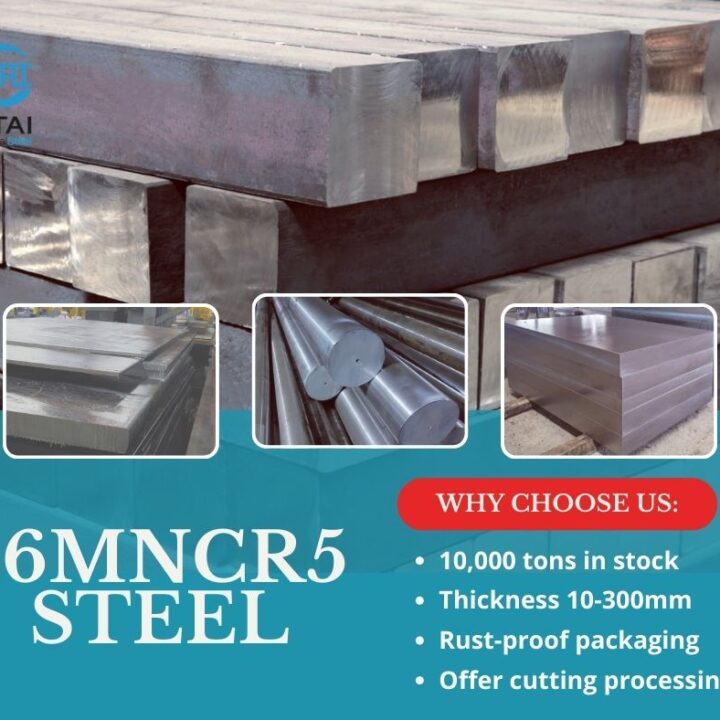
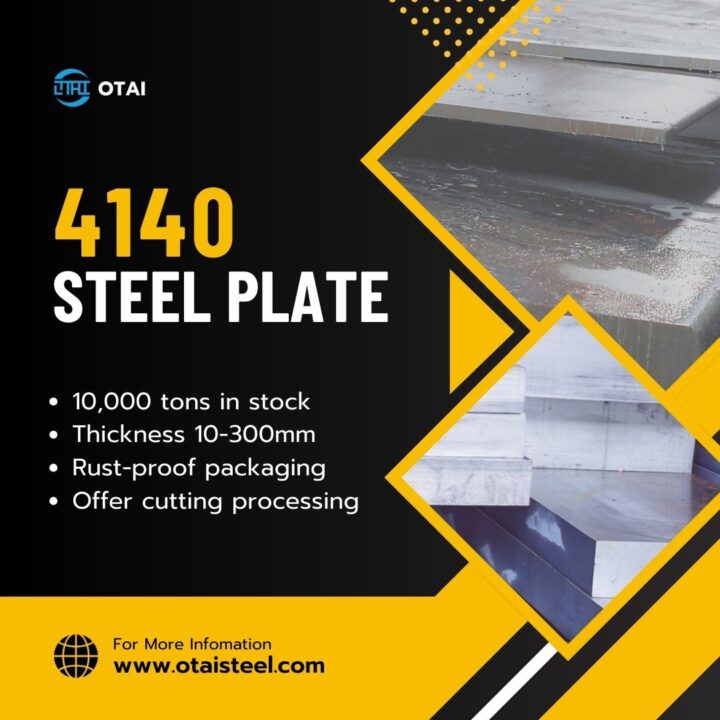
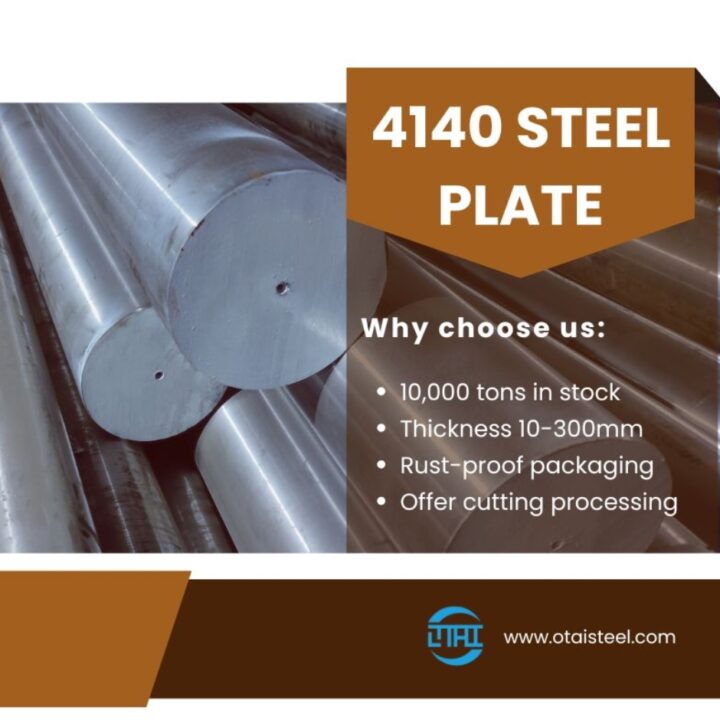
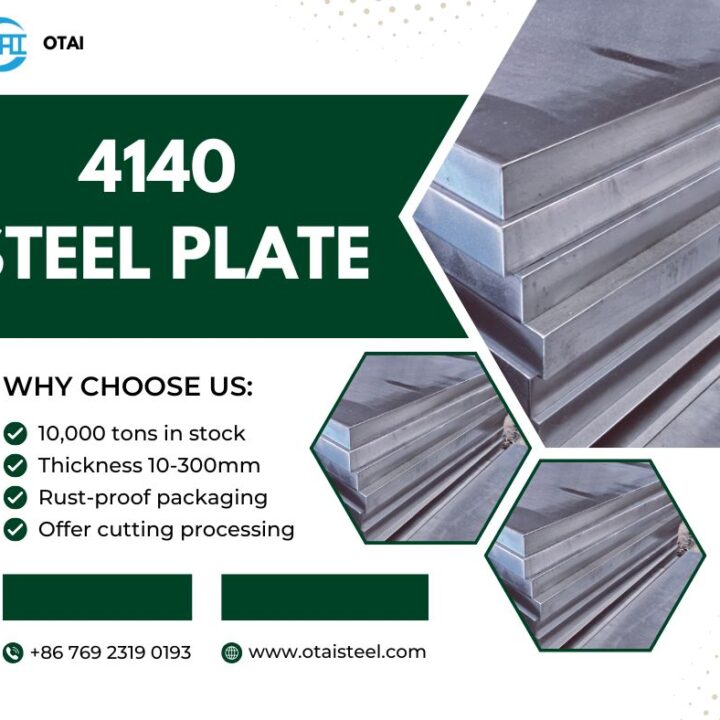
- Widely available in bars, plates, and forgings
It is often used where higher strength is required compared to standard carbon steels.
🧪 4140 Steel Chemical Composition
Understanding 4140 steel chemical composition is essential for evaluating its performance.
| Element | Content (%) |
|---|---|
| Carbon (C) | 0.38–0.43 |
| Chromium (Cr) | 0.8–1.1 |
| Molybdenum (Mo) | 0.15–0.25 |
| Manganese (Mn) | 0.75–1.0 |
| Silicon (Si) | 0.15–0.35 |
Insight:
- Chromium improves wear resistance and hardenability
- Molybdenum enhances strength and toughness
- Carbon increases hardness potential
📊 Mechanical Properties and Strength
The 4140 steel mechanical properties table below shows typical values after quenching and tempering:
| Property | Value |
|---|---|
| Tensile Strength | 850–1100 MPa |
| Yield Strength | 650–900 MPa |
| Hardness | 28–50 HRC |
| Elongation | 20–25% |
| Impact Toughness | High |
These values highlight sae 4140 steel hardness and strength, making it suitable for high-load applications.
🔥 4140 Steel Heat Treatment Process
The 4140 steel heat treatment process significantly affects its final properties.
Typical Process:
- Austenitizing: 830–870°C
- Quenching: Oil or water
- Tempering: 200–650°C depending on required hardness
Results:
- Improved strength and toughness
- Controlled hardness levels
- Reduced internal stress
Proper heat treatment allows engineers to tailor the material for specific applications.
⚖️ 4140 Steel Equivalent Material
Understanding sae 4140 steel equivalent material is important for global sourcing.
| Standard | Equivalent Grade |
|---|---|
| EN | 42CrMo4 |
| JIS | SCM440 |
| GB | 42CrMo |
| DIN | 1.7225 |
These equivalents offer similar mechanical performance, though slight differences may exist.
🛠️ Machinability and Weldability
The 4140 steel machinability and weldability characteristics are important for manufacturing.
| Property | Performance |
|---|---|
| Machinability | Good (especially annealed) |
| Weldability | Moderate (requires preheating) |
| Formability | Limited |
Practical tip:
Preheating (200–300°C) is recommended before welding to avoid cracking.
🏭 SAE 4140 Steel Uses in Industry
The sae 4140 steel uses in industry are extensive due to its versatility.
Common Applications:
- Shafts and axles
- Gears and crankshafts
- Oil and gas drilling components
- Heavy machinery parts
- High-strength bolts and fasteners
Its combination of strength and toughness makes it ideal for critical components.
🔄 SAE 4140 vs 4142 Steel Difference
Many users compare sae 4140 steel vs 4142 difference.
| Property | 4140 | 4142 |
|---|---|---|
| Carbon Content | Lower | Higher |
| Strength | High | Slightly higher |
| Toughness | Better | Slightly lower |
Conclusion:
4142 provides higher strength, while 4140 offers better toughness and versatility.
⚙️ Density and Specifications
The sae 4140 steel density and specifications are:
| Property | Value |
|---|---|
| Density | 7.85 g/cm³ |
| Standard | ASTM A29 / AISI 4140 |
| Supply Forms | Plate, bar, forging |
⚠️ Common Mistakes When Using SAE 4140 Steel
- Improper heat treatment leading to brittleness
- Welding without preheating
- Selecting incorrect hardness level
- Ignoring machining conditions
Avoiding these mistakes ensures optimal performance.
🏆 Company Advantages
At Otai Special Steel, we supply high-quality SAE 4140 steel with reliable performance:
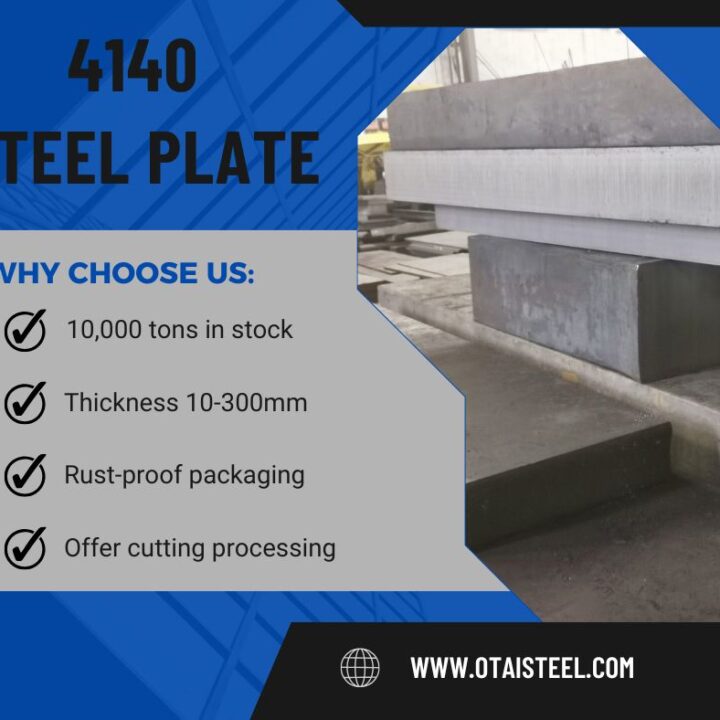
- Over 10,000 tons of inventory available year-round
- Wide size range from 6mm to 300mm
- Precision cutting and customized heat treatment services
- Strict quality control including ultrasonic testing (UT) and chemical analysis
- Support for third-party inspections such as SGS
- Extensive experience supplying global industrial clients
We help customers achieve consistent quality and cost-effective solutions.
❓ FAQ
1. What is 4140 steel used for?
It is widely used for shafts, gears, and high-strength mechanical components.
2. What is the hardness of 4140 steel?
Typically 28–50 HRC after heat treatment.
3. Is 4140 steel weldable?
Yes, but preheating is required to prevent cracking.
4. What is the equivalent of 4140 steel?
Common equivalents include 42CrMo4, SCM440, and 42CrMo.
5. Why is 4140 steel so popular?
Because it offers an excellent balance of strength, toughness, and versatility.