 Elastic Modulus of 4140 Steel: Importance, Properties, and Applications
🔍 Introduction
When selecting materials for engineering applications, understanding their mechanical properties is crucial. One of the most important properties is the elastic modulus, also known as Young’s modulus. For 4140 steel, this property plays a vital role in determining how the material will behave under stress, especially in structural and mechanical applications. This article explores the elastic modulus of 4140 steel, its significance, and its role in material selection.
🛠️ What is 4140 Steel?
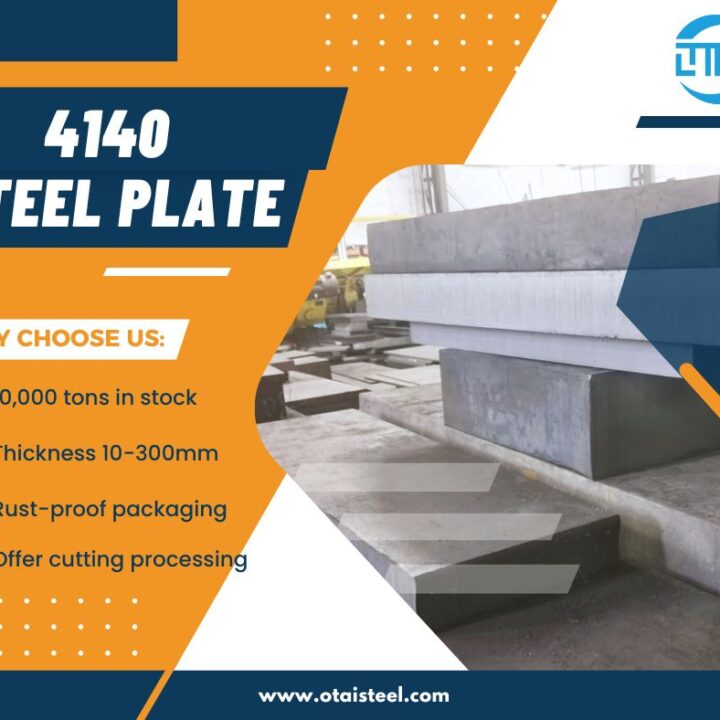
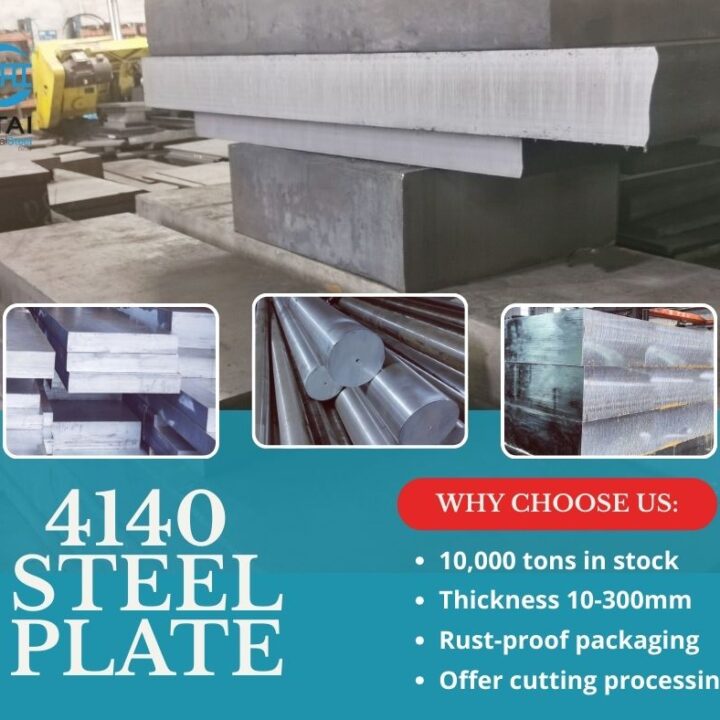
4140 steel is a medium-carbon, chromium-molybdenum alloy steel that offers a combination of strength, toughness, and wear resistance. It’s widely used in applications that require high strength, fatigue resistance, and the ability to withstand harsh conditions. 4140 steel is used for components such as gears, shafts, axles, and tools.
Typical Chemical Composition of 4140 Steel:
- Carbon (C): 0.38% – 0.43%
- Manganese (Mn): 0.75% – 1.00%
- Chromium (Cr): 0.80% – 1.10%
- Molybdenum (Mo): 0.15% – 0.25%
- Silicon (Si): 0.20% – 0.35%
The addition of chromium and molybdenum improves the steel’s hardenability, strength, and resistance to wear and corrosion.
📊 Elastic Modulus of 4140 Steel
The elastic modulus (also referred to as Young’s modulus) is a measure of a material’s stiffness—essentially, how much it will deform under a given load. For 4140 steel, the elastic modulus is a crucial factor in assessing its structural performance in various engineering applications.
Elastic Modulus of 4140 Steel
- Elastic Modulus (Young’s Modulus): 210 GPa (Gigapascals)
This value represents the material’s ability to resist deformation under tensile (pulling) stress. A higher elastic modulus indicates a stiffer material that deforms less under load. In the case of 4140 steel, the relatively high elastic modulus reflects its capacity to maintain shape and resist deformation, even under significant stress.
⚙️ Importance of Elastic Modulus
The elastic modulus of a material plays a critical role in many engineering decisions, particularly in the design of structural components. Here’s why the elastic modulus of 4140 steel is so important:
1. Stiffness and Deformation Resistance
A higher elastic modulus means that 4140 steel can resist deformation more effectively than materials with a lower modulus. This makes it ideal for applications where minimal deformation under load is necessary, such as in structural beams, shafts, and gears.
2. Predicting Performance in Structural Applications
In engineering design, understanding the elastic modulus allows engineers to predict how a material will behave under different loading conditions. For 4140 steel, its elastic modulus helps in designing components that must withstand high stresses without experiencing excessive deflection or bending.
3. Designing Components with Precision
When designing components like shafts or gears, knowing the elastic modulus of 4140 steel helps in ensuring that the material will not deform beyond acceptable limits under typical working conditions. This is especially important for applications requiring precision and long-term durability.
🏗️ Applications of 4140 Steel
Given its high elastic modulus, 4140 steel is used in many demanding applications where stiffness and resistance to deformation are critical. Here are some common applications of 4140 steel:
1. Automotive and Aerospace Components
In the automotive and aerospace industries, 4140 steel is used for parts that must withstand high stress and maintain their shape under harsh conditions. These parts include gears, shafts, axles, and engine components.
- Example: 4140 steel is often used in the manufacturing of drive shafts, which must handle torsional stresses and maintain their shape even under the weight of the vehicle.
2. Oil and Gas Industry
In oil and gas drilling and exploration, 4140 steel is used for components like drill pipes and valves. These parts must resist both high mechanical stresses and corrosive environments while maintaining their integrity.
- Example: 4140 steel is used in making drill bits and pressure vessels, which need to endure both high temperatures and pressure while maintaining their structural properties.
3. Heavy Machinery
4140 steel is used in heavy machinery parts such as crankshafts, gears, and bearings. These components need to resist both dynamic loads and high levels of wear, which is where the elastic modulus of 4140 steel plays an important role in ensuring long-lasting performance.
4. Tooling and Dies
Since 4140 steel can be heat-treated for enhanced hardness, it’s commonly used in manufacturing tooling and dies for casting and molding. The elastic modulus helps ensure that the tools maintain their shape during prolonged use in manufacturing processes.
🔨 Heat Treatment of 4140 Steel
The elastic modulus of 4140 steel is not significantly affected by heat treatment, but heat treatment can enhance other material properties such as hardness, tensile strength, and fatigue resistance. 4140 steel can undergo various heat treatment processes to optimize its mechanical properties for specific applications:
Common Heat Treatments for 4140 Steel:
- Annealing: This process softens the steel to improve machinability.
- Tempering: After hardening, tempering increases toughness and reduces brittleness.
- Quenching: Rapid cooling increases hardness but must be followed by tempering to reduce brittleness.
🌍 Advantages of 4140 Steel with High Elastic Modulus
4140 steel provides several key benefits due to its high elastic modulus and overall strength:
1. Durability and Longevity
Components made from 4140 steel have a high degree of durability due to its resistance to deformation, wear, and fatigue. This is especially important in industries like automotive and aerospace, where parts are subject to continuous loading.
2. High Load Capacity
The ability of 4140 steel to resist deformation under load makes it an excellent choice for parts that are designed to carry heavy loads, such as gears and shafts in heavy machinery.
3. Precision and Accuracy
Thanks to its resistance to deformation, 4140 steel is an ideal material for components that require precision and accuracy, particularly in applications like tooling and machining.
🏆 Company Advantages
At Otai Special Steel, we offer high-quality 4140 steel products that meet industry standards for various applications. We provide services such as custom cutting, heat treatment, and quality assurance to ensure that our products meet your specific needs.
- Large Inventory: We maintain an extensive inventory of 4140 steel in different sizes and grades.
- Custom Solutions: We provide cutting, heat treatment, and machining services tailored to your requirements.
- Quality Control: We perform rigorous testing and inspections to ensure the highest quality.
❓ Frequently Asked Questions
1. What is elastic modulus?
The elastic modulus is a measure of a material’s stiffness. It indicates how much a material will deform under a given load. The higher the elastic modulus, the less the material will deform.
2. What is the elastic modulus of 4140 steel?
The elastic modulus of 4140 steel is 210 GPa, indicating that it is a relatively stiff material.
3. Why is the elastic modulus of 4140 steel important?
A higher elastic modulus means that 4140 steel resists deformation under load, making it ideal for high-performance and structural applications such as gears, shafts, and bearings.