41Cr4 Density in kg/m³ and g/cm³: What Buyers Should Know
📑 Table of Contents
- 📌 41Cr4 Steel Density: Key Values and Unit Conversion
- ⚖️ Why Different Datasheets Report Different Density Values
- 📐 How to Calculate 41Cr4 Steel Weight
- 🧮 Practical Weight Calculation Examples
- 🏭 Does Heat Treatment Affect 41Cr4 Density?
- 🔍 41Cr4 Density Compared with Other Steel Grades
- 📦 What Buyers Should Check Before Purchasing 41Cr4
- 🤝 Why Choose Otai for 41Cr4 Steel Plate
- ❓ Frequently Asked Questions
The density of 41Cr4 steel is commonly estimated at 7,800–7,850 kg/m³, or 7.80–7.85 g/cm³, depending on the technical reference. For routine purchasing estimates, many buyers use 7.85 g/cm³ to calculate theoretical weight. However, the applicable material specification, supplier datasheet, product dimensions, and actual delivery condition should determine the final calculation method.
For procurement teams, density is more than a material property. It helps estimate plate weight, compare quotations, plan transportation, calculate machining allowances, and check whether the delivered quantity matches the purchase order. This article explains the relevant values and shows how to apply them when sourcing 41Cr4 alloy steel.
📌 41Cr4 Steel Density: Key Values and Unit Conversion
41Cr4 is a chromium alloy steel used for engineering components that require a balance of strength, toughness, and hardenability after suitable heat treatment. It is commonly associated with material number 1.7035 and is often compared with SAE/AISI 5140. Buyers can review the corresponding grade information on Otai’s official 1.7035 steel product page.
For estimating material weight, a density value close to that of conventional alloy steels is appropriate. Manufacturer and material-reference data commonly report values around 7.8 or 7.85 g/cm³. These figures are useful for calculation, but they should not be interpreted as a universal guaranteed value for every 41Cr4 product.
Commonly used density values
| Unit or reference | Value | Typical use |
|---|---|---|
| Density in g/cm³ | 7.80–7.85 | Technical reference and weight estimates |
| Density in kg/m³ | 7,800–7,850 | Engineering calculations using SI units |
| Density in kg/dm³ | 7.80–7.85 | Some steel datasheets and European references |
| Density in lb/in³ | Approximately 0.282–0.284 | Imperial-unit engineering calculations |
These values are approximate reference figures rather than a guaranteed acceptance range. For example, the SIQUAL 7035 reference lists 41Cr4 density at 7.85 g/cm³, while Ovako’s 41Cr4 data gives a typical value of 7,800 kg/m³. The difference reflects the values published by different technical references, so buyers should use the figure specified for their actual material when one is available.
How the units relate
One cubic metre contains one million cubic centimetres. Therefore, converting from g/cm³ to kg/m³ requires multiplying the numerical value by 1,000. A density of 7.85 g/cm³ becomes 7,850 kg/m³. Similarly, 7.80 g/cm³ becomes 7,800 kg/m³.
For quick purchasing calculations, remember that 1 cm³ of steel at 7.85 g/cm³ weighs approximately 7.85 g. Once you know the volume of a steel plate or component, you can estimate its mass using the selected density value.
⚖️ Why Different Datasheets Report Different Density Values
When comparing 41Cr4 technical information, buyers may encounter density figures such as 7.80, 7.83, or 7.85 g/cm³. A small difference does not automatically mean that a supplier has provided the wrong grade. It is important to understand what the published number represents and whether it is intended for estimation or a specific engineering calculation.
Reference values versus product-specific data
Many online material databases and steelmaker datasheets publish approximate or typical physical properties. Such values help engineers compare materials and estimate component weight. They do not necessarily constitute a mandatory density limit in the steel grade’s purchasing specification.
The exact value may depend on the reference source, material chemistry, temperature, and the assumptions behind the reported data. Different product forms and delivery conditions can also have different technical documentation, although the practical density variation for a steel product is generally much smaller than the effects of changes in its dimensions.
Does the 41Cr4 standard define one universal density?
Buyers should not assume that every grade standard establishes a single density value that suppliers must certify for each shipment. Standards primarily define requirements such as chemical composition, mechanical properties, delivery conditions, testing, and product tolerances. Physical-property information may appear in manufacturer references without serving as a mandatory acceptance criterion.
For example, a supplier might use 7.85 g/cm³ to calculate a quotation while a technical reference lists 7.80 g/cm³. If the supplier’s quotation uses theoretical weight, ask which density value and dimensional assumptions support the calculation. This is especially important when the purchase order prices steel by weight but the buyer orders it by piece or by specified dimensions.
How the difference affects weight estimates
Consider a steel plate with a calculated volume of 0.1 m³. At 7,800 kg/m³, its estimated mass is 780 kg. At 7,850 kg/m³, the estimate is 785 kg. The difference is 5 kg, or approximately 0.64% of the lower estimate.
That difference may be modest for one plate, but it can accumulate across a large shipment. A clear quotation basis helps purchasing, finance, logistics, and receiving teams work from the same numbers. For critical components, use the approved engineering data rather than choosing a density solely to obtain a preferred weight.
📐 How to Calculate 41Cr4 Steel Weight
Density connects the volume of a material to its mass. For a solid 41Cr4 component with a known volume, calculate the theoretical mass by multiplying the volume by the selected density. For rectangular plates, the volume follows directly from length, width, and thickness.
Mass = Volume × Density
For a rectangular plate, if all dimensions are measured in metres and density is expressed in kg/m³, the result is kilograms. Buyers who work with millimetres can use a simplified formula based on the common reference value of 7.85 g/cm³.
41Cr4 steel plate weight formula
Weight (kg) ≈ Length (mm) × Width (mm) × Thickness (mm) × 7.85 ÷ 1,000,000
This formula estimates the theoretical weight of a solid rectangular plate. The factor 7.85 is the selected density in g/cm³, and the divisor converts the millimetre dimensions into kilograms. If your agreed density is 7.80 g/cm³, replace 7.85 with 7.80.
Calculation procedure for purchasing teams
- Confirm the dimensions. Use the specified length, width, and thickness from the purchase order or approved drawing.
- Confirm the unit system. Keep all dimensions in millimetres when using the simplified formula.
- Select the density. Use the value agreed with the supplier or the appropriate technical reference for preliminary estimation.
- Calculate the theoretical weight. Apply the formula to each plate or component.
- Check the commercial basis. Establish whether the quotation uses theoretical weight, actual scale weight, or a fixed price per piece.
Keep theoretical weight separate from measured shipping weight. Packaging, protective materials, pallets, and other transport items increase gross shipment weight but do not form part of the steel’s theoretical mass. Plate tolerances and the actual dimensions of the supplied pieces may also affect the final figure.
For round, irregular, or machined components, calculate the volume from the appropriate geometry or approved CAD model. Do not apply the rectangular plate formula to a part whose shape or material removal changes its volume.
🧮 Practical Weight Calculation Examples
Examples help purchasing teams estimate material consumption before requesting a quotation. The following calculations use a density of 7.85 g/cm³ for consistency. They represent theoretical steel weight, not measured weight or a supplier’s final billing quantity.
Example 1: 41Cr4 plate measuring 1,000 × 500 × 20 mm
Multiply the three dimensions and then apply the density factor:
1,000 × 500 × 20 × 7.85 ÷ 1,000,000 = 78.5 kg
The theoretical weight is approximately 78.5 kg per plate. If the buyer needs 20 plates with the same dimensions, the total theoretical steel weight is 1,570 kg.
Example 2: 41Cr4 plate measuring 2,000 × 1,000 × 40 mm
Using the same method:
2,000 × 1,000 × 40 × 7.85 ÷ 1,000,000 = 628 kg
For 10 plates, the combined theoretical steel weight is 6,280 kg. The buyer can use this figure as a preliminary input for freight planning, handling arrangements, and cost comparison.
Example 3: Compare two thickness options
Suppose a buyer is comparing two plates with the same length and width, but different thicknesses. Increasing thickness from 20 mm to 25 mm increases theoretical volume and weight by 25%, provided the other dimensions and density remain unchanged.
| Plate dimensions (mm) | Density used | Theoretical weight |
|---|---|---|
| 1,000 × 500 × 20 | 7.85 g/cm³ | 78.5 kg |
| 1,000 × 500 × 25 | 7.85 g/cm³ | 98.125 kg |
| 1,000 × 500 × 30 | 7.85 g/cm³ | 117.75 kg |
What these figures mean for quotations
A theoretical weight calculation can reveal obvious differences between quotations, but it cannot establish the full commercial value of a steel offer. Buyers should also compare material grade, delivery condition, dimensional tolerance, cutting allowances, testing requirements, packaging, and delivery terms.
If two suppliers quote different weights for nominally identical plates, request a breakdown of the dimensions, density factor, and weight method. Confirm whether the quoted thickness represents the ordered thickness or the actual measured thickness. This simple check can prevent misunderstandings during invoicing and goods receipt.
🏭 Does Heat Treatment Affect 41Cr4 Density?
41Cr4 can be supplied in different delivery conditions, including annealed, normalized, and quenched-and-tempered conditions, depending on the product specification and supplier offering. These conditions affect properties such as hardness, strength, and toughness. They do not normally require buyers to use a completely different density factor for routine plate-weight estimates.
Heat treatment changes properties more than estimated bulk weight
Quenching and tempering alter the steel’s microstructure. During heating and cooling, phase transformations can involve small dimensional or volumetric changes. However, for ordinary purchasing calculations, buyers generally continue to use a standard approximate density unless the engineering application requires more precise data.
Do not use density alone to judge whether 41Cr4 has been correctly heat treated. Hardness testing, mechanical-property requirements, the specified delivery condition, and the relevant inspection documentation provide more useful evidence. Where required, confirm the test method and acceptance criteria before placing the order.
Temperature and operating conditions
Like other metals, steel expands when heated and contracts when cooled. Its volume therefore changes with temperature, which affects density when density is expressed as mass per unit volume. At ordinary workshop temperatures, this distinction rarely changes a routine purchasing estimate enough to justify a special calculation.
Applications involving high operating temperatures, precision measurement, or strict dimensional control may require temperature-specific material data. In these cases, use technical values appropriate to the actual operating conditions and consult the responsible design engineer. A room-temperature reference value should not automatically be applied to every thermal condition.
Density is not a substitute for material verification
Two steel grades can have similar densities while exhibiting different chemical compositions, hardenability, strength, or heat-treatment response. Consequently, a calculated or measured mass cannot confirm that a delivered plate is 41Cr4.
For material identification, compare the marking, purchase-order specification, material test certificate, and traceability records. If the project requires additional verification, agree on suitable testing with the supplier before production or shipment. Density is useful for quantity calculations, but it is not a reliable standalone grade-identification method.
🔍 41Cr4 Density Compared with Other Steel Grades
Density comparisons can help engineers make preliminary weight estimates when evaluating alternative materials. However, a small difference in density rarely determines whether one steel grade can replace another. Mechanical requirements, chemistry, hardenability, delivery condition, and manufacturing processes remain essential selection criteria.
| Steel grade | Approximate density | Purchasing consideration |
|---|---|---|
| 41Cr4 | 7.80–7.85 g/cm³ | Confirm the specified grade and delivery condition |
| 4140 | Approximately 7.85 g/cm³ | Compare applicable standards and chemistry before considering substitution |
| 40Cr | Approximately 7.85 g/cm³ | Verify equivalence against the project’s requirements |
| Carbon steel | Approximately 7.85 g/cm³ | Do not assume equivalent mechanical or heat-treatment performance |
The values above are broad estimation figures, not guaranteed specifications for every product. Individual material references can report slightly different density values, and the applicable supplier documentation should take precedence when a precise value is needed.
Does a similar density mean two grades are interchangeable?
No. 41Cr4 is a chromium alloy steel commonly associated with EN designation 1.7035, while 4140 is a chromium-molybdenum alloy steel. Their densities may be very close, but their alloying systems and performance characteristics are not identical. A substitution decision should consider the governing standard, chemical composition, mechanical requirements, heat treatment, and service conditions.
The same principle applies when comparing 41Cr4 with 40Cr or other steels marketed as equivalents. Grade equivalence tables are useful for initial screening, but they do not guarantee that two materials satisfy every project requirement. Before approving an alternative, obtain the relevant material documentation and written engineering approval where required.
For buyers, density is most useful as a consistent calculation input. It should support material-cost and weight estimates rather than replace a full technical comparison.
📦 What Buyers Should Check Before Purchasing 41Cr4
Accurate weight estimates help, but a successful purchase also depends on clear specifications and reliable supply information. Before issuing a purchase order, confirm the requirements that affect both the delivered material and the final commercial calculation.
1. Grade designation and applicable standard
Specify 41Cr4 and the applicable standard or material designation, such as EN 1.7035 where relevant to the project. If your drawing also names a comparable grade, clarify whether the supplier must provide the original designation or an approved alternative. Do not rely on a grade name alone when the application has strict mechanical or regulatory requirements.
2. Dimensions, tolerances, and cutting requirements
List the required thickness, width, length, quantity, and dimensional tolerances. For cut plates, distinguish the finished component dimensions from the raw material dimensions. Cutting allowances, machining stock, surface condition, and the permitted dimensional variation may affect how much material you need to purchase.
3. Delivery condition and inspection documents
State whether the steel must be supplied annealed, normalized, quenched and tempered, or in another agreed condition. Confirm the required material test certificate, traceability, chemical analysis, mechanical tests, and any additional inspection requirements. If ultrasonic testing or third-party inspection is necessary, agree on the applicable standard, scope, acceptance criteria, and timing before production or shipment.
4. The quotation’s weight basis
Ask whether the supplier calculates the price by theoretical weight, actual measured weight, or piece. If the quotation uses theoretical weight, confirm the density factor and dimensional basis. Also establish how dimensional tolerances, cut-piece quantities, and packaging weight are treated in the final invoice and shipping documents.
5. Stock availability, processing, and delivery
Verify the actual stock dimensions, quantity, delivery condition, and lead time rather than assuming that a published size range guarantees immediate availability. If the supplier offers sawing, precision cutting, CNC machining, or grinding, confirm the required tolerances and whether these operations are included in the quoted price.
A well-prepared inquiry should include the grade, standard, dimensions, condition, quantity, inspection documents, processing needs, packaging requirements, and destination. Providing these details allows suppliers to quote on a consistent basis and helps procurement teams compare offers accurately.
🤝 Why Choose Otai for 41Cr4 Steel Plate
For industrial buyers, a steel supplier should support more than the initial material quotation. Stock coordination, dimensional processing, inspection arrangements, export packaging, and documentation all influence the total purchasing process. Otai Special Steel supplies alloy steels and tool steels to international customers and can coordinate requirements according to the agreed product specification and order scope.
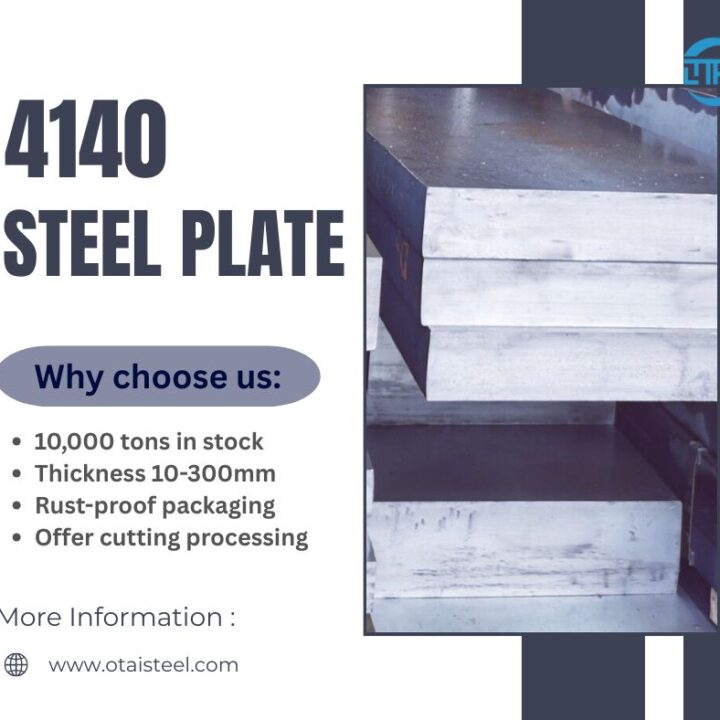
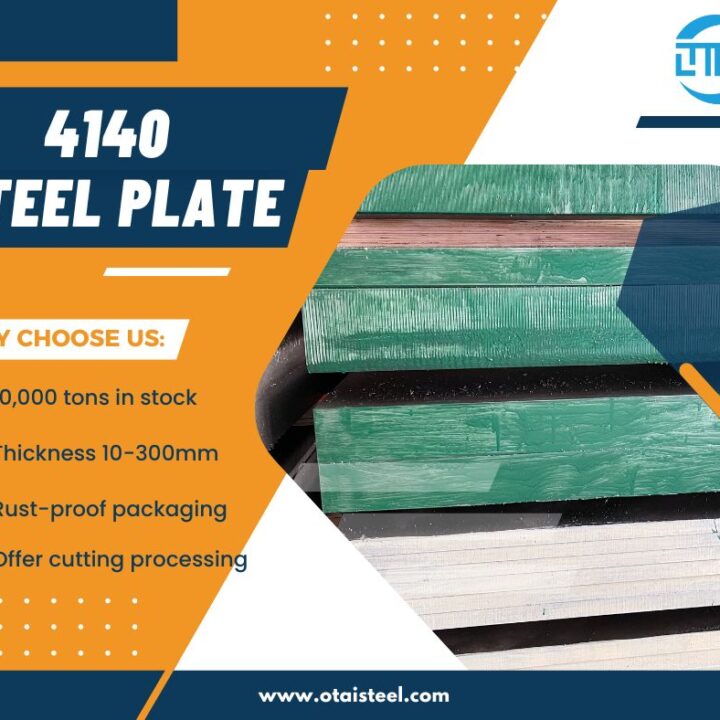
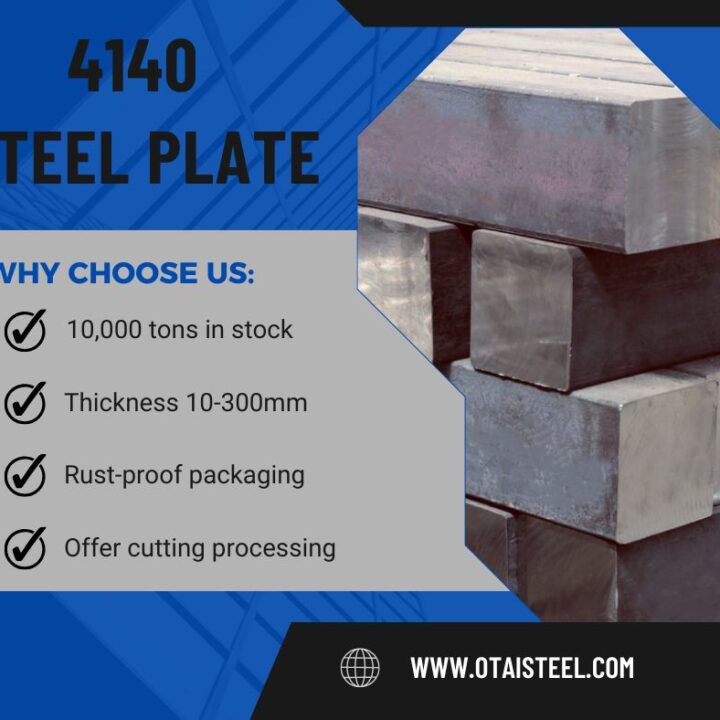
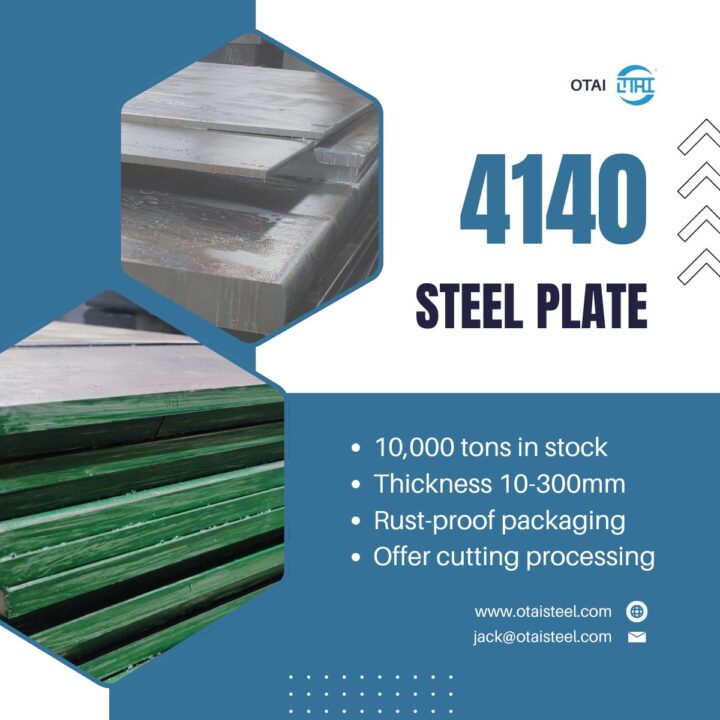
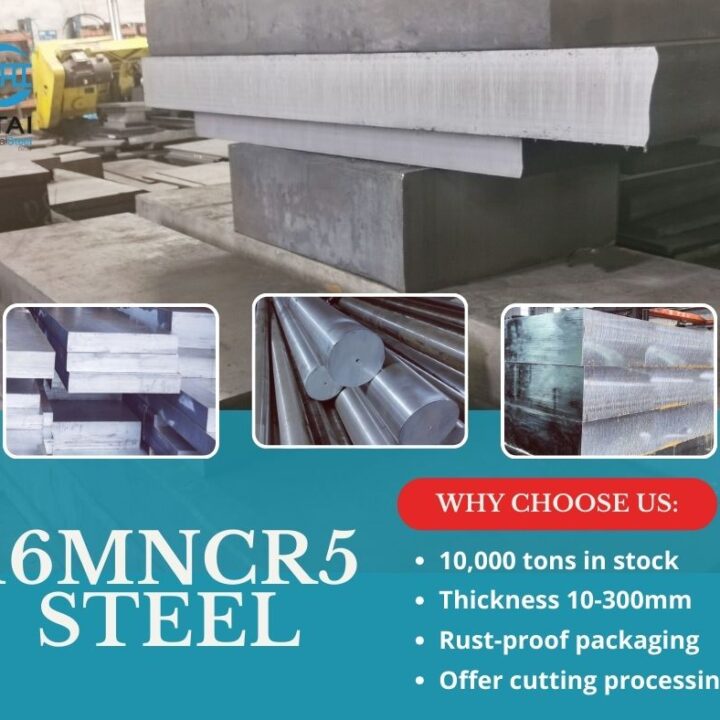
- 41Cr4 plate stock: The stated thickness range is 4–300 mm. Confirm current stock, available widths and lengths, delivery condition, and the required quantity before ordering.
- Inventory and processing capacity: Otai reports more than 10,000 tons of stock and 20 saw-cutting machines, with CNC machining and grinding available for agreed requirements.
- Customized dimensions: Buyers can discuss cut-to-size material, specified tolerances, and machining needs to reduce unnecessary processing at their own facilities.
- One-stop service: Cutting, machining, heat-treatment coordination, and suitable packaging can be discussed according to the product and order requirements.
- Inspection and documentation: Material certificates, traceability, ultrasonic testing, or third-party inspection can be arranged where applicable and agreed before the order is placed.
- Export experience: Otai has exported to more than 54 countries since 1999 and can coordinate appropriate export packaging, including anti-rust protection and wooden cases when required.
When requesting a quotation, provide the exact 41Cr4 specification, plate dimensions, quantity, required delivery condition, and destination. If your purchasing team needs theoretical weight calculations, ask Otai to state the density factor and calculation basis in the quotation. This makes it easier to compare the offer against other suppliers and plan material handling.
For grade information, visit the Otai 1.7035 / 41Cr4 steel product page. Confirm the current stock and technical details with the supplier before finalizing your purchase order.
❓ Frequently Asked Questions
1. What is the density of 41Cr4 steel in kg/m³?
41Cr4 steel is commonly estimated at approximately 7,800–7,850 kg/m³. For preliminary weight calculations, buyers often use 7,850 kg/m³. Check the relevant manufacturer datasheet or agreed technical documentation if your application requires a specific value.
2. What is the density of 41Cr4 in g/cm³?
A commonly used reference range is 7.80–7.85 g/cm³. The value depends on the technical reference and its assumptions, so it is best treated as an estimation basis unless the supplier specifies otherwise.
3. How do I calculate the weight of a 41Cr4 steel plate?
For a rectangular plate with dimensions in millimetres, use: weight (kg) ≈ length × width × thickness × 7.85 ÷ 1,000,000. This formula uses 7.85 g/cm³ as the assumed density and provides theoretical steel weight. Actual measured weight may differ because of dimensional variation and the method used for weighing.
4. Is 41Cr4 density the same as 4140 or 40Cr?
Their approximate densities are similar, often around 7.85 g/cm³. However, similar density does not mean the grades are fully interchangeable. Buyers should compare the applicable standards, chemical composition, mechanical properties, heat-treatment condition, and application requirements before approving a substitution.
5. Does heat treatment change the density of 41Cr4 steel?
Heat treatment can cause small microstructural and dimensional changes, but buyers generally use the same approximate density for routine weight estimates. For precision engineering or temperature-specific calculations, consult technical data appropriate to the actual condition and operating environment.