 16MnCr5 Material Price – Market Trends & Supplier Strategy
The 16MnCr5 material price is one of the most important cost considerations in the mechanical engineering and automotive supply chain. Engineers widely use this alloy steel for carburized components such as gears, shafts, pinions, and transmission systems that require a hard wear-resistant surface and a tough core.
Unlike standard carbon steel, the 16MnCr5 material price is not stable or universal. It varies significantly depending on alloy composition, heat treatment condition, dimensional requirements, and global steel market conditions. For industrial buyers, understanding these pricing mechanisms is essential to reduce procurement risk and improve cost efficiency.
This article provides a complete technical and commercial breakdown of how pricing is formed, how it changes, and how buyers can optimize purchasing decisions in real industrial environments.
📊 1. Core Factors That Determine 16MnCr5 Material Price
The 16MnCr5 material price is driven by multiple upstream and downstream factors. Each factor affects production cost, processing complexity, and final market quotation.
Among all variables, alloy composition and heat treatment are the most critical. Chromium and manganese content directly influence hardenability, while carburizing capability determines its industrial value in transmission parts.
In addition, steelmaking route (EAF or BOF), raw material fluctuations, and energy consumption also play important roles in determining base pricing levels.
| Pricing Factor | Influence on Cost |
|---|---|
| Raw material cost | Primary driver of base price |
| Alloy content (Cr, Mn) | Moderate to high impact |
| Heat treatment process | High impact (carburizing increases cost) |
| Product size & thickness | Thicker sections increase cost |
| Surface condition | Machined surfaces increase cost |
| Order quantity | Bulk orders reduce unit price |
🏭 2. Material Condition and Its Direct Price Impact
One of the most important variables affecting 16MnCr5 material price is the delivery condition. The same steel grade can have significantly different pricing depending on whether suppliers deliver it annealed, normalized, or carburized.
Annealed material generally costs the least because it requires minimal processing. However, carburized and quenched material involves multiple thermal cycles, precision control, and longer production time.
Manufacturers typically use pre-hardened or specially processed conditions in high-performance mechanical components where dimensional stability and wear resistance are critical.
| Condition | Processing Level | Price Level |
|---|---|---|
| Annealed | Low processing | Low |
| Normalized | Medium processing | Medium |
| Carburized + quenched | High processing | High |
| Pre-hardened / precision | Very high processing | Highest |
In many industrial cases, the 16MnCr5 material price difference between annealed and fully heat-treated material can exceed 30–60% depending on specification requirements.
📦 3. Product Form, Thickness & Manufacturing Complexity
Product geometry plays a major role in determining the 16MnCr5 material price. Plates, bars, and forged blocks require different production routes, resulting in different cost structures.
Thicker sections require longer rolling cycles and more controlled cooling rates to ensure uniform microstructure. Forged products involve additional deformation steps, increasing energy consumption and processing time.
Machined or precision-ground materials add further cost due to additional CNC processing, tolerance control, and inspection requirements.
| Form / Thickness | Cost Level |
|---|---|
| Thin plates (8–30 mm) | Low |
| Medium plates (30–80 mm) | Medium |
| Heavy plates (80–150 mm) | High |
| Extra thick (150 mm+) | Premium |
As thickness increases, the 16MnCr5 material price rises not only due to weight but also due to processing difficulty and quality control requirements.
🌍 4. Global Market Influence on Pricing Behavior
The global steel industry directly affects the 16MnCr5 material price. Since this steel is widely used in automotive and industrial transmission systems, demand fluctuations in these sectors strongly influence market pricing.
Energy costs, iron ore prices, and logistics expenses are major contributors to international price volatility. Shipping cost variations also significantly impact export pricing structures.
Currency exchange rates further influence purchasing decisions, especially for international buyers purchasing in USD or EUR.
| Market Factor | Impact Level |
|---|---|
| Raw material price | High |
| Energy cost | High |
| Shipping cost | Medium–High |
| Currency fluctuation | Medium |
💡 5. Industrial Cost Optimization Strategy
Professional buyers do not only focus on the lowest 16MnCr5 material price, but instead evaluate total lifecycle cost, including machining efficiency, scrap rate, and production time.
Selecting standard sizes close to final dimensions significantly reduces waste and machining time. Bulk purchasing also improves price negotiation power and stabilizes long-term supply.
Working with stockist suppliers reduces lead time and helps maintain consistent production schedules.
| Strategy | Benefit |
|---|---|
| Standard size selection | Lower machining cost |
| Bulk purchasing | Better price control |
| Stock supplier cooperation | Stable delivery |
🏭 6. Company Advantages – Otai Special Steel
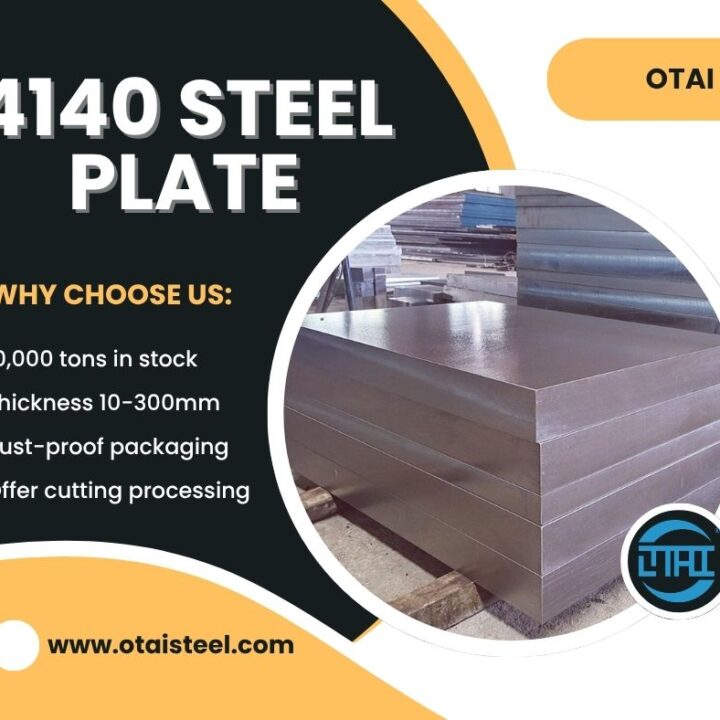
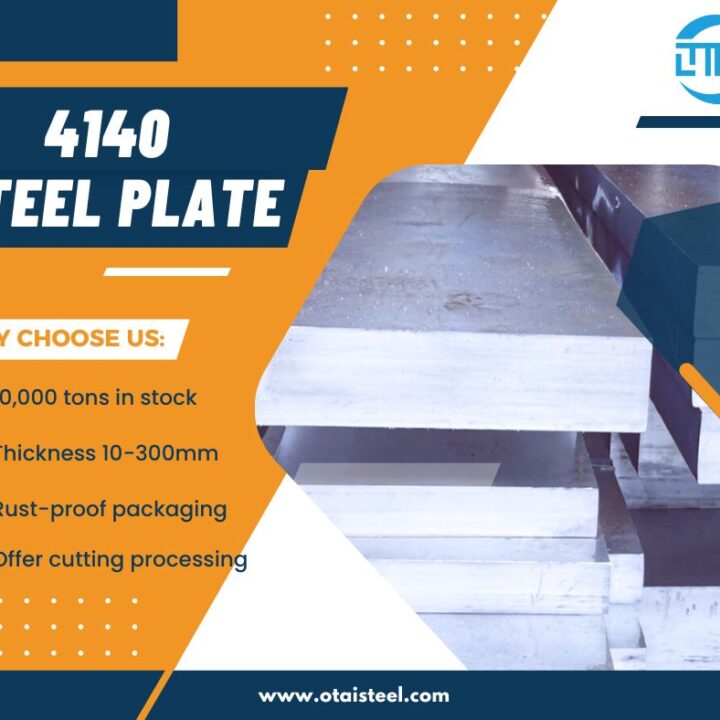
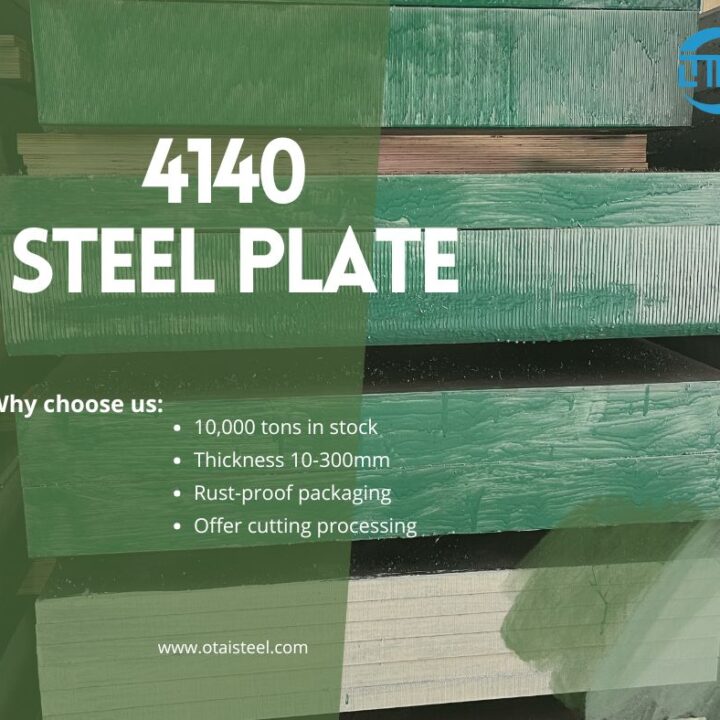
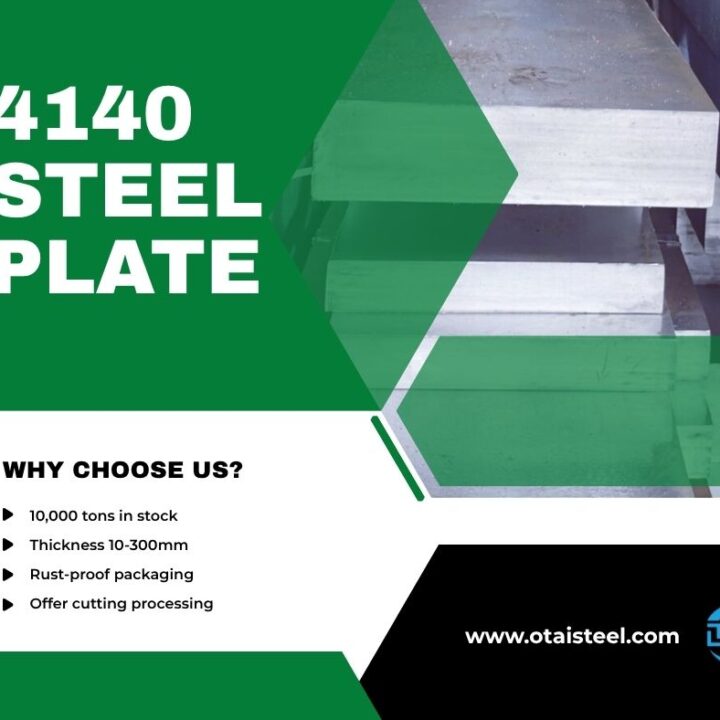
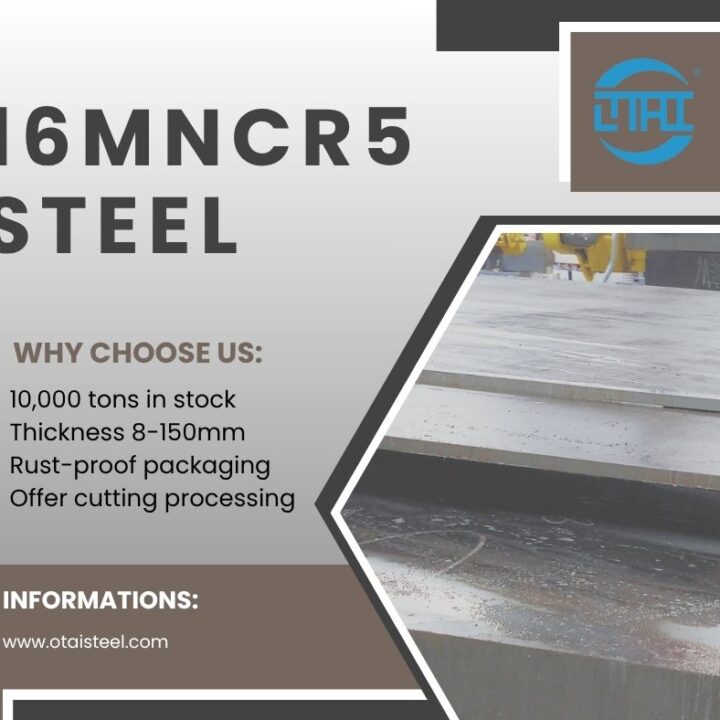
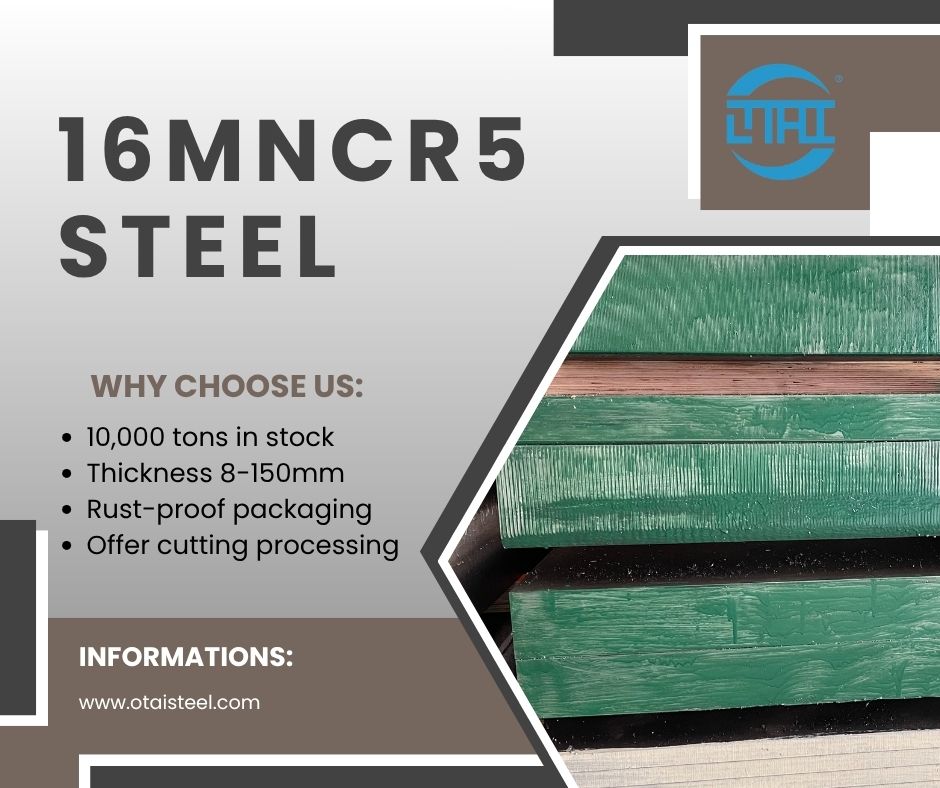
- 📦 Over 10,000 tons of alloy steel inventory in stock
- 📏 Full range of 16MnCr5 plates and bars available
- ✂️ Cutting, machining, drilling and processing services
- 🔥 Heat treatment and technical support available
- 🔬 Ultrasonic testing (UT) inspection support
- 📦 Export packaging with anti-rust protection
- 🌍 Global supply experience across automotive and machinery industries
❓ 7. FAQ – 16MnCr5 Material Price
1. Why does 16MnCr5 material price change frequently?
Because it depends on raw materials, alloy content, and global market demand.
2. Is carburized 16MnCr5 more expensive?
Yes, due to additional heat treatment processes.
3. Does thickness affect price?
Yes, thicker materials increase production cost significantly.
4. How can buyers reduce cost?
Use standard sizes and buy in bulk from stock suppliers.
5. Is 16MnCr5 a high-cost steel?
No, it is a medium-cost alloy steel.
🏁 Conclusion
The 16MnCr5 material price is determined by a combination of technical specifications and global economic conditions. Buyers should evaluate not only unit price but also processing efficiency, material condition, and supplier reliability.
A strategic purchasing approach helps reduce total manufacturing cost while ensuring stable mechanical performance and long-term supply security.