Skip to Content

Category Archives: Blog

Understanding what is the difference between 16MnCr5 and 20MnCr5

Understanding what is the difference between 16MnCr5 and 20MnCr5Understanding what is the difference between 16MnCr5 and 20MnCr5

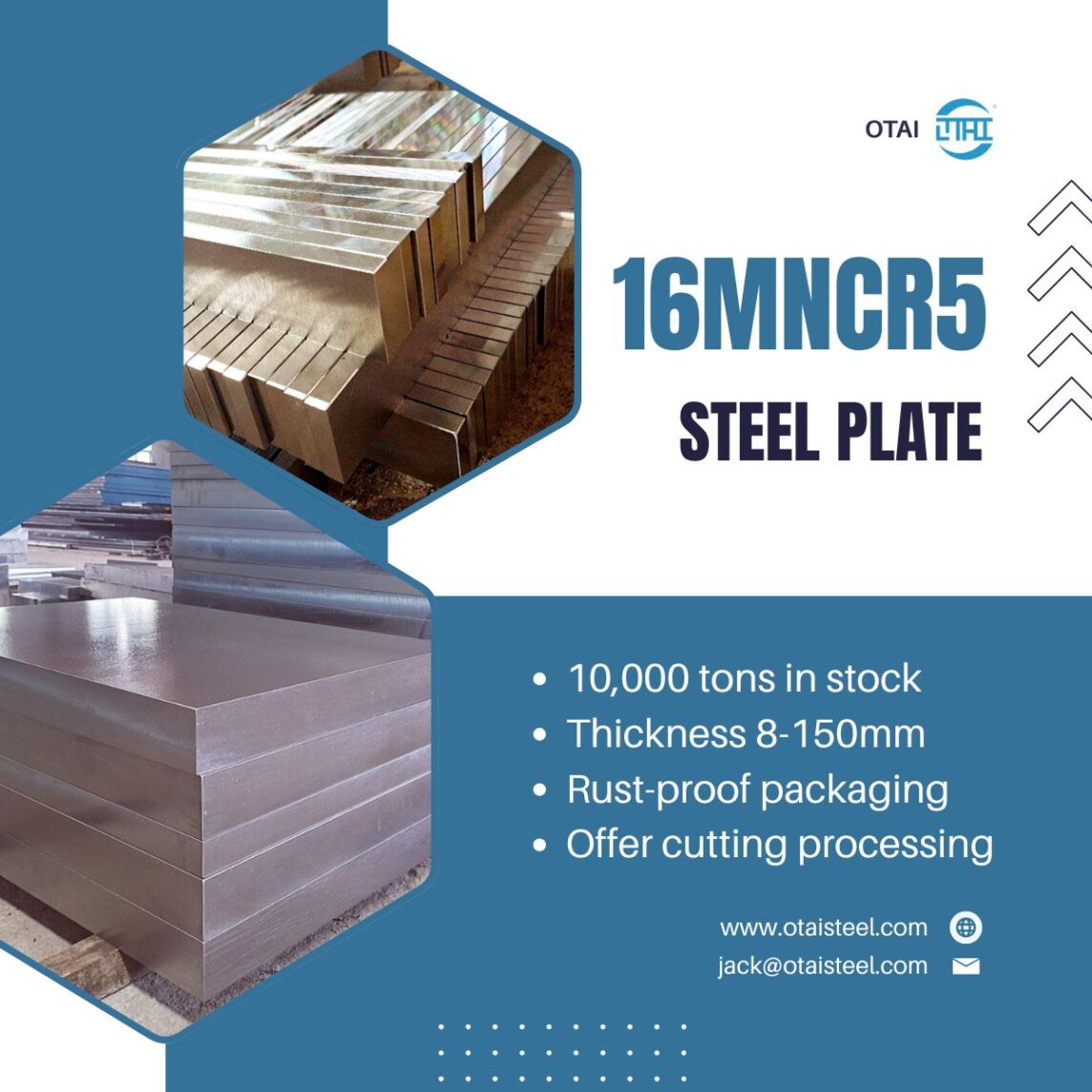
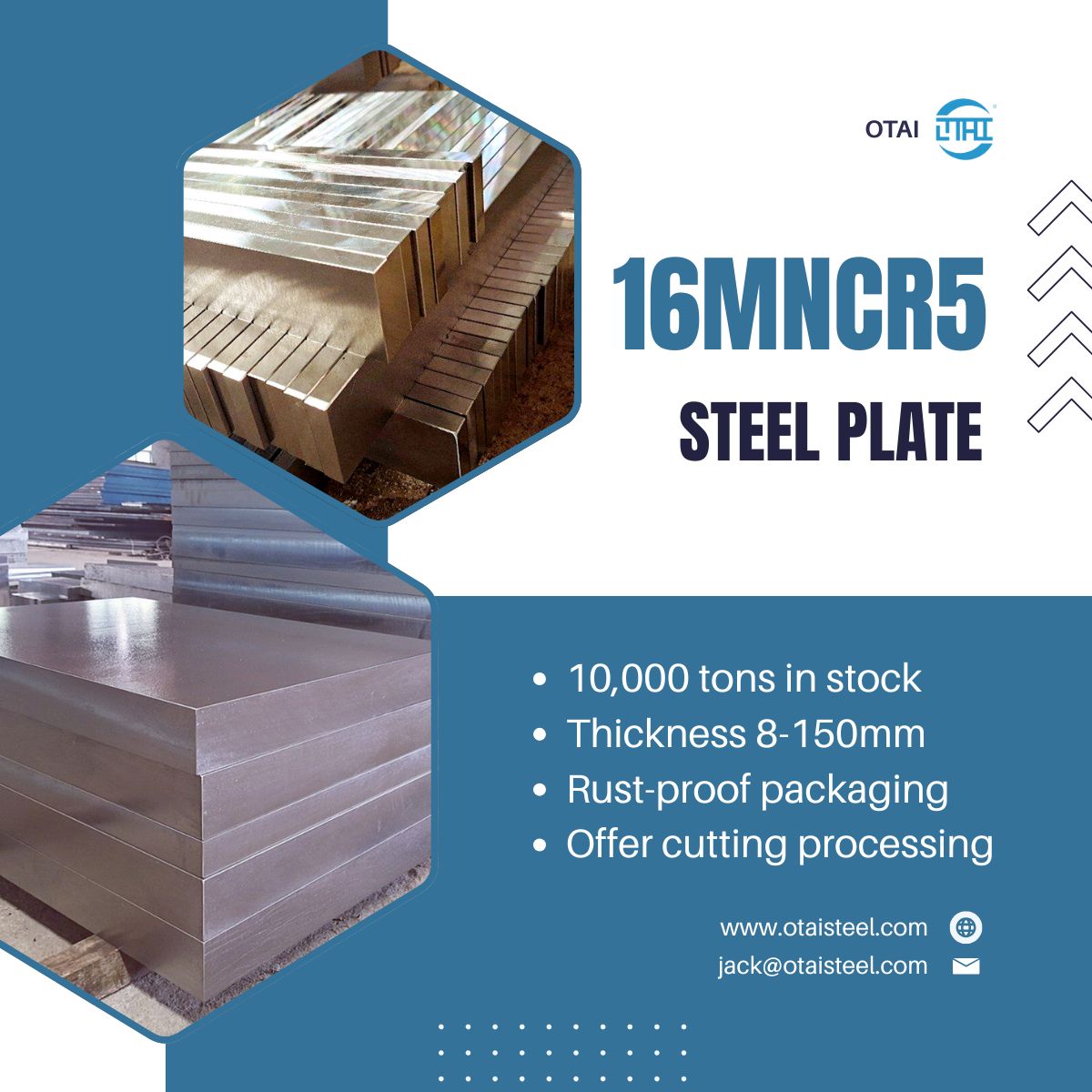
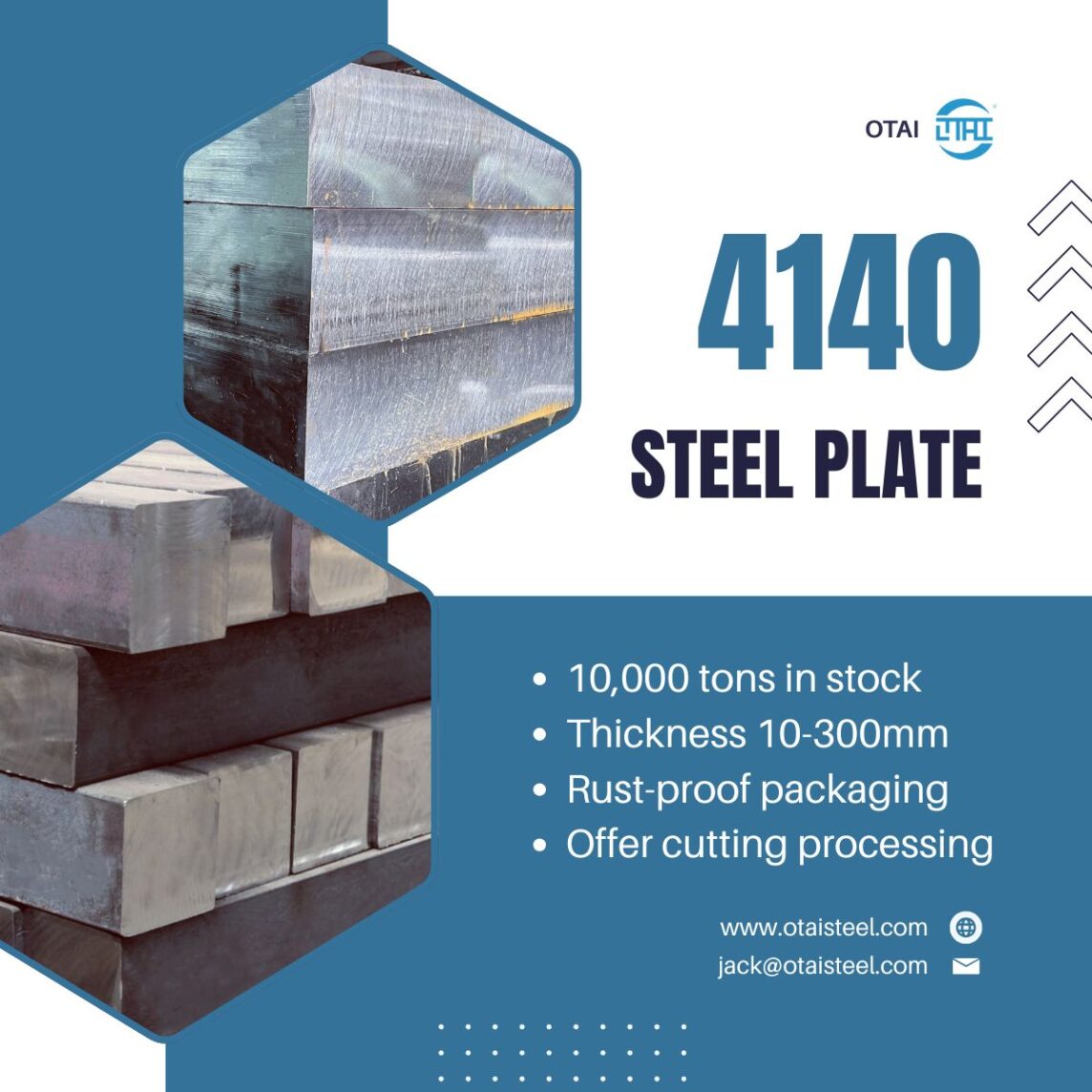
The question what is the difference between 16MnCr5 and 20MnCr5 is widely asked in gear manufacturing, automotive transmission systems, and industrial machinery design. Both steels belong to the EN case-hardening steel family and are commonly used for carburized components such as gears, shafts, and pinions.

However, what is the difference between 16MnCr5 and 20MnCr5 is not only a chemical comparison. It directly affects heat treatment response, fatigue life, core strength, machining cost, and final application reliability in real engineering systems.

This article provides a deep engineering breakdown from material science, mechanical behavior, heat treatment mechanism, failure risk, and industrial selection perspective.

🔍 1. Engineering Definition of 16MnCr5 and 20MnCr5

Both steels are carburizing steels designed to achieve a hard surface layer and tough core after heat treatment. They are not used in quenched and tempered condition like 4140 steel, but rely on surface engineering.

To understand what is the difference between 16MnCr5 and 20MnCr5, we must focus on carbon content and hardenability behavior.

  • 16MnCr5 → lower carbon steel, optimized for toughness and stable deformation control
  • 20MnCr5 → higher carbon steel, optimized for load-bearing and higher surface hardness

Both materials are widely used in gear systems, but they are not interchangeable in high-precision designs without engineering validation.

⚙️ 2. Chemical Composition and Metallurgical Impact

The most direct explanation of what is the difference between 16MnCr5 and 20MnCr5 lies in carbon content variation and its impact on martensite formation after carburizing.

Element 16MnCr5 20MnCr5 Engineering Effect
Carbon (C) 0.14–0.19% 0.17–0.22% Controls hardness gradient and surface strength
Manganese (Mn) 1.00–1.30% 1.10–1.40% Improves hardenability and core strength
Chromium (Cr) 0.80–1.10% 0.90–1.20% Enhances wear resistance and carburized layer stability

Even a small carbon increase significantly improves final hardness but reduces ductility. This is the core metallurgical trade-off.

🔥 3. Carburizing Heat Treatment Behavior

Both steels rely on carburizing, quenching, and tempering to achieve final performance. However, what is the difference between 16MnCr5 and 20MnCr5 becomes clear during carbon diffusion and phase transformation.

Carburizing typically occurs at 880–980°C, where carbon diffuses into the surface layer forming a high-carbon zone.

  • 16MnCr5 → more stable carbon diffusion, lower distortion risk
  • 20MnCr5 → deeper carbon penetration, higher surface hardness potential

However, 20MnCr5 requires stricter control during quenching because higher carbon increases crack sensitivity and dimensional distortion risk.

🧪 4. Microstructure Evolution and Phase Transformation

Before heat treatment, both steels consist of ferrite and pearlite microstructure. After carburizing and quenching, the surface transforms into high-carbon martensite while the core remains low-carbon bainite or ferrite-pearlite.

This layered structure explains what is the difference between 16MnCr5 and 20MnCr5 from a metallurgical perspective.

The transition zone plays a key role in fatigue resistance:

  • Steep gradient → higher crack risk
  • Smooth gradient → better fatigue performance

16MnCr5 generally produces a more ductile core, while 20MnCr5 produces a stronger but slightly less forgiving transition structure.

⚙️ 5. Mechanical Properties After Heat Treatment

The mechanical performance difference is one of the most practical answers to what is the difference between 16MnCr5 and 20MnCr5.

Property 16MnCr5 20MnCr5
Surface Hardness 58–62 HRC 60–64 HRC
Core Hardness 25–35 HRC 30–45 HRC
Tensile Strength 800–1100 MPa 900–1200 MPa
Fatigue Resistance Good Better under high torque

These differences directly affect service life in gear systems and rotating components.

🚗 6. Industrial Application and Load Condition Analysis

In real engineering systems, what is the difference between 16MnCr5 and 20MnCr5 becomes a load-dependent selection problem.

  • 16MnCr5 → suitable for light and medium load gears, standard transmission systems
  • 20MnCr5 → suitable for heavy load gears, high torque reducers, and industrial machinery

Using 20MnCr5 in low-load systems may increase cost unnecessarily, while using 16MnCr5 in high-torque systems may reduce fatigue life.

🛠 7. Machining Behavior and Manufacturing Cost

Before heat treatment, both steels have good machinability, but differences still exist.

  • 16MnCr5 → lower cutting resistance, longer tool life
  • 20MnCr5 → slightly higher tool wear due to higher carbon content

From a manufacturing perspective, this affects production efficiency, especially in mass production of gears and shafts.

🏭 8. Engineering Selection Logic (Failure Avoidance Perspective)

Choosing the wrong material can lead to early failure. Understanding what is the difference between 16MnCr5 and 20MnCr5 helps avoid design risks.

Condition Recommended Steel Reason
High impact load 16MnCr5 Better toughness absorption
High torque transmission 20MnCr5 Higher core strength
Cost-sensitive production 16MnCr5 Lower machining cost
Long service life requirement 20MnCr5 Better fatigue resistance

🏢 9. Material Supply Capability – Otai Special Steel

As a professional steel supplier, Otai Special Steel provides stable supply and technical support for 16MnCr5 and related carburizing steels. Meanwhile, we support global customers with flexible processing solutions.

  • Large Stock Availability: 10,000 tons inventory with 8–150mm 16MnCr5 plates ready for fast delivery
  • Processing Services: Cutting, machining, heat treatment, and customized sizing available
  • Quality Control: Ultrasonic testing and third-party inspection supported
  • Export Experience: Long-term supply to Europe, USA, and Asia industrial markets
  • Stable Supply Chain: Consistent quality for batch production requirements

Therefore, customers can reduce sourcing risk and improve production efficiency when purchasing from a stable supplier.

❓ FAQ – What is the Difference Between 16MnCr5 and 20MnCr5

Q1: What is the main difference?
Carbon content and resulting mechanical strength after carburizing.

Q2: Which steel is stronger?
20MnCr5 has higher strength and hardness.

Q3: Which is easier to machine?
16MnCr5 is easier to machine and process.

Q4: Which is better for gears?
Both are used depending on load conditions.

Q5: Can they replace each other?
Only with engineering validation based on design requirements.
0 0 Continue Reading →

Why 4140 alloy Steel is Suitable for Flame Hardening

Why 4140 alloy Steel is Suitable for Flame HardeningWhy 4140 alloy Steel is Suitable for Flame Hardening
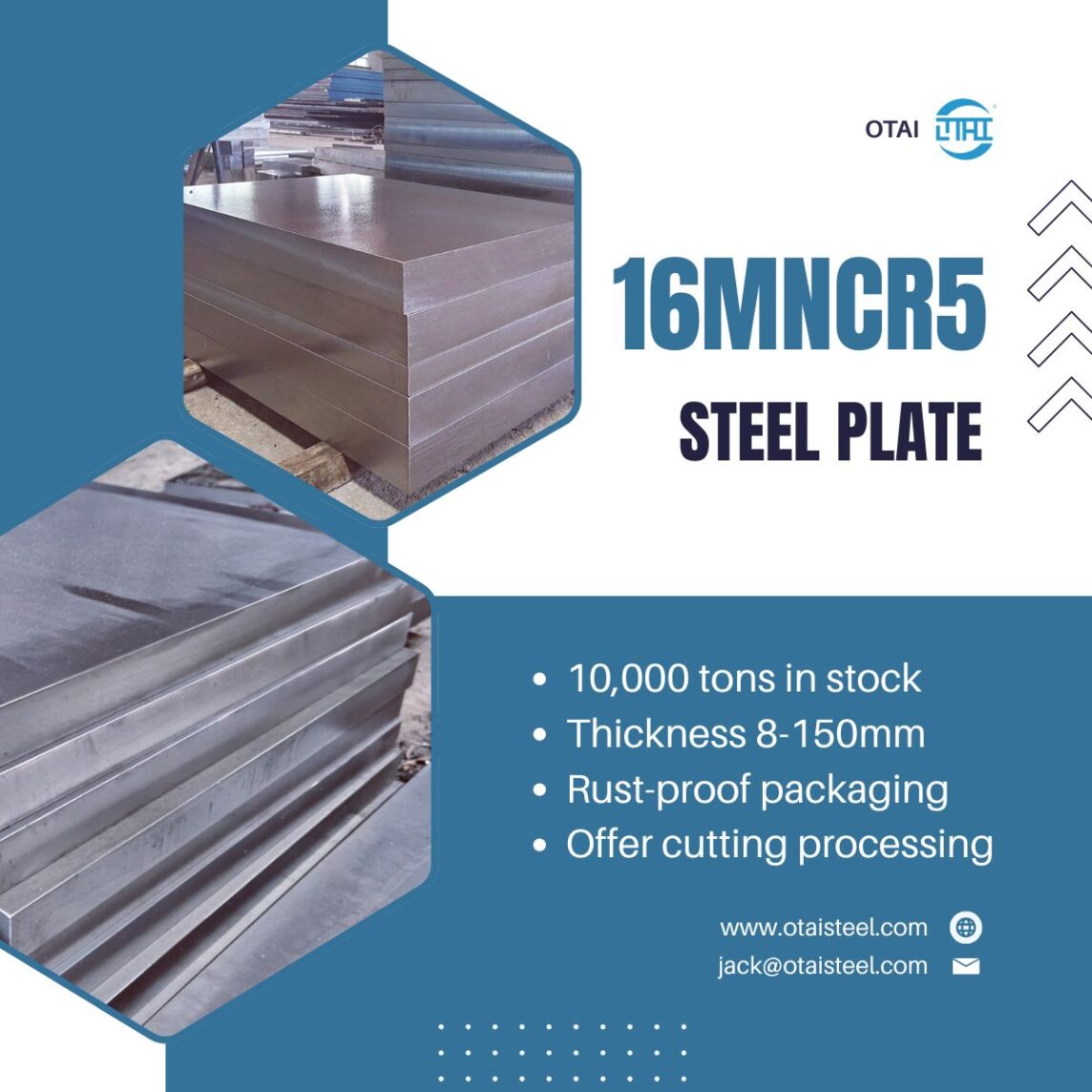
Flame hardening 4140 steel is one of the most practical surface hardening methods used in mechanical engineering, especially for medium-carbon alloy steels requiring localized wear resistance without affecting core toughness.

Unlike carburizing or full quenching processes, flame hardening is a localized heat treatment technique that uses high-temperature gas flames to selectively harden the surface layer of 4140 steel. This makes it highly suitable for large components where full heat treatment would be costly or cause distortion.

This article provides a deep industrial-level explanation of flame hardening 4140 steel from metallurgical principles to real-world engineering applications.

🔥 1. What is Flame Hardening 4140 Steel in Engineering Terms?

To understand flame hardening 4140 steel, we must first understand the base material: AISI 4140 is a chromium-molybdenum medium carbon alloy steel widely used in shafts, gears, axles, and structural components requiring high strength and toughness.

In its normalized or annealed state, 4140 steel has moderate hardness and excellent machinability. However, many industrial applications require a wear-resistant surface while maintaining a tough core. This is where flame hardening becomes essential.

Flame hardening is a surface heat treatment process where an oxy-fuel flame rapidly heats the steel surface above the austenitizing temperature (typically 850–950°C), followed by immediate quenching. This transforms the surface into martensite while the core remains unaffected.

Therefore, flame hardening 4140 steel means a controlled transformation of the outer layer into a hardened structure without altering the internal mechanical properties.

⚙️ 2. Why 4140 Steel is Suitable for Flame Hardening

Not all steels respond well to flame hardening. The reason 4140 steel is ideal lies in its chemical composition and hardenability characteristics.

Element Typical Range Function
Carbon (C) 0.38–0.43% Provides martensite formation capability
Chromium (Cr) 0.80–1.10% Improves hardenability and wear resistance
Molybdenum (Mo) 0.15–0.25% Reduces temper brittleness and improves strength
Manganese (Mn) 0.75–1.00% Enhances depth hardening response

These alloying elements make 4140 steel highly responsive to localized heat treatment. When flame heating is applied, the surface transforms rapidly into austenite and then martensite upon quenching.

This is why flame hardening 4140 steel is widely used in industrial wear-resistant components.

🔥 3. Flame Hardening Process Mechanism (Step-by-Step Engineering View)

The flame hardening process is not simply heating and cooling. It is a controlled thermal cycle that requires precise temperature and time management.

Standard industrial process includes:

  • Surface cleaning and preparation
  • Oxy-acetylene flame heating
  • Rapid heating to austenitizing temperature
  • Immediate water or polymer quenching
  • Low-temperature tempering (optional)

During heating, the surface layer of 4140 steel undergoes phase transformation into austenite. When quenched, this transforms into martensite, a hard and wear-resistant structure.

The depth of hardening depends on heating time, flame intensity, and steel thermal conductivity.

Typically, flame hardening 4140 steel produces a hardened layer of 1–6 mm depending on process control.

🧪 4. Microstructure Transformation in Flame Hardening 4140 Steel

Microstructure evolution is the core of flame hardening 4140 steel performance.

Before flame hardening, 4140 steel consists of tempered martensite or ferrite-pearlite depending on heat treatment history.

After flame hardening, the structure changes into three zones:

  • Outer layer: high-carbon martensite (hard zone)
  • Transition zone: mixed bainite and tempered martensite
  • Core: original tempered martensite or ferrite-pearlite

This gradient structure is extremely important for fatigue resistance. The hard outer layer resists wear, while the core absorbs impact energy.

Therefore, flame hardening 4140 steel is essentially a dual-property engineering system.

⚙️ 5. Hardness Profile and Mechanical Performance

The hardness distribution in flame hardened 4140 steel is not uniform. It decreases gradually from surface to core.

Zone Hardness
Surface layer 52–60 HRC
Transition zone 35–45 HRC
Core 25–35 HRC

This gradient is critical. If the surface is too hard, it may crack under impact. If too soft, wear resistance decreases.

Proper flame hardening 4140 steel achieves a balance between wear resistance and toughness.

🚗 6. Industrial Applications of Flame Hardened 4140 Steel

Flame hardening 4140 steel is widely used in heavy-duty mechanical systems where localized wear resistance is required.

  • Gear shafts and transmission shafts
  • Crane wheels and rail components
  • Hydraulic cylinder rods
  • Heavy machinery pins and bushings
  • Mining and construction equipment parts

These components require surface wear resistance while maintaining internal toughness to resist shock loads.

🛠 7. Advantages and Limitations of Flame Hardening 4140 Steel

Flame hardening offers several industrial advantages:

  • Localized hardening reduces distortion
  • Cost-effective for large components
  • Fast processing time
  • Flexible application on complex shapes

However, it also has limitations:

  • Depth control is less precise than induction hardening
  • Risk of overheating surface if poorly controlled
  • Non-uniform hardness distribution if process is unstable

Therefore, process control is critical in flame hardening 4140 steel applications.

⚖️ 8. Flame Hardening vs Other Heat Treatments

Process Feature Application
Flame hardening Localized surface hardening Large shafts, wheels
Induction hardening Precise controlled heating Automotive parts
Carburizing Carbon diffusion hardening Gears

This comparison shows why flame hardening 4140 steel is preferred for large-scale mechanical parts.

🧭 9. Failure Mechanisms in Flame Hardened 4140 Steel

Even with proper processing, failure can occur in flame hardened 4140 steel components.

Main failure modes include:

  • Surface cracking due to overheating
  • Thermal stress induced distortion
  • Insufficient hardening depth
  • Fatigue failure under cyclic loading

Cracks usually initiate at the hardened surface due to stress concentration. Proper tempering can reduce this risk significantly.

🏭 10. Industrial Supply Capability – Otai Special Steel

  • 📦 More than 10,000 tons of alloy steel inventory available in various plate sizes and thicknesses.
  • 📏 4140 PHT plates stocked in multiple dimensions for fast delivery.
  • ✂️ Precision cutting, milling, machining, drilling, and customized processing services.
  • 🔥 Heat treatment support and technical assistance for special applications.
  • 🔬 Ultrasonic testing (UT) and third-party inspection available upon request.
  • 📦 Export-standard anti-rust packaging, steel strapping, and wooden case packaging.
  • 🌍 Proven experience supplying Fortune Global 500 companies and customers in more than 80 countries.

❓ FAQ

Q1: What is flame hardening 4140 steel?
It is a localized heat treatment process that hardens the surface of 4140 steel using flame heating and rapid quenching.

Q2: Why use flame hardening instead of full hardening?
Because it preserves core toughness while improving surface wear resistance.

Q3: How deep is flame hardening on 4140 steel?
Typically 1–6 mm depending on process control.

Q4: What is the hardness after flame hardening?
Usually 52–60 HRC on the surface.

Q5: What are common applications?
Shafts, gears, wheels, and heavy machinery components.

0 0 Continue Reading →

What is material 16MnCr5 meaning?

What is material 16MnCr5 meaning?What is material 16MnCr5 meaning?
🔍 1. Material 16MnCr5 Meaning in Engineering Context

The material 16MnCr5 meaning refers to a low-carbon alloy case hardening steel designed for components that require high surface hardness combined with a tough and ductile core. It is widely used in automotive transmission systems, industrial gearboxes, and precision mechanical structures.

From an engineering perspective, the material 16MnCr5 meaning is not just a chemical definition. It represents a performance-based steel grade optimized for carburizing heat treatment. The key idea is transformation: the material is relatively soft in delivery condition but becomes extremely hard at the surface after heat treatment.

This behavior makes the material 16MnCr5 meaning closely linked to fatigue resistance, contact stress performance, and long-term reliability under cyclic loading conditions.

Engineers choose this steel when they need predictable carburizing depth, stable dimensional control, and a strong balance between hardness and toughness.

🧪 2. Steel Naming Logic Behind 16MnCr5 Meaning

The material 16MnCr5 meaning follows the European EN steel designation system, which directly reflects its chemical composition and design intent.

  • 16 → approximately 0.16% carbon content, indicating low-carbon base structure
  • Mn → manganese improves hardenability and toughness of the core
  • Cr → chromium improves wear resistance and carburizing response
  • 5 → indicates alloy proportion class in EN system grouping

This naming structure explains why the material 16MnCr5 meaning is strongly connected to surface engineering rather than bulk strength design.

Unlike structural steels such as 1045 or 4140, this grade is engineered specifically for case hardening applications where performance is defined after heat treatment rather than in raw condition.

⚙️ 3. Chemical Composition and Metallurgical Design

Element Content (%) Metallurgical Role
C 0.14–0.19 Controls hardness potential after carburizing
Si ≤0.40 Deoxidation and strength stability
Mn 0.80–1.10 Improves hardenability and toughness
Cr 0.80–1.10 Enhances wear resistance and case depth
P ≤0.035 Impurity control
S ≤0.035 Machinability control

This balanced chemical system defines the engineering foundation of the material 16MnCr5 meaning. The relatively low carbon content allows deep carburizing without cracking risk, while chromium ensures stable hardened case formation.

Manganese plays a critical role in maintaining core toughness, especially in thick-section components where internal stress distribution is uneven.

🏭 4. Mechanical Properties and Load Performance Behavior

The mechanical behavior of 16MnCr5 is strongly influenced by heat treatment, which directly defines the real-world interpretation of the material 16MnCr5 meaning.

Property Typical Range Engineering Interpretation
Tensile Strength 600–900 MPa Load carrying capacity
Yield Strength 400–650 MPa Elastic limit stability
Core Hardness 30–45 HRC Impact resistance
Surface Hardness 58–62 HRC Wear resistance layer
Elongation 10–14% Ductility and deformation capacity
Elastic Modulus ~210 GPa Stiffness (unchanged by heat treatment)

The key engineering insight behind the material 16MnCr5 meaning is that strength and hardness are surface-driven, while stiffness remains constant. This makes it highly predictable in structural calculations.

In dynamic systems, this stability ensures consistent gear meshing and reduces vibration-related failure risk.

🔥 5. Heat Treatment Mechanism and Carburizing Process

A central part of the material 16MnCr5 meaning is its carburizing capability. The steel is designed to absorb carbon at high temperature and redistribute it into the surface layer.

  • Carburizing: 880–950°C carbon diffusion stage
  • Holding stage: carbon penetration depth control
  • Oil quenching: martensite transformation on surface
  • Tempering: 150–200°C stress relief and toughness recovery

This process creates a gradient structure that defines the engineering identity of the material 16MnCr5 meaning.

The outer layer becomes high-carbon martensite with extreme hardness, while the core remains low-carbon bainite or ferrite structure, ensuring energy absorption under shock loading.

🧬 6. Microstructure Evolution and Material Transformation

Before heat treatment, the microstructure is mainly ferrite + pearlite. This gives good machinability but limited wear resistance.

After carburizing and quenching, the surface transforms into martensite while the core retains ductile phases. This transformation is the scientific core of the material 16MnCr5 meaning.

The gradient structure improves resistance against:

  • Contact fatigue in gears
  • Surface pitting under rolling load
  • Impact loading in transmission systems

🚗 7. Industrial Applications and Real Engineering Usage

The material 16MnCr5 meaning becomes practical in industrial systems where repeated load cycles and surface wear dominate failure mechanisms.

  • Automotive gearbox gears and pinions
  • Drive shafts and axle components
  • Camshaft systems
  • Industrial reducers and gearboxes
  • Mining machinery transmission parts
  • Agricultural equipment drive systems

In these applications, the steel ensures stable torque transfer and long service life under lubrication and cyclic stress conditions.

🛠 8. Machinability and Manufacturing Strategy

In annealed condition, 16MnCr5 provides good machinability, which is essential for precision gear cutting and shaft turning operations.

Manufacturers typically complete machining before carburizing because the hardened surface becomes extremely difficult to process afterward.

This manufacturing strategy is part of the practical engineering logic behind the material 16MnCr5 meaning.

🔄 9. Comparison with Other Engineering Steels

Steel Grade Carbon Key Feature Application
16MnCr5 0.16% Balanced carburizing steel Standard gears
20MnCr5 0.20% Higher hardness potential Heavy load gears
AISI 8620 0.20% Good toughness balance Automotive parts
4140 0.40% High strength bulk steel Shafts & structural parts

This comparison highlights the positioning of the material 16MnCr5 meaning as a carburizing-optimized steel rather than a bulk-strength alloy.

📐 10. Engineering Design Considerations

Design engineers rely on the material 16MnCr5 meaning when calculating gear tooth stress, shaft deflection, and fatigue life.

Key design factors include:

  • Contact stress distribution on gear surfaces
  • Bending fatigue in rotating shafts
  • Dimensional stability after heat treatment
  • Surface lubrication performance under load

These factors determine whether the material performs reliably in long-term industrial operation.

🏭 Company Advantages – Otai Special Steel

OTAI supplies industrial-grade 16MnCr5 steel with stable stock and processing capability.

  • 8–150mm thickness plates available in stock
  • Large inventory for fast delivery
  • Cutting, heat treatment, machining services
  • Ultrasonic testing and third-party inspection
  • Global export experience

❓ FAQ – Material 16MnCr5 Meaning

Q1: What is material 16MnCr5 meaning?
It refers to a carburizing alloy steel designed for surface hardened mechanical components.

Q2: Why is it widely used in industry?
Because it offers a balance of machinability, carburizing performance, and fatigue resistance.

Q3: Does heat treatment change stiffness?
No, elastic modulus remains nearly constant.

Q4: What are its main applications?
Automotive, industrial gear systems, and heavy machinery components.

Q5: What is the main engineering advantage?
Hard surface combined with tough core structure for long service life.

0 0 Continue Reading →

16MnCr5 steel Material Price-Core Factors That Determine Price

16MnCr5 steel Material Price-Core Factors That Determine Price16MnCr5 steel Material Price-Core Factors That Determine Price
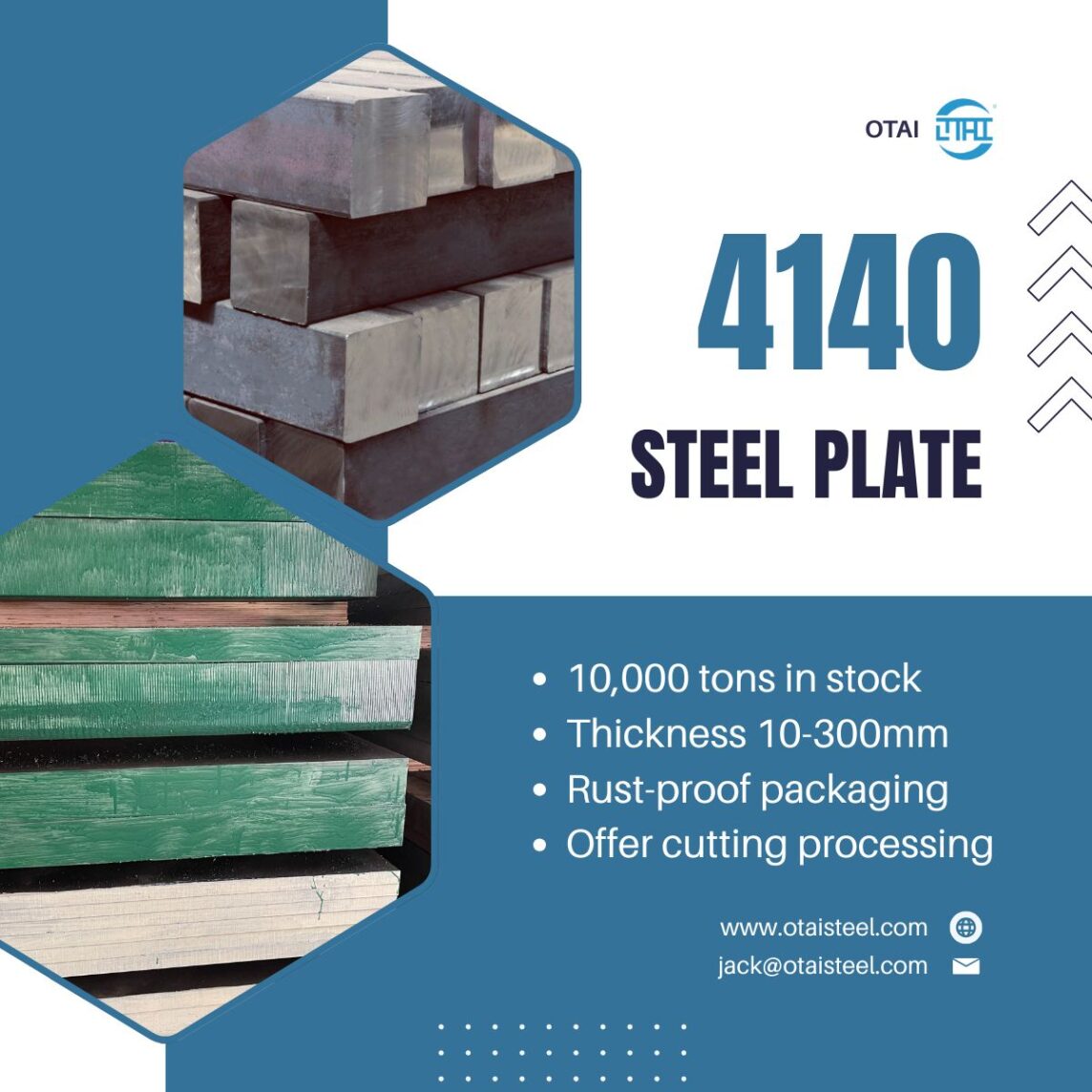
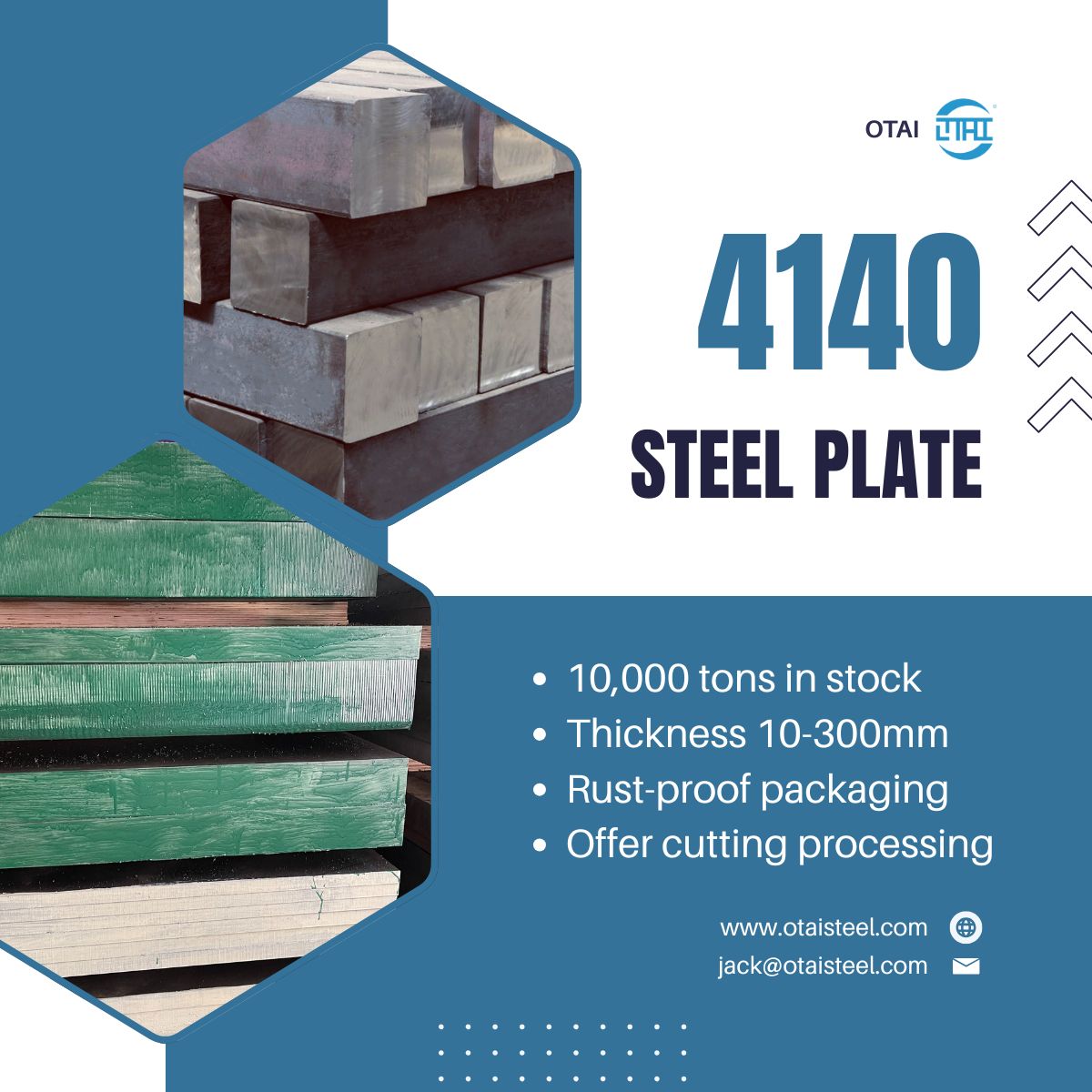
The 16MnCr5 material price is one of the most important cost considerations in the mechanical engineering and automotive supply chain. Engineers widely use this alloy steel for carburized components such as gears, shafts, pinions, and transmission systems that require a hard wear-resistant surface and a tough core.

Unlike standard carbon steel, the 16MnCr5 material price is not stable or universal. It varies significantly depending on alloy composition, heat treatment condition, dimensional requirements, and global steel market conditions. For industrial buyers, understanding these pricing mechanisms is essential to reduce procurement risk and improve cost efficiency.

This article provides a complete technical and commercial breakdown of how pricing is formed, how it changes, and how buyers can optimize purchasing decisions in real industrial environments.

📊 1. Core Factors That Determine 16MnCr5 Material Price

The 16MnCr5 material price is driven by multiple upstream and downstream factors. Each factor affects production cost, processing complexity, and final market quotation.

Among all variables, alloy composition and heat treatment are the most critical. Chromium and manganese content directly influence hardenability, while carburizing capability determines its industrial value in transmission parts.

In addition, steelmaking route (EAF or BOF), raw material fluctuations, and energy consumption also play important roles in determining base pricing levels.

Pricing Factor Influence on Cost
Raw material cost Primary driver of base price
Alloy content (Cr, Mn) Moderate to high impact
Heat treatment process High impact (carburizing increases cost)
Product size & thickness Thicker sections increase cost
Surface condition Machined surfaces increase cost
Order quantity Bulk orders reduce unit price

🏭 2. Material Condition and Its Direct Price Impact

One of the most important variables affecting 16MnCr5 material price is the delivery condition. The same steel grade can have significantly different pricing depending on whether suppliers deliver it annealed, normalized, or carburized.

Annealed material generally costs the least because it requires minimal processing. However, carburized and quenched material involves multiple thermal cycles, precision control, and longer production time.

Manufacturers typically use pre-hardened or specially processed conditions in high-performance mechanical components where dimensional stability and wear resistance are critical.

Condition Processing Level Price Level
Annealed Low processing Low
Normalized Medium processing Medium
Carburized + quenched High processing High
Pre-hardened / precision Very high processing Highest

In many industrial cases, the 16MnCr5 material price difference between annealed and fully heat-treated material can exceed 30–60% depending on specification requirements.

📦 3. Product Form, Thickness & Manufacturing Complexity

Product geometry plays a major role in determining the 16MnCr5 material price. Plates, bars, and forged blocks require different production routes, resulting in different cost structures.

Thicker sections require longer rolling cycles and more controlled cooling rates to ensure uniform microstructure. Forged products involve additional deformation steps, increasing energy consumption and processing time.

Machined or precision-ground materials add further cost due to additional CNC processing, tolerance control, and inspection requirements.

Form / Thickness Cost Level
Thin plates (8–30 mm) Low
Medium plates (30–80 mm) Medium
Heavy plates (80–150 mm) High
Extra thick (150 mm+) Premium

As thickness increases, the 16MnCr5 material price rises not only due to weight but also due to processing difficulty and quality control requirements.

🌍 4. Global Market Influence on Pricing Behavior

The global steel industry directly affects the 16MnCr5 material price. Since this steel is widely used in automotive and industrial transmission systems, demand fluctuations in these sectors strongly influence market pricing.

Energy costs, iron ore prices, and logistics expenses are major contributors to international price volatility. Shipping cost variations also significantly impact export pricing structures.

Currency exchange rates further influence purchasing decisions, especially for international buyers purchasing in USD or EUR.

Market Factor Impact Level
Raw material price High
Energy cost High
Shipping cost Medium–High
Currency fluctuation Medium

💡 5. Industrial Cost Optimization Strategy

Professional buyers do not only focus on the lowest 16MnCr5 material price, but instead evaluate total lifecycle cost, including machining efficiency, scrap rate, and production time.

Selecting standard sizes close to final dimensions significantly reduces waste and machining time. Bulk purchasing also improves price negotiation power and stabilizes long-term supply.

Working with stockist suppliers reduces lead time and helps maintain consistent production schedules.

Strategy Benefit
Standard size selection Lower machining cost
Bulk purchasing Better price control
Stock supplier cooperation Stable delivery

🏭 6. Company Advantages – Otai Special Steel

  • 📦 Over 10,000 tons of alloy steel inventory in stock
  • 📏 Full range of 16MnCr5 plates and bars available
  • ✂️ Cutting, machining, drilling and processing services
  • 🔥 Heat treatment and technical support available
  • 🔬 Ultrasonic testing (UT) inspection support
  • 📦 Export packaging with anti-rust protection
  • 🌍 Global supply experience across automotive and machinery industries

❓ 7. FAQ – 16MnCr5 Material Price

1. Why does 16MnCr5 material price change frequently?
Because it depends on raw materials, alloy content, and global market demand.

2. Is carburized 16MnCr5 more expensive?
Yes, due to additional heat treatment processes.

3. Does thickness affect price?
Yes, thicker materials increase production cost significantly.

4. How can buyers reduce cost?
Use standard sizes and buy in bulk from stock suppliers.

5. Is 16MnCr5 a high-cost steel?
No, it is a medium-cost alloy steel.

🏁 Conclusion

The 16MnCr5 material price is determined by a combination of technical specifications and global economic conditions. Buyers should evaluate not only unit price but also processing efficiency, material condition, and supplier reliability.

A strategic purchasing approach helps reduce total manufacturing cost while ensuring stable mechanical performance and long-term supply security.

0 0 Continue Reading →

What is 4140 steel’s endurance limit?

What is 4140 steel's endurance limit?What is 4140 steel’s endurance limit?

🔍 1. What is 4140 Steel’s Endurance Limit?

The 4140 steel endurance limit refers to the maximum cyclic stress level that AISI 4140 alloy steel can theoretically withstand without fatigue failure under infinite loading cycles. It is a critical design parameter in mechanical engineering, especially for rotating shafts, gears, and structural load-bearing components.

In real engineering terms, the 4140 steel endurance limit defines whether a part will survive long-term cyclic stress or eventually fail due to fatigue cracking. Unlike tensile strength, which describes static failure, endurance limit focuses on repeated loading conditions.

For 4140 steel, which is a chromium-molybdenum medium carbon alloy steel, fatigue resistance is highly dependent on heat treatment condition, surface finish, and hardness level. Therefore, the 4140 steel endurance limit is not a single fixed value but a range influenced by processing.

⚙️ 2. Typical Endurance Limit Values of 4140 Steel

The 4140 steel endurance limit varies significantly depending on heat treatment conditions such as quenched & tempered (Q&T), normalized, or annealed states.

Condition Ultimate Tensile Strength (MPa) Endurance Limit (MPa)
Annealed ~600–700 ~200–250
Normalized ~700–900 ~300–400
Quenched & Tempered 900–1100 450–600

These values show that improving hardness and tensile strength directly increases the 4140 alloy endurance limit, making heat treatment a key factor in fatigue design.

🧪 3. Why Endurance Limit Matters in Engineering Design

The 4140 steel endurance limit is essential in components that experience repeated loading cycles such as shafts, gears, crankshafts, and bolts. Fatigue failure often occurs below yield strength, making endurance limit more important than static strength in many designs.

Engineers use the 4140 alloy endurance limit to determine safe stress levels for infinite life design. If the applied alternating stress is below this limit, the component can theoretically last indefinitely under ideal conditions.

This is especially critical in automotive and heavy machinery applications where failure is not acceptable during service life.

🔥 4. Heat Treatment Influence on Endurance Limit

One of the most important factors affecting the 4140 steel endurance limit is heat treatment. The microstructure of 4140 steel can be significantly modified to improve fatigue resistance.

  • Quenching increases hardness and strength
  • Tempering improves toughness and fatigue resistance
  • Optimal Q&T condition maximizes endurance limit

A properly quenched and tempered 4140 steel can significantly improve the 4140 alloy endurance limit by refining grain structure and increasing dislocation resistance.

However, excessive hardness without sufficient toughness may reduce fatigue performance due to brittleness.

🧬 5. Surface Condition and Fatigue Performance

Surface quality has a direct impact on the 4140 steel endurance limit. Fatigue cracks usually initiate at the surface due to stress concentration.

Key surface factors include:

  • Surface roughness (Ra value)
  • Residual compressive stress
  • Surface decarburization
  • Shot peening treatment

A polished or shot-peened surface can significantly increase the 4140 alloy endurance limit by delaying crack initiation and improving surface compressive stress distribution.

⚙️ 6. Microstructure and Fatigue Mechanism

The fatigue behavior behind the 4140 steel endurance limit is closely related to its microstructure. 4140 steel consists of tempered martensite after proper heat treatment.

This structure provides a combination of:

  • High strength from martensitic matrix
  • Toughness from tempered carbide distribution
  • Crack resistance from refined grain boundaries

Fatigue cracks typically initiate at inclusions or surface defects and propagate under cyclic stress until failure occurs.

🚗 7. Industrial Applications of 4140 Steel Based on Endurance Limit

The 4140 steel endurance limit makes it suitable for high-stress cyclic loading components in multiple industries.

  • Automotive crankshafts and drive shafts
  • Industrial gears and spindles
  • Hydraulic cylinders and rods
  • Oil and gas drilling components
  • Heavy machinery bolts and fasteners

In these applications, engineers design components to operate below the 4140 alloy endurance limit to ensure long service life and prevent fatigue failure.

📐 8. Design Factors Affecting Endurance Limit

Several engineering factors influence the effective 4140 steel endurance limit in real-world applications.

  • Stress concentration (notches, holes, keyways)
  • Size effect (larger parts reduce fatigue strength)
  • Loading type (bending, torsion, axial)
  • Environment (corrosion reduces fatigue life)

Design engineers apply correction factors to adjust the theoretical 4140 alloy endurance limit to real operating conditions.

🔄 9. Comparison with Other Alloy Steels

Steel Grade Tensile Strength Fatigue Resistance
4140 900–1100 MPa High
1045 600–800 MPa Medium
4340 1000–1300 MPa Very High
8620 700–900 MPa Medium-High

This comparison shows that the 4140 alloy endurance limit sits in a balanced position between cost, strength, and fatigue performance.

🏭 10. Industrial Material Supply – Otai Special Steel

OTAI supplies 4140 alloy steel with stable inventory and machining support for global industrial applications.

  • Large stock of 4140 steel plates and bars
  • Heat treatment and cutting services
  • Ultrasonic testing and quality inspection
  • Export experience for industrial projects

❓ FAQ

Q1: What is 4140 steel endurance limit?
It is the maximum cyclic stress 4140 steel can withstand without fatigue failure.

Q2: What affects endurance limit most?
Heat treatment, surface condition, and stress concentration.

Q3: Is 4140 good for fatigue applications?
Yes, it has strong fatigue resistance after Q&T treatment.

Q4: Can endurance limit be improved?
Yes, through surface finishing and shot peening.

Q5: Where is 4140 commonly used?
In shafts, gears, bolts, and high-load mechanical parts.

0 0 Continue Reading →

16MnCr5 HRC – Factors That Affect 16MnCr5 HRC
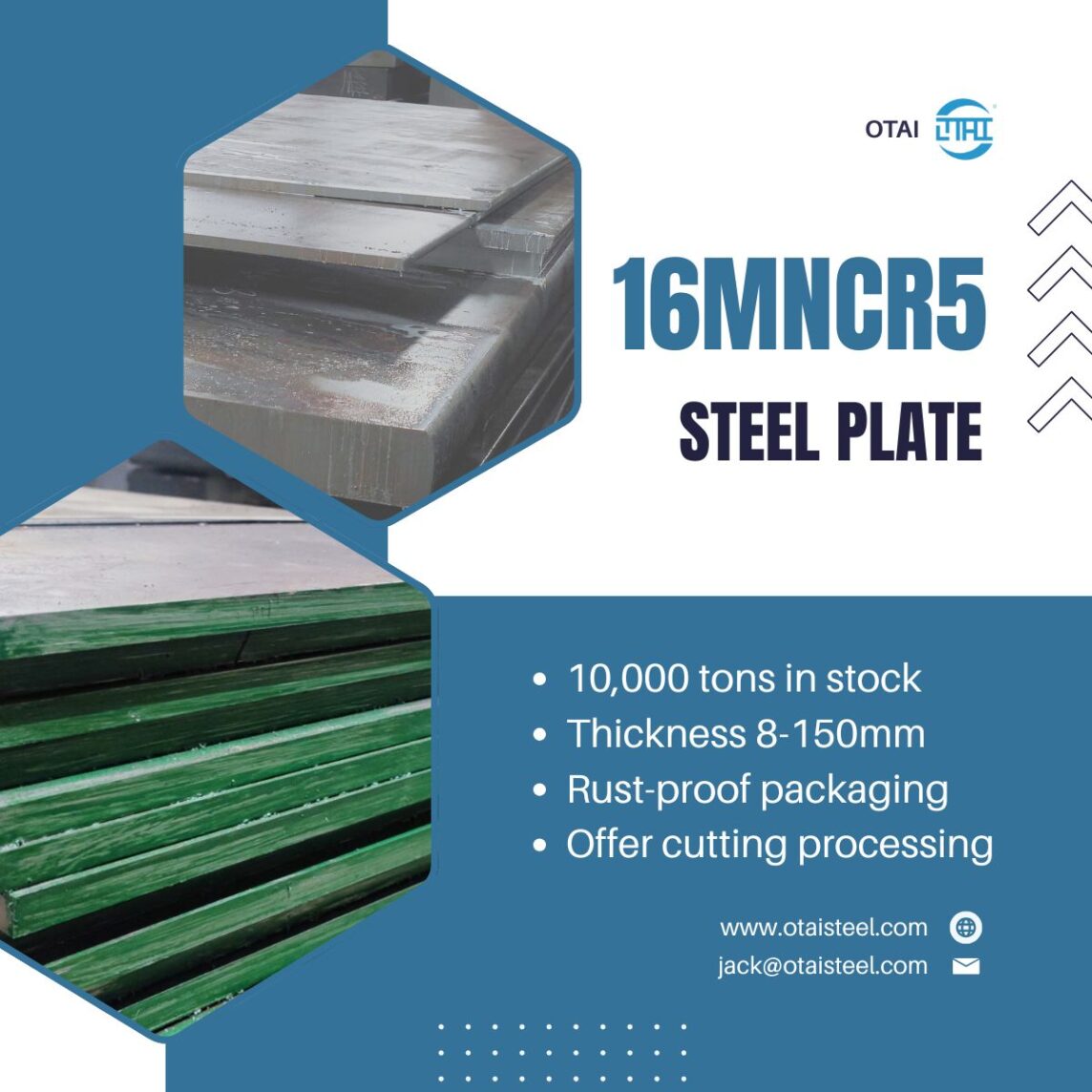
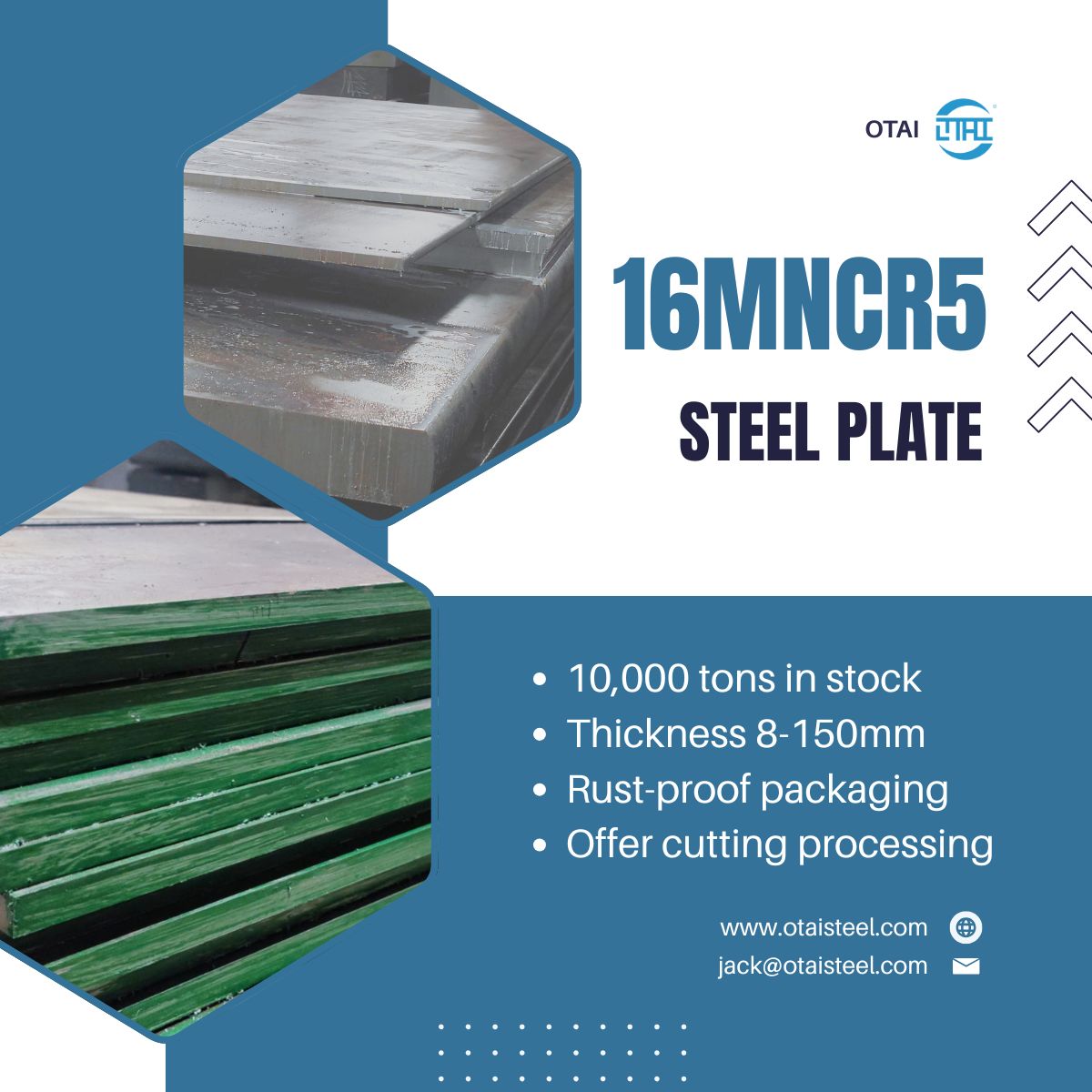
16MnCr5 HRC – Factors That Affect 16MnCr5 HRC16MnCr5 HRC – Factors That Affect 16MnCr5 HRC

The 16MnCr5 HRC value is one of the most important indicators of the steel’s performance after heat treatment. Engineers use the Rockwell Hardness (HRC) scale to evaluate the surface hardness of carburized components and determine whether the material meets the mechanical requirements of gears, shafts, pinions, and other transmission parts.

As a low-carbon case-hardening steel, 16MnCr5 does not achieve its maximum hardness in the supplied condition. Instead, manufacturers improve its properties through carburizing, quenching, and tempering. After these processes, the surface develops a hard martensitic layer while the core remains tough and resistant to impact loads. This combination explains why 16MnCr5 has become one of the most widely used alloy steels for power transmission applications.

Understanding the relationship between hardness, case depth, heat treatment parameters, and service conditions helps engineers optimize component life while reducing maintenance costs and unexpected failures.

🔵 What Does HRC Mean?

HRC stands for Rockwell Hardness C, a measurement commonly used for hardened steels. The test measures the material’s resistance to indentation and provides a quick way to evaluate heat treatment quality.

For 16MnCr5, HRC values mainly represent the hardness of the carburized surface rather than the softer core. Because gears and transmission components experience continuous contact stress, surface hardness often determines wear resistance and fatigue performance.

Hardness Scale Typical Application
HRC Hardened alloy steels
HB Annealed steels
HV Case depth measurement
HRB Soft metals

🟢 Typical 16MnCr5 HRC Values

The final 16MnCr5 HRC depends on the complete heat treatment process. After proper carburizing and quenching, the surface hardness generally reaches a range suitable for demanding wear-resistant applications. The core remains significantly softer, allowing the component to absorb shock loads without brittle fracture.

This hardness profile provides an excellent balance between durability and toughness, making the material ideal for automotive and industrial transmission systems.

Condition Typical Hardness
Annealed 160–220 HB
After Carburizing & Quenching 58–62 HRC
Core Hardness 30–45 HRC
After Tempering Slightly Reduced Surface Hardness

🟠 Why Surface Hardness Matters

Surface hardness directly influences wear resistance, contact fatigue strength, and service life. Components operating under rolling or sliding contact experience continuous friction, making a hard outer layer essential for reliable performance.

A properly controlled 16MnCr5 HRC level helps reduce pitting, abrasive wear, and surface deformation while extending maintenance intervals. At the same time, the tougher core prevents catastrophic failure under repeated impact loading.

Higher Surface Hardness Provides Benefit
Improved Wear Resistance Longer component life
Better Contact Fatigue Strength Reduced pitting
Lower Surface Deformation Improved dimensional stability
Higher Load Capacity Greater reliability

🟣 Heat Treatment and HRC Development

The final 16MnCr5 HRC value develops through a carefully controlled sequence of carburizing, quenching, and tempering. Carburizing enriches the surface with carbon, quenching transforms the structure into hard martensite, and tempering improves toughness while maintaining excellent hardness.

Each stage contributes to the final performance. Even small changes in temperature or holding time can influence hardness, case depth, and dimensional stability. For this reason, manufacturers monitor every stage of the heat treatment process carefully.

Heat Treatment Stage Main Purpose
Carburizing Increase surface carbon
Quenching Form martensite
Tempering Improve toughness
Inspection Verify hardness and quality

🔷 Factors That Affect 16MnCr5 HRC

Although the target 16MnCr5 HRC range is well established, several manufacturing variables determine the final hardness. Engineers must carefully control each stage of production to achieve consistent results across every batch.

Carburizing temperature and holding time determine how much carbon diffuses into the surface. A longer carburizing cycle generally produces a deeper hardened layer, while insufficient carburizing may reduce surface hardness and wear resistance.

Quenching is equally important. Oil quenching remains the preferred method for most 16MnCr5 components because it provides an excellent balance between hardness development and dimensional stability. Improper cooling can lead to insufficient martensite formation, distortion, or even cracking.

Tempering follows quenching to relieve internal stress while preserving most of the surface hardness. Selecting an appropriate tempering temperature helps maintain an ideal combination of hardness and toughness.

Factor Influence on Hardness
Carburizing Time Controls case depth
Carburizing Temperature Affects carbon diffusion
Quenching Medium Determines cooling rate
Tempering Temperature Balances hardness and toughness
Material Quality Ensures consistent heat treatment

🔴 Surface Hardness vs. Core Hardness

One of the greatest advantages of 16MnCr5 is its ability to develop two distinct hardness zones. The carburized surface becomes extremely hard to resist wear, while the lower-carbon core remains tough enough to absorb heavy impact loads.

This combination is essential for gears, pinions, shafts, and other transmission parts that experience repeated rolling contact. If the entire component were hardened to the same level, it would become brittle and much more susceptible to fracture during operation.

The optimized 16MnCr5 HRC profile therefore delivers both durability and reliability. The hard outer case minimizes abrasive wear and pitting, while the tougher core supports the surface layer under heavy mechanical loads.

Region Typical Hardness Main Function
Surface Case 58–62 HRC Wear resistance
Transition Zone 45–55 HRC Load transfer
Core 30–45 HRC Impact toughness

⚙️ Typical Applications Requiring High HRC

A properly controlled 16MnCr5 HRC value is particularly important in applications where components operate under continuous friction or cyclic loading. Automotive gears, industrial gearboxes, agricultural machinery, construction equipment, and mining machinery all rely on hardened surfaces to achieve long service life.

For example, transmission gears experience thousands of rolling contact cycles every minute. High surface hardness significantly reduces adhesive wear, surface fatigue, and micro-pitting, allowing the gearbox to operate efficiently over extended periods.

Similarly, sprockets, cam components, and drive shafts benefit from a carburized case because the hardened surface protects against repeated contact while the tough core absorbs vibration and shock loads.

Component Reason for High Hardness
Automotive Gears Wear resistance
Pinions Rolling contact fatigue
Drive Shafts Surface durability
Sprockets Abrasion resistance
Industrial Gearboxes Long service life

📊 How Is 16MnCr5 Hardness Tested?

Quality control is an essential part of every heat treatment process. Manufacturers verify the final 16MnCr5 HRC using standardized hardness testing equipment to ensure that each batch meets customer specifications.

The Rockwell Hardness C test is the most common method for finished components because it provides fast and repeatable results. In addition, many laboratories use Vickers hardness testing when evaluating case depth or hardness gradients across the carburized layer.

For critical applications, hardness testing is often combined with metallographic examination to confirm the formation of a uniform martensitic microstructure and the required effective case depth.

Testing Method Main Purpose
Rockwell HRC Surface hardness measurement
Vickers HV Case depth evaluation
Brinell HB Annealed material inspection
Metallography Microstructure verification

🏭 Company Advantages – Otai Special Steel

  • 📏 16MnCr5 steel plate thickness range: 8–150mm in stock
  • 📦 Large inventory for fast global delivery.
  • ✂️ Precision cutting, machining, and heat treatment services.
  • 🔬 Ultrasonic testing and third-party inspection available.
  • 📦 Export-standard anti-rust packaging, steel strapping, and wooden cases.
  • 🌍 Extensive experience supplying industrial manufacturers and Fortune Global 500 companies.

❓ FAQ – 16MnCr5 HRC

1. What is the typical 16MnCr5 HRC after heat treatment?

After proper carburizing, quenching, and tempering, the surface hardness typically reaches 58–62 HRC, while the core remains much tougher.

2. Why isn’t the entire component hardened to 60 HRC?

A fully hardened component would become brittle. A tough core helps absorb impact loads and prevents sudden fracture during operation.

3. Does deeper carburizing always produce higher HRC?

Not necessarily. Deeper carburizing increases case depth, but the final hardness also depends on quenching, tempering, and process control.

4. Which hardness test is most commonly used for 16MnCr5?

The Rockwell Hardness C (HRC) test is the standard method for measuring the surface hardness of carburized 16MnCr5 components.

5. Which industries commonly require high 16MnCr5 HRC values?

Automotive manufacturing, industrial gear production, mining equipment, agricultural machinery, and construction equipment all rely on hardened 16MnCr5 components.

🏁 Conclusion

The 16MnCr5 HRC value is a key indicator of the steel’s performance after heat treatment. By combining carburizing, quenching, and tempering, manufacturers create a hard, wear-resistant surface while preserving a tough and durable core. This balance allows 16MnCr5 to perform reliably in demanding applications that involve heavy loads, repeated contact stress, and long operating hours.

Selecting high-quality raw material and applying precise heat treatment controls are equally important for achieving consistent hardness and long service life. When these factors are carefully managed, 16MnCr5 remains one of the most dependable case-hardening steels for modern industrial engineering.

0 0 Continue Reading →

Buy 16MnCr5 Steel –How to Choose the Right Supplier

Buy 16MnCr5 Steel –How to Choose the Right SupplierBuy 16MnCr5 Steel –How to Choose the Right Supplier
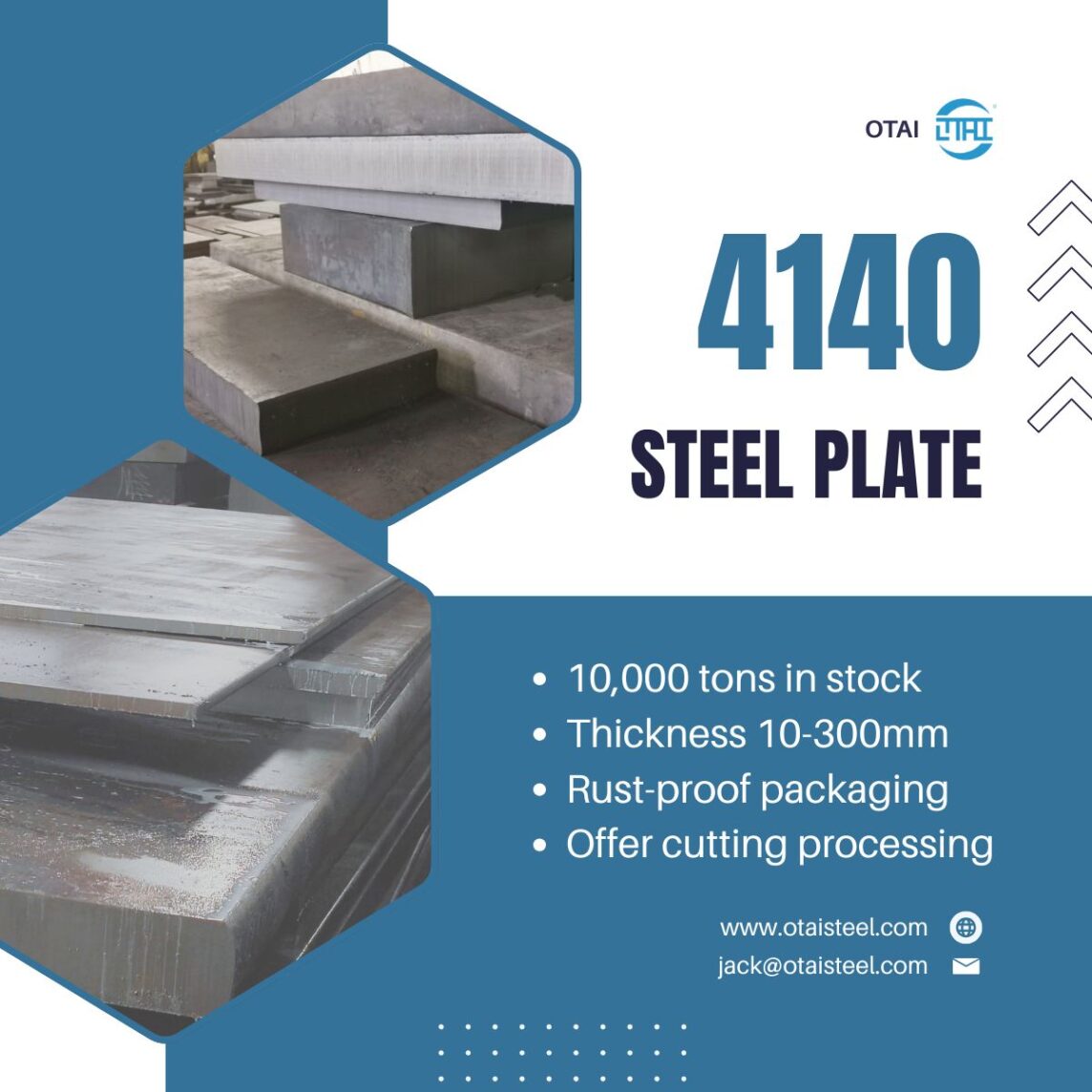
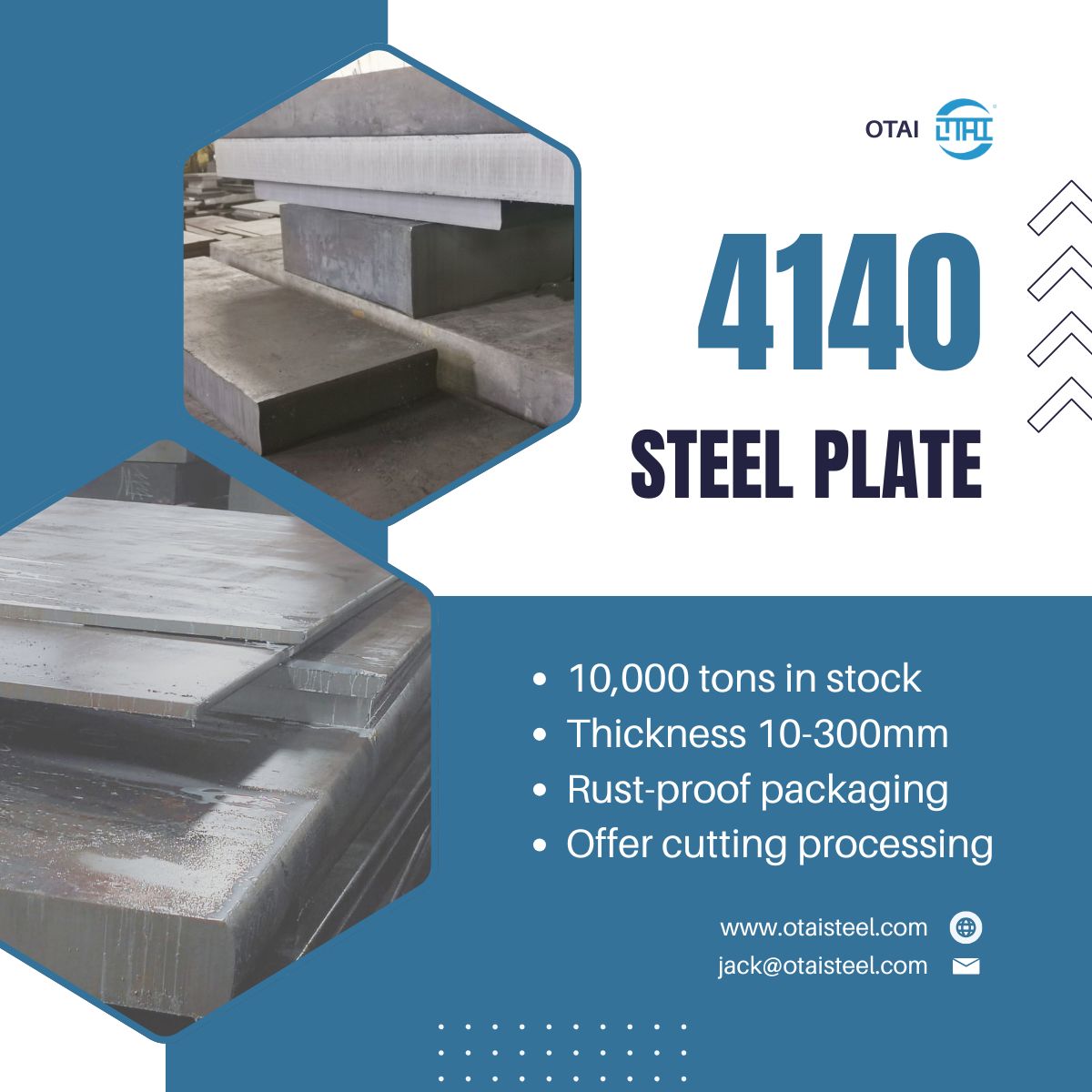
If you plan to buy 16MnCr5 steel, selecting the right supplier is just as important as choosing the correct material specification. 16MnCr5 is one of the most widely used case-hardening steels in the world, offering excellent wear resistance, fatigue strength, and carburizing performance.

Companies that buy 16MnCr5 steel often use it for gears, shafts, pinions, sprockets, and transmission components. Because these parts operate under demanding conditions, buyers must ensure that the material meets quality standards and arrives with complete traceability documentation.

Many engineers searching for buy 16MnCr5 steel also look for buy 16MnCr5 steel plate, 16MnCr5 steel supplier, 16MnCr5 steel stockist, 16MnCr5 steel plate supplier, and 16MnCr5 steel plate in stock. Understanding these factors helps reduce procurement risks and improve project efficiency.

🔵 Why Choose 16MnCr5 Steel?

16MnCr5 belongs to the EN 10084 case-hardening steel family. The steel contains carefully balanced levels of carbon, manganese, and chromium. This alloy design allows the material to develop a hard wear-resistant surface while maintaining a tough and durable core.

Manufacturers use 16MnCr5 extensively in automotive transmissions, industrial gearboxes, agricultural equipment, and heavy machinery because it delivers excellent long-term performance.

Property Performance
Carburizing Capability Excellent
Wear Resistance Excellent
Core Toughness High
Fatigue Strength High
Machinability Good

🟢 What to Check Before You Buy 16MnCr5 Steel

Before you buy 16MnCr5 steel, verify several important factors. Material quality, certification, stock availability, and supplier experience can significantly influence project success.

Professional buyers often evaluate suppliers based on inventory levels, processing capabilities, testing services, and delivery performance. Choosing a reliable supplier helps avoid delays and quality issues.

Evaluation Item Importance
Chemical Composition Certification Very High
Mechanical Property Verification Very High
Stock Availability High
Processing Capability High
Delivery Reliability High

🟠 Common Product Forms Available

Companies that buy 16MnCr5 steel can choose from several product forms depending on their manufacturing requirements. Steel plates remain popular because they provide flexibility for machining and custom component production.

Product Form Typical Application
Steel Plate Machined components
Round Bar Shafts and pins
Forged Block Heavy-duty parts
Cut-to-Size Plate Custom manufacturing

🟣 Why Inventory Availability Matters

Inventory availability often determines whether a project stays on schedule. When buyers choose suppliers with sufficient stock, they reduce lead times and improve production planning.

Many companies prefer suppliers that maintain a wide thickness range of 16MnCr5 steel plates because immediate availability minimizes procurement delays and transportation risks.

Benefit Impact
Shorter Lead Time Faster production
Stable Supply Reduced risk
Flexible Quantities Better planning
Quick Delivery Lower downtime


🔷 How to Choose the Right 16MnCr5 Steel Supplier

When you buy 16MnCr5 steel, supplier selection directly affects product quality, delivery performance, and long-term procurement costs. A professional supplier does more than provide material. The supplier also offers technical support, quality documentation, processing services, and stable inventory.

Experienced buyers typically evaluate suppliers based on their stock capacity, inspection procedures, export experience, and ability to meet custom requirements. A supplier with extensive inventory can often shorten lead times and support urgent projects.

Many companies that regularly buy 16MnCr5 steel prefer suppliers that can provide cutting services and complete material traceability. These services simplify manufacturing operations and improve quality control.

Supplier Evaluation Factor Why It Matters
Inventory Capacity Supports faster delivery
Material Certification Ensures compliance
Processing Services Reduces machining workload
Export Experience Improves logistics efficiency
Quality Inspection Reduces risk

🔴 Buy 16MnCr5 Steel vs Alternative Materials

Before they buy 16MnCr5 steel, some engineers compare it with other case-hardening steels. Although several alternatives exist, 16MnCr5 remains one of the most balanced choices for gears and transmission components.

Its combination of wear resistance, fatigue strength, and carburizing response allows manufacturers to achieve excellent performance without significantly increasing production complexity.

Steel Grade Main Advantage Typical Use
16MnCr5 Balanced performance Gears and shafts
20MnCr5 Slightly higher carbon Transmission components
18CrNiMo7-6 Higher load capacity Heavy-duty gearboxes
8620 Popular North American grade Automotive parts

⚙️ Global Demand for 16MnCr5 Steel

Global demand continues to grow as manufacturers expand production of industrial equipment, agricultural machinery, and automotive transmission systems. Companies that buy 16MnCr5 steel value its reliability, long service life, and excellent heat treatment performance.

As industries focus on durability and efficiency, demand for high-quality case-hardening steels remains strong. Buyers often prioritize stable supply chains and inventory availability to avoid production interruptions.

Industry Demand Driver
Automotive Transmission systems
Agriculture Heavy-duty machinery
Mining Wear-resistant components
Industrial Equipment Gear and shaft production
Energy Mechanical transmission parts

📈 Benefits of Buying 16MnCr5 Steel from Stock

Companies that buy 16MnCr5 steel from stock often gain significant advantages. Immediate availability reduces project delays and allows manufacturers to respond quickly to changing production schedules.

Stock material also provides greater flexibility when customers need additional quantities or modified dimensions. This flexibility helps manufacturers maintain efficient operations and improve customer satisfaction.

  • ✔ Faster delivery times
  • ✔ Reduced production delays
  • ✔ Flexible order quantities
  • ✔ Improved inventory planning
  • ✔ Better project scheduling
  • ✔ Lower supply chain risk

🏭 Company Advantages – Otai Special Steel

  • 📏 16MnCr5 steel plate thickness range: 8–150mm in stock
  • 📦 Large inventory available for immediate shipment
  • ✂️ Precision cutting, machining, and heat treatment services
  • 🔬 Ultrasonic testing and third-party inspection support
  • 📦 Anti-rust packaging, strap packaging, and wooden box packaging available
  • 🌍 Extensive experience supplying global industrial customers

❓ FAQ – Buy 16MnCr5 Steel

1. What should I check before buying 16MnCr5 steel?

You should verify chemical composition, certifications, stock availability, and supplier reliability before placing an order.

2. Is 16MnCr5 suitable for gear manufacturing?

Yes. Manufacturers widely use 16MnCr5 for gears because it offers excellent carburizing performance and wear resistance.

3. Can I buy cut-to-size 16MnCr5 steel plates?

Yes. Many suppliers provide precision cutting services according to customer drawings and dimensions.

4. What certifications are commonly available?

Most industrial suppliers offer EN 10204 3.1 certificates, ultrasonic testing reports, and other quality documents.

5. Why do buyers prefer stock material?

Stock material shortens lead times, improves flexibility, and helps manufacturers keep projects on schedule.

🏁 Conclusion

Companies that buy 16MnCr5 steel often prioritize quality, reliability, and inventory availability. This versatile case-hardening steel delivers excellent wear resistance, strong fatigue performance, and outstanding carburizing capability, making it a preferred choice for gears, shafts, and transmission components.

When selecting a supplier, buyers should evaluate inventory capacity, processing capabilities, certification support, and industry experience. A reliable supplier can help reduce procurement risks, improve production efficiency, and ensure long-term project success.

0 0 Continue Reading →

Key Factors When Choosing a 4140 Steel Plate Stockist
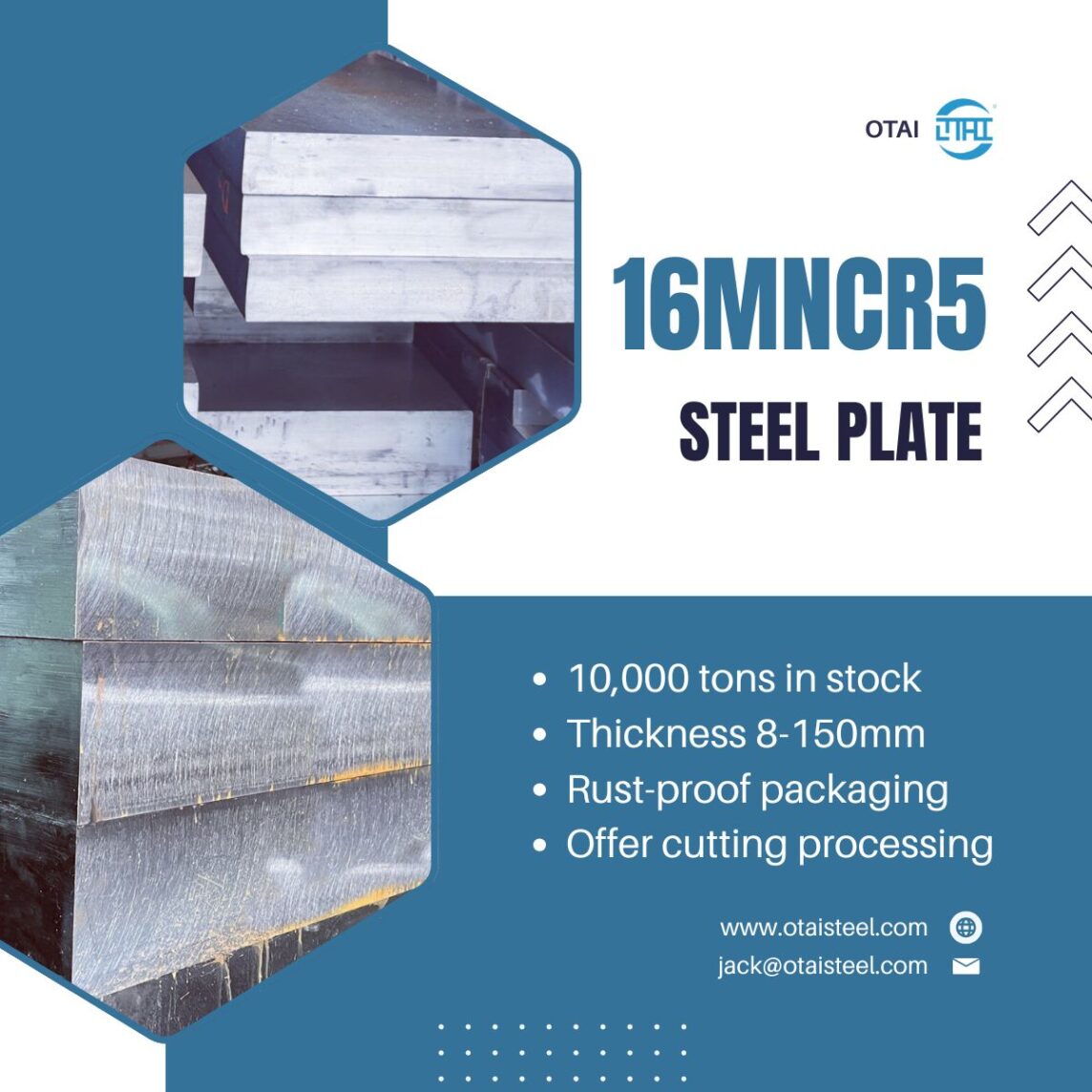
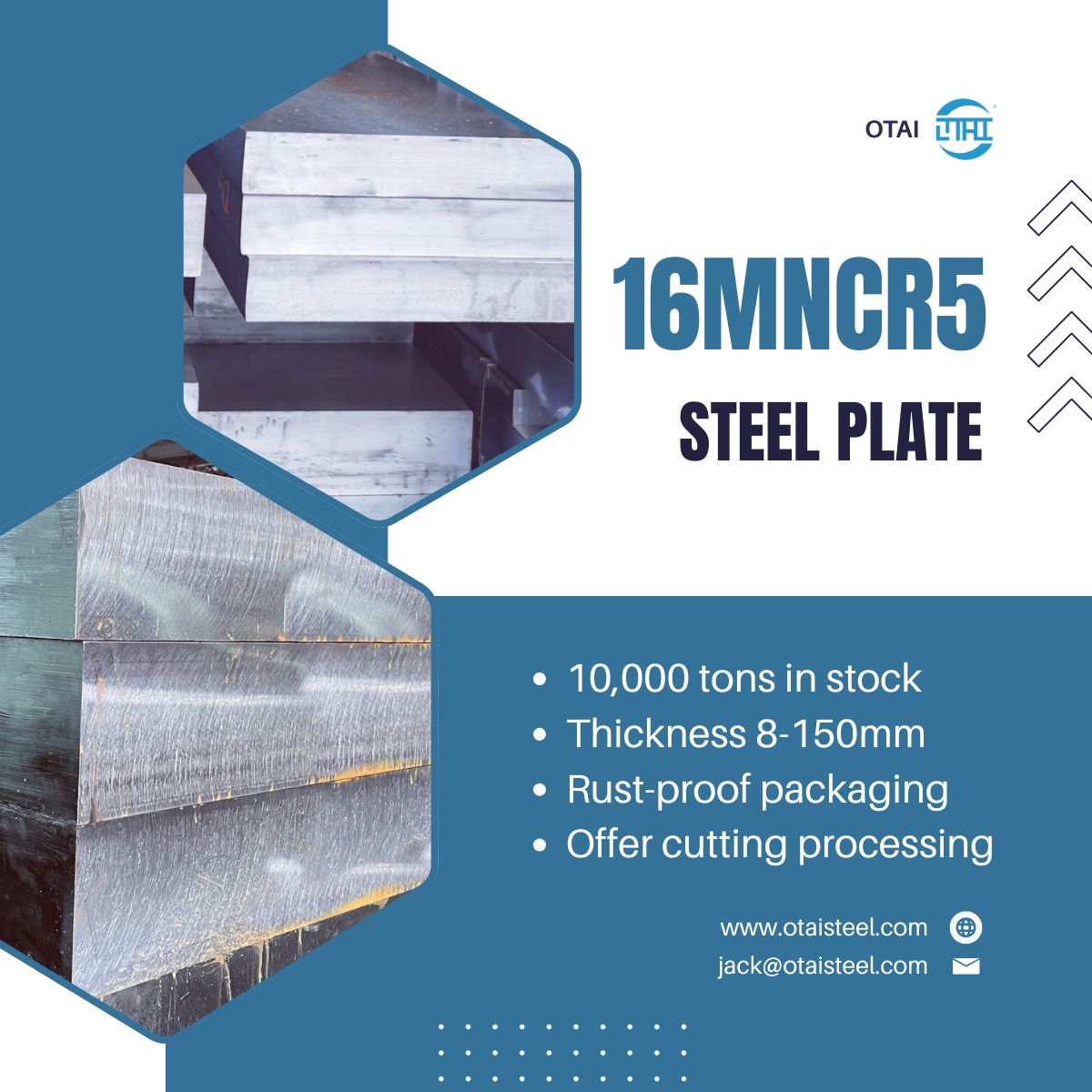
Key Factors When Choosing a 4140 Steel Plate Stockist4140 Steel Plate Stockist – Key Factors When Choosing a 4140 Steel Plate Stockist

Finding a reliable 4140 steel plate stockist is one of the most important steps when sourcing alloy steel for industrial applications. Material quality, inventory availability, processing capability, and delivery reliability can directly affect production schedules and project success.

Many manufacturers prefer working with an experienced 4140 steel plate stockist because immediate stock availability reduces lead times and helps avoid costly project delays. Whether you manufacture gears, shafts, molds, heavy equipment parts, or structural components, choosing the right supplier can improve procurement efficiency and reduce supply chain risks.

Buyers searching for a 4140 steel plate stockist often look for related terms such as 4140 steel plate supplier, 4140 alloy steel plate in stock, 4140 steel plate distributor, 4140 steel inventory, and 4140 steel plate exporter. Understanding these factors helps companies make informed purchasing decisions.

🔵 What Is 4140 Steel?

4140 steel is a chromium-molybdenum alloy steel known for its excellent strength, toughness, hardenability, and wear resistance. Engineers widely use it in demanding applications where components must withstand heavy loads and repeated stress.

After quenching and tempering, 4140 steel develops high mechanical strength while maintaining good toughness. This combination makes it one of the most popular engineering alloy steels worldwide.

Property Performance
Strength High
Toughness High
Wear Resistance Good
Hardenability Excellent
Machinability Good

🟢 Why Work with a 4140 Steel Plate Stockist?

A professional 4140 steel plate stockist offers more than material supply. Stockists maintain inventory in multiple thicknesses and dimensions, allowing customers to receive material quickly without waiting for mill production schedules.

This advantage becomes especially important when manufacturers need urgent deliveries or small quantities. Instead of ordering directly from a steel mill with long lead times, buyers can source material immediately from available inventory.

Benefit Customer Advantage
Large Inventory Faster delivery
Multiple Sizes Flexible purchasing
Cutting Service Reduced machining time
Technical Support Better material selection
Quality Documentation Improved traceability

🟠 Industries That Use 4140 Steel Plates

Many industries rely on a dependable 4140 steel plate stockist to support continuous production. The material’s high strength and toughness make it suitable for numerous engineering applications.

Automotive manufacturers use 4140 steel for shafts, gears, and suspension components. Heavy equipment producers select it for structural parts and wear-resistant components. Oil and gas companies also use 4140 in drilling and production equipment.

Industry Typical Applications
Automotive Gears and shafts
Oil & Gas Drilling components
Mining Heavy-duty wear parts
Construction Structural components
Industrial Machinery Transmission systems

🟣 Key Factors When Choosing a 4140 Steel Plate Stockist

Not all suppliers offer the same level of service. Before selecting a 4140 steel plate stockist, buyers should evaluate several important criteria.

Inventory size, quality certifications, processing services, export experience, and inspection capabilities all influence supplier reliability. Working with an experienced stockist often reduces procurement risks and improves project outcomes.

Selection Factor Importance
Inventory Capacity Very High
Material Certification Very High
Cutting Service High
Inspection Capability High
Export Experience High

🔷 4140 Steel Plate Stockist vs Steel Mill

Many buyers compare a 4140 steel plate stockist with a steel mill when planning material purchases. Although mills produce the material, stockists often provide greater flexibility and faster delivery.

Steel mills generally focus on large production runs and minimum order quantities. In contrast, a professional 4140 steel plate stockist can supply smaller quantities, mixed sizes, and custom-cut plates directly from inventory. This flexibility helps manufacturers reduce inventory costs and improve production planning.

For urgent projects, many companies choose a 4140 steel plate stockist because available stock can eliminate long manufacturing lead times.

Comparison Item Stockist Steel Mill
Lead Time Short Longer
Order Flexibility High Limited
Custom Cutting Available Usually Limited
Inventory Availability Immediate Production Required
Minimum Quantity Lower Higher

🔴 Why Inventory Matters in 4140 Steel Procurement

Inventory availability remains one of the biggest advantages offered by a 4140 steel plate stockist. Manufacturers often face tight delivery schedules, and material delays can impact production efficiency and customer commitments.

When a supplier maintains substantial inventory, buyers can secure material quickly and reduce supply chain uncertainty. Large stock levels also allow customers to order multiple thicknesses and dimensions from a single source.

An experienced 4140 steel plate stockist typically supports projects ranging from prototype development to large-scale industrial production.

Inventory Advantage Business Benefit
Immediate Availability Faster project startup
Multiple Thicknesses Flexible purchasing
Reduced Lead Time Improved scheduling
Stable Supply Lower procurement risk
Quick Replenishment Continuous production

⚙️ Processing Services Offered by a Professional Stockist

A high-quality 4140 steel plate stockist usually offers value-added processing services that help customers reduce manufacturing time and costs. These services allow buyers to receive material closer to final dimensions and specifications.

Instead of purchasing oversized plates and performing all machining in-house, manufacturers can outsource preliminary processing to their supplier. This approach improves efficiency and reduces material waste.

Service Customer Benefit
Precision Cutting Reduced machining time
Heat Treatment Ready-to-use material
Surface Grinding Improved dimensional accuracy
Ultrasonic Testing Quality assurance
Packaging Services Safer transportation

📈 Global Demand for 4140 Steel Plates

Demand for 4140 alloy steel continues to grow across multiple industries. Automotive manufacturers, mining companies, energy producers, and machinery builders all require high-strength alloy steel components.

As industrial equipment becomes more sophisticated, manufacturers increasingly rely on suppliers with dependable inventory and technical expertise. This trend has strengthened the role of the modern 4140 steel plate stockist in global supply chains.

Companies that work with a trusted 4140 steel plate stockist often achieve better procurement efficiency, shorter lead times, and more reliable project execution.

Market Sector Main Demand Driver
Automotive Transmission components
Energy High-strength equipment
Mining Wear-resistant parts
Construction Heavy machinery
Manufacturing Mechanical systems

🏭 Company Advantages – Otai Special Steel

  • 📦 More than 10,000 tons of alloy steel inventory in various sizes and specifications
  • 📏 Wide range of 4140 steel plates available from stock
  • ✂️ Precision cutting, machining, and heat treatment services
  • 🔬 Ultrasonic testing and third-party inspection support
  • 📦 Anti-rust packaging, strap packaging, and wooden box packaging available
  • 🌍 Proven experience supplying Fortune Global 500 companies and industrial customers worldwide

❓ FAQ – 4140 Steel Plate Stockist

1. What does a 4140 steel plate stockist do?

A stockist maintains inventory of 4140 steel plates and supplies material quickly to customers without requiring mill production lead times.

2. Why should I buy from a stockist instead of a mill?

A stockist typically offers faster delivery, smaller order quantities, custom cutting services, and immediate inventory availability.

3. Can a stockist provide material certificates?

Yes. Professional suppliers generally provide EN 10204 3.1 certificates and other quality documentation.

4. What industries commonly use 4140 steel plates?

Automotive, mining, oil and gas, construction, and industrial machinery sectors frequently use 4140 steel plates.

5. Can I order cut-to-size 4140 steel plates?

Yes. Many stockists offer precision cutting and additional processing services according to customer requirements.

🏁 Conclusion

Choosing the right 4140 steel plate stockist can significantly improve procurement efficiency, reduce lead times, and support reliable manufacturing operations. A strong inventory position, professional processing services, and comprehensive quality control capabilities provide major advantages for industrial buyers.

As demand for high-performance alloy steels continues to grow, companies increasingly depend on experienced suppliers that combine inventory strength with technical expertise. By partnering with a trusted 4140 steel plate stockist, manufacturers can secure consistent material quality, flexible purchasing options, and dependable long-term supply.

0 0 Continue Reading →

Does Heat Treatment Change the Young’s Modulus of 16MnCr5?
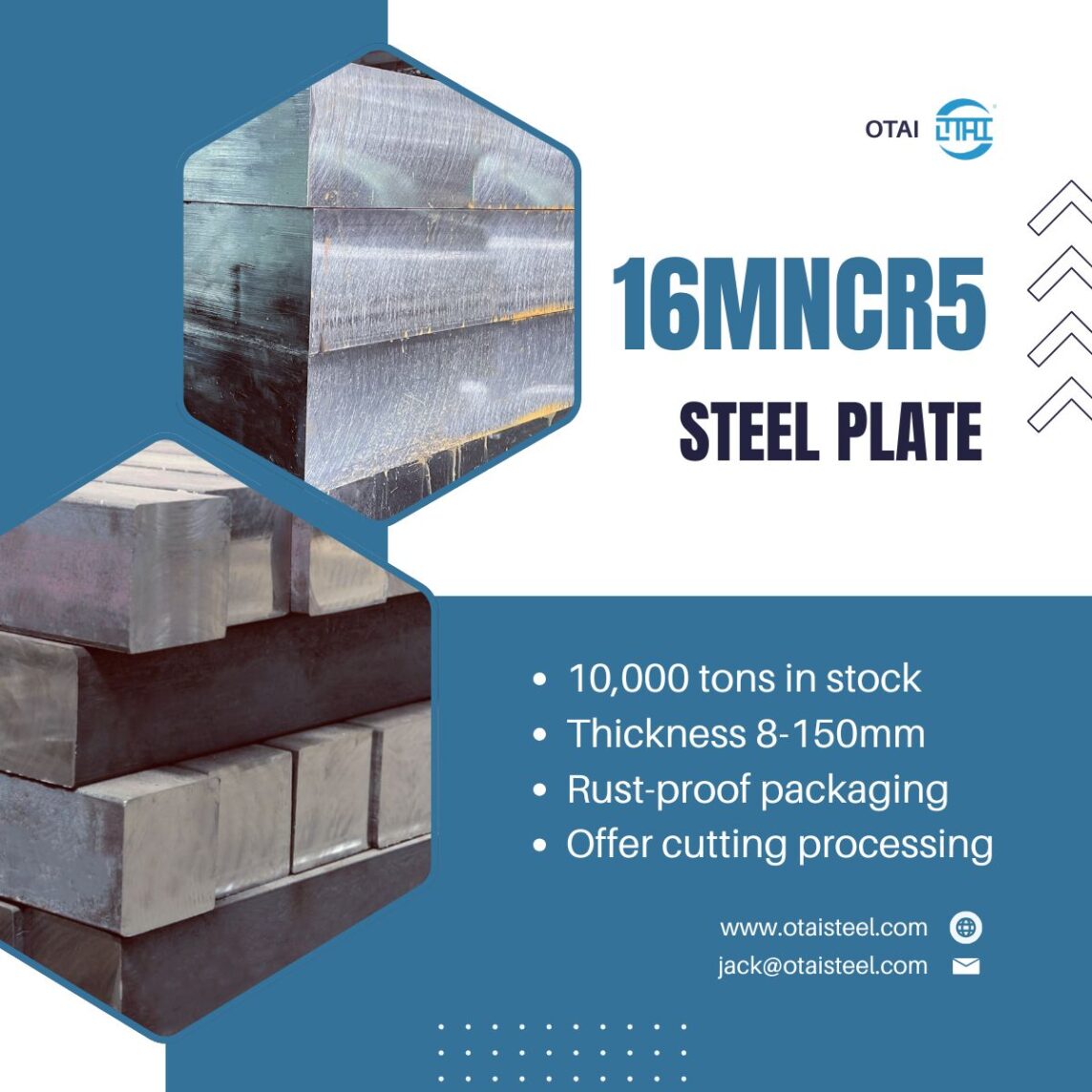
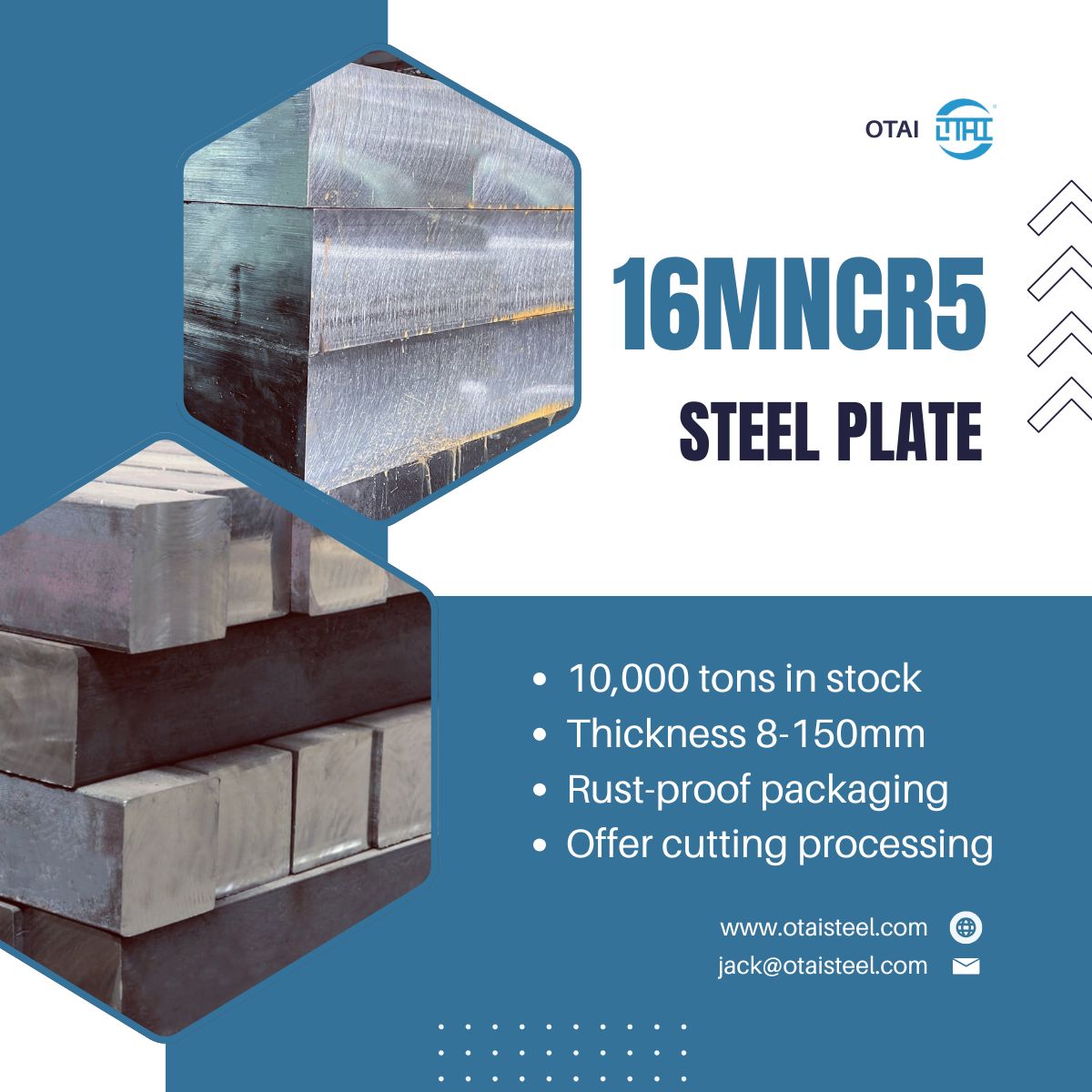
Does Heat Treatment Change the Young's Modulus of 16MnCr5?Does Heat Treatment Change the Young’s Modulus of 16MnCr5?

Understanding the Young’s modulus of 16MnCr5 is important for engineers, designers, and manufacturers who work with gears, shafts, and case-hardened mechanical components. While hardness and tensile strength often receive the most attention, Young’s modulus plays an equally important role in determining how a component responds to elastic deformation under load.

The Young’s modulus of 16MnCr5 measures the material’s stiffness and its ability to resist elastic deformation. Engineers use this value when calculating shaft deflection, gear tooth deformation, contact stresses, and structural rigidity. A correct understanding of elastic modulus helps improve design accuracy and ensures reliable equipment performance.

Many professionals searching for Young’s modulus of 16MnCr5 also want information about 16MnCr5 mechanical properties, 16MnCr5 elastic modulus, 16MnCr5 density, 16MnCr5 hardness, and 16MnCr5 steel properties. These properties work together to determine the overall behavior of the material in service.

🔵 What Is Young’s Modulus?

Young’s modulus, also called the elastic modulus or modulus of elasticity, describes the relationship between stress and strain within the elastic region of a material. It represents the stiffness of a material before permanent deformation occurs.

A higher Young’s modulus indicates that a material resists deformation more effectively when subjected to a load. A lower modulus means the material deforms more easily under the same loading conditions.

For engineering steels, Young’s modulus remains relatively consistent regardless of heat treatment condition. Unlike hardness and tensile strength, which can vary significantly after carburizing and quenching, the elastic modulus changes only slightly.

Property Description
Young’s Modulus Measures stiffness
Unit GPa (Gigapascal)
Engineering Use Deflection calculations
Material Behavior Elastic deformation

🟢 Young’s Modulus of 16MnCr5

The typical Young’s modulus of 16MnCr5 ranges from approximately 205 to 210 GPa. This value closely matches many low-alloy and carburizing steels used in mechanical engineering applications.

Because elastic modulus remains relatively stable, engineers can use this value for design calculations regardless of whether the material is supplied in the annealed, normalized, carburized, or quenched-and-tempered condition.

The high stiffness associated with the Young’s modulus of 16MnCr5 helps minimize elastic deflection in rotating shafts, transmission gears, and structural components. This characteristic improves dimensional accuracy and operational reliability.

Property Typical Value
Young’s Modulus 205–210 GPa
Shear Modulus 80 GPa
Poisson’s Ratio 0.29–0.30
Density 7.85 g/cm³

🟠 Why Young’s Modulus Matters in Engineering Design

The Young’s modulus of 16MnCr5 directly influences how engineers design power transmission systems and load-bearing components. When a shaft experiences torque or bending loads, its elastic modulus determines how much it deflects under stress.

Excessive deflection can create alignment problems, increase vibration, accelerate wear, and reduce overall equipment efficiency. By incorporating the correct modulus value into calculations, engineers can predict component behavior more accurately.

In gear design, elastic modulus affects tooth contact patterns and load distribution. A material with high stiffness helps maintain proper gear meshing and improves transmission efficiency.

Application Importance of Elastic Modulus
Gear Design Controls tooth deflection
Shaft Design Reduces bending deformation
Transmission Systems Improves alignment
Heavy Machinery Maintains rigidity

🟣 Relationship Between Young’s Modulus and Other Mechanical Properties

Engineers sometimes confuse stiffness with strength. However, the Young’s modulus of 16MnCr5 and tensile strength represent different material characteristics.

Young’s modulus measures resistance to elastic deformation, while tensile strength measures the maximum stress a material can withstand before failure. A steel can possess high strength and moderate stiffness or vice versa.

For 16MnCr5, the combination of high stiffness, excellent surface hardness after carburizing, and strong fatigue resistance makes the material especially suitable for precision mechanical components.

Property Function
Young’s Modulus Stiffness
Tensile Strength Load Capacity
Hardness Wear Resistance
Fatigue Strength Cyclic Load Resistance

🔷 Does Heat Treatment Change the Young’s Modulus of 16MnCr5?

One of the most common questions engineers ask concerns the influence of heat treatment on the Young’s modulus of 16MnCr5. Unlike hardness, tensile strength, and wear resistance, the elastic modulus remains relatively stable after heat treatment.

Carburizing, quenching, and tempering can dramatically increase surface hardness and improve fatigue performance. However, these processes have only a minor effect on the stiffness of the material. Engineers therefore continue to use approximately 205–210 GPa for most design calculations regardless of the heat treatment condition.

This characteristic simplifies engineering analysis because designers do not need to adjust modulus values every time they change a heat treatment specification. Instead, they focus on modifying strength, hardness, and fatigue-related parameters.

Property Before Heat Treatment After Heat Treatment
Young’s Modulus 205–210 GPa 205–210 GPa
Hardness 170–220 HB 58–62 HRC (case)
Wear Resistance Moderate Excellent
Fatigue Resistance Good High

🔴 Young’s Modulus of 16MnCr5 vs Other Engineering Steels

Engineers often compare the Young’s modulus of 16MnCr5 with other alloy steels when selecting materials for gears and transmission systems. In practice, most engineering steels possess very similar elastic modulus values. The major differences between grades usually involve hardness, strength, wear resistance, and heat treatment response rather than stiffness.

This similarity means engineers often choose materials based on fatigue performance, surface hardness requirements, and manufacturing considerations instead of elastic modulus alone.

Steel Grade Young’s Modulus (GPa) Typical Application
16MnCr5 205–210 Gears and shafts
20MnCr5 205–210 Transmission gears
4140 205–210 Heavy-duty shafts
1045 200–210 General engineering
4340 205–210 High-strength components

⚙️ Engineering Applications That Depend on Elastic Modulus

The Young’s modulus of 16MnCr5 plays a critical role in applications where dimensional stability and stiffness affect performance. Gear manufacturers rely on accurate modulus values when calculating tooth deflection under load. Excessive elastic deformation can alter contact patterns and reduce transmission efficiency.

Shaft designers use elastic modulus to predict bending deflection and torsional behavior. Industrial machinery manufacturers also consider stiffness when designing components that must maintain precise alignment during operation.

In automated production equipment, even small amounts of elastic deformation can influence positioning accuracy. The high stiffness of 16MnCr5 helps maintain reliable performance under continuous operating conditions.

Application Role of Young’s Modulus
Gears Controls tooth deformation
Shafts Limits bending deflection
Gearboxes Maintains alignment
Industrial Machinery Improves rigidity
Automation Systems Supports precision movement

📈 Advantages of 16MnCr5 for Precision Mechanical Components

The combination of the Young’s modulus of 16MnCr5, excellent carburizing capability, and strong fatigue resistance provides significant advantages for precision mechanical systems. Engineers can design compact components while maintaining adequate stiffness and durability.

After carburizing, the steel develops a hard wear-resistant surface that protects against abrasion and rolling contact fatigue. At the same time, the tough core absorbs shock loads and prevents brittle failure.

This balance of properties explains why 16MnCr5 remains one of the most widely specified case-hardening steels in Europe and many international markets.

  • ✔ High stiffness for accurate load distribution
  • ✔ Excellent dimensional stability
  • ✔ Outstanding carburizing response
  • ✔ Strong fatigue resistance
  • ✔ Excellent wear performance
  • ✔ Long service life in gear applications

🏭 Company Advantages – Otai Special Steel

  • 📏 16MnCr5 steel plate thickness range: 8–150mm in stock
  • 📦 Large inventory available for immediate shipment
  • ✂️ Precision cutting, machining, and heat treatment services
  • 🔬 Ultrasonic testing and third-party inspection support
  • 📦 Anti-rust packaging, strap packaging, and wooden box packaging available
  • 🌍 Extensive experience supplying global industrial customers

❓ FAQ – Young’s Modulus of 16MnCr5

1. What is the typical Young’s modulus of 16MnCr5?

The typical Young’s modulus of 16MnCr5 ranges from approximately 205 to 210 GPa.

2. Does carburizing affect the Young’s modulus of 16MnCr5?

No. Carburizing significantly increases hardness and wear resistance, but it has very little influence on elastic modulus.

3. Why is Young’s modulus important in gear design?

Young’s modulus helps engineers predict gear tooth deformation, load distribution, and transmission efficiency.

4. Is the Young’s modulus of 16MnCr5 different from 20MnCr5?

The values are very similar. Both steels typically exhibit an elastic modulus between 205 and 210 GPa.

5. What industries commonly use 16MnCr5 steel?

Automotive, industrial gearbox, machinery manufacturing, mining, and agricultural equipment industries frequently use 16MnCr5.

🏁 Conclusion

The Young’s modulus of 16MnCr5 typically falls between 205 and 210 GPa, providing the high stiffness required for gears, shafts, and precision mechanical components. Although heat treatment can dramatically improve hardness, wear resistance, and fatigue strength, the elastic modulus remains relatively stable throughout the process.

Combined with excellent carburizing capability, strong core toughness, and outstanding fatigue performance, 16MnCr5 continues to serve as one of the most reliable case-hardening steels for modern engineering applications. Understanding the elastic modulus alongside other mechanical properties allows engineers to design safer, more efficient, and longer-lasting equipment.

0 1 Continue Reading →

16MnCr5 Means: Grade Meaning, Composition and Engineering Applications

16MnCr5 Means: Grade Meaning, Composition and Engineering Applications16MnCr5 Means: Grade Meaning, Composition and Engineering Applications

📑 Table of Contents

🔍 1. What Does 16MnCr5 Mean?

🧪 2. Chemical Meaning Behind 16MnCr5 Grade

⚙️ 3. Why Is 16MnCr5 Classified as Gear Steel?

🔥 4. Heat Treatment Meaning of 16MnCr5

📊 5. Properties and Mechanical Performance of 16MnCr5

⚖️ 6. 16MnCr5 Equivalent Materials

🏭 7. Industrial Applications of 16MnCr5

📦 8. Otai Special Steel Advantages

❓ FAQ About 16MnCr5 Meaning

🔍 1. What Does 16MnCr5 Mean?

When engineers search for 16MnCr5 means, they usually want to understand the meaning behind this European alloy steel grade and why it is widely used in mechanical manufacturing.

16MnCr5 is a low-carbon alloy steel that engineers mainly use for case hardening applications. The EN 10084 standard defines it, and engineers commonly select it for gears, shafts, sprockets, and other components that require a hard wear-resistant surface with a tough internal structure.

The name “16MnCr5” is not a random designation. Each part of the grade name provides information about the chemical composition and characteristics of the steel.

Understanding 16MnCr5 grade meaning helps engineers select the correct material for applications where strength, fatigue resistance and surface hardness are important.

Breaking Down the Meaning of 16MnCr5

Part of Grade Meaning Function in Steel
16 Approximate carbon content indication Represents around 0.16% carbon content
Mn Manganese Improves strength, toughness and hardenability
Cr Chromium Improves hardening ability and wear resistance
5 Chromium level indication Represents approximate alloy content category

What Type of Steel Is 16MnCr5?

16MnCr5 belongs to the family of case hardening steels. These steels are designed to create a hard outer layer through carburizing while keeping the core relatively soft and tough.

This special structure provides several advantages:

  • High surface hardness after carburizing.
  • Excellent resistance against wear and contact stress.
  • Good impact resistance due to the tough core.
  • Long service life in mechanical transmission systems.

Because of these characteristics, 16MnCr5 steel meaning is closely connected with gear manufacturing and heavy-duty mechanical applications.

Basic Information of 16MnCr5 Material

Item Description
Steel Grade 16MnCr5
Material Number 1.7131
Standard EN 10084
Steel Type Low carbon alloy case hardening steel
Main Alloy Elements Carbon, manganese and chromium
Main Applications Gears, shafts, transmission components

🧪 2. Chemical Meaning Behind 16MnCr5 Grade

To fully understand 16MnCr5 means, it is important to look at the chemical composition behind the grade. Each alloying element contributes specific properties that make this material suitable for demanding engineering applications.

Unlike simple carbon steel, 16MnCr5 combines controlled carbon content with manganese and chromium additions. This alloy design improves hardenability and allows the material to achieve excellent performance after carburizing treatment.

Chemical Composition of 16MnCr5

Element Typical Content Effect on Material
Carbon (C) 0.14–0.19% Provides hardness potential after carburizing
Manganese (Mn) 1.00–1.30% Improves strength and hardenability
Chromium (Cr) 0.80–1.10% Improves wear resistance and depth of hardening
Silicon (Si) ≤0.40% Supports deoxidation and strength
Phosphorus (P) ≤0.025% Controlled to maintain toughness
Sulfur (S) ≤0.035% Helps improve machinability

Role of Carbon in 16MnCr5

The carbon content of 16MnCr5 is relatively low compared with high-carbon steels. This is intentional because the material needs a tough core after treatment.

During carburizing, additional carbon enters the surface layer. After quenching, the surface becomes very hard while the core maintains good toughness.

Role of Manganese and Chromium

Manganese improves hardenability and helps the steel achieve better strength. Chromium improves wear resistance and allows deeper hardening during heat treatment.

The combination of these alloying elements explains why 16MnCr5 material meaning is closely associated with durable gears and mechanical components.

⬆️ Back to Table of Contents

⚙️ 3. Why Is 16MnCr5 Classified as Gear Steel?

One important aspect of understanding 16MnCr5 means is knowing why this material is strongly associated with gear manufacturing. 16MnCr5 is not simply an alloy steel; it is a specially designed case hardening steel that provides the performance required for transmission components.

Gears operate under extremely demanding conditions. The tooth surfaces experience repeated contact pressure, sliding friction and impact loads. A suitable gear material must resist surface damage while maintaining enough toughness to prevent sudden failure.

This is why manufacturers choose 16MnCr5 gear steel. Its low carbon content allows excellent carburizing performance, while manganese and chromium improve hardenability and wear resistance.

Why 16MnCr5 Works Well for Gear Manufacturing

Material Feature Meaning for Gear Applications
Low carbon content Allows carburizing and creates a tough core
Chromium addition Improves hardening depth and wear resistance
Manganese addition Enhances strength and toughness
Case hardening ability Creates a hard surface layer for gear teeth
Good machinability Makes gear cutting and machining easier before treatment

Surface Hardness and Core Toughness: The Key Advantage

The biggest advantage of 16MnCr5 steel for gear manufacturing is its ability to achieve different properties in different areas of the component.

After carburizing, the outer surface becomes extremely hard and resistant to wear. However, the internal core remains tougher and more flexible, allowing the gear to absorb impact loads without cracking.

This combination is especially valuable for automotive gears, industrial gearboxes and mechanical transmission systems where both durability and reliability are required.

Common Components Made from 16MnCr5

Component Reason for Using 16MnCr5
Transmission gears Excellent wear resistance and fatigue strength
Sprockets Good resistance against repeated contact stress
Gear shafts High strength with a tough core
Industrial gearbox parts Reliable performance under continuous loads
Automotive components Suitable for precision mechanical systems

🔥 4. Heat Treatment Meaning of 16MnCr5

Another important part of 16MnCr5 means is understanding its heat treatment process. This steel grade achieves its best performance after proper carburizing and hardening treatment.

In its original condition, 16MnCr5 has good machinability because of its relatively low carbon content. After heat treatment, the material develops a hardened surface layer that significantly improves wear resistance and fatigue performance.

Typical Heat Treatment Process for 16MnCr5

Process Purpose Result
Carburizing Add carbon to the surface layer Creates high surface hardness potential
Quenching Rapid cooling after heating Improves hardness and strength
Tempering Reduce internal stress Improves toughness and stability
Grinding / finishing Improve dimensional accuracy Achieves precise gear performance

What Does Carburizing Mean for 16MnCr5?

Carburizing is a surface hardening process where carbon atoms enter the surface of the steel at high temperature. After quenching, the surface becomes much harder than the original material.

For 16MnCr5 carburizing process, this treatment creates a structure with:

  • A hard outer layer that resists abrasion.
  • A strong core that absorbs mechanical shock.
  • Improved fatigue resistance under repeated loading.
  • Longer service life for gears and transmission parts.

This is the main reason 16MnCr5 remains one of the most popular European case hardening steels.

Recommended Heat Treatment Characteristics

Property Typical Performance
Case hardness High hardness after carburizing and quenching
Core structure Tough and impact-resistant
Wear resistance Excellent for gear teeth
Fatigue resistance Suitable for repeated mechanical stress

📊 5. Properties and Mechanical Performance of 16MnCr5

Understanding 16MnCr5 means also requires understanding its mechanical performance. The material is selected not only because of its chemical composition but also because it provides a balanced combination of strength, toughness and wear resistance.

The final properties depend on heat treatment conditions, product size and manufacturing requirements. However, carburized 16MnCr5 components typically achieve excellent performance for gear applications.

Mechanical Properties of 16MnCr5 Steel

Property Typical Value Engineering Importance
Tensile Strength Approx. 800–1200 MPa after treatment Supports high mechanical loads
Yield Strength Approx. 500–900 MPa Improves deformation resistance
Surface Hardness Approx. 58–62 HRC after carburizing Improves wear resistance
Elongation Good before heat treatment Supports machining and forming
Fatigue Resistance Excellent after proper treatment Extends component life

Advantages of 16MnCr5 Mechanical Properties

  • Good balance between hardness and toughness.
  • Excellent resistance to gear tooth wear.
  • Reliable performance under repeated stress.
  • Suitable for precision transmission components.
  • Good dimensional stability after treatment.

These properties explain why engineers searching for what does 16MnCr5 mean often find this grade connected with gears, shafts and other high-performance mechanical parts.

⬆️ Back to Table of Contents

⚖️ 6. 16MnCr5 Equivalent Materials and Grade Comparison

When engineers search for 16MnCr5 means, they often also want to know which materials have similar properties in different international standards.

Because steel grades are defined differently by each country and standard organization, there is usually no completely identical replacement. However, several materials offer similar chemical compositions and engineering performance.

Understanding 16MnCr5 equivalent material helps manufacturers select suitable alternatives when purchasing steel internationally or comparing different supply sources.

Common Equivalent Materials of 16MnCr5

Standard Equivalent Grade Comparison
EN 16MnCr5 Original European case hardening steel grade
DIN 16MnCr5 / 1.7131 German designation commonly used in industry
AISI / SAE 5115 Similar low-carbon chromium alloy steel
JIS SCM415 (similar) Comparable carburizing steel with chromium
China Standard 15CrMn Similar application purpose

16MnCr5 vs SAE 5115 Comparison

Property 16MnCr5 SAE 5115
Steel Type Case hardening alloy steel Low carbon chromium alloy steel
Main Alloy Elements Mn + Cr Cr + Mn
Carbon Content About 0.16% About 0.15%
Main Application Gears, shafts, transmission parts Carburized mechanical components
Heat Treatment Carburizing and hardening Carburizing and hardening

Although equivalent grades can provide similar performance, engineers should always confirm chemical composition, mechanical requirements and heat treatment conditions before replacement.

🏭 7. Industrial Applications of 16MnCr5

The meaning of 16MnCr5 steel is closely connected with its practical applications. This grade was developed for components that require high surface durability and reliable internal strength.

Because of its excellent carburizing performance, 16MnCr5 is widely used in industries where gears and mechanical transmission parts must operate under repeated loads.

Main Applications of 16MnCr5 Steel

Industry Components Reason for Selection
Automotive Transmission gears, shafts, drive components Good fatigue resistance and wear performance
Mechanical Engineering Gear wheels, sprockets, rotating parts High strength after carburizing
Industrial Gearboxes Reduction gears and power transmission parts Long service life under continuous loads
Agricultural Machinery Drive systems and mechanical connections Good impact resistance
Automation Equipment Precision gears and moving components Stable dimensions and accuracy

Why Is 16MnCr5 Still Popular Today?

Modern manufacturing requires materials that can provide both efficiency and reliability. Although many advanced steels are available, 16MnCr5 remains popular because it offers a practical balance between cost, processing performance and final component durability.

The main advantages include:

  • Excellent carburizing response.
  • High surface hardness after treatment.
  • Good core toughness.
  • Reliable fatigue resistance.
  • Suitable machinability before hardening.

These advantages explain why 16MnCr5 continues to be widely selected for gears and transmission components worldwide.

📦 8. Otai Special Steel Advantages for 16MnCr5 Supply

For manufacturers using 16MnCr5 in gears and mechanical components, stable material supply and reliable quality control are essential.

Otai Special Steel provides 16MnCr5 materials for international customers and supports different industrial applications, including gear manufacturing, machinery production and engineering projects.

Advantages of Otai Special Steel

  • Stock availability: Otai provides 8–150mm thickness plates available in stock to meet different project requirements.
  • Cutting and processing service: Customized cutting and machining preparation services are available according to customer drawings.
  • Heat treatment support: Professional heat treatment solutions help customers achieve required mechanical properties.
  • Quality assurance: Ultrasonic testing and third-party inspection services are available for material verification.
  • Professional experience: Otai supplies special steels for customers in mechanical manufacturing and industrial applications.
  • Protective packaging: Anti-rust packaging, steel strapping and wooden box packaging help protect materials during transportation.

With reliable inventory, professional processing capability and strict quality control, Otai Special Steel provides dependable 16MnCr5 solutions for global customers.

❓ FAQ

Q1: What does 16MnCr5 mean in steel grades?
16MnCr5 is a low-carbon alloy case hardening steel. The number 16 indicates the approximate carbon content, Mn represents manganese, and Cr represents chromium.

Q2: Is 16MnCr5 a gear steel?
Yes. 16MnCr5 is widely used as gear steel because it can achieve a hard wear-resistant surface and a tough core after carburizing treatment.

Q3: What is the material number of 16MnCr5?
The material number of 16MnCr5 is 1.7131 according to European material designation systems.

Q4: What is the equivalent material of 16MnCr5?
Common similar grades include SAE 5115, AISI 5115 and some comparable carburizing steels. However, chemical composition should always be checked before substitution.

Q5: Does Otai supply 16MnCr5 steel?
Yes. Otai supplies 16MnCr5 steel with available stock thicknesses from 8–150mm and provides cutting, processing, heat treatment support, ultrasonic testing and third-party inspection services.

⬆️ Back to Table of Contents

0 0 Continue Reading →