A2 Steel Distributor: How to Compare Suppliers and Product Specifications
📑 Table of Contents
- 🔎 Why Your Choice of A2 Steel Distributor Matters
- 📋 A2 Tool Steel Specifications and Grade Identification
- 🧪 Chemical Composition: Standard Limits vs. Actual Test Results
- ⚙️ Hardness, Heat Treatment and Performance Requirements
- 📏 Stock Sizes, Plate Thickness and Cutting Services
- 📑 Certification, Traceability and Quality Inspection
- 💰 Comparing A2 Steel Prices and Total Purchasing Costs
- 🚚 Export Packaging, Delivery and Supply Reliability
- ✅ A Practical Checklist for Evaluating A2 Steel Suppliers
- 🏭 Company Advantages
- ❓ Frequently Asked Questions
🔎 Why Your Choice of A2 Steel Distributor Matters
Choosing an A2 steel distributor involves more than finding a company that lists A2 tool steel in its catalog. Industrial buyers need material that matches the required standard, dimensions, delivery condition, inspection requirements and production schedule. A competitive quotation means little if the delivered steel requires additional processing, fails inspection or arrives later than planned.
A2 is an air-hardening cold-work tool steel commonly selected for tooling that needs a balance of wear resistance, toughness and dimensional stability after appropriate heat treatment. Buyers use it for applications such as punches, blanking dies, forming tools, industrial knives and gauges. However, the suitability of A2 depends on the tool design, operating conditions and heat-treatment process.
What a capable distributor should provide
A reliable supplier should help you confirm the grade, review the specification, identify available dimensions and arrange appropriate cutting or inspection services. For international purchases, the supplier should also clarify packaging, export documentation, lead time and shipment arrangements.
Start by comparing suppliers against the same written requirements. This approach makes quotations easier to evaluate and reduces the risk of comparing different material conditions or service scopes.
| Evaluation area | What buyers should confirm | Why it matters |
|---|---|---|
| Grade | Applicable standard and material designation | Prevents grade substitution |
| Dimensions | Thickness, width, length and tolerances | Reduces machining allowance and waste |
| Condition | Annealed, hardened or another specified condition | Affects machinability and processing plans |
| Documentation | Material test certificate and traceability | Supports incoming inspection |
| Service | Cutting, machining, inspection and packaging | Clarifies the full delivered scope |
For procurement teams, the best A2 steel distributor is not necessarily the one offering the lowest price per kilogram. The better choice is the supplier that can meet the technical specification consistently and deliver the material in a condition that fits the production process.
📋 A2 Tool Steel Specifications and Grade Identification
Before requesting quotations, define exactly what you mean by A2 tool steel. The designation commonly refers to the air-hardening cold-work tool steel specified under ASTM A681. European material references often associate A2 with 1.2363 and X100CrMoV5. These designations are frequently used when comparing international material options, but buyers should not assume that every supplier’s equivalent-grade claim guarantees identical chemistry, processing or performance.
Confirm the governing standard
Ask the distributor to identify the applicable standard and edition in the quotation or purchase specification. If your drawing names ASTM A681 A2, a supplier should explain any proposed alternative before replacing the specified grade. A commercial description such as “A2 equivalent” is not enough on its own.
Also identify the product form. A2 plate or flat stock may suit die blocks, inserts and other machined tooling components. Other product forms may be available through particular suppliers, but buyers should confirm availability rather than assume that a distributor stocks every form.
Match the supplied condition to the manufacturing plan
Many tooling operations purchase annealed material for machining before heat treatment. Other projects may specify a different delivery condition. The correct choice depends on component geometry, machining sequence, heat-treatment capacity and final performance requirements.
When comparing suppliers, request written confirmation of:
- Material designation and governing standard.
- Product form and nominal dimensions.
- Delivery condition and any specified hardness range.
- Dimensional tolerances and surface condition.
- Required certificate, inspection and marking details.
These details help prevent a common procurement problem: receiving a material that carries a familiar grade name but does not match the approved drawing or purchasing specification.
🧪 Chemical Composition: Standard Limits vs. Actual Test Results
Chemical composition is an important part of A2 steel verification. Its alloying elements contribute to hardenability, wear resistance, carbide formation and the response to heat treatment. Nevertheless, a chemistry table should never replace the applicable material standard or the test results for the actual supplied heat.
Typical composition ranges used for reference
The following figures are commonly published reference ranges for A2 tool steel. Confirm the applicable ASTM A681 requirements and the supplier’s governing specification before using them for acceptance decisions.
| Element | Common reference range or limit, wt.% | General role |
|---|---|---|
| Carbon (C) | 0.95–1.05 | Supports hardness and carbide formation |
| Chromium (Cr) | 4.75–5.50 | Contributes to hardenability and wear resistance |
| Molybdenum (Mo) | 0.90–1.40 | Supports hardenability and tempering response |
| Vanadium (V) | 0.15–0.50 | Contributes to carbide formation and wear resistance |
| Manganese (Mn) | Commonly listed maximum: 1.00 | Supports hardenability and steel processing |
| Silicon (Si) | Commonly listed maximum: 0.50 | Used in steelmaking and deoxidation |
This table is a reference summary, not a substitute for the complete standard. Buyers should use the full specified limits for acceptance and should not interpret a typical analysis from one mill as a universal composition for every A2 steel heat.
Read the MTC, not just the product page
A material test certificate (MTC) should identify the supplied heat or batch and report the relevant test results. Compare those results with the agreed specification. If a supplier provides only a generic chemistry sheet without heat identification, ask how it connects to the material being shipped.
For critical tooling, consider whether your quality plan requires additional testing, independent inspection or ultrasonic testing. These checks serve different purposes, so the purchase order should specify the applicable inspection method and acceptance criteria rather than simply requesting “full inspection.”
⚙️ Hardness, Heat Treatment and Performance Requirements
A2 steel’s performance depends on more than its chemical composition. Delivery condition, section size, heat-treatment practice, tool geometry and service conditions all influence the finished component. Therefore, buyers should avoid comparing hardness values unless they refer to the same condition and testing basis.
Separate as-delivered hardness from final hardness
Suppliers often provide A2 in an annealed condition for easier machining. A hardness value for annealed stock is not the same as the hardness achieved after hardening and tempering. When a quotation lists hardness, ask whether it refers to the supplied material or to a heat-treated condition.
If the component will be hardened after machining, coordinate the material specification with the heat-treatment provider. The intended final hardness, dimensional tolerance, distortion allowance and any surface-treatment requirements should form part of the manufacturing plan.
Discuss the process with the heat-treatment provider
A2 is air-hardening, but that does not mean every component can use the same heat-treatment cycle without adjustment. The correct procedure depends on section thickness, geometry, furnace control, loading, quenching practice and the required balance between hardness and toughness.
For this reason, avoid treating a single temperature-and-time schedule as a universal recipe. Ask the heat-treatment provider to recommend a qualified cycle for the actual component and to identify any necessary preheating, stress-relieving or tempering steps.
Evaluate the application’s failure risks
For a blanking punch, edge wear and chipping may be major concerns. For a forming die, toughness, surface condition and dimensional stability may carry greater weight. A2 can be a strong candidate for many cold-work applications, but it is not automatically the best grade for every tool.
Give the distributor enough application information to discuss suitability without asking it to replace your engineering team’s decision. At minimum, provide the component type, working material, expected wear mechanism and final hardness requirement where known.
📏 Stock Sizes, Plate Thickness and Cutting Services
Availability can influence both purchasing cost and production lead time. A distributor may list a grade in its catalog but hold only a limited selection of dimensions. Buyers should distinguish a published supply range from confirmed, available stock for a specific order.
Confirm dimensions before comparing prices
For A2 tool steel plate, Otai’s stated reference thickness range is 8–200 mm. Buyers should confirm the current quantity, available widths and lengths, delivery condition and exact tolerances before placing an order. The range does not mean that every thickness is immediately available in every size.
When sending a request for quotation, specify finished dimensions and the quantity required for each size. If you need cut pieces, state whether the dimensions represent the raw cut size or the final machined size. That distinction helps the supplier calculate material allowance and cutting cost correctly.
Check the value of cutting and machining services
Suppliers with saw-cutting, CNC machining or grinding capabilities may help reduce the amount of work your own facility needs to complete. However, service names alone do not establish capability. Confirm the achievable tolerance, surface finish, inspection method and whether the quoted price includes these operations.
| Requirement | Question for the distributor |
|---|---|
| Plate dimensions | Which thicknesses and cut sizes can you supply for this order? |
| Cutting tolerance | What dimensional tolerance applies to the cut pieces? |
| Surface condition | Is the material hot-rolled, ground or otherwise processed as specified? |
| Material allowance | Should we include extra stock for machining or grinding? |
| Order balance | Can the remaining material retain its heat identification and traceability? |
Cut-to-size supply can reduce handling, material waste and internal saw work. To evaluate the benefit accurately, compare the cost of the delivered cut pieces with the cost of buying larger stock and processing it in-house.
📑 Certification, Traceability and Quality Inspection
For industrial buyers, traceability connects the material delivered to the specification approved at the quotation stage. It also helps the receiving team investigate a nonconformance if the material fails a later inspection or machining trial.
Confirm the documentation package
Before issuing a purchase order, state which documents you require. Depending on the project, these may include an MTC, dimensional inspection records, hardness results, heat-treatment records or third-party inspection documentation. Not every order needs every document, so align the requirements with your quality plan.
Check that the certificate identifies the relevant grade, heat or batch number and reported test results. The marking on the material or package should allow your receiving team to connect the physical stock with the paperwork. If you require a particular certificate format or inspection standard, specify it in writing.
Specify additional tests clearly
Ultrasonic testing, chemical verification, hardness testing and third-party inspection are not interchangeable. Each addresses a different requirement. For example, ultrasonic testing may be relevant when internal soundness requirements apply, while a chemistry check addresses material composition.
Ask the supplier to confirm the inspection method, test standard, acceptance criteria, sampling plan and responsible inspection party. A vague request for “high quality” does not establish a measurable acceptance standard.
Agree on nonconformance handling
International buyers should also clarify the process for reporting discrepancies. The purchase order can identify the required evidence, notification period and contact process for issues such as incorrect dimensions, missing traceability or documentation that does not match the shipment.
These controls help both parties resolve issues more efficiently. They also make it easier to compare suppliers based on the reliability of their quality systems instead of relying only on marketing statements.
💰 Comparing A2 Steel Prices and Total Purchasing Costs
When comparing an A2 tool steel distributor with other suppliers, evaluate the full delivered cost rather than the quoted unit price alone. Two offers may appear similar but cover different material conditions, cutting services, inspection requirements or freight arrangements.
Build an apples-to-apples quotation comparison
Send the same technical specification to each supplier. Include grade and standard, dimensions, quantity, delivery condition, tolerances, certification, packaging and destination. If one supplier quotes material only while another includes cutting and inspection, the headline prices do not represent the same scope.
| Cost component | What to compare | Potential impact |
|---|---|---|
| Base material | Grade, condition, dimensions and quantity | Core purchase cost |
| Cutting and processing | Saw cutting, grinding, machining and tolerances | Changes in-house workload and material yield |
| Inspection | Certificates, testing and independent inspection | Affects verification cost and acceptance risk |
| Packaging | Rust prevention, bundling and export packing | Protects material during transit |
| Logistics | Freight, insurance and applicable import charges | Determines the landed cost |
Consider the cost of delays and material waste
A lower initial price may not produce the lowest overall cost if the material arrives late, requires unexpected machining or lacks the documentation needed for acceptance. Likewise, buying oversized stock may increase scrap and processing time when the project requires many small components.
Ask suppliers to state quotation validity, lead time, payment terms and the assumptions behind freight estimates. For recurring demand, discuss forecast quantities and replenishment expectations. These details help procurement teams plan cash flow and production more realistically.
For an accurate comparison, use the same delivery destination and commercial terms wherever possible. If the offers differ, list the differences explicitly rather than treating the lowest quoted number as the best offer.
🚚 Export Packaging, Delivery and Supply Reliability
For overseas buyers, the purchasing decision continues after material selection. Packaging, export coordination, communication and lead-time reliability can affect whether the steel arrives in usable condition and reaches production when needed.
Review packaging requirements
A2 tool steel should receive packaging appropriate to the shipment route, handling method and expected storage conditions. Depending on the order, this may include anti-rust protection, strapped bundles, protective wrapping or wooden cases. Confirm whether the quoted package suits container loading, unloading equipment and the receiving facility.
For precision-cut pieces, consider how the supplier will protect machined surfaces and maintain part identification. If individual pieces require labels, heat numbers or item references, include those requirements in the purchase order.
Confirm lead time and delivery milestones
Ask the distributor to distinguish material preparation time from cutting, inspection, packing and transit time. A statement such as “available stock” does not necessarily mean the order can ship immediately if the supplier still needs to cut the material or complete required inspection.
For time-sensitive orders, request a realistic shipment schedule and clarify how the supplier will communicate delays. Confirm the destination, shipping method, documentation responsibility and agreed trade terms before payment or production release.
Evaluate communication and repeat-order support
Good communication helps buyers resolve technical questions before they become costly problems. A distributor should respond clearly when you ask about material condition, size availability, certificate details or inspection requirements. If your company purchases A2 regularly, consistent product identification and retained order records can simplify repeat purchasing.
Rather than relying on broad claims of “fast delivery,” evaluate the supplier’s ability to confirm specific dates and report changes promptly. This gives procurement teams a more useful basis for judging supply reliability.
✅ A Practical Checklist for Evaluating A2 Steel Suppliers
A structured checklist makes supplier comparison easier, especially when purchasing teams evaluate multiple quotations or source material for a critical tooling program. Use the following questions before approving a new A2 steel distributor.
Technical and commercial review
- Grade confirmation: Does the quotation identify the applicable standard and exact material designation?
- Material condition: Does the supplied condition match the machining and heat-treatment plan?
- Dimensions: Are thickness, width, length and tolerances clearly specified?
- Availability: Has the supplier confirmed the actual quantity and delivery schedule for the required size?
- Certification: Can the supplier provide the agreed MTC and traceability information?
- Inspection: Are additional tests and acceptance criteria documented where required?
- Processing: Are cutting, grinding or other services included in the price as expected?
- Packaging: Does the packing method protect the material during storage and transit?
- Total cost: Have freight, inspection, processing and other relevant charges been included?
- Communication: Does the supplier answer technical and delivery questions clearly and consistently?
Use a consistent request for quotation
To obtain comparable offers, send every candidate the same drawing or dimensional list, standard, material condition, quantity, inspection requirements and delivery destination. Ask each supplier to identify any deviations from the request instead of silently substituting a different specification.
For a new supplier, a trial order may help verify material documentation, dimensional accuracy, packaging and communication before a larger commitment. For an established supplier, periodic performance reviews can track delivery consistency, nonconformance rates and responsiveness.
The final decision should reflect your production priorities. A project with tight dimensional requirements may place greater weight on cutting accuracy and inspection, while a repeat-volume order may prioritize stable replenishment and predictable lead times. A good distributor should make these trade-offs transparent.
🏭 Company Advantages
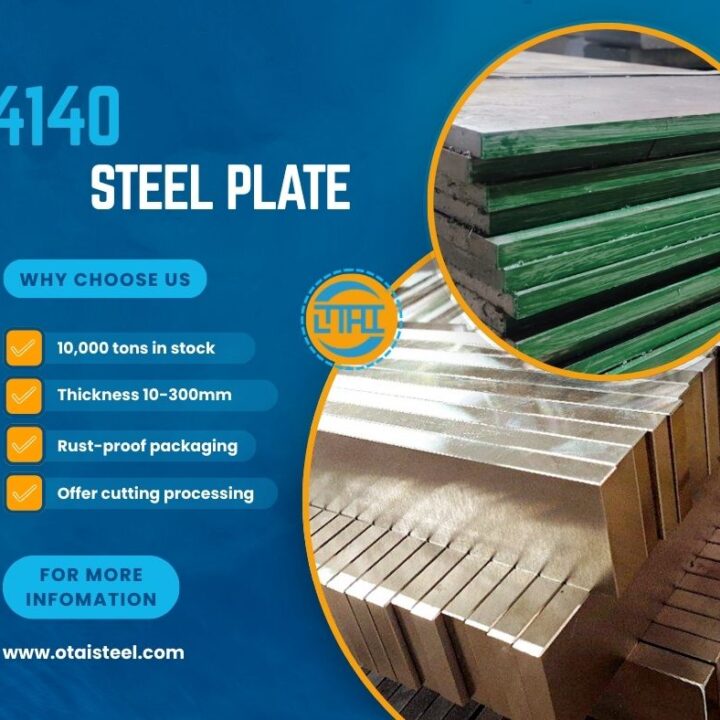
- A2 tool steel plate supply: Reference thickness range of 8–200 mm. Confirm current stock, dimensions, condition and quantity for each order.
- Large overall inventory: More than 10,000 tons of stock across the company’s steel product range, supporting a broad range of industrial sourcing needs.
- Cutting capacity: 20 saw-cutting machines support order preparation and cut-to-size services.
- Processing options: CNC machining and grinding services can help buyers obtain material closer to their required dimensions.
- Custom specifications: Customized sizes and tolerances can be discussed according to the project drawing and confirmed processing capability.
- Quality support: Material documentation, ultrasonic testing and third-party inspection can be discussed according to the order’s requirements.
- Export experience: Supplying international customers since 1999, with exports to more than 54 countries.
- Packaging options: Anti-rust protection, strapping and wooden-case packaging can be arranged according to the shipment and handling requirements.
- One-stop service: Material supply, cutting, processing coordination, inspection support and export packaging can be coordinated through one supplier.
When evaluating Otai for an A2 steel requirement, provide the grade specification, plate dimensions, quantity, delivery condition, inspection needs and destination. The team can then confirm availability and prepare a quotation based on the actual requirements rather than an assumed stock configuration.
❓ Frequently Asked Questions
1. What should I check when choosing an A2 steel distributor?
Confirm the applicable grade standard, material condition, dimensions, current availability, MTC, traceability, inspection options, processing services, packaging and delivery terms. Compare suppliers using the same written specification so you can evaluate both price and technical compliance.
2. Is A2 steel the same as DIN 1.2363?
A2 tool steel is commonly associated with DIN 1.2363 and X100CrMoV5 in international grade comparisons. However, buyers should verify the applicable standard, chemistry and product requirements before treating the designations as interchangeable for a particular application.
3. What A2 steel plate thicknesses can Otai supply?
Otai’s stated reference range for A2 steel plate is 8–200 mm. Actual availability can vary by thickness, width, length, material condition and order quantity, so confirm the exact dimensions and stock status before placing an order.
4. Should I buy A2 steel in an annealed or hardened condition?
The choice depends on your manufacturing process. Annealed material is commonly selected when machining will take place before hardening. If you require a different delivery condition, specify it in the purchase order and confirm the relevant hardness and acceptance requirements with the supplier.
5. What documents should I request when purchasing A2 tool steel?
Request an MTC that identifies the material heat or batch and reports the relevant test results. Depending on your quality plan, you may also need dimensional inspection records, hardness results, ultrasonic testing or third-party inspection. Define the required tests and acceptance criteria before the supplier ships the order.