 16MnCr5 Steel Number Chemical Composition – Material Identification
The 16MnCr5 steel number chemical composition is one of the most frequently searched topics among engineers, purchasers, and heat treatment specialists. Understanding the steel number, alloy designation, and chemical composition helps manufacturers select the correct material for gears, shafts, pinions, and other carburized components.
The European steel grade 16MnCr5 combines excellent carburizing capability, good core toughness, and outstanding wear resistance. Because of these advantages, engineers use this material extensively in automotive transmissions, industrial gearboxes, agricultural machinery, and heavy-duty mechanical systems.
Many buyers searching for 16MnCr5 steel number chemical composition also want information about 16MnCr5 material number, 16MnCr5 chemical composition chart, 16MnCr5 equivalent grades, 16MnCr5 steel properties, and 16MnCr5 heat treatment. Understanding these related topics ensures proper material selection and reliable component performance.
🔵 What Does 16MnCr5 Mean?
The designation 16MnCr5 follows the European steel naming system. Each part of the grade name provides useful information about the alloy composition and intended application.
The number “16” indicates an approximate carbon content of 0.16%. The letters “Mn” and “Cr” identify manganese and chromium as the primary alloying elements. The number “5” represents the approximate alloy content according to the EN designation system.
This naming convention allows engineers to quickly understand the basic chemistry and expected performance characteristics of the material.
| Designation Element | Meaning |
|---|---|
| 16 | Approx. 0.16% carbon |
| Mn | Manganese alloying element |
| Cr | Chromium alloying element |
| 5 | Alloy classification indicator |
🟢 16MnCr5 Steel Number and Material Number
When discussing 16MnCr5 steel number chemical composition, engineers often refer to both the grade designation and the official material number. The material number provides an internationally recognized identification system that simplifies material specification across different countries and industries.
| Standard | Designation |
|---|---|
| EN 10084 | 16MnCr5 |
| Werkstoff Number | 1.7131 |
| DIN | 16MnCr5 |
| Type | Case Hardening Steel |
The material number 1.7131 frequently appears on technical drawings, purchase orders, material certificates, and quality documentation. Many international manufacturers prefer using the steel number together with the material number to avoid confusion.
🟠 16MnCr5 Steel Number Chemical Composition Table
The 16MnCr5 steel number chemical composition provides the foundation for the steel’s mechanical and heat treatment performance. Carbon supports carburizing, manganese improves hardenability, and chromium enhances wear resistance.
| Element | Content (%) | Primary Function |
|---|---|---|
| Carbon (C) | 0.14–0.19 | Case hardening capability |
| Manganese (Mn) | 1.00–1.30 | Improves hardenability |
| Chromium (Cr) | 0.80–1.10 | Wear resistance |
| Silicon (Si) | ≤0.40 | Strength enhancement |
| Phosphorus (P) | ≤0.025 | Controlled impurity |
| Sulfur (S) | ≤0.035 | Controlled impurity |
| Iron (Fe) | Balance | Base metal |
🟣 How Chemical Composition Influences Mechanical Properties
The excellent reputation of the 16MnCr5 steel number chemical composition comes from the way its alloying elements work together. Carbon enables carburizing treatment, creating a hard surface layer. Chromium improves wear resistance and increases hardenability. Manganese helps produce a stronger and more uniform hardened structure.
After carburizing and quenching, the steel develops a surface hardness that can reach approximately 58–62 HRC while maintaining a tougher core. This combination allows gears and shafts to resist both wear and impact loading.
| Property | Performance Level |
|---|---|
| Surface Hardness | Excellent |
| Wear Resistance | Excellent |
| Fatigue Strength | High |
| Core Toughness | High |
| Machinability | Good |
🔷 Equivalent Grades of 16MnCr5
When evaluating the 16MnCr5 steel number chemical composition, engineers often compare it with equivalent grades from different international standards. Although exact chemistry may vary slightly between standards, several grades offer similar carburizing performance and mechanical characteristics.
Understanding equivalent grades helps buyers source material globally while maintaining performance requirements. However, engineers should always verify chemical composition and mechanical property requirements before approving substitutes.
| Country/Standard | Equivalent Grade | Remarks |
|---|---|---|
| Germany (DIN/EN) | 16MnCr5 / 1.7131 | Original designation |
| Europe (EN) | 16MnCr5 | Widely used standard |
| France | 16MC5 | Comparable grade |
| Italy | 16MnCr5 | Equivalent application |
| Spain | 16MnCr5 | Common engineering grade |
🔴 Heat Treatment and Chemical Composition Relationship
The 16MnCr5 steel number chemical composition was specifically developed for carburizing applications. The relatively low carbon content in the core provides toughness, while the carburized surface develops exceptional hardness after heat treatment.
Manufacturers typically carburize components before quenching and tempering. This process creates a hard wear-resistant case and a strong core structure. As a result, the steel performs extremely well in gears, sprockets, and power transmission components.
The chromium and manganese content significantly improve hardenability, allowing larger components to achieve consistent properties throughout the hardened layer.
| Heat Treatment Stage | Purpose | Result |
|---|---|---|
| Carburizing | Increase surface carbon | Hard case formation |
| Quenching | Harden surface layer | High hardness |
| Tempering | Improve toughness | Stress relief |
| Final Inspection | Verify quality | Property consistency |
⚙️ Industrial Applications of 16MnCr5
The balanced 16MnCr5 steel number chemical composition makes this steel one of the most popular case-hardening grades in Europe and many international markets. Manufacturers use it extensively where high wear resistance and fatigue strength are required.
Automotive companies rely on 16MnCr5 for transmission gears, differential gears, and synchronizer components. Industrial gearbox manufacturers use it for pinions, shafts, and gear wheels that operate under heavy loads.
Agricultural equipment producers, mining equipment manufacturers, and machinery builders also select this grade because of its long service life and reliable performance.
| Industry | Typical Components |
|---|---|
| Automotive | Transmission gears |
| Industrial Gearboxes | Pinions and shafts |
| Agricultural Machinery | Sprockets and gears |
| Mining Equipment | Wear-resistant parts |
| General Engineering | Power transmission components |
📈 Advantages of 16MnCr5 Compared with Carbon Steels
Compared with ordinary carbon steels, the 16MnCr5 steel number chemical composition offers significantly better hardenability and wear resistance. The alloying elements allow the material to achieve a deeper hardened layer after carburizing.
The steel also delivers better fatigue performance, making it ideal for components exposed to repeated cyclic loading. Engineers often choose 16MnCr5 when service life, reliability, and durability are critical design requirements.
- ✔ Excellent carburizing response
- ✔ High surface hardness
- ✔ Strong core toughness
- ✔ Excellent wear resistance
- ✔ Good fatigue strength
- ✔ Reliable dimensional stability
🏭 Company Advantages – Otai Special Steel
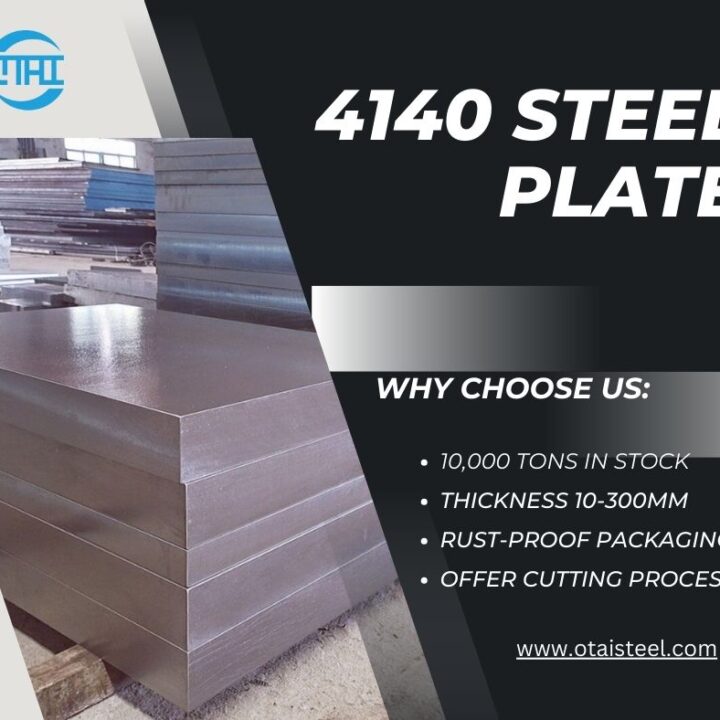
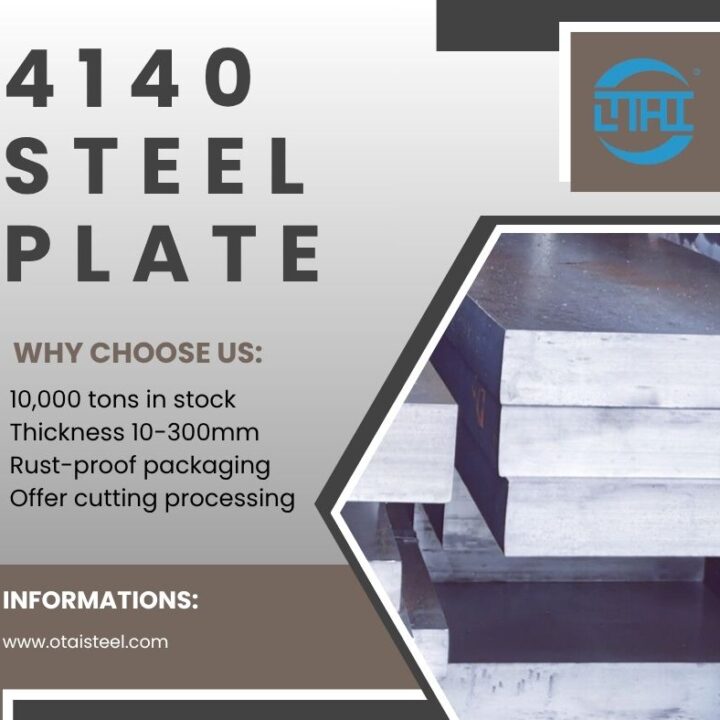
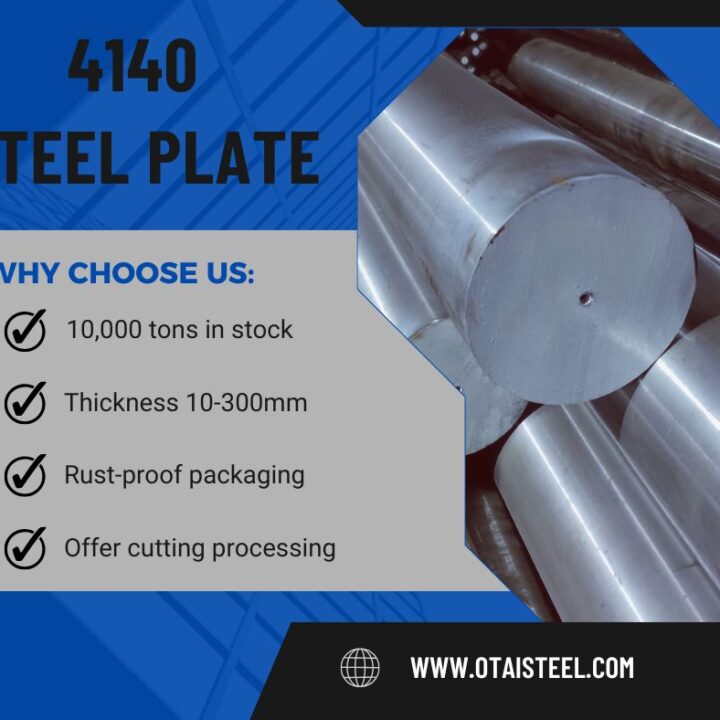
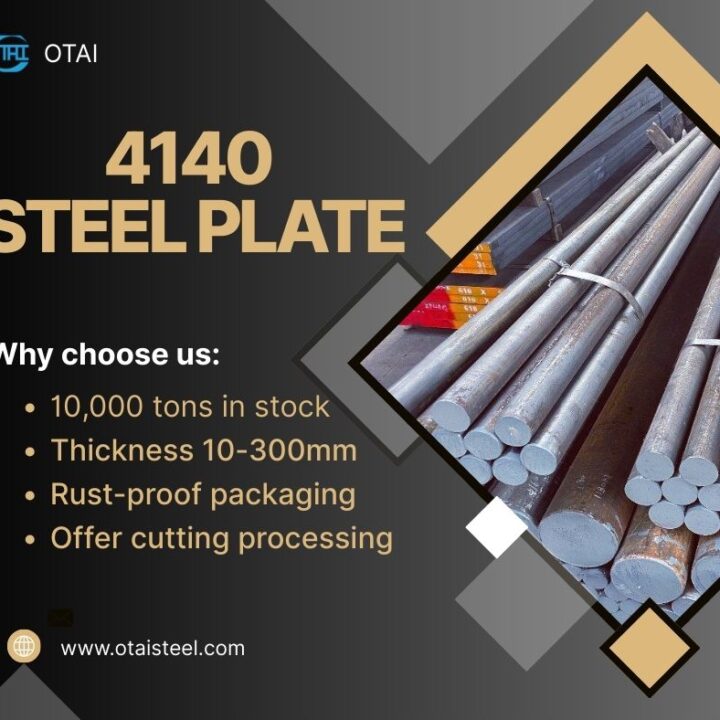
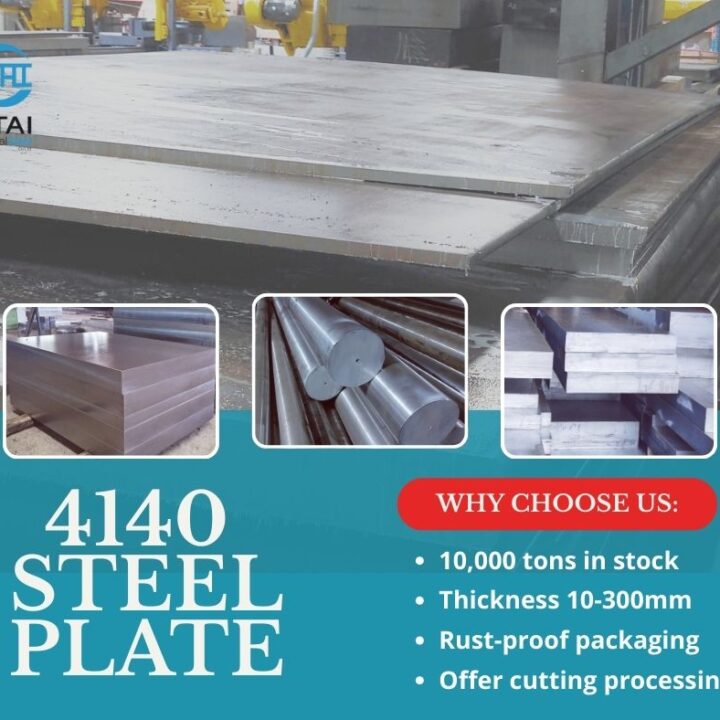
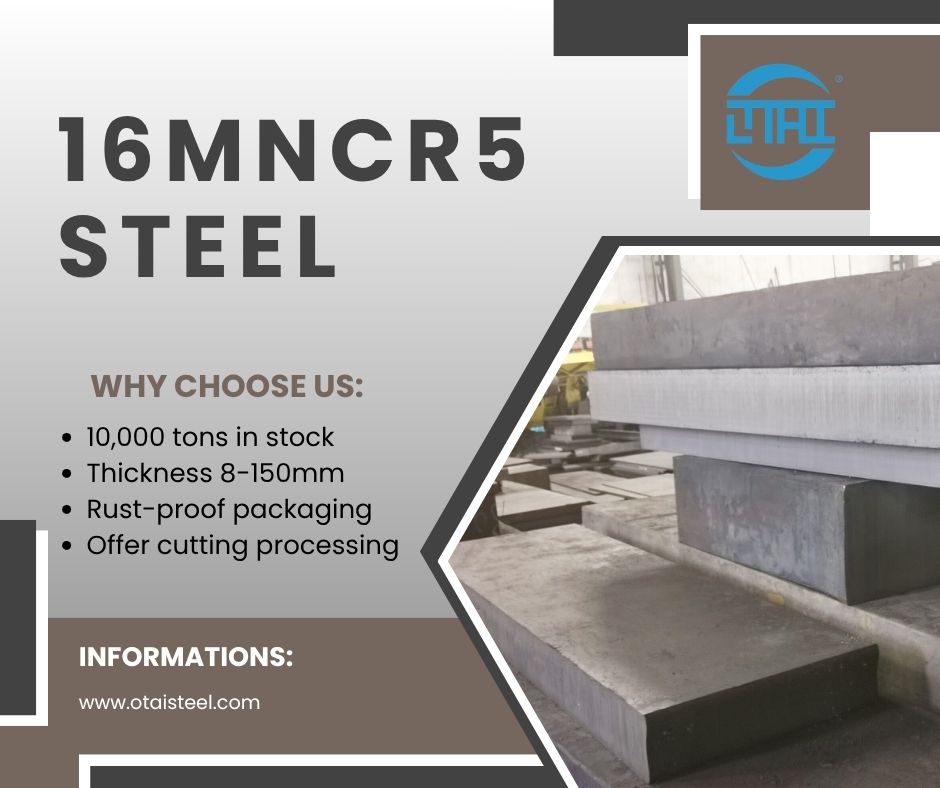
- 📏 16MnCr5 steel plate thickness range: 8–150mm in stock
- 📦 Large inventory available for immediate shipment
- ✂️ Precision cutting, machining, and heat treatment services
- 🔬 Ultrasonic testing and third-party inspection support
- 📦 Anti-rust packaging, strap packaging, and wooden box packaging available
- 🌍 Extensive experience supplying global industrial customers
❓ FAQ – 16MnCr5 Steel Number Chemical Composition
1. What is the material number for 16MnCr5 steel?
The official Werkstoff material number for 16MnCr5 is 1.7131.
2. What is the carbon content in 16MnCr5 steel?
The carbon content typically ranges from 0.14% to 0.19%.
3. Why does 16MnCr5 contain chromium?
Chromium improves hardenability, wear resistance, and overall heat treatment performance.
4. Is 16MnCr5 suitable for carburizing?
Yes. The steel was specifically developed for carburizing and case-hardening applications.
5. What are the most common applications of 16MnCr5?
Common applications include gears, pinions, shafts, sprockets, and transmission components.
🏁 Conclusion
The 16MnCr5 steel number chemical composition combines carefully controlled levels of carbon, manganese, and chromium to deliver excellent carburizing performance, wear resistance, and fatigue strength. Its material number 1.7131 has become a globally recognized specification for high-quality case-hardening steel.
With outstanding heat treatment capability, strong mechanical performance, and widespread use in gears and transmission systems, 16MnCr5 remains one of the most trusted engineering steels for demanding industrial applications. Understanding its steel number, chemical composition, and performance characteristics helps engineers make better material selection decisions and achieve long-term reliability.