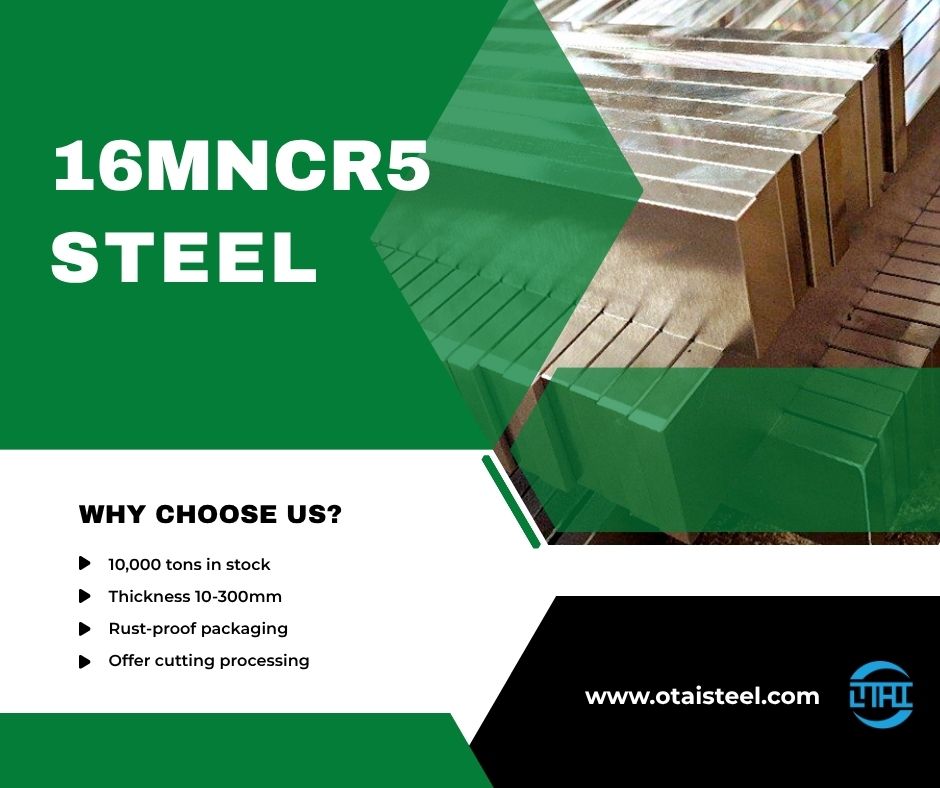
 16MnCr5 Yield Strength: Properties, Importance, and Applications
🔍 Introduction
16MnCr5 is a medium-carbon, alloy steel known for its high yield strength and excellent wear resistance. Due to its unique composition, it is commonly used in applications where parts are subjected to heavy load-bearing and repeated stress. This article will explore the yield strength of 16MnCr5, its role in material selection, and its typical applications in various industries.
🛠️ What is 16MnCr5 Steel?
16MnCr5 is an alloy steel that primarily contains manganese (Mn) and chromium (Cr). These elements give it exceptional toughness, wear resistance, and high tensile strength. It is commonly used for components that require high fatigue strength and wear resistance, such as gears, shafts, and bearings.
Typical Chemical Composition of 16MnCr5:
- Carbon (C): 0.14% – 0.19%
- Manganese (Mn): 1.00% – 1.30%
- Chromium (Cr): 0.80% – 1.10%
- Silicon (Si): 0.20% – 0.35%
Due to its versatility, 16MnCr5 is particularly useful in heavy-duty applications that require both toughness and hardness.
📊 Understanding the Yield Strength of 16MnCr5
The yield strength of a material refers to the stress at which it begins to deform plastically. For 16MnCr5, the yield strength is a critical factor when determining its suitability for various applications, especially in scenarios involving high-stress and cyclic loading.
Yield Strength of 16MnCr5
- Yield Strength: Typically between 350 – 450 MPa depending on the heat treatment and processing methods.
This makes 16MnCr5 a reliable choice for parts subjected to significant stresses, ensuring that the material can handle both dynamic and static loads without permanent deformation.
⚙️ Importance of Yield Strength in 16MnCr5
The yield strength of 16MnCr5 directly impacts its performance and durability in demanding applications. Understanding this property is essential when selecting materials for components that experience repeated loading and high pressure. Here are some reasons why yield strength is important in 16MnCr5:
1. Resistance to Plastic Deformation
A higher yield strength means the material can resist permanent deformation under stress, which is critical for parts like gears and shafts. These components often operate under cyclic loading, where repeated stress can lead to failure if the material cannot withstand the forces.
2. Fatigue Resistance
The yield strength plays a role in a material’s fatigue strength, meaning its ability to resist failure from repeated cycles of stress. A higher yield strength allows 16MnCr5 to perform well in applications where parts undergo frequent stress reversals, such as automotive and heavy machinery components.
3. Impact Resistance
The material’s yield strength also affects its impact resistance. 16MnCr5, with its high yield strength, can withstand impacts and sudden stresses without deforming, making it ideal for high-stress applications.
⚙️ Applications of 16MnCr5 with High Yield Strength
Due to its high yield strength, 16MnCr5 is used in a wide variety of applications, especially in industries where parts are subjected to repetitive stress and heavy loads. Some of its primary applications include:
1. Automotive Components
16MnCr5 is used to manufacture critical components such as gears, shafts, and axles. These parts often undergo high cyclic loading and need to resist wear and deformation. The material’s high yield strength ensures that components maintain their structural integrity under stress.
2. Industrial Machinery
In industrial machinery, 16MnCr5 is used for parts like bearings and gears that require both high fatigue resistance and toughness. The material’s ability to handle heavy loads and resist deformation makes it suitable for machinery that operates under continuous stress.
3. Mining and Energy Equipment
Heavy machinery in the mining and energy industries, such as drill bits, crushers, and pumps, benefits from the yield strength of 16MnCr5. These parts are exposed to extreme loads and wear, so the material’s high yield strength helps to ensure longevity and reliability.
4. Manufacturing Tools
The high yield strength of 16MnCr5 also makes it a popular choice for manufacturing tools, such as cutting tools and tool holders, where resistance to deformation under pressure is essential for precision and performance.
🏗️ Heat Treatment of 16MnCr5 to Enhance Yield Strength
To further enhance the yield strength of 16MnCr5, manufacturers often perform heat treatment processes. The heat treatment can harden the material’s surface while maintaining its toughness, which is crucial for parts that require both strength and ductility.
Common Heat Treatments for 16MnCr5:
- Carburizing: This process increases the carbon content on the surface of 16MnCr5, improving its surface hardness while maintaining a tough core. It is ideal for components like gears and shafts that need high surface hardness and strength.
- Tempering and Quenching: These heat treatments improve the yield strength by hardening the material and relieving internal stresses. Quenching followed by tempering helps to enhance the material’s resilience and fatigue resistance.
🏆 Company Advantages
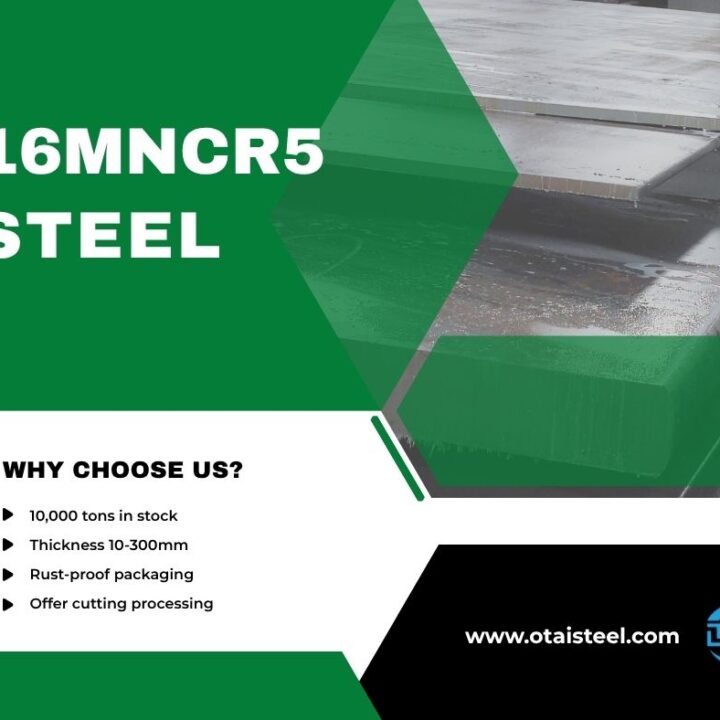
At Otai Special Steel, we provide 16MnCr5 plates with a wide range of heat treatment options to enhance the yield strength and performance of our products. We ensure that all our materials meet the highest quality standards to help you achieve the best results in your projects.
Our services include:
- Custom Cutting: We offer precision cutting for 16MnCr5 plates to match your exact specifications.
- Heat Treatment: We provide a variety of heat treatments, including carburizing, tempering, and quenching, to enhance the material properties of 16MnCr5.
- Quality Assurance: We conduct thorough chemical analysis and ultrasonic testing to ensure the integrity and consistency of the steel.
❓ Frequently Asked Questions
1. What is yield strength in 16MnCr5?
The yield strength of 16MnCr5 refers to the amount of stress the material can withstand before it begins to deform plastically. It typically ranges from 350 – 450 MPa.
2. Why is yield strength important for 16MnCr5?
The yield strength is crucial because it determines the material’s ability to resist permanent deformation under load. This is essential for components that experience high stress and cyclic loading.
3. What applications require high yield strength in materials like 16MnCr5?
Industries like automotive, machinery manufacturing, and mining use 16MnCr5 for parts that are exposed to high stress and fatigue, such as gears, shafts, and bearings.