 42CrMo4 QT vs 16MnCr5: Strength, Hardness and Applications
📑 Table of Contents
🔍 1. What Is 42CrMo4 QT Steel?
📊 3. 42CrMo4 QT vs 16MnCr5 Chemical Composition
🔥 4. Heat Treatment Difference: QT vs Carburizing
💪 5. Mechanical Properties Comparison
⚖️ 6. 42CrMo4 QT vs 16MnCr5: Which Should You Choose?
📦 8. Otai Special Steel Advantages
🔍 1. What Is 42CrMo4 QT Steel?
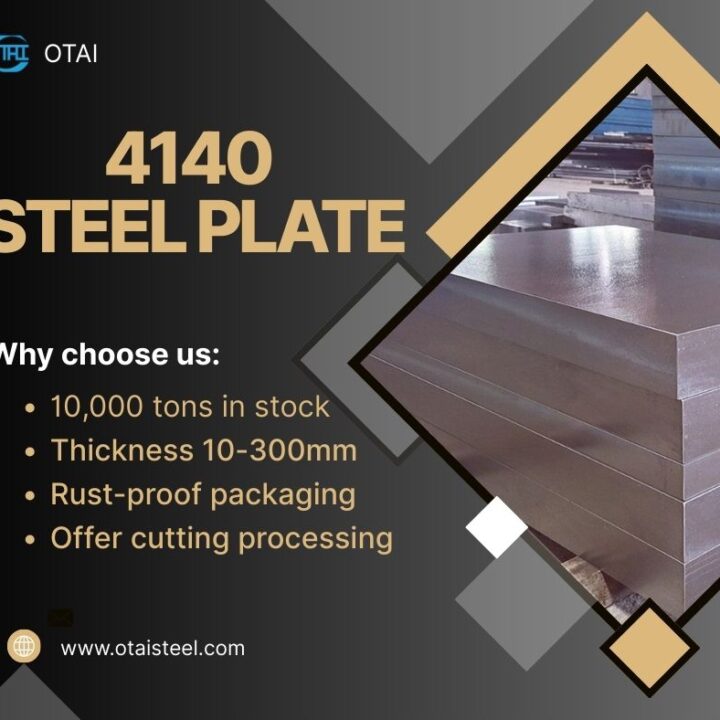
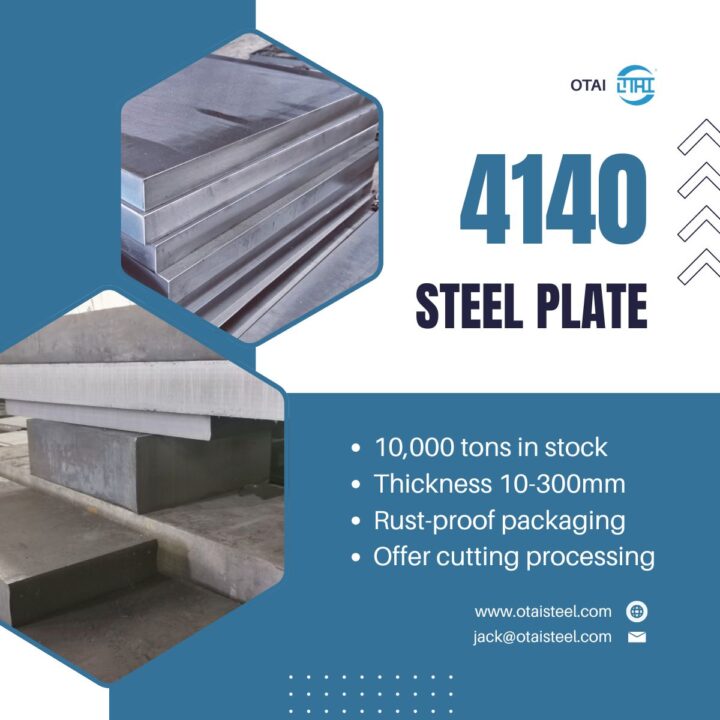
42CrMo4 QT is a quenched and tempered chromium-molybdenum alloy steel. It corresponds to EN 1.7225 and belongs to the same general alloy family as AISI 4140 / SAE 4140.
The term QT means quenched and tempered. First, the steel receives austenitizing and quenching to develop a hard martensitic structure. Then, tempering reduces brittleness and adjusts the final balance between strength and toughness.
This treatment gives 42CrMo4 QT strong through-section mechanical properties. Unlike a carburizing grade, it does not depend on a thin hardened case to provide its main performance.
Therefore, 42CrMo4 QT steel works well for shafts, bolts, forged components, hydraulic parts and other components that need high overall strength.
Basic Characteristics of 42CrMo4 QT
| Item | Typical Information |
|---|---|
| Steel Grade | 42CrMo4 |
| Material Number | 1.7225 |
| Condition | Quenched and tempered |
| Steel Type | Cr-Mo alloy steel |
| Typical Equivalent | 4140 / SCM440 |
| Main Characteristics | High strength, toughness and hardenability |
Why Does 42CrMo4 QT Offer High Strength?
The chromium and molybdenum additions improve hardenability. As a result, manufacturers can obtain useful mechanical properties through a larger section than they could with many plain carbon steels.
The QT condition also creates a tempered martensitic structure. This structure provides a practical combination of tensile strength, yield strength and toughness.
For this reason, engineers often select 42CrMo4 QT for high-strength shafts, heavy-duty fasteners and components exposed to dynamic loads.
However, high overall strength does not automatically make 42CrMo4 QT the best replacement for every carburizing steel. The component’s wear mechanism and required surface hardness still matter.
⚙️ 2. What Is 16MnCr5 Steel?
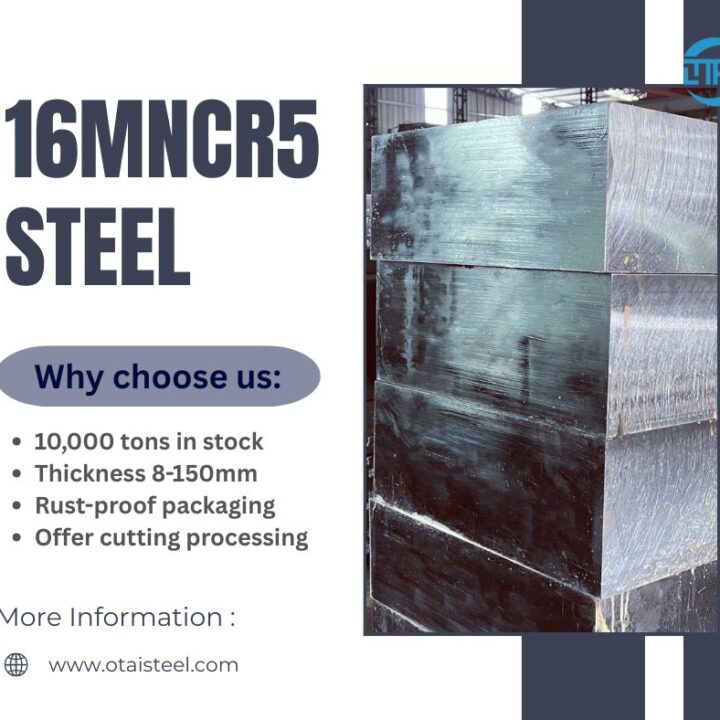
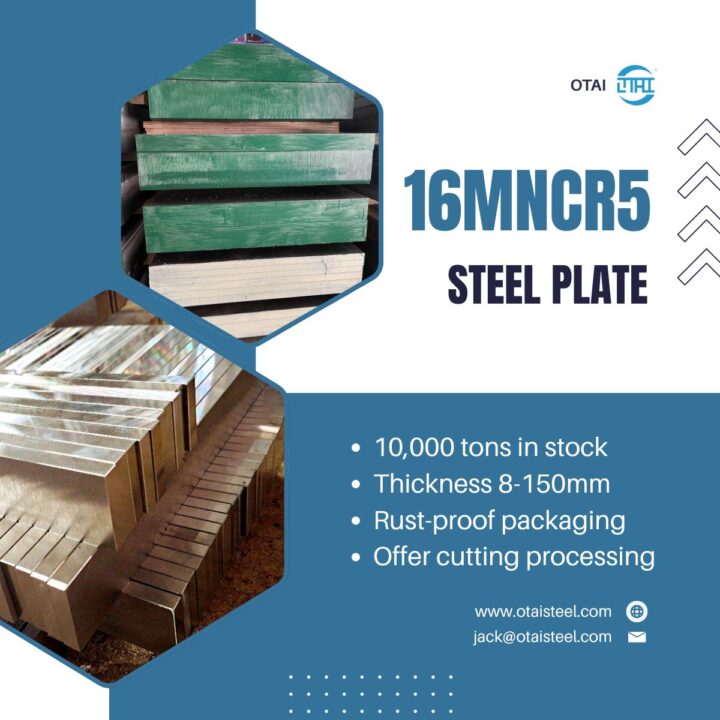
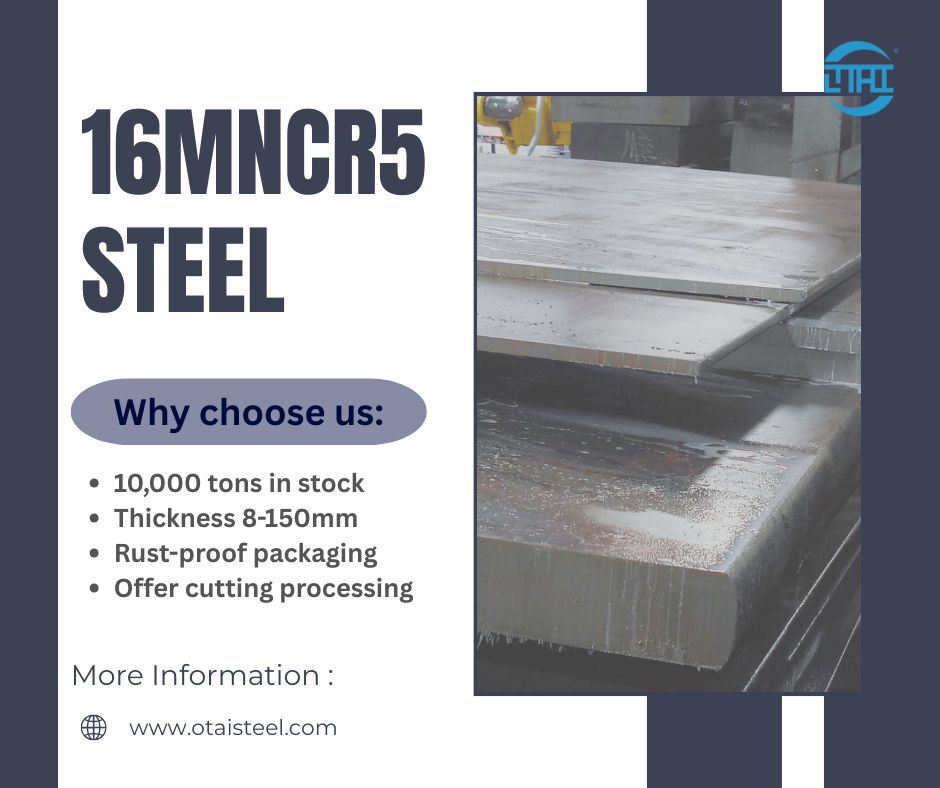
16MnCr5 is a low-carbon chromium-manganese carburizing steel. It is designated as EN 1.7131 and commonly appears in applications that require a hard wear-resistant surface with a tough core.
The low carbon content plays an important role. Before carburizing, the relatively soft material offers useful machinability. During carburizing, carbon enters the surface and raises its carbon concentration.
After quenching and tempering, the carburized case develops high hardness while the core retains better toughness. This combination makes 16MnCr5 particularly suitable for gears, pinions, shafts and other components exposed to contact stress.
Therefore, the fundamental difference between 16MnCr5 and 42CrMo4 QT starts with their design philosophy. 42CrMo4 QT targets strong bulk properties, while 16MnCr5 targets a hard surface and tough core.
Basic Characteristics of 16MnCr5
| Item | Typical Information |
|---|---|
| Steel Grade | 16MnCr5 |
| Material Number | 1.7131 |
| Steel Type | Low-carbon carburizing alloy steel |
| Main Alloy Elements | Carbon, manganese and chromium |
| Typical Heat Treatment | Carburizing, quenching and tempering |
| Main Characteristics | Hard surface and tough core |
Why Is 16MnCr5 Popular for Gears?
Gears experience complex loads. Their teeth face repeated contact pressure, sliding friction and cyclic stresses. A hard surface can resist wear and contact fatigue, while a tougher core helps support the hardened case.
This is where 16MnCr5 carburizing steel has an important advantage. Engineers can machine the component before carburizing and then develop the required surface properties during heat treatment.
Consequently, 16MnCr5 often provides a better solution than a conventional through-hardening grade when surface wear resistance is the primary requirement.
However, 16MnCr5 does not automatically outperform 42CrMo4 QT. The correct choice depends on component geometry, loading, required hardness, machining sequence and heat-treatment specification.
📊 3. 42CrMo4 QT vs 16MnCr5 Chemical Composition
Chemical composition explains much of the performance difference between these two grades. 42CrMo4 contains more carbon and a significant chromium-molybdenum alloying system. In contrast, 16MnCr5 uses lower carbon together with manganese and chromium to support carburizing.
Chemical Composition Comparison
| Element | 42CrMo4 | 16MnCr5 |
|---|---|---|
| Carbon (C) | 0.38–0.45% | 0.14–0.19% |
| Silicon (Si) | Up to 0.40% | Up to 0.40% |
| Manganese (Mn) | 0.60–0.90% | 1.00–1.30% |
| Chromium (Cr) | 0.90–1.20% | 0.80–1.10% |
| Molybdenum (Mo) | 0.15–0.30% | Not intentionally added |
| Phosphorus (P) | ≤0.025% | ≤0.035% |
| Sulfur (S) | ≤0.035% | ≤0.035% |
What Does the Carbon Difference Mean?
The carbon difference strongly influences heat-treatment behavior. 42CrMo4 starts with a substantially higher carbon level. This allows the steel to develop high hardness throughout the section after suitable quenching.
16MnCr5 starts with much lower carbon. That makes the untreated material more suitable for carburizing. The manufacturer adds carbon to the surface during the carburizing process instead of relying on high carbon throughout the entire section.
| Feature | 42CrMo4 QT | 16MnCr5 |
|---|---|---|
| Carbon level before treatment | Higher | Lower |
| Primary treatment concept | Through hardening | Surface carburizing |
| Hardness distribution | More uniform through the section | High at surface, tougher core |
| Best performance focus | Bulk strength and toughness | Surface wear resistance and core toughness |
This chemical difference explains why engineers should not treat 42CrMo4 QT vs 16MnCr5 as a simple one-for-one material substitution. The two grades solve different engineering problems.
🔥 4. Heat Treatment Difference: QT vs Carburizing
The biggest difference between 42CrMo4 QT vs 16MnCr5 is the heat treatment strategy. Although both materials are alloy steels, they are designed for different performance targets.
42CrMo4 QT achieves its properties through quenching and tempering. This process strengthens the entire cross-section of the steel and creates a balanced combination of strength and toughness.
On the other hand, 16MnCr5 achieves its main performance through carburizing. Instead of hardening the entire material equally, carburizing creates a high-carbon hardened surface while maintaining a tougher low-carbon core.
Heat Treatment Comparison: 42CrMo4 QT vs 16MnCr5
| Feature | 42CrMo4 QT | 16MnCr5 |
|---|---|---|
| Main Heat Treatment | Quenching and tempering | Carburizing, quenching and tempering |
| Main Purpose | Improve overall strength | Create a hard wear-resistant surface |
| Hardening Method | Through hardening | Case hardening |
| Microstructure | Tempered martensite | Carburized martensitic surface + tough core |
| Typical Application Focus | High-load structural parts | Gears and wear components |
42CrMo4 QT Heat Treatment Process
| Process | Typical Condition | Purpose |
|---|---|---|
| Austenitizing | Approx. 830–880°C | Create uniform austenite structure |
| Quenching | Oil or controlled cooling | Form martensitic structure |
| Tempering | Approx. 500–650°C | Improve toughness and reduce brittleness |
16MnCr5 Carburizing Process
| Process | Typical Condition | Purpose |
|---|---|---|
| Carburizing | 850–950°C | Increase surface carbon content |
| Quenching | Oil or controlled cooling | Form hard surface layer |
| Low Temperature Tempering | 150–220°C | Reduce stress and improve toughness |
Which Heat Treatment Is Better?
Neither treatment is universally better. The correct choice depends on the component requirement.
- Choose 42CrMo4 QT when the component requires high strength throughout the entire section.
- Choose 16MnCr5 when the surface must resist wear, contact fatigue and repeated friction.
- Choose 16MnCr5 carburizing steel for gears and transmission parts.
- Choose 42CrMo4 QT alloy steel for shafts, bolts and heavy-duty structural parts.
Understanding the difference between 42CrMo4 QT heat treatment and 16MnCr5 carburizing treatment helps engineers select the most economical and reliable material.
💪 5. Mechanical Properties Comparison
Mechanical properties are one of the most important factors when comparing 42CrMo4 QT vs 16MnCr5. The two steels provide different advantages because they use different strengthening methods.
42CrMo4 QT generally provides higher tensile strength and yield strength across the whole section. Meanwhile, 16MnCr5 provides excellent surface hardness after carburizing and maintains good toughness inside the component.
Mechanical Properties Comparison Table
| Property | 42CrMo4 QT | 16MnCr5 Carburized |
|---|---|---|
| Tensile Strength | 900–1200 MPa | Approx. 700–1000 MPa depending on treatment |
| Yield Strength | 700–1000 MPa | Approx. 500–800 MPa |
| Surface Hardness | Approx. 28–50 HRC depending on condition | 58–62 HRC after carburizing |
| Core Toughness | Very good | Very good |
| Wear Resistance | Good | Excellent after carburizing |
| Fatigue Resistance | Excellent for shafts and structural parts | Excellent for gears and contact loads |
Hardness Comparison
| Material Condition | Typical Hardness |
|---|---|
| 42CrMo4 QT | 28–36 HRC commonly used |
| 42CrMo4 Hardened Condition | 40–50 HRC possible |
| 16MnCr5 Before Carburizing | Approximately 150–220 HB |
| 16MnCr5 Carburized Surface | 58–62 HRC |
Strength vs Wear Resistance
The main engineering difference can be summarized as follows:
| Requirement | Recommended Steel | Reason |
|---|---|---|
| Maximum overall strength | 42CrMo4 QT | Strong mechanical properties through the section |
| High surface hardness | 16MnCr5 | Excellent carburized case hardness |
| Impact loading | 42CrMo4 QT | High core strength and toughness |
| Gear tooth wear | 16MnCr5 | Hard surface resists contact damage |
Machinability Comparison
| Feature | 42CrMo4 QT | 16MnCr5 |
|---|---|---|
| Before Heat Treatment | Good machinability | Excellent machinability |
| After Heat Treatment | More difficult due to higher hardness | Requires machining before carburizing |
| Best Manufacturing Approach | Machine after or before QT depending on design | Machine first, then carburize |
For applications requiring a combination of strength and precision, engineers should evaluate the complete service condition rather than only comparing hardness values.
A higher hardness value does not always mean better performance. For example, a gear tooth needs a hard surface, while a shaft often needs strong internal properties.
⚖️ 6. 42CrMo4 QT vs 16MnCr5: Which Steel Should You Choose?
When selecting between 42CrMo4 QT vs 16MnCr5, engineers should consider the actual working conditions instead of choosing only based on strength or hardness values.
Both materials are high-quality alloy steels, but they solve different engineering challenges. 42CrMo4 QT focuses on high strength and toughness throughout the entire section, while 16MnCr5 focuses on surface hardness and wear resistance through carburizing.
Material Selection Guide: 42CrMo4 QT vs 16MnCr5
| Application Requirement | Recommended Material | Reason |
|---|---|---|
| High tensile strength throughout the component | 42CrMo4 QT | Provides strong mechanical properties through the whole section |
| High surface wear resistance | 16MnCr5 | Creates a hard carburized surface layer |
| Heavy-duty shafts | 42CrMo4 QT | Excellent strength and fatigue resistance |
| Transmission gears | 16MnCr5 | Excellent contact fatigue and wear performance |
| Impact-loaded components | 42CrMo4 QT | Higher core strength and toughness |
| Components with repeated surface contact | 16MnCr5 | Hard surface reduces wear damage |
Choose 42CrMo4 QT When:
- The component requires high strength across the complete cross-section.
- The part experiences bending, twisting or heavy mechanical loads.
- A quenched and tempered structure is preferred.
- The component is a shaft, bolt, hydraulic part or structural element.
Choose 16MnCr5 When:
- The component surface experiences friction and wear.
- A hardened case with a tough core is required.
- The component is used for gears or transmission systems.
- Long service life under repeated contact stress is important.
Key Decision Factors
| Factor | 42CrMo4 QT | 16MnCr5 |
|---|---|---|
| Main Failure Risk | Fatigue, bending and overload | Wear, pitting and contact fatigue |
| Surface Requirement | Moderate to high | Very high after carburizing |
| Core Requirement | Very high strength | Good toughness |
| Heat Treatment Cost | Usually lower | Higher due to carburizing process |
| Typical Industry | Heavy machinery and structural components | Automotive gears and precision transmission |
In practical engineering projects, there is no absolute winner between these two grades. The correct choice depends on whether the component needs maximum strength or maximum surface durability.
For example, a gearbox may use 16MnCr5 carburizing steel for gears while using 42CrMo4 QT for shafts in the same assembly because each material provides the required performance.
🏭 7. Applications Comparison
The different properties of 42CrMo4 QT and 16MnCr5 determine where each steel grade is commonly used.
Understanding the application differences helps manufacturers reduce material selection mistakes and improve component performance.
Industrial Applications Comparison
| Industry | 42CrMo4 QT Applications | 16MnCr5 Applications |
|---|---|---|
| Automotive | Drive shafts, bolts, suspension components | Transmission gears, pinions and gear shafts |
| Heavy Machinery | Hydraulic parts, high-load shafts | Wear-resistant mechanical parts |
| Power Equipment | High-strength rotating components | Gear systems and transmission parts |
| Industrial Machinery | Forged components and structural parts | Precision gears and moving components |
| Agricultural Equipment | Heavy-duty shafts and connectors | Gearboxes and drive components |
Typical Components Comparison
| Component | Preferred Steel | Why |
|---|---|---|
| Gear teeth | 16MnCr5 | Needs high surface hardness |
| Drive shaft | 42CrMo4 QT | Needs high core strength |
| Transmission shaft | 42CrMo4 QT | Requires toughness and fatigue resistance |
| Pinion gears | 16MnCr5 | Requires wear resistance |
| Heavy bolts | 42CrMo4 QT | Requires high tensile strength |
Both materials have strong positions in modern manufacturing. Selecting the right steel grade improves product reliability, reduces maintenance requirements and extends component service life.
📦 8. Otai Special Steel Advantages
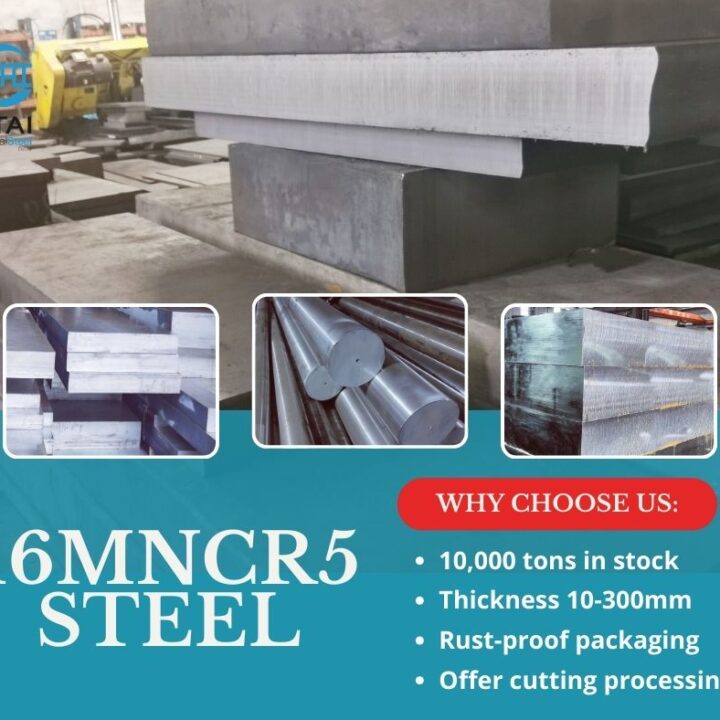
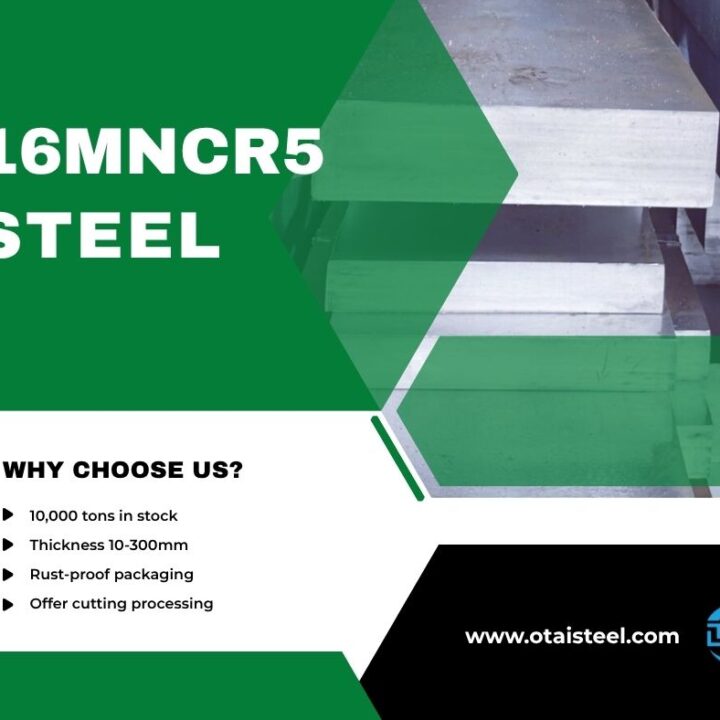
Otai Special Steel supplies alloy steels and special steel materials for customers worldwide, including 42CrMo4, 16MnCr5 and other engineering steel grades.
- Large inventory: Otai maintains approximately 10,000 tons of steel stock with different sizes available for customer requirements.
- Wide material selection: Supply of alloy steel grades for gears, shafts and mechanical components.
- Processing services: Cutting, machining and customized preparation according to drawings.
- Heat treatment support: Support for quenching, tempering, carburizing and other thermal processes.
- Quality control: Ultrasonic testing and third-party inspection services are available.
- Export experience: Experienced in supplying international customers with strict technical requirements.
- Professional packaging: Anti-rust packaging, steel strapping and wooden cases for export.
With technical experience in alloy steel supply, Otai helps customers choose between 42CrMo4 QT and 16MnCr5 according to strength requirements, wear conditions and final application.
❓ FAQ About 42CrMo4 QT vs 16MnCr5
1. What is the main difference between 42CrMo4 QT and 16MnCr5?
42CrMo4 QT is a quenched and tempered alloy steel designed for high overall strength, while 16MnCr5 is a carburizing steel designed for a hard surface and tough core.
2. Is 42CrMo4 QT stronger than 16MnCr5?
Generally, 42CrMo4 QT provides higher overall tensile strength and yield strength throughout the section. However, 16MnCr5 provides higher surface hardness after carburizing.
3. Which steel is better for gears, 42CrMo4 QT or 16MnCr5?
16MnCr5 is usually preferred for gears because carburizing creates excellent wear resistance and contact fatigue performance.
4. Can 42CrMo4 QT replace 16MnCr5?
Not always. The replacement depends on the application. A shaft may use 42CrMo4 QT, while a gear may require 16MnCr5 because of surface wear requirements.
5. Does Otai supply 42CrMo4 and 16MnCr5 steel?
Yes. Otai supplies alloy steel materials with cutting, processing, heat treatment support, inspection and export services.