 4140 PHT Plates – A Reliable Choice for High-Strength Engineering Applications
4140 PHT plates are widely used in industries that demand high strength, excellent toughness, and consistent mechanical performance without requiring additional full heat treatment after purchase. “PHT” stands for Pre-Hardened and Tempered, meaning the steel plate has already undergone controlled quenching and tempering to achieve stable mechanical properties before delivery.
Compared with annealed 4140 steel, pre-hardened plates reduce machining lead time, improve production efficiency, and minimize the risk of distortion caused by post-machining heat treatment. As a result, 4140 PHT plates have become a preferred material for machinery manufacturers, mold makers, mining equipment producers, and heavy engineering companies worldwide.
Selecting the correct plate condition is just as important as choosing the correct alloy grade. Understanding the material properties, available sizes, machining characteristics, and industrial applications helps engineers maximize both performance and manufacturing efficiency.
🔵 What Are 4140 PHT Plates?
4140 PHT plates are chromium-molybdenum alloy steel plates supplied in a quenched and tempered condition. Unlike annealed material, they already possess a balanced combination of strength, hardness, toughness, and machinability, allowing manufacturers to begin machining immediately.
Because the heat treatment has already been completed under carefully controlled conditions, the material offers more consistent mechanical properties throughout the plate while reducing production time.
| Item | Description |
|---|---|
| Material | 4140 Alloy Steel |
| Condition | Pre-Hardened & Tempered (PHT) |
| Main Advantage | Ready for machining |
| Typical Industries | Mining, machinery, tooling |
🟢 Mechanical Properties of 4140 PHT Plates
One of the main reasons engineers select 4140 PHT plates is their excellent balance of strength and toughness. The controlled heat treatment produces stable mechanical properties that are suitable for many heavy-duty applications without requiring additional hardening.
Although the exact values depend on thickness and supplier specifications, pre-hardened plates generally provide significantly higher strength than annealed material while maintaining good impact resistance and machinability.
| Property | Typical Performance |
|---|---|
| Tensile Strength | High |
| Yield Strength | High |
| Hardness | Approximately 28–32 HRC |
| Toughness | Excellent |
| Machinability | Good |
🟠 Advantages of Using Pre-Hardened Plates
Choosing 4140 PHT plates can significantly improve manufacturing efficiency. Since the material already possesses its required hardness, manufacturers can eliminate a complete heat treatment cycle after rough machining in many applications.
This approach shortens production schedules, lowers processing costs, and reduces the possibility of distortion that sometimes occurs during quenching.
| Advantage | Benefit |
|---|---|
| No Full Heat Treatment Required | Shorter production time |
| Stable Hardness | Consistent machining |
| Reduced Distortion | Better dimensional accuracy |
| Excellent Toughness | Longer component life |
🟣 Common Industrial Applications
Because of their combination of strength and machinability, 4140 PHT plates are widely used for heavy-duty engineering components that require reliable mechanical performance throughout their service life.
Typical applications include hydraulic equipment, mining machinery, industrial molds, heavy machine bases, wear-resistant parts, and structural components operating under repeated loading conditions.
| Industry | Typical Components |
|---|---|
| Mining | Wear plates, machine parts |
| Machinery | Machine bases, support blocks |
| Tooling | Fixtures, molds |
| Construction Equipment | Structural components |
🔷 Machining Performance of 4140 PHT Plates
One of the biggest advantages of 4140 PHT plates is their excellent machinability in the supplied condition. Because the plates have already been quenched and tempered, manufacturers can begin rough and finish machining immediately without scheduling a separate hardening process.
This production approach reduces manufacturing lead time and improves workshop efficiency. Machine shops also benefit from more predictable cutting performance because the hardness remains relatively uniform throughout the plate. Consistent hardness helps extend tool life, improve surface finish, and reduce dimensional variations during machining.
When machining large components, operators should use rigid tooling, appropriate cutting speeds, and sufficient coolant to achieve the best balance between productivity and tool wear. For precision parts, stress-relief treatment after heavy rough machining may further improve dimensional stability.
| Machining Factor | Recommendation |
|---|---|
| Cutting Tools | Carbide tools recommended |
| Coolant | Use sufficient coolant during heavy cutting |
| Machine Rigidity | High rigidity improves accuracy |
| Finish Machining | Excellent dimensional consistency |
🔴 Welding and Fabrication Considerations
Although 4140 PHT plates offer excellent mechanical properties, welding requires careful preparation because of the alloy’s chromium and molybdenum content. Improper welding procedures may create excessive hardness in the heat-affected zone, increasing the risk of cracking.
Preheating before welding is generally recommended, especially for thicker plates. After welding, stress-relief heat treatment may be beneficial for critical structural components to reduce residual stress and improve long-term reliability.
Whenever possible, engineers should minimize unnecessary welding by designing components that maximize machining efficiency from a single plate.
| Fabrication Item | Recommendation |
|---|---|
| Preheating | Recommended before welding |
| Welding Process | Controlled heat input |
| Post-Weld Treatment | Stress relief when required |
| Inspection | Visual and NDT inspection for critical parts |
⚙️ Available Plate Thicknesses and Stock Sizes
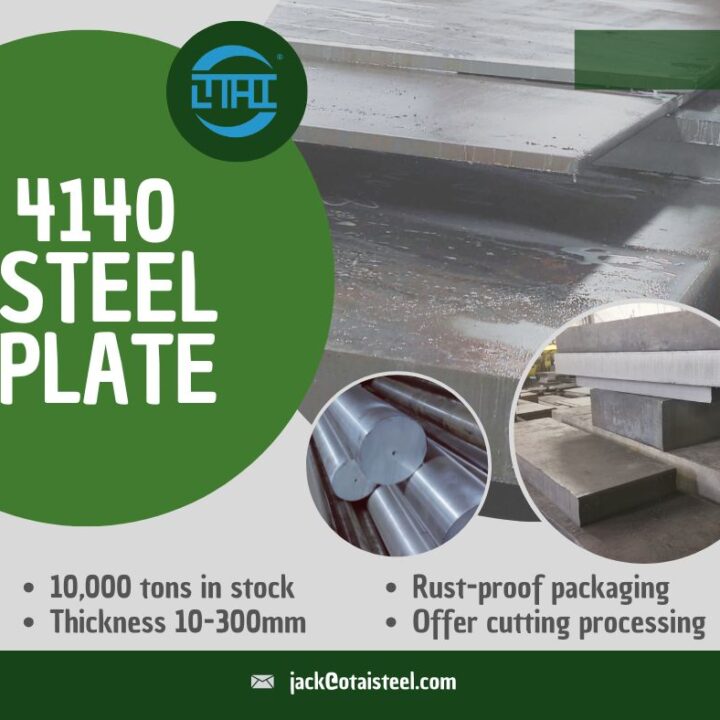
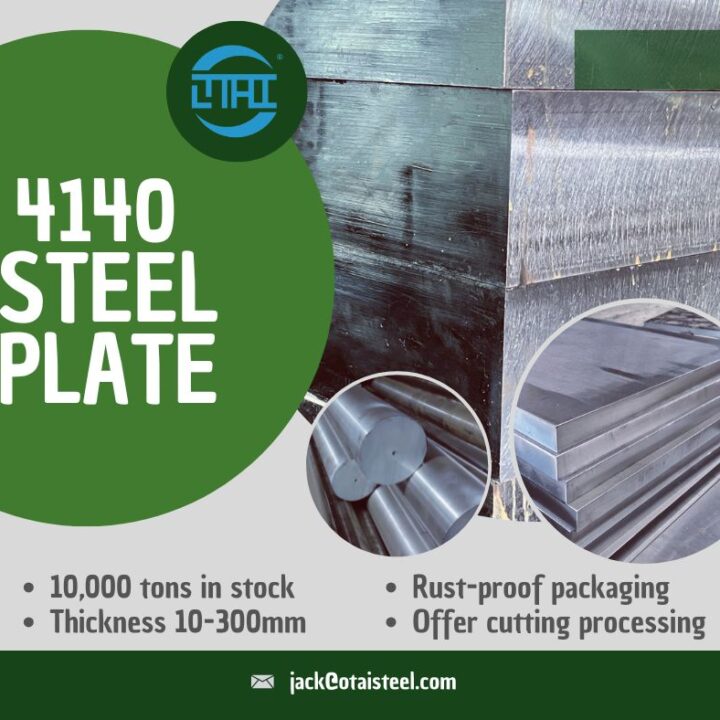
Most industrial buyers prefer suppliers that maintain a wide inventory of 4140 PHT plates in standard thicknesses. Immediate stock availability shortens procurement time and allows manufacturers to respond quickly to urgent production schedules.
Standard plate sizes satisfy the majority of engineering projects, while oversized plates provide additional machining allowance for large custom components. Choosing the closest stock size also reduces material waste and overall production costs.
| Thickness Range | Typical Applications |
|---|---|
| 10–30 mm | Machine parts and fixtures |
| 30–80 mm | General engineering components |
| 80–150 mm | Heavy-duty machinery |
| 150–300 mm | Large structural and mining equipment |
📊 How to Choose a Reliable 4140 PHT Plate Supplier
Selecting a dependable supplier is just as important as selecting the material itself. A professional supplier should maintain sufficient inventory, provide complete material traceability, and offer value-added processing services that reduce production time for customers.
In addition to supplying certified material, experienced stockists often provide flame cutting, sawing, milling, machining, ultrasonic testing, and customized packaging. These services help manufacturers receive ready-to-process material and simplify their supply chain.
Before placing an order, buyers should also verify inspection certificates, available stock sizes, delivery capabilities, and technical support. Working with an experienced supplier reduces purchasing risks and improves overall project efficiency.
| Selection Criteria | Why It Matters |
|---|---|
| Large Inventory | Faster delivery |
| Material Certification | Quality assurance |
| Processing Services | Reduced manufacturing time |
| Technical Support | Better material selection |
| Global Export Experience | Reliable international supply |
🏭 Company Advantages – Otai Special Steel
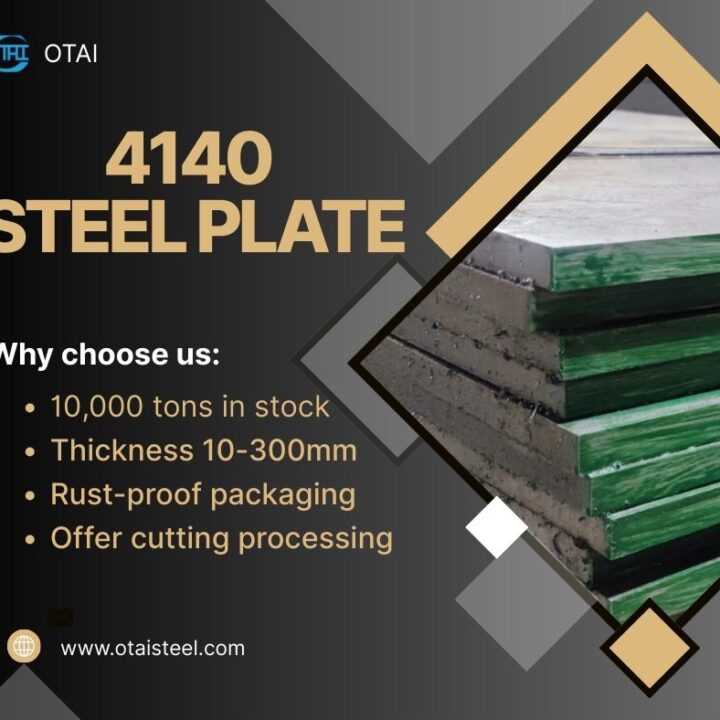
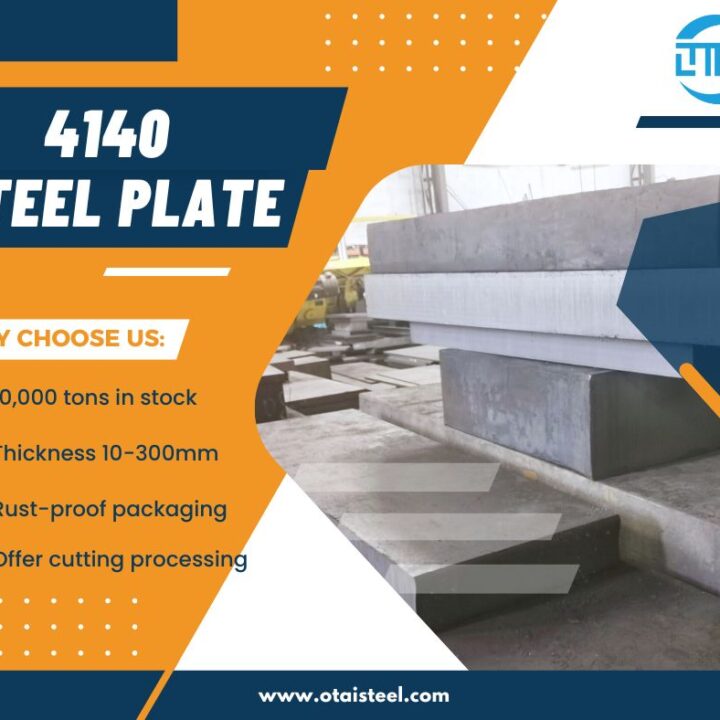
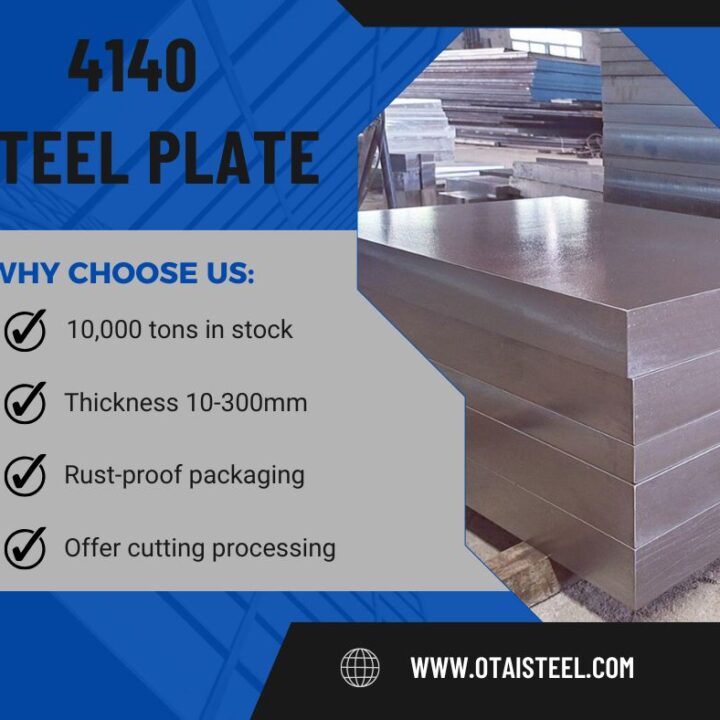
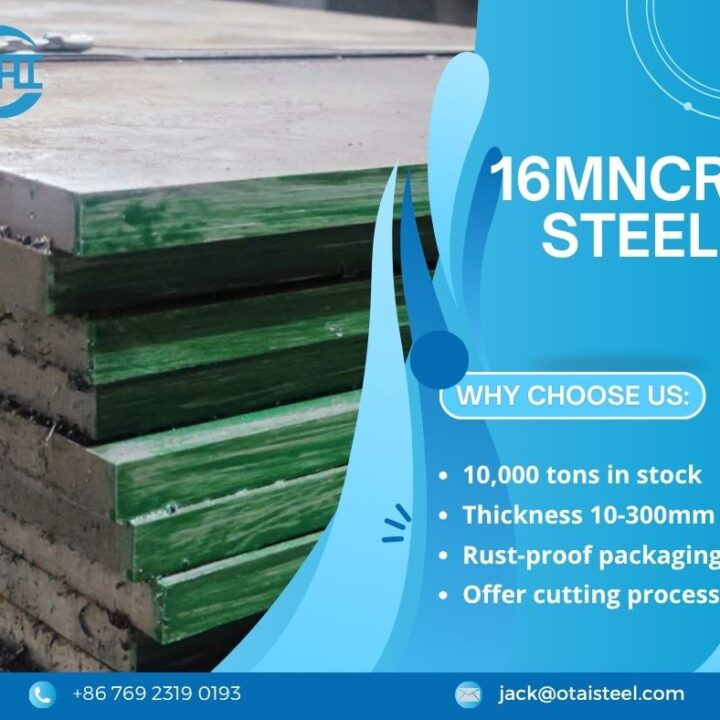
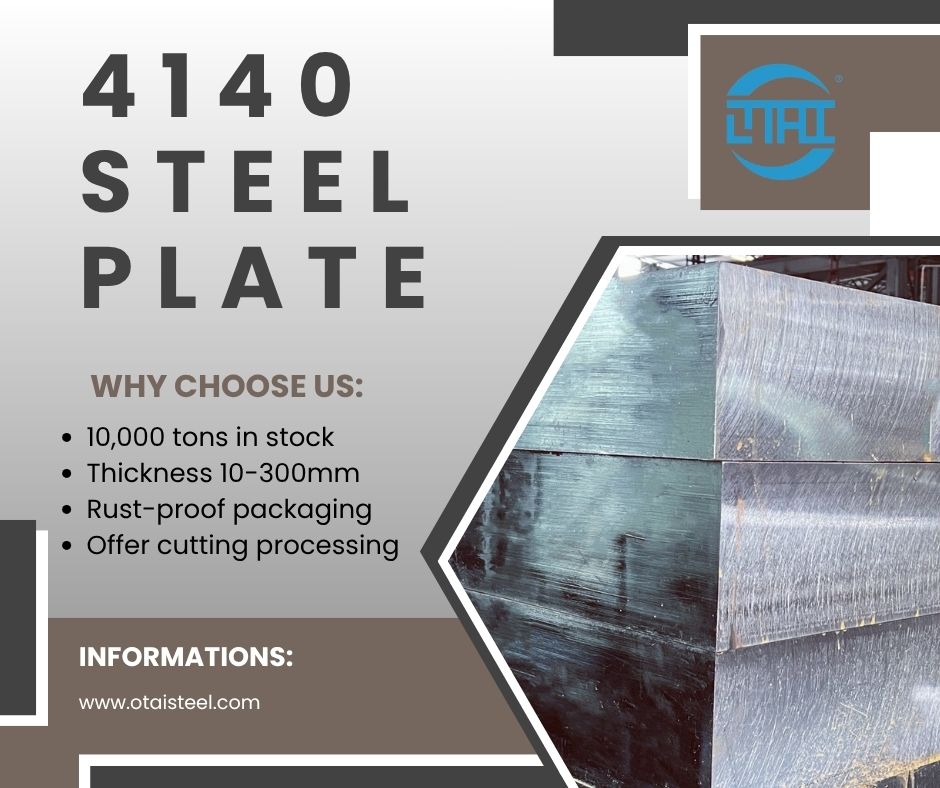
- 📦 More than 10,000 tons of alloy steel inventory available in various plate sizes and thicknesses.
- 📏 4140 PHT plates stocked in multiple dimensions for fast delivery.
- ✂️ Precision cutting, milling, machining, drilling, and customized processing services.
- 🔥 Heat treatment support and technical assistance for special applications.
- 🔬 Ultrasonic testing (UT) and third-party inspection available upon request.
- 📦 Export-standard anti-rust packaging, steel strapping, and wooden case packaging.
- 🌍 Proven experience supplying Fortune Global 500 companies and customers in more than 80 countries.
❓ FAQ – 4140 PHT Plates
1. What does PHT mean in 4140 PHT plates?
PHT stands for Pre-Hardened and Tempered. The material has already undergone quenching and tempering before delivery.
2. What is the typical hardness of 4140 PHT plates?
Most 4140 PHT plates are supplied at approximately 28–32 HRC, although the exact hardness may vary depending on customer specifications and plate thickness.
3. Can 4140 PHT plates be machined directly?
Yes. Their pre-hardened condition allows manufacturers to machine components immediately without performing another complete heat treatment cycle.
4. Are 4140 PHT plates suitable for welding?
Yes, but proper preheating, controlled welding procedures, and, when necessary, post-weld stress relief are recommended to minimize the risk of cracking.
5. Which industries commonly use 4140 PHT plates?
Mining, heavy machinery, tooling, oil and gas, construction equipment, and general engineering industries all widely use 4140 PHT plates because of their excellent strength and machinability.
🏁 Conclusion
4140 PHT plates provide an excellent combination of strength, toughness, dimensional stability, and machining efficiency. Their pre-hardened and tempered condition allows manufacturers to reduce production time, improve machining consistency, and minimize distortion compared with annealed materials that require additional heat treatment.
Whether the application involves mining equipment, heavy machinery, industrial tooling, or structural engineering, selecting high-quality 4140 PHT plates from a reliable stockist ensures consistent mechanical performance, dependable material quality, and efficient project execution. By combining certified material, extensive inventory, and professional processing services, manufacturers can improve productivity while maintaining high standards of quality and reliability.