 2 Inch 4140 Steel – Properties, Hardness & Industrial Supply Guide
The 2 inch 4140 steel is a commonly used medium carbon, chromium-molybdenum alloy steel. Its combination of high strength, toughness, and machinability makes it a reliable material for critical mechanical components. Engineers prefer this diameter because it balances manufacturability and mechanical performance, especially for shafts, gears, bolts, and hydraulic parts. With proper heat treatment, 2 inch 4140 steel provides excellent fatigue resistance, wear resistance, and impact strength, making it suitable for demanding industrial applications.
Procurement teams often search for 2 inch 4140 steel round bar suppliers or 2 inch 4140 alloy steel for machining when delivery speed and quality control are key. This size is particularly popular in automotive, oil & gas, and heavy machinery industries. Engineers look for consistent chemical composition and mechanical properties to ensure reliable performance under cyclic loads.
Additional long-tail keywords such as 4140 steel tensile strength 2 inch, 4140 steel hardness after quenching, and 2 inch 4140 steel machining guide reflect practical industrial concerns regarding material selection and supply.
🔵 Overview of 2 Inch 4140 Steel
The 2 inch 4140 steel refers to the diameter of AISI 4140, a chromium-molybdenum alloy steel that offers a superior balance of strength, ductility, and toughness. Engineers select this material for high-stress components that must resist bending, torsion, and fatigue. Compared to plain carbon steels, 4140 provides higher hardenability, uniform mechanical properties, and superior wear resistance, especially after quenching and tempering.
Manufacturers often supply 2 inch 4140 steel in round bar, plate, or forged forms. Round bars are commonly used for shafts, spindles, and heavy-duty pins. Forged forms provide additional strength for gear blanks or hydraulic components. Plates allow precise machining of custom parts requiring high fatigue resistance and dimensional stability.
🟢 Chemical Composition of 4140 Steel
| Element | Content (%) | Role |
|---|---|---|
| Carbon (C) | 0.38 – 0.43 | Provides core hardness and strength |
| Chromium (Cr) | 0.80 – 1.10 | Improves hardness, wear resistance |
| Molybdenum (Mo) | 0.15 – 0.25 | Enhances strength at high temperature, toughness |
| Manganese (Mn) | 0.75 – 1.00 | Supports hardenability and strength |
| Silicon (Si) | 0.15 – 0.30 | Increases strength, resists deformation |
| Phosphorus (P) | <0.035 | Impurity control |
| Sulfur (S) | <0.04 | Impurity control, machinability |
This composition ensures the 2 inch 4140 steel responds well to quenching and tempering. Engineers can adjust tempering temperature to optimize the balance of surface hardness, core toughness, and fatigue resistance.
🟠 Mechanical Properties of 4140 Steel
| Property | Typical Value | Remarks |
|---|---|---|
| Tensile Strength | 655 – 950 MPa | Varies with heat treatment |
| Yield Strength | 415 – 655 MPa | Depends on quenching and tempering |
| Hardness (QT) | 28 – 32 HRC | Annealed/normalized condition |
| Hardness (Hardened) | 50 – 55 HRC | Quenched & tempered |
| Elongation | 12 – 20% | Good ductility for machining |
| Impact Toughness | ≥40 J | Measured at room temperature |
Mechanical properties confirm that 2 inch 4140 steel is suitable for rotating shafts, high-stress pins, and hydraulic cylinders. Its combination of tensile strength and hardness allows it to withstand repetitive loads while reducing wear.
🟣 Heat Treatment Guidelines for 4140 Steel
Heat treatment significantly improves the performance of 2 inch 4140 steel. The typical process involves austenitizing at 840–870°C, followed by oil quenching and tempering at 400–600°C depending on the desired hardness and toughness.
For parts exposed to heavy cyclic stress, engineers temper at a higher temperature to enhance core ductility. For wear-resistant surfaces, tempering at lower temperature preserves high hardness. Uniform hardness across the 2 inch diameter is achieved due to 4140’s deep hardenability.
Search terms such as 2 inch 4140 steel quenching parameters and 4140 steel tempering guide are frequently used by process engineers to optimize production for durability and dimensional stability.
🔷 Applications of 4140 Steel
Industries utilize 4140 steel in components that demand high strength, toughness, and wear resistance.
- Automotive shafts, axles, and pins 🚗
- Hydraulic cylinders, rods, and pressure components ⚙️
- Oil & gas drill collars and drilling equipment 🛢️
- Heavy-duty spindles, machine tool components 🏭
- High-load mechanical connectors and fasteners 🛠️
The combination of high hardness, tensile strength, and fatigue resistance makes this steel a first-choice material for components exposed to repeated loads and rotational stress.
🏭 Company Advantages – Otai Special Steel
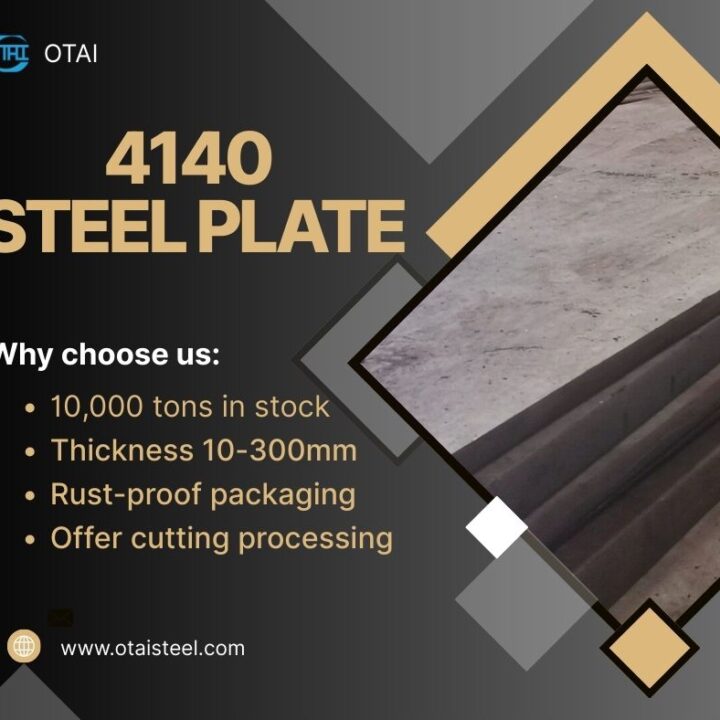
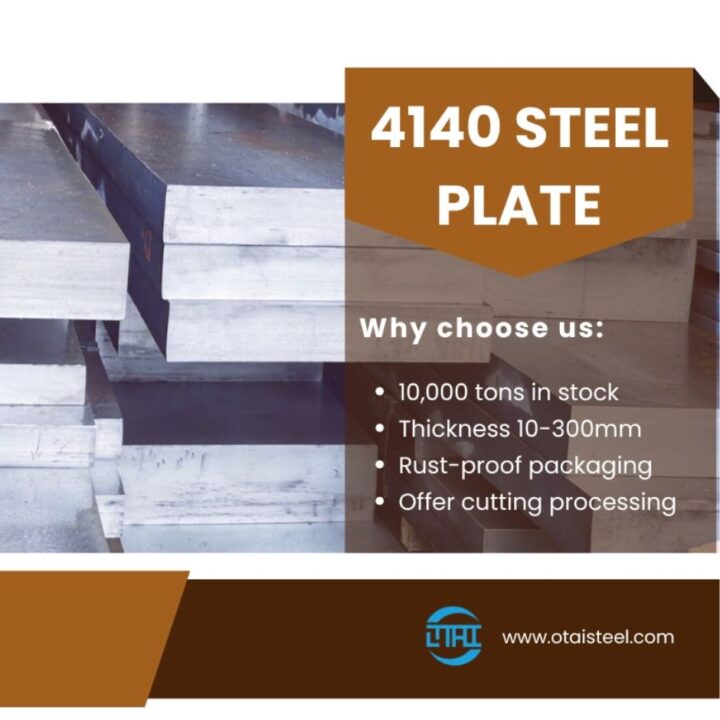
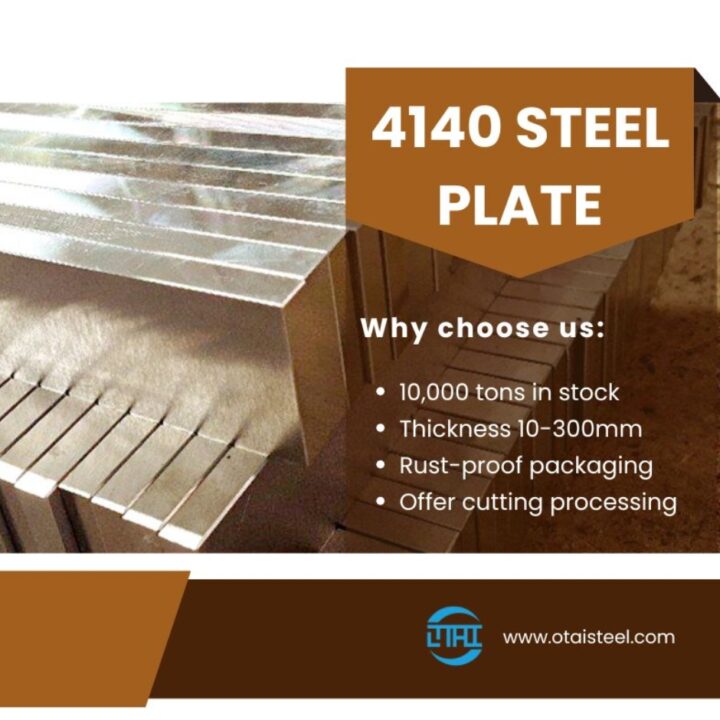
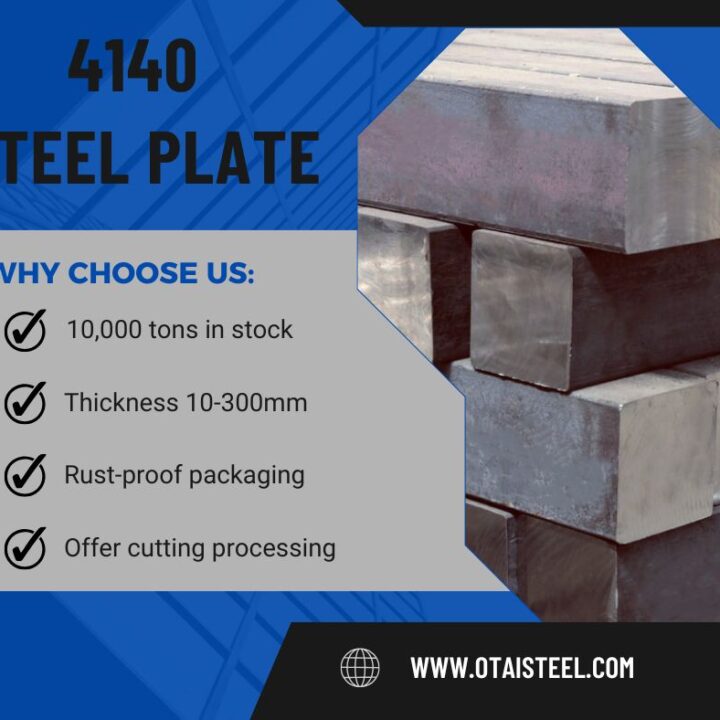
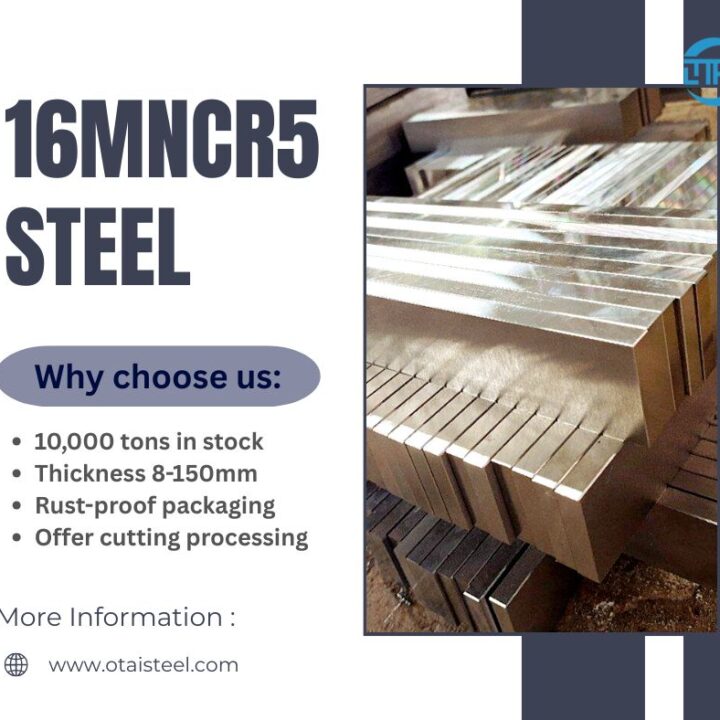
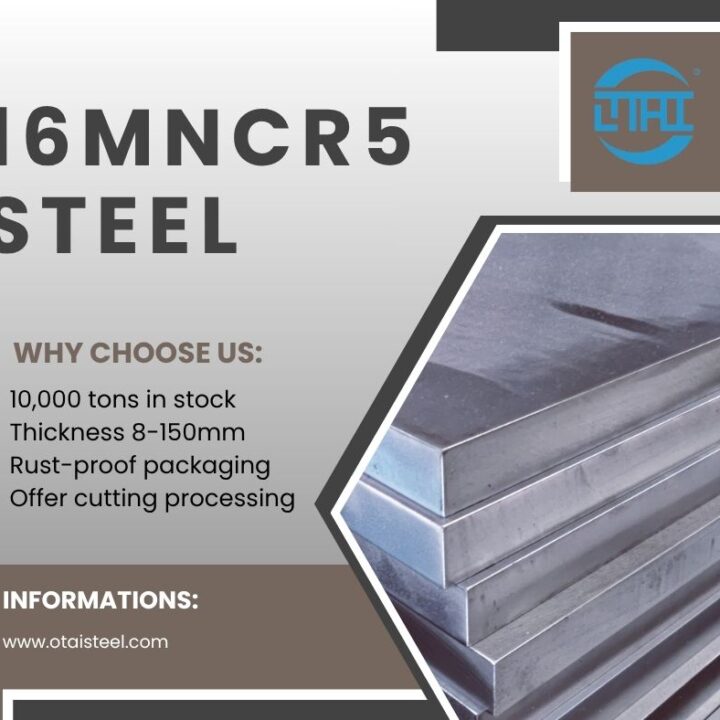
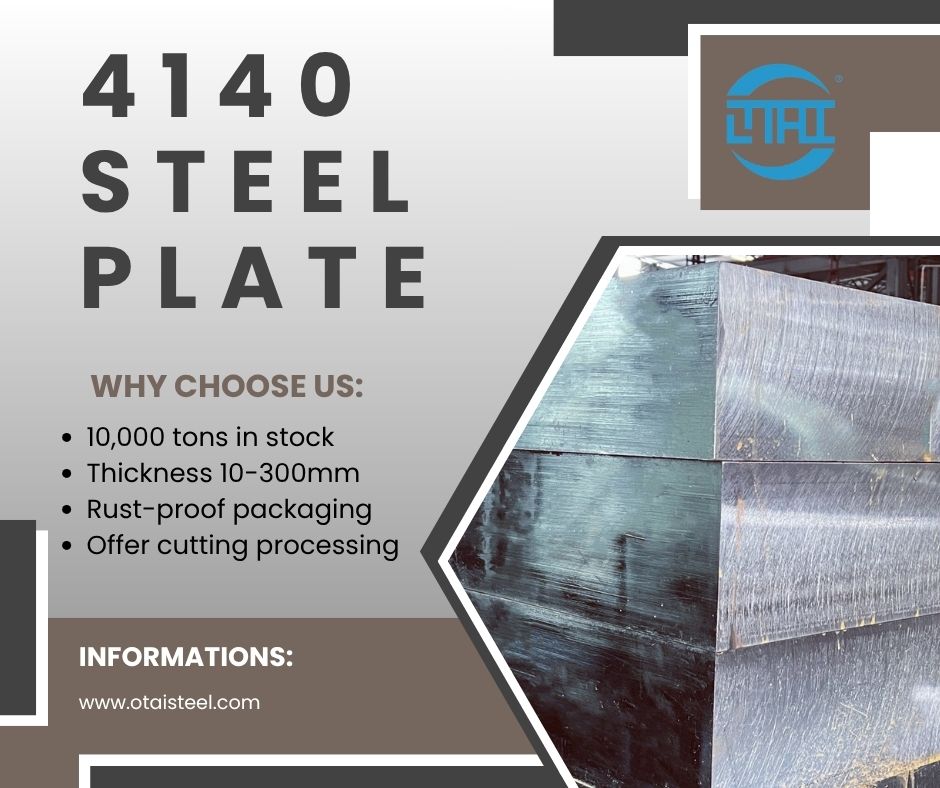
- 📦 Over 10,000 tons of 4140 steel in various diameters and forms in stock
- 📏 4140 steel available in round bars, plates, and forged components
- ✂️ Cutting, machining, and heat treatment services offered
- 🔬 UT testing and chemical composition inspection for quality assurance
- 🌍 Supplying global industries including automotive, oil & gas, and machinery
Otai Special Steel ensures stable inventory and reliable delivery for 2 inch 4140 steel. All materials undergo strict quality inspection including chemical composition and ultrasonic testing to guarantee consistent performance.
❓ FAQ
Q1: What is 2 inch 4140 steel mainly used for?
Engineers use 2 inch 4140 steel for shafts, axles, hydraulic rods, and mechanical transmission components that require high strength and fatigue resistance under continuous load conditions.
Q2: Can 2 inch 4140 steel be heat treated?
Yes. Manufacturers commonly apply quenching and tempering to improve hardness, tensile strength, and wear resistance while maintaining good toughness.
Q3: What hardness can 2 inch 4140 steel reach?
After proper heat treatment, it can reach up to 50–55 HRC, depending on tempering temperature and cooling method.
Q4: Is 2 inch 4140 steel easy to machine?
Yes. In annealed condition, it offers good machinability, which allows manufacturers to produce complex parts before final heat treatment.
Q5: Why do industries prefer 2 inch 4140 steel?
Industries choose it because it provides an excellent balance of strength, toughness, and cost efficiency compared to higher alloy steels.
🏁 Conclusion
The inch 4140 steel remains one of the most reliable alloy steel options for high-stress mechanical applications. Its excellent combination of tensile strength, fatigue resistance, and heat treatment flexibility makes it widely used in automotive, oil & gas, and heavy machinery industries.
With proper processing, engineers can fully utilize the performance advantages of inch 4140 steel to extend component life, improve reliability, and reduce maintenance costs in demanding operating environments.