Skip to Content

Category Archives: Blog

34crnimo6 aisi equivalent-Unlocking the AISI Alternative

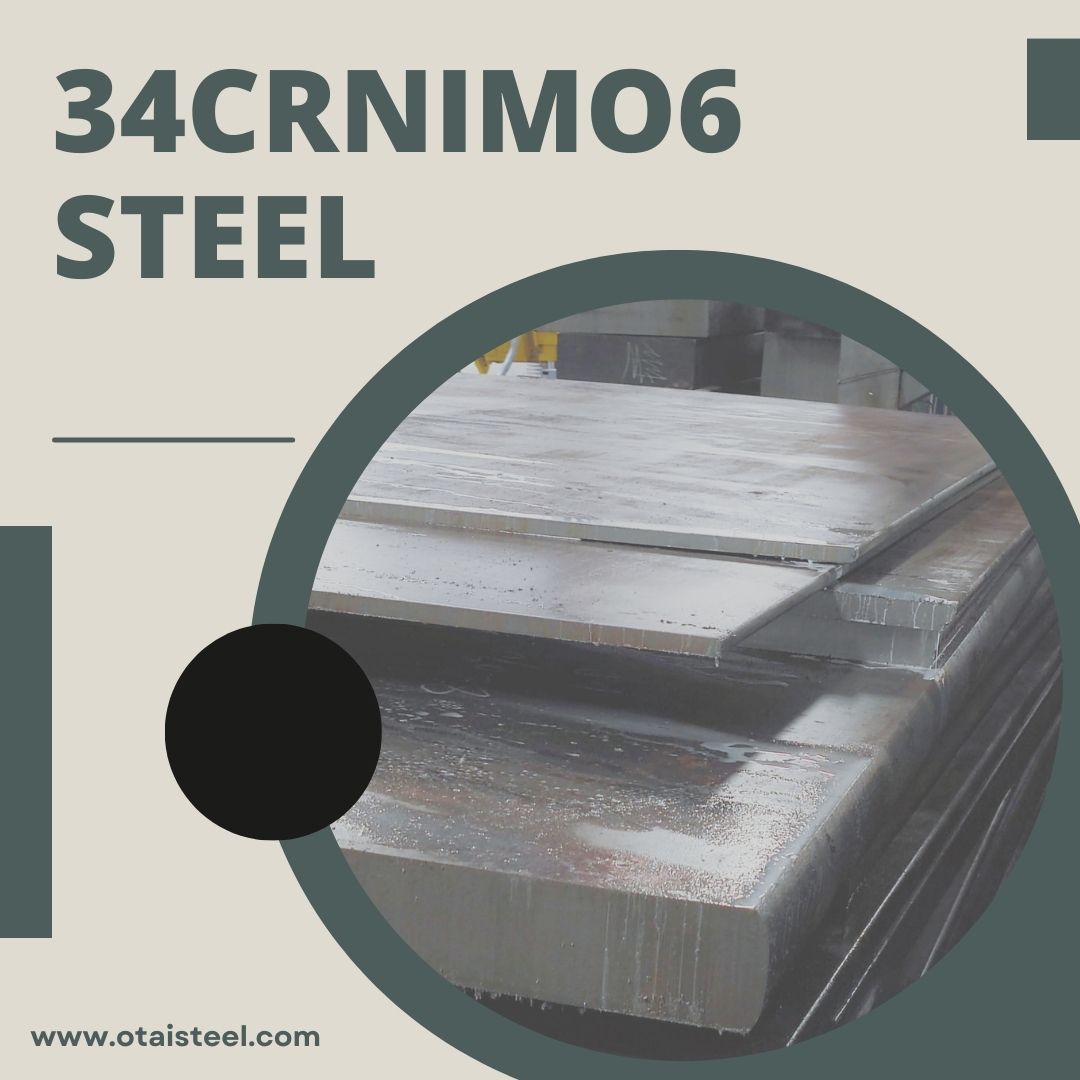
34crnimo6 aisi equivalent-Unlocking the AISI AlternativeBefore delving into its AISI equivalent, let’s briefly understand what 34CrNiMo6 is. 34CrNiMo6 is a high-quality, low-alloy steel known for its exceptional mechanical properties, including high tensile strength, toughness, and good hardenability. It is widely used in industries such as automotive, aerospace, and machinery manufacturing.

AISI Equivalent: 4337:

The AISI equivalent of 34CrNiMo6 is 4337. This designation is in line with the American Iron and Steel Institute’s naming convention. AISI 4337 is an alloy steel with similar properties, making it a suitable alternative for various applications.

Comparison of 34CrNiMo6 and AISI 4337:

Now, let’s compare the properties of 34CrNiMo6 and its AISI equivalent, 4337:

  1. Chemical Composition: Both 34CrNiMo6 and AISI 4337 have comparable chemical compositions, which contribute to their similar mechanical properties.
  2. Mechanical Properties: They share similar mechanical characteristics, including high tensile strength, toughness, and good hardenability. This makes AISI 4337 a reliable substitute for 34CrNiMo6 in many applications.
  3. Applications: 34CrNiMo6 and AISI 4337 are used in the same industries, including automotive, aerospace, and machinery manufacturing.

Considerations for Equivalent Selection:

When choosing between 34CrNiMo6 and its equivalent, here are some key considerations:

  • Availability: Check the availability of the materials in your region.
  • Standards: Ensure that the selected material meets the required industry standards.
  • Cost: Consider the cost-effectiveness of the material for your specific application.

Understanding the equivalent of 34CrNiMo6, which is 4337, is crucial for engineers and manufacturers looking for a material with similar properties. Whether you choose 34CrNiMo6 or its AISI equivalent depends on your specific project requirements, availability, and cost considerations.
0 0 Continue Reading →

34crnimo6 properties-A Closer Look at Its properties

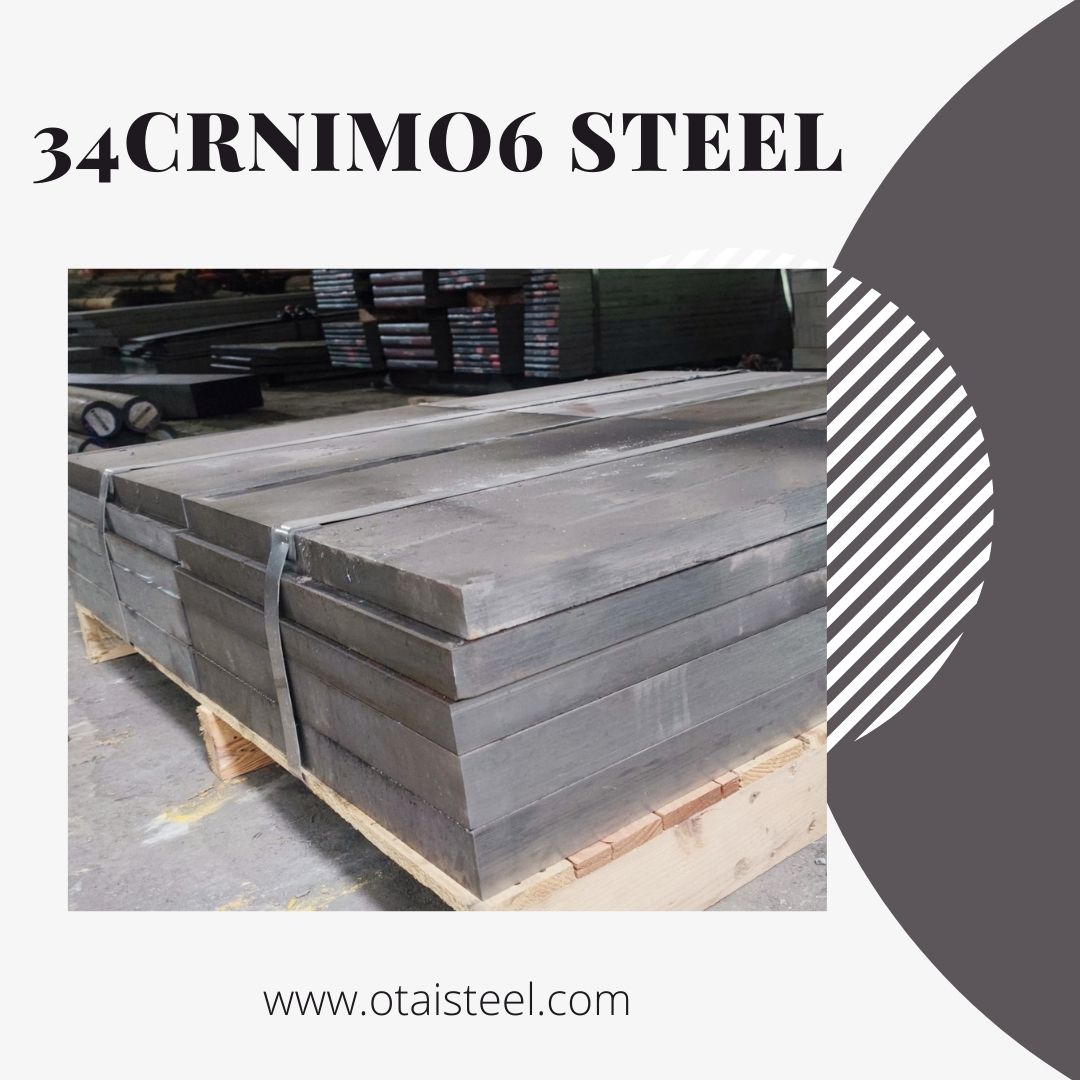
34crnimo6 properties-A Closer Look at Its properties34CrNiMo6 steel is a material that plays a pivotal role in various industries due to its exceptional properties. In this article, we will explore the key features and characteristics of 34CrNiMo6, shedding light on its significance in the world of engineering and manufacturing.
Chemical Composition:

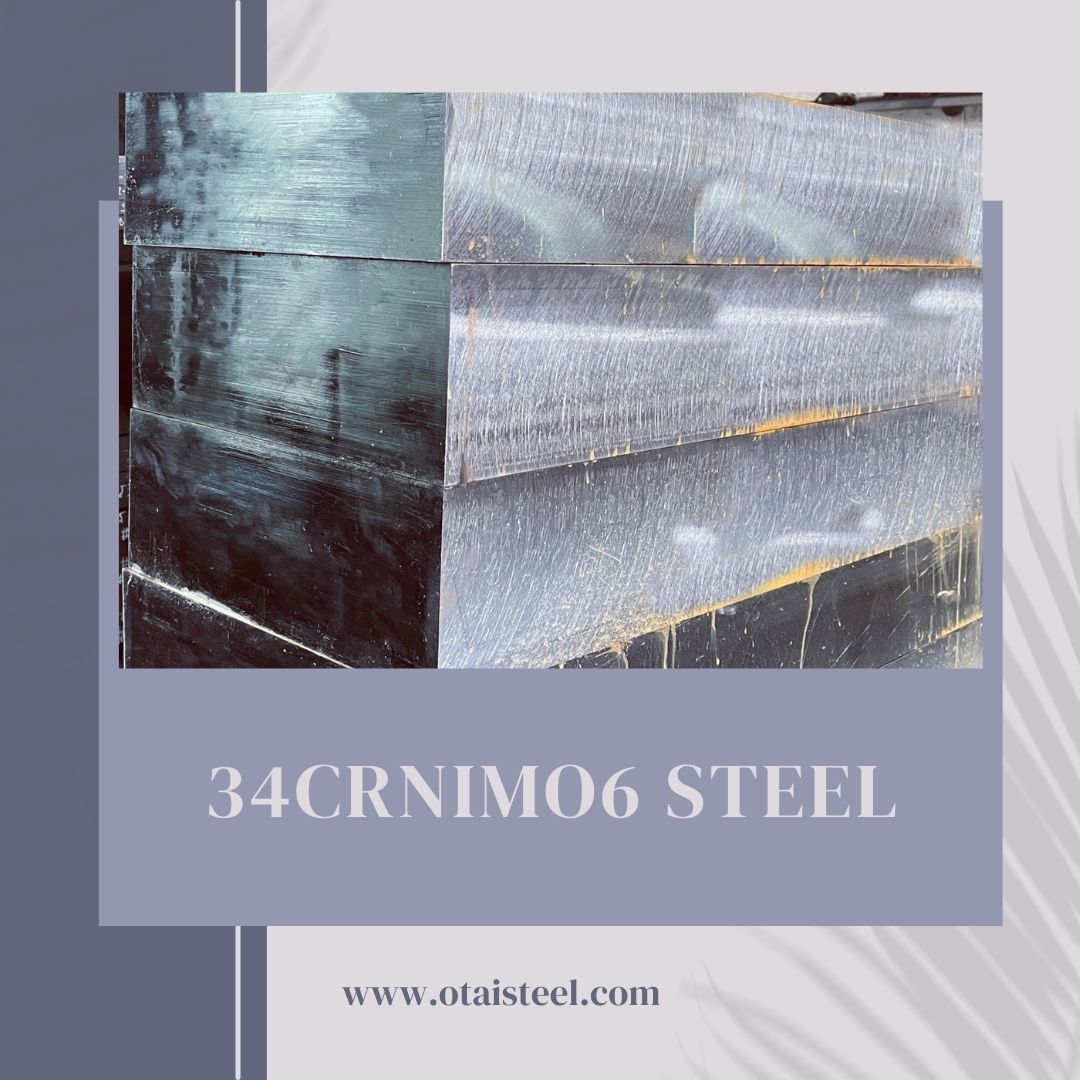
The chemical composition of 34CrNiMo6 is a fundamental factor that contributes to its remarkable properties. It consists of carbon (C), silicon (Si), manganese (Mn), phosphorus (P), sulfur (S), chromium (Cr), nickel (Ni), molybdenum (Mo), and, in some cases, traces of other elements. This unique combination of elements provides the material with its distinctive qualities.

Mechanical Properties:

  1. High Tensile Strength: 34CrNiMo6 is renowned for its high tensile strength, making it an excellent choice for applications where durability and load-bearing capacity are crucial.
  2. Excellent Toughness: The steel exhibits excellent toughness, which means it can withstand impact and shock loading without fracturing.
  3. Good Hardenability: 34CrNiMo6 can be heat-treated to achieve specific hardness levels, making it versatile for various applications.
  4. Wear Resistance: It offers good wear resistance, ensuring it can withstand abrasive conditions.

Heat Treatment:

34CrNiMo6 is often subjected to heat treatment processes to enhance its properties. Common heat treatment methods include quenching and tempering, which can result in improved hardness, strength, and toughness.

Applications:

The exceptional properties of 34CrNiMo6 make it a popular choice in several industries:

  1. Automotive: It is used in the manufacturing of critical automotive components. Such as gears, shafts, and transmission parts due to its high strength and wear resistance.
  2. Aerospace: In the aerospace sector, 34CrNiMo6 is employed in the production of aircraft components that require both strength and toughness.
  3. Machinery: This steel is used in the construction of heavy machinery, where it provides reliability and longevity.
  4. General Engineering: It finds application in various general engineering projects where high-performance materials are needed.

Advantages:

  • Exceptional strength and toughness.
  • Versatile due to its heat-treatable nature.
  • Resistance to wear and abrasion.
  • Widespread availability and cost-effectiveness.

34CrNiMo6 is a remarkable material known for its exceptional properties, including high tensile strength, toughness, and wear resistance. Its versatile nature, coupled with heat-treatable capabilities, makes it an ideal choice for a wide range of industries, from automotive and aerospace to general engineering. Understanding the properties of this steel is essential for making informed decisions in material selection for various applications.

0 0 Continue Reading →

34crnimo6 material equivalent-Finding the Equivalent Material

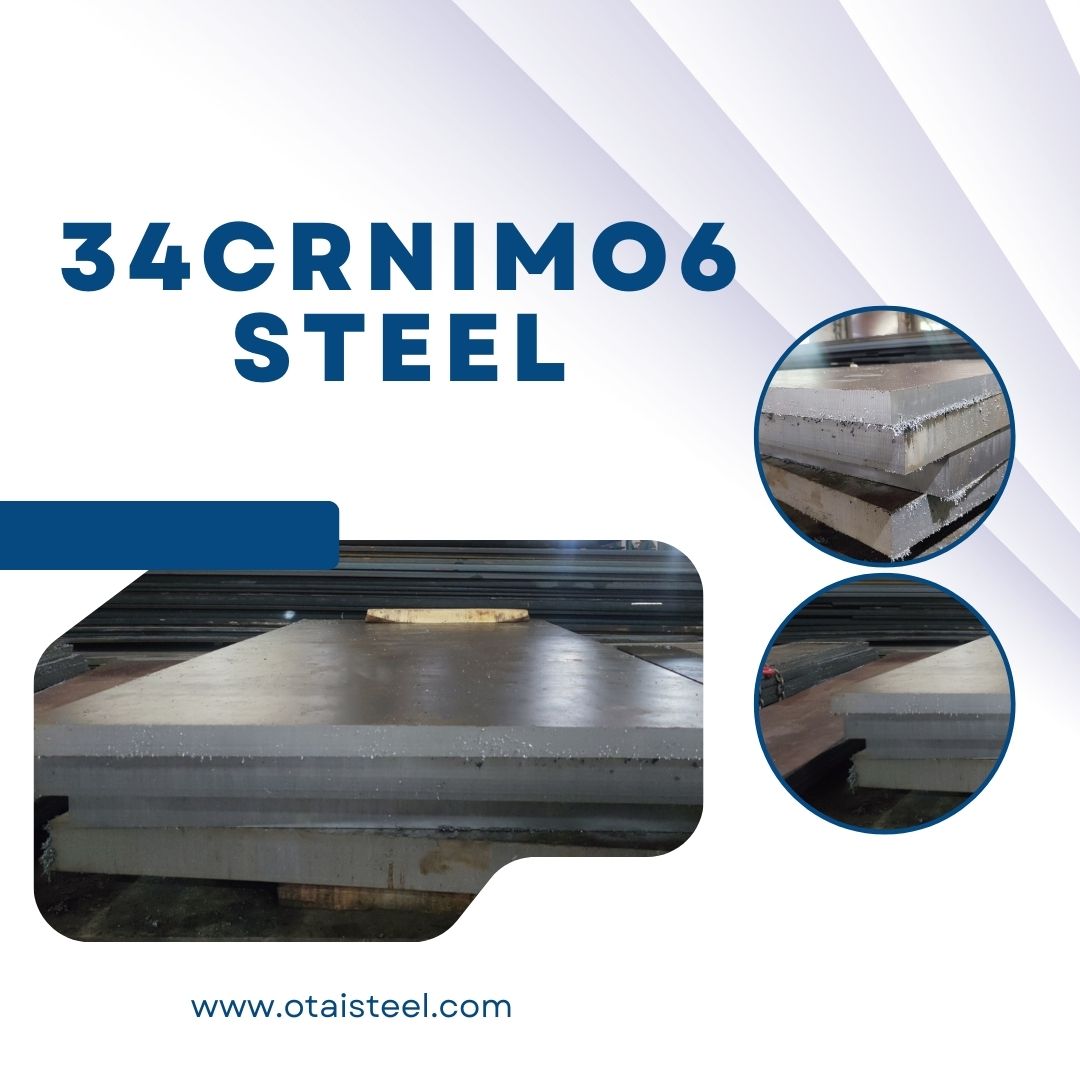
34crnimo6 material equivalent-Finding the Equivalent MaterialBefore we delve into the equivalent materials, let’s understand what 34CrNiMo6 is. 34CrNiMo6 is a high-grade, low-alloy steel that offers exceptional strength, toughness, and hardenability. It is commonly used in industries such as automotive, aerospace, and machinery manufacturing. (34crnimo6 material equivalent)
Why Find an Equivalent Material?

There are several reasons to search for an equivalent material to 34CrNiMo6. It may be due to availability issues, cost considerations, or specific requirements for a particular project. Finding an equivalent material can help you maintain the desired performance while addressing these factors.

Equivalent Materials for 34CrNiMo6

Now, let’s explore some of the equivalent materials for 34CrNiMo6:

1. 4340:

4340 is another alloy steel that can serve as an equivalent to 34CrNiMo6. It has excellent mechanical properties and is widely used in industries where high tensile strength is required.

2. 1.6582:

1.6582 is a material number for 34CrNiMo6 in the European standard EN 10083-3. It’s essentially the same material with a different designation.

3. SNCM439:

SNCM439 is a Japanese equivalent to 34CrNiMo6. It offers similar properties and is often used in the automotive and machinery industry in Japan.

4. 817M40:

In the British standard, 817M40 is considered an equivalent to 34CrNiMo6. It is known for its high tensile strength and toughness.

5. 35NCD6:

35NCD6 is another French designation for 34CrNiMo6, commonly used in France and neighboring regions.

Considerations When Choosing an Equivalent Material

When selecting an equivalent material for 34CrNiMo6, there are a few important considerations to keep in mind:

  • Mechanical Properties: Ensure that the chosen material meets the required mechanical properties for your specific application.
  • Availability: Check the availability of the material in your region and whether it can be sourced easily.
  • Cost: Evaluate the cost of the equivalent material in comparison to 34CrNiMo6.
  • Standards and Specifications: Be aware of the international and industry standards that the material should adhere to.

Finding the equivalent material for 34CrNiMo6 is essential when specific circumstances require it. There are several alternatives available, each with its own set of advantages and considerations. By understanding the equivalent materials and their properties, you can make an informed decision that best suits your project’s needs.

0 0 Continue Reading →

material 34crnimo6-Properties and Applications

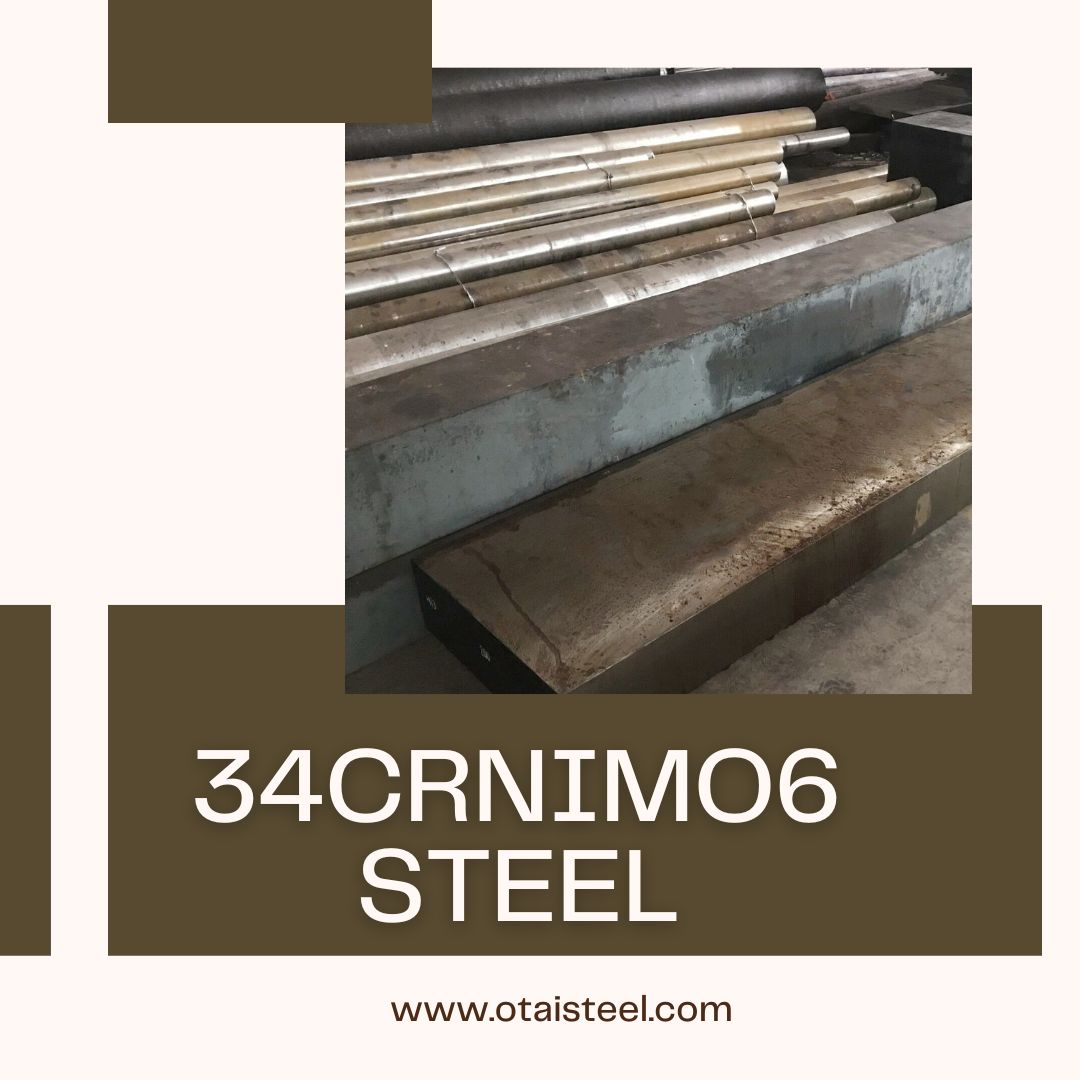
material 34crnimo6-Properties and ApplicationsWhen it comes to materials used in various industries, few can match the versatility and durability of 34CrNiMo6. This steel alloy offers a unique combination of properties that make it a top choice for a wide range of applications. In this comprehensive guide, we’ll delve into the world of 34CrNiMo6, covering its properties, applications, heat treatment, and much more.
Understanding 34CrNiMo6 Composition and Properties

Composition: 34CrNiMo6 is a low-alloy steel with a specific chemical composition that gives it its exceptional properties. The name itself holds key information:

  • “34” denotes the approximate carbon content.
  • “Cr” represents chromium.
  • “Ni” stands for nickel.
  • “Mo” refers to molybdenum.

These alloying elements play a significant role in enhancing the material’s properties.

Key Properties: 34CrNiMo6 boasts a range of properties that make it highly desirable:

  • Exceptional Hardness: With a hardness range of 250-300 HB (Brinell Hardness), 34CrNiMo6 is known for its ability to resist wear and abrasion.
  • High Tensile Strength: It offers tensile strength in the range of 900-1100 MPa, ensuring it can withstand heavy loads and stress.
  • Good Toughness: Despite its hardness, it maintains good toughness, important for applications where impact resistance is crucial.
  • Excellent Fatigue Resistance: 34CrNiMo6 can endure cyclic loading without deformation, making it suitable for components subject to varying stresses.

Applications of 34CrNiMo6

The impressive properties of 34CrNiMo6 make it a go-to material for various industries. Some key applications include:

  1. Aerospace: Critical components in aircraft and spacecraft, such as landing gear and transmission shafts, demand materials with high hardness and strength to withstand extreme conditions.
  2. Automotive: The automotive industry uses 34CrNiMo6 for manufacturing components like gears, crankshafts, and axles, where hardness and durability are paramount.
  3. Machinery: hydraulic shafts, gears, and axles.
  4. Oil and Gas: In the oil and gas sector, where drilling equipment operates in harsh environments, 34CrNiMo6 ensures reliable performance and longevity.
  5. Marine Engineering: For marine applications, 34CrNiMo6’s resistance to corrosion and ability to endure the demanding conditions of the sea make it an ideal choice.

The Role of Heat Treatment in 34CrNiMo6

Heat treatment is a crucial process that further enhances the properties of 34CrNiMo6. By carefully controlling the heating and cooling cycles, the desired hardness and microstructure can be achieved. Some common heat treatment techniques include quenching, tempering, annealing, and normalizing. These processes help fine-tune the material’s properties to suit specific applications.

34CrNiMo6 is a remarkable steel alloy valued for its exceptional hardness, high tensile strength, toughness, and fatigue resistance. Its applications span across several industries, and the process of heat treatment plays a pivotal role in optimizing its properties. Whether in aerospace, automotive, machinery, oil and gas, or marine engineering, 34CrNiMo6 stands as a symbol of reliability and durability. (material 34crnimo6)

0 0 Continue Reading →

34crnimo6+qt mechanical properties-Strength and Durability in Engineering

34CrNiMo6+QT is a quenched and tempered (QT) steel alloy known for its superior mechanical properties. The “34” in its name signifies the approximate carbon content, and it contains chromium (Cr), nickel (Ni), molybdenum (Mo), and other alloying elements that enhance its strength and durability.

Key Mechanical Properties:

  1. High Tensile Strength: 34CrNiMo6+QT boasts a high tensile strength, making it suitable for applications where materials need to withstand heavy loads and stress.
  2. Excellent Hardness: The alloy exhibits exceptional hardness, making it ideal for applications requiring wear resistance.
  3. Good Toughness: Despite its hardness, 34CrNiMo6+QT maintains good toughness, crucial for applications requiring impact resistance.
  4. Fatigue Resistance: The alloy’s fatigue resistance ensures that it performs well under cyclic loading conditions.

Applications of 34CrNiMo6+QT:

The remarkable mechanical properties of 34CrNiMo6+QT make it a top choice for a wide range of applications across various industries:

  1. Aerospace: Create high-strength and durable parts.
  2. Automotive: It plays a pivotal role in the automotive industry for manufacturing critical components such as gears, shafts, and crankshafts.
  3. Machinery: For the production of machinery components like axles, gears, and hydraulic shafts, this alloy is the preferred choice due to its outstanding mechanical properties.
  4. Oil and Gas: In the oil and gas sector, 34CrNiMo6+QT is used for drilling equipment, ensuring reliable performance in challenging environments.
  5. Marine Engineering: The alloy’s corrosion resistance and ability to withstand marine conditions make it valuable for marine engineering applications.

The Role of Quenching and Tempering:

Quenching and tempering are critical processes in achieving the desired mechanical properties of 34CrNiMo6+QT:

  1. Quenching: This process involves rapid cooling after heating, increasing the material’s hardness while maintaining adequate toughness.
  2. Tempering: Tempering is used to reduce the brittleness that can result from quenching, providing a balance between hardness and toughness.

34CrNiMo6+QT mechanical properties make it an outstanding choice for numerous applications in engineering and manufacturing. Its combination of high tensile strength, exceptional hardness, toughness, and fatigue resistance is unmatched. Proper heat treatment through quenching and tempering further enhances these properties. Ensuring that 34CrNiMo6+QT can perform under the most demanding conditions.

Whether it’s in aerospace, automotive, machinery, oil and gas, or marine engineering. 34CrNiMo6+QT plays a vital role in advancing technology and facilitating progress in these industries.

0 0 Continue Reading →

34crnimo6 hardness-Exploring the Science of 34CrNiMo6 Hardness

34CrNiMo6 is a steel alloy renowned for its excellent hardness and high tensile strength. The “34” in its name refers to its approximate carbon content, while “Cr,” “Ni,” and “Mo” represent the alloying elements chromium, nickel, and molybdenum, respectively. These alloying elements play a pivotal role in enhancing the material’s hardness and overall performance.

Properties of 34CrNiMo6:

  1. Exceptional Hardness: 34CrNiMo6 is known for its remarkable hardness, making it a preferred choice for applications requiring wear resistance and durability.
  2. High Tensile Strength: This steel alloy boasts high tensile strength, ensuring it can withstand heavy loads and stress without deformation.
  3. Good Toughness: Despite its hardness, 34CrNiMo6 maintains good toughness, which is crucial for applications where impact resistance is essential.
  4. Excellent Fatigue Resistance: Its fatigue resistance is another highlight, making it suitable for components subjected to cyclic loading.

Applications of 34CrNiMo6:

The exceptional hardness and mechanical properties of 34CrNiMo6 make it suitable for various applications across multiple industries:

  1. Aerospace: Components in aircraft and spacecraft often require materials with high hardness and strength to withstand extreme conditions.
  2. Automotive: In the automotive industry, 34CrNiMo6 is used for manufacturing critical parts such as gears, shafts, and crankshafts.
  3. Machinery: This alloy finds its place in the production of machinery components like axles, gears, and hydraulic shafts, where hardness and durability are essential.
  4. Oil and Gas: In the oil and gas sector, 34CrNiMo6 is utilized for drilling equipment, ensuring reliable performance in harsh environments.
  5. Marine Engineering: For marine applications, this steel alloy is chosen for its resistance to corrosion and its ability to withstand the demanding conditions of the sea.

The Role of Heat Treatment:

Heat treatment is a critical process in enhancing the properties of 34CrNiMo6. By subjecting the material to controlled heating and cooling cycles, it is possible to achieve the desired hardness and microstructure. Heat treatment techniques include:

  1. Quenching: This process involves rapid cooling after heating the material, increasing its hardness while maintaining adequate toughness.
  2. Tempering: Tempering is used to reduce the brittleness that can result from quenching, providing a balance between hardness and toughness.
  3. Annealing: Annealing involves heating the material to a specific temperature and then slowly cooling it to soften the alloy. This process is typically used for machining purposes.
  4. Normalizing: Normalizing aims to refine the grain structure and eliminate internal stresses, enhancing the material’s mechanical properties.

34CrNiMo6 hardness is a remarkable property that makes this steel alloy highly desirable in various industries. Its exceptional hardness, combined with high tensile strength, toughness, and fatigue resistance, makes it a top choice for applications where durability and reliability are crucial. Proper heat treatment further enhances these properties, ensuring that 34CrNiMo6 can perform under demanding conditions.

Whether it’s in aerospace, automotive, machinery, oil and gas, or marine engineering, 34CrNiMo6 plays a vital role in advancing technology and facilitating progress in these industries.

0 0 Continue Reading →

34crnimo6 material-Understanding its Mechanical Properties

34crnimo6 material-Understanding its Mechanical PropertiesWhen it comes to selecting the right material for industrial applications, engineers and manufacturers look for a balance of strength, durability, and versatility. 34crnimo6 material, a chromium-nickel-molybdenum alloy, fits the bill perfectly. Let’s embark on a journey to uncover the many facets of this remarkable material.

Composition and Properties

  1. Chemical Composition:
    • Carbon (C): 0.30-0.38%
    • Silicon (Si): 0.50-0.90%
    • Manganese (Mn): 0.50-0.80%
    • Chromium (Cr): 1.30-1.70%
    • Molybdenum (Mo): 0.15-0.30%
    • Nickel (Ni): 1.30-1.70%
  2. Mechanical Properties:
    • Tensile Strength: 950-1150 MPa
    • Yield Strength: 750-950 MPa
    • Elongation: 13-15%
    • Impact Toughness: 35 Joules (at -20°C)

Heat Treatment and Its Role

The exceptional mechanical properties of 34CrNiMo6 steel can be further enhanced through heat treatment. Processes like quenching and tempering allow manufacturers to modify the material’s hardness, strength, and toughness. This adaptability makes it suitable for various applications.

Applications Across Industries

  1. Gearing Systems: Its high tensile strength and impact toughness ensure smooth and reliable gear operations, even under heavy loads.
  2. Shafts and Axles: Its combination of strength and toughness makes it a preferred choice for shafts and axles in machinery and automotive applications.
  3. Aerospace: In the aerospace industry, where materials must withstand extreme conditions and high stress, 34CrNiMo6 is used in the production of critical components.
  4. Automotive: Various automotive components, especially those in drivetrains, benefit from the strength and resilience of 34CrNiMo6 steel.
  5. Heavy Machinery: The construction of components for heavy machinery requires materials with durability and reliability, making 34CrNiMo6 a prime choice.

Cost and Corrosion Considerations

While 34CrNiMo6 offers an excellent balance of properties, it’s essential to consider cost factors, especially when compared to other steel grades with similar characteristics. Additionally, both 34CrNiMo6 and similar steel grades are not known for their corrosion resistance. Proper coatings or controlled environments are essential to prevent corrosion.

34CrNiMo6 steel is a versatile and robust material with an excellent combination of mechanical properties. Its use spans various industries, from aerospace to heavy machinery, and it has proven to be indispensable in applications that demand strength, resilience, and durability. Whether it’s the gears in your car, the shafts in heavy machinery, or the critical components in aerospace, 34CrNiMo6 is a testament to the vital role that materials play in our world.

0 0 Continue Reading →

34crnimo6 mechanical properties-Exploring Its Impressive Mechanical Traits

34crnimo6 mechanical properties-Exploring Its Impressive Mechanical Traits34CrNiMo6 steel is a popular choice in many applications, and understanding its mechanical properties is crucial for engineering and manufacturing. In this article, we’ll delve into the mechanical properties of 34CrNiMo6 steel, shedding light on its strength, toughness, and suitability for different applications.

Composition of 34CrNiMo6 Steel

Before we delve into the mechanical properties of 34CrNiMo6 steel, it’s essential to understand its composition. 34CrNiMo6 is a chromium-nickel-molybdenum alloy steel. Its chemical composition typically includes:

  • Carbon (C): 0.30-0.38%
  • Silicon (Si): 0.50-0.90%
  • Manganese (Mn): 0.50-0.80%
  • Chromium (Cr): 1.30-1.70%
  • Molybdenum (Mo): 0.15-0.30%
  • Nickel (Ni): 1.30-1.70%

This composition imparts specific properties to the steel, making it suitable for various applications.

Mechanical Properties

Mechanical properties are essential factors when considering the use of steel in different applications. Let’s explore the key mechanical properties of 34CrNiMo6 steel:

  1. Tensile Strength: Tensile strength is a measure of a material’s resistance to a force attempting to stretch it. In the case of 34CrNiMo6 steel, it exhibits a high tensile strength ranging from 950 MPa to 1150 MPa. This high tensile strength makes it an excellent choice for applications that require materials capable of withstanding substantial loads and stresses.
  2. Yield Strength: Yield strength is the point at which a material begins to deform plastically. 34CrNiMo6 steel typically has a yield strength in the range of 750 MPa to 950 MPa. This property ensures that the material can withstand substantial stress without permanent deformation.
  3. Elongation: Elongation is a measure of a material’s ability to deform before fracture. 34CrNiMo6 steel typically has an elongation of about 13-15%, indicating its capacity to absorb energy before failing.
  4. Impact Toughness: Impact toughness is crucial in applications where materials are subjected to sudden loads or impacts. 34CrNiMo6 steel exhibits good impact toughness, with values reaching 35 Joules at -20°C. This quality makes it suitable for applications where resilience is vital.
  5. Hardness: 34CrNiMo6 steel can be heat-treated to achieve specific hardness values. Heat treatment processes like quenching and tempering can be employed to modify the hardness as per the requirements of the application.

Heat Treatment of 34CrNiMo6 Steel

To enhance its mechanical properties, 34CrNiMo6 steel can undergo heat treatment processes, such as quenching and tempering. These processes involve heating the steel to a specific temperature and then rapidly cooling it to achieve the desired properties. Heat treatment allows for fine-tuning the material’s hardness, strength, and toughness.

Applications of 34CrNiMo6 Steel

The impressive mechanical properties of 34CrNiMo6 steel make it suitable for various demanding applications. Some common areas of use include:

  1. Gears: In gear manufacturing, especially in applications that require heavy-duty gearing systems.
  2. Shafts: The steel’s combination of strength and toughness makes it an excellent choice for manufacturing shafts used in various machinery and industrial equipment.
  3. Aerospace: In the aerospace industry, where materials must withstand extreme conditions and high stress, 34CrNiMo6 is utilized in the production of critical components.
  4. Automotive: Automotive applications, such as drivetrain components, benefit from the material’s high strength and resilience.
  5. Heavy Machinery: 34CrNiMo6 steel is employed in the construction of components for heavy machinery where durability and reliability are paramount.

34CrNiMo6 steel is renowned for its exceptional mechanical properties, including high tensile strength, yield strength, elongation, impact toughness, and hardness. These properties make it an excellent choice for applications that require materials capable of withstanding heavy loads and impacts. Understanding the mechanical properties of 34CrNiMo6 is essential for engineers, manufacturers, and designers when selecting materials for various industrial and engineering applications.

0 0 Continue Reading →

36crnimo4 vs 34crnimo6–Which is Right for Your Application?

36crnimo4 vs 34crnimo6--Which is Right for Your Application?Steel is a versatile material used in various industrial applications. Among the wide array of steel types available, 36CrNiMo4 and 34CrNiMo6 are notable for their unique properties and applications. In this comparison, we will explore the differences and similarities between these two steel grades, shedding light on their composition, mechanical properties, and typical uses. (36crnimo4 vs 34crnimo6)

Composition

36CrNiMo4: 36CrNiMo4 is a chromium-nickel-molybdenum alloy steel. Its chemical composition consists of approximately 0.35-0.42% carbon, 0.50-0.80% silicon, 0.50-0.80% manganese, 0.80-1.10% chromium, 0.15-0.25% molybdenum, and 1.30-1.70% nickel. The inclusion of these elements imparts excellent hardenability to the steel.

34CrNiMo6: 34CrNiMo6 is also a chromium-nickel-molybdenum alloy steel with a chemical composition of around 0.30-0.38% carbon, 0.50-0.90% silicon, 0.50-0.80% manganese, 1.30-1.70% chromium, 0.15-0.30% molybdenum, and 1.30-1.70% nickel. It shares similarities with 36CrNiMo4 in terms of alloying elements.

Mechanical Properties

Both 36CrNiMo4 and 34CrNiMo6 offer impressive mechanical properties, making them suitable for demanding applications.

36CrNiMo4:

  • Tensile Strength: 850-1100 MPa
  • Yield Strength: 650-900 MPa
  • Elongation: 13-16%
  • Impact Toughness: 27 J (at -20°C)

34CrNiMo6:

  • Tensile Strength: 950-1150 MPa
  • Yield Strength: 750-950 MPa
  • Elongation: 13-15%
  • Impact Toughness: 35 J (at -20°C)

It’s evident that 34CrNiMo6 possesses slightly higher tensile and yield strengths, as well as greater impact toughness, which can be advantageous in applications that require exceptional strength and resilience.

Heat Treatment

Both steel grades respond well to heat treatment processes, enhancing their mechanical properties. The most common heat treatment method for both is quenching and tempering. This process involves heating the steel to a specific temperature, followed by rapid cooling and subsequent tempering to achieve the desired balance of hardness and toughness.

Applications

36CrNiMo4: 36CrNiMo4 is often used in applications where high tensile strength, good fatigue resistance, and toughness are required. It finds its place in industries such as automotive, aerospace, and heavy machinery, particularly in components subjected to heavy loads and stress.

34CrNiMo6: 34CrNiMo6, with its superior mechanical properties, is commonly employed in demanding applications such as gears, shafts, and critical components in the automotive and aerospace industries. Its exceptional impact toughness and high strength make it a preferred choice for parts that experience heavy loads and impact forces.

Cost Considerations

The cost of steel materials is a critical factor in decision-making for various industries. In general, 36CrNiMo4 tends to be more cost-effective compared to 34CrNiMo6. However, the choice between these two steels should also take into account the specific requirements of the application.

Corrosion Resistance

Both 36CrNiMo4 and 34CrNiMo6 are not particularly known for their corrosion resistance. It’s essential to protect these materials from corrosion by applying suitable coatings or using them in controlled environments.

36CrNiMo4 and 34CrNiMo6 are both excellent steel grades with unique properties that cater to various industrial needs. The choice between them depends on the specific requirements of the application, considering factors like mechanical properties, cost, and corrosion resistance. While 34CrNiMo6 offers slightly higher strength and impact toughness, 36CrNiMo4 remains a reliable choice for numerous applications. (36crnimo4 vs 34crnimo6)

0 0 Continue Reading →

34crnimo6 chemical composition-The Chemistry of 34CrNiMo6

34crnimo6 chemical composition-The Chemistry of 34CrNiMo6The chemical composition of 34CrNiMo6 plays a significant role in determining its mechanical properties, making it a versatile and sought-after alloy. Let’s break down the key elements:

Carbon (C)

Carbon is the primary alloying element in 34CrNiMo6, and it typically makes up around 0.30% to 0.40% of the alloy’s composition. It contributes to the alloy’s strength and hardenability. It also affects the steel’s response to heat treatment.

Chromium (Cr)

Chromium, at a content of approximately 1.30% to 1.70%, enhances the steel’s hardenability and corrosion resistance. The addition of chromium is crucial for applications where durability and resistance to environmental factors are essential.

Nickel (Ni)

Nickel, present at around 1.30% to 1.70%, helps improve the steel’s toughness, ductility, and impact resistance. It also plays a role in increasing the alloy’s corrosion resistance.

Molybdenum (Mo)

Molybdenum, typically found in 0.15% to 0.30% concentration, significantly contributes to 34CrNiMo6’s high-temperature strength, hardness, and wear resistance. This element is crucial for applications subjected to extreme conditions.

Manganese (Mn)

Manganese is a minor alloying element, usually found at approximately 0.50% to 0.80% in 34CrNiMo6. It enhances hardenability and helps in the formation of fine-grained structures during heat treatment.

Sulfur (S) and Phosphorus (P)

Sulfur and phosphorus are impurities present in small amounts, typically less than 0.035% each. Their presence is controlled to ensure the quality and machinability of the alloy.

Silicon (Si)

Silicon, found at around 0.15% to 0.35%, helps in deoxidizing the steel and enhancing its strength. It also improves the response to heat treatment.

Vanadium (V)

Vanadium is an optional alloying element, sometimes added in trace amounts (around 0.07% to 0.12%) to further enhance hardenability and wear resistance.

The Impact of Chemical Composition on Properties

The chemical composition of 34CrNiMo6 is carefully designed to achieve a balance of properties. The carbon content provides strength, while chromium and nickel improve corrosion resistance and toughness. Molybdenum enhances high-temperature strength, and manganese contributes to hardenability.

Applications of 34CrNiMo6

The well-balanced chemical composition of 34CrNiMo6 makes it suitable for a wide range of applications, including:

Aerospace

Used in aircraft landing gear and critical components due to its strength and fatigue resistance.

Automotive

Commonly found in crankshafts, gears, and transmission components for its durability and wear resistance.

Oil and Gas

Utilized in drilling tools and wellhead equipment for its high-stress capabilities.

Heavy Machinery

Ideal for construction and mining equipment due to its toughness and impact resistance.

General Engineering

Applied in various engineering components where a combination of strength and toughness is required.

The chemical composition of 34CrNiMo6 is the secret behind its remarkable properties. The careful balance of carbon, chromium, nickel, molybdenum, and other elements makes it a versatile and widely-used steel alloy in multiple industries. Understanding this composition is essential for those working with materials in various engineering and manufacturing fields.

0 0 Continue Reading →