Skip to Content

Category Archives: Blog

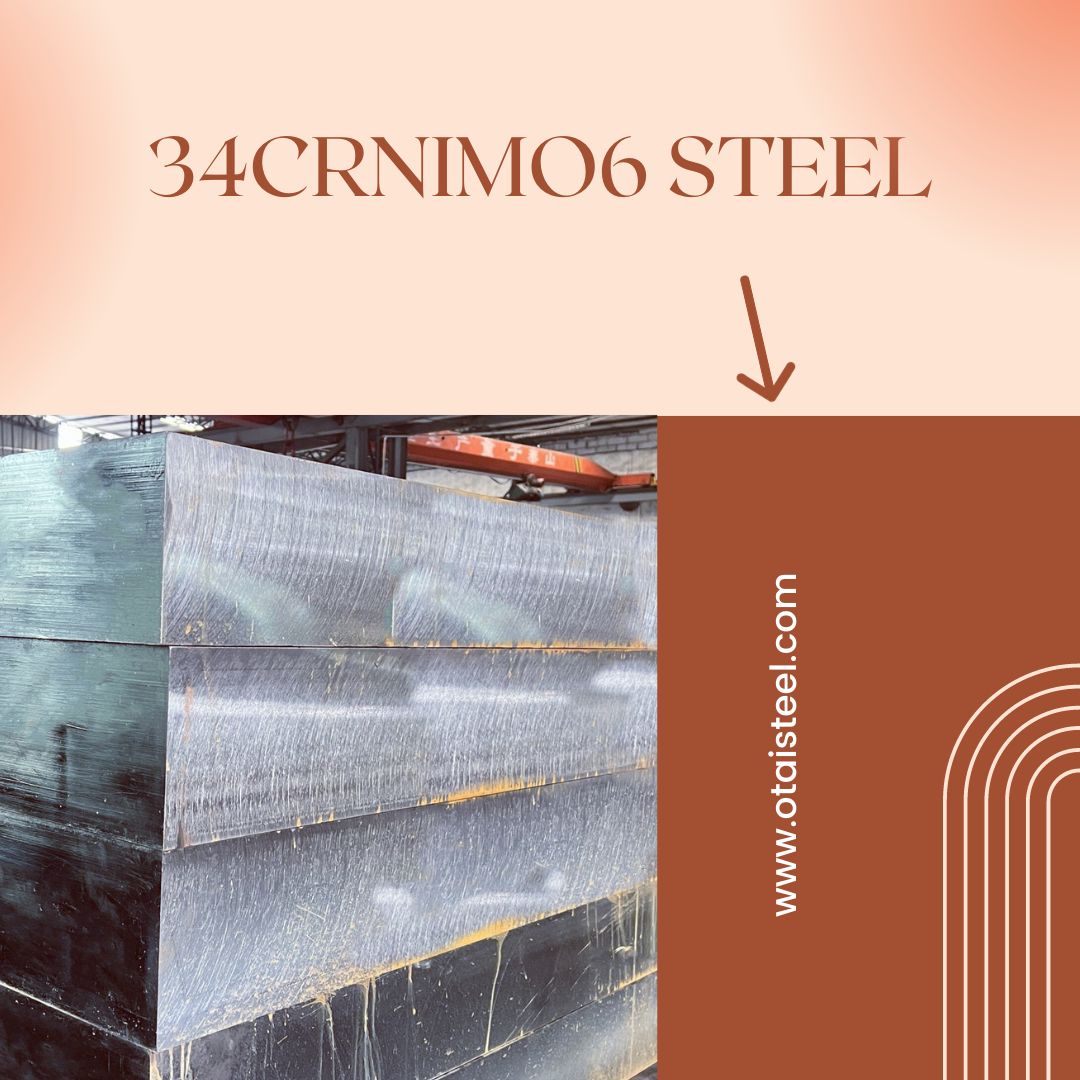
34CrNiMo6 application-the Evolution of Alloy Technology

At the heart of automotive and machinery innovation lies the application of 34CrNiMo6 steel. This alloy’s exceptional strength and durability make it a preferred choice for manufacturing gears and shafts in vehicles and heavy machinery. The evolution of alloy technology, epitomized by 34CrNiMo6, has redefined precision engineering in the automotive and machinery sectors.

2. Structural Brilliance: Construction and Infrastructure

In the realm of construction and infrastructure, 34CrNiMo6 steel plays a pivotal role in shaping the skylines. Its application in structural components contributes to the resilience and longevity of buildings and bridges. As alloy technology evolves, 34CrNiMo6 continues to be at the forefront, ensuring the safety and stability of modern constructions.

3. Powering Progress: Energy and Power Generation

The evolution of alloy technology aligns seamlessly with the energy sector’s changing landscape. 34CrNiMo6, with its ability to withstand extreme conditions, finds application in the power generation industry. From turbine components to critical structural elements, this alloy contributes to the efficiency and reliability of energy production.

4. Aerospace Advancements: Navigating the Skies

The skies have become a canvas for the evolution of alloy technology, and 34CrNiMo6 is a key player in aerospace engineering. Its application in aircraft components, from landing gear to structural elements, underscores its importance in ensuring the safety and performance of airborne vehicles. As technology propels us towards new frontiers, 34CrNiMo6 continues to evolve alongside the demands of the aerospace industry.

5. Maritime Mastery: Sailing Through Challenges

In the maritime domain, where harsh conditions pose a constant challenge, 34CrNiMo6 steel finds application in shipbuilding. The evolution of alloy technology has led to the incorporation of this material in critical marine components, enhancing the durability and corrosion resistance of vessels. This application showcases the adaptability of 34CrNiMo6 in addressing diverse challenges across industries.

6. Research and Development: Pushing the Boundaries

As the alloy technology narrative unfolds, 34CrNiMo6 plays a crucial role in research and development endeavors. Its application in emerging technologies and experimental projects reflects its versatility and potential to push the boundaries of what is achievable in materials science. The evolution of alloy technology is, in many ways, steered by the continuous exploration of materials like 34CrNiMo6.

The application of 34CrNiMo6 in various industries marks a significant chapter in the evolution of alloy technology. From automotive precision to aerospace advancements, this alloy continues to redefine the possibilities in engineering and manufacturing. As industries evolve and technology progresses, 34CrNiMo6 remains a testament to the enduring impact of alloy innovation on the world we build and the future we forge.
0 0 Continue Reading →

34CrNiMo6 Steel in Automotive Engineering: A Reliable Choice

34CrNiMo6 Steel in Automotive Engineering: A Reliable ChoiceIn the realm of automotive engineering, the use of 34CrNiMo6 steel has proven to be a reliable and versatile choice. Providing a combination of strength, durability, and machinability. Let’s delve into the characteristics of this steel and its applications in the automotive industry.
Material Characteristics:

  1. High Strength:
    • 34CrNiMo6 boasts a high tensile strength, making it an excellent candidate for components subjected to heavy loads and stress in automotive applications.
  2. Toughness and Impact Resistance:
    • The toughness of 34CrNiMo6 is crucial for automotive parts that may experience sudden impacts. Ensuring durability and safety under various driving conditions.
  3. Machinability:
    • This steel is known for its machinability, allowing for precision manufacturing of complex automotive components It is essential for maintaining quality standards in mass production.

Applications in Automotive Engineering:

  1. Gear and Transmission Components:
    • 34CrNiMo6 is frequently used in the production of gears, shafts, and other transmission components. Its wear resistance and high strength contribute to the efficiency and longevity of automotive drivetrains.
  2. Suspension Systems:
    • Automotive suspension systems require materials that can withstand constant stress and dynamic loads. 34CrNiMo6’s combination of strength and toughness makes it suitable for components like axles and suspension links.
  3. Crankshafts and Camshafts:
    • In the engine, where precision and durability are critical, 34CrNiMo6 is employed for manufacturing crankshafts and camshafts. Ensuring reliable performance and longevity.
  4. High-Performance Vehicles:
    • The steel’s ability to handle extreme conditions makes it a preferred choice for high-performance and sports vehicles. The demand for strength and reliability is heightened.

Evolution in Automotive Applications:

  1. Advanced Manufacturing Techniques:
    • Continued advancements in manufacturing techniques, such as precision forging and heat treatment processes, contribute to the optimization of 34CrNiMo6 for specific automotive applications.
  2. Lightweighting Initiatives:
    • As the automotive industry pursues lightweighting for improved fuel efficiency, 34CrNiMo6 remains relevant due to its high strength, allowing for the design of lighter yet robust components.
  3. Integration of Electric Vehicles (EVs):
    • In the evolving landscape of electric vehicles, 34CrNiMo6 may find applications in critical components of electric drivetrains, benefiting from its strength and durability.

Challenges and Future Trends:

  1. Sustainability Considerations:
    • The automotive industry is increasingly focused on sustainability. Research into eco-friendly production methods or alternative materials may influence the future use of 34CrNiMo6 in automotive engineering.
  2. Innovations in Alloy Development:
    • Ongoing research aims to develop new alloys with enhanced properties. The evolution of alloy formulations may introduce materials that surpass or complement the capabilities of 34CrNiMo6.

In the dynamic world of automotive engineering, 34CrNiMo6 steel stands out as a reliable choice, meeting the demanding requirements of strength, durability, and precision. Its continued use in critical automotive components underscores its significance in ensuring the safety and performance of vehicles on the road. As automotive technologies evolve, 34CrNiMo6 is likely to remain a staple material, adapting to new challenges and contributing to the advancement of the automotive industry.

0 0 Continue Reading →

HRC of EN24 steel: Everything you need to know is in this blog!

Greetings to our avid steel enthusiasts! Today, let’s unravel the mysteries of EN24 steel HRC (Hardness Rockwell C), a steel alloy that stands tall in the realm of high-performance materials. As your trusted source for steel insights, Dongguan Aotai Special Steel is excited to provide you with a deep dive into the world of EN24 steel hardness and why it’s capturing the attention of engineers and manufacturers alike.

HRC of EN24 steel

HRC of EN24 steel

EN24 Steel HRC Demystified: A Closer Look at Hardness

1. Understanding EN24 Steel Hardness

EN24 steel, a high-tensile alloy with exceptional mechanical properties, is renowned for its hardness. The Rockwell C hardness scale is the yardstick by which we measure its resistance to deformation. In practical terms, this hardness is achieved through meticulous heat treatment processes, ensuring optimal performance in diverse applications.

But what makes EN24 steel’s hardness noteworthy?

2. The Numbers Behind EN24 Steel HRC

Let’s get to the heart of the matter – the HRC values. EN24 steel typically exhibits an impressive hardness range after undergoing specific heat treatments. Check out the table below for a quick reference:

Heat Treatment HRC Range
Quenching and Tempering 55-58
Normalizing and Tempering 48-52
Annealing 20-25

(In case of discrepancies with the table, the actual situation will prevail)

Unlocking the Potential: EN24 Steel in Action

3. Mechanical Fortitude

EN24 steel is not just about hardness; it’s a mechanical marvel. Engineers and manufacturers seek this alloy for its exceptional tensile strength, yield strength, and impact resistance. Here’s a snapshot of the mechanical prowess of EN24 steel:

Property Value
Tensile Strength 850 MPa
Yield Strength 650 MPa
Impact Resistance 30 J

(In case of discrepancies with the table, the actual situation will prevail)

4. Applications Across Industries

Curious about where EN24 Steel finds its home? From aerospace components to heavy machinery, EN24 steel’s robustness shines. Explore its applications in:

  • Aerospace Engineering
  • Automotive Manufacturing
  • Oil and Gas Industry

EN24 steel’s versatility makes it a reliable choice in demanding environments.

Comparative Analysis of HRC: EN24 vs. Competitors

5. The Steel Showdown

Wondering how EN24 stacks up against its peers? Let’s compare the hardness (HRC) and mechanical properties:

Property EN24 Steel Competitor A Competitor B
Hardness (HRC) 55-58 53-56 50-54
Tensile Strength 850 MPa 820 MPa 800 MPa
Yield Strength 650 MPa 620 MPa 600 MPa
Impact Resistance 30 J 28 J 25 J

(In case of discrepancies with the table, the actual situation will prevail)

Expert Tips: Machining and Corrosion Resistance

6. Machining Marvels

Planning to machine components from EN24 steel? Our expert tips ensure a smooth and precise machining process, enhancing efficiency in your projects.

7. Corrosion Resistance Considerations

While EN24 steel is not renowned for its corrosion resistance, strategic measures can be taken to enhance its longevity. Explore our recommendations for corrosion-resistant coatings to safeguard your investments.

Sourcing Smart: Availability and Pricing Insights

8. Where to Find EN24 Steel

Curious about sourcing EN24 steel? OTAI’s special steel insights into availability and pricing empower you to make well-informed decisions for your projects.

Conclusion: Elevate Your Engineering Game with EN24 Steel HRC

In conclusion, EN24 steel HRC is not just a material; it’s a key to unlocking strength, durability, and performance. Whether you’re an engineer crafting innovations or a manufacturer shaping the future, EN24 Steel is your steadfast ally.

Questions or need further guidance? Reach out to our team of experts at Dongguan Otai Special Steel. Together, let’s forge a path of strength and durability.

0 0 Continue Reading →

34CrNiMo6 Steel in Aerospace: Where Precision Meets Strength

34CrNiMo6 steel, renowned for its exceptional strength and toughness, finds a critical role in the aerospace industry, where precision and reliability are paramount. Let’s explore how this alloy contributes to aerospace applications.

Material Characteristics:

  1. High Strength:
    • 34CrNiMo6 exhibits impressive tensile strength, making it well-suited for aerospace components that require resilience under extreme conditions.
  2. Toughness and Impact Resistance:
    • Aerospace structures often face dynamic loads and impacts. The toughness of 34CrNiMo6 ensures the ability to withstand sudden stresses without compromising structural integrity.
  3. Wear Resistance:
    • Components in aerospace systems, such as gears and shafts, benefit from the wear-resistant properties of 34CrNiMo6, ensuring longevity and reliability in demanding operational environments.

Applications in Aerospace:

  1. Aircraft Landing Gear:
    • The landing gear of an aircraft is subject to immense loads during takeoff and landing. 34CrNiMo6’s combination of strength and toughness makes it an ideal choice for critical landing gear components.
  2. Engine Components:
    • Within aircraft engines, where extreme temperatures and mechanical stresses are prevalent, 34CrNiMo6 can be employed for components like shafts and gears, contributing to the overall efficiency and durability of the propulsion system.
  3. Structural Elements:
    • Structural components, such as fasteners and connecting rods, benefit from the steel’s high tensile strength, ensuring the structural integrity of aerospace assemblies.
  4. Precision Machining:
    • The machinability of 34CrNiMo6 allows for precision manufacturing of intricate aerospace parts, meeting the stringent requirements for dimensional accuracy and reliability.

Evolution in Aerospace Applications:

  1. Advanced Alloys and Composites:
    • Ongoing research focuses on developing advanced alloys and composite materials. However, 34CrNiMo6’s robustness continues to make it a viable choice for specific aerospace applications where traditional materials excel.
  2. Integration of Digital Technologies:
    • The aerospace industry increasingly incorporates digital technologies for design and simulation. This integration ensures optimal utilization of 34CrNiMo6 steel in the context of specific aerospace engineering requirements.
  3. Weight Reduction and Fuel Efficiency:
    • As the aerospace industry strives for lighter aircraft to enhance fuel efficiency, the selection of materials like 34CrNiMo6 becomes crucial. Its high strength allows for structural optimization without compromising safety.

Challenges and Future Prospects:

  1. Environmental Sustainability:
    • With a growing emphasis on sustainable practices, the aerospace industry may explore eco-friendly alternatives or processes in the production of materials like 34CrNiMo6.
  2. Innovation in Design:
    • Future aerospace designs may demand materials with tailored properties. Research and innovation in the customization of 34CrNiMo6 steel could address specific needs in evolving aerospace technologies.

In the dynamic realm of aerospace, where precision meets strength, 34CrNiMo6 steel continues to play a vital role. Its evolution aligns with the industry’s quest for materials that can endure extreme conditions while contributing to the efficiency and safety of aerospace systems. As technological advancements persist, 34CrNiMo6 remains a cornerstone material, exemplifying the delicate balance between precision and strength in aerospace applications.

0 0 Continue Reading →

The Evolution of 34CrNiMo6 Steel in Construction Materials

34CrNiMo6 is a heat-treatable, low-alloy steel that falls under the category of engineering steels. It is known for its high strength, toughness, and wear resistance, making it suitable for various applications, including construction materials. Let’s explore the evolution and characteristics of 34CrNiMo6 steel in the context of construction materials:

Composition and Properties:

  1. Chemical Composition:
    • 34CrNiMo6 steel typically contains chromium, nickel, molybdenum, and other alloying elements.
    • The alloying elements contribute to the steel’s hardenability, strength, and toughness.
  2. Heat Treatment:
    • The steel undergoes heat treatment processes such as quenching and tempering to achieve the desired mechanical properties.
    • Quenching is a rapid cooling process that hardens the steel, while tempering imparts toughness and reduces brittleness.
  3. Mechanical Properties:
    • High tensile strength, making it suitable for applications where strength is crucial.
    • Good toughness and impact resistance, essential for withstanding dynamic loads often encountered in construction.

Applications in Construction Materials:

  1. Gearing and Transmission Components:
    • 34CrNiMo6 is often used in the production of gears, shafts, and other transmission components due to its excellent wear resistance and fatigue strength.
  2. Heavy-Duty Construction Equipment:
    • Construction machinery and equipment subjected to heavy loads and harsh conditions benefit from the high strength and durability of 34CrNiMo6 steel.
  3. Structural Components:
    • In structural engineering, this steel can be employed for critical components that require a combination of strength and toughness, such as crane hooks and other load-bearing elements.

Evolution over Time:

  1. Advancements in Steelmaking:
    • Continuous improvements in steelmaking processes have enhanced the overall quality and consistency of 34CrNiMo6 steel.
    • Advanced metallurgical techniques contribute to better control over the alloy’s microstructure and properties.
  2. Research and Development:
    • Ongoing research aims to optimize the alloy composition and heat treatment processes for specific applications, resulting in improved performance and cost-effectiveness.
  3. Incorporation of Technology:
    • The integration of advanced technologies, such as computer-aided design (CAD) and simulation, allows for more precise engineering and application of 34CrNiMo6 in construction materials.
  4. Standards and Specifications:
    • The evolution of industry standards and specifications ensures that 34CrNiMo6 steel meets or exceeds the requirements for safety and performance in construction applications.

Challenges and Future Trends:

  1. Environmental Considerations:
    • The industry is likely to focus on more sustainable practices and materials, driving research into environmentally friendly alternatives or processes for producing 34CrNiMo6 steel.
  2. Digitalization and Smart Construction:
    • The integration of digital technologies in construction may lead to new demands for materials with specific properties, influencing the development of 34CrNiMo6 and other engineering steels.
  3. Customization and Tailoring:
    • Increasing demand for tailor-made materials with specific properties for unique construction projects may drive advancements in the customization of 34CrNiMo6 steel.

The evolution of 34CrNiMo6 steel in construction materials involves a continuous process of improvement driven by advancements in steelmaking, research and development, technological integration, and evolving industry needs. The steel’s characteristics make it a valuable choice for demanding applications in construction, and ongoing efforts are likely to further enhance its performance and sustainability.

0 0 Continue Reading →

DIN 34crnimo6 equivalent-Exploring Alternatives and Applications

Before we explore DIN 34crnimo6 equivalent, let’s briefly understand what DIN 34CrNiMo6 is:

DIN 34CrNiMo6 is a low-alloy steel known for its excellent combination of properties, including high strength, toughness, and good hardenability. The DIN standard outlines the chemical composition, mechanical properties, and heat treatment requirements for this steel.

Chemical Composition of DIN 34CrNiMo6

DIN 34CrNiMo6 boasts a specific chemical composition:

  • Carbon (C): Approximately 0.30% to 0.38%
  • Chromium (Cr): Around 1.30% to 1.70%
  • Nickel (Ni): Typically 1.30% to 1.70%
  • Molybdenum (Mo): Approximately 0.15% to 0.25%
  • Silicon (Si): Approximately 0.15% to 0.35%
  • Manganese (Mn): About 0.50% to 0.80%

These elements contribute to its impressive mechanical properties, making it a popular choice in various industries.

Mechanical Properties of DIN 34CrNiMo6

DIN 34CrNiMo6 exhibits notable mechanical properties:

  • Tensile Strength: Ranging from 800 MPa to 1100 MPa, depending on heat treatment.
  • Yield Strength: Approximately 670 MPa to 900 MPa.
  • Elongation: Typically 12% to 15%.
  • Impact Toughness: Excellent impact resistance, suitable for applications where sudden loads are expected.

Heading 4: Heat Treatment Requirements for DIN 34CrNiMo6

To achieve the desired mechanical properties, DIN 34CrNiMo6 requires specific heat treatment processes, including quenching and tempering. Proper heat treatment is essential to unlock its full potential.

Applications of DIN 34CrNiMo6

DIN 34CrNiMo6 is widely used in various applications, including:

  • Automotive Industry: For manufacturing gears, shafts, and other components.
  • Aerospace: In aircraft landing gear components.
  • Construction: In the construction of heavy machinery and equipment.
  • Oil and Gas: For drilling equipment and pipeline components.

Now, let’s explore the equivalents of DIN 34CrNiMo6.

34CrNiMo6 Alternatives

  1. AISI 4340 Steel:

AISI 4340 steel is a close equivalent to DIN 34CrNiMo6. It has a similar chemical composition with slightly different tolerances. AISI 4340 is known for its high strength, toughness, and impact resistance. It’s commonly used in the aerospace, automotive, and oil and gas industries.

  1. AISI 4140 Steel:

AISI 4140 steel shares some similarities with DIN 34CrNiMo6 in terms of composition. It offers good strength and hardenability, making it suitable for applications in the automotive and machinery sectors.

  1. 30CrNiMo8 (1.6580) Steel:

30CrNiMo8 is another alloy steel that can be considered as an alternative to DIN 34CrNiMo6. It has a close chemical composition and is often used in applications where high tensile and impact strength are required.

  1. SNCM439 (JIS) Steel:

SNCM439 is the Japanese equivalent of DIN 34CrNiMo6. It has a similar composition and offers excellent strength and toughness. This steel is frequently used in the automotive and machinery industries.

Applications of Equivalent Alloys

The alternatives mentioned above find applications in similar industries as DIN 34CrNiMo6. They are used in the automotive, aerospace, construction, and oil and gas sectors, depending on their specific properties and heat treatment.

DIN 34CrNiMo6 is a well-established steel alloy with a unique set of properties. However, there are several equivalent alloys, such as AISI 4340, AISI 4140, 30CrNiMo8, and SNCM439, that can serve as suitable alternatives for various applications. Engineers and designers should carefully consider their specific requirements and choose the alloy that best matches their needs.

0 0 Continue Reading →

Understanding 34CrNiMo6 According to DIN Specification

34CrNiMo6 is a steel alloy that is specified under DIN 17200, a German standard for heat-treatable steels. This standard outlines the chemical composition, mechanical properties, and heat treatment requirements for this alloy.

Chemical Composition of 34CrNiMo6 According to DIN

The chemical composition of 34CrNiMo6, as per the DIN specification, can be summarized as follows:

  • Carbon (C): Carbon content typically falls in the range of 0.30% to 0.38%, contributing to the alloy’s hardness and strength.
  • Chromium (Cr): Chromium content ranges from 1.30% to 1.70%, providing corrosion resistance and hardenability.
  • Nickel (Ni): Nickel content ranges from 1.30% to 1.70%, enhancing toughness, impact strength, and fatigue resistance.
  • Molybdenum (Mo): Molybdenum content is typically between 0.15% and 0.25%, contributing to hardenability and high-temperature strength.
  • Silicon (Si): Silicon content falls within the range of 0.15% to 0.35%, contributing to strength and heat resistance.
  • Manganese (Mn): Manganese content ranges from 0.50% to 0.80%, aiding in deoxidation and improving strength.

Mechanical Properties According to DIN

According to the DIN standard, 34CrNiMo6 exhibits the following mechanical properties after heat treatment:

  • Tensile Strength: The tensile strength of 34CrNiMo6 typically ranges from 800 MPa to 1100 MPa, depending on the heat treatment and tempering process.
  • Yield Strength: The yield strength is around 670 MPa to 900 MPa, depending on the heat treatment condition.
  • Elongation: 34CrNiMo6 exhibits an elongation of about 12% to 15%, providing good ductility.
  • Impact Toughness: The alloy demonstrates excellent impact toughness, making it suitable for applications where resistance to sudden loads is essential.

Heat Treatment Requirements

To achieve the desired mechanical properties, 34CrNiMo6 must undergo specific heat treatment processes, including quenching and tempering. The DIN standard provides guidelines for the appropriate heat treatment conditions.

Heading 5: Applications of 34CrNiMo6

34CrNiMo6, as specified by DIN 17200, is used in various applications due to its high strength and toughness. Some common uses include:

  • Manufacturing of gears, shafts, and other components in the automotive industry.
  • Aerospace applications, such as aircraft landing gear components.
  • Construction of heavy machinery and equipment.
  • Oil and gas industry for drilling equipment and pipeline components.

34CrNiMo6, as defined by the DIN specification, is a versatile and widely used steel alloy with specific chemical composition and mechanical properties. It finds applications in industries where high strength, toughness, and resistance to wear and corrosion are essential.

0 0 Continue Reading →

chemical composition of 34crnimo6

34CrNiMo6 is a low-alloy steel that belongs to the group of materials known as “Cr-Ni-Mo” steels. The numbers in its name reflect its elemental composition. Let’s break down these elements and understand their significance in this alloy. (chemical composition of 34crnimo6)

Chemical Composition of 34CrNiMo6

The chemical composition of 34CrNiMo6 can be summarized as follows:

  1. Carbon (C): Carbon is a primary alloying element in steel. In 34CrNiMo6, the carbon content typically ranges from 0.30% to 0.38%. It contributes to the hardness and strength of the alloy.
  2. Chromium (Cr): Chromium is a key element in 34CrNiMo6, with a content ranging from 1.30% to 1.70%. Chromium enhances the alloy’s corrosion resistance and provides hardenability.
  3. Nickel (Ni): Nickel is present in 34CrNiMo6 at a concentration of 1.30% to 1.70%. Nickel improves the alloy’s toughness, impact strength, and resistance to fatigue.
  4. Molybdenum (Mo): Molybdenum content in 34CrNiMo6 varies between 0.15% and 0.25%. It enhances the alloy’s hardenability and high-temperature strength.
  5. Silicon (Si): Silicon is present at around 0.15% to 0.35%. It contributes to the alloy’s strength and heat resistance.
  6. Manganese (Mn): Manganese content ranges from 0.50% to 0.80% and helps in deoxidation and improving the alloy’s strength.
  7. Phosphorus (P) and Sulfur (S): The maximum allowable levels of phosphorus and sulfur in 34CrNiMo6 are typically 0.025% and 0.035%, respectively. These elements are kept low to maintain the alloy’s quality and avoid impurities.

Properties of 34CrNiMo6

Now that we’ve discussed the chemical composition, let’s explore the key properties of 34CrNiMo6:

  1. High Strength: Thanks to its alloying elements, 34CrNiMo6 exhibits excellent strength, making it suitable for applications that require load-bearing components.
  2. Toughness: The presence of nickel and molybdenum enhances the alloy’s toughness, making it resistant to impact and fatigue.
  3. Good Hardenability: 34CrNiMo6 can be heat-treated to achieve high hardness, making it suitable for applications where wear resistance is crucial.
  4. Corrosion Resistance: Chromium contributes to the alloy’s corrosion resistance, ensuring it can withstand environmental factors.

Applications of 34CrNiMo6

The unique combination of properties in 34CrNiMo6 makes it a versatile material with various applications. Some common uses include:

  1. Aerospace Industry: 34CrNiMo6 is employed in aircraft landing gear components and other critical parts where strength and reliability are paramount.
  2. Automotive Sector: It is used for manufacturing transmission gears and shafts due to its high strength and toughness.
  3. Construction: The alloy is used in the construction of heavy machinery and equipment, ensuring durability and reliability.
  4. Oil and Gas: Components in drilling equipment and pipelines benefit from the alloy’s corrosion resistance and high-strength characteristics.

34CrNiMo6 is a steel alloy with a carefully balanced chemical composition that results in impressive properties. Its high strength, toughness, and corrosion resistance make it a sought-after material in various industries. Understanding its composition and applications is crucial for engineers and metallurgists aiming to harness its potential.

0 0 Continue Reading →

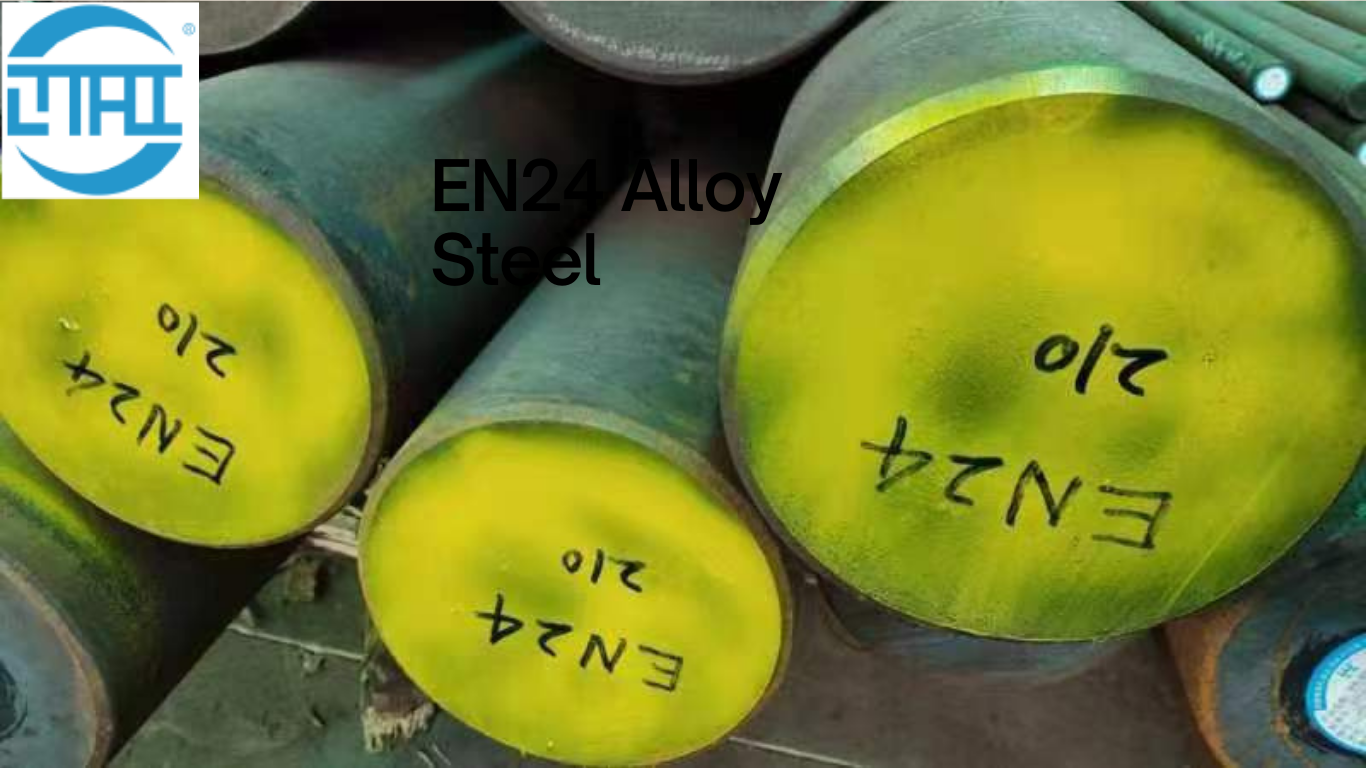
Unveiling the EN24 Steel Data Sheet: Composition, Properties, and Applications

Introduction

When it comes to high-strength engineering materials, EN24 steel stands out as a remarkable choice. Whether you’re an engineer, a manufacturer, or just someone intrigued by the world of metals, understanding EN24 steel is an invaluable asset. In this comprehensive guide, we will unveil the EN24 steel data sheet, providing you with detailed insights into its chemical composition, mechanical properties, heat treatment, physical attributes, equivalent grades, availability, applications, and the option to download the datasheet.


 EN24 Steel Data Sheet


EN24 Steel Data Sheet and Chemical Composition

EN24 steel is a specialized alloy characterized by its unique chemical composition. It comprises essential elements that contribute to its superior mechanical properties. The composition typically includes:

  • Carbon (C): Typically around 0.36%
  • Silicon (Si): Approximately 0.20%
  • Manganese (Mn): Roughly 0.70%
  • Phosphorus (P): Typically less than 0.040%
  • Sulfur (S): Usually less than 0.040%
  • Nickel (Ni): Approximately 1.25%
  • Chromium (Cr): Around 0.80%
  • Molybdenum (Mo): Typically 0.35%

This precise combination of elements results in a steel variant renowned for its high tensile strength, ductility, and wear resistance.

EN24 Steel Data Sheet: Exploring Mechanical Properties

EN24 steel’s mechanical properties make it an ideal choice for numerous applications. Some key mechanical properties include:

  • Tensile Strength: Achieving strengths of 850-1000 MPa (T condition) to an impressive 1550 MPa in various tensile strengths (Z condition).
  • Yield Strength: Typically around 635 MPa.
  • Hardness: EN24 steel often reaches a hardness of 248-302 HB.
  • Impact Resistance: Demonstrates excellent impact resistance, especially at low temperatures.

EN24 Steel Data Sheet: Heat Treatment Insights

Heat treatment plays a pivotal role in optimizing EN24 steel’s properties. The recommended heat treatment process involves heating the steel to 830-850°C, followed by quenching in oil. Tempering is performed after cooling to room temperature. Full annealing before heat treatment is advisable for hardening from the T condition.

Physical Properties

EN24 steel also boasts impressive physical properties:

  • Density: Around 7.81 g/cm³.
  • Thermal Expansion: Exhibits a coefficient of thermal expansion of approximately 10.4 x 10⁻⁶/°C.
  • Electrical Conductivity: EN24 steel features electrical conductivity that suits various applications.

Equivalent Grades

For those seeking international equivalents to EN24 steel, here are some examples:

  • USA: Aerospace 4340
  • Germany: 34CrNiMo6
  • France: 1.6582
  • Sweden: 34NiCrMo8 / 35NCD6
  • Spain: 14.2541
  • Japan: F1.272, SNCM447, S95 / S119

Availability

EN24 steel is commonly available from reputable suppliers and manufacturers. When sourcing this high-strength alloy, it’s essential to choose reliable sources to ensure material quality.

EN24 Steel Applications

EN24 steel finds applications in a wide range of industries, including:

  • Automotive: In critical components like crankshafts, axles, and gearbox shafts.
  • Aerospace: For aircraft components requiring precision and strength.
  • Manufacturing: Particularly in the production of gears, shafts, and structural components.
  • Construction: Used in structural elements that must withstand heavy loads.
  • Oil and Gas: For applications like drill collars.

EN24 Steel Data Sheet Download

If you’re looking for a comprehensive data sheet that includes all the technical specifications of EN24 steel, we’ve got you covered. You can download the detailed EN24 steel data sheet in PDF format from OTAI special steel.

Conclusion

The EN24 steel data sheet is a valuable resource for engineers, manufacturers, and enthusiasts who demand high tensile strength, ductility, and wear resistance in their applications. Understanding the chemical composition, mechanical properties, heat treatment, physical attributes, equivalent grades, and applications of EN24 steel is key to harnessing its full potential. With the option to download the datasheet, you can have all the technical details at your fingertips, making EN24 Steel a go-to choice in the world of materials engineering.

0 0 Continue Reading →

EN24 Steel Heat Treatment: What you have to know!

Introduction

Hello metallurgical and steel engineering enthusiasts! Today, we’re going to delve into the fascinating aspects of heat treatment of EN24 steel, a subject that fascinates engineers, researchers, and industry professionals alike. This knowledge is important because this high-strength material has become the cornerstone of a wide range of engineering applications.

Understanding the Quest: Why EN24 Steel Heat Treatment Matters

Imagine a world where the strength and durability of your engineered components are maximized to their full potential. This is precisely the quest that individuals searching for information on EN24 steel heat treatment embark upon. Whether you are an engineer fine-tuning manufacturing processes or a researcher exploring the possibilities of metallurgical advancements, the key to unlocking the true potential of this steel lies in its heat treatment.

EN24 Steel Heat Treatment

The Core Reasons Behind the Search

  1. Material Selection and Optimization: In the vast landscape of materials, EN24 steel stands tall for its high-tensile strength. Users seek insights into the nuances of heat treatment to optimize this material for specific engineering applications. Let’s explore the various heat treatment methods and their impact on properties:
    Heat Treatment Method Effect on EN24 Steel Properties
    Normalizing Improved machinability
    Quenching and Tempering Enhanced hardness and toughness
    Annealing Stress relief and improved ductility
  2. Manufacturing Excellence: For those deeply involved in the manufacturing industry, the search for heat treatment information is driven by the desire to produce components that not only meet but exceed performance expectations. Let’s break down the steps involved in the heat treatment process within a manufacturing context:
    • Pre-Heating: Achieving uniform temperature distribution.
    • Quenching: Rapid cooling for hardness development.
    • Tempering: Fine-tuning hardness and toughness.
  3. Quality Control and Consistency: Maintaining consistent quality is paramount in any production process. Users search for EN24 steel heat treatment guidelines to ensure their products meet stringent quality standards. Consider incorporating statistical data showcasing the correlation between adherence to heat treatment protocols and product reliability.
    Quality Metric Adherence to Heat Treatment Product Reliability
    Tensile Strength High Excellent
    Impact Resistance Optimal Consistent
    Dimensional Accuracy Controlled Precision

Expert Advice: Tips for Optimal EN24 Steel Heat Treatment

  • Temperature Control is Key: Maintain precise temperatures during heat treatment for predictable outcomes.
  • Quenching Medium Matters: Choose the right quenching medium to achieve the desired hardness without compromising other properties.
  • Precision Tempering: Fine-tune the tempering process to balance hardness and toughness according to application requirements.

Conclusion

As we conclude this journey into the realm of heat treatment, it’s clear that the search for information on this topic is driven by a quest for excellence in engineering, manufacturing, and quality control. At Dongguan Aotai Special Steel, we take pride in contributing to this quest by providing valuable insights and expertise in the intricate world of metallurgy.

0 0 Continue Reading →