A2 Steel Stockist: What Matters for Reliable Procurement
📑 Table of Contents
- 🔎 Why Your Choice of A2 Tool Steel Stockist Matters
- 📋 A2 Tool Steel Specifications Buyers Should Confirm
- 📏 A2 Steel Plate Stock Sizes and Cutting Options
- ⚙️ Hardness, Heat Treatment and Mechanical Performance
- 🧪 Chemical Composition and Material Certification
- 🏭 Applications and Alternative Tool Steel Grades
- 💰 Factors Affecting A2 Tool Steel Price
- 🚚 Inspection, Processing and International Delivery
- 🤝 Why Source A2 Tool Steel from Otai Special Steel?
- ❓ Frequently Asked Questions
🔎 Why Your Choice of A2 Steel Stockist Matters
Finding a reliable A2 steel stockist is an important step for manufacturers that need consistent material quality, suitable plate dimensions, and predictable delivery. A2 is an air-hardening cold-work tool steel commonly selected for tooling that requires wear resistance, dimensional stability during hardening, and a useful balance of toughness and hardness. However, the grade name alone does not guarantee that the material will suit every application.
For purchasing teams, the main challenge is matching the steel to the component specification while controlling the total cost of supply. A stockist may offer A2 steel, but buyers still need to verify the applicable standard, delivery condition, available dimensions, inspection documents, and any cutting or machining services included in the quotation.
Stock availability and project schedules
Stock availability can directly affect production planning. If a supplier has the required plate thickness and can cut the material to the requested dimensions, the buyer may avoid waiting for a new production or sourcing cycle. Nevertheless, a published size range does not prove that every dimension is available at the time of inquiry. Ask for confirmation of current stock, quantity, and delivery timing before placing the order.
Technical support beyond the grade name
Reliable procurement also requires clear communication about the material’s intended use. A2 steel for blanking dies may have different final hardness and dimensional requirements from A2 used for gauges or precision tooling. Sharing the drawing, heat-treatment plan, and acceptance criteria helps the stockist identify potential mismatches before shipment.
Before comparing quotations, prepare a purchasing specification that covers:
- Grade and governing material standard.
- Required plate thickness, width, length, and quantity.
- Delivery condition and machining allowance.
- Final hardness or other performance requirements, where applicable.
- Material certification, inspection, and traceability needs.
- Cutting, packaging, shipping destination, and delivery schedule.
This information helps suppliers quote against the same requirements. As a result, buyers can compare offers more accurately and reduce the risk of receiving material that requires unexpected processing or fails incoming inspection.
📋 A2 Tool Steel Specifications Buyers Should Confirm
A2 is an air-hardening cold-work tool steel commonly associated with the AISI designation. Its combination of wear resistance, hardenability, and toughness makes it useful for many tooling applications. Even so, buyers should not assume that every product sold as A2 automatically meets the same specification, quality level, or delivery condition.
Confirm the standard and product form
Start by identifying the governing standard on the purchase order. If the engineering drawing specifies AISI A2 or another recognized specification, ask the stockist to confirm the material offered against that requirement. Where a buyer considers an alternative grade, compare the actual chemical and mechanical requirements rather than relying on a generic equivalence table.
Product form also matters. A2 may be available in different forms through different suppliers, but this article focuses on A2 steel plate. Buyers should confirm the dimensions and condition of the plate being offered instead of assuming that every product form is part of the supplier’s current stock.
Build a clear purchase specification
| Specification item | What to confirm | Purchasing benefit |
|---|---|---|
| Grade and standard | A2 designation and applicable specification | Reduces the risk of material mismatch. |
| Dimensions | Thickness, width, length, and tolerances | Improves cutting and machining planning. |
| Delivery condition | Supplied condition and any required hardness limits | Helps establish suitable processing requirements. |
| Quality documents | Material test certificate and traceability | Supports incoming inspection and quality records. |
| Additional inspection | Special testing or third-party inspection, if required | Aligns supply with project acceptance criteria. |
Buyers should also establish whether the quoted material is intended for machining before hardening or whether it has already undergone a specific treatment. This distinction affects both processing and inspection. A hardness value that applies to a finished tool may not be the correct acceptance criterion for incoming annealed stock.
For grade-specific product information, review Otai’s official website and request confirmation of the current A2 plate specification, delivery condition, and available dimensions. Written confirmation provides a clearer basis for comparing suppliers than a generic catalog description.
📏 A2 Steel Plate Stock Sizes and Cutting Options
For many industrial buyers, the first practical question is whether the stockist has the required A2 steel plate dimensions available. Plate thickness, width, length, quantity, and cutting allowance all influence the suitability of the material and the final purchasing cost.
Otai Special Steel’s current A2 inventory includes steel plate in thicknesses from 8 mm to 200 mm. This range gives buyers a starting point when planning tooling components, dies, punches, and other parts that can be produced from plate. Actual availability should still be confirmed for the required dimensions and quantity before the order is finalized.
Match stock dimensions to the component drawing
Begin with the finished component dimensions and work backward to establish the required raw material size. If the part needs milling or grinding, include enough material for the planned finishing operations. At the same time, avoid specifying unnecessarily oversized stock when a more suitable plate size could reduce material waste and machining time.
When several components can be cut from one plate, consider the layout before ordering. An efficient cutting plan may improve material utilization, although the best layout depends on component geometry, grain or orientation requirements where applicable, cutting kerf, and the amount of machining allowance needed.
Confirm cutting tolerances and processing scope
| Requirement | Questions for the stockist |
|---|---|
| Plate thickness | Is the specified thickness in current stock, and what tolerance applies? |
| Cut-to-size material | Can the supplier cut the plate to the required rough dimensions? |
| Machining allowance | How much extra material should remain for milling or grinding? |
| Multiple pieces | Can a cutting plan reduce offcuts and simplify handling? |
| Non-stock dimensions | Are sourcing or production options available, and what lead time applies? |
Clarify whether cutting dimensions represent rough blanks or finished dimensions. Saw-cut material usually needs further machining when a component requires close dimensional tolerances or a controlled surface finish. If the part requires precision grinding, agree on the remaining allowance and final inspection method before the supplier processes the material.
Cutting services can reduce work at the receiving facility, but buyers should compare the service cost with their own equipment, labor, and material utilization. For repeat orders, keeping the cutting list and approved dimensions consistent can also simplify replenishment and quality control.
⚙️ Hardness, Heat Treatment and Mechanical Performance
A2 tool steel is an air-hardening steel designed for applications that require wear resistance, hardness, and useful toughness. Its performance depends on the starting material, heat-treatment procedure, component dimensions, and final acceptance requirements. Buyers should therefore distinguish the properties of incoming stock from those expected after the tool has been hardened and tempered.
Choose the right supply condition
Many machining operations benefit from A2 supplied in an annealed condition. This condition can support machining before the component undergoes hardening. However, the actual hardness and machinability should be confirmed with the supplier rather than assumed from the grade name alone.
For tools that require high hardness, the heat-treatment provider must select a suitable procedure based on the applicable material recommendations, section size, component geometry, and target properties. Austenitizing temperature, holding time, quenching method, and tempering conditions all influence the final result. A single heat-treatment recipe should not be applied indiscriminately to every component size and design.
Control distortion and dimensional changes
A2 is often selected for its dimensional stability relative to some oil-hardening tool steels, but this does not mean that it will undergo zero distortion during hardening. Uneven section thickness, sharp corners, machining stresses, heating and cooling practices, and component geometry can all influence dimensional changes.
For precision tooling, consider leaving a suitable finishing allowance before heat treatment. Discuss the expected dimensional changes with the heat-treatment provider and establish when final grinding or machining will take place. Components with tight tolerances may require a controlled sequence of rough machining, stress relief where appropriate, hardening, tempering, and finish machining.
Specify hardness at the correct stage
| Stage | What to verify |
|---|---|
| Incoming stock | Delivery condition, actual hardness where specified, and certificate details. |
| After hardening and tempering | Target hardness, test method, and applicable heat-treatment procedure. |
| Finished component | Final dimensions, surface condition, and any additional performance requirements. |
Hardness alone does not describe every aspect of tool performance. Depending on the application, buyers may also need to consider toughness, wear resistance, edge stability, dimensional accuracy, and resistance to chipping. The correct balance depends on the tool’s loading conditions and failure risks.
Before ordering, communicate the intended heat-treatment route and finished-tool requirements. This helps the stockist confirm the appropriate incoming material and avoid confusion between stock acceptance values and final component targets.
🧪 Chemical Composition and Material Certification
Chemical composition helps identify A2 tool steel and distinguish it from other cold-work tool steels. A2 is an alloy tool steel that contains chromium and other alloying elements, including molybdenum and vanadium. Its composition supports air hardenability and wear performance, but the exact acceptance limits must follow the standard and specification applicable to the order.
Understand the different types of chemistry data
When reviewing technical information, buyers should distinguish three categories:
- Standard-specified composition: the limits or ranges required by the applicable material standard.
- Typical analysis: representative values published for reference by a producer or supplier; these values are not guaranteed to describe every heat.
- Actual heat analysis: the measured chemical results for the specific steel heat, usually recorded on the material test certificate when required.
These categories serve different purposes. A general datasheet can help an engineer understand the material, but it does not replace the certificate for the batch supplied. When chemical composition is a contractual requirement, verify the applicable limits and the actual heat analysis against the purchase specification.
Check the certificate and traceability
Before shipment, confirm that the material test certificate identifies the grade, applicable standard, heat or batch number, and required test results. The certificate should correspond to the actual material being delivered. If a purchase includes multiple plates, clarify how the supplier will maintain traceability for each plate and any cut pieces.
Traceability becomes especially important when the supplier cuts a large plate into smaller components. If the original identification marking will be removed during cutting, agree on how the heat number and part identification will transfer to the remaining pieces. This helps maintain a documented connection between the material and its test records.
Agree on additional inspection before ordering
Some applications require more than standard documentation. Buyers may request dimensional inspection, independent inspection, or non-destructive testing based on the project specification. Each inspection method serves a different purpose, so the required scope and acceptance criteria should be stated explicitly.
For example, ultrasonic testing may be appropriate when the applicable specification or component requirements call for internal soundness evaluation. However, buyers should not assume that ultrasonic testing is automatically included with every A2 plate order. Confirm the method, acceptance level, reporting format, and timing with the supplier before production or dispatch.
Clear documentation requirements help prevent disputes during receiving inspection. They also make it easier to compare supplier offers because buyers can see which certificates, tests, and traceability measures each quotation includes.
🏭 Applications and Alternative Tool Steel Grades
A2 tool steel is widely used for cold-work tooling where wear resistance, dimensional stability, and toughness need to work together. It can be a practical choice for components that experience repeated contact, cutting, forming, or abrasive wear. Nevertheless, application suitability depends on tool geometry, operating loads, material thickness, lubrication, workpiece properties, and the expected service life.
Common uses for A2 tool steel
- Blanking and punching dies: selected tooling applications that require a balance of wear resistance and toughness.
- Forming tools: components used to shape materials under repeated mechanical loading.
- Industrial knives and cutting tools: applications where edge retention and resistance to wear matter.
- Gauges and precision tooling: components that require dimensional control after an appropriate heat-treatment and finishing process.
- General cold-work tooling: tools designed for service conditions that suit A2’s hardness and toughness profile.
These are common application categories, not a guarantee that A2 will suit every tool in each category. The designer should assess the dominant failure mode. A tool that chips under impact may need a different toughness balance from one that primarily fails through abrasive wear.
Compare alternative grades carefully
Buyers may compare A2 with other cold-work tool steels, including D2 and O1. These grades have different alloy systems and performance characteristics. A2 often serves as a balance between toughness and wear resistance, while D2 is commonly selected for higher wear resistance in suitable applications. O1 is an oil-hardening tool steel and may suit different processing and tooling requirements.
| Grade | General characteristic | Selection consideration |
|---|---|---|
| A2 | Air-hardening cold-work tool steel with a balance of wear resistance and toughness. | Useful when dimensional stability and balanced tooling performance are important. |
| D2 | High-carbon, high-chromium cold-work tool steel commonly chosen for wear resistance. | Assess whether wear resistance or toughness is the more critical requirement. |
| O1 | Oil-hardening cold-work tool steel. | Review hardening process, distortion control, dimensions, and service conditions. |
These descriptions provide a preliminary comparison only. They do not establish direct interchangeability. If you intend to replace an existing grade, review the component’s design requirements, heat-treatment process, failure history, and acceptance criteria with the responsible engineer.
Use performance requirements to guide substitution
A material substitution should account for more than nominal hardness. Compare wear resistance, toughness, dimensional stability, achievable hardness, heat-treatment response, machinability, and total tooling cost. Where a component is safety-critical or subject to an industry-specific specification, obtain the required technical approval before changing grades.
A knowledgeable stockist can help provide the material information needed for this evaluation, but final approval should remain with the engineering team responsible for the component.
💰 Factors Affecting A2 Tool Steel Price
The price of A2 tool steel depends on the material specification and the full scope of supply. Buyers should compare the cost of material, cutting, inspection, packaging, and transportation rather than focusing only on the quoted unit price.
Material size and order quantity
Thickness, plate dimensions, quantity, and available stock can influence the quotation. A plate that is already available in a suitable size may offer a different lead time and cost structure from a special size that needs additional sourcing. However, buyers should confirm the actual stock position and ensure that the available material meets the required specification.
Order quantity can also affect cutting efficiency and freight arrangements. When multiple components are needed, providing a cutting list may help the supplier evaluate material utilization. For repeat orders, consistent specifications and planned replenishment can improve purchasing efficiency.
Processing, inspection, and delivery costs
| Cost factor | Possible impact | How to control it |
|---|---|---|
| Material specification | Special requirements may affect sourcing or testing. | Provide the governing standard and acceptance criteria. |
| Cutting and machining | Additional processing adds labor and equipment costs. | Specify dimensions, tolerances, and required finishing stages. |
| Inspection and documents | Additional tests and third-party services may increase the total. | Define inspection scope before quotation. |
| Packaging and freight | Shipment weight, protection, and destination affect logistics cost. | State destination and packaging requirements clearly. |
To compare offers fairly, request a breakdown that identifies material, processing, inspection, and shipping charges where possible. This makes it easier to see whether a low quotation excludes services that another supplier has included.
For overseas orders, calculate the total landed cost when comparing alternatives. Freight, customs-related charges, handling, and local transport may affect the final budget. The lowest ex-works material price is not necessarily the lowest total cost for the buyer.
Evaluate value beyond the unit price
Delivery reliability, documentation quality, and the ability to supply repeat orders can have a measurable effect on production costs. A small saving on material may not justify delays, rework, or additional inspection if the supplier cannot meet the required specification.
For that reason, compare the total purchasing package: correct material, suitable dimensions, agreed processing, verified documentation, and realistic delivery commitments. A clear quotation helps both the buyer and supplier avoid disputes after the order is placed.
🚚 Inspection, Processing and International Delivery
For international buyers, reliable supply includes more than the steel itself. Material identification, dimensional accuracy, documentation, corrosion protection, and shipping arrangements all affect whether the product arrives ready for the next stage of production.
Agree on processing and inspection requirements
If the supplier will cut the A2 plate, provide the cutting list and identify whether the requested dimensions are rough-cut or finished sizes. Specify the required tolerances, machining allowance, and any surface or identification requirements. The supplier should confirm which checks it will perform before dispatch.
Inspection requirements should be agreed at the quotation stage. Depending on the project, the order may require a material test certificate, dimensional report, additional testing, or third-party inspection. These requirements are not interchangeable, so the purchase order should state the applicable method and acceptance criteria.
Protect material during storage and transit
Tool steel plate should be packaged to limit movement, impact, and corrosion during transportation. Suitable protection depends on plate size, weight, shipping method, transit time, and the receiving facility’s handling equipment. Buyers may need anti-rust protection, secure bundling, individual marking, or wooden-crate packaging for export shipments.
Also confirm how the supplier will identify each plate or cut piece. Clear marking and traceability help receiving staff match the material to the purchase order and test certificate. If cutting removes original markings, agree on a marking-transfer procedure before processing starts.
Confirm the export and delivery plan
Before dispatch, verify the delivery destination, agreed trade terms, shipping schedule, packaging details, and required shipping documents. Make sure the supplier knows whether the order must arrive by a specific date and whether the receiving facility has restrictions on package size or unloading.
When an order contains several sizes or cut components, ask for a clear packing list. The document should make it easier to reconcile delivered quantities and identify any discrepancies during receiving inspection. Prompt communication about schedule changes also helps buyers adjust production plans.
Suppliers with stock, cutting equipment, and export experience can simplify coordination by combining several steps in one supply arrangement. Even so, written confirmation remains essential. Clear responsibilities for material, processing, inspection, and transport reduce the chance of misunderstanding between buyer and supplier.
🤝 Why Source A2 Tool Steel from Otai Special Steel?
Otai Special Steel supplies tool steel and alloy steel to international customers, supporting purchasing requirements that range from stock material to cutting, processing, and export coordination. For buyers sourcing A2 tool steel, the objective is to match the available material and service scope to the project specification rather than rely on the grade name alone.
A2 plate availability and processing support
Otai’s current A2 inventory includes steel plate in thicknesses from 8 mm to 200 mm. Buyers should provide the required thickness, width, length, and quantity so the team can confirm the current stock position and determine whether the requested dimensions can be supplied directly or through cutting.
Dimensional requirements should be discussed before an order is finalized. If the component needs milling or grinding after cutting, include the necessary allowance and identify any critical dimensions. This helps establish a suitable processing scope and reduces the risk of ordering material that does not fit the planned manufacturing route.
Company capabilities for industrial buyers
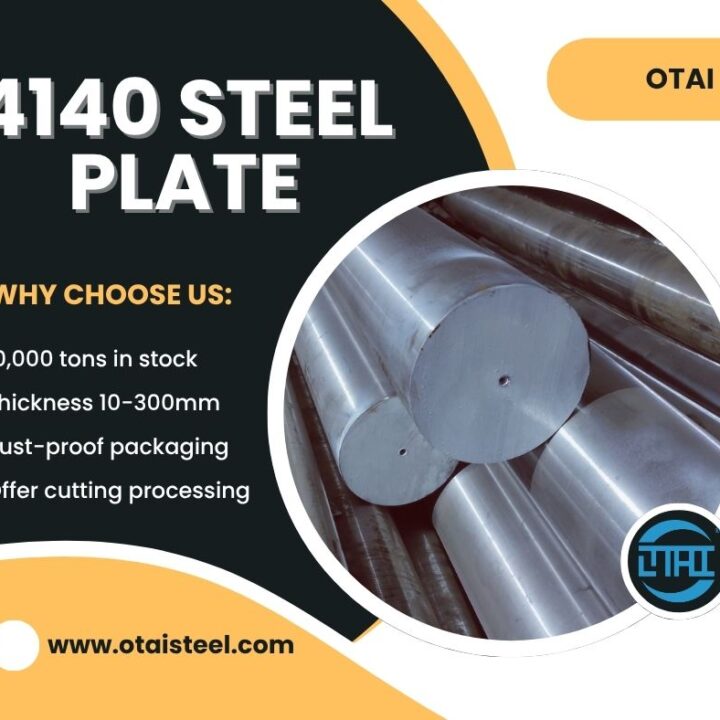
- 10,000+ tons of stock: inventory across the company’s steel product range, with availability confirmed for the specific grade and dimensions.
- 20 saw cutting machines: cutting support for customers who need material prepared to specified sizes.
- CNC machining and grinding: processing options that can be discussed according to the component drawing and required tolerances.
- Custom size and tolerance support: coordination for project-specific dimensions and machining allowances.
- One-stop service: coordination of material supply, relevant processing, inspection, and packaging requirements.
- International supply experience: exports to more than 54 countries since 1999.
- Quality and inspection support: material documentation, quality checks, ultrasonic testing, and third-party inspection arrangements can be discussed according to the order specification.
These capabilities can help purchasing teams coordinate several requirements through one supplier. However, buyers should confirm which services apply to their specific A2 order, particularly where a project requires special tolerances, non-destructive testing, or a defined heat-treatment condition.
Information to include in your quotation request
To help Otai evaluate the order efficiently, provide the following details:
- A2 grade designation and governing material standard.
- Required plate thickness, width, length, and quantity.
- Delivery condition and any specified incoming hardness requirements.
- Cutting dimensions, tolerances, and machining allowance.
- Material certificate, traceability, and additional inspection requirements.
- Packaging instructions, destination country, and target delivery date.
With this information, the team can review the required dimensions, confirm current availability, and clarify the processing and documentation scope. For general company information, visit the Otai Special Steel website and contact the team with your A2 steel plate requirements.
❓ Frequently Asked Questions
1. What should I look for in an A2 tool steel stockist?
Check the supplier’s current stock availability, grade and standard confirmation, plate dimensions, delivery condition, material certification, and cutting options. For international orders, also review packaging, traceability, inspection arrangements, and delivery coordination. Compare quotations against the same specification rather than choosing on price alone.
2. What A2 steel plate thicknesses does Otai currently stock?
Otai’s current A2 inventory includes steel plate in thicknesses from 8 mm to 200 mm. Actual availability depends on the required dimensions and quantity, so confirm the stock position before placing an order.
3. Is A2 tool steel supplied in an annealed condition?
A2 tool steel is commonly supplied in an annealed condition for machining before hardening, but the available condition should be confirmed for the specific order. State the required supply condition and any hardness limits in the inquiry so the supplier can confirm whether the offer meets your requirements.
4. Is A2 tool steel interchangeable with D2 or O1?
No. A2, D2, and O1 have different compositions, hardening characteristics, and performance profiles. A2 often provides a balance of wear resistance and toughness, while D2 is commonly chosen for high wear resistance and O1 uses an oil-hardening process. Any substitution should follow a technical review of the component’s performance requirements and heat-treatment process.
5. How can I obtain an accurate A2 tool steel quotation?
Provide the grade and standard, plate dimensions, quantity, delivery condition, cutting requirements, machining allowance, documentation, inspection scope, packaging, and delivery destination. Include the target delivery date if the order is time-sensitive. Clear specifications help the stockist quote the correct material and services.