 Boring 4140 Steel: Tips, Techniques, and Best Practices
🔍 Introduction
4140 steel is a versatile alloy steel, known for its strength, hardness, and wear resistance. It is used in various industries, such as automotive, aerospace, and heavy machinery. However, boring 4140 steel can be challenging due to its toughness and hardness, especially after heat treatment. Proper techniques and tools are essential to achieve precise results.
In this article, we will discuss how to successfully bore 4140 steel, the challenges involved, and the best practices for machining this material. Whether you’re using CNC machines or carbide tools, this guide will help ensure a smooth boring process.
⚙️ Properties of 4140 Steel for Boring
Before diving into the boring process, it’s essential to understand the properties of 4140 steel that affect machining:
Key Properties of 4140 Steel:
| Property | Value Range |
|---|---|
| Tensile Strength | 930–1200 MPa |
| Hardness | 28–36 HRC (after heat treatment) |
| Yield Strength | 640–850 MPa |
| Machinability | Fair (in annealed state), challenging after heat treatment |
| Wear Resistance | High |
The hardness and strength of 4140 steel make it ideal for high-stress applications. However, these same characteristics make it more difficult to machine, especially when boring. 4140 steel responds well to heat treatment, but it can become harder and more challenging to bore if treated to high hardness levels (above 30 HRC).
🛠️ Best Tools for Boring 4140 Steel
Choosing the right tools is critical when boring 4140 steel. The material’s hardness demands high-performance cutting tools. Below are some of the best options for boring 4140 steel:
1. Carbide Tools
Carbide tools are excellent for boring 4140 steel because they provide superior hardness and wear resistance. These tools can withstand high cutting temperatures and offer better durability than high-speed steel (HSS) tools.
2. CNC Machines
For precise boring and consistent results, CNC machines are ideal. They allow for controlled cutting speeds and feeds, minimizing the risk of tool wear and material deformation. CNC boring machines equipped with carbide inserts can achieve excellent surface finishes and dimensional accuracy.
3. Cobalt Steel Tools
If carbide tools are not an option, cobalt steel tools are a good alternative. Cobalt tools have a higher red-hardness than standard high-speed steel, allowing them to endure higher cutting temperatures.
4. Indexable Inserts
Indexable inserts made from PCD (polycrystalline diamond) or CBN (cubic boron nitride) are useful for hard-to-machine materials like 4140 steel. These inserts provide excellent cutting performance and last longer than traditional inserts.
💡 Tips for Boring 4140 Steel
Boring 4140 steel can be tricky, but with the right techniques and settings, you can achieve smooth, accurate results. Here are some key tips for boring 4140 steel effectively:
1. Choose the Right Speed and Feed Rates
Using the correct cutting speed and feed rate is essential for achieving a smooth finish and prolonging tool life. For 4140 steel, a lower cutting speed is often recommended, especially if the steel is heat-treated to high hardness. Typically, the recommended cutting speed ranges from 80 to 150 SFM (surface feet per minute) for carbide tools.
2. Use Coolant or Lubricant
Proper cooling is crucial when boring 4140 steel to prevent excessive heat buildup, which can cause tool wear and surface finish issues. Use a high-quality cutting fluid or coolant to reduce friction and heat. Flood coolant or through-tool coolant can significantly improve cutting performance.
3. Bore in Stages
When boring deep holes in 4140 steel, it’s a good idea to bore in stages rather than trying to remove the full amount of material in one pass. This approach reduces the cutting load and heat generation, improving tool life and part accuracy.
4. Monitor Tool Wear
Since 4140 steel can be abrasive, tool wear is a concern. Regularly monitor the condition of your tools, especially when working with high-hardness steel. Replace or re-sharpen tools as needed to maintain optimal cutting performance.
5. Use Positive Rake Angles
Using tools with a positive rake angle can improve cutting efficiency and reduce cutting forces. This helps in preventing chatter, tool wear, and poor surface finishes.
🔥 Common Challenges in Boring 4140 Steel
While boring 4140 steel offers great advantages, it also comes with a set of challenges:
1. Tool Wear and Chipping
Due to the hardness of 4140 steel, tools are subjected to wear, especially if not properly selected or if cutting conditions are not optimized. The cutting edges can chip or become dull after prolonged use, reducing machining efficiency and accuracy.
2. Heat Generation
Heat buildup during boring can soften tools and affect the workpiece material. In extreme cases, this can lead to thermal distortion or changes in the material’s microstructure, which may degrade the properties of 4140 steel.
3. Chatter and Vibration
Because of its high tensile strength, 4140 steel can sometimes cause chatter or vibration during the boring process, leading to poor surface finishes or inaccurate hole sizes. Using the right tooling and machine settings can mitigate these issues.
4. Dimensional Control
Achieving precise dimensional control is a common challenge when boring 4140 steel. This is especially true when working with high-hardness grades of 4140, as they are prone to slight dimensional shifts due to heat treatment.
🛠️ CNC Boring 4140 Steel
CNC machines provide a high degree of accuracy and control when boring 4140 steel. Here are the main benefits of using a CNC boring machine for 4140 steel:
1. Consistency
CNC machines offer precise control over cutting parameters, ensuring consistent results across multiple parts.
2. Complex Geometries
CNC machines allow for the machining of complex geometries, including deep holes and multi-step bores, which would be challenging with manual processes.
3. Automated Process
Once programmed, a CNC machine can run automatically, reducing the need for manual intervention. This saves time and reduces human error.
🏆 Company Advantages
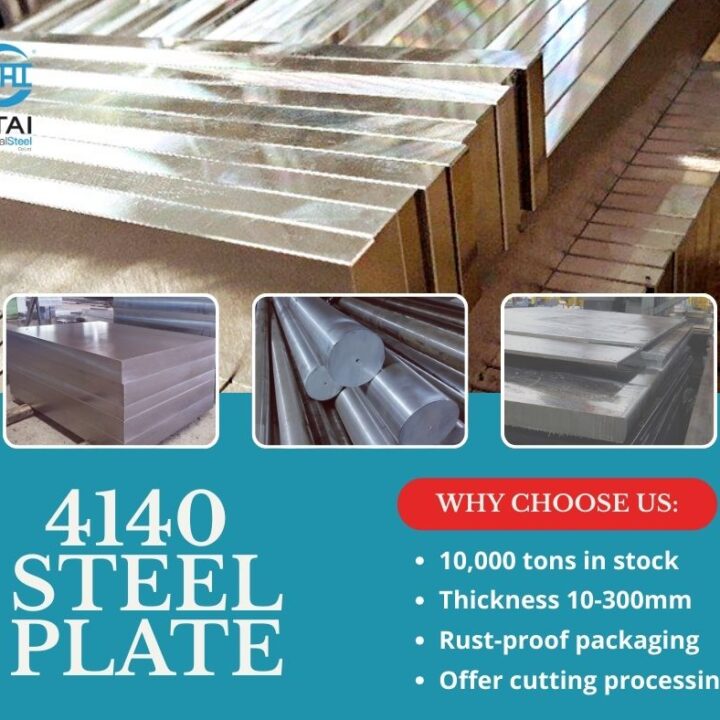
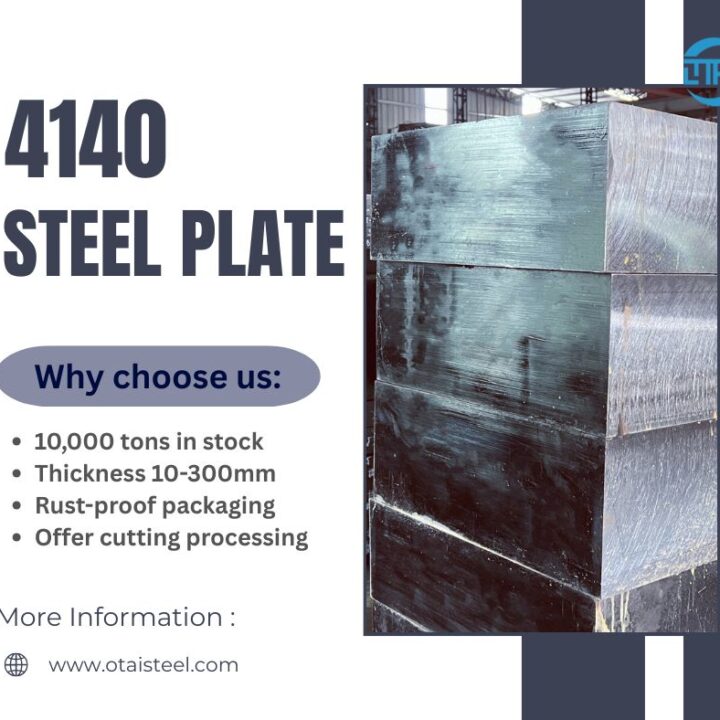
At Otai Special Steel, we offer high-quality 4140 steel that is ideal for a wide range of applications, including boring and other machining processes. Here’s why you should choose us:
- Large Inventory: We maintain over 10,000 tons of 4140 steel, available year-round for your projects.
- Customized Services: We provide cutting, heat treatment, and machining services to meet your specific needs.
- Global Shipping: We offer fast delivery of 4140 steel to industries across the world.
- Rigorous Quality Control: Our 4140 steel undergoes strict testing and third-party inspections to ensure high-quality standards.
❓ FAQ
1. What tools are best for boring 4140 steel?
Carbide tools, CNC machines, and indexable inserts are all excellent choices for boring 4140 steel, offering long tool life and efficient cutting.
2. How do I reduce tool wear when boring 4140 steel?
Using the correct cutting speed, feed rate, and coolant can help minimize tool wear. It’s also essential to monitor tool condition regularly.
3. Can I bore 4140 steel without coolant?
Although it’s possible, using coolant helps to manage heat buildup and extends tool life. It is highly recommended when boring 4140 steel.
4. What is the best way to prevent vibration when boring 4140 steel?
Using the right cutting parameters, tools with positive rake angles, and ensuring proper clamping of the workpiece can help minimize vibration and chatter.
5. How does the hardness of 4140 steel affect the boring process?
Higher hardness in 4140 steel makes the material more difficult to machine, requiring specialized tools and machining techniques.