 What Is the Difference Between 4140 and 5140 Steel: Composition, Properties, and Applications
🔍 Introduction
Understanding what is the difference between 4140 and 5140 steel is essential for engineers and buyers selecting the right alloy for strength, toughness, and cost efficiency. Both are medium-carbon alloy steels, but their alloying elements and performance characteristics differ significantly.
This article provides a clear and practical comparison, covering composition, mechanical properties, heat treatment behavior, and real-world applications.
⚙️ Overview of 4140 and 5140 Steel
Both materials belong to the AISI alloy steel family and are widely used in mechanical engineering.
4140 Steel:
- Chromium-molybdenum alloy steel
- Excellent strength and toughness
- Good hardenability
5140 Steel:
- Chromium alloy steel (no molybdenum)
- Moderate strength
- Good wear resistance
The presence or absence of molybdenum is the key difference.
🧪 Chemical Composition Comparison
The difference between 4140 and 5140 steel composition directly affects performance.
| Element | 4140 (%) | 5140 (%) |
|---|---|---|
| Carbon (C) | 0.38–0.43 | 0.38–0.43 |
| Chromium (Cr) | 0.8–1.1 | 0.7–0.9 |
| Molybdenum (Mo) | 0.15–0.25 | — |
| Manganese (Mn) | 0.75–1.0 | 0.7–0.9 |
Insight:
- 4140 contains molybdenum → better strength and heat resistance
- 5140 lacks molybdenum → lower hardenability
📊 Mechanical Properties Comparison
The 4140 vs 5140 steel strength comparison highlights key differences.
| Property | 4140 Steel | 5140 Steel |
|---|---|---|
| Tensile Strength | 850–1100 MPa | 700–950 MPa |
| Yield Strength | 650–900 MPa | 500–750 MPa |
| Hardness (HRC) | 28–50 | 25–45 |
| Toughness | High | Moderate |
Conclusion:
4140 generally offers superior strength and toughness.
🔥 Heat Treatment Differences
The 4140 vs 5140 heat treatment differences are important in performance.
4140 Steel:
- Better response to quenching and tempering
- Deeper hardening capability
- More uniform properties
5140 Steel:
- Shallower hardening depth
- Less stable at high temperatures
Insight:
4140 performs better in demanding heat-treated applications.
⚖️ Hardness and Toughness Comparison
The 4140 vs 5140 hardness and toughness comparison shows:
- 4140 → higher toughness and fatigue resistance
- 5140 → adequate hardness but lower impact resistance
This makes 4140 more suitable for high-stress environments.
🛠️ Machinability and Weldability
The 4140 vs 5140 machinability and weldability comparison:
Machinability:
- Both steels machine well in annealed condition
- 5140 is slightly easier to machine
Weldability:
- 4140 requires preheating and post-weld treatment
- 5140 has similar welding requirements but slightly lower cracking risk
Practical Tip:
Use controlled welding procedures for both materials.
🏭 Applications of 4140 and 5140 Steel
The applications of 4140 and 5140 steel vary based on performance needs.
4140 Steel Applications:
- Heavy-duty shafts
- Gears and crankshafts
- Oil and gas equipment
- High-strength bolts
5140 Steel Applications:
- Automotive components
- Medium-load shafts
- General machinery parts
Conclusion:
4140 is preferred for high-performance applications.
🧭 Which Is Better: 4140 or 5140 Steel?
The question which is better 4140 or 5140 steel depends on application.
Choose 4140 when:
- High strength is required
- Fatigue resistance is critical
- Heat treatment performance matters
Choose 5140 when:
- Cost is a concern
- Moderate strength is sufficient
- Machinability is prioritized
🔄 Equivalent Grades
The 4140 and 5140 steel equivalent grades help in global sourcing.
| Grade | Equivalent |
|---|---|
| 4140 | 42CrMo4 (EN), SCM440 (JIS) |
| 5140 | 41Cr4 (EN), SCr440 (JIS) |
These equivalents provide similar performance across standards.
⚠️ Common Mistakes in Material Selection
- Ignoring alloy composition differences
- Selecting based on cost alone
- Overlooking heat treatment requirements
- Not considering fatigue performance
Avoiding these ensures better material selection.
🏆 Company Advantages
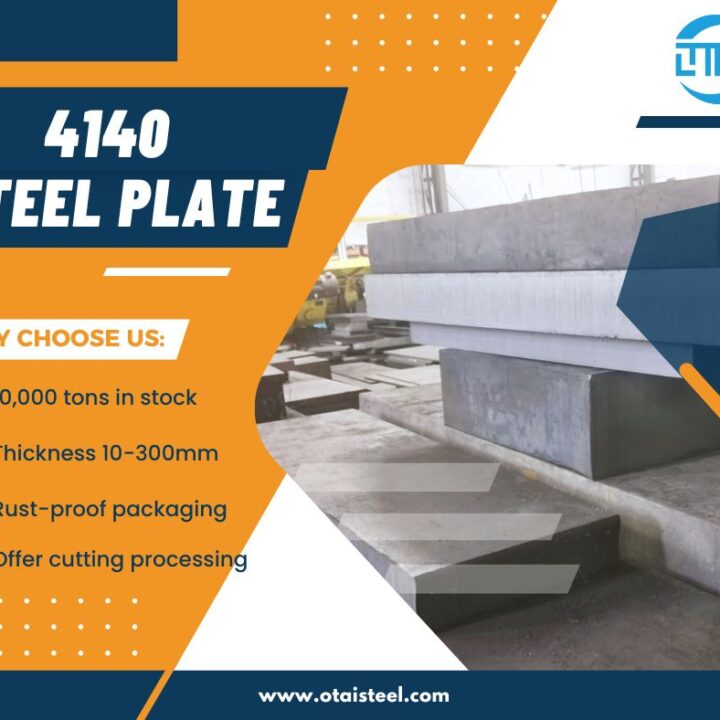
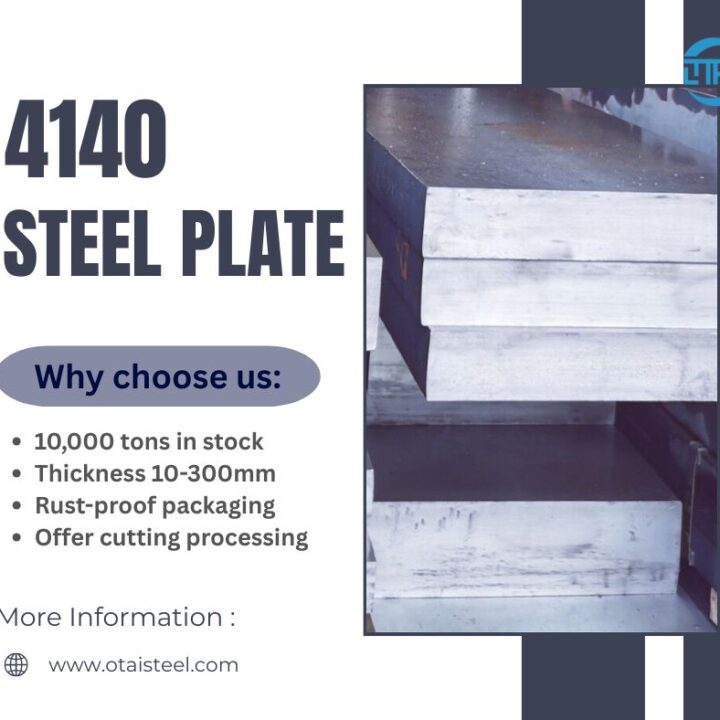
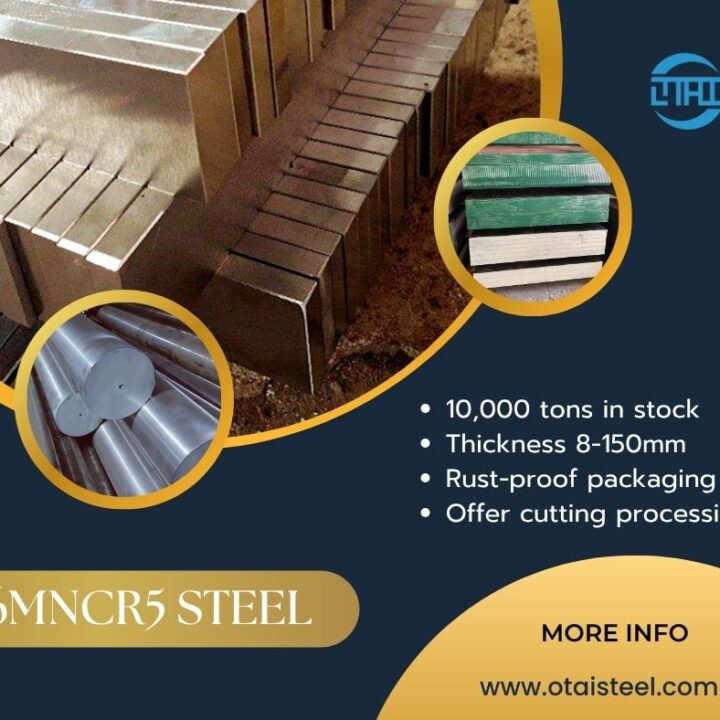
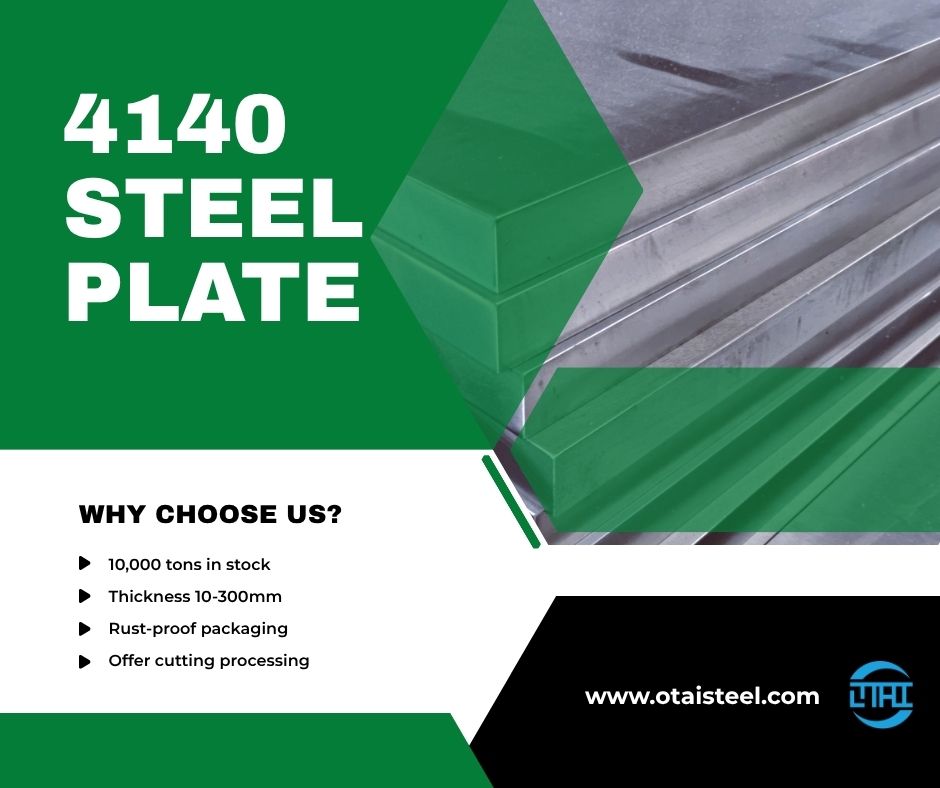
At Otai Special Steel, we supply both 4140 and 5140 steel with consistent quality:
- Over 10,000 tons of inventory available year-round
- Full size range from 6mm to 300mm
- Precision cutting and customized heat treatment services
- Strict quality control including ultrasonic testing (UT) and chemical analysis
- Support for third-party inspections such as SGS
- Extensive experience supplying global industrial clients
We help customers choose the right material for optimal performance.
❓ FAQ
1. What is the main difference between 4140 and 5140 steel?
4140 contains molybdenum, giving it better strength and hardenability.
2. Which steel is stronger?
4140 steel is generally stronger and tougher.
3. Is 5140 cheaper than 4140?
Yes, due to simpler composition.
4. Can 5140 replace 4140?
Only in less demanding applications.
5. Which is better for high-stress applications?
4140 is the better choice due to superior performance.