 16MnCr5 and 20MnCr5: Key Differences for Case Hardening Steel Selection
When comparing 16MnCr5 and 20MnCr5, engineers often focus on carbon content, hardenability, and final performance after heat treatment. Both steels belong to the carburizing category, but they offer different strength levels and application suitability.
Understanding the differences between 16MnCr5 and 20MnCr5 helps you select the right material for gears, shafts, and other critical components.
🛠️ Overview of 16MnCr5 and 20MnCr5
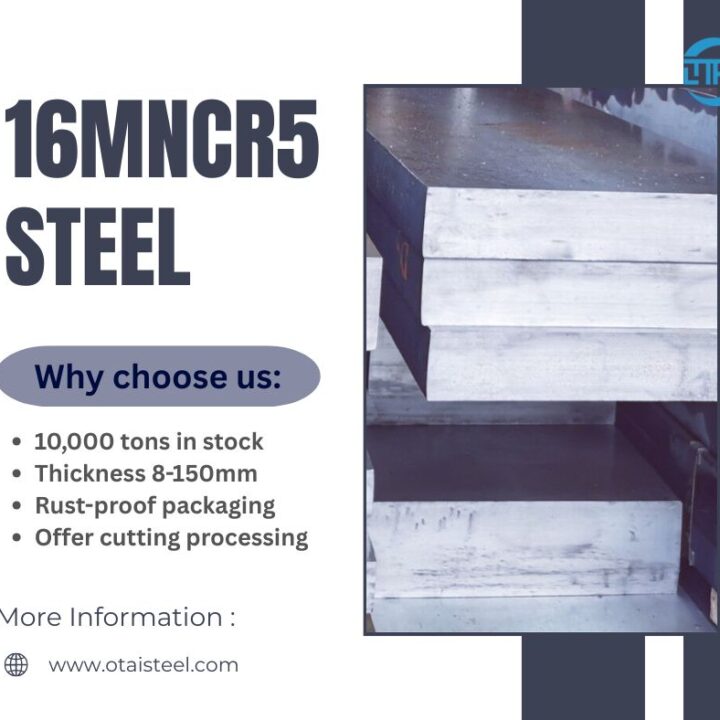
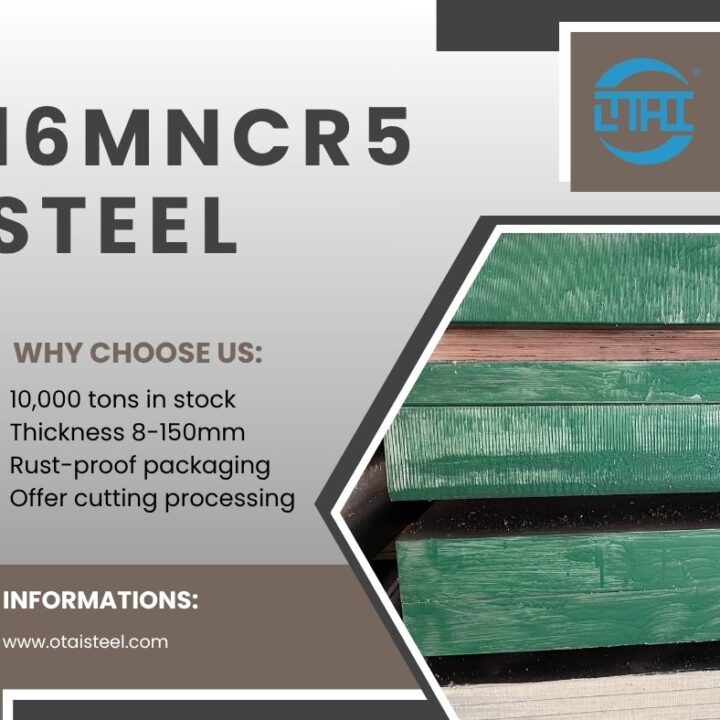
16MnCr5 steel is a low-carbon alloy steel widely used for case hardening. It provides a tough core and a wear-resistant surface after carburizing.
20MnCr5 steel contains slightly higher carbon content, which improves strength and hardness after heat treatment. Manufacturers use it in applications that require higher load capacity.
⚙️ Chemical Composition Comparison
The primary difference between 16MnCr5 and 20MnCr5 lies in their carbon content and alloy balance.
| Element | 16MnCr5 (%) | 20MnCr5 (%) |
|---|---|---|
| Carbon (C) | 0.14 – 0.19 | 0.17 – 0.22 |
| Silicon (Si) | 0.15 – 0.40 | 0.15 – 0.40 |
| Manganese (Mn) | 1.00 – 1.30 | 1.10 – 1.40 |
| Chromium (Cr) | 0.80 – 1.10 | 1.00 – 1.30 |
| Phosphorus (P) | ≤ 0.025 | ≤ 0.025 |
| Sulfur (S) | ≤ 0.035 | ≤ 0.035 |
The higher carbon content in 20MnCr5 steel increases hardness and strength after carburizing.
🔧 Mechanical Properties Comparison
The mechanical performance difference between 16MnCr5 and 20MnCr5 becomes clear after heat treatment.
| Property | 16MnCr5 | 20MnCr5 |
|---|---|---|
| Surface Hardness | 58–62 HRC | 58–63 HRC |
| Core Strength | Moderate | Higher |
| Hardenability | Good | Better |
| Toughness | Good | Slightly lower |
| Fatigue Strength | Good | Higher |
You should choose 20MnCr5 steel when higher strength and fatigue resistance are required.
🧰 Heat Treatment Differences
Both steels respond well to carburizing, but 20MnCr5 steel offers deeper hardening due to its composition.
| Parameter | 16MnCr5 | 20MnCr5 |
|---|---|---|
| Carburizing Temp | 880 – 930°C | 880 – 930°C |
| Case Depth | Medium | Deeper |
| Core Hardness | Lower | Higher |
| Distortion Control | Good | Slightly more sensitive |
You must carefully control heat treatment when working with 20MnCr5 steel to avoid distortion.
🔩 Application Comparison
The selection between 16MnCr5 and 20MnCr5 depends on load conditions and performance requirements.
| Application | 16MnCr5 | 20MnCr5 |
|---|---|---|
| Automotive Gears | Standard load | Heavy-duty load |
| Shafts | General machinery | High-strength applications |
| Gearboxes | Medium-duty systems | High-load systems |
| Industrial Equipment | Cost-effective solutions | High-performance components |
Use 16MnCr5 steel for cost-sensitive applications. Choose 20MnCr5 steel for higher stress environments.
💡 How to Choose Between 16MnCr5 and 20MnCr5
When deciding between 16MnCr5 and 20MnCr5, consider the following:
- Select 16MnCr5 steel for better toughness and easier machining
- Choose 20MnCr5 steel for higher strength and fatigue resistance
- Evaluate heat treatment capability and distortion control
- Balance cost with performance requirements
Making the right choice improves durability and reduces maintenance costs.
🌍 Advantages of Each Material
Both 16MnCr5 and 20MnCr5 offer distinct advantages:
- 16MnCr5 steel: Better machinability, lower cost, stable performance
- 20MnCr5 steel: Higher strength, deeper hardening, better fatigue resistance
You should match material selection to your specific application needs.
🏆 Company Advantages
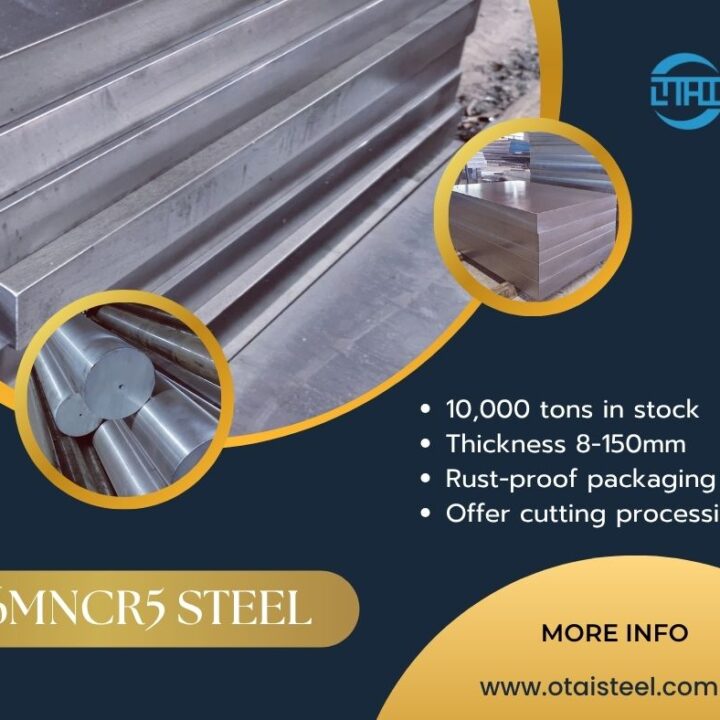
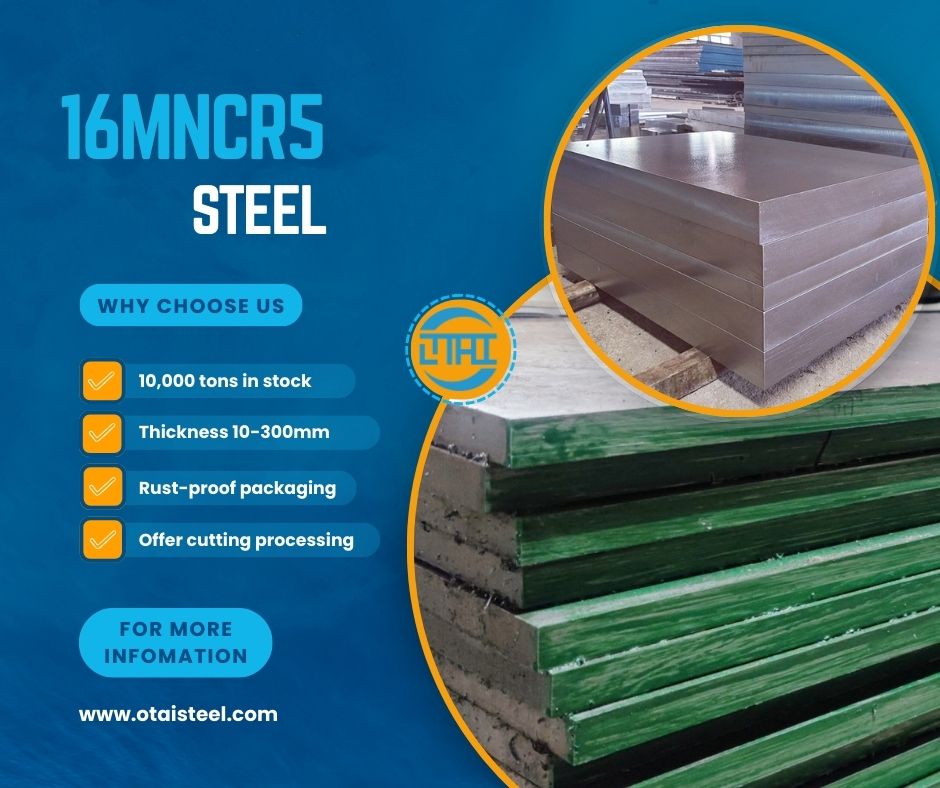
At Otai Special Steel, we supply both 16MnCr5 steel and 20MnCr5 steel with consistent quality and fast delivery. Our advantages include:
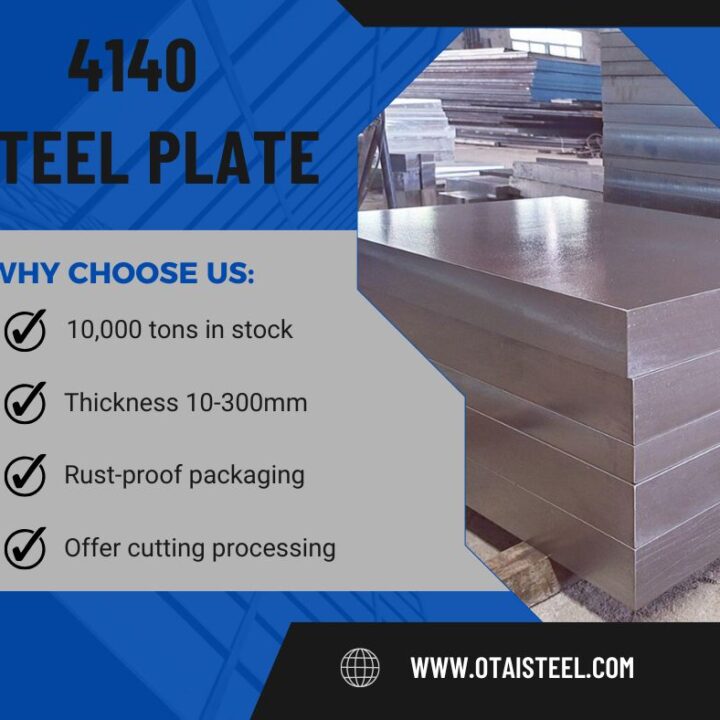
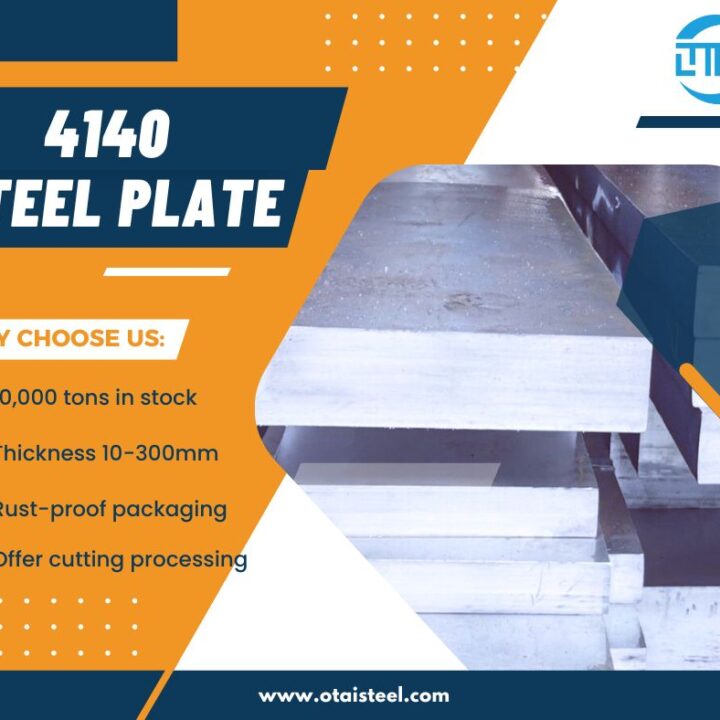
- Large Inventory: Over 10,000 tons of alloy steel ready for immediate shipment.
- Custom Processing: Cutting, heat treatment, and machining services available.
- Strict Quality Control: Ultrasonic testing (UT) and chemical verification for each batch.
- Global Supply Experience: Reliable export service for international customers.
- Competitive Pricing: Cost-effective solutions for both standard and high-performance steels.
🤔 FAQ
Q1: What is the main difference between 16MnCr5 and 20MnCr5?
A1: The main difference is carbon content. 20MnCr5 steel has higher carbon, which increases strength and hardness.
Q2: Which steel is better for heavy-duty gears?
A2: 20MnCr5 steel is better suited for heavy-duty gear applications due to its higher fatigue strength.
Q3: Is 16MnCr5 easier to machine?
A3: Yes, 16MnCr5 steel offers better machinability compared to 20MnCr5 steel.