 4140 Steel Plate’s Thickness – Choosing the Right Thickness for Industrial Applications
The selection of 4140 steel plate thickness directly affects component strength, machining efficiency, heat treatment response, and overall manufacturing cost. Engineers, fabricators, and procurement specialists often evaluate thickness requirements before purchasing alloy steel plates because thickness influences both performance and production methods.
4140 alloy steel combines high strength, good toughness, excellent hardenability, and reliable wear resistance. These characteristics make it one of the most widely used engineering steels for heavy-duty industrial applications. However, choosing the correct 4140 steel plate thickness is just as important as selecting the right steel grade.
Whether a project requires thin precision-machined plates or thick heavy-duty structural sections, understanding thickness availability, mechanical performance, and processing considerations helps buyers make better decisions and reduce manufacturing risks.
🔵 Why Thickness Matters in 4140 Steel Plates
Plate thickness affects nearly every stage of production. Thicker plates typically provide greater load-bearing capacity and improved rigidity, while thinner plates reduce weight and simplify machining operations.
The selected 4140 steel plate thickness also influences heat treatment performance. As thickness increases, cooling rates decrease during quenching. Engineers often adjust heat treatment parameters to ensure consistent hardness throughout the material.
| Thickness Impact | Effect on Performance |
|---|---|
| Increased Thickness | Higher strength and rigidity |
| Reduced Thickness | Lower weight |
| Thicker Sections | Longer machining time |
| Thin Sections | Easier fabrication |
🟢 Common 4140 Steel Plate Thickness Range
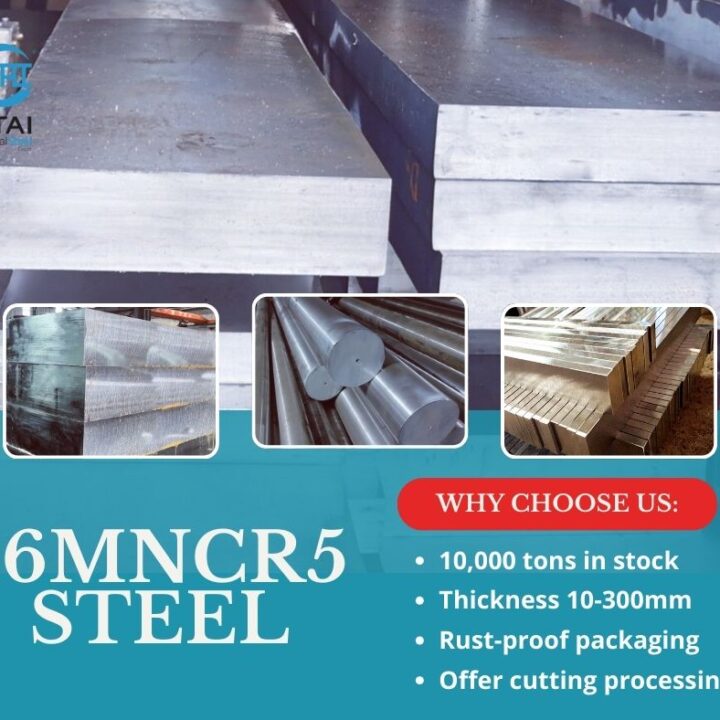
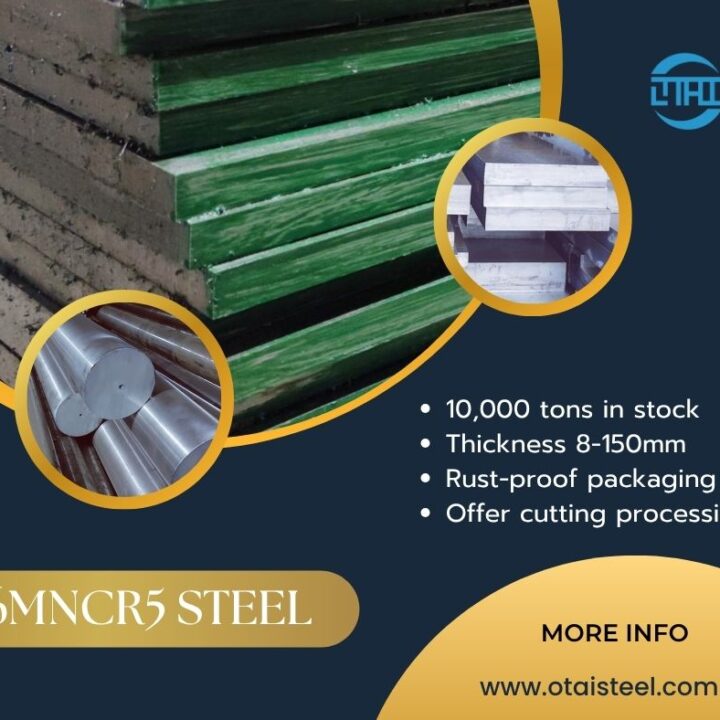
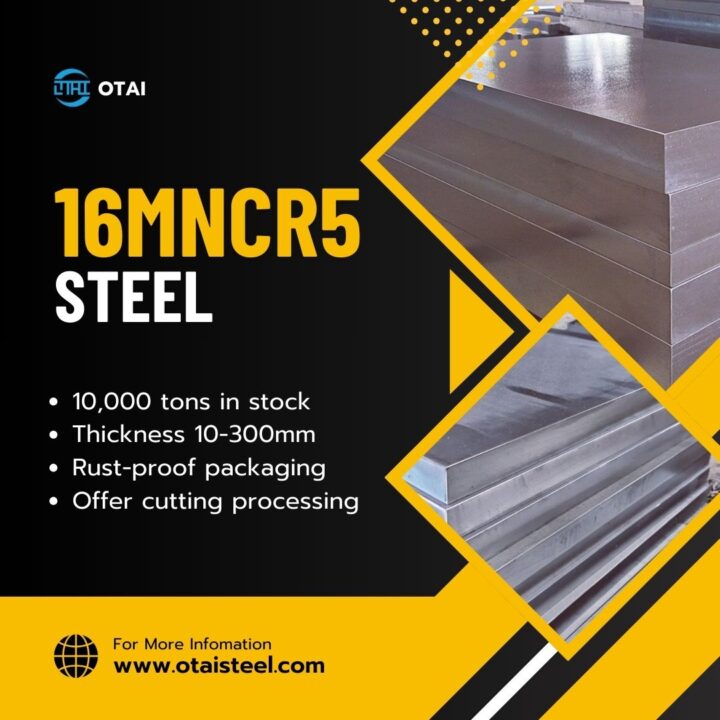
Steel distributors normally stock a wide range of plate sizes to meet different industrial requirements. The available 4140 steel plate thickness range varies depending on supplier inventory and production capabilities.
Most industrial applications fall within standard thickness ranges because these sizes offer the best balance between availability and cost efficiency.
| Thickness Range | Typical Application |
|---|---|
| 10–20 mm | Machined parts |
| 20–50 mm | Industrial components |
| 50–100 mm | Heavy equipment |
| 100–300 mm | Large engineering structures |
🟠 Mechanical Properties and Thickness Relationship
Mechanical properties remain one of the primary considerations when selecting 4140 steel plate thickness. While the alloy composition remains unchanged, thickness can influence heat treatment uniformity and hardness distribution.
Thicker sections often require more carefully controlled quenching procedures to achieve the desired mechanical properties. Modern heat treatment techniques help maintain excellent strength even in large cross-sections.
| Property | Typical Performance |
|---|---|
| Tensile Strength | High |
| Yield Strength | High |
| Toughness | Excellent |
| Wear Resistance | Good |
| Hardenability | Excellent |
🟣 Choosing Thickness Based on Application
Different industries require different plate dimensions. Selecting the correct 4140 steel plate thickness improves performance while avoiding unnecessary material costs.
Manufacturers often choose thinner plates for precision-machined components and thicker plates for load-bearing structures. Engineering calculations, expected loads, and safety factors all influence the final selection.
| Industry | Preferred Thickness Range |
|---|---|
| Machinery Manufacturing | 20–60 mm |
| Mining Equipment | 50–150 mm |
| Oil & Gas | 30–120 mm |
| Heavy Engineering | 80–300 mm |
🔷 Machining Considerations for Different Plate Thicknesses
Machining requirements often change significantly as 4140 steel plate thickness increases. Thin plates generally require less cutting time and lower machining costs, while thicker plates demand more powerful equipment and longer processing cycles.
Many manufacturers purchase oversized plates and then machine them to final dimensions. In these situations, selecting the appropriate starting thickness helps reduce material waste and improve production efficiency. A plate that is excessively thick may increase machining costs unnecessarily, while a plate that is too thin may fail to meet design requirements.
Engineers also consider dimensional stability during machining. Thicker sections may retain more internal stress, especially after heat treatment. Proper stress-relief procedures help minimize distortion and maintain dimensional accuracy.
| Thickness Category | Machining Characteristics |
|---|---|
| 10–20 mm | Fast machining and low material removal |
| 20–50 mm | Balanced processing efficiency |
| 50–100 mm | Moderate machining time |
| 100 mm+ | Heavy-duty machining required |
🔴 Heat Treatment and Thickness Considerations
Heat treatment performance remains closely connected to 4140 steel plate thickness. One reason engineers choose 4140 alloy steel is its excellent hardenability. Chromium and molybdenum improve the steel’s ability to develop strength and hardness even in relatively thick sections.
However, as plate thickness increases, cooling rates become slower during quenching. Heat treatment specialists may adjust quenching methods, holding times, and tempering cycles to ensure consistent mechanical properties throughout the plate.
For critical applications, manufacturers often perform hardness testing at multiple locations to verify that the desired properties extend through the required section depth.
| Thickness Range | Heat Treatment Consideration |
|---|---|
| 10–30 mm | Rapid and uniform cooling |
| 30–80 mm | Standard quenching procedures |
| 80–150 mm | Enhanced process control |
| 150 mm+ | Careful hardness verification required |
⚙️ Why 2-Inch 4140 Steel Plates Are Popular
Among the many available sizes, a 2-inch plate remains one of the most frequently requested options. A 2-inch 4140 steel plate thickness provides an excellent balance between strength, machinability, and material availability.
Many industrial manufacturers use 2-inch plates to produce machine bases, wear components, tooling structures, support brackets, and custom-engineered parts. The thickness offers enough material for extensive machining while maintaining manageable production costs.
Because of its popularity, many stockists keep 2-inch 4140 plates readily available for fast delivery. This availability helps manufacturers shorten procurement cycles and reduce project lead times.
| Advantages of 2-Inch Plates | Benefit |
|---|---|
| Good Strength | Supports heavy loads |
| Easy Availability | Shorter lead times |
| Machining Allowance | Suitable for custom parts |
| Versatile Applications | Used across multiple industries |
📈 Factors Affecting Material Selection
Selecting the right 4140 steel plate thickness requires evaluating several technical and economic factors. Design engineers often analyze load conditions, expected service life, fabrication methods, and overall project budget before making a final decision.
Material availability also plays an important role. Standard thicknesses generally offer lower costs and shorter lead times because suppliers stock them more frequently. Custom thicknesses may require special production schedules, increasing procurement time and cost.
A successful material selection strategy balances performance requirements with manufacturing efficiency and inventory availability.
| Selection Factor | Importance |
|---|---|
| Load Requirements | Very High |
| Machining Needs | High |
| Heat Treatment Requirements | High |
| Material Cost | High |
| Inventory Availability | Very High |
🏭 Company Advantages – Otai Special Steel
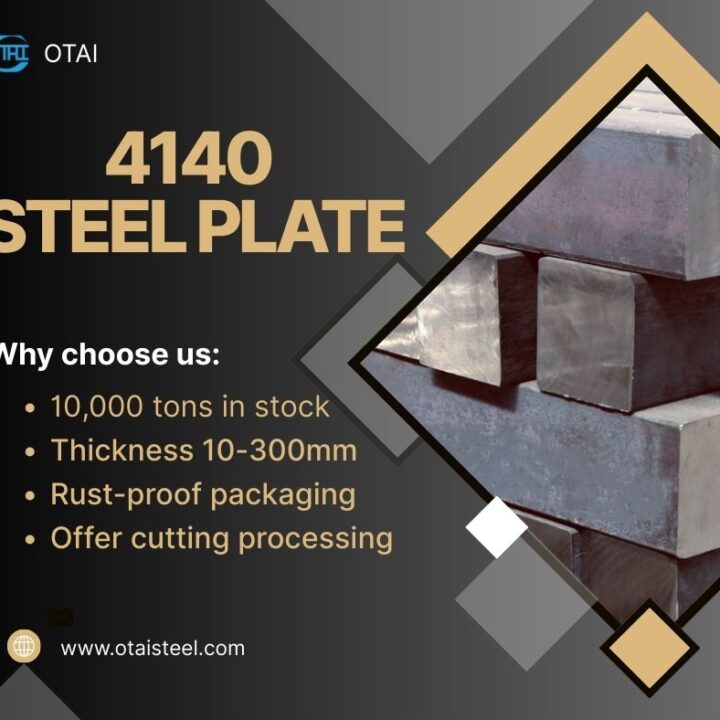
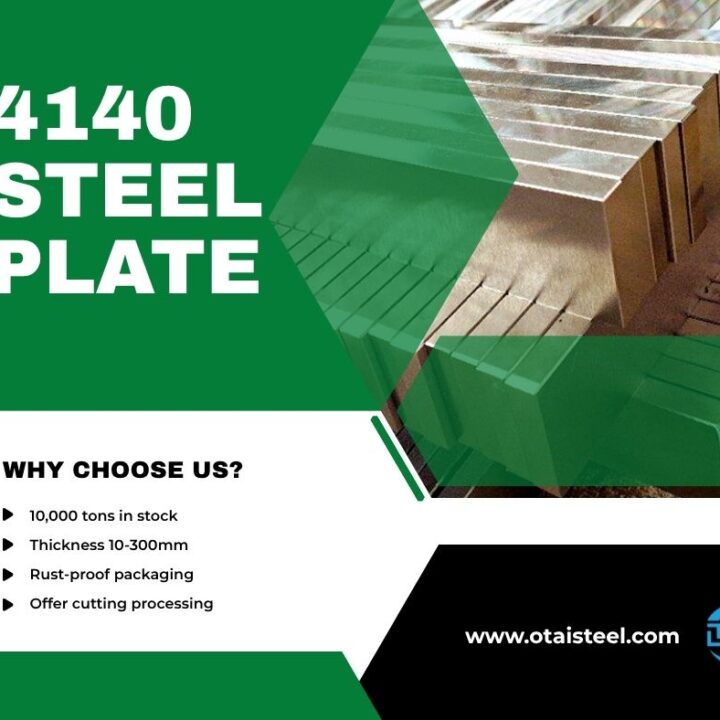
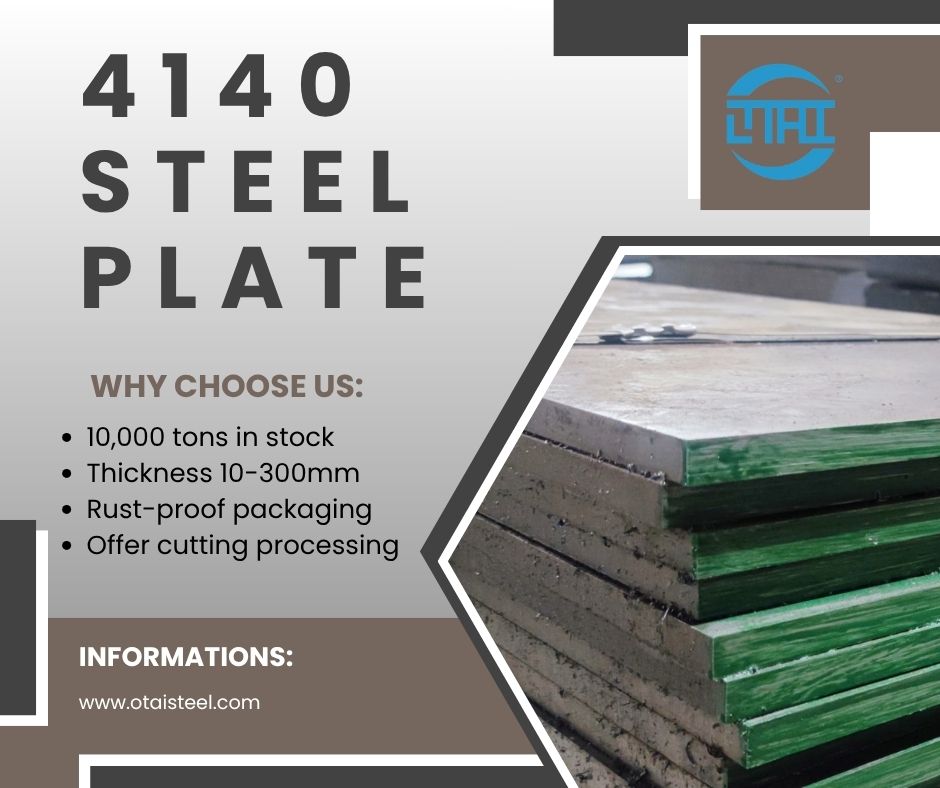
- 📦 More than 10,000 tons of alloy steel inventory in various sizes
- 📏 4140 steel plates available in multiple thickness ranges
- ✂️ Precision cutting services according to customer drawings
- 🔥 Heat treatment and machining support available
- 🔬 Ultrasonic testing and third-party inspection services
- 📦 Anti-rust packaging, strap packaging, and wooden box packaging available
- 🌍 Extensive experience supplying Fortune Global 500 customers and international industrial projects
❓ FAQ – 4140 Steel Plate Thickness
1. What is the most common 4140 steel plate thickness?
Many industrial applications use thicknesses between 20 mm and 100 mm, although the optimal size depends on the specific design requirements.
2. Can thick 4140 plates still achieve high hardness after heat treatment?
Yes. The excellent hardenability of 4140 steel allows thick sections to develop strong mechanical properties when heat treatment is properly controlled.
3. Is a 2-inch 4140 steel plate suitable for machining?
Yes. A 2-inch plate provides a good balance between strength and machining flexibility, making it popular for custom industrial components.
4. Does plate thickness affect machining costs?
Yes. Thicker plates generally require more machining time, larger equipment, and greater material removal, which can increase production costs.
5. How do I choose the correct 4140 steel plate thickness?
Engineers typically evaluate load conditions, machining requirements, heat treatment needs, and budget considerations before selecting the appropriate thickness.
🏁 Conclusion
Choosing the correct 4140 steel plate’s thickness is essential for achieving the desired balance between strength, durability, machinability, and cost efficiency. Thickness affects structural performance, heat treatment response, manufacturing processes, and overall project success.
By understanding thickness ranges, application requirements, and processing considerations, engineers and buyers can select the most suitable material for their projects. Working with an experienced supplier that maintains extensive inventory and processing capabilities further ensures reliable delivery and consistent product quality.