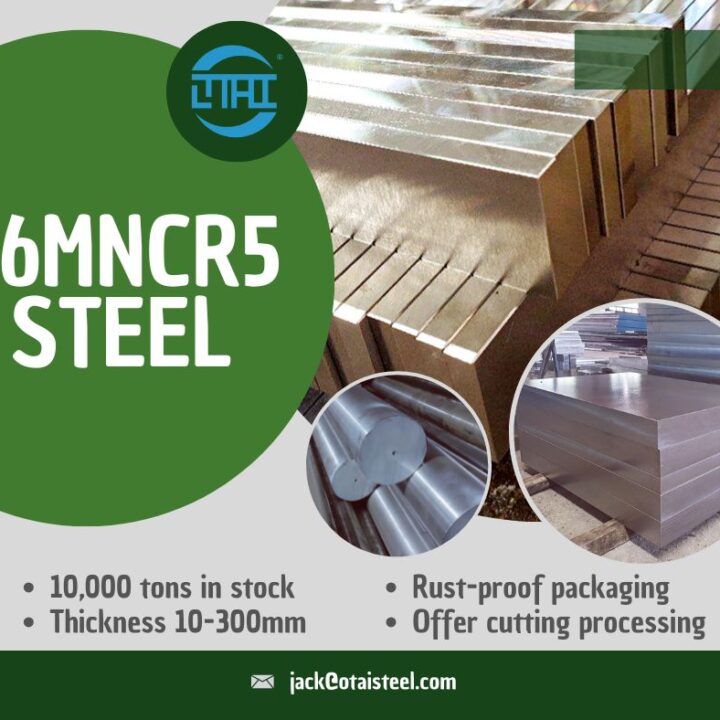
 16MnCr5 heat treatment plays a critical role in achieving the excellent wear resistance, surface hardness, fatigue strength, and core toughness required for gears, shafts, pinions, and transmission components. 16MnCr5 is a low-carbon chromium alloy carburizing steel widely used in automotive, industrial machinery, mining equipment, and heavy-duty mechanical systems.
The material is specifically designed for case hardening applications. After proper heat treatment, the surface develops very high hardness while the core maintains excellent toughness and impact resistance.
The most common heat treatment processes for 16MnCr5 include:
- Annealing
- Normalizing
- Carburizing
- Quenching
- Tempering
- Stress relieving
Proper heat treatment significantly improves:
- Wear resistance
- Surface hardness
- Fatigue life
- Impact toughness
- Load-bearing capacity
- Gear tooth durability
🧪 Chemical Composition Supporting Heat Treatment
The alloy composition of 16MnCr5 provides excellent hardenability and carburizing performance.
| Element | Typical Content (%) | Heat Treatment Function |
|---|---|---|
| Carbon (C) | 0.14 – 0.19 | Supports carburized hardness |
| Manganese (Mn) | 1.00 – 1.30 | Improves hardenability |
| Chromium (Cr) | 0.80 – 1.10 | Enhances wear resistance |
| Silicon (Si) | 0.17 – 0.37 | Improves structural stability |
The chromium-manganese alloy system allows 16MnCr5 steel to achieve deep hardening and excellent surface durability after carburizing.
📊 Typical Heat Treatment Parameters
Different heat treatment processes are used depending on the required hardness and mechanical performance.
| Process | Typical Temperature | Purpose |
|---|---|---|
| Annealing | 650 – 700°C | Improve machinability |
| Normalizing | 850 – 880°C | Refine grain structure |
| Carburizing | 880 – 930°C | Increase surface carbon |
| Quenching | 780 – 820°C | Form martensite |
| Tempering | 150 – 200°C | Reduce brittleness |
Carefully controlled temperatures help achieve stable hardness and long service life.
⚙️ Hardness After Heat Treatment
The hardness of 16MnCr5 steel changes significantly after carburizing and quenching.
| Condition | Typical Hardness | Main Characteristics |
|---|---|---|
| Annealed | 160 – 190 HB | Good machinability |
| Normalized | 190 – 240 HB | Improved strength |
| Carburized Surface | 58 – 62 HRC | Excellent wear resistance |
| Core Hardness | 30 – 45 HRC | High toughness |
The combination of hard surface and tough core makes 16MnCr5 one of the most popular carburizing steels worldwide.
🔬 Microstructure After Heat Treatment
The microstructure of 16MnCr5 steel changes significantly after carburizing and quenching. These microstructural transformations directly influence hardness, fatigue strength, wear resistance, and service life.
| Microstructure | Typical Location | Performance Benefit |
|---|---|---|
| Martensite | Surface Layer | Provides high hardness and wear resistance |
| Tempered Martensite | Transition Zone | Improves toughness and fatigue resistance |
| Ferrite + Pearlite | Core Region | Maintains ductility and impact strength |
The martensitic surface layer is especially important for gear teeth and wear-resistant components operating under repeated stress.
⚙️ Carburizing Process for 16MnCr5 Steel
Carburizing is the most important heat treatment process for 16MnCr5 steel. During carburizing, carbon diffuses into the surface layer at elevated temperatures.
| Carburizing Parameter | Typical Value | Effect |
|---|---|---|
| Temperature | 880 – 930°C | Promotes carbon diffusion |
| Holding Time | Several hours | Controls case depth |
| Case Depth | 0.5 – 2.0 mm | Determines wear resistance |
| Cooling Medium | Oil or polymer | Controls distortion and hardness |
Proper carburizing improves contact fatigue resistance and significantly extends gear service life.
🚗 Industrial Applications of Heat-Treated 16MnCr5
Heat-treated 16MnCr5 steel is widely used in components requiring high surface durability and excellent core toughness.
| Industry | Typical Components | Required Performance |
|---|---|---|
| Automotive | Transmission gears | Fatigue resistance |
| Mining Equipment | Drive shafts | Wear resistance |
| Industrial Machinery | Pinions and couplings | Shock load resistance |
| Agricultural Machinery | Gear systems | Long service life |
| Heavy Equipment | Rotating parts | High load capacity |
The excellent balance between hardness and toughness makes 16MnCr5 one of the most trusted steels for mechanical transmission systems.
🌍 International Equivalent Grades
16MnCr5 steel has several internationally recognized equivalent grades.
| Standard | Equivalent Grade |
|---|---|
| DIN / EN | 16MnCr5 / 1.7131 |
| AFNOR | 16MC5 |
| UNI | 16MnCr5 |
| JIS | Equivalent carburizing steel grades |
These equivalent grades provide similar carburizing performance, hardenability, and mechanical properties.
📈 Benefits of Proper Heat Treatment
Correct heat treatment parameters help maximize the performance of 16MnCr5 steel components.
| Performance Benefit | Industrial Importance |
|---|---|
| High Surface Hardness | Improves wear resistance |
| Tough Core Structure | Prevents brittle fracture |
| Fatigue Resistance | Extends service life |
| Dimensional Stability | Improves machining precision |
| Load Capacity | Supports heavy-duty applications |
Professional heat treatment control is essential for achieving consistent quality and reliable mechanical performance.
🏭 Company Advantages
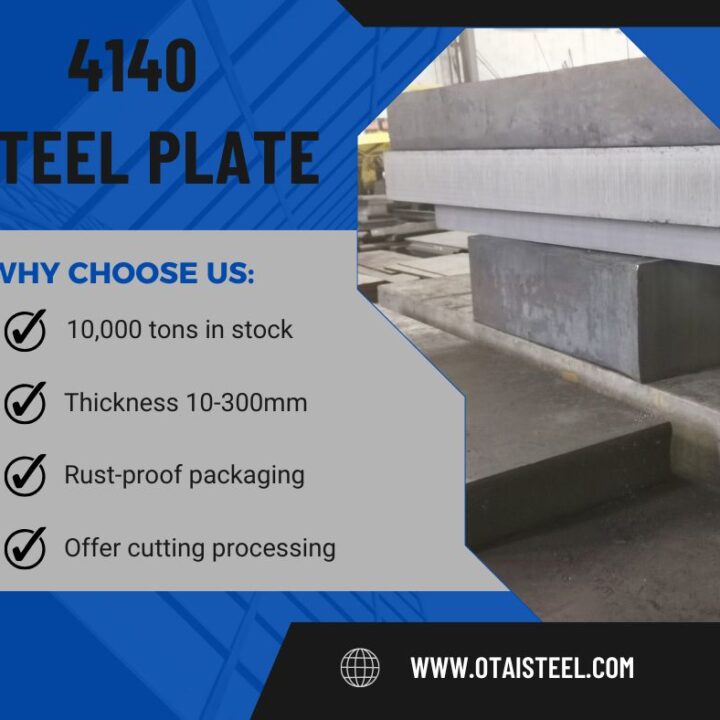
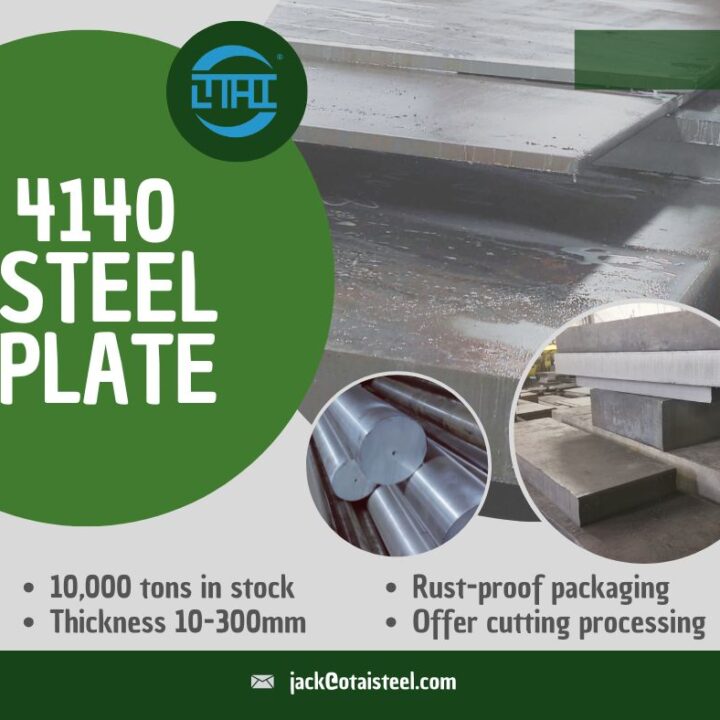
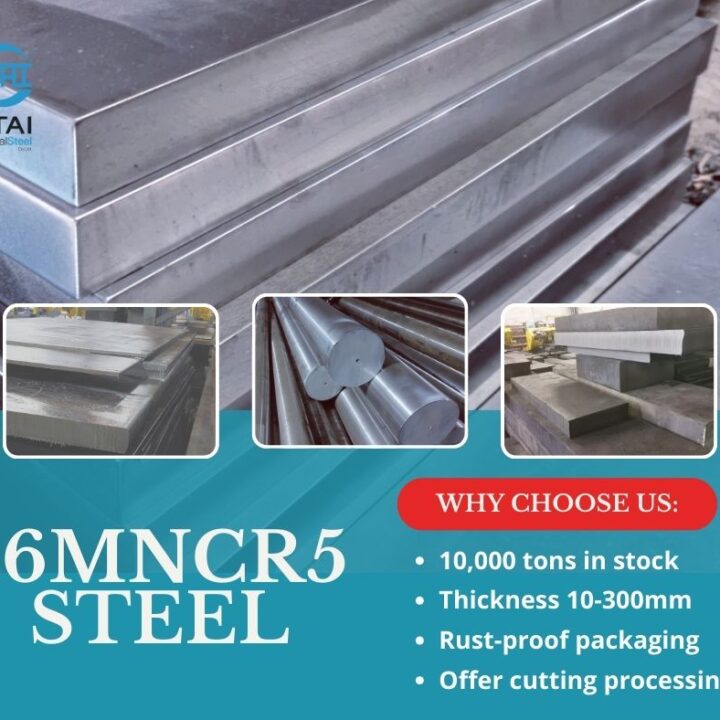
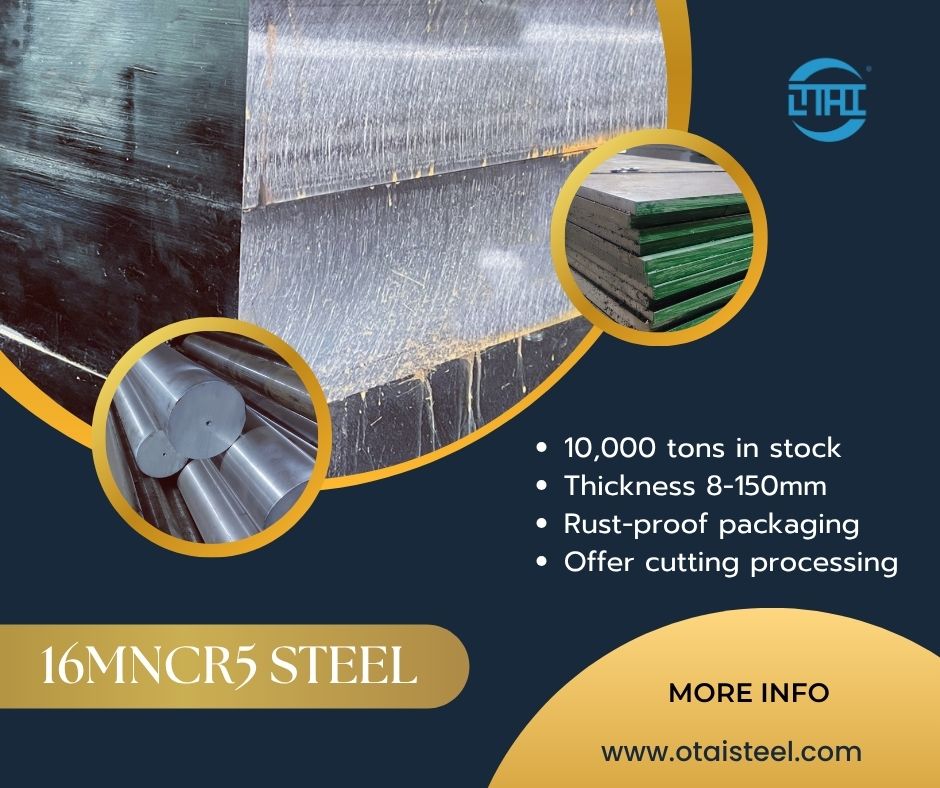
Otai Special Steel supplies high-quality 16MnCr5 carburizing steel for gears, shafts, transmission systems, and heavy-duty industrial machinery applications.
- Large inventory with stable year-round supply
- 8–150mm thickness plates available in stock
- Custom cutting and precision machining services
- Professional carburizing and heat treatment support
- Ultrasonic testing (UT) support
- Chemical composition verification
- Third-party inspection services including SGS
- Professional export packaging and global shipping support
We provide reliable quality, competitive pricing, fast delivery, and customized alloy steel solutions for customers worldwide.
❓ FAQ
Q1: What is the purpose of 16MnCr5 heat treatment?
A1: Heat treatment improves surface hardness, wear resistance, fatigue strength, and overall mechanical performance.
Q2: What heat treatment process is most commonly used for 16MnCr5?
A2: Carburizing followed by quenching and tempering is the most common process.
Q3: What hardness can 16MnCr5 achieve after carburizing?
A3: The carburized surface hardness typically reaches 58–62 HRC.
Q4: Why is a tough core important in 16MnCr5 steel?
A4: A tough core helps absorb impact loads and prevents brittle fracture during service.
Q5: What industries commonly use heat-treated 16MnCr5?
A5: Automotive, mining, industrial machinery, agricultural equipment, and heavy transmission industries commonly use the material.