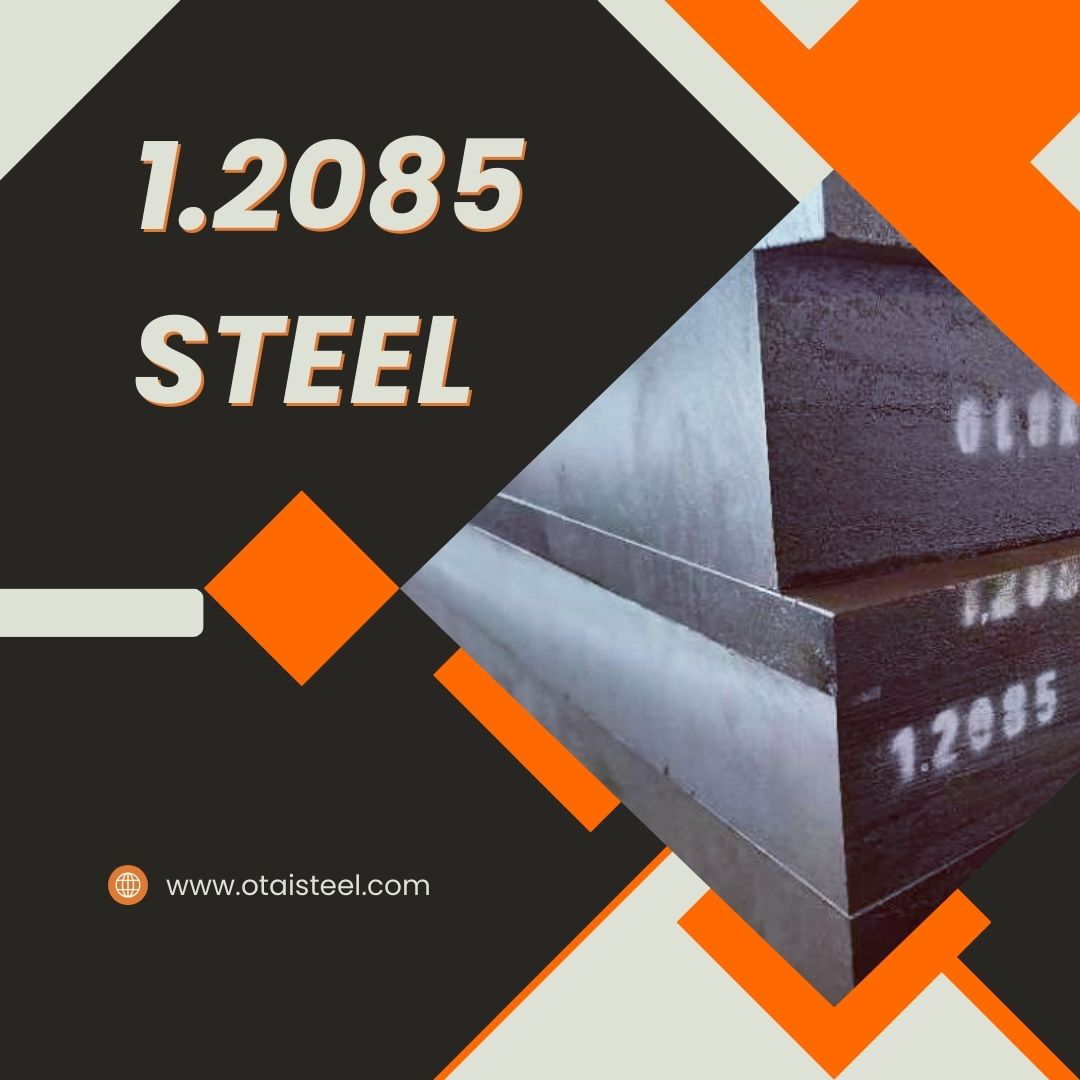
 1.2085 is a type of tool steel, often used in applications that require high wear resistance, such as cutting tools and precision parts. While there isn’t an exact equivalent to 1.2085 steel in ASTM standards, there are similar grades that share some properties and characteristics. The closest ASTM standards that are somewhat comparable to 1.2085 steel include AISI 420 and AISI 440C. These grades are not identical but share certain similarities, especially in terms of corrosion resistance and hardness.
1.2085 Steel
1.2085 is a European grade of stainless tool steel. It’s known for its high wear resistance and good corrosion resistance. This steel is often used in applications where sharp cutting edges and resistance to wear are crucial, such as in the production of knives and surgical instruments. It has a moderately high carbon content, which contributes to its hardness and wear resistance. (1.2085 steel equivalent astm)
ASTM Equivalent Grades
- AISI 420 Stainless Steel:
- AISI 420 stainless steel is a common choice for applications requiring corrosion resistance and moderate wear resistance. It’s not identical to 1.2085, but it shares some characteristics.
- AISI 440C Stainless Steel:
- AISI 440C is another stainless steel grade known for its high hardness and wear resistance. It’s often used in bearing and cutting tool applications.
While these ASTM equivalents have some similarities to 1.2085 steel, it’s important to note that they are not direct matches, and the exact properties may differ. The choice of steel depends on the specific requirements of your application.
1.2085 steel is a European tool steel known for its wear resistance and corrosion resistance. While there isn’t an exact ASTM equivalent, AISI 420 and AISI 440C are somewhat comparable in terms of certain properties. However, when selecting the appropriate steel for your needs, it’s essential to consider the specific requirements and characteristics of your application.
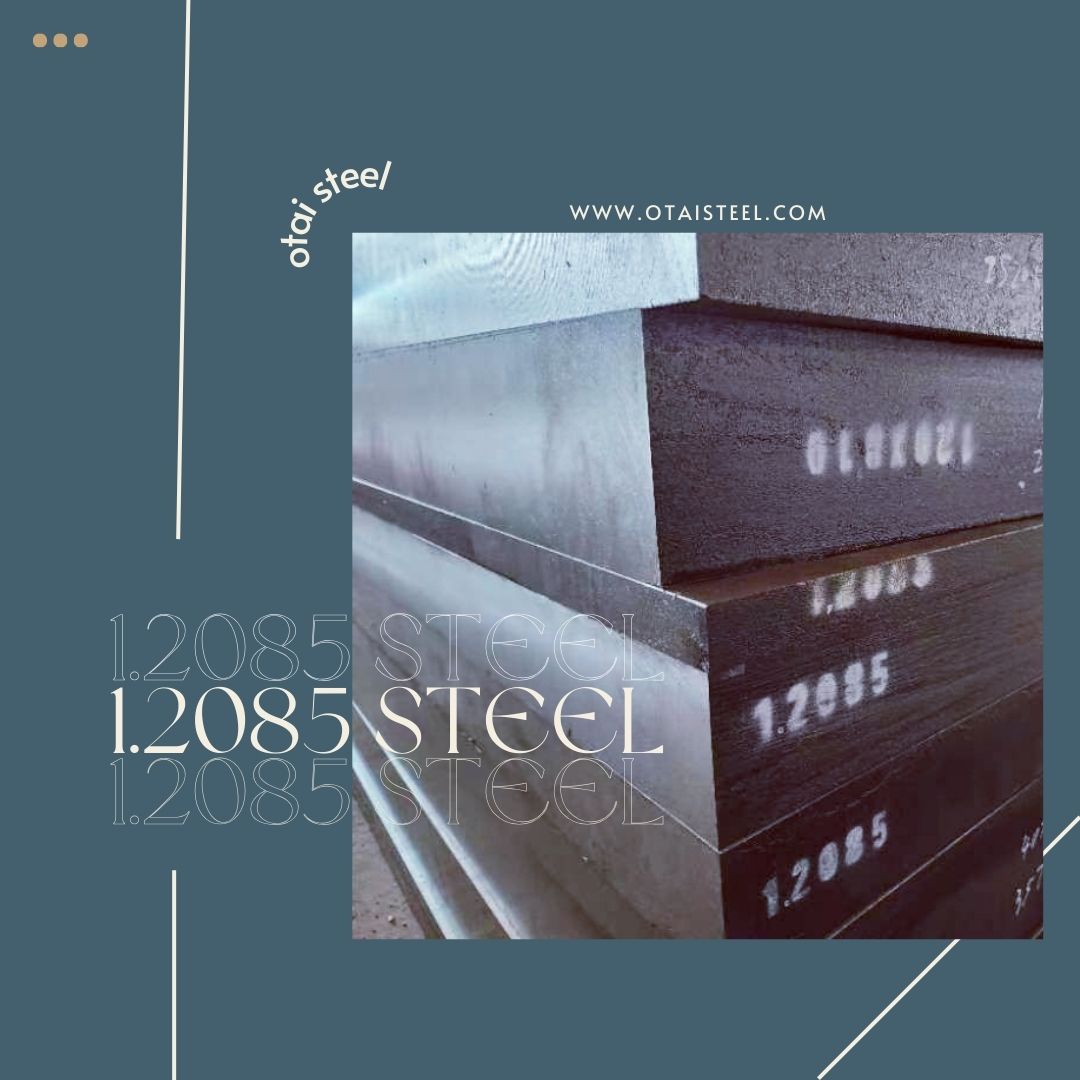 1.2085 steel, known by various names including 420HC and X46Cr13, possesses unique mechanical properties that make it a sought-after material for a wide range of applications. In this article, we’ll dive into the mechanical properties of 1.2085 steel, exploring its hardness, toughness, and more.
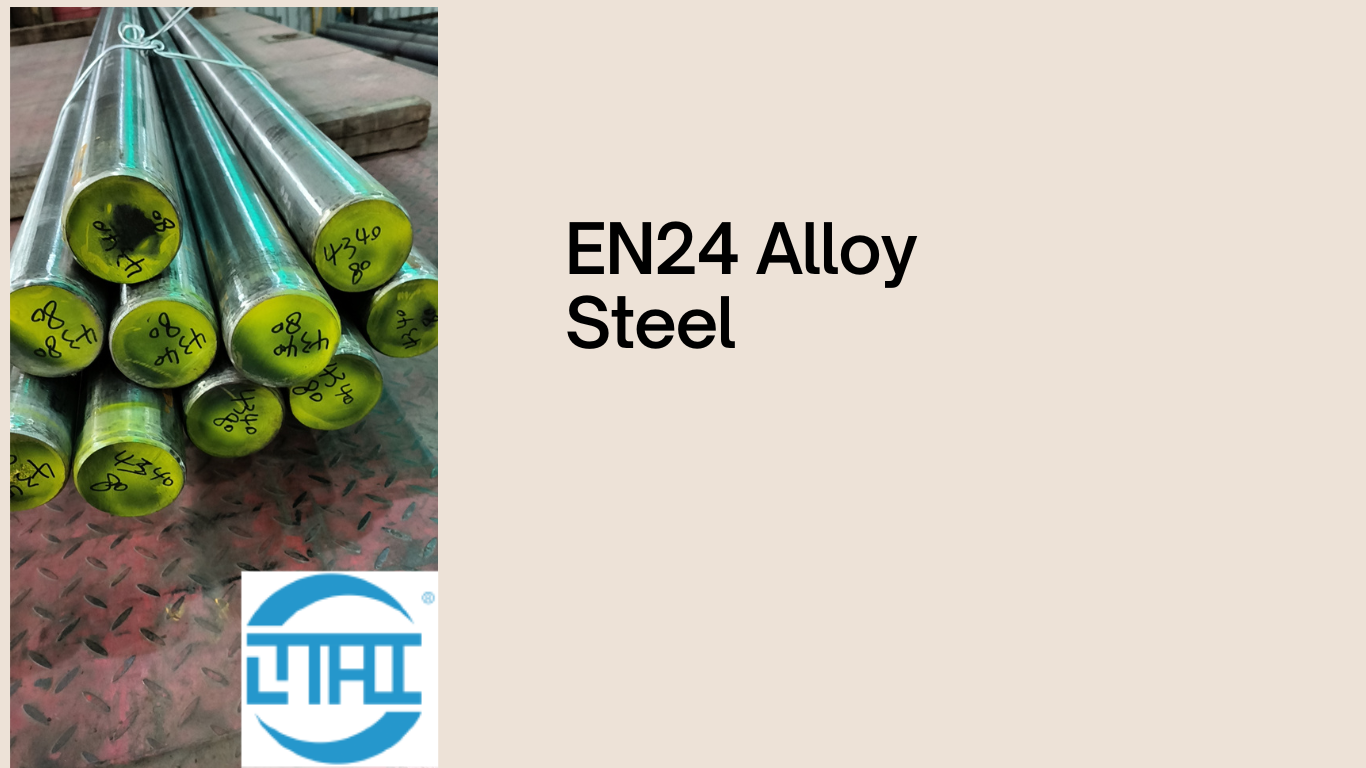
 EN24 Steel Equivalents
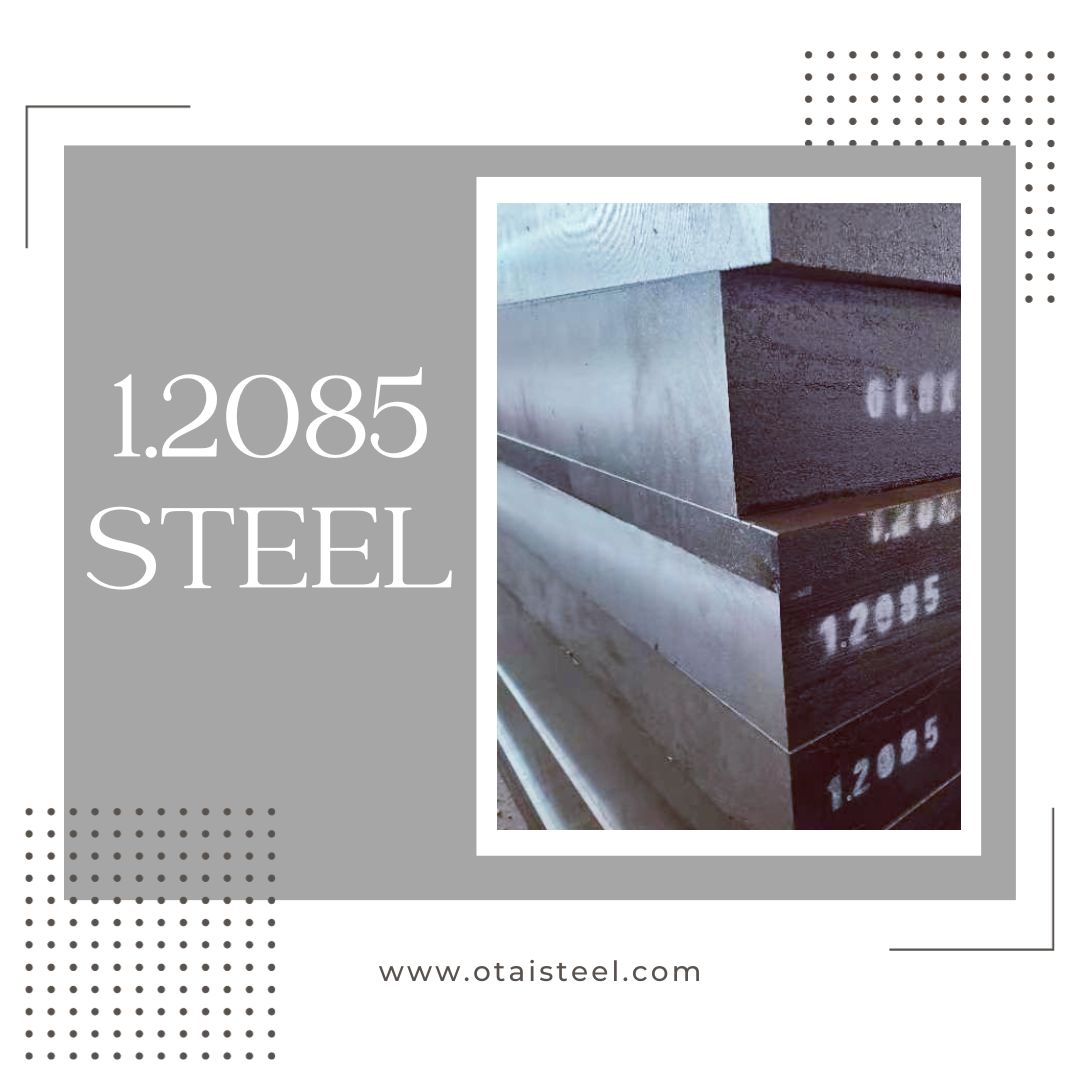 1.2085 steel, also known as 420HC or X46Cr13, is a steel alloy known for its unique properties. In this article, we’ll explore the chemical composition of 1.2085 steel, delving into the elements that give it its exceptional characteristics.
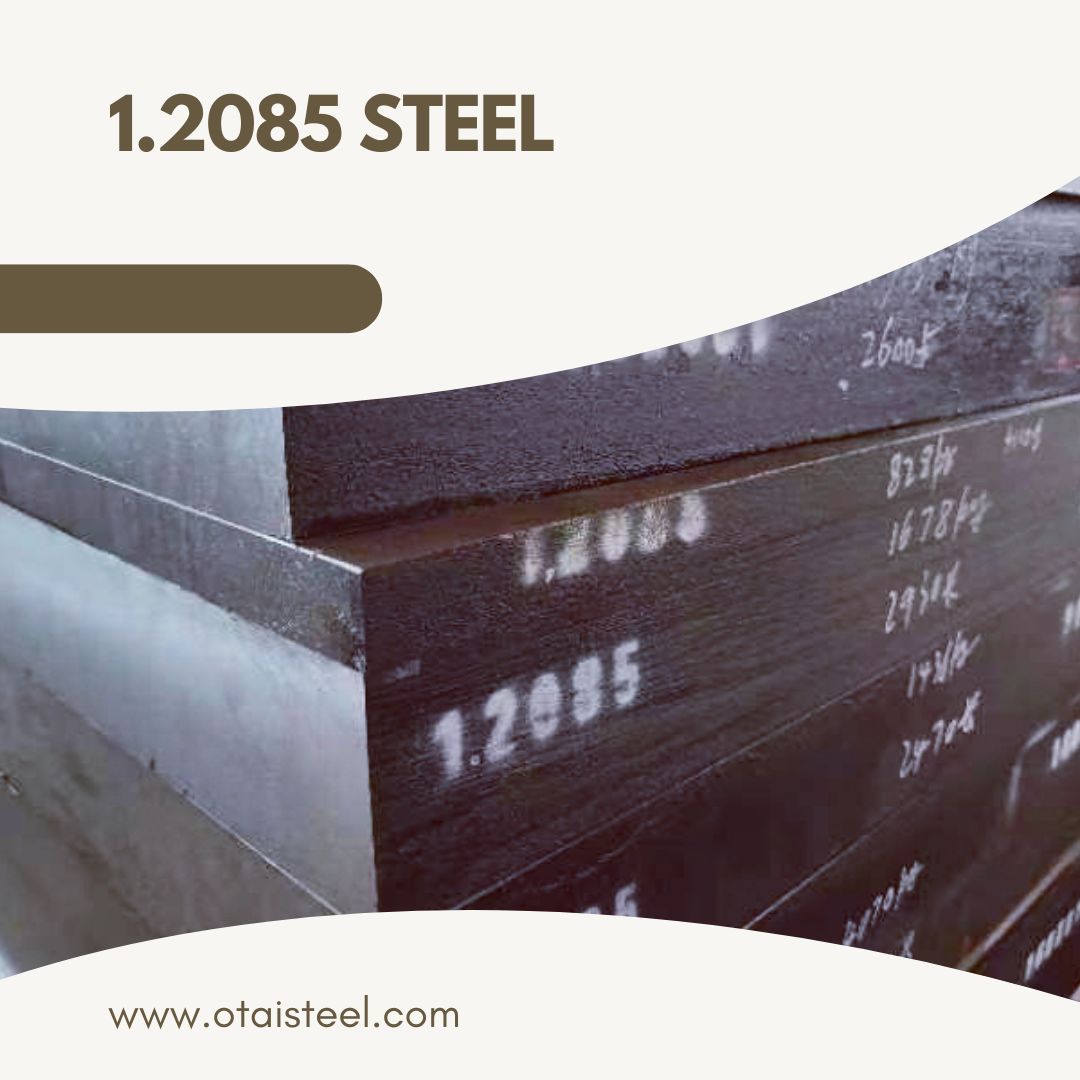 1.2085 steel, also known as 420HC or X46Cr13, is a highly versatile steel alloy with a wide range of applications across various industries. In this article, we’ll explore the unique properties that make 1.2085 steel stand out and discuss its applications.
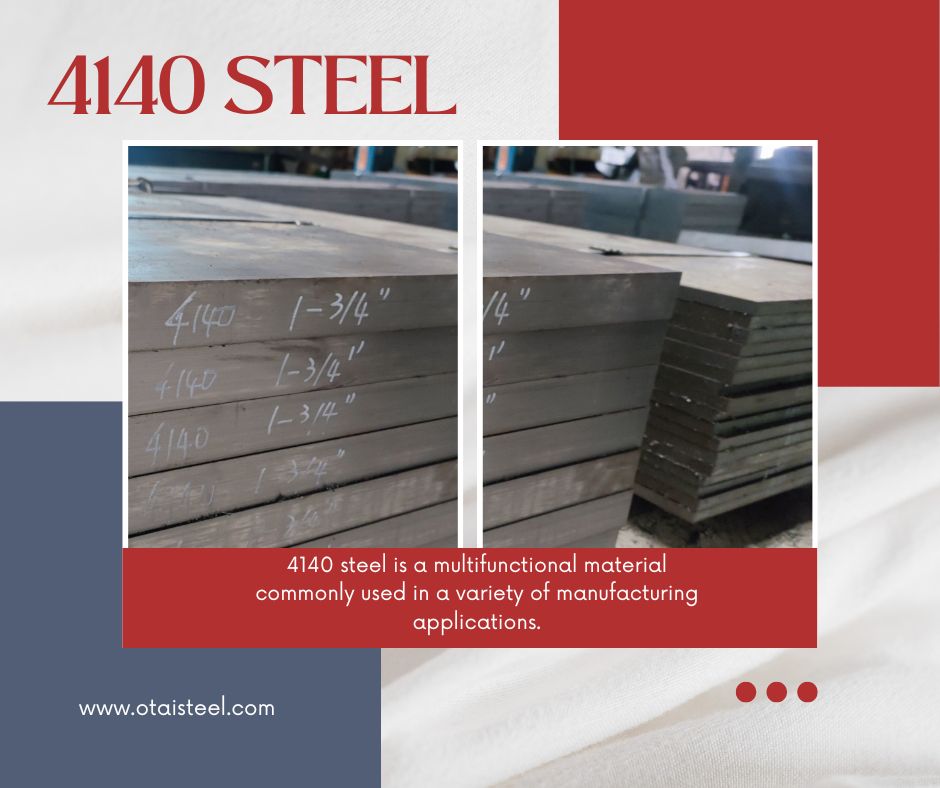 Steel is a remarkable material with a diverse range of alloys, each tailored for specific applications. Two such steel alloys, 4140 vs 52100 steel, are widely used in various industries, each offering distinct properties and advantages. In this comparison, we’ll explore the characteristics of 4140 and 52100 steel, highlighting their differences and common applications. By the end of this article, you’ll have a comprehensive understanding of which steel might be the right choice for your specific needs.
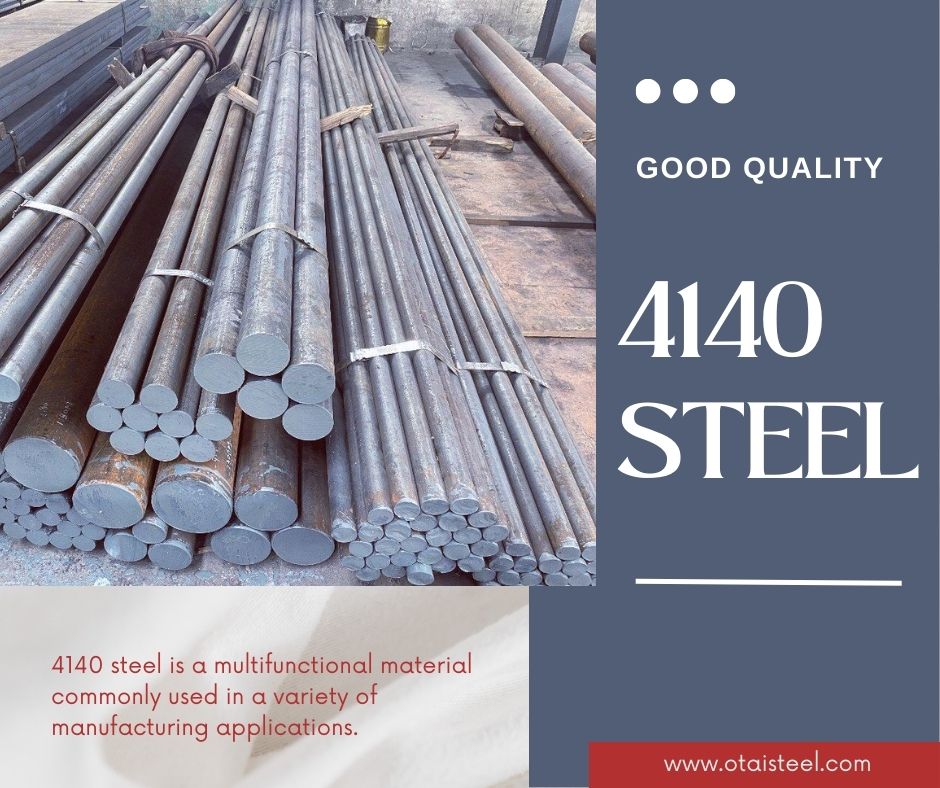
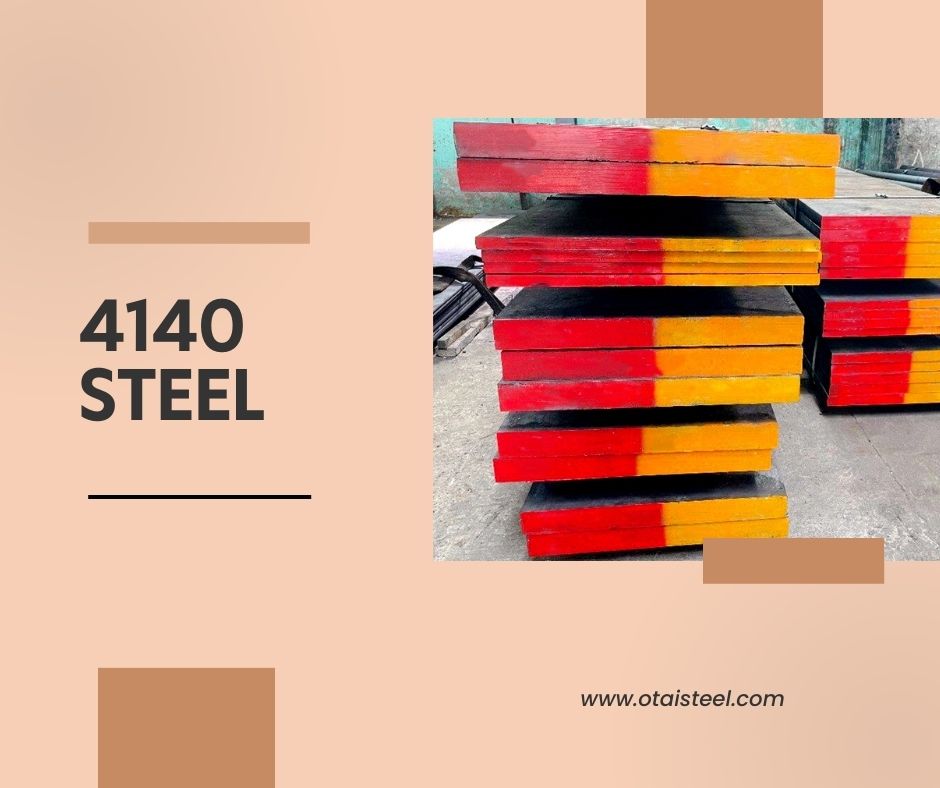
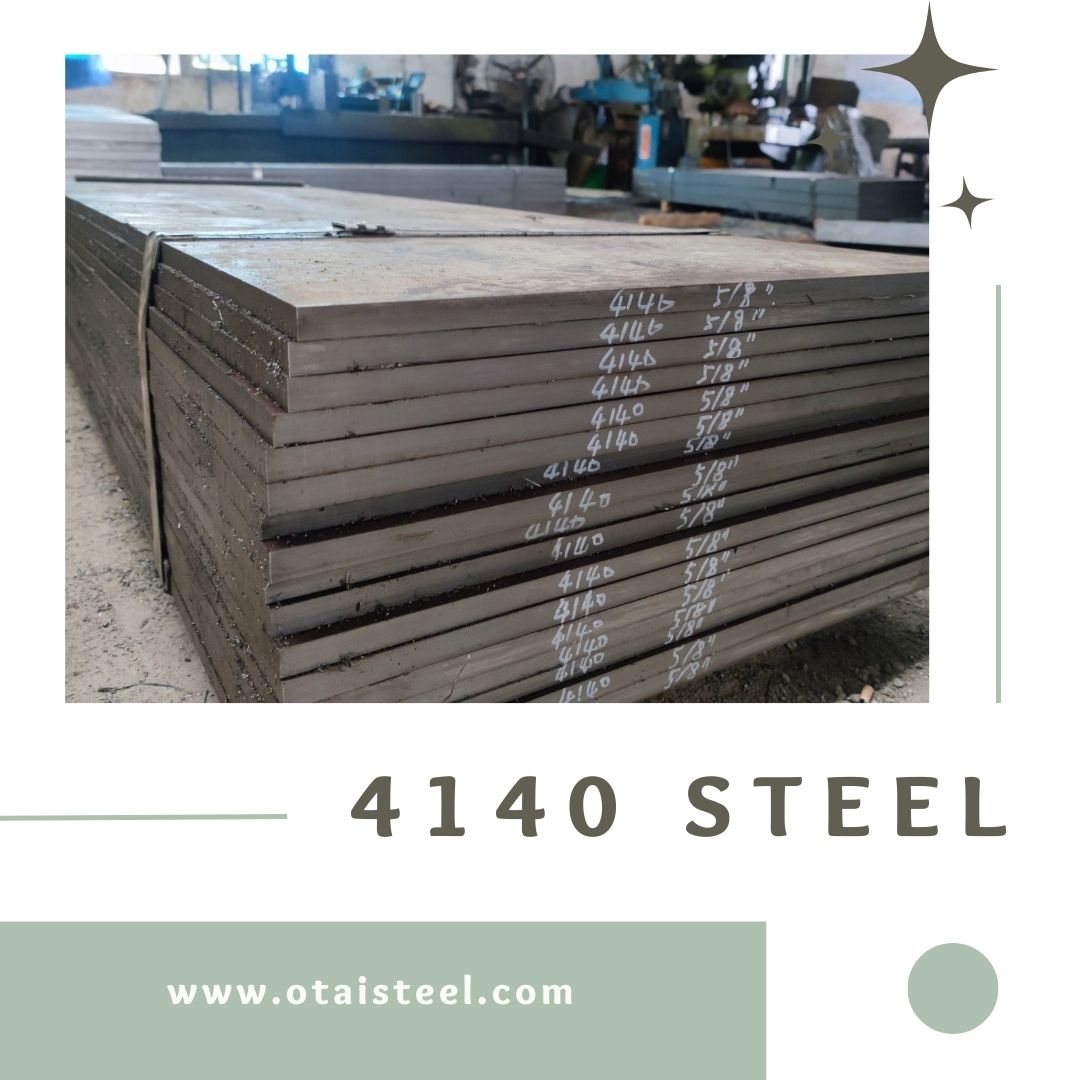 4140 steel is a low-alloy steel known for its exceptional strength and toughness. It contains a combination of chromium, molybdenum, and carbon, which contribute to its excellent mechanical properties. Due to its strength and versatility, 4140 steel is widely used in various industries, including automotive, aerospace, oil and gas, and manufacturing. It is commonly employed in the production of components such as axles, gears, shafts, and tooling. The demand for 4140 steel is substantial, and its price is influenced by several key factors.