Skip to Content

Category Archives: Blog

Unraveling 4140 alloy steel tensile strength

Tensile strength is the measure of a material’s resistance to a force pulling it apart. In simple terms, it’s the maximum stress a material can endure while being stretched or pulled before it breaks.

The 4140 Alloy Steel Advantage

4140 alloy steel boasts remarkable tensile strength properties. This alloy can withstand enormous amounts of pulling force, making it a favored choice for applications requiring structural integrity.

Composition Matters

What sets 4140 alloy steel apart? Its composition. It primarily consists of iron, carbon, chromium, and molybdenum. This combination imparts unique mechanical properties to the material, including its impressive tensile strength.

The Influence of Carbon

Carbon, a key component in 4140 alloy steel, contributes to its tensile strength by forming strong atomic bonds within the steel’s crystalline structure.

Chromium’s Role

Chromium is another significant player. It enhances the material’s hardness and wear resistance, complementing its tensile strength by making it capable of withstanding wear and tear.

Molybdenum’s Impact

Molybdenum is the unsung hero in the alloy. It adds to the steel’s tensile strength by preventing the formation of weak spots in the crystal structure, improving overall strength and durability.

Versatile Applications

The robust tensile strength of 4140 alloy steel makes it incredibly versatile. It’s used in various applications, from manufacturing machinery and tools to components in the automotive and aerospace industries.

Heavy-Duty Machinery

In heavy machinery, 4140 alloy steel is a go-to choice due to its ability to endure high stress and prevent deformation under heavy loads.

Aircraft Components

In aerospace, where safety is paramount, 4140 alloy steel’s tensile strength ensures that critical components can withstand the extreme conditions of flight.

Automotive Reliability

Automakers rely on 4140 alloy steel for crucial parts like axles and drive shafts, where the material’s tensile strength ensures longevity and performance.

Oil and Gas Exploration

In the demanding environments of the oil and gas industry, 4140 alloy steel’s tensile strength is essential for components such as drilling equipment and pipelines.

Construction Confidence

Builders and construction engineers appreciate the tensile strength of 4140 alloy steel when designing structures that need to withstand the forces of nature.

Heat Treatment Enhancements

One of the unique aspects of 4140 alloy steel is its responsiveness to heat treatment. This means its tensile strength can be tailored to specific requirements through controlled heating and cooling processes.

Tackling Tough Environments

4140 alloy steel’s tensile strength makes it an ideal candidate for applications exposed to corrosive environments. Its resistance to corrosion adds an extra layer of durability.

In the world of materials engineering, tensile strength is a defining factor, and 4140 alloy steel excels in this regard. Its unique composition, encompassing carbon, chromium, and molybdenum, imbues it with exceptional tensile strength. This property makes 4140 alloy steel a material of choice across diverse industries, from heavy machinery to aerospace and beyond. It’s a testament to human ingenuity and innovation that we can harness the power of materials like 4140 alloy steel to build a better, stronger world.

Unraveling 4140 alloy steel tensile strength

0 0 Continue Reading →

Unveiling the Marvels of 4140 Alloy Steel Rod

At its core, the 4140 alloy steel rod is an alloy of iron, carbon, and other elements like chromium and molybdenum. This combination gives it a distinct set of properties that make it highly sought after.

Incredible Strength

One of the most remarkable features of 4140 alloy steel is its exceptional strength. This steel can withstand tremendous amounts of pressure, making it ideal for applications where structural integrity is paramount.

Toughness Beyond Compare

Not only is 4140 alloy steel strong, but it’s also incredibly tough. Its ability to absorb energy without fracturing makes it a top choice for applications in the automotive and aerospace industries.

Versatile Applications

The versatility of 4140 alloy steel is astounding. From manufacturing tools and machinery to creating parts for heavy-duty equipment, this steel rod can do it all. Its adaptability knows no bounds.

Machining Marvel

Machinists and manufacturers love working with 4140 alloy steel. Its machinability is exceptional, allowing for precision and ease in shaping the material as needed.

Heat-Treatable Hero

4140 alloy steel is heat-treatable, which means its properties can be adjusted through controlled heating and cooling processes. This makes it possible to fine-tune its hardness and strength according to specific requirements.

Corrosion Resistance

Thanks to the presence of chromium, 4140 alloy steel exhibits good corrosion resistance. This makes it a reliable choice for applications exposed to harsh environmental conditions.

Aerospace Advancements

The aerospace industry relies heavily on 4140 alloy steel rods for various components. From landing gear to engine parts, its strength and toughness contribute to the safety and reliability of aircraft.

Automotive Excellence

In the automotive world, 4140 alloy steel rods are found in critical components like crankshafts and axles. Their durability ensures the longevity and performance of vehicles on the road.

Oil and Gas Oasis

In the oil and gas industry, where extreme conditions are the norm, 4140 alloy steel rods play a pivotal role. They’re used in drilling equipment, pipelines, and valves, withstanding the harshest environments.

Forging the Future

As technology advances, so does the demand for materials like 4140 alloy steel. Its role in shaping our future is undeniable, as industries continue to find innovative ways to leverage its unique properties.

The 4140 alloy steel rod, with its incredible strength, toughness, and versatility, is a true metallurgical marvel. Its applications span across a wide range of industries, from aerospace to automotive and beyond. As we look to the future, the importance of this remarkable material will only continue to grow, driving innovation and progress in numerous fields. It’s clear that the 4140 alloy steel rod is a small yet vital component in building the modern world as we know it.

Unveiling the Marvels of 4140 Alloy Steel Rod

0 0 Continue Reading →

Understanding 4140 Steel Annealed Hardness

Understanding 4140 Steel Annealed HardnessWhen discussing 4140 steel, its annealed hardness is a critical aspect that affects its performance in various applications.

What is Annealed Hardness?

Annealed hardness refers to the hardness of steel in its softened, or annealed, state. In the case of 4140 steel, annealing involves heating it to a specific temperature and then slowly cooling it to relieve internal stresses.

Softened for Machinability

Annealing 4140 steel makes it softer and more machinable. This process reduces hardness, making it easier to cut, drill, and shape the material.

HBW Scale

Annealed hardness is typically measured using the Brinell Hardness (HBW) scale. In this state, 4140 steel typically exhibits a hardness value ranging from 197 HBW to 229 HBW.

Benefits of Annealed Hardness

  1. Machining Ease: Annealed 4140 steel is much easier to machine than in its hardened form. This makes it a preferred choice for components that require intricate shaping.
  2. Weldability: Its softened state enhances weldability, allowing for easier joining of components.

Applications for Annealed 4140 Steel

  1. Manufacturing: Annealed 4140 steel is often used in manufacturing processes for its ease of machining, making it ideal for producing various components.
  2. Pre-Heat Treatment: Components are sometimes annealed before undergoing further heat treatment processes, ensuring uniform hardness and reducing the risk of cracking.

Transforming Annealed 4140 Steel

To harness its full potential, annealed 4140 steel may undergo subsequent heat treatment processes to achieve the desired hardness and strength levels.


0 0 Continue Reading →

Exploring 4140 cast steel mechanical properties

When it comes to materials used in heavy-duty applications, 4140 cast steel often stands out for its exceptional mechanical properties.

Strength is Paramount

One of the defining features of 4140 cast steel is its remarkable strength. It boasts impressive tensile strength, making it well-suited for applications where resilience and robustness are essential.

The Hardness Advantage

4140 cast steel exhibits excellent hardness properties. When properly heat-treated, it becomes incredibly hard and resistant to wear. This characteristic is invaluable in situations where components face abrasion and friction.

Impact Toughness at its Best

In addition to its hardness, 4140 cast steel showcases remarkable impact toughness. This means it can absorb sudden shocks and high-stress loads without fracturing or failing.

Machinability for Precision

Machinability is a critical factor in materials used for complex components. 4140 cast steel excels in this area, making it easy to shape, drill, and machine, ensuring precision and accuracy in manufacturing.

Weldability for Convenience

Being weldable is another advantage of 4140 cast steel. It can be readily joined with other components, simplifying fabrication and assembly processes.

Corrosion Resistance, but not Stainless

While 4140 cast steel is not stainless, it does exhibit a degree of corrosion resistance. This resistance can be further enhanced through appropriate treatments or coatings.

Gears, Shafts, and Beyond

This versatile steel finds extensive use in gears, shafts, and other components that demand high strength, hardness, and durability.

The Power of Heat Treatment

Heat treatment is a powerful tool for customizing the mechanical properties of 4140 cast steel. It allows for the tailoring of its characteristics to meet specific needs and requirements.

Wide-Ranging Applications

The versatility of 4140 cast steel means it finds its place in various industries. You’ll encounter it in automotive manufacturing, aerospace engineering, construction, and more.

Balancing Act

What sets 4140 cast steel apart is its ability to balance a range of desirable properties. It combines strength, toughness, and wear resistance in a way that makes it ideal for a multitude of demanding applications.

Real-World Applications

To truly appreciate the value of 4140 cast steel, let’s explore some real-world scenarios where its mechanical properties shine.

1. Automotive Components

In the automotive industry, precision and reliability are paramount. 4140 cast steel is often used to create critical components such as crankshafts, gears, and axles. Its strength and wear resistance ensure that these parts withstand the rigors of daily driving.

2. Aerospace Engineering

Aerospace applications require materials that can withstand extreme conditions. 4140 cast steel finds use in aircraft landing gear components, where its toughness and resistance to fatigue are crucial for safe landings.

3. Construction and Heavy Machinery

The construction sector relies heavily on materials that can endure heavy loads and harsh environments. In this arena, 4140 cast steel can be found in components like excavator arms, crane hooks, and structural supports.

4. Oil and Gas Industry

In the oil and gas industry, where equipment operates in corrosive environments, 4140 cast steel is employed for components such as wellhead equipment and drilling tools. Its corrosion resistance and toughness are valuable assets.

5. Defense and Military Applications

When lives depend on the reliability of materials, 4140 cast steel steps up. It’s used in the production of armored vehicles, artillery, and firearms components due to its strength and durability.

Getting the Most from 4140 Cast Steel

To make the most of 4140 cast steel’s mechanical properties, proper handling and heat treatment are essential. Here are some key considerations:

1. Heat Treatment

Depending on the desired properties, 4140 cast steel can undergo various heat treatment processes, such as annealing, normalizing, or quenching and tempering. These treatments can enhance hardness, toughness, or both.

2. Machining Expertise

Because of its excellent machinability, 4140 cast steel can be precisely shaped and machined. However, skilled machining is crucial to maintain its properties.

3. Corrosion Mitigation

While 4140 cast steel does offer some corrosion resistance, it may require additional coatings or treatments for prolonged exposure to corrosive environments.

4. Consultation

For critical applications, consulting with materials engineers or metallurgists is advisable. They can provide guidance on the best practices for working with 4140 cast steel to achieve optimal results.

Exploring 4140 cast steel mechanical properties

0 0 Continue Reading →

S7 tool steel vs 4140 Steel: Making an Informed Choice for Your Needs

When it comes to selecting the right type of steel for your projects, the choices can be overwhelming. Two popular options often compared are S7 tool steel and 4140 steel. Each has its own set of characteristics and applications, making it crucial to understand the differences to make an informed choice. (s7 tool steel vs 4140)

Understanding S7 Tool Steel

S7 tool steel is a shock-resistant air-hardening steel known for its exceptional toughness and impact resistance. It is a versatile steel alloy that belongs to the S series group, primarily used for tool and die applications. Here are some key characteristics of S7 tool steel:

  1. Toughness: S7 steel is renowned for its toughness. Its ability to withstand high-impact and shock loading makes it an excellent choice for applications where tools or components are subjected to heavy stresses.
  2. Hardness: While not as hard as some other tool steels, S7 can still achieve a relatively high level of hardness. It can be hardened through air cooling, eliminating the need for quenching in oil or water.
  3. Machinability: S7 steel has good machinability, which means it can be easily shaped and formed using conventional machining techniques.
  4. Wear Resistance: While it may not match the wear resistance of some other tool steels, S7 provides a good balance between toughness and wear resistance.

Exploring 4140 Steel

4140 steel, on the other hand, is a low-alloy steel with versatile properties, making it a popular choice for a wide range of applications. It is often used in manufacturing and engineering due to its balance of strength and ductility. Here are some key characteristics of 4140 steel:

  1. Strength: 4140 steel is known for its high tensile strength, making it suitable for applications where strength is a critical factor.
  2. Machinability: It offers good machinability, allowing for ease of fabrication and machining processes.
  3. Wear Resistance: While not as tough as S7, 4140 steel provides decent wear resistance, especially when heat-treated.
  4. Weldability: 4140 steel can be readily welded, making it a preferred choice for projects that require joining components.

Choosing the Right Steel for Your Needs

Now that we’ve covered the characteristics of both S7 tool steel and 4140 steel, let’s discuss how to make an informed choice:

  1. Consider Your Application: Think about the specific demands of your project. If it involves heavy impact or shock loading, S7 tool steel may be the better option. For applications requiring high strength, 4140 steel might be preferable.
  2. Hardness vs. Toughness: Balance the need for hardness and toughness. S7 leans towards toughness, while 4140 leans towards hardness. Choose accordingly based on your requirements.
  3. Heat Treatment: Both steels can be heat-treated to enhance their properties. Understanding the heat treatment process and its impact on the steel’s characteristics is crucial.
  4. Cost: Consider your budget. 4140 steel is often more cost-effective than S7, which can be a deciding factor for some projects.
  5. Consultation: If you’re uncertain, consult with metallurgical experts or engineers who can provide guidance based on your specific needs.

The choice between S7 tool steel and 4140 steel boils down to your project’s unique requirements. By understanding the properties and applications of each steel type, you can make an informed decision that ensures optimal performance and longevity for your components or tools. Whether it’s toughness, strength, or a balance of both, there’s a steel choice that’s just right for you. (s7 tool steel vs 4140)

s7 tool steel vs 4140 : Making an Informed Choice for Your Needs

0 0 Continue Reading →

4140 Steel Cost Factors: A Comprehensive Breakdown

4140 steel is a versatile alloy known for its exceptional strength, toughness, and wear resistance. It’s widely used in industries such as automotive, aerospace, and construction due to its performance and reliability. However, understanding the cost factors is crucial when considering its application.

Raw Material Costs

The foundation of 4140 steel cost begins with raw materials. This alloy consists primarily of iron, chromium, and molybdenum. Fluctuations in the prices of these base materials can significantly impact the overall cost of 4140 steel.

Manufacturing Process Costs

The manufacturing process of 4140 steel involves several steps, including melting, casting, rolling, and forging. Each of these steps incurs specific costs, from energy consumption to labor and equipment maintenance.

Heat Treatment Costs

Heat treatment is a crucial aspect of enhancing 4140 steel’s properties. The cost of heating furnaces, quenching baths, and tempering processes can influence the final product cost.

Machining and Fabrication Costs

4140 steel is known for its hardness, which can make machining and fabrication challenging. Specialized tools, skillful labor, and longer machining times can contribute to increased costs.

Quality Control Costs

Maintaining consistent quality in 4140 steel production requires rigorous quality control measures. The cost of inspections, testing, and adherence to industry standards is a vital factor.

Market Demand and Pricing

The principle of supply and demand directly affects 4140 steel pricing. Market conditions, such as increased demand or shortages, can lead to price fluctuations.

Supply Chain and Logistics Costs

Transporting 4140 steel from manufacturers to end-users involves logistical considerations and transportation costs. Global supply chains may introduce additional expenses.

Competitive Landscape

The presence of multiple suppliers and manufacturers can lead to competitive pricing. Understanding the competitive landscape can help in cost-effective sourcing.

Cost-Effective Strategies

To mitigate costs, industries often adopt strategies such as bulk purchasing, efficient inventory management, and supplier negotiations.

Cost Versus Performance

Balancing the cost of 4140 steel with its performance benefits is essential. It may be cost-effective in applications where its properties are crucial.

The cost of 4140 steel is influenced by various factors, from raw materials to manufacturing processes, heat treatment, and market dynamics. Understanding these factors allows businesses to make informed decisions about the use of 4140 steel in their applications.

4140 Steel Cost Factors: A Comprehensive Breakdown

0 0 Continue Reading →

The Heat Treatment Influence on 4140 HR Steel Properties

4140 HR (Hot Rolled) steel is a versatile alloy known for its exceptional strength, toughness, and wear resistance. It’s widely used in various industries, including automotive, aerospace, and manufacturing, where performance and reliability are paramount. However, achieving the desired mechanical properties of 4140 HR steel often requires a crucial step: heat treatment.

Importance of Heat Treatment

Heat treatment is a controlled process that involves heating and cooling steel to alter its microstructure and, consequently, its properties. For 4140 HR steel, heat treatment is essential to optimize its hardness, strength, and toughness, making it suitable for specific applications.

Types of Heat Treatment for 4140 HR Steel

There are several heat treatment methods available for 4140 HR steel. Each method imparts distinct properties to the material, allowing manufacturers to tailor it to their needs. The primary heat treatment processes for 4140 HR steel are:

Annealing Process

Annealing involves heating the steel to a critical temperature and then slowly cooling it. This process relieves internal stresses, improves machinability, and enhances the steel’s ductility.

Normalizing Process

Normalizing also includes heating the steel to a specific temperature, followed by air cooling. It refines the grain structure, resulting in increased strength and hardness.

Quenching and Tempering

Quenching is a rapid cooling process that hardens the steel, making it extremely strong but brittle. Tempering follows quenching, allowing controlled reheating to achieve the desired balance of hardness and toughness.

Influence of Heat Treatment on Hardness

One of the most noticeable effects of heat treatment on 4140 HR steel is hardness. The choice of heat treatment process and parameters determines the steel’s hardness level. Quenched and tempered 4140 HR steel, for example, can achieve high hardness suitable for applications like toolmaking.

Impact on Strength and Toughness

Heat treatment significantly impacts the strength and toughness of 4140 HR steel. Through careful control of the process, manufacturers can tailor the steel’s properties to meet specific requirements. This is crucial in industries where components must withstand varying loads and impacts.

Improvements in Machinability

Heat treatment can also improve the machinability of 4140 HR steel. By reducing internal stresses and refining the grain structure, the steel becomes easier to machine, resulting in cost savings and increased efficiency during manufacturing.

Heat Treatment’s Effect on Dimensional Stability

Dimensional stability is vital in applications where tight tolerances are required. Proper heat treatment can minimize distortion and ensure that components maintain their shape and size during use.

Achieving Desired Mechanical Properties

The versatility of 4140 HR steel, coupled with the ability to control its properties through heat treatment, makes it a favored choice across industries. Manufacturers can fine-tune the material to achieve the exact mechanical properties needed for their applications.

Heat treatment plays a pivotal role in optimizing the properties of 4140 HR steel, making it a versatile and high-performance material. Whether it’s achieving greater hardness for cutting tools or enhancing toughness for structural components, the heat treatment process ensures that 4140 HR steel meets the demands of various industries.

The Heat Treatment Influence on 4140 HR Steel Properties

0 0 Continue Reading →

Applications and Advantages of 4140 Forged Steel

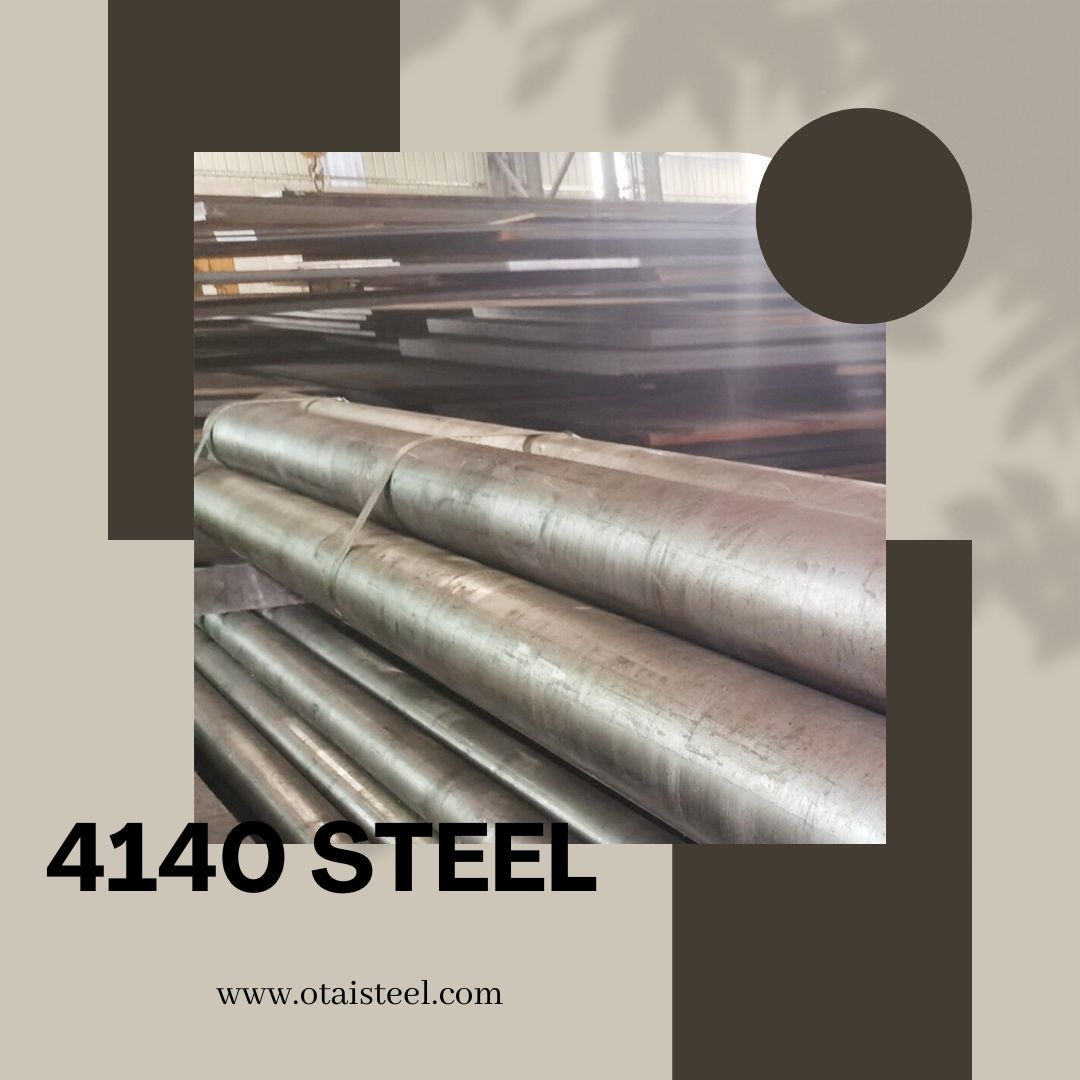
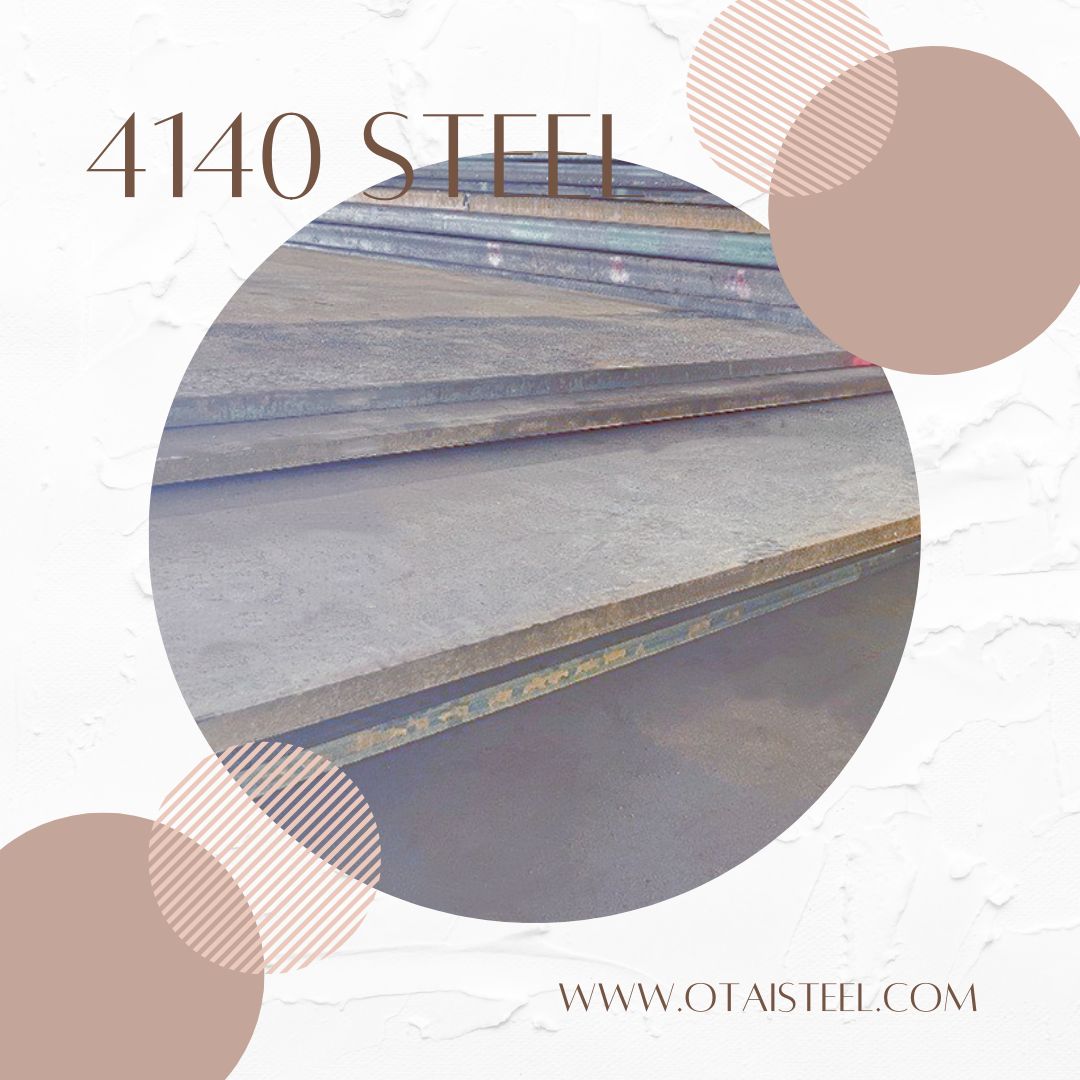
Applications and Advantages of 4140 Forged Steel4140 forged steel is a low-alloy steel known for its exceptional strength, toughness, and wear resistance. It is primarily composed of iron, chromium, and molybdenum, which gives it its distinctive properties. The forging process, which involves heating the steel to a high temperature and shaping it through controlled deformation, further enhances its characteristics.
The Forging Process for 4140 Steel

One of the key reasons for the popularity of 4140 steel is the forging process. During forging, the steel is heated to a specific temperature and then shaped using controlled pressure. This process aligns the grain structure of the steel, making it stronger and more durable than other manufacturing methods.

Mechanical Properties of 4140 Forged Steel

4140 forged steel boasts impressive mechanical properties. It offers high tensile strength, good ductility, and excellent impact resistance. These properties make it suitable for a wide range of applications where strength and durability are paramount.

Applications in the Automotive Industry

In the automotive industry, 4140 forged steel finds applications in critical components such as crankshafts, axles, and suspension components. Its high strength and wear resistance contribute to improved vehicle performance and safety.

Aerospace Industry Utilization

In aerospace, where safety and reliability are of utmost importance, 4140 steel is used in aircraft landing gear, engine components, and structural parts. Its ability to withstand extreme conditions makes it a preferred choice in this industry.

4140 Steel in Construction and Infrastructure

The construction and infrastructure sector benefits from the use of 4140 steel in the form of structural members, fasteners, and heavy machinery components. Its durability ensures the longevity of structures and equipment.

Advantages of 4140 Forged Steel

Durability and Longevity

4140 forged steel’s exceptional durability ensures that components made from it can withstand heavy loads, high stress, and harsh environmental conditions. This leads to longer service life and reduced maintenance costs.

Cost-Effectiveness

While 4140 steel offers premium performance, it remains cost-effective compared to some alternative materials. Its longevity and low maintenance requirements contribute to overall cost savings.

Sustainability Aspects

The sustainability factor cannot be overlooked. 4140 steel is recyclable, which aligns with the growing emphasis on eco-friendly materials in modern manufacturing.

Challenges and Limitations

Despite its many advantages, 4140 forged steel is not without challenges. It can be challenging to machine due to its hardness. Proper heat treatment is crucial to ensure optimal properties.

Comparison with Other Alloys

Comparing 4140 forged steel with other alloys reveals its unique advantages. It often outperforms carbon steel in terms of strength and toughness and offers better weldability than some high-carbon steels.

Future Prospects

The future of 4140 forged steel looks promising. Ongoing research aims to further enhance its properties and expand its applications, making it an even more valuable material in the manufacturing sector.


0 0 Continue Reading →

Benefits of 4140 steel for making high-strength fasteners

Fasteners are the unsung heroes of engineering and construction. They hold together everything from bridges and buildings to vehicles and machinery. High-strength fasteners are especially vital when it comes to applications where safety and reliability are paramount. (Benefits of 4140 steel)

The Superiority of 4140 Steel

Among the materials used for high-strength fasteners, 4140 steel stands out due to its exceptional properties. This low-alloy steel contains chromium and molybdenum, which contribute to its impressive strength and durability.

Benefits of Using 4140 Steel for High-Strength Fasteners

Unmatched Strength

One of the primary advantages of 4140 steel is its incredible strength. When fasteners need to withstand heavy loads and high stresses, 4140 steel rises to the occasion. It is the go-to choice for applications where weaker materials might fail.

Durability and Longevity

High-strength fasteners made from 4140 steel are built to last. They exhibit excellent resistance to wear and corrosion, ensuring they remain reliable even in harsh environments. This durability reduces maintenance costs and downtime.

Versatility

4140 steel’s versatility makes it suitable for a wide range of fastener applications. Whether it’s bolts, screws, or nuts, this steel can be forged or machined into various shapes and sizes to meet specific requirements.

Ease of Machinability

Crafting intricate fasteners demands materials that are easy to machine. 4140 steel, with the right heat treatment, offers excellent machinability. This makes it a favorite among manufacturers who need precision components.

Heat Treatable

The heat-treatable nature of 4140 steel allows fastener manufacturers to fine-tune the material’s properties. Through heat treatment processes like quenching and tempering, they can achieve the perfect balance of hardness and toughness.

Cost-Effective Solution

Despite its remarkable qualities, 4140 steel remains cost-effective compared to some alternatives. Its longevity, strength, and ease of manufacturing make it a budget-friendly choice in the long run.

Applications of 4140 Steel Fasteners

Where Strength Matters

Now that we’ve established the benefits, let’s explore where 4140 steel fasteners find their applications:

Automotive Industry

In the automotive world, where safety and reliability are paramount, 4140 steel fasteners secure critical components, ensuring the vehicle’s structural integrity.

Construction and Infrastructure

High-strength fasteners play a crucial role in construction projects, and 4140 steel fasteners are the backbone of bridges, buildings, and other infrastructure.

Aerospace Engineering

Aerospace demands materials that can handle extreme conditions. 4140 steel fasteners ensure the structural integrity of aircraft, rockets, and spacecraft.

Oil and Gas Sector

In the challenging environments of the oil and gas industry, 4140 steel fasteners provide secure connections for drilling equipment and pipelines.

Machinery and Equipment

From heavy machinery to manufacturing equipment, 4140 steel fasteners keep critical components in place, preventing accidents and failures.

High-strength fasteners made from 4140 steel are the unsung heroes of numerous industries. Their unmatched strength, durability, and cost-effectiveness make them indispensable in applications where safety and reliability are paramount. As technology advances, we can expect to see even more innovative uses for 4140 steel fasteners, solidifying their position as a cornerstone of modern engineering.

Benefits of 4140 Steel for Making High-Strength Fasteners

0 0 Continue Reading →

4140 steel forging process and applications in engineering

4140 steel forging process and applications in engineering4140 steel is a low-alloy steel known for its outstanding strength, toughness, and wear resistance. Its composition includes iron, chromium, and molybdenum, making it an ideal candidate for a variety of engineering applications. (4140 steel forging process)

Heat Treatment Magic

One of the key reasons for 4140 steel’s popularity is its response to heat treatment. The heat treatment process transforms it into a material that can withstand extreme conditions.

The Forging Process

 Hot Forging vs. Cold Forging

Hot forging is the preferred method for shaping 4140 steel. It involves heating the steel to a high temperature and then deforming it using mechanical forces. This process enhances the steel’s ductility and makes it easier to shape.

Steps in Hot Forging

Hot forging of 4140 steel typically involves the following steps:

  1. Heating:  1750°F to 2200°F
  2. Forming: The red-hot steel is placed in dies, and mechanical force is applied to shape it into the desired form.
  3. Cooling: After forging, the steel is slowly cooled to room temperature to relieve stress and improve strength.

Applications in Engineering

Aerospace Engineering

4140 steel is widely used in aerospace components due to its high strength-to-weight ratio. It finds applications in landing gear, structural components, and engine parts.

Automotive Engineering

crankshafts, axles, and suspension parts

Oil and Gas Industry

The oil and gas sector relies on 4140 steel for drilling equipment and downhole tools due to its resistance to wear and corrosion.

Tool and Die Making

Tool and die manufacturers favor 4140 steel for its ability to hold a sharp edge and resist deformation, making it suitable for cutting tools, molds, and dies.

Construction and Heavy Machinery

crane components and gears

4140 steel is a valuable asset. Its ability to withstand high-stress environments, coupled with its versatility in the forging process, makes it an ideal choice for a wide range of applications. Whether in aerospace, automotive, oil and gas, or construction, 4140 steel’s exceptional properties contribute to safer and more efficient engineering solutions. (4140 steel forging process)


0 0 Continue Reading →