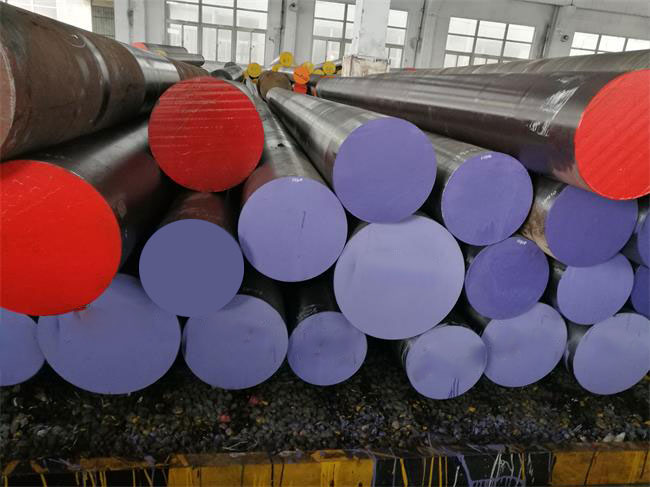
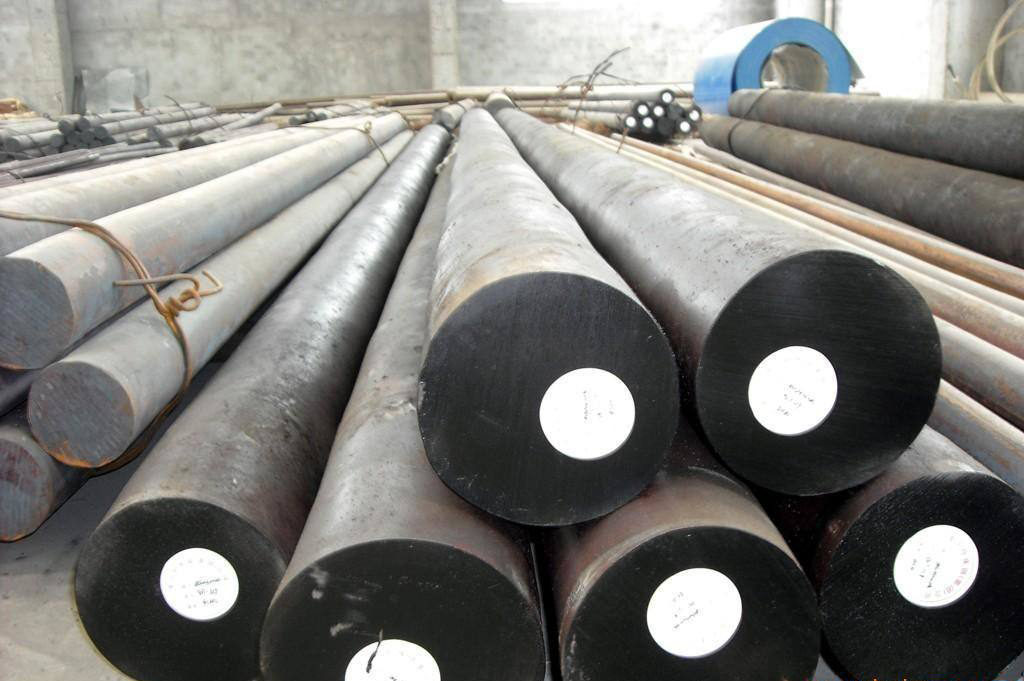
Tool steel type and performance – OTAI special steel is professional tool steel supplier, we can supply a wide range of tool steel, now let me briefly introduce the types and performance of tool steel.
Tool steel is one of the steel types for making molds such as cold die and hot forging die. The die material is an important part of the material and technology of the mold manufacturing industry. Its variety and quality play an important role in the performance of the mold and the mold manufacturing cycle. Molds are used in a wide range of applications, and the materials are used in a wide range of applications.
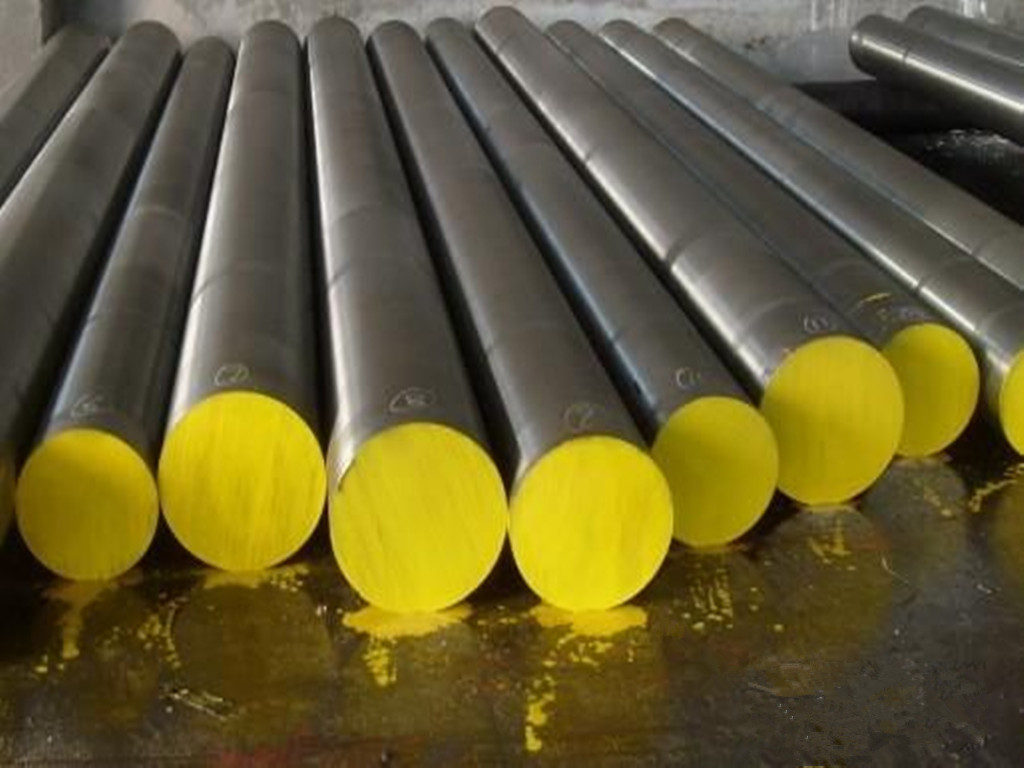 Tool steel type:
Tool steel can be generally divided into three categories: cold work tool steel, hot work tool steel, and plastic forming tool steel.
1. Cold work tool steel is mainly used as a mold for press forming a workpiece in a cold state. Such as cold punching die, thread pressing die and powder pressing die. Due to its good wear resistance and toughness, it can be used to make punching dies for stainless steel and high hardness materials.
2. Hot work tool steel is a type of mold that is pressure processed at high temperatures. Such as hot forging die, hot forging dies, etc.
3. Plastic molds, which have many varieties and different requirements for plastic products, have high requirements for performance. Many industrially developed countries have formed a wide range of plastic mold steel series.
Tool steel performance includes:
1. Strength properties, if a mold wants its shape and size under high pressure, it needs to have high hardness, and the mold will bend at high strength, so compressive strength and bending strength are necessary. factor.
2. Resilience, in order to prevent the mold from breaking during the use process, the tool steel has certain toughness requirements.
3. Anti-heat fatigue, due to the existence of high temperature and periodic quenching and rapid heat, we need to pay attention to the thermomechanical fatigue fracture properties of the material.
4. Abrasion resistance, because the mold is subjected to considerable compressive stress and friction during work, it is necessary to have strong wear resistance.
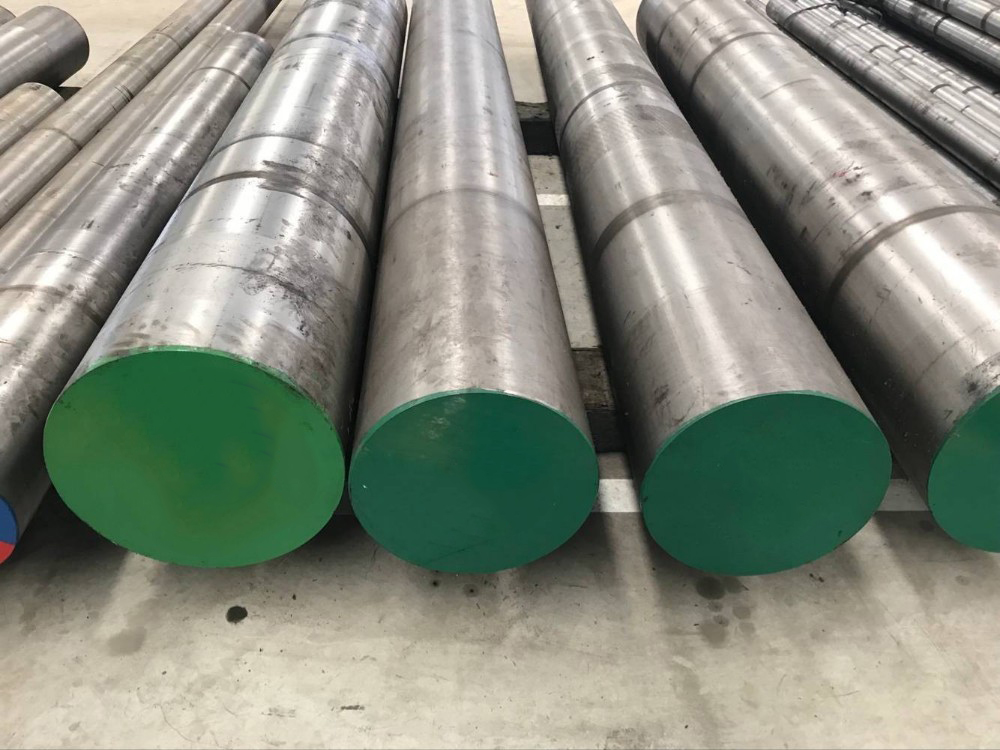 The conditions that lead to tool steel not meeting the standards are:
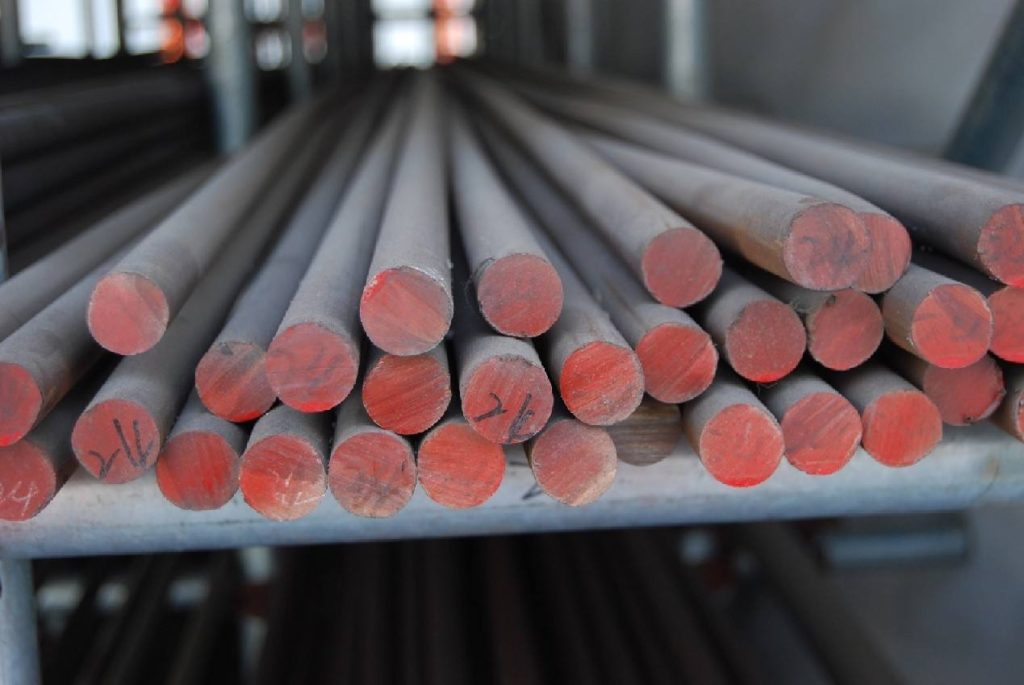 Most of the Cr12MoV tool steels are used at high temperatures, so the secondary hardening type high temperature tempering treatment (500 to 650 ° C) is generally used to obtain the stability of the mold. However, Cr12MoV tool steel for cold work molds is sometimes treated with low temperature tempering at around 200 °C.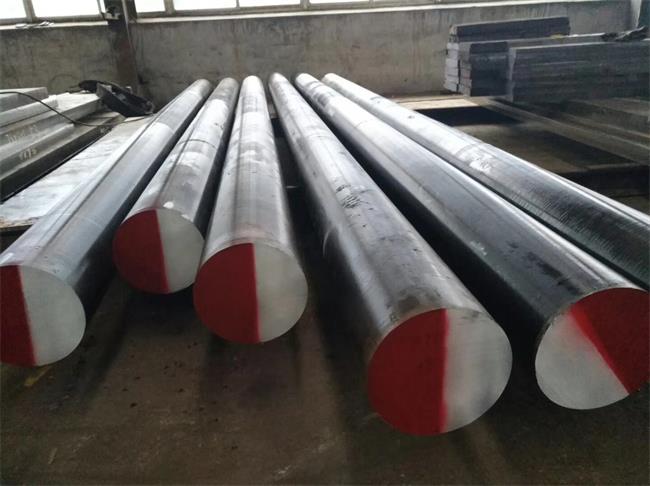
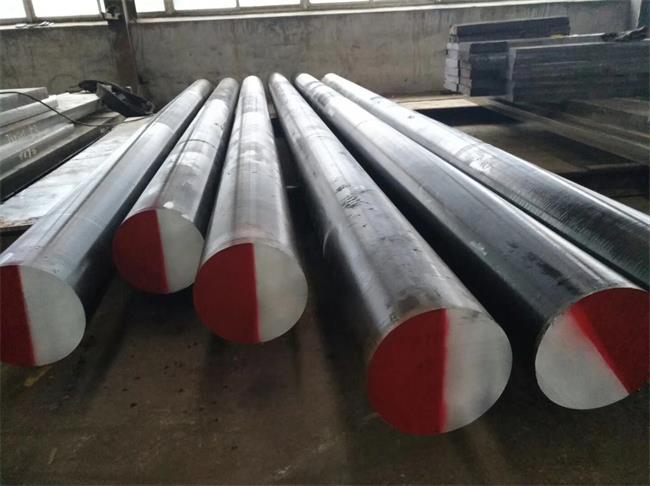 The steel used in the manufacture of various cutting tools, cold and hot deformable tools, gages and other tools, collectively referred to as tool steel. Various steels have common requirements, such as high hardness, good wear resistance, and certain toughness and strength, and have their own special requirements, such as red hardness, impact resistance, dimensional stability, thermal fatigue resistance, and good overall mechanical properties, etc. In order to meet these different requirements, steels of various compositions are produced and their performance requirements are met by appropriate heat treatment processes.
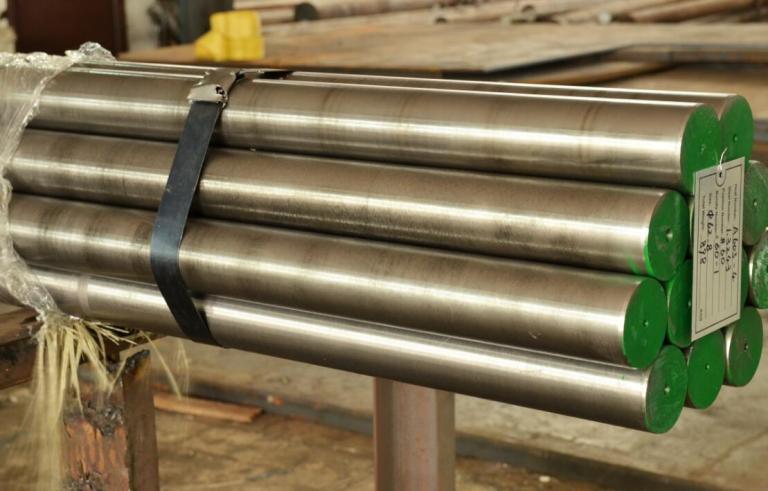 D2 mold steel advantage:
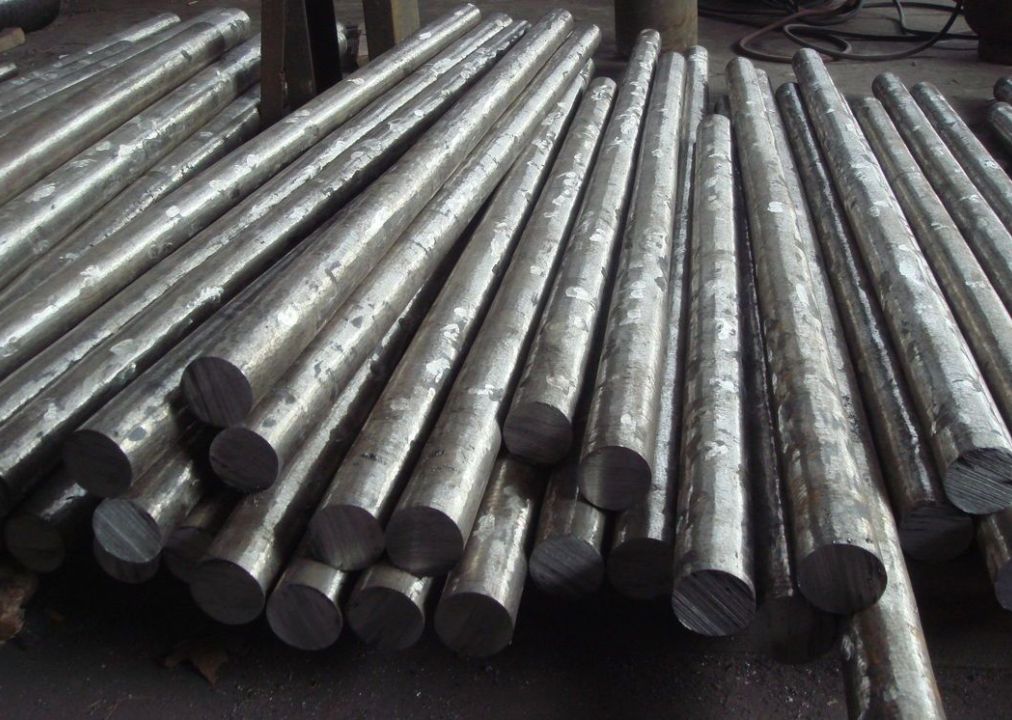 use:
use: