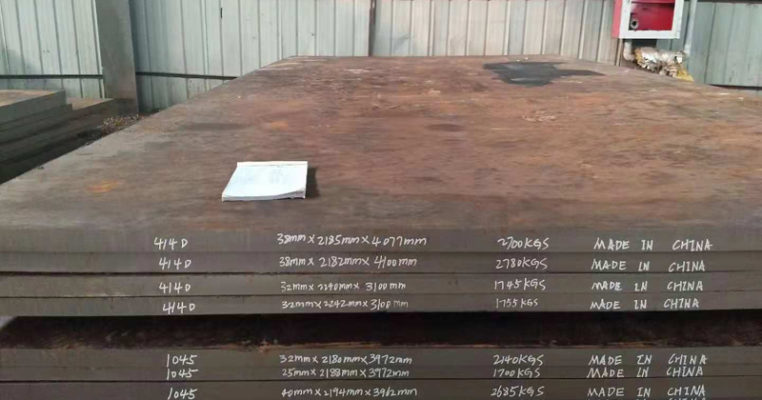
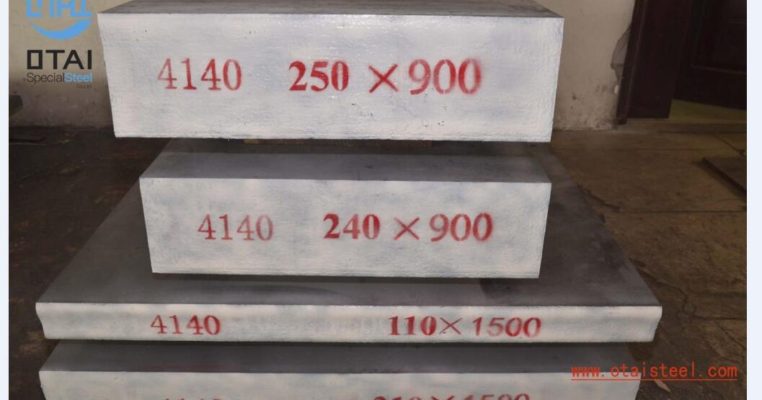
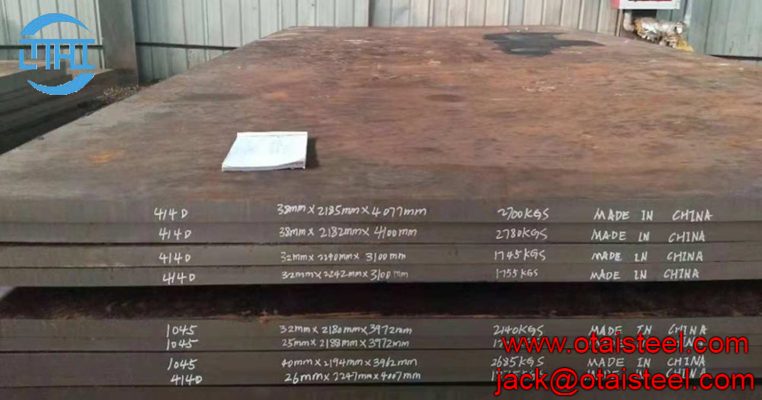
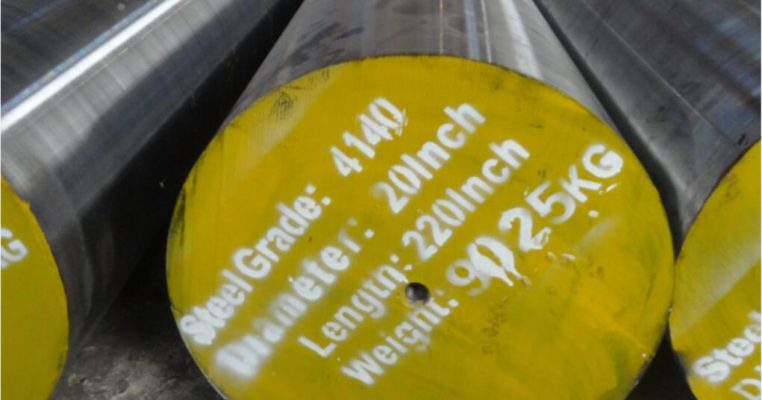
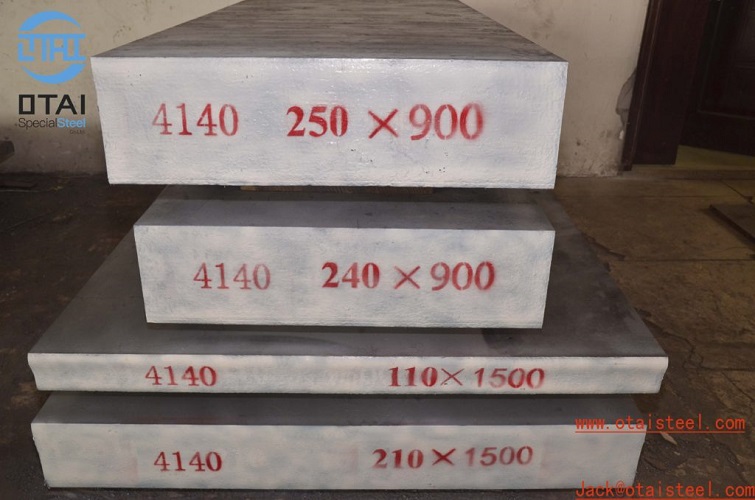
Which kind of steel would be the best sold in 2020?I guess should be 4140 plate,
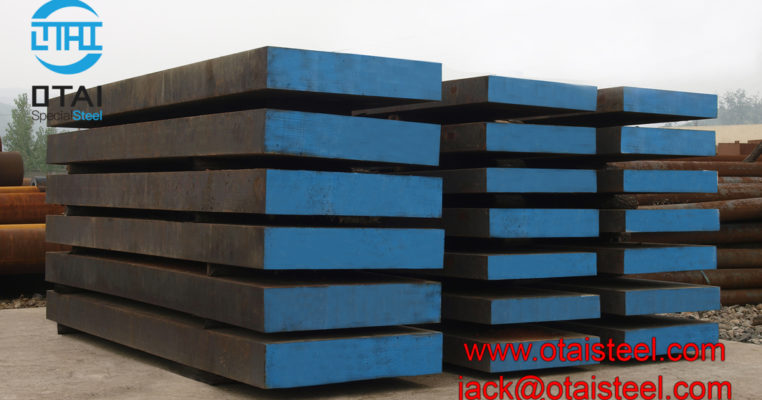
4140 plate for mask machine,
Which kind of steel would be the best sold in 2020?I guess should be 4140 plate,Cause the coronavirus is very heavy in China at the beginning of 2020,and it seems it had spread to other countries,such as Japan and South Korea,Italy etc.
Each countries are demand for face mask badly,and now,more and more factory demand for the mask machine,as the Chinese steel market had been shut down, for almost a month,there is no raw material for producing the machine,once the market resume,For making face mask machinea,lot of factory are ordering the 4140 plate steel,when the mask machine is done,there will be enough face mask for defending the desease.
Let’s check the information of 4140 plate for mask machine.
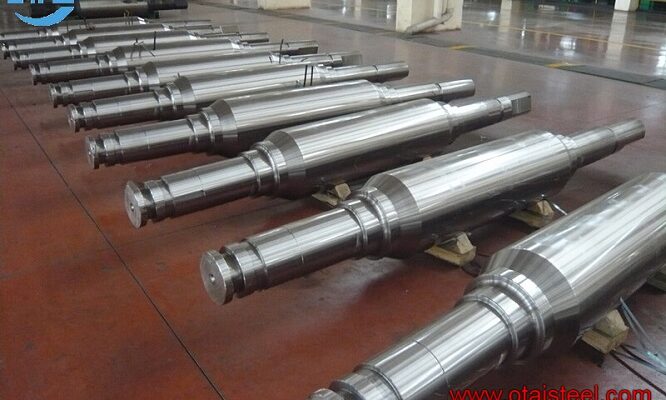
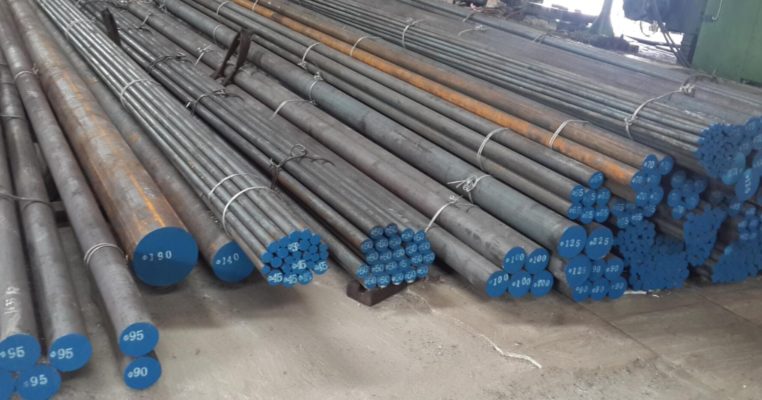
AISI 4140 alloy steel is chromium, molybdenum, manganese containing low alloy steel. It has high fatigue strength, abrasion and impact resistance, toughness, and torsional strength. The following datasheet gives an overview of AISI 4140 alloy steel.
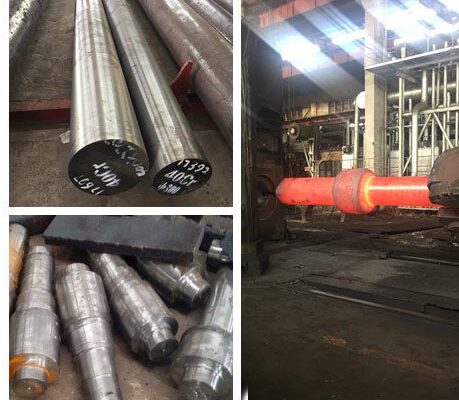
4140 alloy steel material is a high quality Quenched and Tempered Alloy Structural steel, It belong to the high quality medium carbon alloy steel, Oil Quenched & Tempered Hardenss is 28-34 HRC.4140 Annealing delivery hardenss less than 250HB.
Related Specifications ASTM A29/A29M DIN EN 10083/3 JIS G4053 GB GB/T 3077
4140 alloy steel Chemical composition
| ASTM A29/29M | C | Si | Mn | Cr | Mo | P | S |
| 4140 | 0.38~0.43 | 0.15~0.35 | 0.75~1.00 | 0.80~1.10 | 0.15~0.25 | ≤0.035 | ≤0.040 |
| DIN WN-r | C | Si | Mn | Cr | Mo | P | S |
| 1.7225 | 0.38~0.45 | ≤0.40 | 0.60~0.90 | 0.90~1.20 | 0.15~0.30 | ≤0.035 | ≤0.035 |
| GB/T | C | Si | Mn | Cr | Mo | P | S |
| 42CrMo | 0.38~0.45 | 0.17~0.37 | 0.50~0.80 | 0.90~1.20 | 0.15~0.25 | ≤0.030 | ≤0.030 |
| BS | C | Si | Mn | Cr | Mo | P | S |
| 708M40 | 0.36~0.44 | 0.10~0.35 | 0.70~1.00 | 0.90~1.20 | 0.15~0.25 | ≤0.035 | ≤0.035 |
| JIS | C | Si | Mn | Cr | Mo | P | S |
| SCM440 | 0.38~0.43 | 0.15~0.35 | 0.60~0.85 | 0.90~1.20 | 0.15~0.30 | ≤0.030 | ≤0.030 |
Applications
DIN 4140 Tool steel is a alloy structural steel, 4140 is used for engineering structural, like high tensile shafts, bolts and nuts, gears, pinions and spindles. Locomotive traction with the big gear, supercharger drive gear, pressure vessel, rear axle, gear load of connecting rod and a spring clip,4140 can also be used to under 2000 m deep well of oil drill pipe joint and the fishing tool, and can be used for bending machine mould, etc
Ms Sharon Wan
Mobile/WhatsApp: 0086-13580960968
Tel: 0086-769-23190193
Fax: 0086-769-88705839
Email: Sharon@otaisteel.com