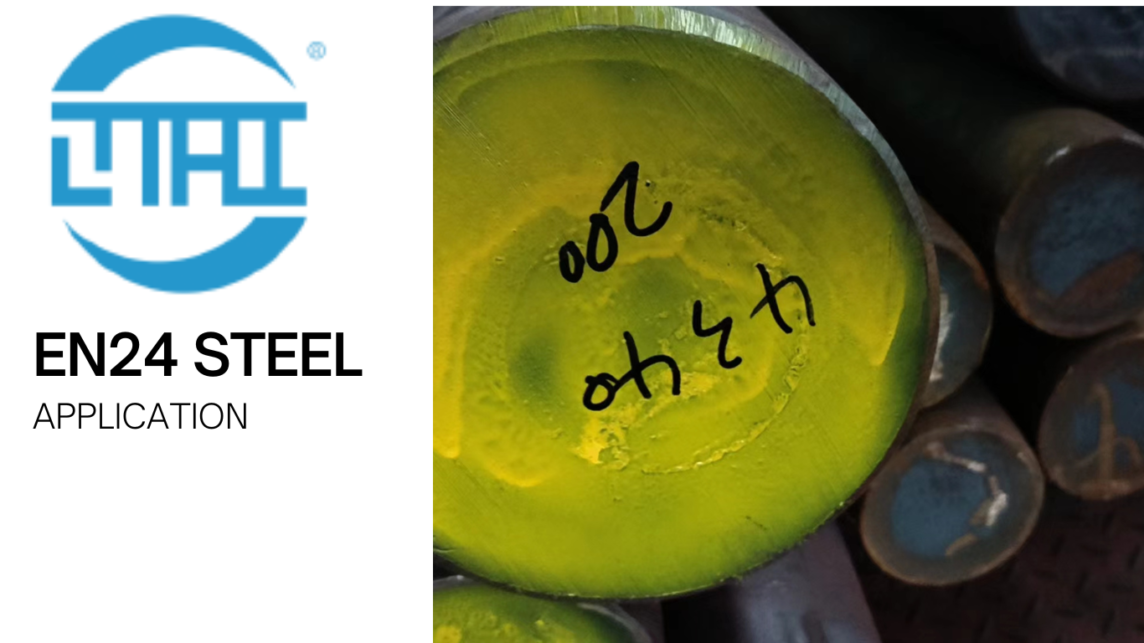
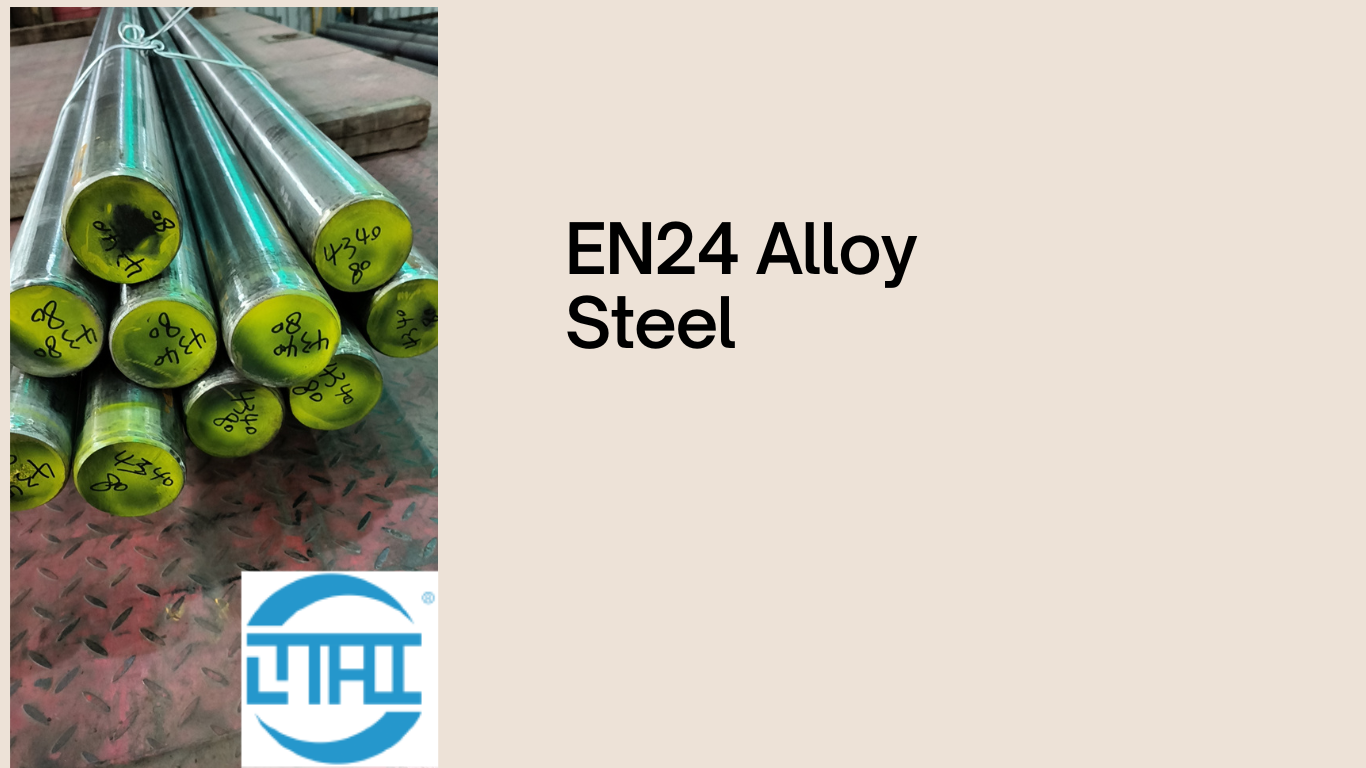
EN24 steel is a high-strength alloy steel, which is preferred in many industrial fields. It contains special elements such as carbon, nickel, chromium, and molybdenum, which give EN24 steel the characteristics of high tensile strength, good ductility, and impact resistance. In addition, EN24 steel can be used between 850 to 1000 N/mm ² (T condition) to 1550 N/mm ² Within the range of heat treatment, it has various tensile strengths under the “Z” condition.EN24 steel can achieve good impact value at low temperatures. In this blog, we can learn about the characteristics of this mature steel grade.
 EN24 Steel Equivalents
The popularity of EN24 alloy steel has inspired many countries to explore and explore the possibilities of high-strength nickel-chromium-molybdenum steels to meet their needs. These are some examples of international equivalents to EN24:
- USA: Aerospace 4340
- Germany: 34CrNiMo6
- France: 1.6582
- Sweden: 34NiCrMo8 / 35NCD6
- Spain: 14.2541
- Japan: F1.272, SNCM447, S95 / S119
EN24 Steel Properties
EN24, particularly in its heat-treated condition (EN24T), combines high tensile strength with excellent shock resistance. It’s a versatile material that can be readily worked, forged, or stamped. Machining EN24 is possible both in the annealed condition and after hardening and tempering.
EN24 Steel: Strength and Versatility
EN24, especially in its heat-treated form (EN24T), combines exceptional tensile strength with outstanding shock resistance. It’s a versatile material that lends itself to forging, stamping, and machining with ease. The machinability of EN24 varies:
- In the annealed condition: Approximately 53% of mild steel (070M20).
- As EN24T: Machinability ranges from 35% to 40% of mild steel (070M20).
EN24 Applications
The automotive and aerospace sectors have been using EN24 for a very long time, going back to the early 1900s. Due to its excellent tensile qualities, it is currently mostly referred to as EN24T. Some common applications include:
- Power transmission gears and components require maximum hardness.
- Crankshafts, axles, propellers,s, and gearbox shafts need high tensile properties.
- Connecting rods, special cranks, and parts demanding stiffness and toughness.
- Bolts, screwed components, stub axles, and swivel arms require toughness.
- Parts for the plastics and rubber molding industry, such as mold components, hob retaining rings, and stop pins.
- Structural components with high tensile requirements.
EN24 Round Bar and Flat Sections
The dimensions of En24 steel include round rods with diameters ranging from 6.35 millimeters to about 1 meter, thus meeting the needs of people with different size requirements. In addition, for specific industries, EN24 steel can also be cut to the required size through a large forging machine. If you need EN24 steel but cannot find a suitable size, then OTAI Special Steel Company may be able to help you. And our steel prices can make your eyes shine.
EN24 Heat Treatment
EN24 can undergo various heat treatment processes. The conventional hardening and tempering method involves heating the steel to 830-850°C, followed by rapid quenching in oil. Tempering is performed once the steel reaches room temperature. For hardening from the T condition, full annealing before heat treatment is recommended.
Welding EN24
While welding EN24 in its annealed state is feasible, it’s not recommended to weld EN24T (its standard supply condition) or versions with higher tensile strength. Cracking risks arise due to the heat of the welding process. Welding EN24 annealed necessitates the use of low hydrogen electrodes, heating to around 200-250°C, and maintaining that temperature throughout the welding process.
Stress Relieving EN24
Stress relieving before hardening is advisable, especially after welding or extensive machining. Heat EN24 to 650-670°C, soak, and then cool in the furnace or in the air.
EN24 Steel: A Chronicle of Excellence
EN24 boasts a storied history, with its origins likely dating back to the late 19th century within the steel mills of Sheffield, UK. In those days, many steel producers concealed their compositions under unique names, and a catalog of commonly used steel grades was deemed necessary. This gave birth to BS970 EN steels, offering comprehensive insights into chemical composition and properties.
EN24 made its official debut in 1916 under the British Engineering Standards Association (BESA) as ‘E.S.C. 1 ½ PER CENT NICKEL-CHROME STEEL.’ Over the years and through wartime rationalization, it evolved into 817M40 in 1970, a name change aimed at simplifying steel nomenclature. Despite the passage of over 50 years, “EN24” remains a beloved designation among many.
EN24 Steel: A Historical Perspective
EN24 has a storied past, likely dating back to the late 19th century in the steel mills of Sheffield, UK. However, the multitude of steel producers during that era often concealed their compositions under unique names. The need for cataloging commonly used steel grades led to the formulation of BS970 EN steels, offering comprehensive insights into the chemical composition and properties.
EN24 made its official debut in 1916 when it was published in the British Engineering Standards Association (BESA) as ‘E.S.C. 1 ½ PER CENT NICKEL-CHROME STEEL.’ After several evolutions and wartime rationalization of steel specifications, it became known as 817M40 in 1970. This designation aimed to simplify steel naming conventions, but many still prefer the venerable moniker “EN24.”
In summary, EN24 alloy steel has a remarkable history, enduring popularity, and a prominent place in the world of materials engineering. Its versatility, high tensile properties, and heat-treatable characteristics continue to make it a valuable asset in a wide range of applications.
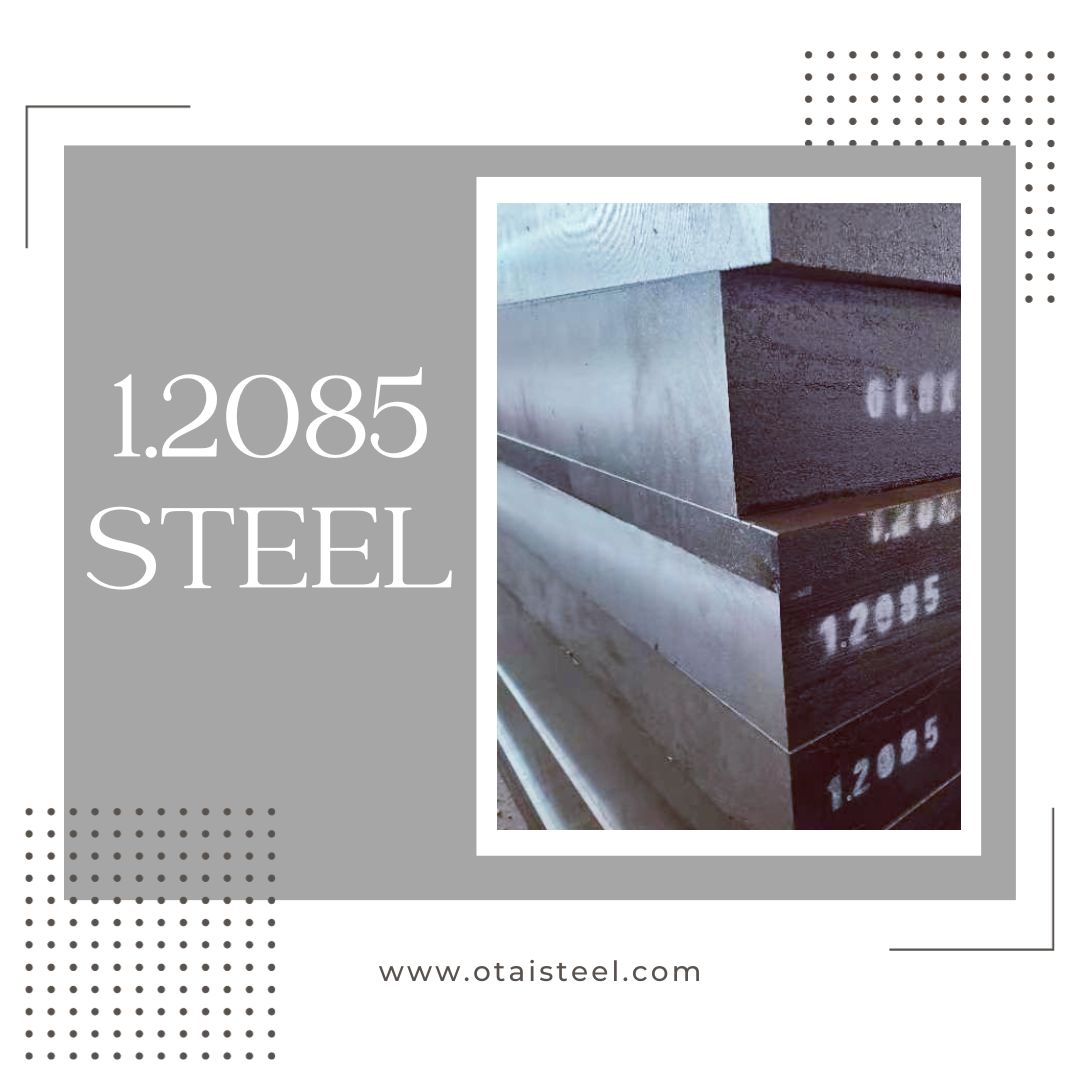 1.2085 steel, also known as 420HC or X46Cr13, is a steel alloy known for its unique properties. In this article, we’ll explore the chemical composition of 1.2085 steel, delving into the elements that give it its exceptional characteristics.
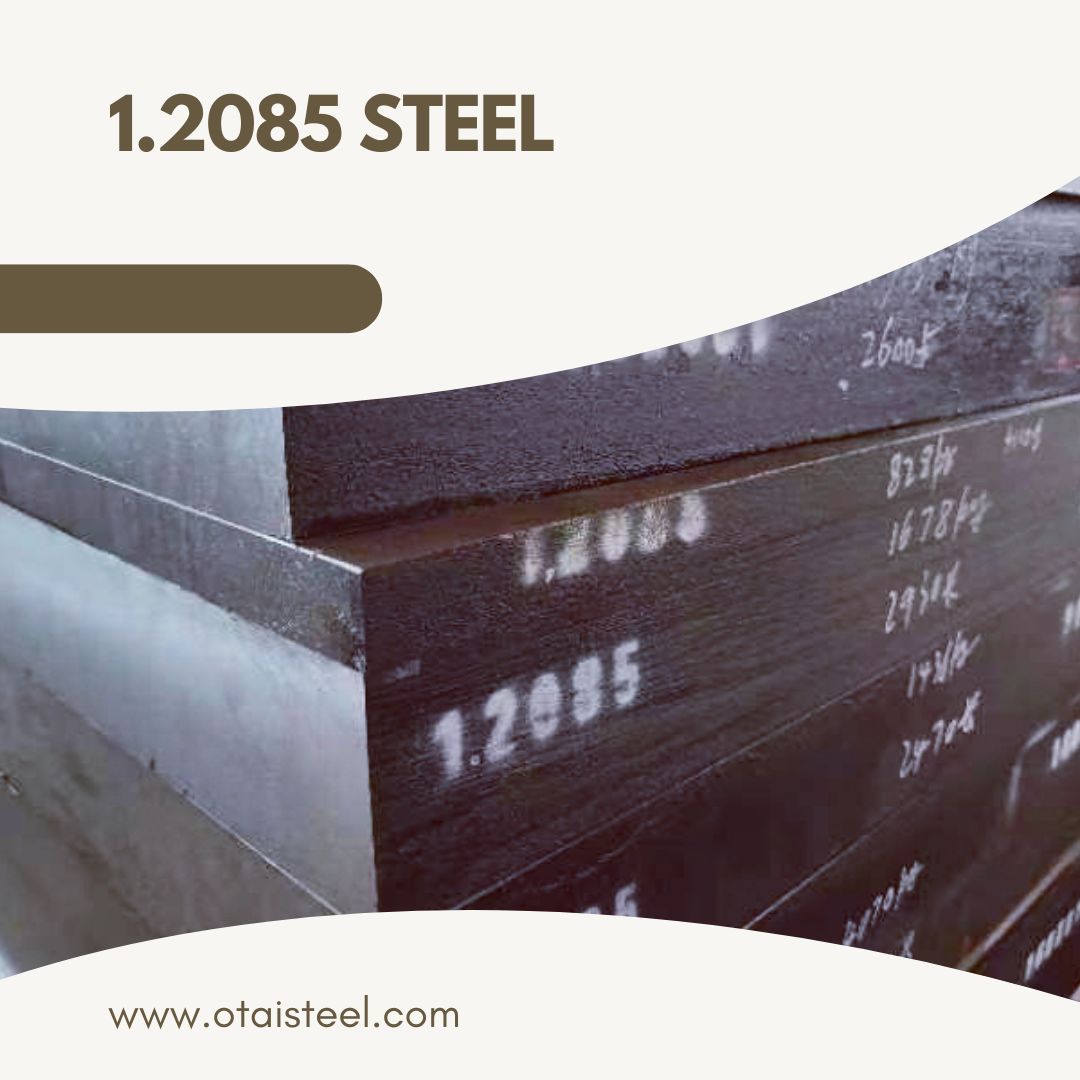 1.2085 steel, also known as 420HC or X46Cr13, is a highly versatile steel alloy with a wide range of applications across various industries. In this article, we’ll explore the unique properties that make 1.2085 steel stand out and discuss its applications.
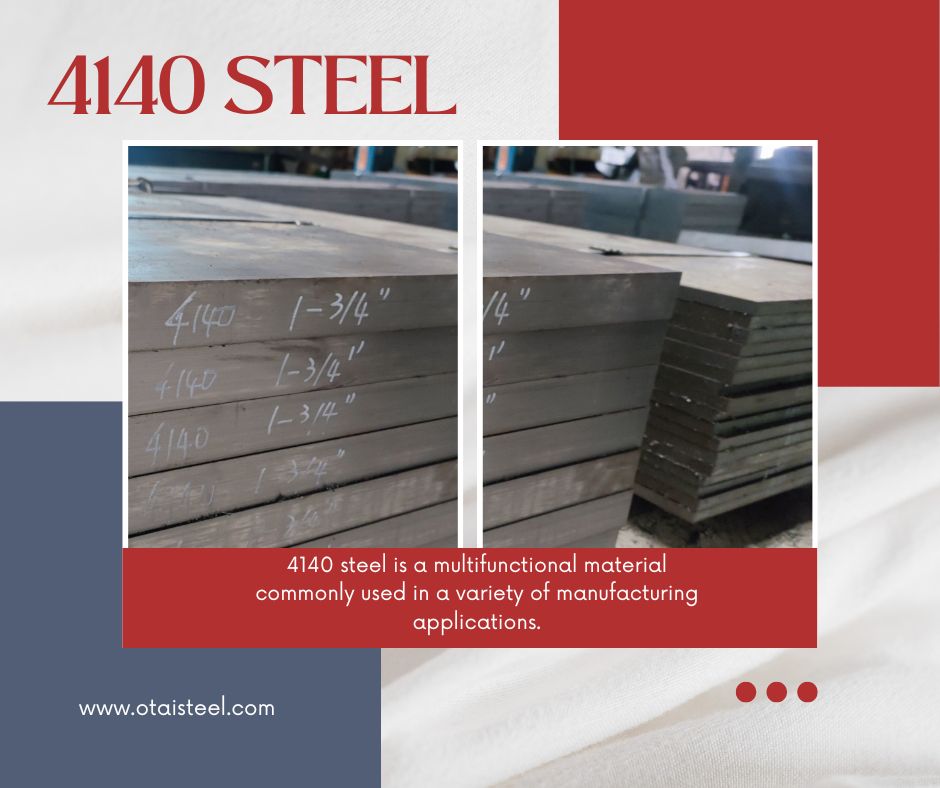 Steel is a remarkable material with a diverse range of alloys, each tailored for specific applications. Two such steel alloys, 4140 vs 52100 steel, are widely used in various industries, each offering distinct properties and advantages. In this comparison, we’ll explore the characteristics of 4140 and 52100 steel, highlighting their differences and common applications. By the end of this article, you’ll have a comprehensive understanding of which steel might be the right choice for your specific needs.
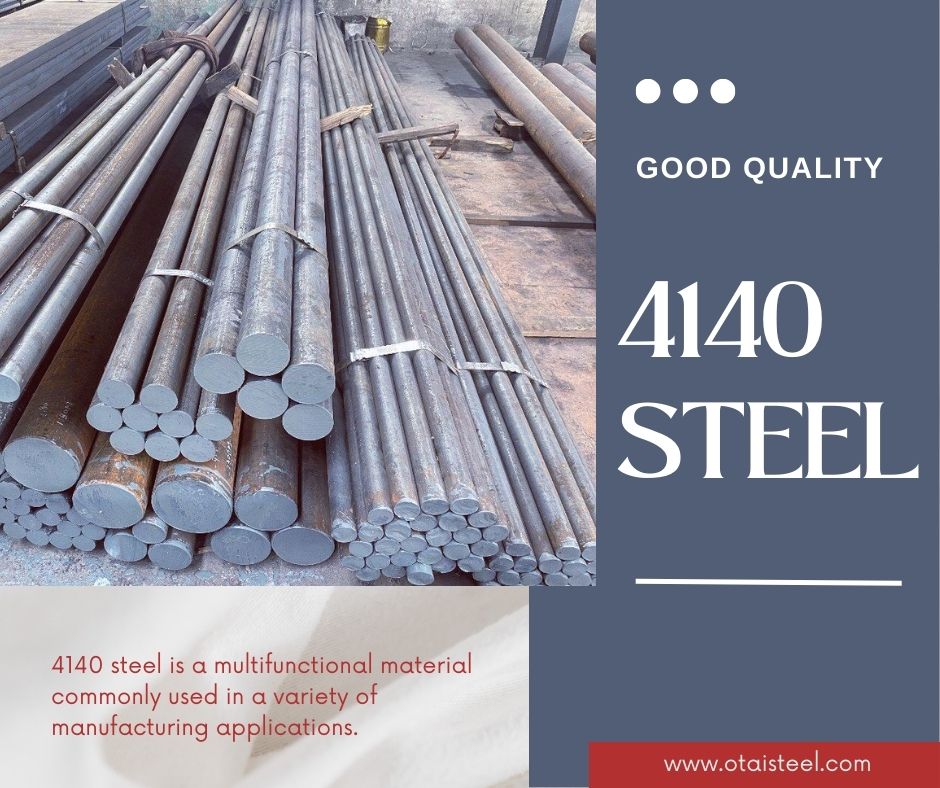
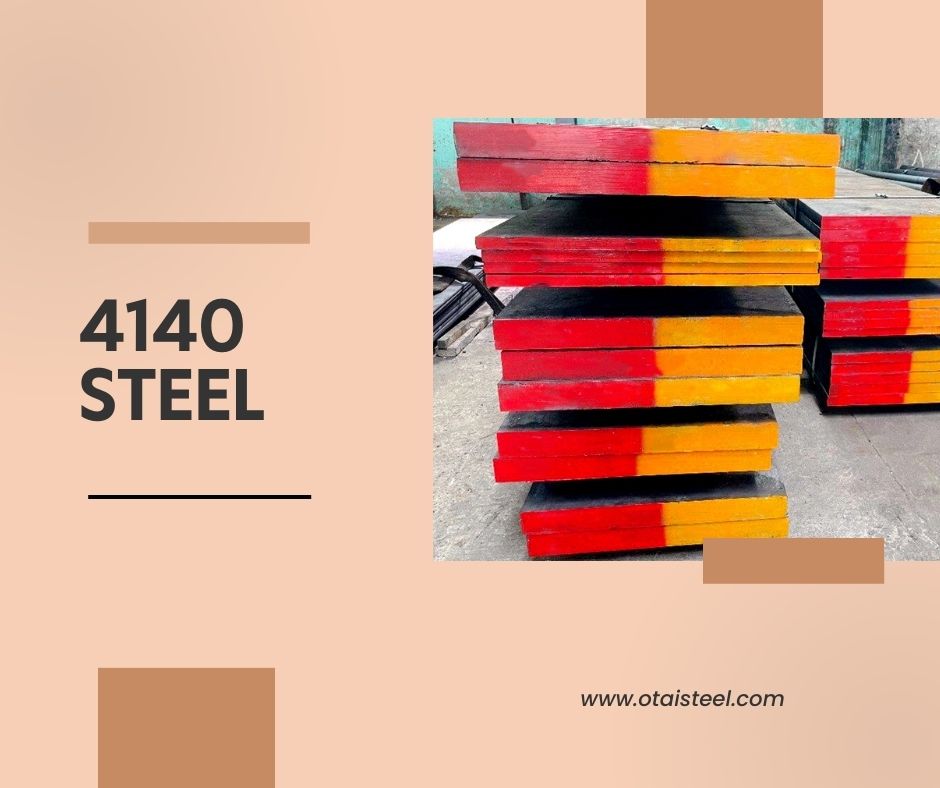
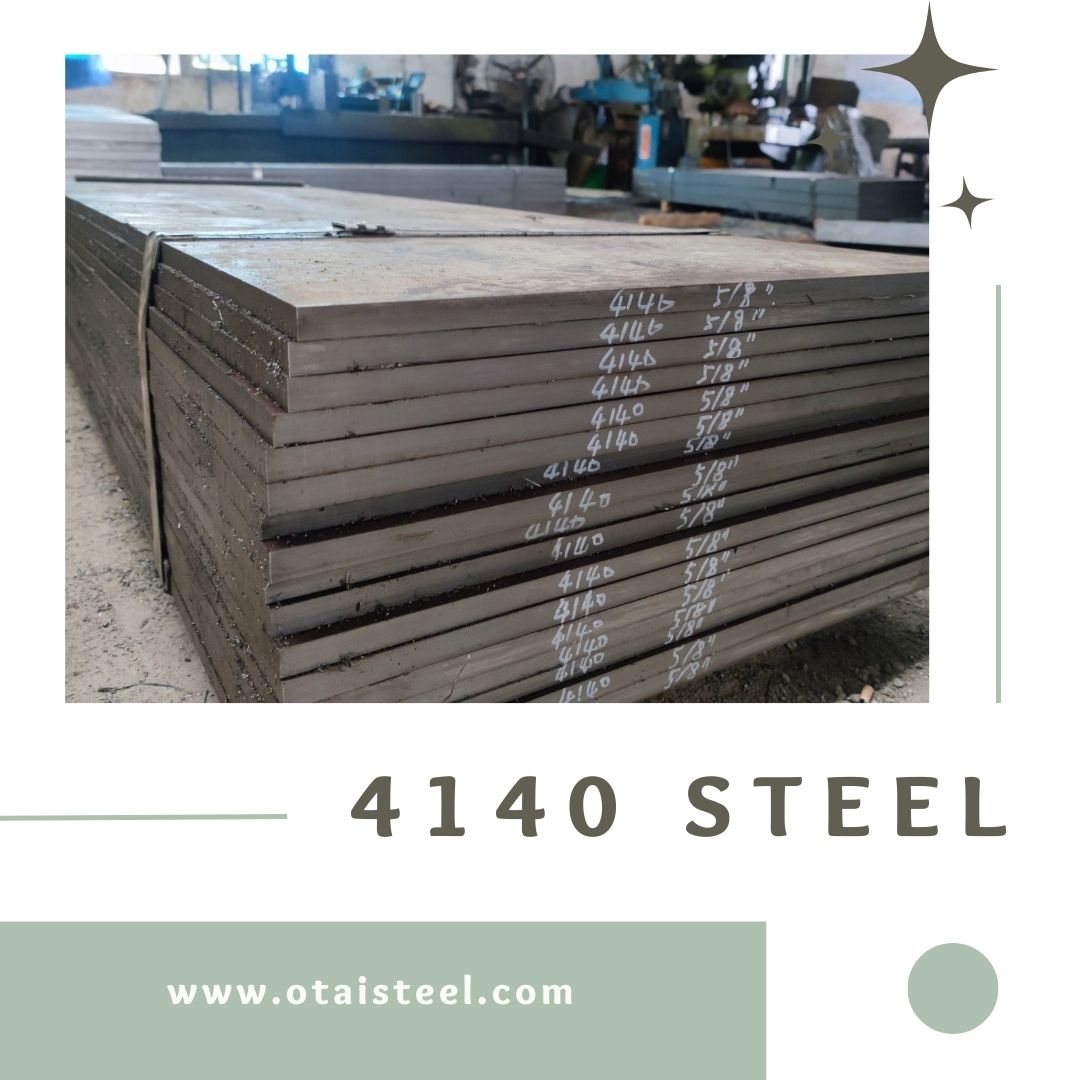 4140 steel is a low-alloy steel known for its exceptional strength and toughness. It contains a combination of chromium, molybdenum, and carbon, which contribute to its excellent mechanical properties. Due to its strength and versatility, 4140 steel is widely used in various industries, including automotive, aerospace, oil and gas, and manufacturing. It is commonly employed in the production of components such as axles, gears, shafts, and tooling. The demand for 4140 steel is substantial, and its price is influenced by several key factors.