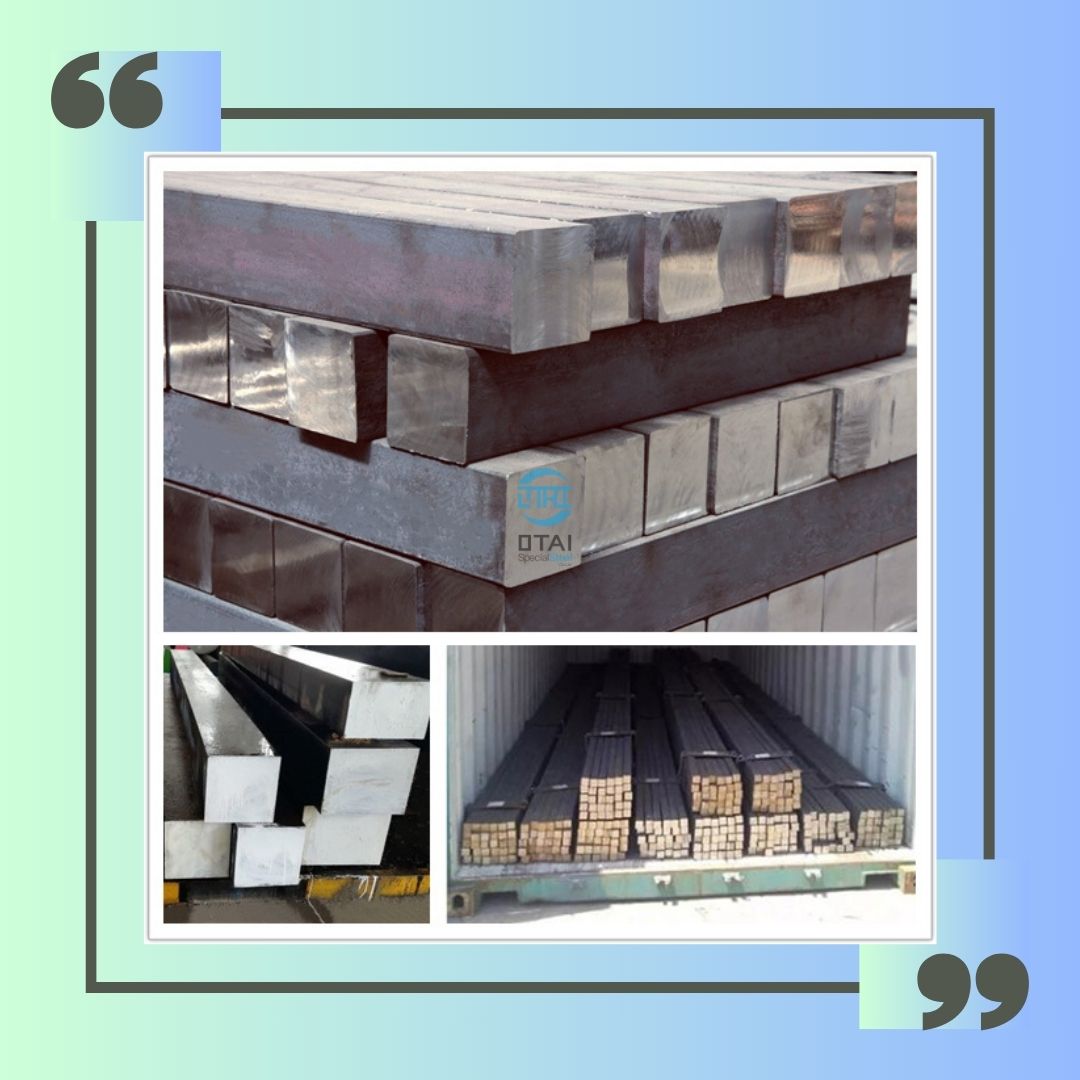
1.2085 steel, also known as 420HC or X46Cr13, is a highly versatile steel alloy with a wide range of applications across various industries. In this article, we’ll explore the unique properties that make 1.2085 steel stand out and discuss its applications.
Composition of 1.2085 Steel
The composition of 1.2085 steel is the foundation of its exceptional properties. It is a chromium alloyed mold steel, which means it contains a specific combination of elements to achieve its unique characteristics. This steel primarily consists of:
- Chromium (Cr): This element plays a crucial role in enhancing the steel’s hardness and corrosion resistance. A higher chromium content is a key feature of stainless steel. And it contributes to 1.2085 steel’s resistance to staining and corrosion.
- Carbon (C): The carbon content in 1.2085 steel is essential for its hardness. Carbon atoms are responsible for forming strong chemical bonds within the steel matrix, leading to increased strength and wear resistance.
- Manganese (Mn): Manganese is used to control the sulfur content in the steel, ensuring good machinability and a fine-grained structure.
- Silicon (Si): Silicon aids in deoxidization during the steel’s production process, enhancing its overall quality.
Hardness and Wear Resistance
1.2085 steel is renowned for its exceptional hardness and wear resistance. The high carbon content, combined with the chromium alloy, contributes to these properties. This steel can be hardened to a remarkable degree, making it ideal for applications where resistance to wear and abrasion is crucial.
In practical terms, this hardness means that 1.2085 steel is often used in the production of cutting tools, knives, and surgical instruments. It can maintain a sharp edge and withstand repeated use without significant wear, making it a popular choice for blades.
Corrosion Resistance
Corrosion resistance is another significant advantage of 1.2085 steel. The chromium content in the alloy forms a protective layer on the steel’s surface, preventing the formation of rust and staining. This makes it suitable for applications in environments where exposure to moisture, chemicals, or other corrosive substances is a concern.
Typically, 1.2085 steel is used in the production of components for the food and pharmaceutical industries due to its resistance to corrosion and staining. Surgical instruments and kitchen knives also benefit from these anti-corrosion properties.
Heat Treatment
Heat treatment is a crucial process in optimizing the properties of 1.2085 steel. Through heat treatment, the steel can achieve its desired level of hardness, toughness, and other mechanical properties. The following steps are involved in the heat treatment of 1.2085 steel:
- Preheating: The steel is heated to a specific temperature to prepare it for the subsequent hardening process.
- Hardening: The steel is heated to a critical temperature and then rapidly quenched in a cooling medium, such as oil or water. This process is essential for achieving the steel’s high hardness.
- Tempering: After hardening, the steel is tempered by reheating it to a lower temperature. Tempering reduces the brittleness caused by the hardening process while maintaining the desired hardness.
Applications of 1.2085 Steel
The unique combination of properties in 1.2085 steel makes it suitable for a wide range of applications, including:
- Cutting Tools: Due to its exceptional hardness and wear resistance, 1.2085 steel is commonly used for the production of cutting tools. Such as drills, end mills, and milling cutters.
- Blades and Knives: Knife makers often choose 1.2085 steel for kitchen knives and hunting knives. Because of its ability to maintain a sharp edge and resist corrosion.
- Surgical Instruments: The corrosion resistance and hardness of 1.2085 steel make it a preferred material for surgical instruments like scalpels and forceps.
- Mold Making: In industrial applications, 1.2085 steel is used for making molds for plastics and other materials. Due to its ability to maintain its shape and resist wear.
- Food Processing Equipment: The corrosion-resistant properties of 1.2085 steel make it an excellent choice for components used in food processing and packaging machinery.
Steel is a remarkable material with a diverse range of alloys, each tailored for specific applications. Two such steel alloys, 4140 vs 52100 steel, are widely used in various industries, each offering distinct properties and advantages. In this comparison, we’ll explore the characteristics of 4140 and 52100 steel, highlighting their differences and common applications. By the end of this article, you’ll have a comprehensive understanding of which steel might be the right choice for your specific needs.
4140 steel is a low-alloy steel known for its exceptional strength and toughness. It contains a combination of chromium, molybdenum, and carbon, which contribute to its excellent mechanical properties. Due to its strength and versatility, 4140 steel is widely used in various industries, including automotive, aerospace, oil and gas, and manufacturing. It is commonly employed in the production of components such as axles, gears, shafts, and tooling. The demand for 4140 steel is substantial, and its price is influenced by several key factors.


EN24 steel is a remarkably versatile alloy with a broad spectrum of applications across various industries. In this comprehensive guide, we’ll explore the diverse and essential uses of EN24 steel, shedding light on its significant role in different sectors.
AISI/SAE 4140 steel, often simply referred to as 4140 steel, belongs to the family of alloy steels. It’s renowned for its exceptional strength, toughness, and versatility. Let’s break down the key aspects of this steel: