Skip to Content

About: Jack Otai

Recent Posts by Jack Otai

What is the definition of 4140 steel?

What is the definition of 4140 steel?What is the definition of 4140 steel?

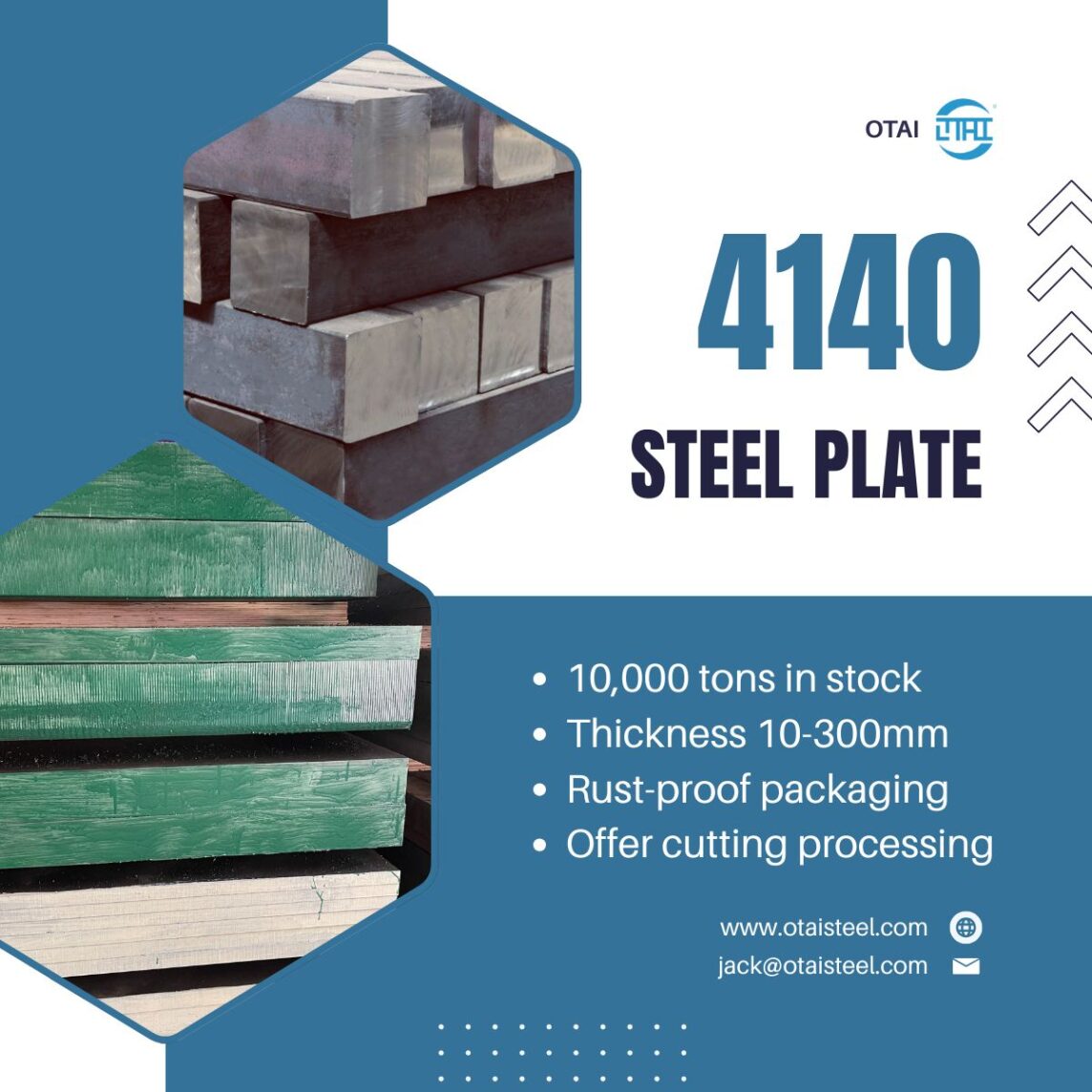
4140 steel is a medium-carbon alloy steel that stands out for its versatility, used across industries that demand high performance, such as automotive, aerospace, and heavy machinery. Known for its strength, durability, and resistance to wear, 4140 steel serves as an essential material for manufacturing components that must endure high stress, extreme temperatures, and abrasive conditions. In this article, we will define 4140 steel, explore its Definition, properties, and common applications, and highlight why it remains a popular choice for engineers and manufacturers.


🏗️ What is 4140 Steel?

4140 steel is an alloy steel that includes chromium (Cr) and molybdenum (Mo) as its key alloying elements. These elements enhance the steel’s strength, hardness, wear resistance, and toughness. The name 4140 refers to its composition:

  • Carbon (C): 0.38% – 0.43%

  • Manganese (Mn): 0.75% – 1.00%

  • Chromium (Cr): 0.80% – 1.10%

  • Molybdenum (Mo): 0.15% – 0.25%

This combination results in high tensile strength, good hardening ability, and excellent resistance to wear, making 4140 steel suitable for applications that require strength and durability.


🔧 Key Properties of 4140 Steel

The mechanical properties of 4140 steel make it one of the most reliable and widely used alloys. Here are the primary properties of 4140 steel:

1. Tensile Strength

  • Tensile strength indicates the material’s ability to resist forces that attempt to pull it apart. 4140 steel typically ranges from 655 to 1,000 MPa for tensile strength, making it highly resistant to tension and perfect for demanding applications in industries such as automotive and aerospace.

2. Yield Strength

  • Yield strength marks the point at which the material begins to deform plastically. 4140 steel maintains a yield strength ranging from 415 MPa to 650 MPa, enabling it to resist deformation under heavy loads, ideal for gears and shafts exposed to stress.

3. Hardness

  • 4140 steel offers good hardness, typically ranging from 28 to 50 HRC (Rockwell C scale). Heat treatments such as quenching and tempering increase its hardness, providing excellent wear resistance for components like bearings, tools, and machine parts.

4. Ductility and Toughness

  • Ductility describes the material’s ability to stretch or bend without breaking. 4140 steel features moderate ductility, which ensures that components like automotive suspension systems and machinery parts absorb shock and stress without cracking. It also boasts toughness, making it ideal for applications subject to sudden shocks.

5. Fatigue Strength

  • Fatigue strength refers to the material’s ability to withstand cyclic loading over time. 4140 steel offers excellent fatigue resistance, which makes it a solid choice for parts such as axles and crankshafts that experience repeated loading cycles.

6. Wear Resistance

  • The high carbon and alloy content in 4140 steel provide it with superior wear resistance, which is why it is often used in components that endure high friction and abrasive environments, such as gears and drivetrain parts.


🔨 How is 4140 Steel Used?

Due to its outstanding mechanical properties, 4140 steel has a wide range of industrial applications. Here are some of the most common uses for 4140 steel:

1. Automotive Industry

  • 4140 steel is used in automotive parts like crankshafts, gears, axles, and suspension components that need to withstand high levels of mechanical stress. Its high strength and fatigue resistance ensure that these components perform reliably even in extreme conditions.

2. Industrial Machinery

  • 4140 steel is found in industrial machinery for components such as shafts, bearings, and pumps. Its wear resistance and toughness make it ideal for parts that must endure continuous friction and high mechanical loads.

3. Oil and Gas Industry

  • The oil and gas sector uses 4140 steel for demanding components like drill pipes, valves, and flanges. The steel’s ability to endure harsh environments and high pressures makes it a reliable material for these applications.

4. Tooling and Dies

  • 4140 steel is widely used in the production of tooling and dies due to its exceptional hardness and wear resistance, making it suitable for use in high-production environments where tools must perform consistently under pressure.


⚙️ Heat Treatment of 4140 Steel

One of the key advantages of 4140 steel is its ability to undergo various heat treatments to enhance its mechanical properties. Heat treatments like quenching, tempering, and carburizing allow 4140 steel to be customized for specific applications.

1. Quenching and Tempering

  • Quenching involves heating 4140 steel to a high temperature and rapidly cooling it, forming martensite, a structure that increases strength and hardness. After quenching, the steel undergoes tempering, which improves toughness and reduces brittleness.

2. Carburizing

  • Carburizing introduces additional carbon to the surface of 4140 steel, creating a hard surface layer while keeping the core of the material ductile and tough. This process is perfect for parts like gears and sprockets that experience high levels of friction.

3. Normalizing

  • Normalizing involves heating 4140 steel to a temperature above its critical range and cooling it in air. This process refines the grain structure and improves the steel’s overall strength and toughness.


📊 Comparison of 4140 Steel with Other Alloys

To help you understand how 4140 steel compares to other alloys, here is a chart comparing tensile strength, yield strength, and hardness:

Material Tensile Strength (MPa) Yield Strength (MPa) Hardness (HRC) Applications
4140 Steel 655–1,000 415–650 28–50 Automotive, industrial machinery, tools
1045 Steel 600–800 415–500 18–28 General engineering, shafts
4340 Steel 1,000–1,200 850–1,050 40–60 Aerospace, military, heavy machinery
8620 Steel 600–850 400–550 20–30 Gears, automotive components
AISI 52100 1,000–1,200 600–800 60–65 Bearings, high-performance components

🏆 Why Choose Otai Special Steel for Your 4140 Steel Needs?

At Otai Special Steel, we specialize in providing high-quality 4140 steel with customizable heat treatment options to meet your specific needs. Our precision cutting, heat treatment, and packaging services ensure the steel performs optimally for your application.

Advantages of Working with Otai Special Steel:

  • Premium Materials: We offer only the highest-quality 4140 steel that meets international standards for performance and reliability.

  • Custom Solutions: We provide custom cutting, heat treatment, and machining to meet your exact specifications.

  • Competitive Pricing: Our 4140 steel products offer excellent value at competitive prices without compromising quality.

  • Fast Delivery: With an extensive inventory, we guarantee fast and reliable delivery to meet your project deadlines.


Frequently Asked Questions (FAQ)

Q1: What is 4140 steel best used for?

  • A1: 4140 steel is best used for automotive, industrial, and aerospace applications such as gears, shafts, bearings, and tooling, due to its high strength, wear resistance, and toughness.

Q2: How does heat treatment affect 4140 steel?

  • A2: Heat treatments like quenching and tempering significantly improve 4140 steel’s hardness, strength, and toughness, making it ideal for demanding applications.

0 0 Continue Reading →

Closest ASTM Equivalent to 16MnCr5 steel

Closest ASTM Equivalent to 16MnCr5 steelClosest ASTM Equivalent to 16MnCr5 steel

When buyers source 16MnCr5 ASTM equivalent steel, they usually face one practical question: Which ASTM grade truly matches 16MnCr5 in performance, not just in name?
This comparison matters because many global projects mix European drawings with American standards, especially in automotive, gear manufacturing, and industrial machinery.

This article explains how 16MnCr5 compares to ASTM grades, what engineers should watch out for, and how buyers avoid costly material mismatches.


🔍 What Is 16MnCr5 Steel?

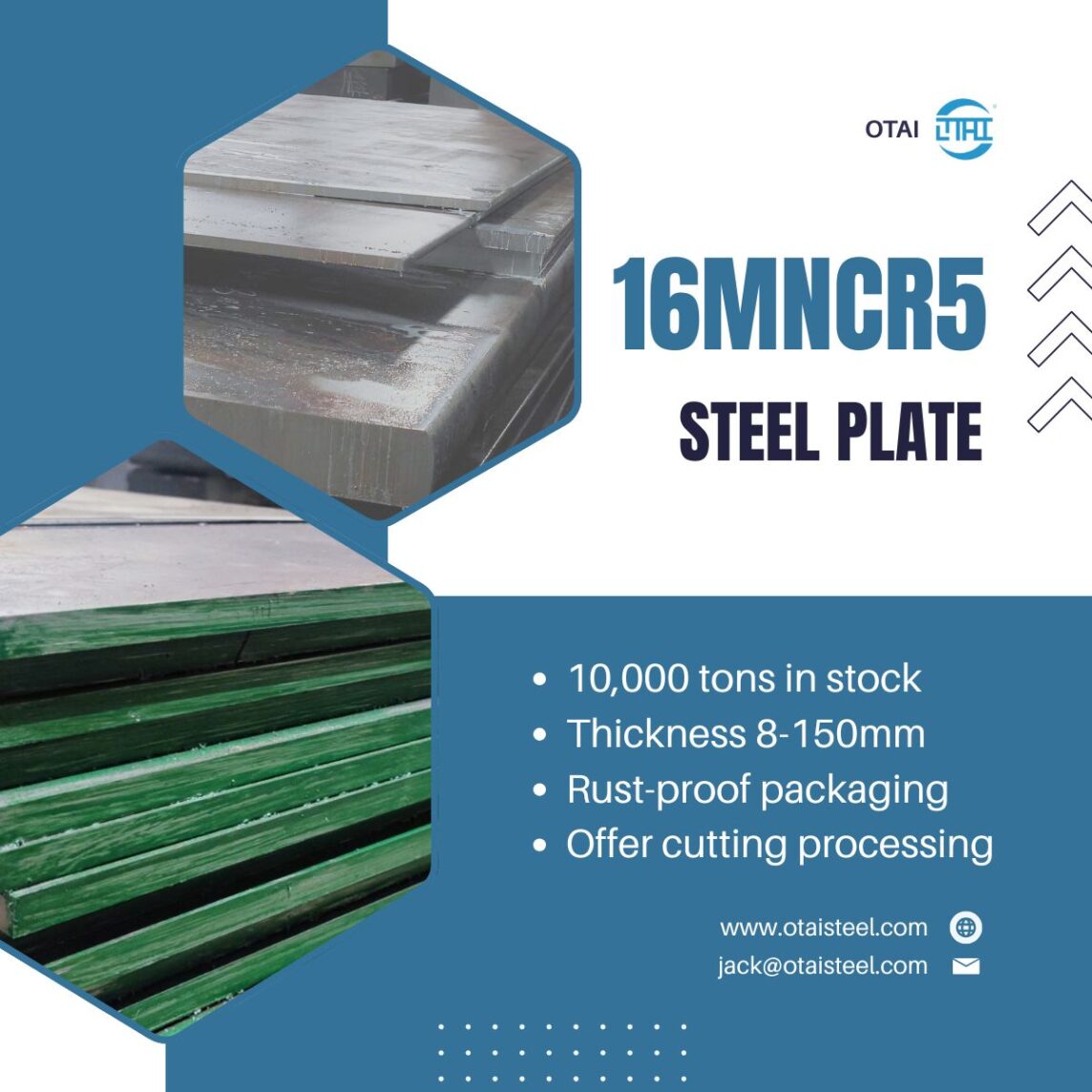
16MnCr5 is a low-alloy case-hardening steel defined under the EN 10084 standard. Manufacturers value it for its excellent core toughness, surface hardness after carburizing, and stable machining behavior.

Key characteristics that buyers care about:

  • Strong core after heat treatment

  • High surface hardness after carburizing

  • Good machinability in delivery condition

  • Reliable performance in gears and shafts

Because ASTM standards do not use the same naming system, buyers must rely on chemical composition and application intent, not just grade numbers.


🧪 Chemical Composition of 16MnCr5 (Reference)

Understanding chemistry helps buyers identify the closest ASTM alternative.

📊 Typical Chemical Composition of 16MnCr5

Element Content (%)
Carbon (C) 0.14 – 0.19
Manganese (Mn) 1.00 – 1.30
Chromium (Cr) 0.80 – 1.10
Silicon (Si) ≤ 0.40
Phosphorus (P) ≤ 0.025
Sulfur (S) ≤ 0.035

This composition clearly positions 16MnCr5 as a carburizing-grade steel, not a through-hardening alloy like 4140.


⚖️ Closest ASTM Equivalent to 16MnCr5

ASTM does not provide a one-to-one equivalent for 16MnCr5. However, engineers widely recognize ASTM A29 / A322 5115 steel as the closest practical alternative.

✅ Commonly Accepted ASTM Equivalent

  • ASTM 5115

  • SAE 5115

These grades share similar carbon levels and alloy intent, especially for case-hardened components.


🔄 16MnCr5 vs ASTM 5115: Practical Comparison

📊 Side-by-Side Comparison

Aspect 16MnCr5 (EN 10084) ASTM / SAE 5115
Standard European (EN) American (ASTM / SAE)
Carbon Content 0.14 – 0.19% 0.13 – 0.18%
Chromium 0.8 – 1.1% ~0.8 – 1.1%
Heat Treatment Carburizing Carburizing
Core Toughness Excellent Excellent
Typical Use Gears, shafts Gears, shafts

👉 In real production, these two grades behave very similarly after carburizing and quenching.


🔥 Heat Treatment Behavior Buyers Should Understand

Both 16MnCr5 and its ASTM equivalent rely on surface hardening, not full-section hardness.

Typical process flow:

  • Carburizing: 880–940 °C

  • Quenching: Oil quench

  • Tempering: Low-temperature temper

After treatment:

  • Surface hardness: 58–62 HRC

  • Core hardness: 30–40 HRC

This balance explains why manufacturers prefer these steels for gears under cyclic load.


⚠️ Common Buyer Mistakes When Choosing ASTM Equivalents

Many sourcing problems happen because buyers rely on grade names instead of performance intent.

🚫 Typical Errors

  • Replacing 16MnCr5 with 4140 (wrong hardening behavior)

  • Ignoring carburizing requirements

  • Overlooking core toughness after heat treatment

  • Assuming all “Cr steels” behave the same

👉 16MnCr5 ≠ 4140, even though both contain chromium.


🏗️ Typical Applications Using ASTM Equivalents

When buyers select the correct ASTM equivalent, performance remains consistent across standards.

Common applications include:

  • Automotive transmission gears

  • Pinions and sprockets

  • Splined shafts

  • Industrial gearbox components

  • Wear-resistant mechanical parts

These parts benefit from hard surfaces and tough cores, not maximum bulk hardness.


🏅 Company Advantages – Why Otai Special Steel Is a Reliable Choice

At Otai Special Steel, we help buyers match European and American standards based on application, not guesswork.

  • Large Stock: 16MnCr5 plates and bars up to 300 mm

  • Grade Matching Support: EN, ASTM, SAE comparison guidance

  • Heat Treatment Options: Annealed, normalized, carburizing-ready

  • Quality Control: UT testing, chemical analysis, full traceability

  • Project Stability: Consistent supply for repeat orders

We focus on performance equivalency, not just paperwork equivalency.


❓ Frequently Asked Questions (FAQ)

Q1: What is the ASTM equivalent of 16MnCr5?
ASTM / SAE 5115 is the closest and most commonly accepted equivalent.

Q2: Can ASTM 4140 replace 16MnCr5?
No. 4140 is a through-hardening steel and does not suit carburized applications.

Q3: Do 16MnCr5 and ASTM 5115 have the same heat treatment process?
Yes. Both use carburizing, quenching, and tempering.

Q4: Is chemical composition more important than grade name?
Yes. Performance depends on chemistry and heat treatment, not labels.

Q5: Can Otai supply ASTM-equivalent material?
Yes. We support both EN and ASTM specifications with full documentation.

0 0 Continue Reading →

What Does “4140 Steel ALRO” Refer To?

What Does “4140 Steel ALRO” Refer To?When buyers search for 4140 steel ALRO, they usually want pricing clarity, stock availability, and delivery speed. ALRO Steel works as a well-known metal distributor in North America, so engineers and purchasing teams often encounter its name during sourcing.

However, choosing 4140 steel involves more than selecting a distributor. Buyers must understand material condition, processing capability, quality control, and long-term supply reliability. This article explains what “4140 steel ALRO” typically refers to and how customers can evaluate supply options more effectively.


🔍 What Does “4140 Steel ALRO” Refer To?

ALRO Steel distributes a wide range of alloy steels, including 4140 steel, mainly in bar and plate form. When customers mention 4140 steel ALRO, they usually mean:

  • Commercial-grade 4140 alloy steel
  • Stock material for fast delivery
  • Standard sizes with limited customization

ALRO focuses on distribution efficiency, not steel manufacturing or deep processing.


🧪 Typical 4140 Steel Supplied Through Distributors

Most distributors supply 4140 steel in standard commercial conditions.

📊 Typical Chemical Composition of 4140 Steel

Element Content (%)
Carbon (C) 0.38 – 0.43
Chromium (Cr) 0.80 – 1.10
Molybdenum (Mo) 0.15 – 0.25
Manganese (Mn) 0.75 – 1.00
Silicon (Si) 0.15 – 0.35

This chemistry gives 4140 steel its balance of strength, toughness, and hardenability, which makes it suitable for shafts, gears, and structural parts.


🔥 Common Supply Conditions for 4140 Steel

Distributors like ALRO typically stock 4140 steel in limited conditions.

⚙️ Commonly Available Conditions

  • Annealed
  • Hot rolled
  • Occasionally normalized

Buyers often need additional heat treatment after delivery to reach final mechanical properties.


💪 Mechanical Properties Buyers Usually Expect

In the annealed or hot-rolled state, 4140 steel focuses on machinability rather than final strength.

📊 Typical Mechanical Properties (Non Heat-Treated)

Property Approximate Value
Tensile Strength 600 – 700 MPa
Yield Strength 400 – 500 MPa
Hardness 18 – 22 HRC

These values change significantly after quenching and tempering.


⚠️ Key Limitations When Buying Only From Distributors

Many buyers rely on distributors for speed, but this approach has trade-offs.

🚧 Common Challenges

  • Limited size range for thick sections
  • No control over heat treatment process
  • Inconsistent batch-to-batch properties
  • Additional lead time for external processing

For critical components, these issues can increase project risk.


🔄 Distributor vs Steel Mill Supplier: Practical Comparison

📊 Supply Model Comparison

Aspect Distributor (e.g. ALRO) Steel Mill Supplier
Stock Availability Fast for standard sizes Wide size range
Heat Treatment Rare In-house or controlled
Custom Cutting Limited Flexible
Quality Control Basic UT, chemistry, mechanical tests
Best For Emergency needs Long-term projects

👉 Buyers should match the supply model to project requirements, not just price.


🛠️ When 4140 Steel Needs More Than Fast Delivery

For applications such as:

  • Heavy-duty shafts
  • Oil & gas components
  • High-load mechanical parts
  • Thick plates above 100 mm

Customers often need controlled heat treatment, ultrasonic testing, and full traceability—services distributors rarely provide.


🏅 Company Advantages – Why Many Buyers Choose Otai Special Steel

At Otai Special Steel, we support customers who need more than off-the-shelf material.

  • Large Inventory: 4140 plates and bars from 6 mm to 300 mm
  • Heat Treatment Options: Annealed, normalized, quenched & tempered
  • Custom Cutting: Exact sizes reduce machining cost
  • Quality Assurance: UT testing, chemical analysis, mechanical reports
  • Project Support: Stable supply for repeat orders

We focus on performance consistency, not just short-term delivery.


❓ FAQ

Q1: Is 4140 steel from ALRO suitable for critical components?
It works well for general machining and non-critical parts. Critical applications usually need additional processing and testing.

Q2: Does distributor-supplied 4140 steel include heat treatment?
Most distributor stock does not include final heat treatment.

Q3: Can Otai supply 4140 steel equivalent to distributor material?
Yes, and we also provide deeper processing and inspection options.

Q4: Is distributor material cheaper?
Initial price may look lower, but added processing often increases total cost.

Q5: Which supply option works best for long-term projects?
Steel mill suppliers with processing capability usually offer better consistency and control.


Jack Tan


📧 jack@otaisteel.com

📱 WhatsApp: +8676923190193

[/vc_row

0 0 Continue Reading →

Factors Influencing the Tensile Strength of 16MnCr5 Steel

Factors Influencing the Tensile Strength of 16MnCr5 SteelFactors Influencing the Tensile Strength of 16MnCr5 Steel

The tensile strength of 16MnCr5 steel is one of its most significant characteristics, making it highly valued in various industrial applications. This steel grade, commonly used in the automotive and machinery sectors, offers an excellent combination of strength, wear resistance, and fatigue resistance. In this article, we will explore the tensile strength of 16MnCr5 steel, its applications, and the factors that affect its performance.


🔧 What is 16MnCr5 Steel?

16MnCr5 is a low-alloy steel that combines manganese (Mn) and chromium (Cr) as its main alloying elements. This composition provides the steel with excellent hardness, strength, and resistance to wear and fatigue. Due to these properties, 16MnCr5 steel is ideal for manufacturing components subjected to high mechanical stresses, such as gears, shafts, and crankshafts.


🧪 Tensile Strength of 16MnCr5 Steel

The tensile strength of 16MnCr5 steel refers to its ability to withstand tension (pulling or stretching forces) without breaking or failing. This property is critical for components used in mechanical systems where high stresses are common.

  • Tensile Strength: 16MnCr5 steel has a typical tensile strength of 800-1,100 MPa (megapascals). The exact value can vary depending on the steel’s heat treatment and the specific manufacturing process.

  • Yield Strength: The yield strength of 16MnCr5 typically ranges between 600-850 MPa, which means the material will begin to deform plastically under this amount of stress.

  • Elongation: The steel exhibits good ductility, with an elongation of approximately 15-20%, which means it can stretch to a certain extent before breaking.

Tensile Strength Chart for 16MnCr5 Steel:

Property Value
Tensile Strength 800–1,100 MPa
Yield Strength 600–850 MPa
Elongation 15–20%

This tensile strength makes 16MnCr5 steel suitable for use in critical components that require high resistance to tensile forces, such as transmission gears, axles, and clutch components.


🏗️ Factors Influencing the Tensile Strength of 16MnCr5 Steel

The tensile strength of 16MnCr5 steel can vary depending on several factors, most notably the heat treatment process and the carbon content. Here’s a look at the key factors influencing the material’s strength:

1. Heat Treatment

Heat treatment is one of the most important factors affecting the tensile strength of 16MnCr5 steel. The heat treatment process can change the microstructure of the steel, significantly improving its mechanical properties.

  • Tempering: After hardening, tempering increases the tensile strength and toughness while reducing brittleness.

  • Hardening: Quenching the steel after heating increases its hardness and tensile strength but may reduce its ductility.

  • Normalizing: This process refines the microstructure, enhancing the tensile strength and ensuring uniform properties.

2. Carbon Content

While 16MnCr5 steel has a relatively low carbon content compared to other high-strength steels, the carbon level still affects its tensile strength. Higher carbon content generally increases tensile strength but may reduce ductility. The balance between strength and ductility is crucial in ensuring that the steel can withstand stress without breaking.

3. Manganese and Chromium Content

The alloying elements in 16MnCr5, particularly manganese and chromium, contribute to its overall strength. Manganese helps in hardening and provides tensile strength, while chromium improves resistance to wear and enhances the steel’s tensile strength at higher temperatures.


🏆 Applications of 16MnCr5 Steel with High Tensile Strength

Thanks to its excellent tensile strength, 16MnCr5 steel is used in a wide range of applications that require durability, high performance, and resistance to wear and fatigue.

1. Automotive Industry

In the automotive sector, 16MnCr5 steel is commonly used to manufacture gears, crankshafts, axles, and drive shafts. These components are subjected to high levels of stress during vehicle operation, and the steel’s tensile strength ensures their reliability over time.

2. Industrial Machinery

16MnCr5 steel is ideal for producing machine parts such as bearings, shafts, and gears. These parts must withstand high tensile forces and wear during heavy industrial operations.

3. Heavy Equipment and Oil & Gas

In heavy equipment and oil and gas industries, components like gears, valves, and shafts need to endure extreme conditions. 16MnCr5 is selected for its excellent tensile strength and ability to perform under high mechanical stress.

4. Aerospace and Defense

While 16MnCr5 is not as widely used in aerospace applications, it can still be found in certain defense components and aircraft parts that require a high level of tensile strength and durability.


📊 Tensile Strength Comparison: 16MnCr5 vs Other Steel Grades

Here’s how 16MnCr5 compares to other common steels in terms of tensile strength:

Steel Grade Tensile Strength (MPa)
16MnCr5 800–1,100
4140 Steel 700–1,050
1045 Steel 600–800
AISI 8620 620–850
52100 Steel 950–1,200

As shown, 16MnCr5 steel provides a good balance of strength and ductility, making it competitive with other alloy steels like 4140 and 52100.


🏗️ Why Choose Otai Special Steel for 16MnCr5 Steel?

At Otai Special Steel, we specialize in supplying high-quality 16MnCr5 steel for a range of industrial applications. Our steel is sourced from reputable mills and undergoes rigorous quality control to ensure it meets international standards.

Advantages of Working with Otai Special Steel:

  • Top-Quality Steel: Our 16MnCr5 steel undergoes strict quality assurance processes, including chemical composition testing and mechanical property analysis.

  • Customization Services: We offer custom cutting, heat treatment, and machining services to meet the specific needs of your project.

  • Competitive Prices: By working directly with steel mills, we offer affordable prices for premium 16MnCr5 steel.

  • Fast Delivery: We maintain a large inventory and offer quick delivery to ensure your project stays on schedule.


Frequently Asked Questions (FAQ)

Q1: What is the tensile strength of 16MnCr5 steel?

  • A1: The tensile strength of 16MnCr5 steel typically ranges from 800–1,100 MPa, depending on the heat treatment and manufacturing processes.

Q2: Can 16MnCr5 steel be used for high-stress applications?

  • A2: Yes, 16MnCr5 is ideal for high-stress applications, such as gears, shafts, and crankshafts, due to its excellent tensile strength and wear resistance.

Q3: How can I improve the tensile strength of 16MnCr5 steel?

  • A3: Tensile strength can be enhanced through processes such as hardening, tempering, and normalizing, depending on the required application.

Q4: Does Otai Special Steel supply 16MnCr5 steel?

  • A4: Yes, we provide high-quality 16MnCr5 steel with customizable services such as cutting, heat treatment, and packaging.

0 0 Continue Reading →

Why Brazing 4140 Steel?

Why Brazing 4140 Steel?Why Brazing 4140 Steel?

Brazing is a widely used metal-joining process where a filler material joins two or more pieces of metal. It is commonly employed in industries like automotive, aerospace, and heavy machinery. 4140 steel, known for its strength, toughness, and wear resistance, is often used in high-performance applications. While 4140 steel is typically welded or heat-treated for structural purposes, brazing provides a valuable alternative when welding isn’t the best option.

In this article, we will discuss how to braze 4140 steel, the different brazing techniques, and the important factors to consider for successful brazing.


🏗️ What is Brazing?

Brazing is a metal-joining process in which a filler metal melts above 450°C (840°F) but remains below the melting point of the base materials. Unlike welding, where the base materials melt, brazing keeps the base materials solid and melts only the filler metal. Typically, the filler metal is a non-ferrous alloy like silver, copper, or aluminum, chosen based on the base materials and the desired joint properties.

In brazing, the process involves cleaning the surfaces to be joined, applying flux to prevent oxidation, heating the workpieces, and introducing the filler metal. The filler metal then flows into the joint through capillary action. Once the joint cools, it forms a strong and reliable bond with good mechanical properties.


🔧 Why Brazing 4140 Steel?

4140 steel is known for its high tensile strength, impact resistance, and fatigue resistance. However, brazing can offer unique advantages in certain applications:

1. Minimizing Distortion

  • Welding can cause significant heat distortion in 4140 steel. The high temperatures involved often lead to warping and cracking. Brazing, however, operates at lower temperatures, reducing the risk of distortion. It’s an ideal solution for joining thin-walled or precision parts without altering their shape.

2. Joining Dissimilar Materials

  • Brazing allows for the joining of 4140 steel with other metals like copper or brass. This is beneficial in applications that require combining different materials, such as adding corrosion resistance or electrical conductivity to 4140 steel components.

3. Maintaining Material Properties

  • When 4140 steel is welded, it may lose some of its hardness and strength due to the high temperatures. Brazing operates at lower temperatures, ensuring that the mechanical properties of 4140 steel remain intact. This makes brazing a preferred choice when preserving the material’s strength is critical.

4. Precision and Strength

  • Brazed joints can be precise, filling small gaps and offering strength without the need for excessive heat. For applications requiring tight tolerances, brazing ensures a strong and reliable joint that maintains the performance of 4140 steel.


🔨 Brazing Methods for 4140 Steel

Several brazing techniques are available for joining 4140 steel, and the best method depends on the application and production requirements. The main methods include torch brazing, furnace brazing, and induction brazing.

1. Torch Brazing

  • Torch brazing uses a hand-held torch to heat the workpieces and apply the filler metal. This method works well for small-scale applications or repairs, especially when the precision of the joint is not as critical. Torch brazing is often used for quick fixes or joining small parts on-site.

2. Furnace Brazing

  • In furnace brazing, the workpieces heat in a controlled furnace atmosphere. This method offers precise temperature control and is ideal for large-scale production. It is commonly used in industries such as automotive and aerospace for 4140 steel components, providing uniform brazing and strong joints.

3. Induction Brazing

  • Induction brazing uses electromagnetic fields to heat the workpieces, allowing for precise control over the temperature. This method is fast and efficient, making it suitable for high-precision, high-volume production. Induction brazing is ideal for industries requiring quick, consistent results.

4. Vacuum Brazing

  • Vacuum brazing takes place in a vacuum environment, preventing oxidation and contamination during the process. This method is especially useful in high-performance applications, such as aerospace, where cleanliness and joint integrity are essential.


🔍 Key Considerations When Brazing 4140 Steel

Successful brazing of 4140 steel requires careful attention to several important factors:

1. Surface Preparation

  • Clean the surfaces thoroughly to ensure strong bonding. Oxides, oil, and grease can interfere with the brazing process and weaken the joint. Use abrasive cleaning or chemical methods to remove any contaminants from the surfaces before brazing.

2. Filler Metal Selection

  • Choose the right filler metal based on the base materials and the intended application. For 4140 steel, common filler metals include copper alloys, silver alloys, and nickel-based alloys. The filler metal must have a lower melting point than 4140 steel and should bond well with the steel.

3. Flux Application

  • Flux is essential for preventing oxidation during brazing and aiding the capillary action of the filler metal. It cleans the metal surfaces and helps the filler flow into the joint. Ensure you choose the right type of flux based on the filler metal and base material.

4. Heat Control

  • 4140 steel is heat-sensitive, and excessive heat can compromise its hardness and strength. Control the temperature carefully during the brazing process to avoid damaging the material. Uniform heating and gradual temperature increases will help maintain the steel’s mechanical properties.


📊 Brazing vs Welding for 4140 Steel: A Comparison

To understand the advantages of brazing over welding for 4140 steel, here’s a quick comparison of both methods:

Aspect Brazing Welding
Heat Affected Zone Small, minimal effect on base material Larger, can reduce hardness and strength of steel
Strength Good, depending on filler material Very strong, especially for thick sections
Surface Preparation Requires cleaning and flux application Requires cleaning and proper joint fit
Distortion Low distortion Higher distortion due to high heat
Application Ideal for joining dissimilar metals and thin materials Best for thicker sections and high-strength joints
Cost Generally lower cost Higher cost, especially for thick materials

🏆 Why Choose Otai Special Steel for Your 4140 Steel Brazing Needs?

At Otai Special Steel, we offer high-quality 4140 steel that meets international standards for strength, toughness, and wear resistance. We provide custom cutting, heat treatment, and packaging services to ensure that our 4140 steel meets your exact specifications.

Advantages of Working with Otai Special Steel:

  • Premium Materials: Our 4140 steel meets the highest industry standards for strength, wear resistance, and toughness.

  • Customization: We offer custom cutting, heat treatment, and machining to meet your exact needs.

  • Competitive Pricing: We provide high-performance steel at competitive prices.

  • Fast Delivery: With our extensive inventory, we guarantee fast and reliable delivery to meet your deadlines.


Frequently Asked Questions (FAQ)

Q1: Can 4140 steel be brazed successfully?

  • A1: Yes, 4140 steel can be brazed successfully when proper surface preparation, filler metal selection, and heat control are applied.

Q2: What is the best brazing method for 4140 steel?

  • A2: The best brazing method depends on the scale of the application. Furnace brazing and induction brazing work well for large-scale, high-precision applications involving 4140 steel.

Q3: Does brazing affect the hardness of 4140 steel?

  • A3: Brazing operates at lower temperatures than welding, which preserves the hardness and strength of 4140 steel. However, it’s important to control the heat to avoid overheating the material.

0 0 Continue Reading →

Corrosion Resistance of 16MnCr5 Steel

Corrosion Resistance of 16MnCr5 SteelCorrosion Resistance of 16MnCr5 Steel: Understanding its Durability in Harsh Environments

16MnCr5 steel is a widely used medium-carbon alloy steel, recognized for its strength, toughness, and wear resistance. It finds application in demanding industries like automotive, aerospace, and heavy machinery. One of the critical factors influencing its performance in various environments is its corrosion resistance. While 16MnCr5 steel is not a stainless steel, it still offers a reasonable level of corrosion resistance, making it suitable for applications where moderate exposure to corrosive elements is expected.

In this article, we will explore the corrosion resistance of 16MnCr5 steel, how it performs in different environments, and ways to enhance its resistance to corrosion.


🏗️ What is 16MnCr5 Steel?

16MnCr5 steel is an alloy that includes manganese (Mn) and chromium (Cr), which are critical for enhancing the strength, toughness, and wear resistance of the material. The steel’s composition typically includes:

  • Carbon (C): 0.14% – 0.20%

  • Manganese (Mn): 0.60% – 0.90%

  • Chromium (Cr): 0.80% – 1.10%

  • Silicon (Si): 0.15% – 0.35%

  • Phosphorus (P): ≤ 0.025%

  • Sulfur (S): ≤ 0.025%

This chemical composition makes 16MnCr5 steel ideal for parts that need to withstand high mechanical stress, such as gears, shafts, and bearings. However, while chromium helps improve its resistance to corrosion, 16MnCr5 is not completely immune to it. Understanding how 16MnCr5 steel performs in corrosive environments is essential when choosing this material for specific applications.


🔧 Corrosion Resistance of 16MnCr5 Steel

The corrosion resistance of 16MnCr5 steel is moderate compared to stainless steel. While it resists mild corrosion to some extent due to the presence of chromium, it is susceptible to rusting and corrosion when exposed to aggressive conditions, such as saltwater, acidic environments, or high humidity.

1. Chromium’s Role in Corrosion Resistance

  • The chromium content in 16MnCr5 steel (0.80% – 1.10%) plays a significant role in its corrosion resistance. Chromium forms a thin, protective oxide layer on the surface of the steel, which acts as a barrier against corrosive elements. However, this layer is thin and can break down under harsh conditions, such as exposure to chlorides or acidic substances. While 16MnCr5 steel offers better corrosion resistance than low-carbon steels, it does not compare to stainless steel alloys, which have much higher chromium content (typically 10% or more) and offer superior corrosion resistance.

2. Manganese and Silicon Contributions

  • Manganese and silicon contribute to the strength and toughness of 16MnCr5 steel, but they do not significantly improve its corrosion resistance. Manganese helps the steel resist cracking and improve hardenability, while silicon acts as a deoxidizer during steelmaking, but neither element provides additional corrosion protection.

3. Environmental Impact on Corrosion

  • 16MnCr5 steel can experience rusting when exposed to moisture, oxygen, and contaminants like salts or acids. The level of corrosion depends on the environment. For instance, components exposed to saltwater, such as those in marine or coastal environments, are at a higher risk of pitting and rust formation. In more neutral environments, 16MnCr5 steel offers moderate resistance to surface corrosion but may require additional protection in harsh conditions.


🔨 Improving the Corrosion Resistance of 16MnCr5 Steel

Although 16MnCr5 steel offers reasonable corrosion resistance for many applications, there are ways to enhance its ability to withstand corrosive environments.

1. Surface Coatings

  • Surface coatings are one of the most effective ways to protect 16MnCr5 steel from corrosion. Options like galvanizing, chrome plating, or phosphate coatings can provide an additional layer of protection against corrosion. These coatings act as barriers to moisture and chemicals, preventing the steel from rusting and degrading over time.

2. Heat Treatment

  • Heat treatment methods such as carburizing can improve the surface properties of 16MnCr5 steel, making it harder and more resistant to wear. However, heat treatment does not significantly improve corrosion resistance. Combining heat treatment with surface coatings may offer better results in corrosive environments.

3. Stainless Steel Cladding

  • For applications in highly corrosive environments, engineers may choose to use 16MnCr5 steel in conjunction with stainless steel cladding. The cladding provides an outer layer of stainless steel, which offers superior corrosion resistance, while the inner core retains the strength and toughness of 16MnCr5.

4. Environmental Control

  • Limiting the exposure of 16MnCr5 steel to harsh environments can also help reduce its rate of corrosion. In applications where the material is exposed to high humidity, salt or acidic substances, ensuring proper storage and maintenance can extend the life of the material and maintain its integrity.


🏗️ Applications of 16MnCr5 Steel

Despite its moderate corrosion resistance, 16MnCr5 steel excels in applications where strength, wear resistance, and fatigue resistance are more important than corrosion resistance. Some common applications of 16MnCr5 steel include:

1. Automotive Industry

  • 16MnCr5 steel is often used for gears, axles, crankshafts, and suspension components in vehicles. These parts must endure high mechanical stress, and 16MnCr5 steel provides the necessary strength and toughness.

2. Industrial Machinery

  • 16MnCr5 steel is used for shafts, bearings, and pulleys in industrial machinery. The steel’s toughness and wear resistance make it ideal for heavy-duty components exposed to continuous friction and mechanical stress.

3. Heavy Equipment

  • In heavy equipment used in construction and mining, 16MnCr5 steel is used for gears and crankshafts that require high strength and fatigue resistance.

4. Gears and Shafts

  • The steel’s combination of hardness and fatigue strength makes it ideal for gears and shafts exposed to high loads and constant friction.


📊 Comparison of 16MnCr5 Steel with Other Materials

To highlight how 16MnCr5 steel compares with other materials in terms of corrosion resistance and key properties, here’s a quick comparison:

Material Carbon (C) Manganese (Mn) Chromium (Cr) Corrosion Resistance Applications
16MnCr5 Steel 0.14% – 0.20% 0.60% – 0.90% 0.80% – 1.10% Moderate Automotive parts, gears, shafts, industrial machinery
AISI 1045 Steel 0.45% 0.60% – 0.90% Low General engineering, shafts
AISI 4340 Steel 0.38% – 0.43% 0.60% – 0.80% 0.70% – 0.90% Moderate Aerospace, heavy machinery
EN 19 Steel 0.38% – 0.43% 0.60% – 0.90% 0.80% – 1.10% Moderate Heavy-duty machinery, automotive components
AISI 4130 Steel 0.28% – 0.33% 0.60% – 0.90% 0.80% – 1.10% Low to Moderate Aerospace, military, automotive

🏆 Why Choose Otai Special Steel for Your 16MnCr5 Steel Needs?

At Otai Special Steel, we provide high-quality 16MnCr5 steel that meets international standards for strength, toughness, and wear resistance. We also offer custom cutting, heat treatment, and packaging services to meet your specific requirements. If you need enhanced corrosion resistance, we can apply surface coatings or recommend other treatments to improve performance in corrosive environments.

Advantages of Working with Otai Special Steel:

  • Top-Quality Materials: We provide 16MnCr5 steel that meets the highest industry standards for strength, wear resistance, and toughness.

  • Customization: We offer custom cutting, heat treatment, and machining to meet your exact specifications.

  • Competitive Pricing: We offer high-performance steel at competitive prices, ensuring excellent value.

  • Fast Delivery: With a vast inventory, we guarantee fast and reliable delivery to meet your project deadlines.


Frequently Asked Questions (FAQ)

Q1: Is 16MnCr5 steel resistant to corrosion?

  • A1: 16MnCr5 steel offers moderate corrosion resistance due to its chromium content. However, it is susceptible to corrosion in harsh environments, such as saltwater or acidic conditions. Additional surface treatments can improve its resistance.

Q2: How can I improve the corrosion resistance of 16MnCr5 steel?

  • A2: Surface coatings such as galvanizing, chrome plating, or phosphate coatings can significantly enhance the corrosion resistance of 16MnCr5 steel.

Q3: What applications benefit from 16MnCr5 steel’s corrosion resistance?

  • A3: 16MnCr5 steel is suitable for automotive components, industrial machinery, and gears that need to withstand moderate exposure to corrosion. However, it is better suited for environments where corrosion is not a primary concern.

0 0 Continue Reading →

How Ductility Affects the Performance of 4140 Steel

How Ductility Affects the Performance of 4140 SteelHow Ductility Affects the Performance of 4140 Steel

4140 steel is a widely used alloy steel known for its excellent combination of strength, toughness, and wear resistance. These properties make 4140 steel an ideal choice for a wide range of applications, from automotive components to industrial machinery. One of the key mechanical properties of 4140 steel is its ductility, which plays a crucial role in determining the material’s ability to absorb energy, deform under stress, and resist cracking or breaking. In this article, we will dive into the ductility of 4140 steel, its significance in various applications, and how heat treatment can affect this property.


🏗️ What is Ductility in Steel?

Ductility refers to a material’s ability to undergo significant plastic deformation before fracturing. It is a measure of how easily a material can be stretched or deformed without breaking. For steel, ductility is an important property in applications where components need to absorb energy or endure fluctuating stresses without failing. A ductile material will bend or stretch instead of breaking under stress, making it more reliable for dynamic and high-impact applications.

In simple terms, ductility measures how “stretchable” or “bendable” a material is before it fractures. Materials with high ductility can undergo significant deformation without failing, which is particularly important in industries like automotive, machinery, and aerospace.


🔧 Ductility of 4140 Steel

4140 steel is a medium-carbon, low-alloy steel that contains chromium and molybdenum to enhance its hardness, toughness, and wear resistance. The material’s ductility is a result of its specific chemical composition and processing. While 4140 steel is known for its high tensile strength and hardness, it also exhibits good ductility, especially when heat-treated properly.

1. Tensile Strength and Ductility Balance

  • 4140 steel offers a balance between strength and ductility, which makes it suitable for applications that require both high performance and the ability to absorb shocks or stresses. Typically, 4140 steel has ductility levels that allow it to be deformed slightly under high tensile loads without breaking, giving it the ability to withstand high-impact and fatigue conditions.

2. Ductility in Heat-Treated 4140 Steel

  • The ductility of 4140 steel can be influenced by its heat treatment process. When 4140 steel is heated to a high temperature and then rapidly cooled (quenched), it increases its tensile strength and hardness, but this can reduce its ductility, making it more brittle. However, by tempering the steel after quenching, it is possible to restore some of the lost ductility while maintaining the material’s strength and hardness. Tempering reduces the brittleness and enhances the steel’s ability to absorb impact energy.

3. Effect of Carbon Content on Ductility

  • 4140 steel has a carbon content of approximately 0.38% to 0.43%, which provides a good balance between strength and ductility. Steels with higher carbon content tend to have greater hardness and tensile strength but lower ductility. 4140 steel’s moderate carbon content ensures that it maintains a reasonable level of formability and bendability, making it suitable for applications that involve moderate to high stress.


🔨 How Ductility Affects the Performance of 4140 Steel

The ductility of 4140 steel is an important factor in its overall performance, especially in applications where the material needs to resist impact, deformation, and failure. The following are some of the key reasons why ductility matters in 4140 steel:

1. Shock and Impact Resistance

  • Ductility plays a critical role in how well 4140 steel absorbs shock and impact. In industries like automotive and machinery, parts such as gears, shafts, and suspension components experience repeated impacts and shocks. 4140 steel’s ductility helps these parts deform slightly under impact, preventing cracks or fractures, which could otherwise lead to part failure.

2. Fatigue Resistance

  • Components made from 4140 steel, like crankshafts, bearings, and axles, often experience cyclical loading over time. Ductility allows the material to withstand repeated loads without cracking, making 4140 steel an excellent choice for parts exposed to fatigue stresses in automotive and aerospace applications.

3. Deformation Under Load

  • Ductility is especially important for 4140 steel in heavy machinery and industrial equipment that operates under high stress. Parts like gears, sprockets, and shafts must absorb and redistribute stress during operation. 4140 steel’s ductility ensures these components can endure the stresses without breaking or failing, ensuring a longer service life.


📊 How Heat Treatment Affects the Ductility of 4140 Steel

The heat treatment process can significantly alter the ductility of 4140 steel, either enhancing or reducing it, depending on the specific treatment applied. The following heat treatment processes are commonly used to optimize the ductility of 4140 steel:

1. Quenching and Tempering

  • Quenching involves heating 4140 steel to a high temperature and then rapidly cooling it in water or oil. This process increases tensile strength and hardness but may make the steel brittle. Tempering after quenching restores ductility by reheating the steel to a lower temperature, which reduces brittleness while maintaining strength.

2. Normalizing

  • Normalizing involves heating 4140 steel to a temperature above its critical range and allowing it to cool in air. This process refines the grain structure of the steel and improves its toughness and ductility, making it more suitable for applications that require high resistance to impact and stress.

3. Carburizing

  • Carburizing increases the hardness of the surface layer of 4140 steel while keeping the core soft and ductile. This process is often used for parts like gears and shafts, where the surface needs to be hard for wear resistance, but the core needs to remain ductile for shock absorption.


🏗️ Applications of 4140 Steel Where Ductility is Crucial

The ductility of 4140 steel is one of the reasons why it is widely used in automotive, aerospace, and industrial machinery. Some of the common applications where ductility plays a key role include:

1. Automotive Components

  • 4140 steel is used to manufacture crankshafts, axles, gears, and suspension components. The ductility of these parts allows them to absorb shock and fatigue without cracking, making them ideal for high-stress applications in vehicles.

2. Heavy Machinery

  • Parts in heavy machinery, such as bearings, shafts, and gears, often face high mechanical stress. 4140 steel’s ductility helps these components withstand shock, impact, and vibration without breaking, ensuring long-term durability.

3. Aerospace Applications

  • 4140 steel is used in aerospace components such as landing gear, actuators, and drive shafts, where it needs to withstand high dynamic forces and extreme temperatures while maintaining its ductility to prevent failure.

4. Tooling and Dies

  • 4140 steel is a popular choice for tooling and dies due to its hardness and ductility. It ensures that the dies can perform under high stresses while resisting cracking, making them ideal for high-precision applications.


📊 Comparison of 4140 Steel Ductility with Other Steels

Below is a comparison of the ductility of 4140 steel with other common steels:

Material Tensile Strength (MPa) Yield Strength (MPa) Ductility (elongation) Applications
4140 Steel 655–1,000 415–650 Moderate to High Automotive parts, industrial machinery, tooling
1045 Steel 600–800 415–500 Moderate General engineering, shafts
4340 Steel 1,000–1,200 850–1,050 Moderate Aerospace, heavy machinery
8620 Steel 600–850 400–550 Moderate Gears, automotive components
AISI 52100 1,000–1,200 600–800 Low to Moderate Bearings, high-performance components

🏆 Why Choose Otai Special Steel for Your 4140 Steel Needs?

At Otai Special Steel, we offer high-quality 4140 steel that maintains its ductility, toughness, and strength. We provide precision cutting, heat treatment, and packaging services to meet your specific requirements. Whether you need gears, shafts, or machinery parts, we can help you get the right material for your project.

Advantages of Working with Otai Special Steel:

  • Premium Materials: We offer top-grade 4140 steel that meets international standards for strength and ductility.

  • Customization: Our services include custom cutting, heat treatment, and machining to suit your exact specifications.

  • Competitive Pricing: We provide high-performance steel at competitive prices, offering excellent value.

  • Fast Delivery: With a vast inventory, we ensure fast, reliable delivery to meet your deadlines.


Frequently Asked Questions (FAQ)

Q1: How does heat treatment affect the ductility of 4140 steel?

  • A1: Heat treatments like quenching and tempering can alter the ductility of 4140 steel. Tempering restores ductility by reducing brittleness, making it more suitable for dynamic applications.

Q2: What is the best heat treatment for maintaining ductility in 4140 steel?

  • A2: Tempering after quenching is the best heat treatment to maintain a balance between strength and ductility in 4140 steel.

Q3: Is 4140 steel suitable for high-impact applications?

  • A3: Yes, the ductility of 4140 steel makes it ideal for high-impact applications such as automotive parts, gears, and machinery components.

0 0 Continue Reading →

How Do the Physical Properties of 16MnCr5 Steel Impact Its Applications?

How Do the Physical Properties of 16MnCr5 Steel Impact Its Applications?How Do the Physical Properties of 16MnCr5 Steel Impact Its Applications?

16MnCr5 steel is a medium-carbon, low-alloy steel that is highly regarded for its strength, toughness, and wear resistance. It is commonly used in automotive, machinery, and aerospace industries for manufacturing gears, shafts, crankshafts, and other critical components. One of the most important factors determining the performance of 16MnCr5 steel in various applications is its physical properties, which influence how the material behaves under different environmental conditions.

In this article, we will explore the physical properties of 16MnCr5 steel, their implications on material selection, and how these properties impact the steel’s suitability for various industrial applications.


🏗️ What are Physical Properties?

Physical properties refer to the characteristics of a material that can be measured or observed without changing the substance’s composition. These properties help determine how a material will behave under various conditions such as temperature, pressure, and mechanical stress.

Common physical properties include:

  • Density

  • Thermal conductivity

  • Electrical conductivity

  • Melting point

  • Thermal expansion

  • Modulus of elasticity

  • Hardness

For 16MnCr5 steel, these physical properties are crucial for selecting the right material for high-performance components that must endure harsh conditions, including high wear, stress, and temperature variations.


🔧 Physical Properties of 16MnCr5 Steel

1. Density

  • The density of 16MnCr5 steel typically ranges around 7.85 g/cm³, which is consistent with most steels. This value is important because it helps determine the mass and weight of components made from this material, which is crucial for applications where weight plays a critical role, such as in automotive parts or aerospace components.

2. Melting Point

  • 16MnCr5 steel has a melting point of approximately 1,400°C to 1,500°C (2,552°F to 2,732°F), depending on its exact alloy composition. The high melting point makes 16MnCr5 suitable for high-temperature applications where other materials might fail or lose their strength. For example, engine parts or machinery components made from 16MnCr5 can perform reliably under high thermal stress.

3. Thermal Conductivity

  • The thermal conductivity of 16MnCr5 steel is approximately 45 W/m·K. This property measures the material’s ability to conduct heat. Steel generally has moderate thermal conductivity, which means that it can distribute heat efficiently across a surface but also retains heat in certain applications. This makes it suitable for components like gears and shafts that require some degree of thermal management during operation.

4. Thermal Expansion

  • The coefficient of thermal expansion of 16MnCr5 steel is approximately 11.5 × 10⁻⁶ /°C (or 6.4 × 10⁻⁶ /°F). This means that 16MnCr5 will expand by about 11.5 micrometers for every meter of material length for every 1°C increase in temperature. It is essential to understand the thermal expansion of materials when designing components that experience temperature fluctuations, such as automotive parts or engine components.

5. Modulus of Elasticity

  • The modulus of elasticity (also called Young’s modulus) for 16MnCr5 steel is approximately 210 GPa (30,500,000 psi). This value indicates how stiff or flexible a material is. In general, a high modulus of elasticity means that the material is stiff and resists deformation under stress. The modulus of elasticity is a crucial property for components that experience high mechanical loads and require minimal deformation.

6. Hardness

  • The hardness of 16MnCr5 steel can vary based on its heat treatment, but it typically ranges from 200 HB (Brinell hardness) to 300 HB. The hardness of 16MnCr5 can be increased through processes such as quenching and tempering, which is essential for parts exposed to high wear conditions, such as gears and bearings.

7. Electrical Conductivity

  • As a ferrous alloy, 16MnCr5 steel has relatively low electrical conductivity compared to non-ferrous metals like copper or aluminum. Steel, including 16MnCr5, is generally not used in electrical applications where high conductivity is needed, but it performs well in mechanical applications where electrical conductivity is not a primary concern.


🔨 How Do the Physical Properties of 16MnCr5 Steel Impact Its Applications?

The physical properties of 16MnCr5 steel play a significant role in determining its suitability for various applications. These properties affect its strength, durability, and performance under different environmental conditions.

1. Automotive Industry

  • 16MnCr5 steel is widely used in the automotive industry for manufacturing gears, axles, and crankshafts. The high melting point and thermal conductivity allow it to perform well under high-temperature conditions, while its density and modulus of elasticity make it ideal for parts that require both strength and toughness. The hardness ensures that the components can withstand significant wear.

2. Aerospace Industry

  • In aerospace applications, 16MnCr5 steel is used for landing gears, actuators, and fasteners. The high melting point ensures that components can withstand high-pressure and high-temperature environments, while the thermal expansion properties help prevent dimensional changes that could affect the performance of these critical components.

3. Industrial Machinery

  • Bearings, shafts, and gears in industrial machinery benefit from the wear resistance and hardness provided by 16MnCr5 steel. Its thermal conductivity helps manage the heat buildup during operation, ensuring that components remain stable and functional under continuous mechanical stress.

4. Heavy Equipment

  • Hydraulic components and gears used in heavy equipment rely on 16MnCr5 steel for its strength and toughness. The material’s density and thermal expansion properties ensure that parts can handle high-stress environments while maintaining dimensional stability during temperature fluctuations.


📊 Comparison of Physical Properties of 16MnCr5 Steel

Property 16MnCr5 Steel
Density 7.85 g/cm³
Melting Point 1,400°C to 1,500°C
Thermal Conductivity 45 W/m·K
Coefficient of Thermal Expansion 11.5 × 10⁻⁶ /°C
Modulus of Elasticity 210 GPa (30,500,000 psi)
Hardness 200 HB to 300 HB (varies with treatment)
Electrical Conductivity Low (as typical with steel)

🏆 Why Choose Otai Special Steel for Your 16MnCr5 Steel Needs?

At Otai Special Steel, we supply high-quality 16MnCr5 steel that undergoes strict quality controls to ensure excellent physical properties. We offer custom cutting, heat treatment, and packaging services tailored to meet your exact requirements.

Advantages of Working with Otai Special Steel:

  • Premium Materials: Our 16MnCr5 steel undergoes rigorous testing to ensure high strength, toughness, and wear resistance for your critical applications.

  • Customization: We provide custom cutting, heat treatment, and machining services to meet your project’s exact specifications.

  • Competitive Pricing: Our high-performance steel comes at competitive prices, ensuring excellent value for your projects.

  • Fast Delivery: With a large inventory, we guarantee fast and reliable delivery to meet your project deadlines.


Frequently Asked Questions (FAQ)

Q1: What is the typical density of 16MnCr5 steel?

  • A1: The typical density of 16MnCr5 steel is approximately 7.85 g/cm³, which is standard for most steels.

Q2: How does 16MnCr5 steel perform in high-temperature applications?

  • A2: 16MnCr5 steel has a high melting point (around 1,400°C to 1,500°C) and performs well in high-temperature environments, making it suitable for use in automotive and aerospace components.

Q3: What is the hardness range for 16MnCr5 steel?

  • A3: The hardness of 16MnCr5 steel ranges from 200 HB to 300 HB, depending on the heat treatment, ensuring excellent wear resistance in demanding applications.

0 0 Continue Reading →

How Does the CTE of 4140 Steel Impact Its Performance?

How Does the CTE of 4140 Steel Impact Its Performance?How Does the CTE of 4140 Steel Impact Its Performance?

4140 steel is a versatile, low-alloy steel that is widely used in the automotive, aerospace, and manufacturing industries due to its strength, toughness, and wear resistance. One critical property that affects the performance of 4140 steel in various applications is its coefficient of thermal expansion (CTE). The CTE refers to how much a material expands or contracts when subjected to temperature changes. Understanding this property is essential for engineers and manufacturers, as it influences how components made from 4140 steel perform under different temperature conditions.

This article explores the coefficient of thermal expansion for 4140 steel, how it impacts the material’s performance, and its relevance in real-world applications.


🏗️ What is the Coefficient of Thermal Expansion (CTE)?

The coefficient of thermal expansion is a material property that measures the fractional change in size (length, area, or volume) of a material per unit change in temperature. In simple terms, it quantifies how much a material will expand or contract when its temperature changes.

The CTE is typically expressed in micrometers per meter per degree Celsius (µm/m·°C) or inches per inch per degree Fahrenheit (in/in·°F). For most metals, including steel, the CTE increases as the temperature rises. Understanding the CTE of a material is crucial for designing components that will experience temperature fluctuations during use.

For 4140 steel, the CTE helps engineers determine how much the material will expand or contract under temperature changes, which can impact the fit, function, and durability of components in various applications.


🔧 The Coefficient of Thermal Expansion of 4140 Steel

The coefficient of thermal expansion of 4140 steel typically ranges from 10.8 to 11.5 µm/m·°C (or 6.0 to 6.4 × 10⁻⁶ in/in·°F) depending on the specific heat treatment and alloy composition. This range means that 4140 steel will expand by approximately 10.8 to 11.5 micrometers for every meter of material length for every 1°C increase in temperature.

Factors Affecting the CTE of 4140 Steel:

  1. Alloying Elements: The presence of chromium (Cr) and molybdenum (Mo) in 4140 steel can slightly affect the CTE compared to other types of steel. These elements impact the way the material responds to heat and can slightly reduce the rate at which it expands.

  2. Heat Treatment: The CTE of 4140 steel can also vary depending on the heat treatment applied to the material. For example, tempering or hardening processes may change the internal microstructure of the steel, which can slightly influence its thermal expansion characteristics.

  3. Temperature Range: The CTE is temperature-dependent, and materials can behave differently at different temperature ranges. 4140 steel may experience a slight increase in CTE at higher temperatures, particularly above its transformation temperature.


🔨 How Does the CTE of 4140 Steel Impact Its Performance?

The coefficient of thermal expansion directly influences how 4140 steel behaves in real-world applications, especially when it undergoes temperature changes during operation. Here are a few key impacts:

1. Dimensional Stability

  • 4140 steel components that are exposed to fluctuating temperatures, such as engine parts or machinery, must maintain dimensional stability. If the material expands or contracts too much, it can result in misalignment or interference fits, leading to reduced performance or premature failure. Understanding the CTE of 4140 steel helps in designing components that maintain their shape and function under varying temperature conditions.

2. Fit and Tolerance Issues

  • Temperature-induced expansion or contraction can affect the fit between 4140 steel parts. For example, gear shafts, bearings, and valves made from 4140 steel may experience changes in size as they heat up or cool down. If the CTE is not considered, these parts might fail to fit correctly, resulting in poor performance or even damage to the parts themselves.

3. Stress and Strain

  • Thermal expansion can introduce internal stresses in 4140 steel components when they are subjected to rapid temperature changes or uneven heating. This can lead to warping, cracking, or deformation. CTE plays an essential role in determining how a material responds to these stresses, especially in critical applications like aerospace or high-performance machinery.

4. Welding and Joining

  • When joining 4140 steel with other materials, such as through welding, the CTE difference between the materials can lead to distortion or stress formation. If the steel expands or contracts differently than the surrounding materials, it can result in cracks or joint failure. For this reason, understanding the CTE of 4140 steel is essential for ensuring successful welding or bonding in multi-material assemblies.


🏭 Applications of 4140 Steel and the Importance of CTE

The CTE of 4140 steel becomes especially important in applications where the material experiences temperature variations during use. Here are some key industries and applications where 4140 steel’s CTE plays a crucial role:

1. Automotive Industry

  • 4140 steel is commonly used in crankshafts, gears, axles, and suspension components. These parts experience changes in temperature during operation, such as engine heating and cooling. A material with a known CTE ensures that these components maintain proper alignment and performance under various temperature conditions.

2. Aerospace Components

  • Parts like landing gear and actuators made from 4140 steel must perform reliably in high-stress environments. Temperature fluctuations during takeoff, landing, or even in-flight maneuvers can affect the performance of these components. Understanding the CTE of 4140 steel ensures that the parts can expand and contract within tolerable limits without compromising safety or performance.

3. Machinery and Heavy Equipment

  • 4140 steel is used in gears, bearings, and hydraulic components in machinery. These components often operate in environments where they are exposed to extreme temperatures, such as engine components or industrial tools. The CTE of 4140 steel determines how the components will behave under thermal stress, ensuring proper fit and function.

4. Tooling and Dies

  • 4140 steel is commonly used to manufacture tooling and dies that undergo high temperatures during operation. The CTE helps predict how the tooling will expand or contract under heat, ensuring that it maintains precise dimensions and performance during repeated use.


📊 Comparison of CTE and Other Properties of 4140 Steel

Property 4140 Steel
Coefficient of Thermal Expansion 10.8 to 11.5 µm/m·°C
Tensile Strength 1500-1600 MPa
Yield Strength 1100-1400 MPa
Hardness 50-60 HRC
Ductility Moderate
Thermal Conductivity 41 W/m·K

🏆 Why Choose Otai Special Steel for Your 4140 Steel Needs?

At Otai Special Steel, we provide premium 4140 steel that is tailored to meet the demands of a variety of industries. With a focus on delivering high-performance materials, we ensure that 4140 steel undergoes the right heat treatments to achieve the required coefficient of thermal expansion, strength, and toughness.

Advantages of Working with Otai Special Steel:

  • High-Quality Materials: We supply 4140 steel that meets stringent quality standards for thermal expansion, tensile strength, and fatigue resistance.

  • Customization: We offer custom cutting, heat treatment, and machining services to meet your exact specifications.

  • Competitive Pricing: Our high-performance steel comes at competitive prices, offering excellent value for your projects.

  • Fast Delivery: With a large inventory, we guarantee fast and reliable delivery to meet your deadlines.


Frequently Asked Questions (FAQ)

Q1: What is the typical coefficient of thermal expansion for 4140 steel?

  • A1: The coefficient of thermal expansion for 4140 steel typically ranges from 10.8 to 11.5 µm/m·°C.

Q2: How does the CTE affect the performance of 4140 steel in high-temperature applications?

  • A2: The CTE of 4140 steel influences how the material expands or contracts under temperature fluctuations, which is crucial in applications like machinery, aerospace, and automotive components where dimensional stability is essential.

Q3: How can the CTE of 4140 steel be optimized for specific applications?

  • A3: The CTE of 4140 steel can be optimized through heat treatment processes like hardening and tempering, which refine the steel’s microstructure and enhance its ability to resist thermal stresses.

0 0 Continue Reading →

Why Choose 16MnCr5 Flat Bars?

Why Choose 16MnCr5 Flat Bars?Why Choose 16MnCr5 Flat Bars?

16MnCr5 flat bars are an excellent choice in industries that require durable, high-strength materials for manufacturing components exposed to wear and high stress. Known for its toughness, wear resistance, and strength, 16MnCr5 has a wide range of applications, especially in the automotive, aerospace, and industrial machinery sectors. In this article, we will explore the properties, advantages, and applications of 16MnCr5 flat bars.


🔍 What is 16MnCr5 Steel?

16MnCr5 is a medium-carbon alloy steel that combines manganese (Mn) and chromium (Cr) to improve its mechanical properties. The carbon content in this steel is carefully controlled to achieve a good balance between strength and toughness. The 16MnCr5 flat bar is widely used for manufacturing gears, shafts, and other components that require high wear resistance and strength under stress.

Chemical Composition of 16MnCr5 Steel:

Element Percentage (%)
Carbon (C) 0.14–0.20
Manganese (Mn) 1.00–1.30
Chromium (Cr) 0.80–1.10
Silicon (Si) 0.30–0.50
Phosphorus (P) 0.035 max
Sulfur (S) 0.035 max

🧪 Mechanical Properties of 16MnCr5 Flat Bar

The mechanical properties of 16MnCr5 flat bars are what make them ideal for gears, shafts, and machine tools. These properties depend heavily on the steel’s heat treatment and chemical composition. Here are the typical mechanical properties for 16MnCr5:

Property Value
Tensile Strength 700–900 MPa
Yield Strength 450–650 MPa
Elongation 14–20%
Brinell Hardness 170–230 HB
Impact Toughness 40–50 J (at -20°C)

These values can vary based on the heat treatment process, such as quenching, tempering, or carburizing, which helps improve the hardness and toughness of 16MnCr5 flat bars.


🔨 Heat Treatment for 16MnCr5 Flat Bar

To optimize its mechanical properties, 16MnCr5 flat bar can undergo a variety of heat treatments. These processes are crucial for improving the hardness, wear resistance, and toughness of the material. The main heat treatments used for 16MnCr5 include:

  • Quenching: Heating the flat bar to a high temperature and rapidly cooling it in oil or water to increase its hardness and strength.

  • Tempering: This process follows quenching and involves reheating the steel to a lower temperature to relieve internal stresses while maintaining toughness.

  • Carburizing: A heat treatment that adds carbon to the surface of the steel, enhancing its surface hardness while retaining core toughness.

Heat Treatment Process Effect on Material
Quenching Increases hardness and strength
Tempering Relieves stresses and maintains toughness
Carburizing Enhances surface hardness

🧰 Applications of 16MnCr5 Flat Bar

16MnCr5 flat bars are highly versatile and widely used across multiple industries due to their excellent strength, wear resistance, and toughness. Here are some common applications for 16MnCr5 flat bars:

Industry Application
Automotive Axles, crankshafts, gears, and steering components require high strength and wear resistance.
Aerospace Components like turbine shafts, landing gear, and engine parts benefit from the high toughness and resilience of 16MnCr5.
Industrial Machinery Used in the manufacturing of machine tools, gears, and shafts for high-stress applications.
Heavy Equipment Hydraulic pistons, shafts, and crankshafts in heavy machinery require 16MnCr5 flat bars for long-lasting durability.

Because 16MnCr5 flat bars offer exceptional resistance to wear and high stress, they are used in applications where components are exposed to challenging environments, such as gears and machine shafts that need long-lasting strength and performance.


⚙️ Why Choose 16MnCr5 Flat Bar?

The combination of strength, toughness, and wear resistance makes 16MnCr5 flat bars an ideal choice for industries where high-performance materials are essential. Whether for automotive, aerospace, or industrial applications, 16MnCr5 delivers the reliability required for demanding components.

16MnCr5 flat bars offer the following benefits:

  • High tensile strength and wear resistance for high-demand applications

  • Excellent toughness under impact stress

  • Ability to be heat-treated to enhance surface hardness and core toughness

Choosing 16MnCr5 flat bars means selecting a material that provides long-lasting durability and excellent performance in high-stress environments.


🏆 Why Choose Otai Special Steel for 16MnCr5 Flat Bar?

At Otai Special Steel, we provide high-quality 16MnCr5 flat bar that meet the strictest industry standards. Our materials undergo rigorous testing for mechanical properties like Brinell hardness and impact toughness to ensure their suitability for demanding applications.

Company Advantages:

  • Superior Quality: Our products undergo strict quality control checks, ensuring top-notch material properties.

  • Extensive Inventory: We maintain a large inventory, ensuring quick delivery and minimal lead times.

  • Tailored Solutions: We offer customized services, including cutting, heat treatment, and surface finishing, to meet specific requirements.

  • Competitive Pricing: Thanks to our partnerships with leading mills, we offer competitive pricing without compromising quality.


FAQ

Q1: What is the main use of 16MnCr5 flat bar?

  • A1: 16MnCr5 flat bars are ideal for gears, shafts, and machine tools in automotive, aerospace, and industrial machinery applications.

Q2: How does heat treatment affect 16MnCr5 flat bar?

  • A2: Heat treatment processes like quenching and tempering improve the hardness, strength, and toughness of 16MnCr5 flat bars, making them suitable for high-stress and high-wear applications.

Q3: What is the Brinell hardness of 16MnCr5?

  • A3: The Brinell hardness of 16MnCr5 ranges from 170 HB to 230 HB, depending on the heat treatment process used.

Q4: Can 16MnCr5 flat bar be used in the aerospace industry?

  • A4: Yes, 16MnCr5 flat bars are used in the aerospace industry for components like turbine shafts and landing gear, where high impact toughness and resilience are required.

Q5: How can I order 16MnCr5 flat bar?

  • A5: You can contact Otai Special Steel for premium-quality 16MnCr5 flat bars. We offer competitive pricing, customized services, and fast delivery.

0 0 Continue Reading →


Recent Comments by Jack Otai