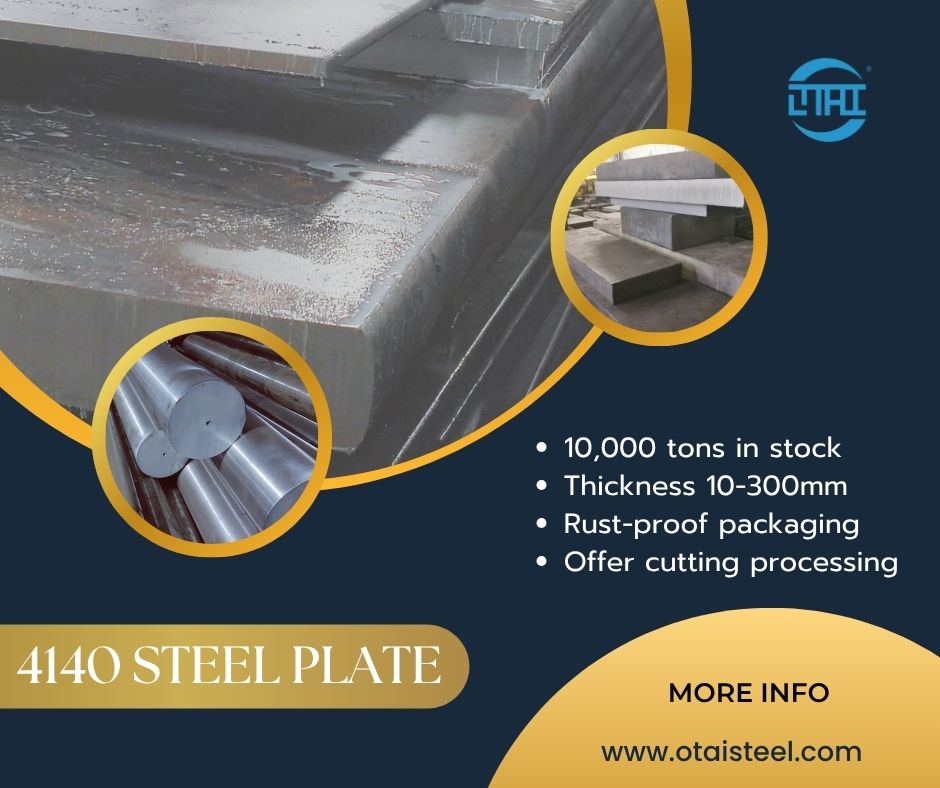
 4140 Steel vs A36: Comparing Strength, Hardness, and Industrial Performance
The comparison between 4140 steel vs A36 is common in manufacturing, construction, machining, and heavy engineering industries. Although both materials are widely used carbon-based steels, they serve very different purposes because their chemical composition, strength, hardness, heat treatment capability, and mechanical performance differ significantly.
4140 steel is a chromium-molybdenum alloy steel known for high strength, toughness, fatigue resistance, and heat treatment performance. In contrast, A36 steel is a low-carbon structural steel primarily designed for weldability, affordability, and general construction applications.
Engineers must carefully compare these materials before selecting one for a project because choosing the wrong steel can reduce component reliability, increase maintenance costs, or shorten service life.
Both steels appear in many industries, including:
- Construction
- Automotive manufacturing
- Heavy machinery
- Oil and gas equipment
- Industrial fabrication
- Structural engineering
🧪 Chemical Composition Comparison
The alloy composition creates the biggest difference between 4140 steel and A36 steel.
4140 steel contains chromium and molybdenum, which improve hardenability, wear resistance, and toughness. A36 steel contains much lower alloy content and focuses mainly on structural performance and weldability.
| Element | 4140 Steel (%) | A36 Steel (%) |
|---|---|---|
| Carbon (C) | 0.38 – 0.43 | 0.25 max |
| Chromium (Cr) | 0.80 – 1.10 | Minimal |
| Molybdenum (Mo) | 0.15 – 0.25 | None |
| Manganese (Mn) | 0.75 – 1.00 | 0.80 – 1.20 |
The alloy additions in 4140 steel allow the material to achieve much higher strength and hardness after heat treatment.
📊 Mechanical Properties Comparison
Mechanical performance differs dramatically between these two steels. 4140 steel provides significantly higher tensile strength, hardness, and fatigue resistance compared to A36 steel.
| Property | 4140 Steel | A36 Steel |
|---|---|---|
| Tensile Strength | 655 – 1080 MPa | 400 – 550 MPa |
| Yield Strength | 415 – 930 MPa | 250 MPa minimum |
| Hardness | 197 – 300 HB+ | 119 – 159 HB |
| Wear Resistance | Excellent | Moderate |
| Fatigue Strength | High | Lower |
Because of these advantages, engineers commonly select 4140 steel for heavily loaded mechanical components.
🔥 Heat Treatment Capability
One of the biggest differences between 4140 steel and A36 steel is heat treatment response.
4140 steel responds extremely well to quenching and tempering because chromium and molybdenum improve hardenability. The steel can achieve high hardness and strength while maintaining good toughness.
A36 steel does not respond effectively to hardening heat treatment because of its lower carbon content.
| Heat Treatment Property | 4140 Steel | A36 Steel |
|---|---|---|
| Quench and Temper Capability | Excellent | Limited |
| Surface Hardening | Possible | Poor response |
| Hardenability | High | Low |
This difference explains why 4140 steel dominates high-performance mechanical applications while A36 steel remains more common in structural fabrication.
⚙️ Machinability and Weldability
Both steels offer good machinability, but their welding characteristics differ.
A36 steel welds very easily because of its lower carbon content. Manufacturers commonly use it in bridges, buildings, and welded structures.
4140 steel can also be machined effectively, especially in the annealed condition, but welding often requires preheating and post-weld heat treatment to reduce cracking risk.
| Property | 4140 Steel | A36 Steel |
|---|---|---|
| Machinability | Good | Good |
| Weldability | Moderate | Excellent |
| Preheating Requirement | Often necessary | Usually unnecessary |
🏗️ Typical Applications of 4140 Steel and A36 Steel
The application range of each steel depends heavily on strength requirements, wear conditions, fabrication methods, and operating environments.
4140 steel performs best in applications requiring high mechanical strength, fatigue resistance, and heat treatment capability. A36 steel performs better in low-cost structural and welded fabrication projects.
| Industry | 4140 Steel Applications | A36 Steel Applications |
|---|---|---|
| Automotive | Axles, gears, shafts | Frames and brackets |
| Oil and Gas | Drill collars, couplings | Support structures |
| Construction | Heavy-duty pins | Structural beams |
| Machinery | Spindles and rollers | Machine frames |
Engineers usually avoid A36 steel in highly stressed rotating applications because its fatigue strength and wear resistance remain limited compared to 4140 steel.
💰 Cost Comparison and Material Selection
Cost often influences the final material selection decision.
A36 steel generally costs less because it contains fewer alloying elements and requires simpler production processes. Many construction and fabrication companies prefer A36 for large-volume structural applications where ultra-high strength is unnecessary.
4140 steel costs more because of:
- Alloy additions
- Heat treatment capability
- Higher mechanical performance
- Improved wear resistance
- Superior fatigue strength
| Selection Factor | 4140 Steel | A36 Steel |
|---|---|---|
| Initial Material Cost | Higher | Lower |
| Long-Term Durability | Excellent | Moderate |
| Maintenance Frequency | Lower | Higher in heavy-duty service |
Although 4140 steel costs more initially, its longer service life often reduces maintenance and replacement expenses in demanding industrial environments.
🔬 Corrosion Resistance and Environmental Performance
Neither 4140 steel nor A36 steel qualifies as stainless steel, so both materials can corrode in harsh environments without proper protection.
However, 4140 steel generally provides slightly better atmospheric resistance because of chromium content.
Manufacturers often apply protective treatments such as:
- Painting
- Black oxide coating
- Zinc plating
- Phosphate coating
- Oil protection
| Environmental Property | 4140 Steel | A36 Steel |
|---|---|---|
| Atmospheric Corrosion Resistance | Moderate | Moderate to low |
| Need for Surface Protection | Recommended | Strongly recommended |
Outdoor structures and industrial machinery operating in humid environments typically require additional corrosion protection regardless of the steel grade.
⚖️ Which Steel Should You Choose?
The final decision between 4140 steel and A36 steel depends on the application requirements.
Choose 4140 steel when the project requires:
- High strength
- Excellent toughness
- Heat treatment capability
- Wear resistance
- High fatigue performance
Choose A36 steel when the project prioritizes:
- Lower material cost
- Easy welding
- General structural fabrication
- Simple machining operations
- Large welded structures
4140 steel dominates high-performance engineering applications, while A36 steel remains one of the most economical and widely used structural steels in the world.
🏭 Company Advantages
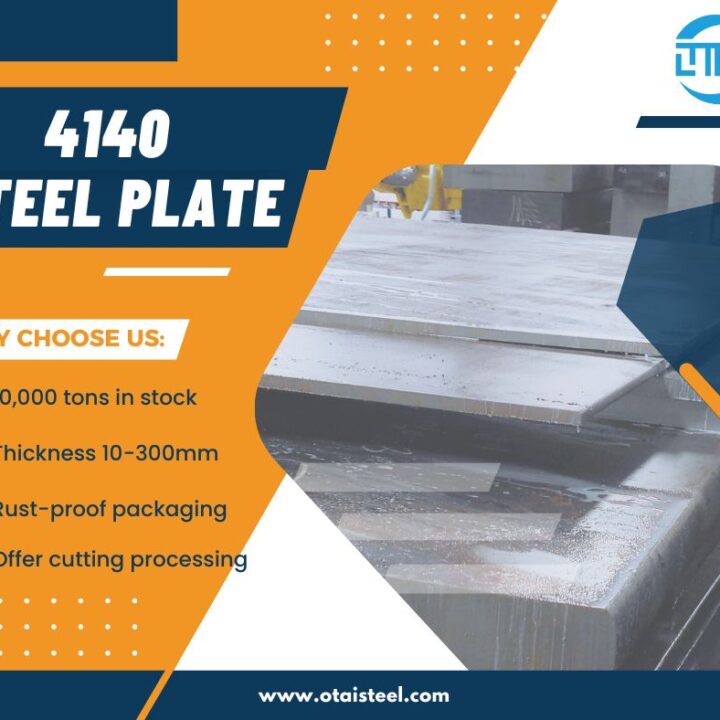
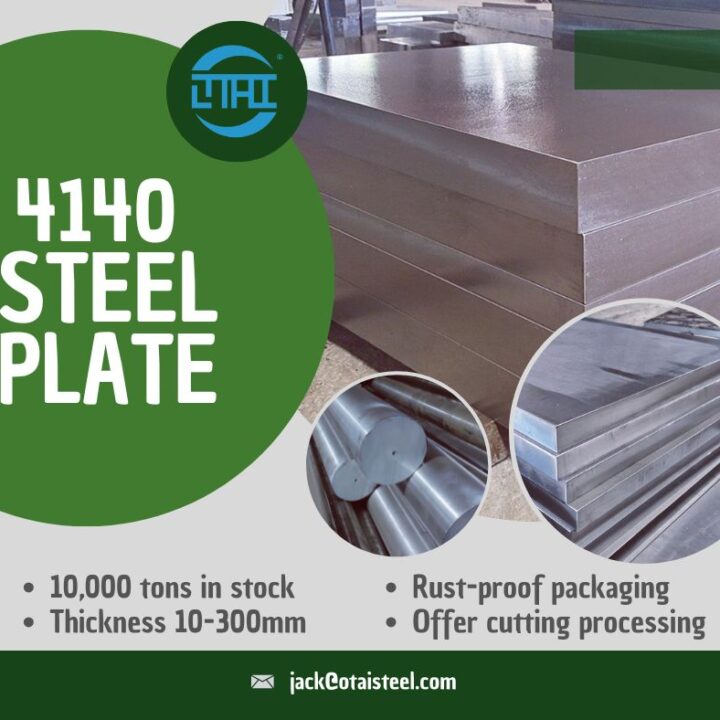
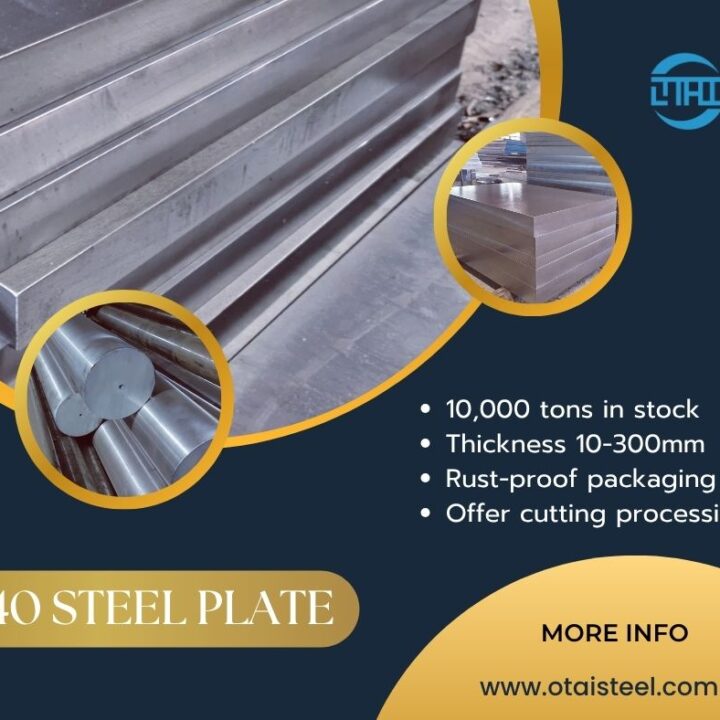
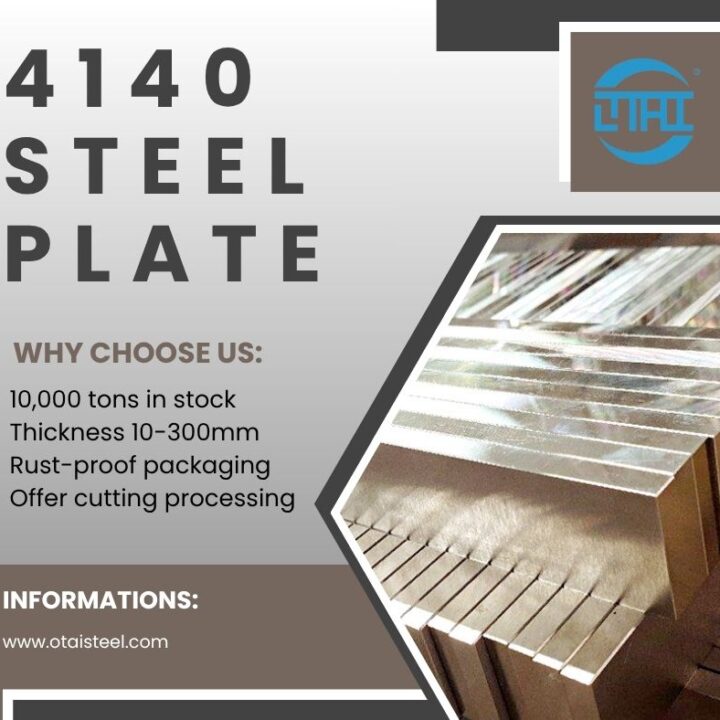
Otai Special Steel supplies premium-quality 4140 alloy steel for machinery, oil and gas equipment, automotive systems, heavy engineering, and industrial fabrication projects.
- Large inventory and stable year-round supply
- Wide size range available for plates, bars, and forged blocks
- Custom cutting and machining services
- Heat treatment support including quenching and tempering
- Ultrasonic testing (UT) support
- Chemical composition verification
- Third-party inspection support including SGS
- Professional export packaging and logistics services
We support customers worldwide with reliable material quality, fast delivery, and professional technical assistance for demanding industrial projects.
❓ FAQ
Q1: Is 4140 steel stronger than A36 steel?
A1: Yes. 4140 steel provides significantly higher tensile strength, hardness, fatigue resistance, and wear resistance than A36 steel.
Q2: Which steel is easier to weld?
A2: A36 steel is easier to weld because of its lower carbon content and simpler composition.
Q3: Can A36 steel be heat treated like 4140 steel?
A3: No. A36 steel has limited hardening capability, while 4140 steel responds very well to quenching and tempering.
Q4: Which steel is better for gears and shafts?
A4: 4140 steel is much better for heavily loaded gears, shafts, and rotating machinery components because of its superior strength and toughness.
Q5: Why is A36 steel widely used in construction?
A5: A36 steel offers good weldability, low cost, and sufficient structural strength for buildings and fabrication projects.