🔍 Introduction
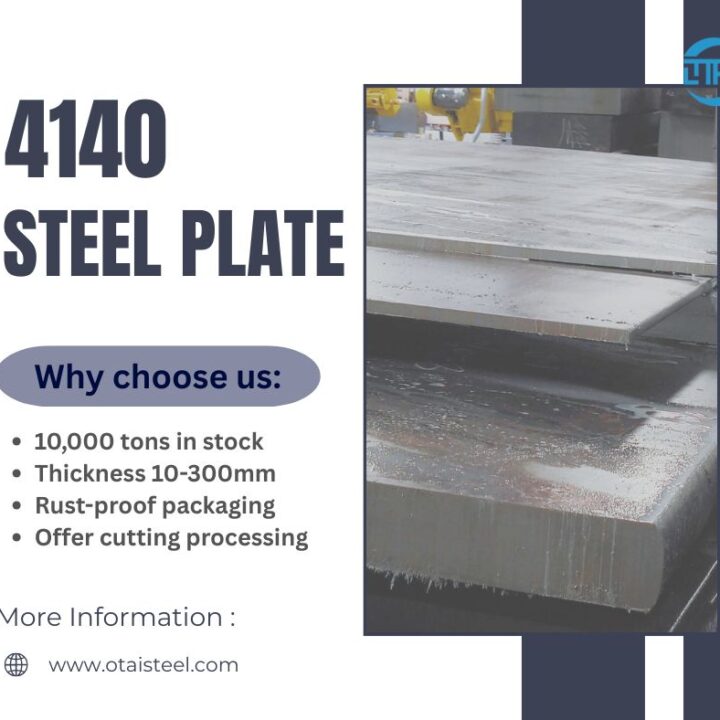
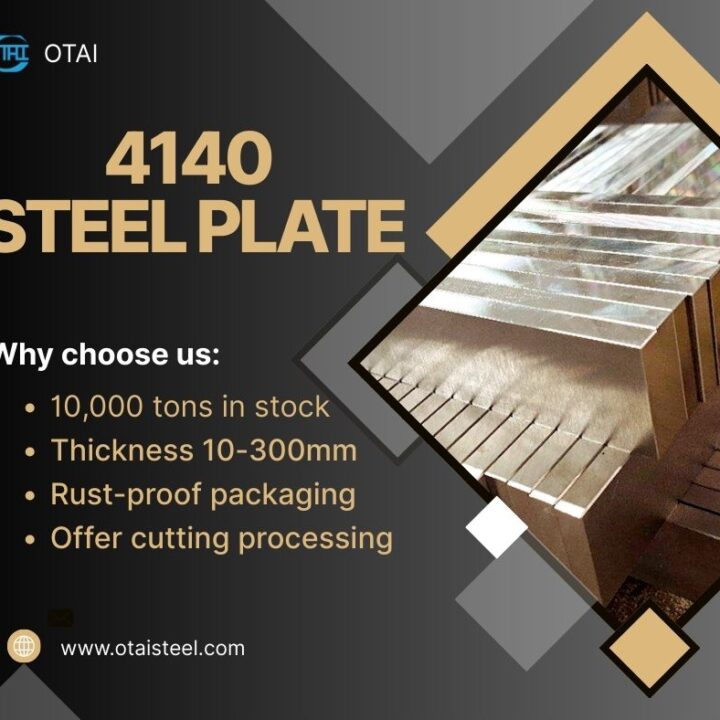
4140 steel is a highly versatile alloy steel known for its exceptional strength, toughness, and wear resistance. One key property that engineers focus on when evaluating 4140 steel is its hardness, often measured on the Rockwell Hardness C scale (HRC). This article explains the HRC of 4140 material, how it influences the material’s performance, and the applications that benefit from this property.
🛠️ What is 4140 Steel?
4140 steel is a chromium-molybdenum alloy steel that provides a balanced combination of high strength, toughness, and wear resistance. It is widely used in industries requiring durability and resilience, such as the automotive, aerospace, oil and gas, and heavy machinery sectors.
Chemical Composition of 4140 Steel:
- Carbon (C): 0.38% – 0.43%
- Manganese (Mn): 0.75% – 1.00%
- Chromium (Cr): 0.80% – 1.10%
- Molybdenum (Mo): 0.15% – 0.25%
- Silicon (Si): 0.20% – 0.35%
These elements give 4140 steel its desirable properties, such as high wear resistance, hardness, and toughness, making it perfect for high-stress and fatigue-prone applications.
📊 What is the HRC of 4140 Steel?
The Rockwell Hardness C scale (HRC) measures a material’s resistance to indentation under a specific load. For 4140 , the HRC can vary depending on its heat treatment process.
Typical HRC for 4140 Steel
- Annealed 4140 Steel: HRC 18-22
- Tempered 4140 Steel: HRC 28-32
- Quenched and Tempered 4140 Steel: HRC 35-45
The HRC value changes according to the heat treatment method used. By quenching and tempering the steel, manufacturers can increase its hardness, making it suitable for demanding applications.
🔥 Heat Treatment and its Effect on HRC
The Rockwell Hardness C (HRC) of 4140 steel directly depends on the heat treatment process. Here’s how different treatments affect its hardness:
1. Annealing
- Annealed 4140 steel has a relatively low HRC (18-22), making it more ductile and easier to machine. Annealing softens the material for machining or forming.
2. Quenching and Tempering
- Quenching involves heating the steel to a high temperature and then rapidly cooling it, which increases the material’s hardness significantly.
- Tempering follows quenching to reduce brittleness and increase toughness while maintaining high hardness.
- Quenched and tempered 4140 material can achieve HRC 35-45, making it ideal for parts that require high strength and wear resistance.
3. Hardening
- 4140 steel can also undergo hardening, achieving an HRC of 50 or higher, depending on the specific heat treatment.
⚙️ Applications of 4140 Steel with High HRC
Because of its high HRC after quenching and tempering, 4140 steel is widely used in applications that require strength, wear resistance, and fatigue resistance. Here are some key applications:
1. Automotive Industry
In the automotive sector, 4140 steel is often used for engine components, drive shafts, and axles, which must endure high stress and maintain their mechanical properties over time.
- Example: Crankshafts and connecting rods made from 4140 alloy benefit from the high HRC, offering excellent performance in demanding engine environments.
2. Aerospace Industry
In aerospace, 4140 steel serves in landing gears, turbochargers, and engine components, where the material must endure extreme conditions while maintaining strength and integrity.
- Example: The HRC of 4140 steel enables it to perform well in critical aerospace components that experience high loads during flight.
3. Oil and Gas Industry
4140 steel is commonly used in the oil and gas industry for drill bits, valves, and pressure vessels that face high pressure and extreme temperatures.
- Example: Drill pipes made from 4140 steel benefit from its wear resistance and fatigue strength in harsh drilling environments.
4. Heavy Machinery and Tooling
4140 steel is often used for machinery parts, gears, and tools that undergo high wear and tear. The high HRC ensures durability and reliability in parts like gears, crankshafts, and rollers.
🏆 Advantages of 4140 Steel with High HRC
The high HRC of 4140 steel offers several benefits that make it suitable for demanding applications:
1. Increased Wear Resistance
Higher HRC means better abrasion and wear resistance. 4140 steel is perfect for components subjected to high friction and abrasion, such as gears, shafts, and bearings.
2. Improved Strength and Toughness
As HRC increases, so does the strength of 4140 steel. High HRC also improves fatigue resistance, allowing the material to withstand heavy loads and high stresses over long periods.
3. Enhanced Durability
High HRC materials resist deformation under pressure, offering greater durability for parts exposed to continuous or heavy loads. This durability helps extend the lifespan of critical components in harsh environments.
🏆 Company Advantages
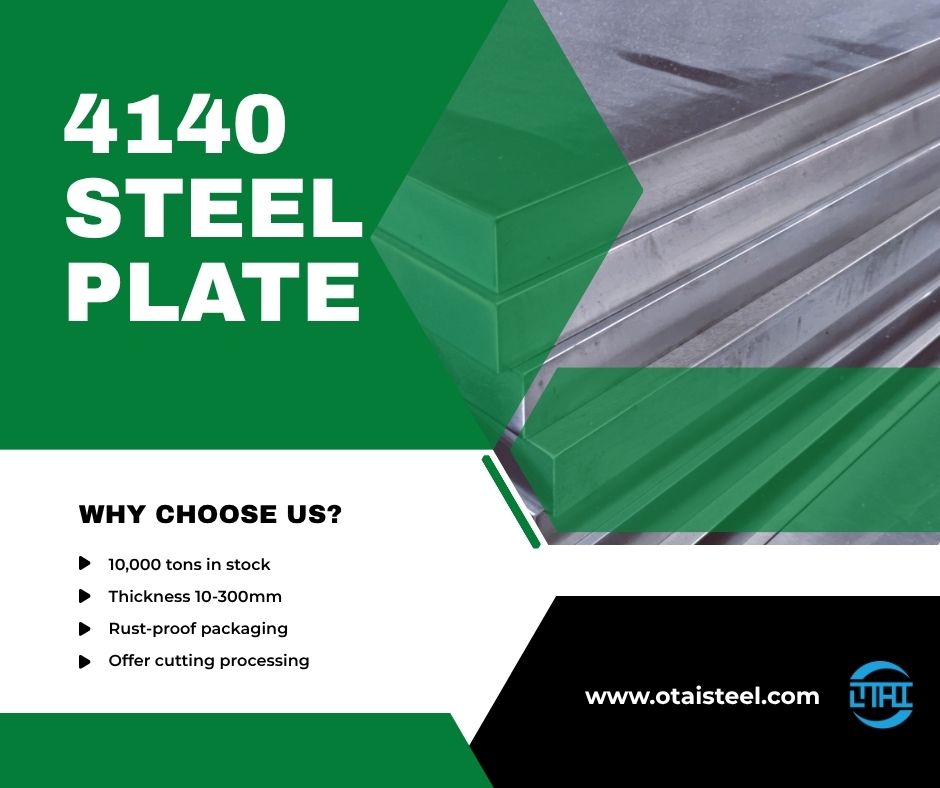
At Otai Special Steel, we offer 4140 steel in a variety of heat-treated conditions to meet your exact specifications. Our services include:
- Custom Cutting: We provide precise cutting services for 4140 steel in various thicknesses and dimensions.
- Heat Treatment: We offer quenching, tempering, and hardening treatments to optimize HRC for different applications.
- Quality Assurance: We conduct chemical analysis, ultrasonic testing, and hardness testing to ensure the highest quality products.
❓ Frequently Asked Questions
1. What is the HRC of 4140 steel?
The HRC of 4140 steel varies, with annealed steel having an HRC of 18-22, tempered steel reaching 28-32, and quenched and tempered steel ranging from 35-45.
2. How does heat treatment affect the HRC of 4140 steel?
Quenching and tempering significantly increase the HRC of 4140 steel, enhancing its wear resistance, strength, and fatigue resistance.
3. In which industries is 4140 steel with high HRC used?
Manufacturers use 4140 steel with high HRC in automotive, aerospace, oil and gas, and heavy machinery, where parts must withstand high stress, fatigue, and wear.