 4140 Steel vs 1095: Composition, Properties, Applications, and Differences
🔍 Introduction
When comparing 4140 steel vs 1095 steel, it’s essential to understand the distinct characteristics of these two materials. Both are popular carbon steels, but they differ significantly in terms of composition, mechanical properties, and applications. This comparison helps engineers, manufacturers, and designers choose the right steel based on their needs.
In this article, we will explore the composition and properties of 4140 and 1095 steels, compare their hardness, strength, and heat treatment processes, and examine their applications and advantages.
⚙️ Composition and Properties of 4140 and 1095 Steel
The composition of 4140 steel vs 1095 steel is one of the primary factors that define their properties and suitability for various applications.
1. 4140 Steel Composition:
- Carbon (C): 0.38–0.43%
- Chromium (Cr): 0.80–1.10%
- Molybdenum (Mo): 0.15–0.25%
- Manganese (Mn): 0.60–0.90%
- Silicon (Si): 0.20–0.35%
4140 steel is an alloy steel that contains significant amounts of chromium and molybdenum, which enhance its strength, hardenability, and toughness.
2. 1095 Steel Composition:
- Carbon (C): 0.90–1.03%
- Manganese (Mn): 0.30–0.50%
- Silicon (Si): 0.15–0.30%
1095 steel is a high-carbon steel known for its hardness and edge retention. It contains a higher percentage of carbon than 4140, making it harder but also more brittle.
📊 Hardness and Strength Comparison
The 4140 steel vs 1095 steel hardness and strength comparison shows distinct differences in how these steels perform under stress.
| Property | 4140 Steel | 1095 Steel |
|---|---|---|
| Carbon Content | 0.38–0.43% | 0.90–1.03% |
| Yield Strength | 600–850 MPa | 400–550 MPa |
| Tensile Strength | 900–1100 MPa | 800–1000 MPa |
| Hardness (HRC) | 28–50 HRC (heat treated) | 55–65 HRC (after heat treatment) |
Insight:
- 4140 steel offers moderate strength with better toughness, making it suitable for heavy-duty applications.
- 1095 steel, with its higher carbon content, is harder but less tough, making it ideal for tools that need sharp edges, like knives or cutting tools.
🔥 Heat Treatment Differences
Both 4140 steel vs 1095 steel heat treatment processes are important to modify their mechanical properties, but they differ due to their compositions.
1. Heat Treatment for 4140 Steel:
- Quenching and Tempering: 4140 steel is often heat-treated through quenching (heating and rapid cooling) followed by tempering (reheating to a lower temperature) to achieve a hardness range of 28–50 HRC. This process gives it a good balance of strength, hardness, and toughness.
2. Heat Treatment for 1095 Steel:
- Carburizing and Quenching: 1095 steel is heat-treated by carburizing (adding carbon to the surface) followed by quenching. This produces a high hardness of 55–65 HRC, which makes it very hard but also more brittle than 4140 steel.
🏭 Applications of 4140 and 1095 Steel
The applications of 4140 vs 1095 steel are influenced by their mechanical properties and heat treatment.
Applications of 4140 Steel:
- Automotive components: Gears, shafts, and axles
- Machine parts: Heavy-duty tools and structural components
- Oil & gas industry: Drilling tools and rigs
- Aerospace: Aircraft components and fasteners
4140 steel is favored for its strength, toughness, and wear resistance, making it a great choice for components subjected to high mechanical stress.
Applications of 1095 Steel:
- Cutting tools: Knives, scissors, and blades
- Industrial tools: Dies, punches, and chisels
- Spring manufacturing: Used in making high-carbon springs
- Sharpened tools: Razor blades and edge tools
1095 steel is perfect for high-carbon applications where sharpness and edge retention are critical, but its brittleness limits its use in high-impact or heavy-load situations.
🛠️ Machining and Processing
Machining 4140 vs 1095 steel presents different challenges due to their hardness.
1. Machining 4140 Steel:
- Easier to machine in its annealed state, but requires special tools when hardened.
- The lower carbon content makes it more forgiving during machining processes like drilling, milling, and turning.
2. Machining 1095 Steel:
- More difficult to machine due to its higher carbon content and hardness after heat treatment.
- Requires carbide tools and slower speeds to prevent tool wear.
🔬 Key Differences Between 4140 Steel and 1095 Steel
To summarize the differences between 4140 steel and 1095 steel, here’s a quick comparison:
| Property | 4140 Steel | 1095 Steel |
|---|---|---|
| Carbon Content | Moderate (0.38–0.43%) | High (0.90–1.03%) |
| Hardness (HRC) | 28–50 HRC (heat treated) | 55–65 HRC (heat treated) |
| Tensile Strength | Higher (900–1100 MPa) | Moderate (800–1000 MPa) |
| Toughness | High | Low (brittle) |
| Machinability | Moderate (easier to machine) | Difficult (harder to machine) |
| Applications | Heavy-duty machinery, automotive parts | Cutting tools, knives, springs |
Insight:
- 4140 steel is ideal for heavy-duty applications requiring a balance of strength and toughness.
- 1095 steel is better suited for applications that require sharpness, wear resistance, and edge retention.
🏆 Company Advantages
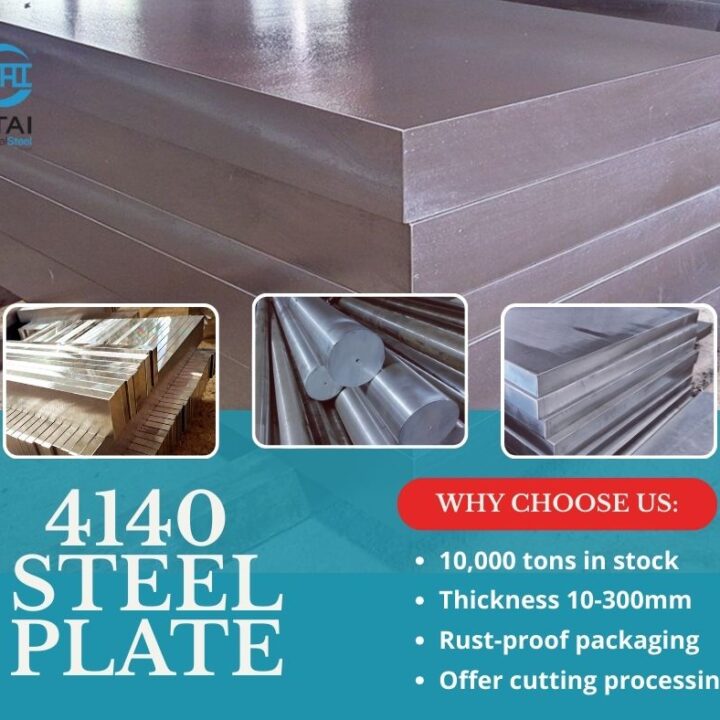
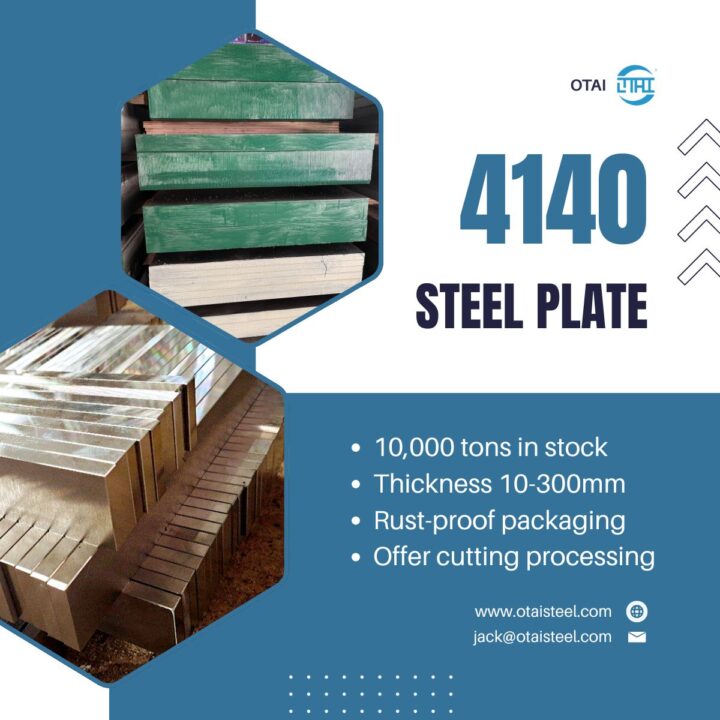
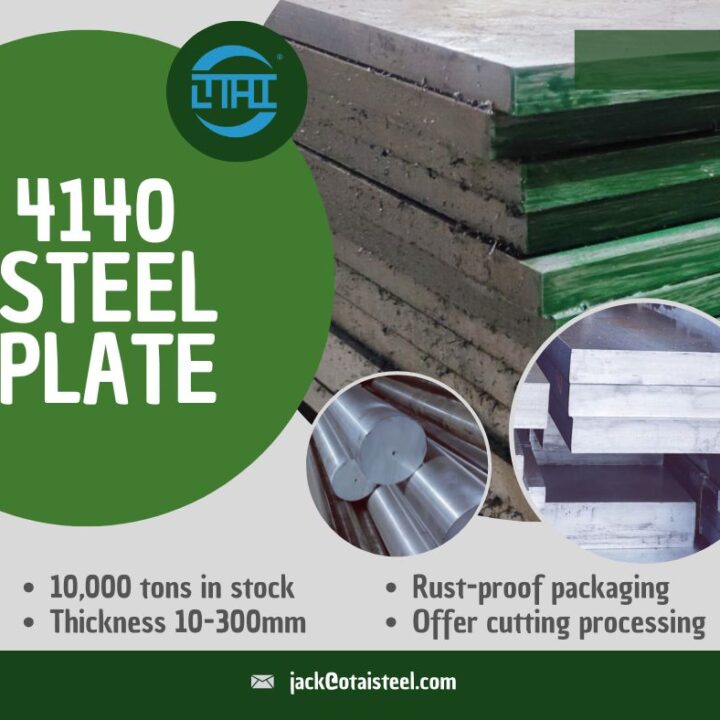
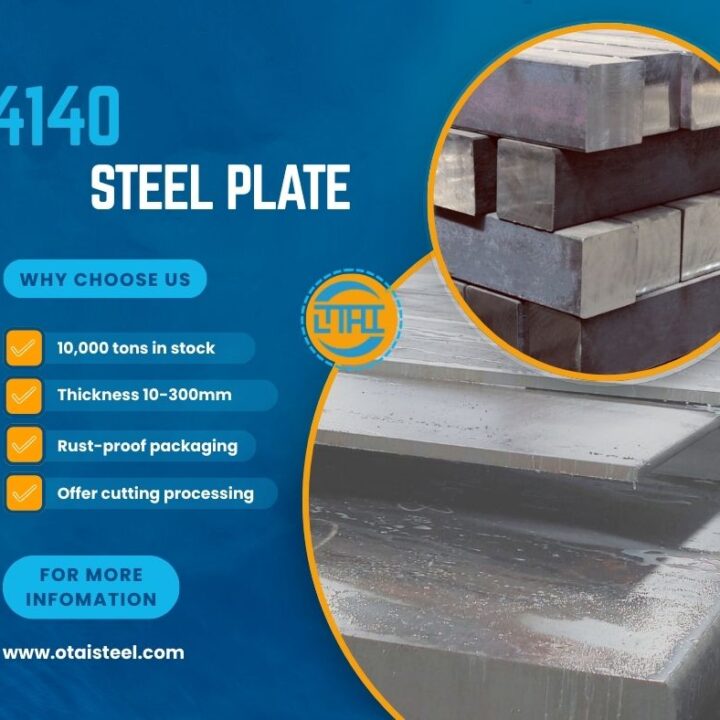
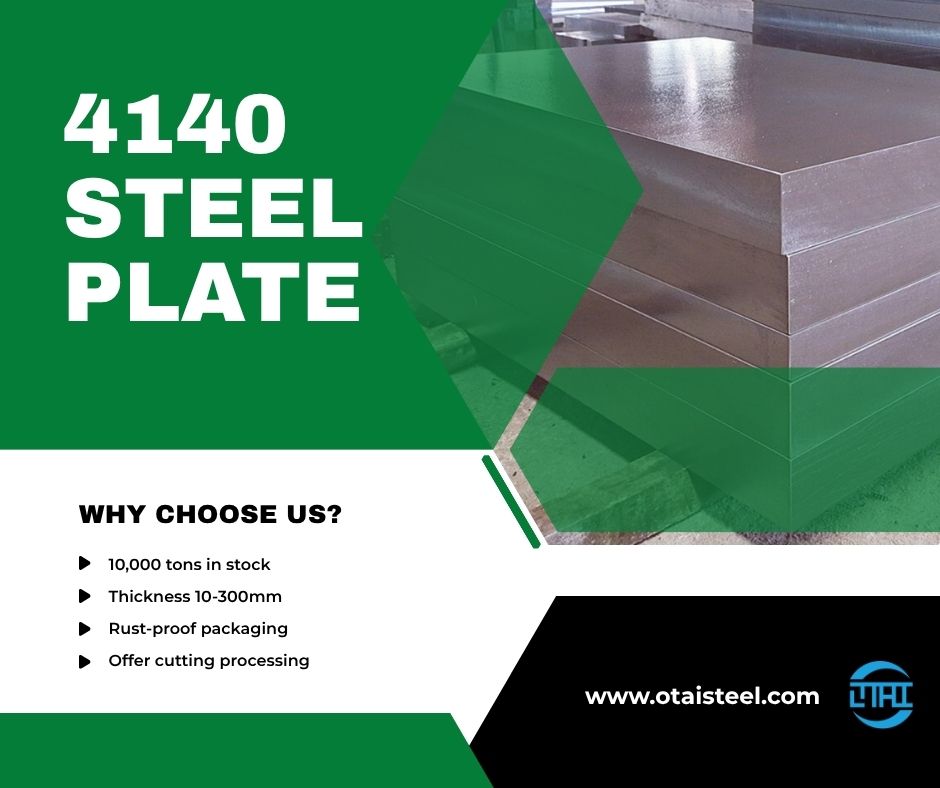
At Otai Special Steel, we offer high-quality 4140 steel with tailored solutions for your projects:
- Over 10,000 tons of inventory available year-round
- Full size range from 6mm to 300mm
- Precision cutting and customized heat treatment services
- Strict quality control including ultrasonic testing (UT) and chemical analysis
- Support for third-party inspections such as SGS
- Extensive experience supplying global industrial clients
We ensure your materials meet exacting standards for performance, strength, and durability.
❓ FAQ
1. Which is stronger, 4140 steel or 1095 steel?
4140 steel has higher tensile strength and better toughness, making it stronger overall. 1095 steel is harder but more brittle.
2. Can 4140 steel be used for tools like 1095 steel?
4140 steel can be used for tools, but 1095 steel is preferred for cutting tools that require high hardness and edge retention.
3. What makes 4140 steel more versatile than 1095?
4140 steel is tougher, which makes it suitable for heavy-duty industrial applications, while 1095 steel is more brittle and better suited for high-carbon, sharp-edged tools.
4. Is 1095 steel harder than 4140?
Yes, 1095 steel can achieve a higher hardness level after heat treatment, making it ideal for tools that need to maintain sharpness.
5. What are the best uses for 4140 steel?
Best used in machinery, automotive parts, and aerospace components where strength, toughness, and fatigue resistance are crucial.