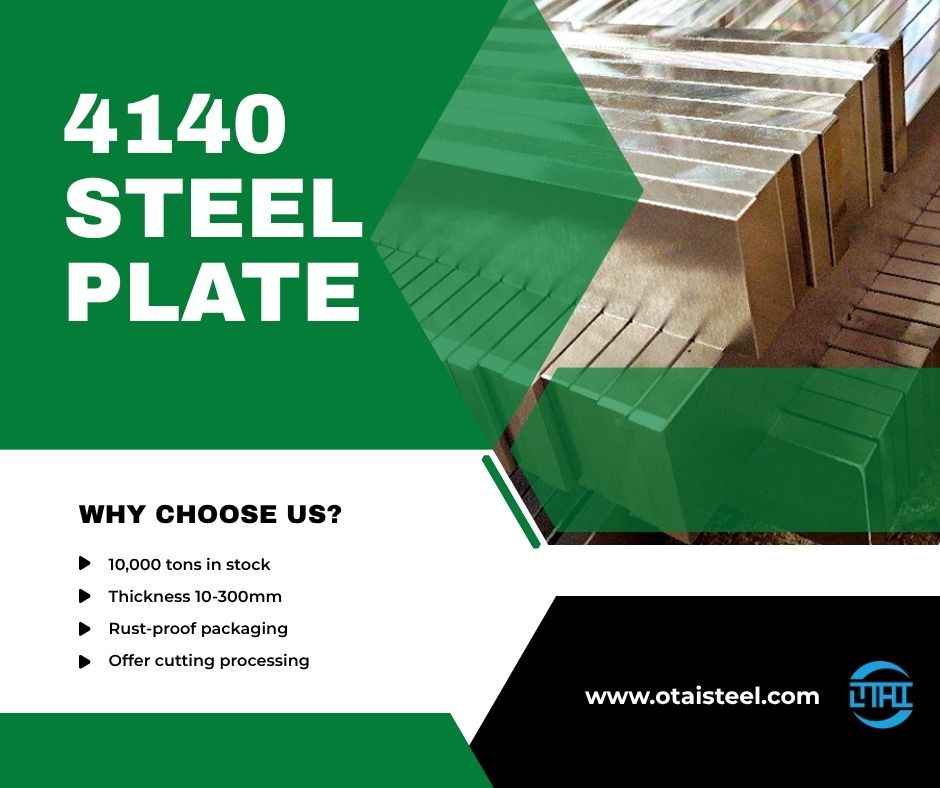
 4140 Steel Heat Treated to RC 25-32: Properties, Applications, and Benefits
🔍 Introduction
4140 steel heat treated to RC 25-32 is a popular condition for this alloy steel that balances toughness and strength. The RC scale (Rockwell C) measures hardness, and achieving this range in 4140 steel ensures a material with suitable hardness for heavy-duty applications while maintaining good impact resistance.
In this article, we’ll explore the 4140 steel heat treatment process for RC 25-32, how to achieve this hardness, the benefits, and its various industrial applications.
⚙️ What Is RC 25-32 Hardness in 4140 Steel?
When 4140 steel is heat treated to RC 25-32, it means that the steel has been subjected to a heat treatment process that results in a Rockwell hardness of between 25 and 32 HRC. This range provides a good balance between hardness and ductility, making it ideal for parts that need strength without being brittle.
Hardness Explanation:
- RC 25-32 → Moderate hardness range
- Achieved through tempering after quenching
The resulting material is harder than annealed steel but still tough enough for heavy-duty applications.
🔥 Heat Treatment Process for Achieving RC 25-32
The 4140 steel heat treatment process for RC 25-32 involves two primary steps: quenching and tempering.
1. Quenching:
- Heat the steel to a high temperature (around 830–860°C).
- Rapidly cool the material, typically in oil or water.
- This step hardens the steel, increasing its strength.
2. Tempering:
- After quenching, the steel is reheated to a lower temperature (around 550–650°C).
- This step relieves internal stresses and increases toughness.
- The result is a Rockwell hardness in the range of 25-32.
By adjusting the tempering temperature, manufacturers can control the final hardness level to suit specific applications.
📊 Mechanical Properties of 4140 Steel at RC 25-32
The 4140 steel mechanical properties at RC 25-32 reflect a balanced performance profile, suitable for medium-to-heavy-duty applications.
| Property | Value at RC 25-32 |
|---|---|
| Hardness (HRC) | 25-32 HRC |
| Tensile Strength | 900–1100 MPa |
| Yield Strength | 600–850 MPa |
| Impact Toughness | Good (compared to higher hardness grades) |
| Ductility | Moderate to good |
Insight:
At RC 25-32, 4140 steel provides a good balance of strength, hardness, and toughness, making it suitable for parts that require both wear resistance and impact resistance.
🏭 Applications of 4140 Steel at RC 25-32
The 4140 steel applications with RC 25-32 hardness are numerous in industries that require durable components but do not need the extreme hardness associated with higher Rockwell C values.
Common Uses:
- Gear shafts: Suitable for high-load applications.
- Axles and spindles: Heavy-duty automotive components.
- Crankshafts: High strength with impact resistance.
- Industrial machinery: Parts that experience both stress and wear.
The RC 25-32 hardness range provides adequate wear resistance while maintaining good shock absorption, which is vital in machinery subjected to dynamic forces.
🔬 Comparison of 4140 Steel at Different Hardness Levels
When considering 4140 steel RC 25-32 vs other hardness levels, the key difference is how each treatment affects the steel’s performance. Here’s a comparison:
| Hardness Level (HRC) | Applications | Characteristics |
|---|---|---|
| RC 25-32 | Gears, shafts, automotive parts | Good strength, moderate toughness |
| RC 35-40 | High-performance components, tools | Harder, lower impact resistance |
| RC 45-50 | Cutting tools, molds, wear parts | Very hard, brittle, wear-resistant |
| Annealed (RC 10-20) | Structural components, large weldments | Soft, easy to machine |
Conclusion:
RC 25-32 provides a balanced mix of hardness and toughness, making it the most versatile choice for various mechanical components.
🛠️ Benefits of 4140 Steel Heat Treated to RC 25-32
The benefits of 4140 steel heat treated to RC 25-32 include:
- Increased wear resistance: The steel can withstand moderate to high wear conditions.
- Enhanced toughness: Retains good impact resistance, ideal for machinery components.
- Good machinability: Easier to machine compared to higher hardness grades, which is crucial in complex manufacturing processes.
- Versatility: Works well in both low and high-stress applications, providing flexibility across industries.
Insight:
The heat treatment process enhances mechanical properties, making 4140 steel at RC 25-32 an ideal material for parts that require both durability and toughness.
⚖️ Comparison of Benefits at Different Hardness Levels
Here’s a comparison of the 4140 steel hardness levels and the trade-offs:
| Hardness Level (HRC) | Benefits | Trade-offs |
|---|---|---|
| RC 25-32 | Good toughness and strength | Moderate wear resistance |
| RC 35-40 | Higher strength and wear resistance | Reduced toughness |
| RC 45-50 | Very high wear resistance | Brittle, less tough |
| Annealed | Very easy to machine | Lower strength and wear resistance |
Conclusion:
RC 25-32 provides a middle ground, offering durability and performance without being too brittle or difficult to machine.
🏆 Company Advantages
At Otai Special Steel, we offer 4140 steel heat treated to RC 25-32 with superior quality:
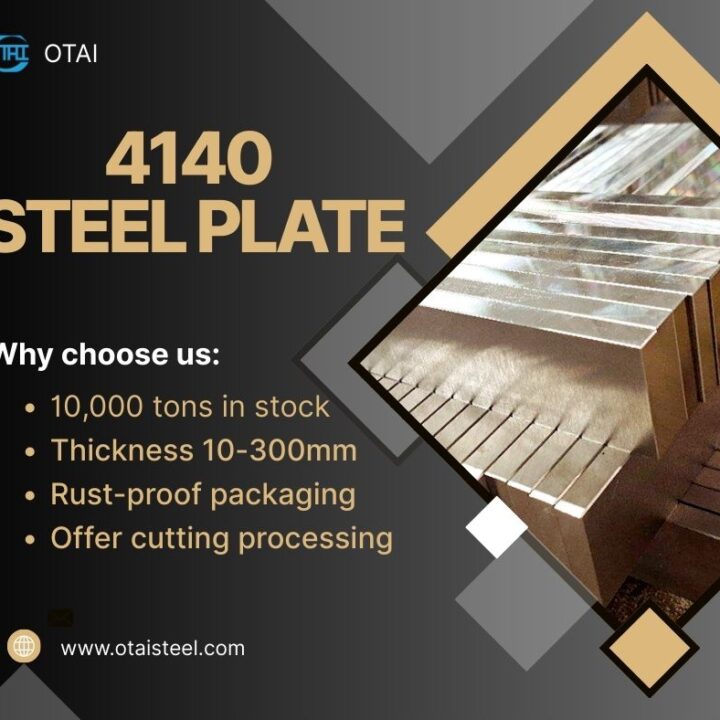
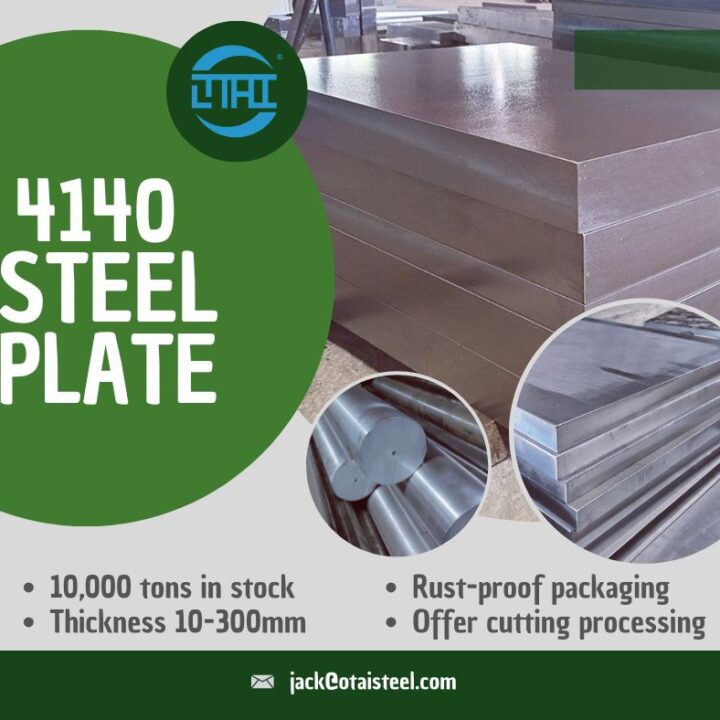
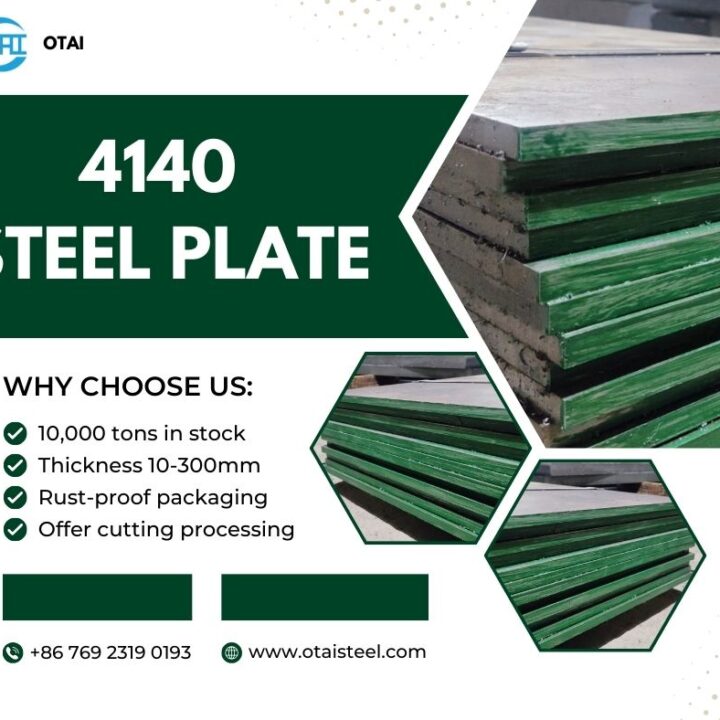
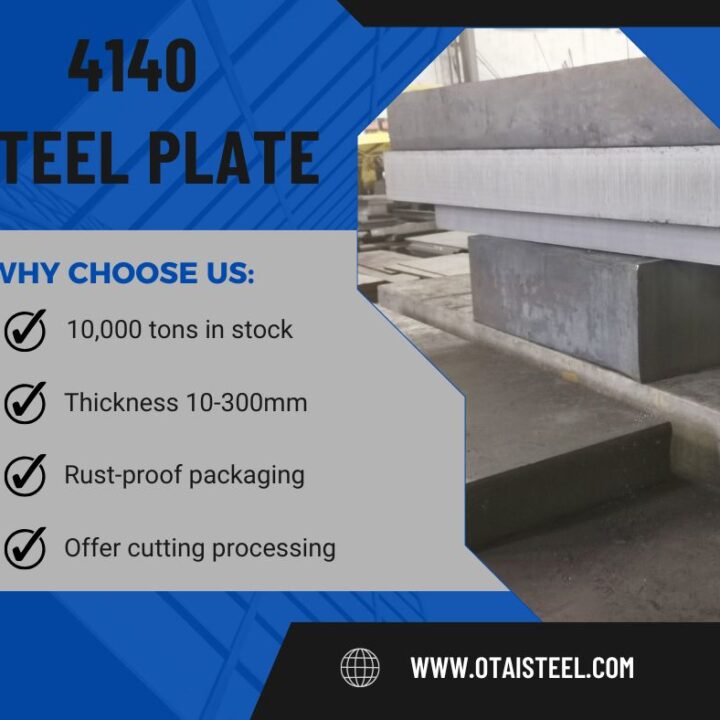
- Over 10,000 tons of inventory available year-round
- Full size range from 6mm to 300mm
- Precision cutting and customized heat treatment services
- Strict quality control including ultrasonic testing (UT) and chemical analysis
- Support for third-party inspections such as SGS
- Extensive experience supplying global industrial clients
We ensure your materials meet exacting standards for performance, strength, and durability.
❓ FAQ
1. What is RC 25-32 hardness in 4140 steel?
It refers to a moderate hardness level achieved through heat treatment, balancing strength and toughness.
2. How is RC 25-32 achieved?
Through a combination of quenching and tempering processes.
3. What is 4140 steel commonly used for at RC 25-32?
It is commonly used for gears, shafts, axles, and other machinery parts.
4. Can 4140 steel at RC 25-32 be easily machined?
Yes, it offers better machinability compared to higher hardness levels.
5. Why choose RC 25-32 over higher hardness levels?
It provides a good mix of wear resistance and impact resistance without becoming too brittle.