 16MnCr5 Chemical Composition Equivalent: A Comprehensive Overview
The 16MnCr5 is a medium carbon chromium-manganese steel commonly used in the automotive and mechanical engineering industries. Understanding its chemical composition and its equivalents is crucial for selecting the appropriate material for specific applications, especially in terms of hardness, toughness, and machinability.
🧬 Chemical Composition of 16MnCr5 Steel
The 16MnCr5 steel is primarily known for its good hardenability and strength. The chemical composition plays a significant role in determining its mechanical properties. Below is the typical chemical composition of 16MnCr5:
| Element | Composition (%) |
|---|---|
| Carbon (C) | 0.14 – 0.19 |
| Manganese (Mn) | 1.00 – 1.30 |
| Chromium (Cr) | 0.80 – 1.10 |
| Silicon (Si) | 0.20 – 0.35 |
| Phosphorus (P) | ≤ 0.035 |
| Sulfur (S) | ≤ 0.035 |
| Nickel (Ni) | ≤ 0.25 |
| Copper (Cu) | ≤ 0.25 |
| Iron (Fe) | Balance |
The high manganese content in 16MnCr5 contributes to its excellent strength and impact resistance, while chromium provides superior resistance to wear and corrosion. This combination of elements makes it an excellent choice for parts subjected to high stress, fatigue, and wear.
🔄 16MnCr5 Alloy Equivalent
When considering alternatives or sourcing from different regions, it’s important to know the equivalent grades for 16MnCr5 steel. These equivalents are based on similar chemical compositions and mechanical properties.
- DIN 1.7131: This is the German equivalent of 16MnCr5, offering comparable mechanical properties and chemical composition.
- UNS G16MnCr5: This is the United States-based designation for this steel grade.
- SAE 5115: Another commonly used equivalent, particularly in North America.
- BS 708M15: A British equivalent that shares very similar attributes in terms of mechanical performance.
These equivalents are used across different international standards and can be interchanged based on the requirements of the specific application, keeping in mind that minor differences in composition may slightly influence the final properties. It’s crucial to understand the implications of using different equivalents, particularly for critical components.
⚙️ Mechanical Properties and Applications
The 16MnCr5 steel is often used for manufacturing parts that require high strength, wear resistance, and the ability to withstand heavy loads. This makes it ideal for producing gears, shafts, axles, and crankshafts. Below are some of the key mechanical properties:
- Hardness (as quenched): 55-60 HRC (depending on the heat treatment process)
- Tensile Strength: 650-800 MPa
- Yield Strength: 350-450 MPa
- Elongation at Break: Approximately 20-30%
Due to its good hardenability, it is often used for parts that undergo heat treatment processes like carburizing. The addition of chromium and manganese enhances its resistance to wear and fatigue, which makes it suitable for high-stress components. Furthermore, the steel’s ability to undergo carburizing means it can have a hard surface while maintaining a tough core, making it a highly versatile material for many industries.
🌍 Chemical Composition Influence on Properties
The chemical composition of 16MnCr5 has a direct influence on its mechanical properties. For instance, the manganese content increases hardenability and tensile strength, while chromium enhances wear resistance and toughness. Carbon, being a key element in steel, provides the steel with its hardening capability, but too much carbon could lead to brittleness, so it must be controlled within the specified range.
Furthermore, silicon improves the steel’s strength by deoxidizing it during the manufacturing process, while nickel adds slight resistance to corrosion, especially under elevated temperatures. These elements work in harmony to provide 16MnCr5 with a balance of high strength, toughness, and wear resistance, making it ideal for applications requiring long-term durability under stress.
🏆 Company Advantages
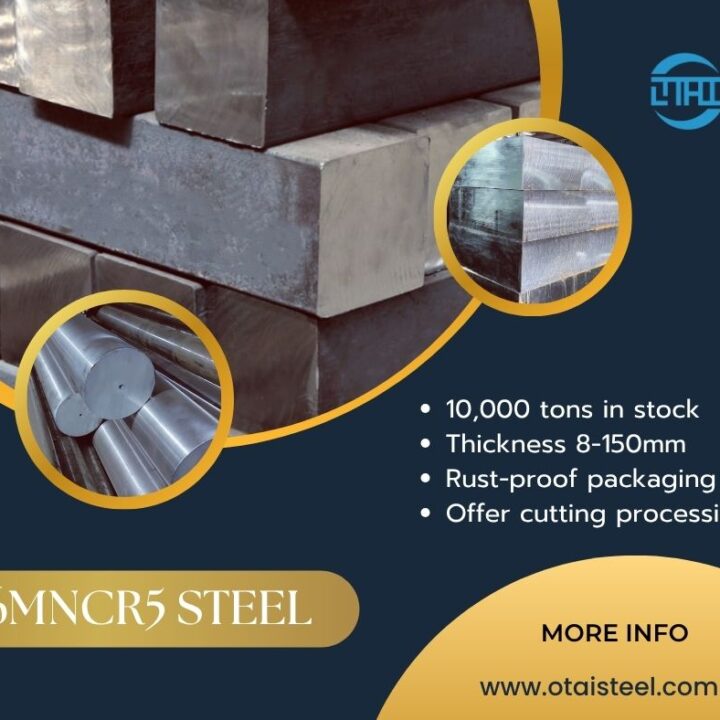
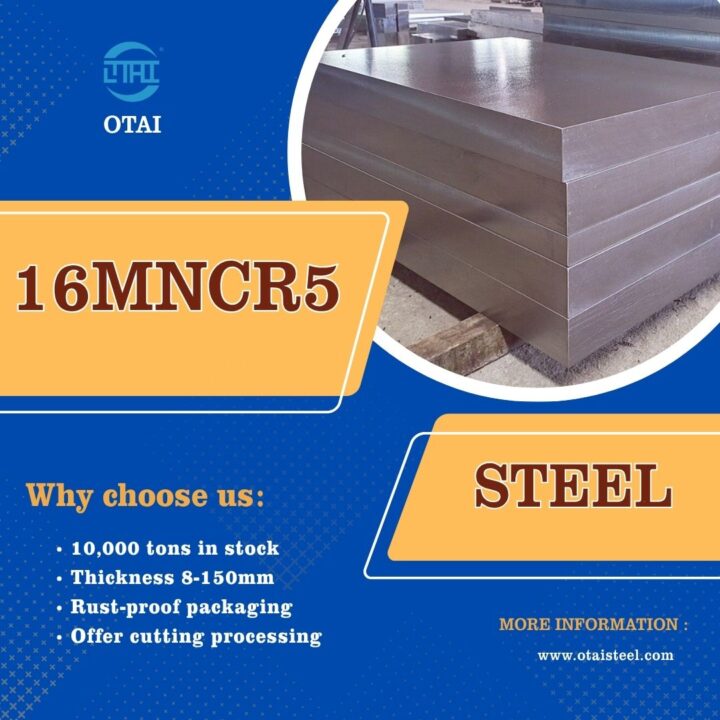
At Otai Special Steel, we pride ourselves on offering high-quality steel products, including 16MnCr5 and its equivalents. Our advantages include:
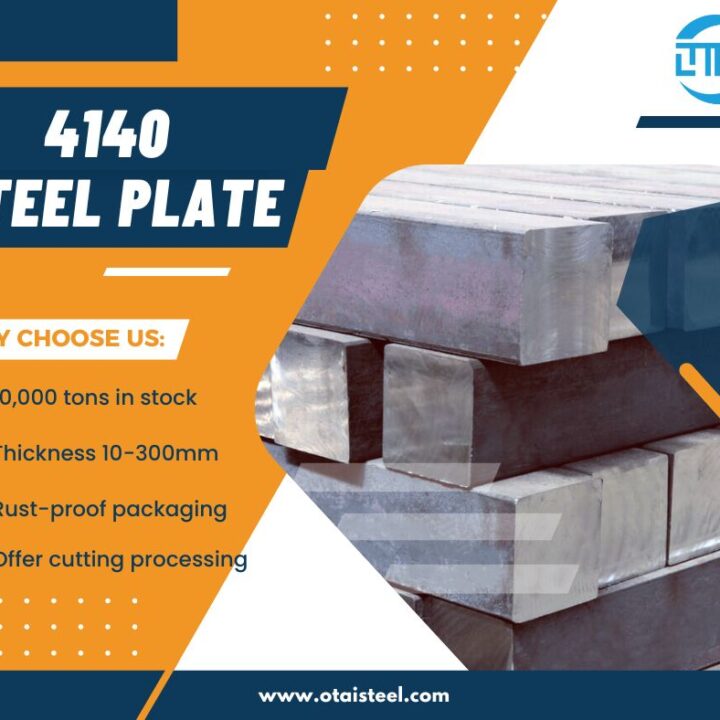
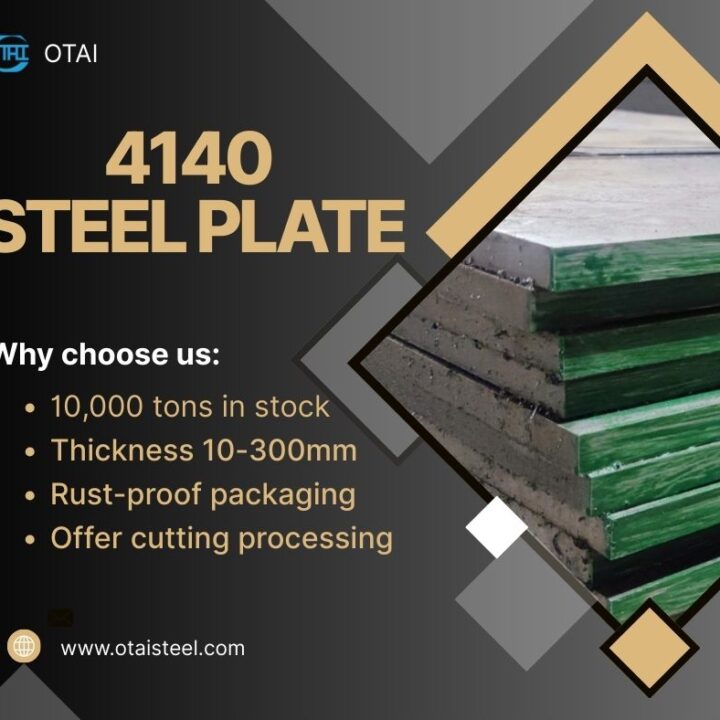
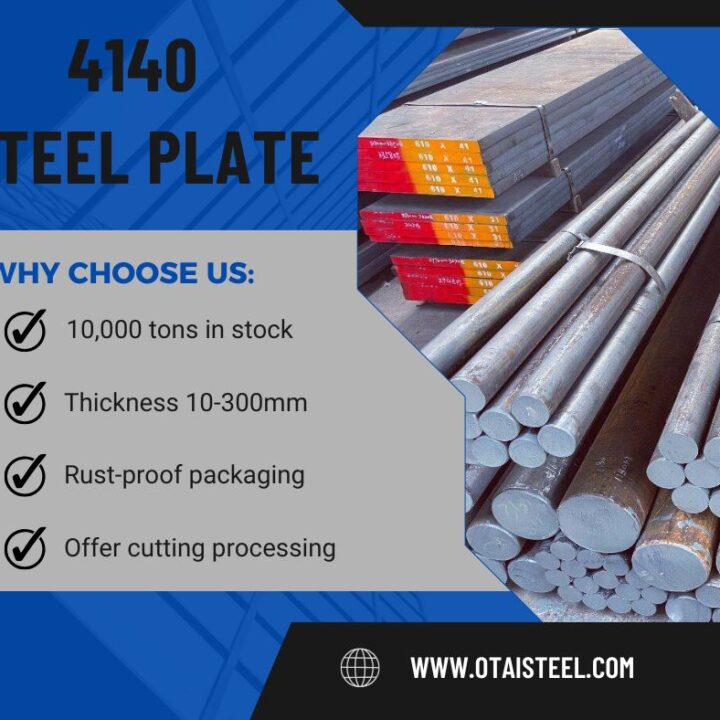
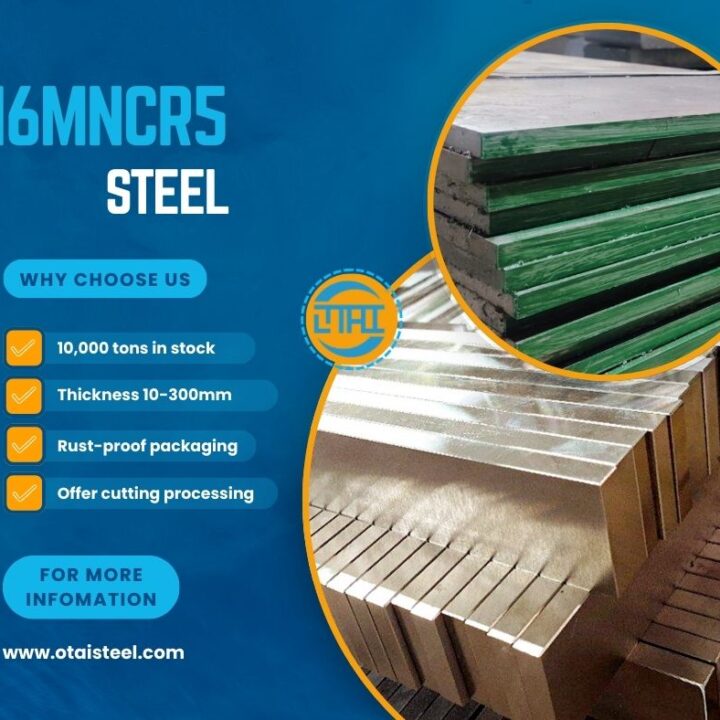
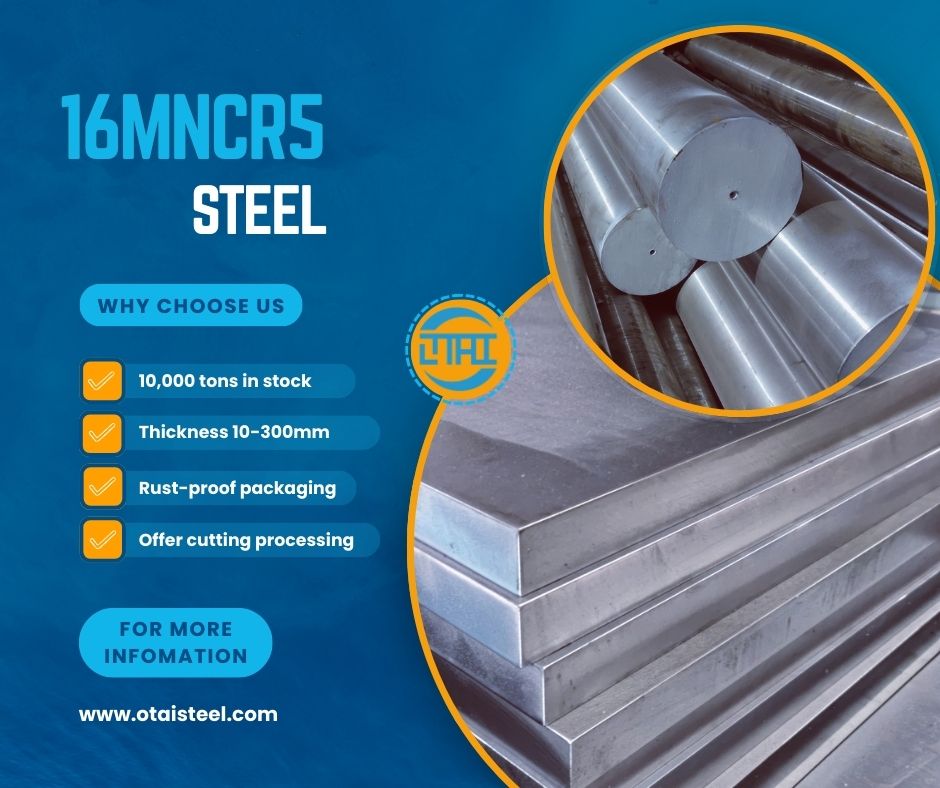
- Comprehensive Inventory: We maintain an inventory of over 10,000 tons of various steel products, including 16MnCr5, ensuring consistent supply for customers worldwide.
- Customization: We offer value-added services such as precision cutting, heat treatment, and custom packaging to meet specific client requirements.
- Quality Assurance: All our products undergo stringent quality control, including ultrasonic testing (UT) and chemical composition analysis, to ensure compliance with international standards.
- Global Reach: With years of experience serving top international clients like Thyssenkrupp, Borealis, and Schlumberger, we guarantee reliable delivery and superior customer service.
- Competitive Pricing: We offer cost-effective solutions without compromising on quality, making Otai Special Steel a trusted partner for global steel sourcing.
🤔 FAQ: 16MnCr5 Chemical Composition Equivalent
Q1: What is the key difference between 16MnCr5 and other carbon steels?
A1: The primary difference is the presence of chromium and manganese in the alloy, which provides 16MnCr5 with better wear resistance, toughness, and hardenability compared to standard carbon steels. These properties make it a preferred material for applications where components experience high wear and impact.
Q2: Can 16MnCr5 be used for gear manufacturing?
A2: Yes, 16MnCr5 is commonly used in the production of gears, especially for automotive and mechanical engineering applications, due to its excellent strength and wear resistance after heat treatment. It is often chosen for its ability to handle high loads and operate in challenging conditions.
Q3: Is 16MnCr5 the same as 18CrNiMo7-6?
A3: No, while both are carburizing steels, 18CrNiMo7-6 has higher nickel content and is often used for more demanding applications where high toughness and fatigue strength are required. 16MnCr5 has a lower cost and is ideal for less demanding applications where wear resistance and strength are important, but extreme toughness is not as critical.