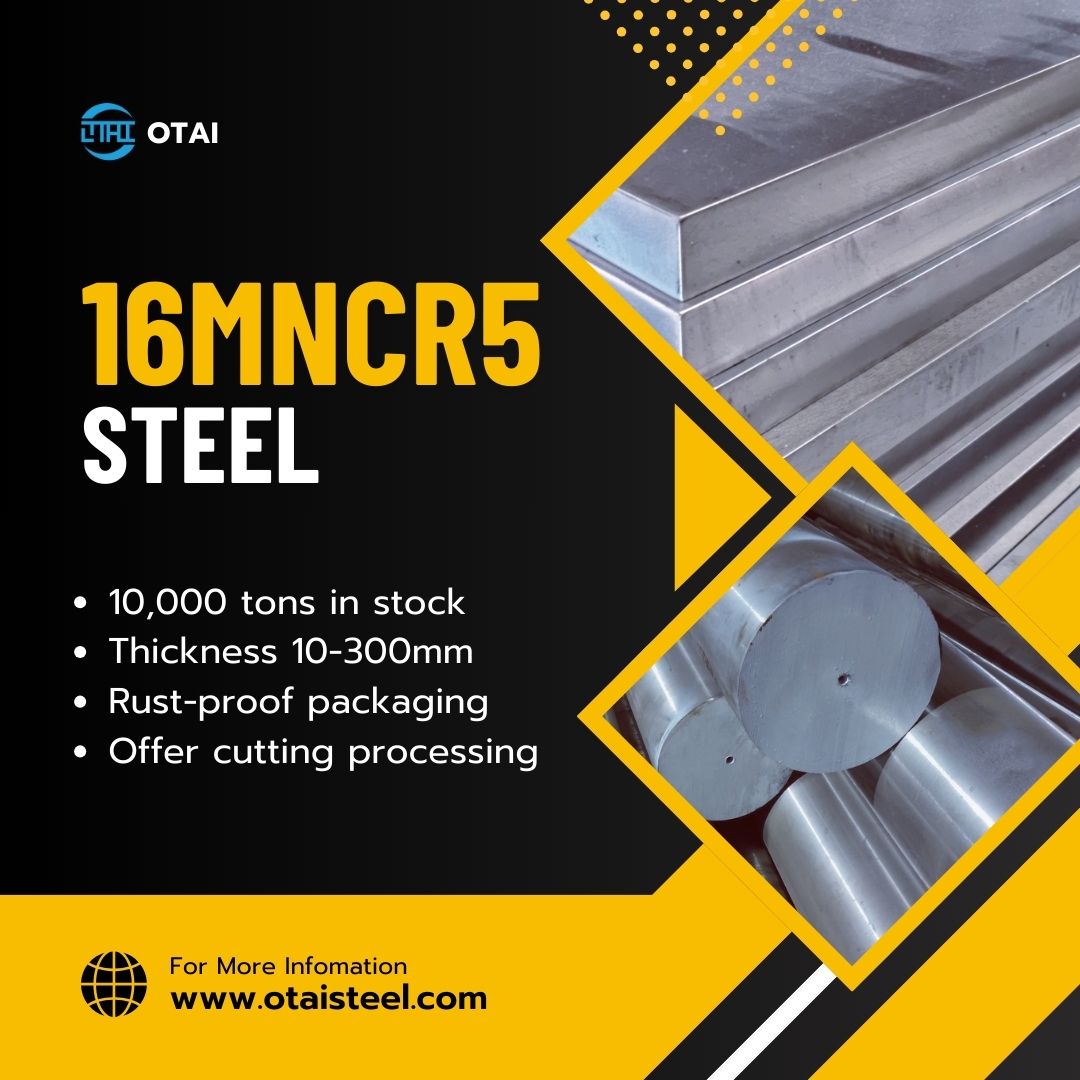
 16MnCr5 Material Rate: What Really Determines the Price of This Case Hardening Steel?
When buyers search for 16mncr5 material rate, they usually want a simple number.
But in reality, the price of 16MnCr5 does not depend on one factor. It depends on multiple technical and commercial variables that directly influence your total procurement cost.
If you import alloy steel for gears, shafts, automotive components, or mechanical transmission parts, understanding how the 16MnCr5 price is structured helps you:
-
Negotiate more effectively
-
Avoid hidden processing costs
-
Compare suppliers correctly
-
Protect your margin
In this article, we break down the real cost structure behind 16MnCr5 from an engineering and sourcing perspective.
🔍 What Is 16MnCr5 and Why Is It Widely Used?
Before discussing the 16mncr5 material rate, it is important to understand what you are paying for.
16MnCr5 is a European case hardening steel grade defined under EN 10084. It contains:
-
Low carbon (~0.16%)
-
Chromium for hardenability
-
Manganese for strength
It is designed for carburizing applications where you need:
-
Hard wear-resistant surface (58–62 HRC after carburizing)
-
Tough core structure
-
High fatigue resistance
Industries that commonly purchase 16MnCr5 include:
-
Automotive manufacturing
-
Heavy machinery
-
Gear production
-
Industrial equipment
Because of its dual-performance structure (hard surface + tough core), it remains in high demand globally.
📊 Key Factors That Influence 16MnCr5 Material Rate
The 16mncr5 material rate changes depending on several technical factors.
1️⃣ Raw Material Cost (Alloy Elements)
The price fluctuates with:
-
Chromium market price
-
Manganese supply
-
Global steel billet cost
When alloy element prices increase, suppliers adjust quotations accordingly.
2️⃣ Product Form and Dimensions
| Product Type | Price Impact |
|---|---|
| Round bar | Standard pricing |
| Flat bar | Slight premium |
| Forged block | Higher cost |
| Large diameter (>200 mm) | Additional surcharge |
Larger cross-sections require more controlled rolling or forging, which increases cost.
3️⃣ Delivery Condition
The 16mncr5 material rate varies by condition:
| Condition | Price Level |
|---|---|
| As-rolled | Base price |
| Annealed | Slightly higher |
| Normalized | Moderate increase |
| Pre-machined | Higher |
| UT tested | Premium |
If you require ultrasonic testing (UT), third-party inspection, or 3.1 certification, the unit price increases.
4️⃣ Order Quantity
-
Small quantity orders → Higher per-ton rate
-
Container load orders → More competitive
-
Long-term contracts → Stable pricing
Volume significantly influences negotiation leverage.
5️⃣ Processing Requirements
Additional services increase final material rate:
-
Cutting to size
-
Rough machining
-
Heat treatment preparation
-
Custom packaging
-
Export documentation
Many buyers compare base price only and ignore processing cost differences.
🌍 Global Market Influence on 16MnCr5 Price
The 16mncr5 material rate also depends on:
-
Regional supply-demand balance
-
Export tariffs
-
Freight costs
-
Currency exchange rates
For example:
-
European mills often quote higher base prices
-
Asian suppliers may offer competitive pricing with longer lead times
-
Local stockists may charge premium for immediate availability
Therefore, “cheap” does not always mean cost-effective.
🔥 Cost Comparison: 16MnCr5 vs 20MnCr5 vs 4140
Buyers often compare materials to reduce cost.
| Grade | Price Level | Application |
|---|---|---|
| 16MnCr5 | Moderate | Case hardening gears |
| 20MnCr5 | Slightly higher | Deeper case hardening |
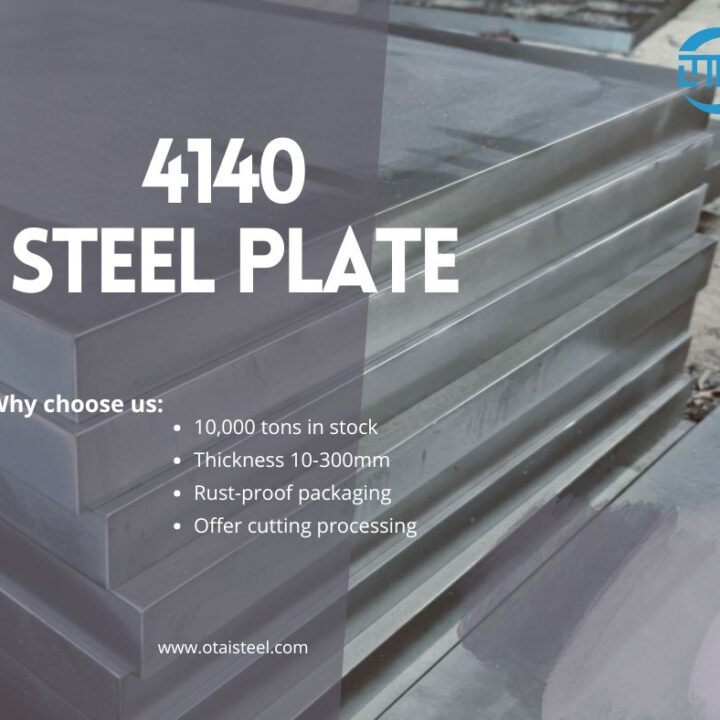
| 4140 | Higher | Through hardening applications |
If you only need surface hardness, 16MnCr5 offers better cost-performance ratio than 4140.
🧮 Example Cost Structure (Illustrative)
Let’s assume you order 20 tons of 16MnCr5 round bar.
Estimated cost breakdown:
-
Base steel cost: 70–80%
-
Alloy surcharge: 5–10%
-
Processing: 5–10%
-
Testing & certification: 2–5%
-
Logistics: Variable
This breakdown shows why two suppliers may quote different rates even for the same grade.
🧰 How to Get the Best 16MnCr5 Material Rate
To secure a competitive price:
-
Clearly specify required condition (annealed, normalized, etc.)
-
Confirm testing standards in advance
-
Optimize cutting dimensions to reduce waste
-
Order economical lengths when possible
-
Combine orders for better negotiation
Professional sourcing reduces total cost more than price bargaining alone.
🏗️ When Price Should NOT Be Your Only Concern
Focusing only on 16mncr5 material rate can create risks:
-
Incorrect chemical composition
-
Poor hardenability
-
Surface defects
-
Internal cracks
-
Inconsistent carburizing performance
These problems cost more than small price differences.
Always evaluate:
-
Mill certification
-
Inspection capability
-
Heat treatment compatibility
-
Supplier stability
🏅 Company Advantages – Otai Special Steel
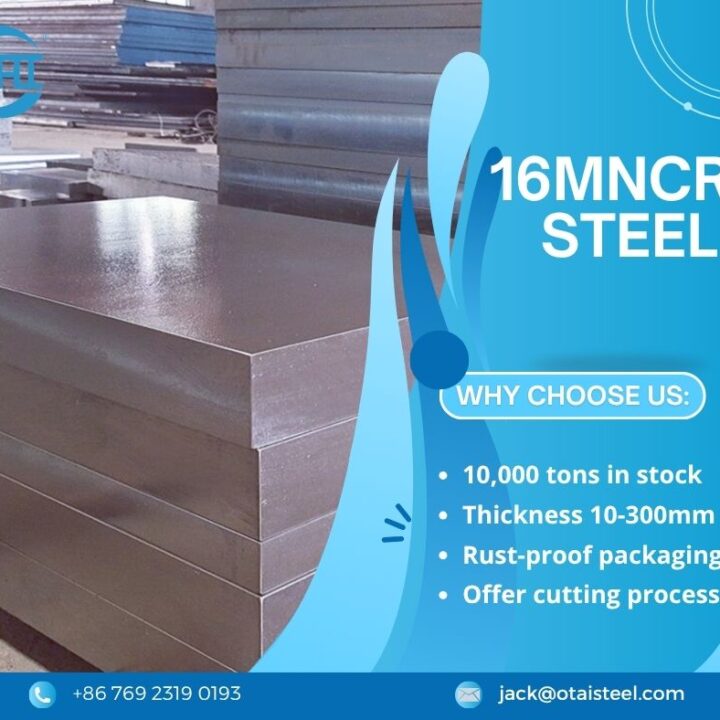
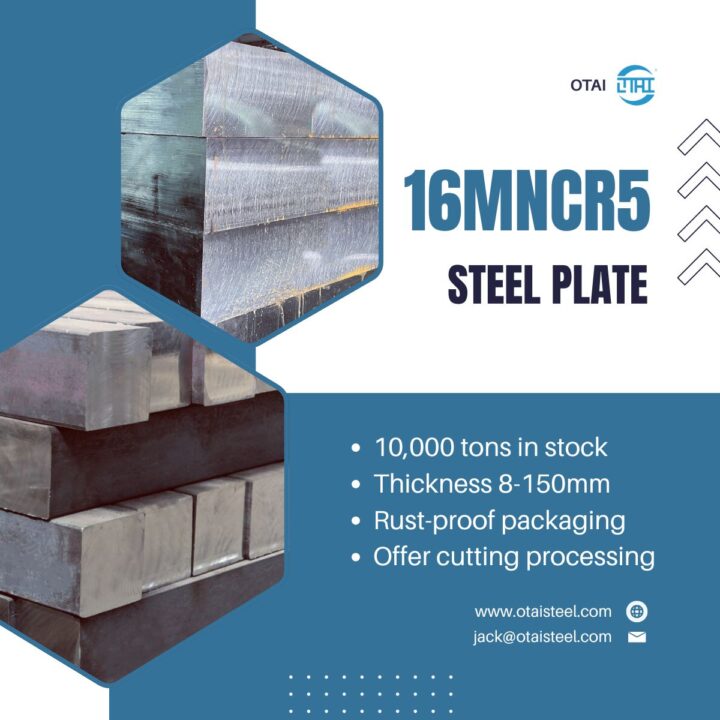
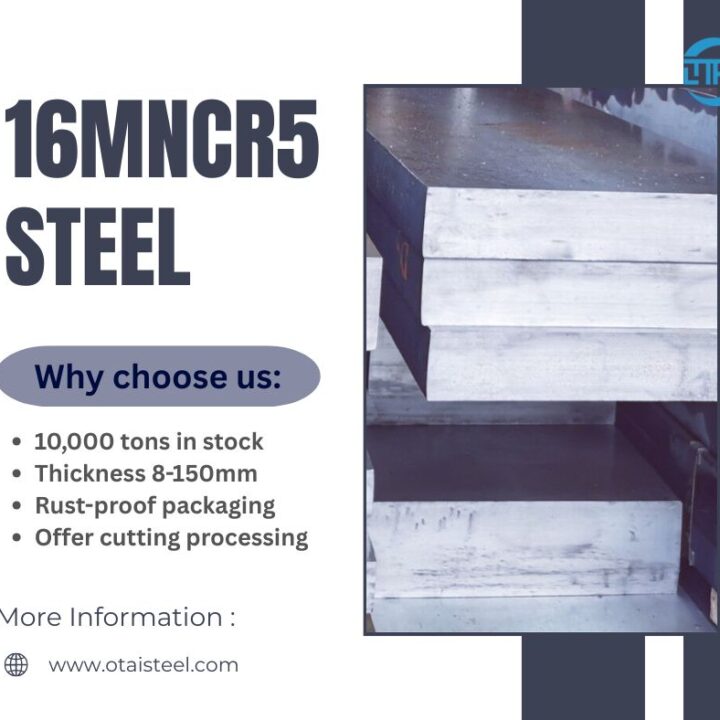
At Otai Special Steel, we supply competitive and stable 16MnCr5 material rates backed by quality assurance.
We provide:
-
Large inventory stock
-
Thickness range from 6 mm to 300 mm
-
Custom cutting service
-
Ultrasonic testing (UT)
-
Chemical composition verification
-
EN 10204 3.1 certification
-
Third-party inspection (SGS available)
We help traders, distributors, and end users balance price, quality, and supply reliability.
❓ FAQ – 16MnCr5 Material Rate
1. Why does 16MnCr5 price fluctuate?
Because alloy element costs and global steel market conditions change.
2. Is cheaper 16MnCr5 always better?
No. Quality inconsistency can increase processing and rejection costs.
3. Does heat treatment increase price significantly?
Yes. Pre-treated material includes energy and process cost.
4. What affects export pricing most?
Freight cost, exchange rate, and order volume.
5. Can long-term contracts stabilize price?
Yes. Contract agreements reduce market volatility impact.