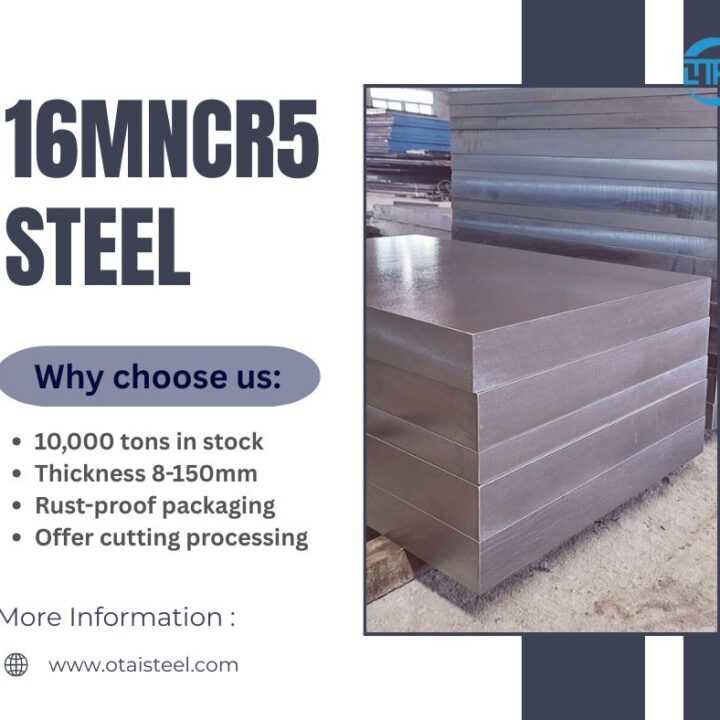
 16MnCr5 Alternative: Practical Steel Substitutes Buyers Can Use with Confidence
When buyers search for a 16MnCr5 alternative, they usually do not want a textbook explanation. They want a safe substitute that performs reliably in gears, shafts, and carburized components—without redesigning the entire part or risking heat treatment failure.
This article explains which steels can replace 16MnCr5, when they work well, and when they create hidden risks in real production.
🔍 Why Buyers Look for a 16MnCr5 Alternative
Several real-world factors push buyers to consider alternatives:
-
Limited availability in local markets
-
Short delivery time requirements
-
Mixed standards between Europe, ASTM, and JIS
-
Cost pressure on large-volume orders
-
Customer drawings calling for “equivalent material”
In these cases, buyers need functionally equivalent steels, not just similar chemistry.
🧪 What Makes 16MnCr5 Unique?
Before choosing an alternative, buyers must understand what they are replacing.
16MnCr5 belongs to low-carbon alloy carburizing steels. It offers:
-
Low carbon for good core toughness
-
Chromium and manganese for hardenability
-
Excellent response to carburizing
-
Stable machining before heat treatment
Any true 16MnCr5 alternative must support surface hardening + tough core, not through-hardening.
⚖️ Best 16MnCr5 Alternatives by Standard
✅ ASTM / SAE Alternatives
SAE / ASTM 5115
This grade stands as the closest and safest alternative.
-
Similar carbon range
-
Comparable chromium content
-
Designed for carburized components
-
Widely accepted in global supply chains
👉 For most buyers, 5115 is the first-choice substitute.
✅ DIN / EN Alternatives
20MnCr5 (EN 10084)
A very common European alternative.
-
Slightly higher carbon
-
Similar carburizing behavior
-
Higher surface hardness potential
Buyers often choose 20MnCr5 when they want slightly higher load capacity.
✅ JIS Alternatives
SCM415 (JIS G4051)
Popular in Asian markets.
-
Comparable chemistry
-
Strong carburizing response
-
Stable heat treatment behavior
SCM415 works well in automotive and gearbox components.
📊 Quick Comparison: 16MnCr5 and Common Alternatives
| Steel Grade | Standard | Carburizing Suitability | Risk Level |
|---|---|---|---|
| 16MnCr5 | EN 10084 | Excellent | Baseline |
| SAE 5115 | ASTM / SAE | Excellent | Very Low |
| 20MnCr5 | EN 10084 | Excellent | Low |
| SCM415 | JIS | Excellent | Low |
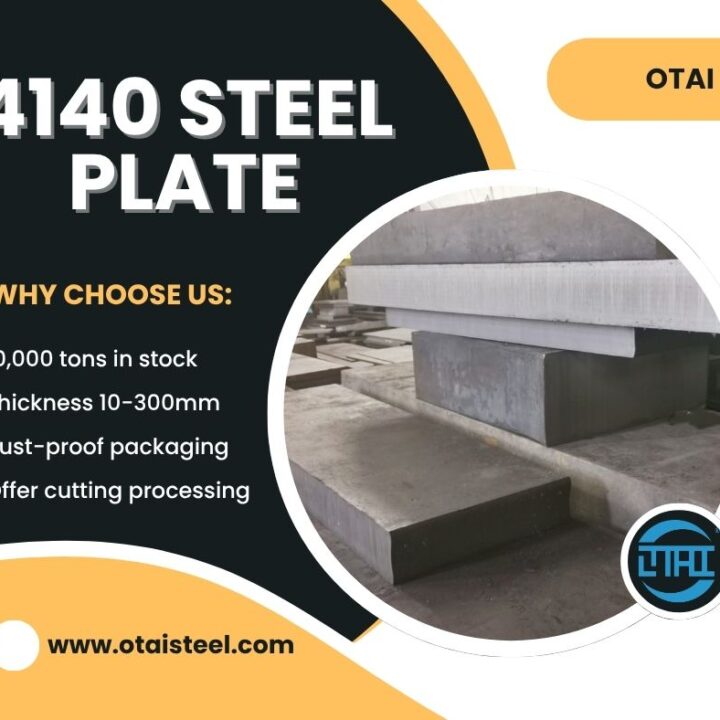
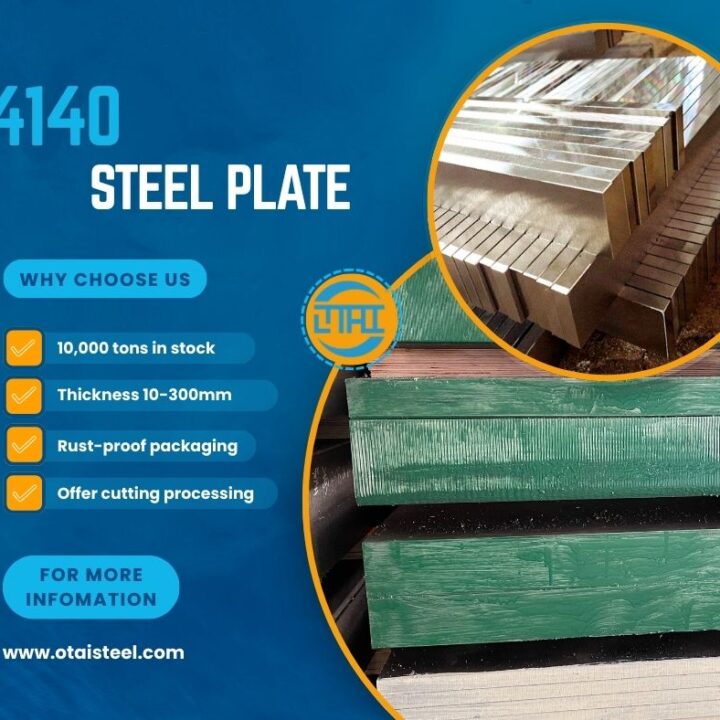
| 4140 | ASTM | Poor | ❌ High |
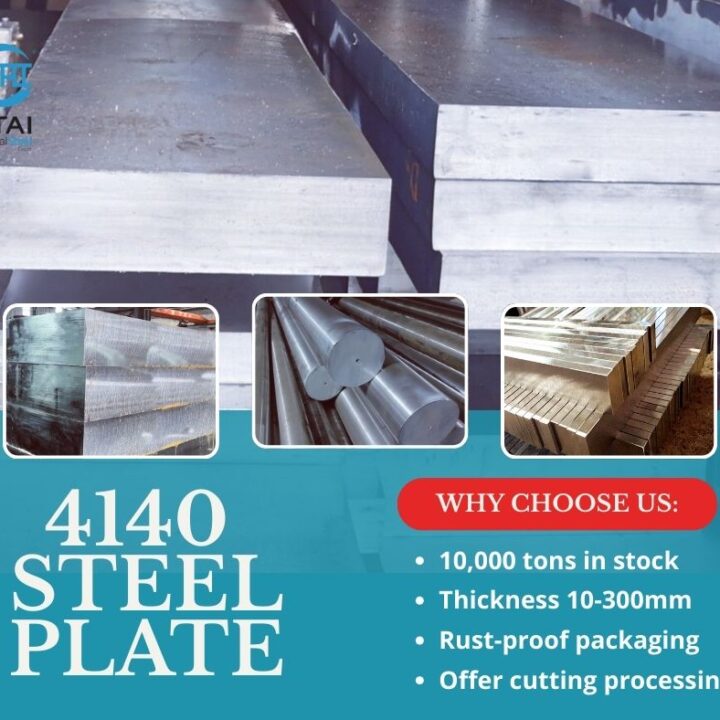
👉 4140 often causes failures because it hardens through the section instead of forming a hard case.
🔥 Heat Treatment Compatibility Matters More Than Chemistry
Many buyers focus only on composition. Experienced engineers focus on heat treatment behavior.
A correct 16MnCr5 alternative must:
-
Accept carburizing at 880–940 °C
-
Achieve 58–62 HRC on the surface
-
Retain a tough, ductile core
-
Avoid distortion during quenching
Grades designed for through-hardening fail these requirements.
⚠️ Common Mistakes Buyers Make
🚫 Assuming chromium content alone defines equivalency
🚫 Replacing carburizing steel with quenched-and-tempered steel
🚫 Ignoring core toughness requirements
🚫 Choosing cheaper steel that increases scrap rate
👉 A wrong substitute costs more in rework and failures than the steel itself.
🏗️ Typical Applications Using 16MnCr5 Alternatives
When buyers choose the correct alternative, performance remains stable across standards.
Common applications include:
-
Automotive gears and pinions
-
Transmission shafts
-
Industrial gearboxes
-
Agricultural machinery components
-
Precision mechanical parts
These components rely on wear resistance at the surface and toughness inside.
🏅 Company Advantages – Why Buyers Trust Otai Special Steel
At Otai Special Steel, we do not simply sell grades. We help buyers choose safe alternatives based on application.
-
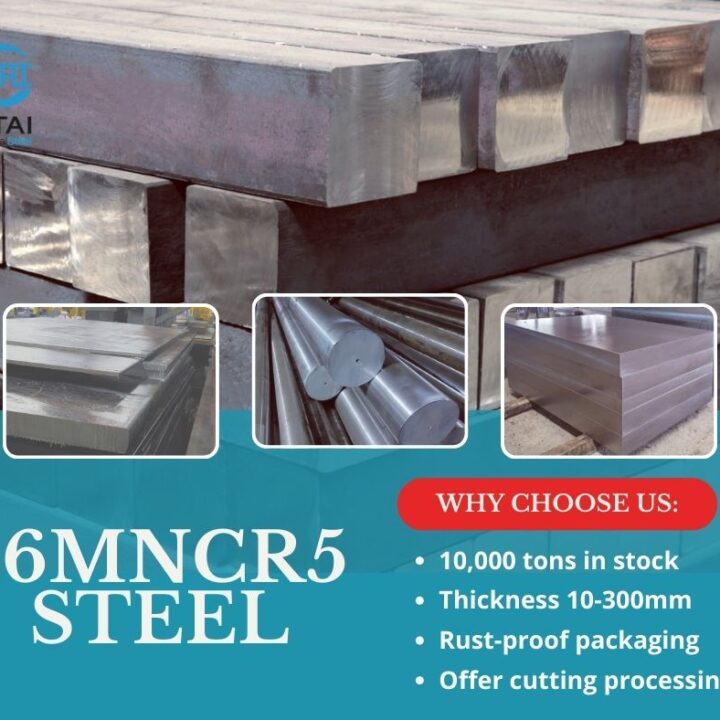
Wide Stock: 16MnCr5, 20MnCr5, ASTM 5115, SCM415
-
Thickness Range: 6–300 mm plates and bars
-
Heat Treatment Support: Annealed, normalized, carburizing-ready
-
Quality Control: UT testing, chemical analysis, traceability
-
Export Experience: EN–ASTM–JIS cross-standard projects
We focus on real performance equivalency, not paperwork substitution.
❓ Frequently Asked Questions (FAQ)
Q1: What is the best 16MnCr5 alternative?
SAE / ASTM 5115 offers the closest match in chemistry and heat treatment behavior.
Q2: Can 20MnCr5 replace 16MnCr5 directly?
Yes. Many buyers use it successfully, especially for higher-load gears.
Q3: Is 4140 a suitable alternative?
No. 4140 is a through-hardening steel and does not suit carburized parts.
Q4: Do alternatives require process changes?
Proper alternatives usually follow the same carburizing process.
Q5: Can Otai help confirm equivalency before ordering?
Yes. We support material selection based on drawings and application needs.