 16MnCr5 Equivalent Grade: Global Standards, Comparisons, and Material Selection
In global engineering projects, materials are often sourced from different countries and standards. As a result, understanding equivalent grades becomes essential for ensuring compatibility and performance. Many engineers search for 16mncr5 equivalent grade to identify suitable substitutes across international standards.
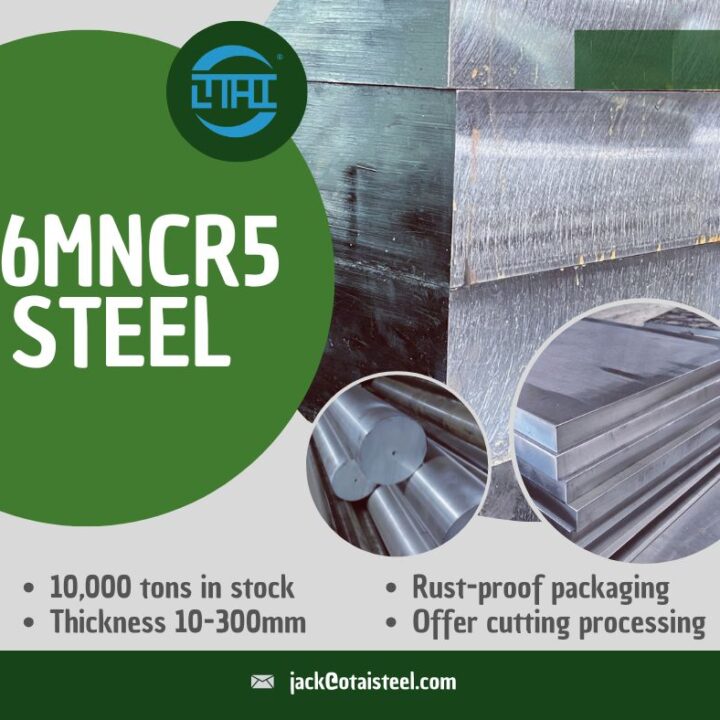
16MnCr5 is a low-carbon chromium alloy steel widely used for case-hardening applications. It is known for its excellent combination of surface hardness and core toughness after carburizing and heat treatment. However, different countries use different naming systems, making it important to understand the international equivalents of 16MnCr5 steel.
🔍 Overview of 16MnCr5 Steel
16MnCr5 is defined under the European standard EN 10084, which specifies case-hardening steels used in mechanical engineering.
The material is designed for carburizing processes, enabling it to achieve a hard, wear-resistant surface while maintaining a tough core. This makes it ideal for gears, shafts, and transmission components.
When sourcing globally, engineers often need to identify the what is equivalent to 16MnCr5 steel in other standards such as AISI, DIN, JIS, and GB.
🌍 16MnCr5 Equivalent Grade Chart
The 16MnCr5 equivalent grade in different standards is summarized in the table below:
| Standard | Equivalent Grade |
|---|---|
| EN | 16MnCr5 |
| DIN | 1.7131 |
| AISI / SAE | 5120 |
| JIS | SCM420 |
| GB (China) | 20CrMnTi |
This 16MnCr5 equivalent grade chart helps engineers quickly identify alternative materials when sourcing internationally.
⚙️ Equivalent Material Comparison
The 16MnCr5 equivalent material DIN AISI JIS grades share similar chemical compositions and mechanical properties, but slight differences may exist.
AISI 5120
- Similar carbon and chromium content
- Good hardenability
- Widely used in North America
JIS SCM420
- Comparable mechanical properties
- Common in Japanese automotive applications
GB 20CrMnTi
- Higher hardenability due to additional alloying elements
- Widely used in heavy-duty gears in China
These materials can often replace 16MnCr5, but engineers should always verify specifications for critical applications.
📊 Chemical Composition Comparison
To better understand equivalence, the 16MnCr5 steel equivalent specification comparison includes key chemical differences.
| Grade | C (%) | Mn (%) | Cr (%) |
|---|---|---|---|
| 16MnCr5 | 0.14–0.19 | 1.00–1.30 | 0.80–1.10 |
| AISI 5120 | 0.17–0.22 | 0.70–0.90 | 0.70–0.90 |
| SCM420 | 0.18–0.23 | 0.60–0.90 | 0.90–1.20 |
| 20CrMnTi | 0.17–0.23 | 0.80–1.10 | 1.00–1.30 |
Although compositions are close, variations in manganese and chromium can slightly affect hardenability and mechanical performance.
🔩 Mechanical Properties Comparison
The 16MnCr5 steel equivalent specification comparison also includes mechanical properties after carburizing.
| Grade | Tensile Strength (MPa) | Surface Hardness (HRC) |
|---|---|---|
| 16MnCr5 | 800–1000 | 58–62 |
| AISI 5120 | 850–1100 | 58–62 |
| SCM420 | 850–1050 | 58–62 |
| 20CrMnTi | 900–1200 | 58–63 |
All equivalent grades provide similar surface hardness after carburizing, making them suitable for high-wear applications.
🔁 Comparison with Similar Case-Hardening Steels
Engineers often compare 16MnCr5 vs 20MnCr5 vs 8620 comparison to determine the best material.
16MnCr5
- Balanced hardenability
- Widely used in Europe
20MnCr5
- Higher carbon content
- Slightly higher strength
AISI 8620
- Contains nickel for improved toughness
- Better performance in impact-loaded applications
Each material has specific advantages depending on the application requirements.
🏭 Applications of Equivalent Grades
The international equivalents of 16MnCr5 steel are widely used in similar applications across industries:
- Automotive gears
- Transmission shafts
- Camshafts
- Worm gears
- Industrial gearbox components
- Heavy machinery parts
These applications require high surface hardness and fatigue resistance.
🔍 How to Select the Right Equivalent Grade
When selecting the 16mncr5 equivalent grade, engineers should consider:
- Required mechanical properties
- Heat treatment process
- Availability in the local market
- Cost and supply stability
- Certification and standards compliance
Even though equivalents exist, slight differences in composition or processing may affect performance in critical applications.
🌟 Company Advantages
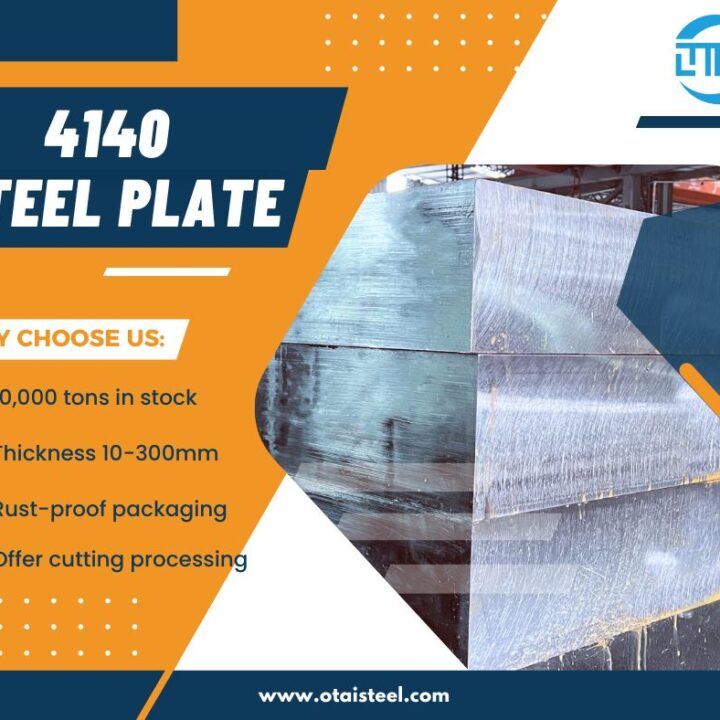
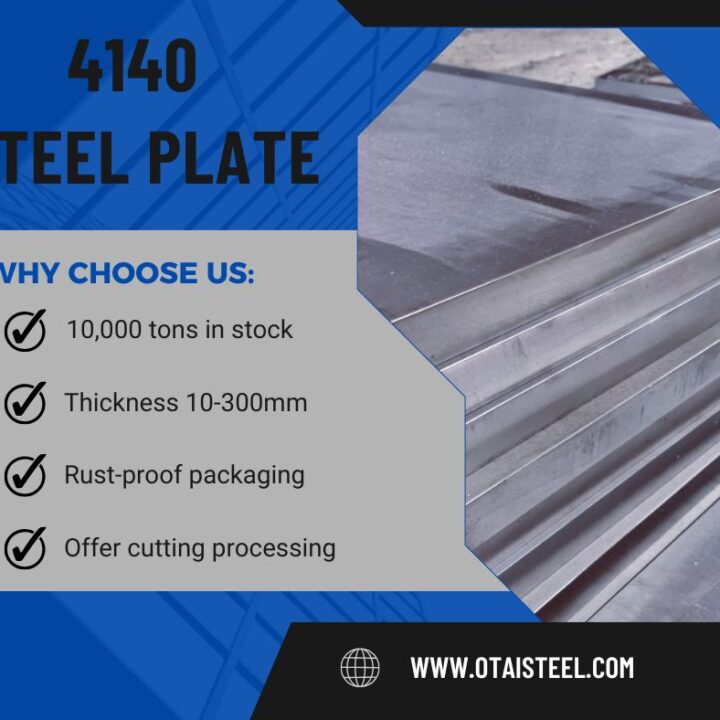
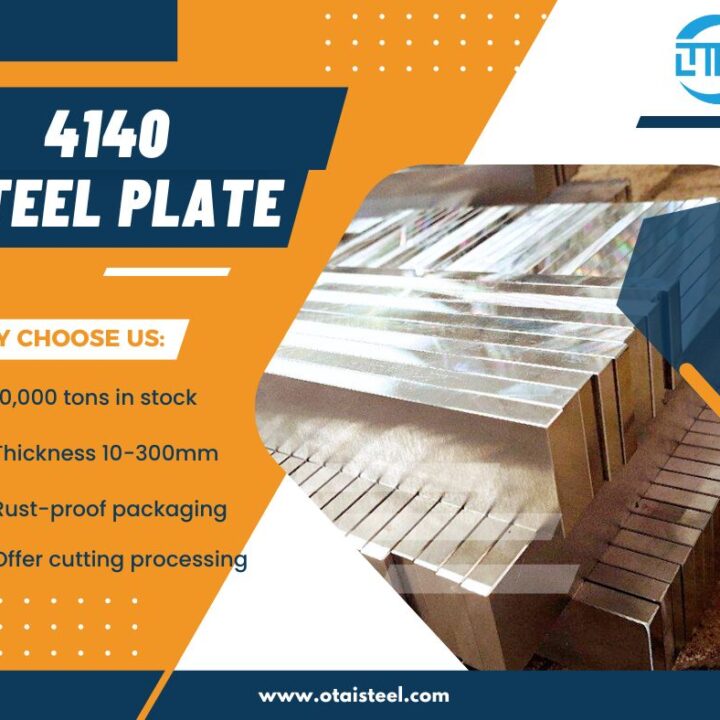
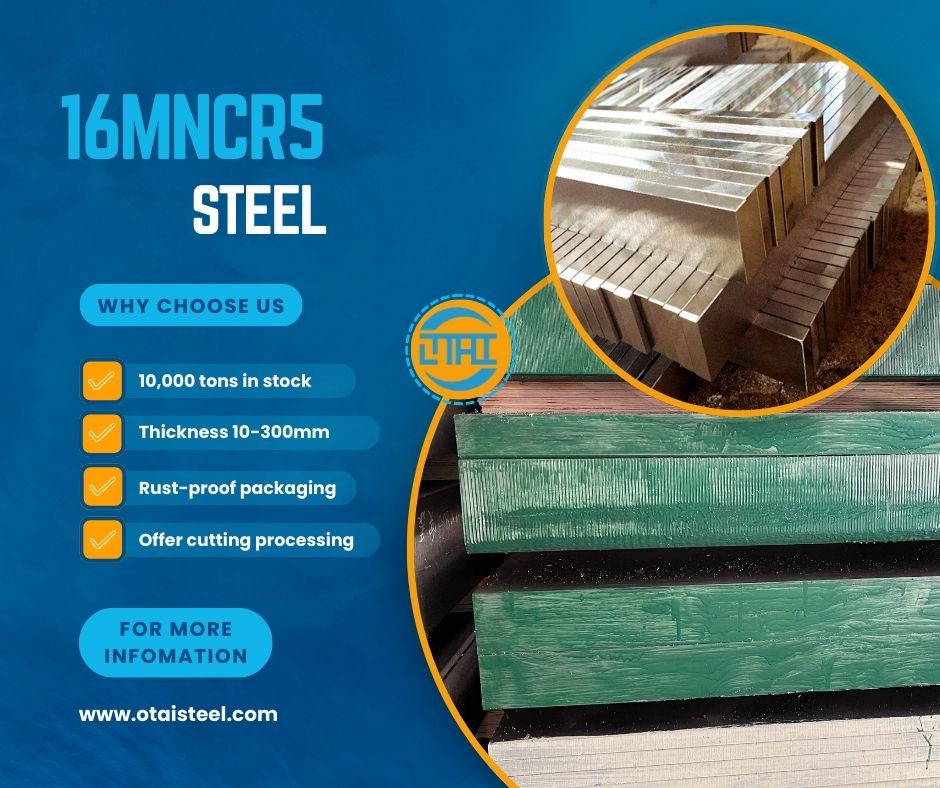
At Otai Special Steel, we supply 16MnCr5 and its equivalent grades for global customers.
Our advantages include:
- Over 10,000 tons of alloy steel inventory available year-round
- Plate thickness range from 6 mm to 300 mm
- Professional custom cutting and processing services
- Strict ultrasonic testing (UT) quality control
- Complete chemical composition inspection
- Long-term cooperation with international companies such as Thyssenkrupp, Borealis, and Schlumberger
We help customers select the right equivalent materials for their specific applications.
❓ FAQ
1. What is the equivalent grade of 16MnCr5 in AISI?
The closest equivalent is AISI 5120.
2. Is SCM420 equivalent to 16MnCr5?
Yes, SCM420 is a commonly used equivalent with similar properties and applications.
3. Can 20CrMnTi replace 16MnCr5?
In many cases, yes, but it may offer slightly higher strength and hardenability.
4. Are all equivalent grades exactly the same?
No, they have similar properties but may differ slightly in composition and performance.