 What Is the Rockwell Hardness of 4140 Steel: HRC Values Explained Clearly
Understanding what is the Rockwell hardness of 4140 steel helps engineers and buyers select the right material for strength, wear resistance, and machinability. The hardness of 4140 steel changes significantly depending on its heat treatment condition, which allows it to meet a wide range of application requirements.
This article explains typical Rockwell hardness values, influencing factors, and how to choose the right hardness level.
🛠️ What Does Rockwell Hardness Mean?
The Rockwell hardness test measures a material’s resistance to indentation using a diamond cone indenter. The Rockwell C (HRC) scale is commonly used for hardened steels like 4140 steel.
When asking what is the Rockwell hardness of 4140 steel, the answer depends on how the material has been processed.
⚙️ Typical Rockwell Hardness of 4140 Steel
The Rockwell hardness of 4140 steel varies across different conditions:
| Condition | Hardness (HRC) | Description |
|---|---|---|
| Annealed | 12 – 18 HRC | Soft, easy to machine |
| Normalized | 18 – 22 HRC | Improved strength and uniformity |
| Quenched & Tempered | 28 – 32 HRC | Balanced strength and toughness |
| Hardened | 50 – 55 HRC | High wear resistance, lower toughness |
Most industrial applications use 4140 steel in the 28–32 HRC range.
🔧 How Heat Treatment Affects Hardness
To fully understand what is the Rockwell hardness of 4140 steel, you must consider heat treatment:
| Process | Temperature Range | Effect on Hardness |
|---|---|---|
| Austenitizing | 850 – 880°C | Prepares steel for hardening |
| Quenching | Oil cooling | Increases hardness significantly |
| Tempering | 200 – 600°C | Reduces hardness, improves toughness |
Lower tempering temperatures produce higher hardness. Higher tempering temperatures reduce hardness but improve ductility.
🧰 Recommended Hardness for Applications
When evaluating what is the Rockwell hardness of 4140 steel, you should match hardness to application needs:
| Application | Recommended HRC | Reason |
|---|---|---|
| Shafts | 28 – 32 | Good strength and toughness |
| Gears | 30 – 40 | Improved wear resistance |
| Fasteners | 26 – 34 | Balanced mechanical properties |
| Tooling Components | 40 – 50 | Higher hardness for wear resistance |
Choosing the right hardness ensures optimal performance and longer service life.
💡 Factors That Influence Rockwell Hardness
Several factors affect what is the Rockwell hardness of 4140 steel:
- Heat Treatment Process: The most important factor controlling hardness
- Cooling Rate: Faster cooling increases hardness
- Material Thickness: Thick sections may not harden uniformly
- Chemical Composition: Slight variations influence hardenability
- Tempering Temperature: Higher temperatures reduce hardness
Controlling these factors ensures consistent results.
🌍 Advantages of 4140 Steel Hardness Range
The flexibility in what is the Rockwell hardness of 4140 steel provides key advantages:
- Wide range of mechanical properties
- Excellent balance between strength and toughness
- Good wear resistance at higher hardness levels
- Improved machinability at lower hardness levels
- Versatility across multiple industries
This adaptability makes 4140 steel one of the most widely used alloy steels.
🏆 Company Advantages
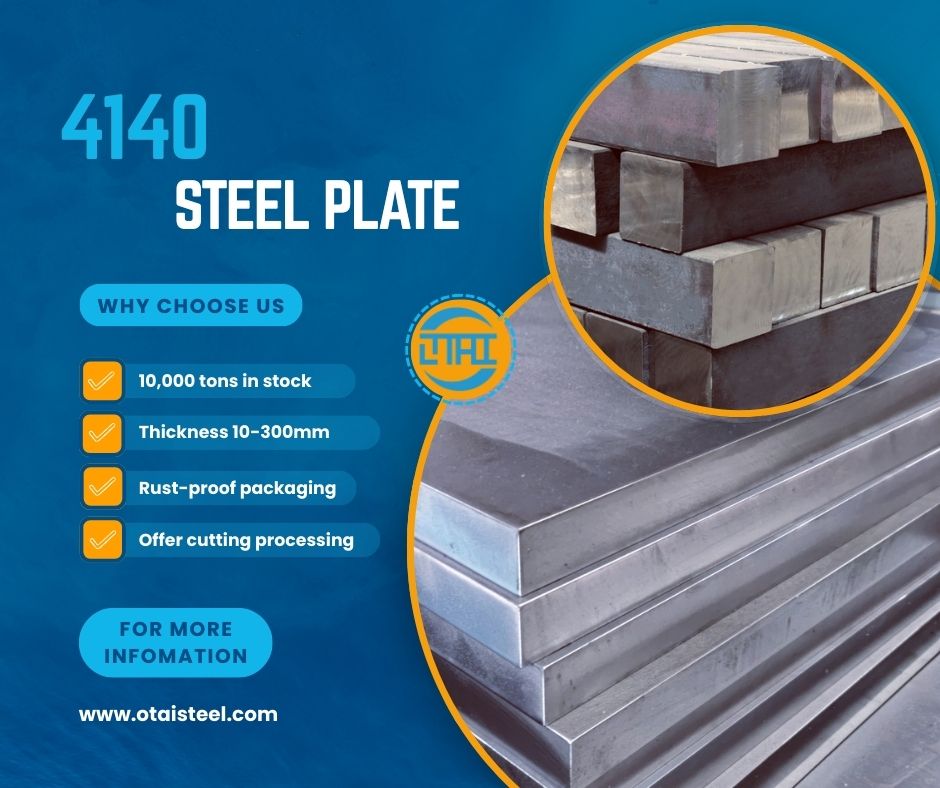
At Otai Special Steel, we supply high-quality 4140 steel with precise hardness control to meet your exact requirements. Our advantages include:
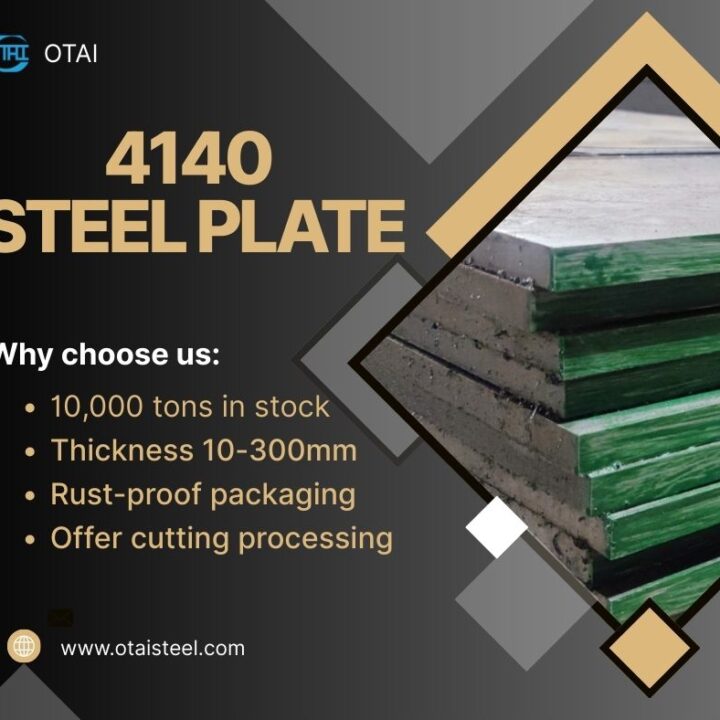
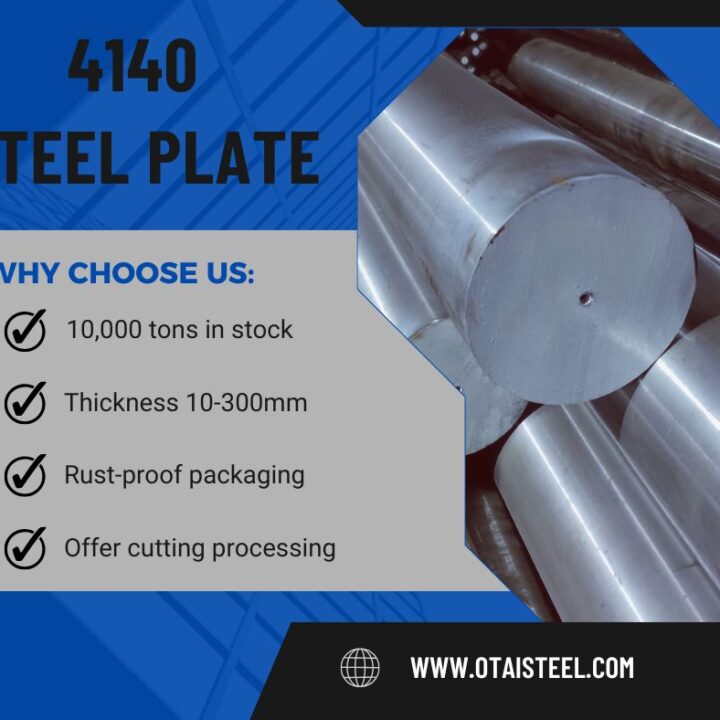
- Large Inventory: Over 10,000 tons available for fast delivery.
- Custom Heat Treatment: Tailored hardness levels for different applications.
- Strict Quality Control: UT testing and hardness inspection for every batch.
- Global Supply Experience: Reliable export service worldwide.
- Competitive Pricing: Cost-effective solutions with consistent quality.
🤔 FAQ: What Is the Rockwell Hardness of 4140 Steel
Q1: What is the most common hardness of 4140 steel?
A1: The most common Rockwell hardness of 4140 steel is 28–32 HRC after quenching and tempering.
Q2: Can 4140 steel reach 50 HRC?
A2: Yes, 4140 steel can reach 50–55 HRC, but this reduces toughness.
Q3: Is 4140 steel hard or soft?
A3: It depends on heat treatment. 4140 steel can be soft in the annealed state or very hard after heat treatment.