 What Is the Difference Between 4140 and 8620 Steel: Strength, Hardness, and Application Insights
🔍 Introduction
Understanding what is the difference between 4140 and 8620 steel is essential for engineers, buyers, and manufacturers who need to select the right alloy for performance-critical applications. Both steels are widely used in industries such as automotive, oil & gas, and heavy machinery, but they serve very different purposes due to their composition and heat treatment behavior.
This article provides a detailed comparison of 4140 vs 8620 steel properties comparison, including chemical composition, hardness, strength, machinability, and real-world applications.
⚙️ Overview of 4140 and 8620 Steel
🔩 4140 Steel
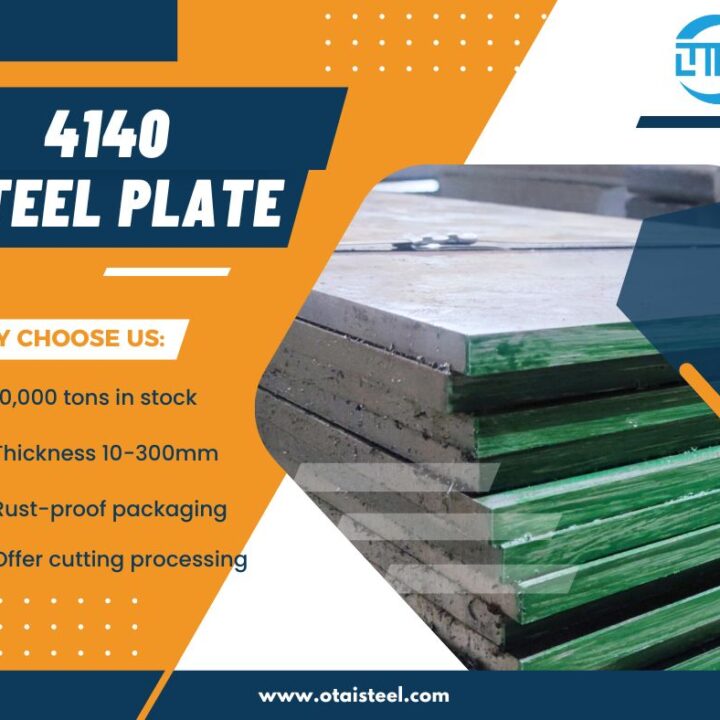
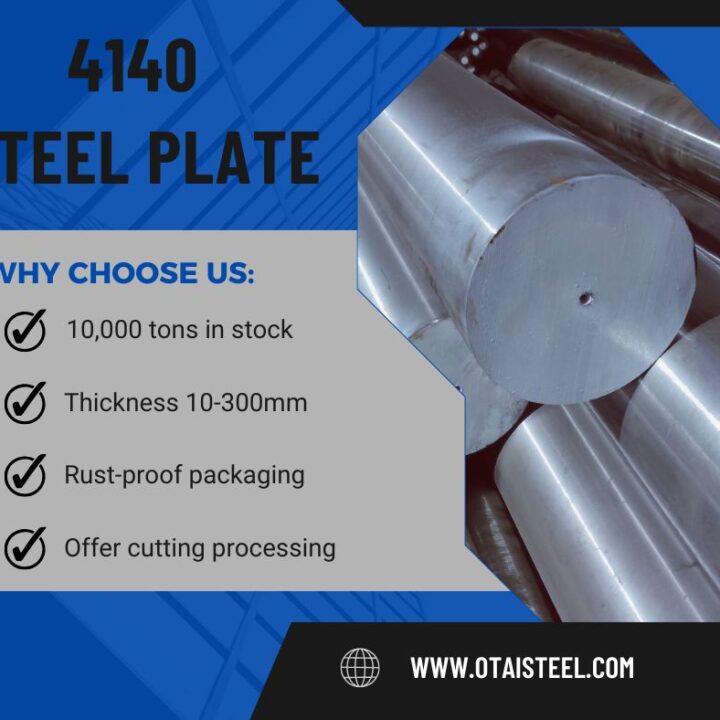
4140 is a chromium-molybdenum alloy steel known for its high strength, toughness, and good fatigue resistance. It is typically used in quenched and tempered condition.
🔧 8620 Steel
8620 is a low-carbon nickel-chromium-molybdenum alloy steel designed for carburizing. It offers a hard surface and tough core after heat treatment.
Key Difference:
4140 is a through-hardening steel, while 8620 is primarily a case-hardening steel.
🧪 Chemical Composition Comparison
To understand the difference between 4140 and 8620 chemical composition, let’s compare their key elements:
| Element | 4140 Steel (%) | 8620 Steel (%) |
|---|---|---|
| Carbon (C) | 0.38–0.43 | 0.18–0.23 |
| Chromium (Cr) | 0.8–1.1 | 0.4–0.6 |
| Molybdenum (Mo) | 0.15–0.25 | 0.15–0.25 |
| Nickel (Ni) | — | 0.4–0.7 |
| Manganese (Mn) | 0.75–1.0 | 0.7–0.9 |
Insight:
- 4140 has higher carbon → higher strength and hardness
- 8620 contains nickel → improved toughness and carburizing response
📊 Mechanical Properties and Strength
When comparing 4140 vs 8620 hardness and strength, the differences become clear:
| Property | 4140 Steel | 8620 Steel |
|---|---|---|
| Tensile Strength | 850–1100 MPa | 600–850 MPa (core) |
| Hardness (Q&T) | 28–50 HRC | 20–30 HRC (core) |
| Surface Hardness | Not typical | 58–62 HRC (after carburizing) |
| Toughness | High | Very high (core) |
Conclusion:
- Is 4140 stronger than 8620 steel? Yes, in through-hardened condition
- 8620 excels in surface hardness after carburizing
🔥 Heat Treatment Differences
The 4140 vs 8620 carburizing vs quenching difference is one of the most important distinctions.
4140 Steel
- Quenching and tempering
- Uniform hardness throughout
- No carburizing required
8620 Steel
- Carburizing + quenching
- Hard outer layer (case)
- Soft, tough core
This makes 8620 ideal for components requiring wear resistance on the surface and impact resistance inside.
⚖️ When to Use 4140 vs 8620 Steel
Choosing correctly depends on application requirements.
Use 4140 Steel When:
- High strength is required throughout the part
- Components experience heavy loads
- Wear is not limited to the surface
Use 8620 Steel When:
- Surface wear resistance is critical
- Core toughness is needed
- Parts require carburizing
This directly answers when to use 4140 vs 8620 steel in practical engineering scenarios.
🏭 Applications Comparison
Understanding applications of 4140 and 8620 steel comparison helps clarify their roles.
4140 Steel Applications
- Shafts
- Bolts and studs
- Oil & gas drilling components
- Heavy-duty structural parts
8620 Steel Applications
- Gears and pinions
- Camshafts
- Bearings
- Automotive transmission components
🛠️ Machinability and Weldability
The 4140 vs 8620 machinability and weldability comparison is also important for manufacturing.
| Property | 4140 Steel | 8620 Steel |
|---|---|---|
| Machinability | Moderate | Good (before carburizing) |
| Weldability | Fair (requires preheat) | Better |
| Formability | Lower | Higher |
Insight:
8620 is easier to machine and form before heat treatment, making it ideal for complex parts.
💰 Cost and Availability Considerations
When evaluating 4140 vs 8620 cost and availability:
- 4140 is widely available and cost-effective
- 8620 may be slightly more expensive due to alloying elements (Ni) and carburizing process
However, total cost depends on:
- Heat treatment requirements
- Machining complexity
- Production volume
🧭 Choosing Between 4140 and 8620 Steel
To make the best decision when choosing between 4140 and 8620 steel, consider:
- Load type (uniform vs surface contact)
- Wear conditions
- Required hardness profile
- Manufacturing process
- Budget constraints
Simple rule:
- Choose 4140 for strength
- Choose 8620 for surface hardness + core toughness
⚠️ Common Mistakes in Material Selection
- Using 4140 where surface wear resistance is critical
- Choosing 8620 without proper carburizing
- Ignoring heat treatment costs
- Overlooking machinability differences
Avoiding these mistakes ensures better performance and cost efficiency.
🏆 Company Advantages
At Otai Special Steel, we supply both 4140 and 8620 steel with reliable quality and fast delivery:
- Over 10,000 tons of inventory available year-round
- Full size range from 6mm to 300mm
- Precision cutting and customized heat treatment services
- Advanced inspection including ultrasonic testing (UT) and chemical analysis
- Third-party inspection support such as SGS
- Rich experience supplying global industrial clients
We help customers select the right material based on application, performance, and cost.
❓ FAQ
1. Is 4140 stronger than 8620 steel?
Yes, 4140 has higher strength in quenched and tempered condition.
2. Why is 8620 used for gears?
Because it provides a hard wear-resistant surface and a tough core after carburizing.
3. Can 8620 replace 4140?
Not directly. It depends on whether surface hardness or overall strength is required.
4. Which steel is easier to machine?
8620 is easier to machine before heat treatment.
5. Which is more cost-effective?
4140 is generally cheaper, but total cost depends on processing and application needs.