Skip to Content

Blog Archives

4140 Alloy Steel Yield Strength: Heavy-Duty Reliability

4140 Alloy Steel Yield Strength: Heavy-Duty Reliability4140 Alloy Steel Yield Strength: Heavy-Duty Reliability

Introduction

Choosing the right material is a critical step in engineering and manufacturing projects, much like picking the right tool for a specific task. 4140 alloy steel stands out as a versatile and reliable choice due to its strength, durability, and flexibility across industries. To fully leverage its advantages, understanding its yield strength is key. Let’s explore why this property is crucial and how to maximize 4140 steel’s performance.

Yield Strength: What It Means

Think of pulling a steel bar—initially, it stretches and then snaps back when you release it. However, there’s a point at which it no longer returns to its original shape. This point is the yield strength, representing the stress level at which the material begins to permanently deform. Unlike tensile strength, which marks the breaking point, yield strength serves as an early warning, signaling when a material will start to fail.

Why Yield Strength Is Crucial

Imagine a company manufacturing a critical part for heavy machinery, assuming they had selected the perfect material. However, they failed to check the yield strength. As the machine operated, the component deformed under pressure, leading to failure. This costly mistake could’ve been avoided with careful attention to yield strength. Although often overlooked, yield strength is vital in material selection.

What Makes 4140 Alloy Steel Special

4140 alloy steel is renowned for its unique composition—carbon, chromium, and molybdenum. Carbon provides a solid structural foundation, while chromium and molybdenum enhance toughness and wear resistance. Together, these elements create a steel that’s both tough and reliable, making it ideal for demanding applications.

4140 Steel’s Yield Strength in Numbers

4140 alloy steel boasts an impressive yield strength range of 60,000 to 100,000 psi, depending on the processing technique used. This is significantly higher than standard structural steel, which typically maxes out at around 36,000 psi. With its superior yield strength, 4140 steel can endure greater stress before permanent deformation. Additionally, heat treatment can further enhance its strength, boosting overall performance.

Heat Treatment: Unlocking Full Potential

Heat treatment is essential for maximizing 4140 steel’s capabilities. By carefully controlling temperature, the steel’s properties can be customized to meet specific project requirements. Techniques like quenching (rapid cooling after heating) and tempering (reheating to a lower temperature) dramatically increase yield strength, making the material even more durable and resistant to stress.

Putting Yield Strength to Work

Consider designing a machine shaft that must withstand significant torque and wear. By choosing 4140 alloy steel and applying the right heat treatment, you can ensure the shaft will perform reliably under stress. This results in a more durable component, enhancing the overall performance and efficiency of the machinery.

Testing Yield Strength: The Basics

Accurate yield strength testing is essential for ensuring the material meets project requirements. The most common method for determining yield strength is tensile testing. In this process, a sample is pulled in a machine until it begins to deform, and the machine records the stress at this point, which indicates the material’s yield strength. This simple yet vital test ensures the material will meet your needs.

The Importance of Standards

Standards provide consistency and reliability in material testing. For instance, ASTM E8 outlines procedures for sample preparation, testing, and data recording. Adhering to these standards ensures reliable yield strength measurements, allowing for easy comparison across different projects and materials.

Conclusion

When should you choose 4140 alloy steel? It’s an excellent choice for applications requiring strength and toughness, such as gears, shafts, and structural components. However, always evaluate the yield strength, especially in projects involving significant stress or bending. In some cases, other alloys like 4340 or 8620 might be better suited. Understanding your project’s specific needs and selecting the right material is crucial.

Engineer and Designer Tips

Keep these points in mind:

  • Always check yield strength—it’s essential to the success of your project.
  • Don’t hesitate to consult experts if you’re uncertain about the best material choice.
  • Use heat treatment to improve material properties and extend the service life of your components.

In the end, understanding and testing yield strength allows you to make informed material choices. With this knowledge, you can fully unlock 4140 alloy steel yield strength, ensuring your products are strong, reliable, and up to the task. Keep testing, learning, and making thoughtful material decisions to guarantee the success of your engineering projects.
0 0 Continue Reading →

What is 4140 tool steel used for?

What is 4140 tool steel used for?What is 4140 tool steel used for?

Introduction

If you’ve been in manufacturing, you’ve likely encountered 4140 alloy steel. But what makes it stand out? This material is far from ordinary—it’s a versatile workhorse that powers numerous industries across the globe. From automotive to aerospace, construction to oil rigs, 4140 alloy steel is an essential part of modern engineering. In this article, we’ll dive into why this steel is a favorite of manufacturers and engineers alike, and why it should be on your radar.

The Core of 4140 Alloy Steel

4140 is more than just a technical term—it’s a symbol of strength, durability, and adaptability. This medium-carbon steel, enhanced with chromium and molybdenum, is designed to be incredibly tough, resistant to wear, and capable of hardening to meet the most demanding requirements. Often overlooked, it’s the reliable material that thrives in tough environments. Its exceptional performance comes from the meticulous care in its production process. Through precise heat treatments, such as quenching and tempering, 4140 strikes the perfect balance between hardness and toughness, allowing it to endure even the harshest conditions.

What is 4140 tool steel used for

**Automotive: The Power Behind Performance**

In the automotive industry, strength and lightness are essential. 4140 alloy provides the ideal balance between both. Whether used in axles, gears, or shafts, 4140 withstands the powerful forces at play in vehicle movement. Its unique mix of strength and lightweight properties makes it a key material for the drivetrain in high-performance vehicles. Without it, those powerful engines wouldn’t perform nearly as efficiently.

**Industrial Machinery: The Unsung Workhorse**

Industrial machinery runs under constant pressure. Gears and shafts face continuous wear as they operate around the clock. 4140 alloy steel is often the material of choice for these high-stress components, thanks to its resilience to both load-bearing and repetitive motion. A firsthand example I’ve seen involved a factory switching from traditional steel components to 4140. The result? Reduced breakdowns, less downtime, and a significant increase in productivity.

**Construction: Building for the Long Haul**

When it comes to construction, materials need to be as durable as they are strong. 4140 alloy steel answers the call, particularly for structural beams and supports. This steel is capable of handling immense weight and enduring harsh environmental conditions. I’ve seen this material in action during the construction of high-rise buildings where, years later, the support beams remain strong and dependable.

**Aerospace: Precision and Strength in the Skies**

Aerospace components require unmatched performance. 4140 alloy steel is used in parts such as aircraft landing gear, which must withstand high pressure, extreme temperatures, and immense forces. The reliability of 4140 ensures that planes stay safe, even under the most demanding conditions, making it a crucial part of the aerospace industry.

**Oil and Gas: Endurance in Extreme Conditions**

The oil and gas industry faces some of the harshest environments—corrosive chemicals, extreme temperatures, and high pressure. 4140 alloy steel thrives in these conditions, making it indispensable for drilling equipment and pipelines. I’ve witnessed its remarkable performance firsthand on oil rigs, where it holds up against the elements without fail, proving its reliability in the toughest situations.

Why Choose 4140 Alloy Steel?

Strength and durability are just the start. 4140 alloy steel is also highly cost-effective. While not the cheapest option, it delivers an outstanding balance of performance and value, so you won’t have to stretch your budget for long-lasting parts. Its machinability further adds to its appeal, making it a go-to for manufacturers. With the ability to be shaped with precision, it’s perfect for CNC machining, giving engineers the confidence to design complex parts without worrying about material failure.

Real-World Applications:What is 4140 tool steel used for

**Automotive Gear Manufacturing**

A few years ago, a leading automotive manufacturer faced frequent gear failures in their transmissions, leading to expensive repairs and downtime. By switching to 4140 alloy steel, they saw remarkable improvements—the gears became more durable, and the transmission’s overall efficiency saw a significant boost.

**Industrial Equipment**

A heavy machinery manufacturer was dealing with frequent equipment breakdowns, costing them time and money. After they switched to 4140 alloy steel for their gears and shafts, the results were evident immediately. The equipment saw fewer failures, longer-lasting components, and a boost in overall productivity.

**Construction Projects**

During the construction of a large commercial complex, a company opted for 4140 alloy steel to ensure the reliability of their structural beams. Despite heavy loads and challenging weather, the beams held firm. Even years later, the building still stands as a testament to the material’s durability.

Finding the Right Supplier

Selecting a dependable supplier for 4140 alloy steel is crucial. You need a partner who understands the material and guarantees consistent quality. At OTAI, we specialize in 4140 alloy steel uses, providing a wide range of inventory and custom services such as cutting and packaging. We’re more than just a supplier—we’re your trusted ally in ensuring your success.

Looking Ahead

4140 alloy steel has proven itself time and again as a reliable, high-performance material. As industries continue to advance, its demand will only grow. Whether you’re involved in automotive innovation, construction, aerospace, or oil and gas, 4140 alloy steel is a material you can rely on. It’s time to explore its full potential and see how it can support your projects.

0 0 Continue Reading →

4140 Alloy Steel Corrosion Resistance: Tips, Techniques & Success

4140 Alloy Steel Corrosion Resistance: Tips, Techniques & Success4140 Alloy Steel Corrosion Resistance: Tips, Techniques & Success

Hi everyone! If you’ve worked with steel, you’ve probably heard of 4140 steel. It’s like the Swiss Army Knife of steels—strong, versatile, and up to almost any task. But I’m often asked: Does this stuff rust? After all, rust is the bane of steel. If you’re not careful, it can have a huge impact on your performance. So, today we’re going to talk about this and see how to keep your 4140 steel in top condition.

**What is 4140 steel? **

4140 steel is a high-quality material known for its strength and durability. It contains a mix of carbon and other alloying elements that contribute to its tough properties. However, it is important to note that 4140 steel is not stainless steel. While stainless steel is naturally resistant to rust due to its chromium content, 4140 steel requires more care to prevent corrosion. Think of 4140 steel as a reliable, hard-working material—just be sure to maintain it properly to avoid rusting.

**Does 4140 steel rust? **

Yes, 4140 steel can rust. While it’s more durable than many other steels, it is still susceptible to rust if not properly protected. Unlike stainless steel, 4140 lacks a natural resistance to corrosion. However, don’t worry—there are several methods to prevent it from rusting.

**What factors affect the 4140 alloy steel corrosion resistance? **

The likelihood of 4140 steel rusting depends on several factors, with the environment being one of the most significant. Prolonged exposure to damp conditions increases the risk of rust. Additionally, chemicals, acids, and alkalis can speed up the corrosion process. The good news is that surface treatments can improve rust resistance. For instance, applying a zinc coating acts like a protective raincoat for the steel, effectively blocking moisture and air, and preventing rust.

**How ​​to effectively prevent 4140 steel from rusting? **

So, how to prevent 4140 steel from rusting? In addition to regular cleaning and keeping it dry, sometimes more professional protection methods are required. Zinc coating is a good choice, it can provide a strong protective film for steel, greatly reducing the possibility of rust. Hot-dip galvanizing is also a good choice, it is like a super strong protective cover for steel. And don’t forget the packaging! We have a special anti-rust packaging solution at OTAI, which can provide extra protection for your steel, like putting the steel in a “protective bubble”.

**Rust-proof success case**

Let me share two real examples. A customer in the automotive industry once encountered rust problems on 4140 steel parts. We recommended them to carry out zinc coating treatment, and the results were very good. The parts no longer rusted and the service life was greatly extended. Another example comes from the agricultural field. A customer’s agricultural machinery equipment was also troubled by rust. We provided them with customized anti-rust packaging, which was also very effective and greatly improved the condition of their tools.

**Rust-proof comparison of 4140 steel and other steels**

Compared with other common steels, the rust-proof performance of 4140 steel is much better than that of 1045 steel. 1045 steel is just plain carbon steel, and it has a weak rust resistance. 4140 steel is a little less rust-resistant than stainless steel. Stainless steel is naturally very rust-resistant, but 4140 steel needs some extra help.

**Rust-Proofing Solutions from OTAI**

At OTAI, we understand the importance of keeping steel in great shape. To help our customers keep their steel in top shape, we offer custom rust-proofing packages and coatings. We have worked with many large companies and have earned the trust of our customers with our experience and professional services. Our goal is to help you effectively prevent steel from rusting and extend its service life.

**Conclusion: Choose the right steel to meet your needs**

In general, 4140 steel does rust, but with proper care and treatment, it can be kept in great shape. Whether you are working on automotive parts, agricultural equipment, or other applications, it is important to manage the rust protection of your steel. If you need a reliable partner to help you deal with rust protection, OTAI is here to support you. We have the experience, solutions, and confidence to keep your steel in top shape.

0 0 Continue Reading →

4140 Steel Rust: How to Protect Your Steel from Corrosion

4140 Steel Rust: How to Protect Your Steel from Corrosion4140 Steel Rust: How to Protect Your Steel from Corrosion

Hi everyone! If you’ve worked with steel, you’ve probably heard of 4140 steel. It’s like the Swiss Army Knife of steels—strong, versatile, and up to almost any task. But I’m often asked: Does this stuff rust? After all, rust is the bane of steel. If you’re not careful, it can have a huge impact on your performance. So, today we’re going to talk about this and see how to keep your 4140 steel in top condition.

**What is 4140 steel? **

4140 steel is a high-quality material known for its strength and durability. It contains a mix of carbon and other alloying elements that contribute to its tough properties. However, it is important to note that 4140 steel is not stainless steel. While stainless steel is naturally resistant to rust due to its chromium content, 4140 steel requires more care to prevent corrosion. Think of 4140 steel as a reliable, hard-working material—just be sure to maintain it properly to avoid rusting.

**Does 4140 steel rust? **

Yes, 4140 steel can rust. While it’s more durable than many other steels, it is still susceptible to rust if not properly protected. Unlike stainless steel, 4140 lacks a natural resistance to corrosion. However, don’t worry—there are several methods to prevent it from rusting.

**What factors affect the rust resistance of 4140 steel? **

The likelihood of 4140 steel rusting depends on several factors, with the environment being one of the most significant. Prolonged exposure to damp conditions increases the risk of rust. Additionally, chemicals, acids, and alkalis can speed up the corrosion process. The good news is that surface treatments can improve rust resistance. For instance, applying a zinc coating acts like a protective raincoat for the steel, effectively blocking moisture and air, and preventing rust.

**How ​​to effectively prevent 4140 steel from rusting? **

So, how to prevent 4140 steel from rusting? In addition to regular cleaning and keeping it dry, sometimes more professional protection methods are required. Zinc coating is a good choice, it can provide a strong protective film for steel, greatly reducing the possibility of rust. Hot-dip galvanizing is also a good choice, it is like a super strong protective cover for steel. And don’t forget the packaging! We have a special anti-rust packaging solution at OTAI, which can provide extra protection for your steel, like putting the steel in a “protective bubble”.

**Rust-proof success case**

Let me share two real examples. A customer in the automotive industry once encountered rust problems on 4140 steel parts. We recommended them to carry out zinc coating treatment, and the results were very good. The parts no longer rusted and the service life was greatly extended. Another example comes from the agricultural field. A customer’s agricultural machinery equipment was also troubled by rust. We provided them with customized anti-rust packaging, which was also very effective and greatly improved the condition of their tools.

**Rust-proof comparison of 4140 steel and other steels**

Compared with other common steels, the rust-proof performance of 4140 steel is much better than that of 1045 steel. 1045 steel is just plain carbon steel, and it has a weak rust resistance. 4140 steel is a little less rust-resistant than stainless steel. Stainless steel is naturally very rust-resistant, but 4140 steel needs some extra help.

**Rust-Proofing Solutions from OTAI**

At OTAI, we understand the importance of keeping steel in great shape. To help our customers keep their steel in top shape, we offer custom rust-proofing packages and coatings. We have worked with many large companies and have earned the trust of our customers with our experience and professional services. Our goal is to help you effectively prevent steel from rusting and extend its service life.

**Conclusion: Choose the right steel to meet your needs**

In general, 4140 steel does rust, but with proper care and treatment, it can be kept in great shape. Whether you are working on automotive parts, agricultural equipment, or other applications, it is important to manage the rust protection of your steel. If you need a reliable partner to help you deal with rust protection, OTAI is here to support you. We have the experience, solutions, and confidence to keep your steel in top shape.


0 0 Continue Reading →

4140 Steel Near Me: Finding the Perfect Fit for Your Project

4140 Steel Near Me: Finding the Perfect Fit for Your Project4140 Steel Near Me: Finding the Perfect Fit for Your Project

In the complex interplay between engineering and manufacturing, the materials used are fundamental to the success of any project. Among these, 4140 alloy steel plate emerges as a critical element, not merely participating but orchestrating the performance and longevity of various applications. For those searching for “4140 steel plate near me,” the quest extends beyond just geographical proximity; it involves seeking out precision and superior quality.

OTAI: Your Trusted Partner in Steel Supply

In the expansive landscape of steel suppliers, OTAI shines as a pillar of dependability. Here’s how we distinguish ourselves in the 4140 steel plate distribution market:

  • Extensive Inventory:

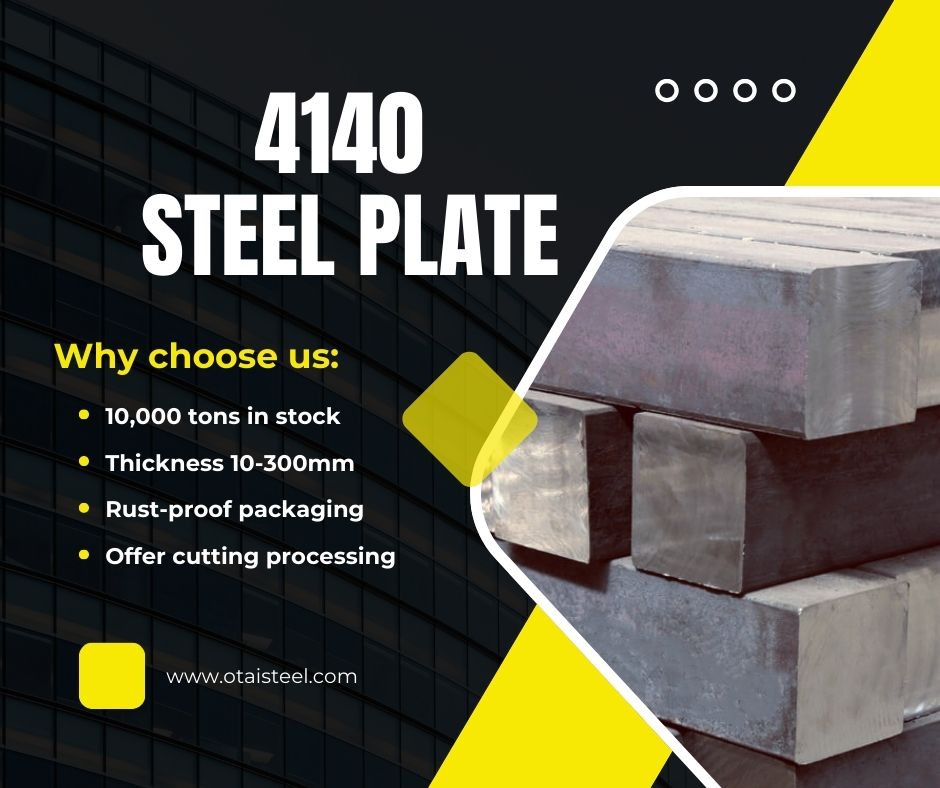
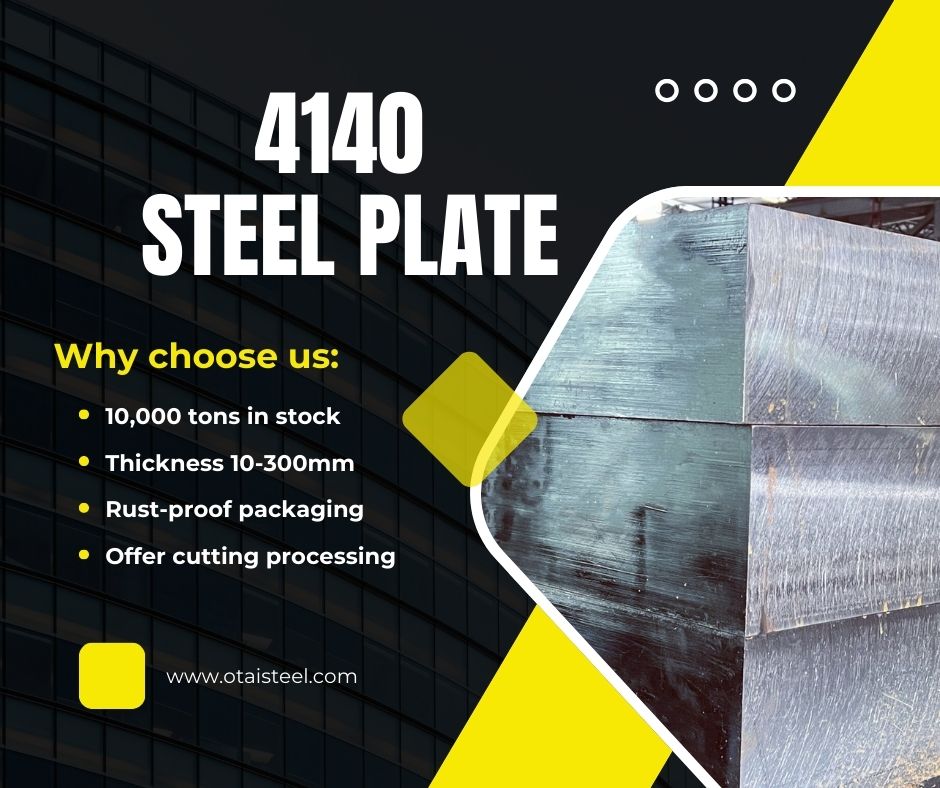
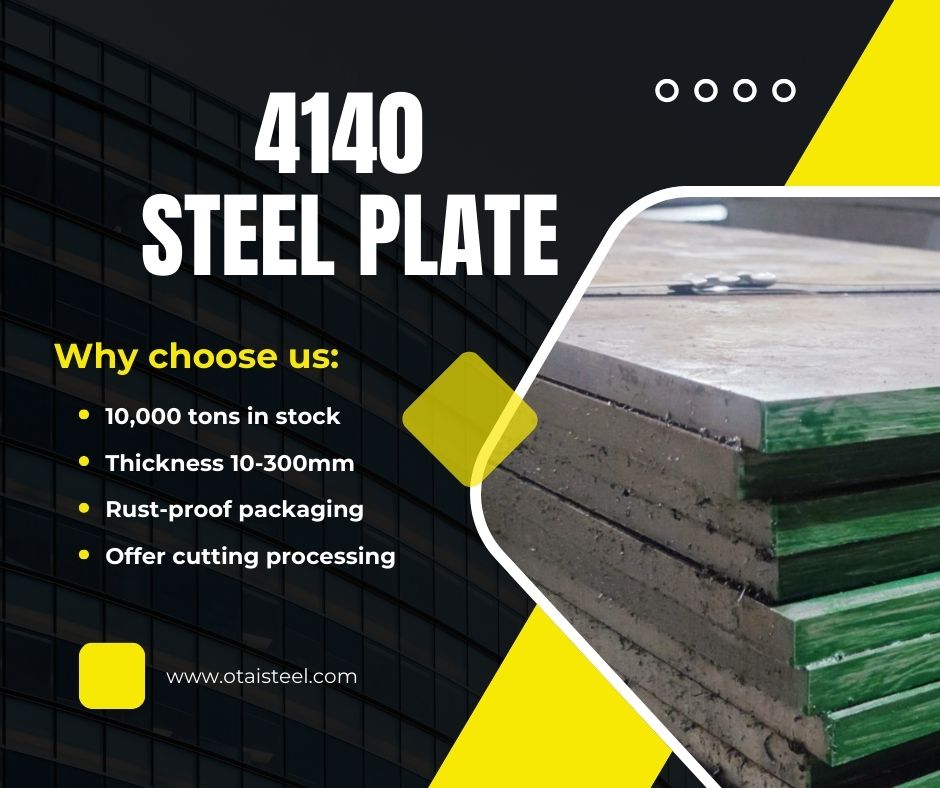
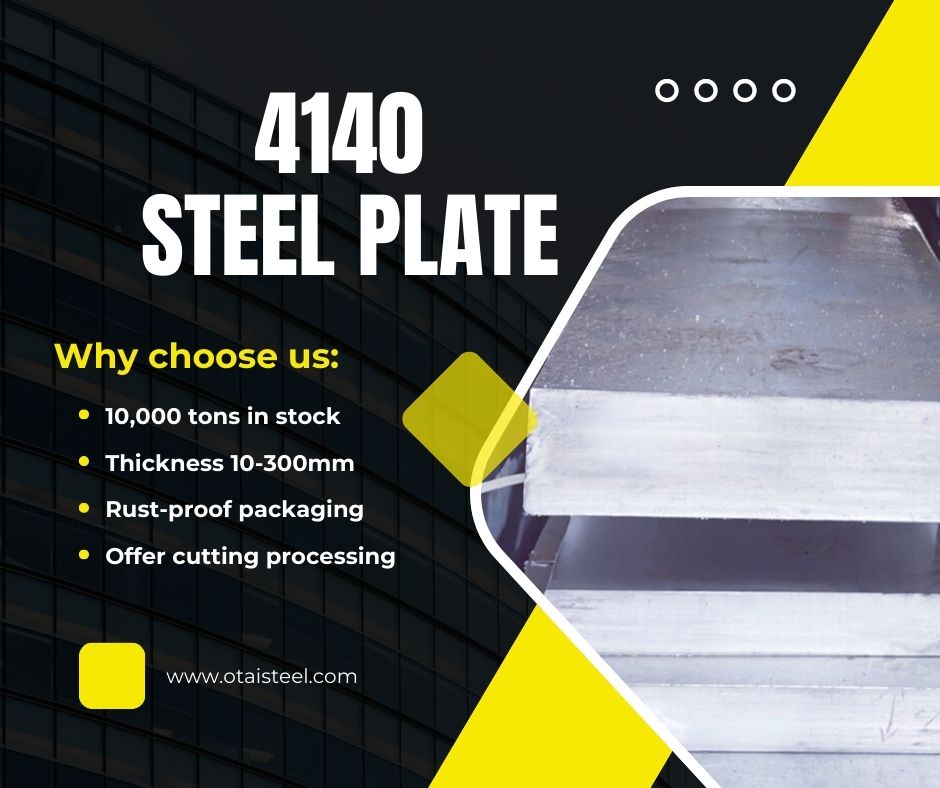
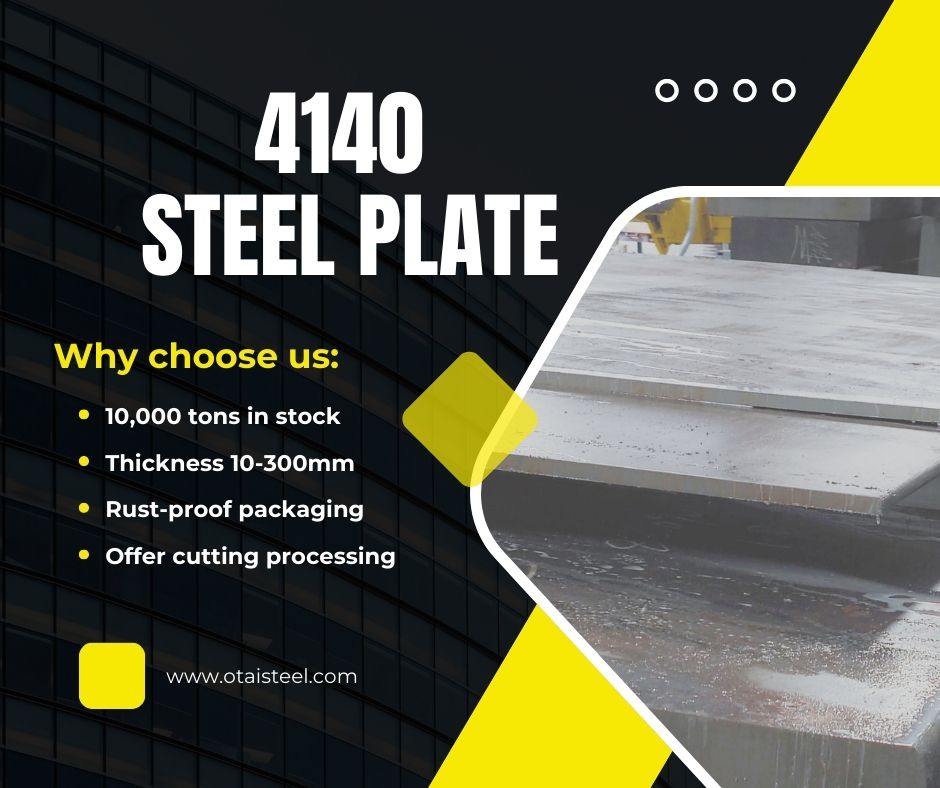
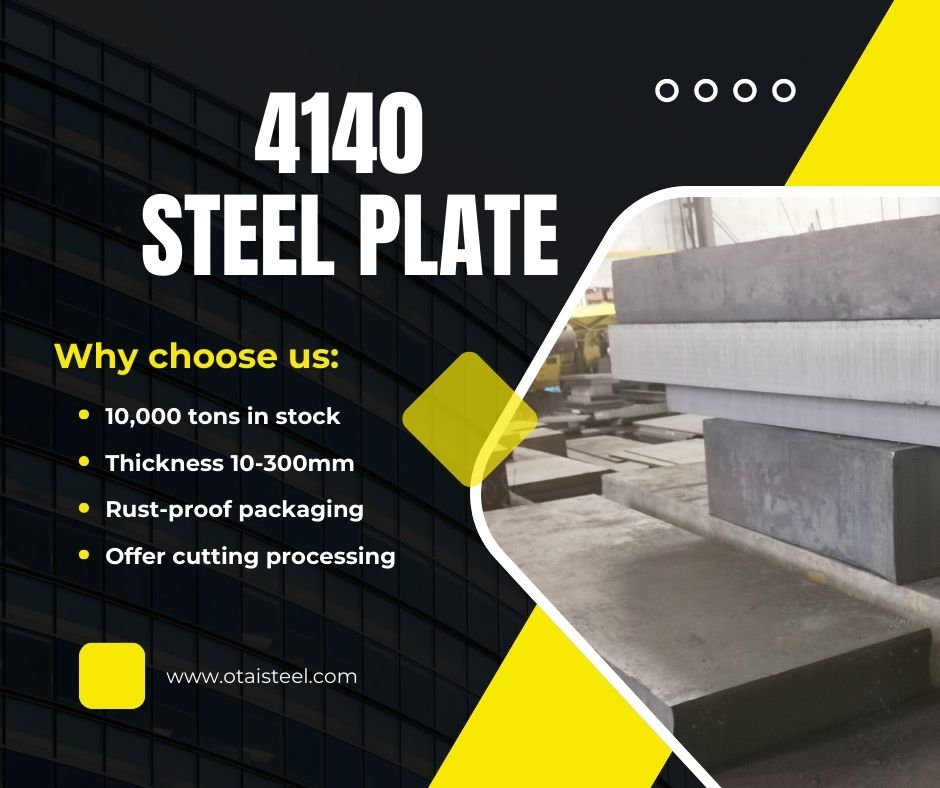
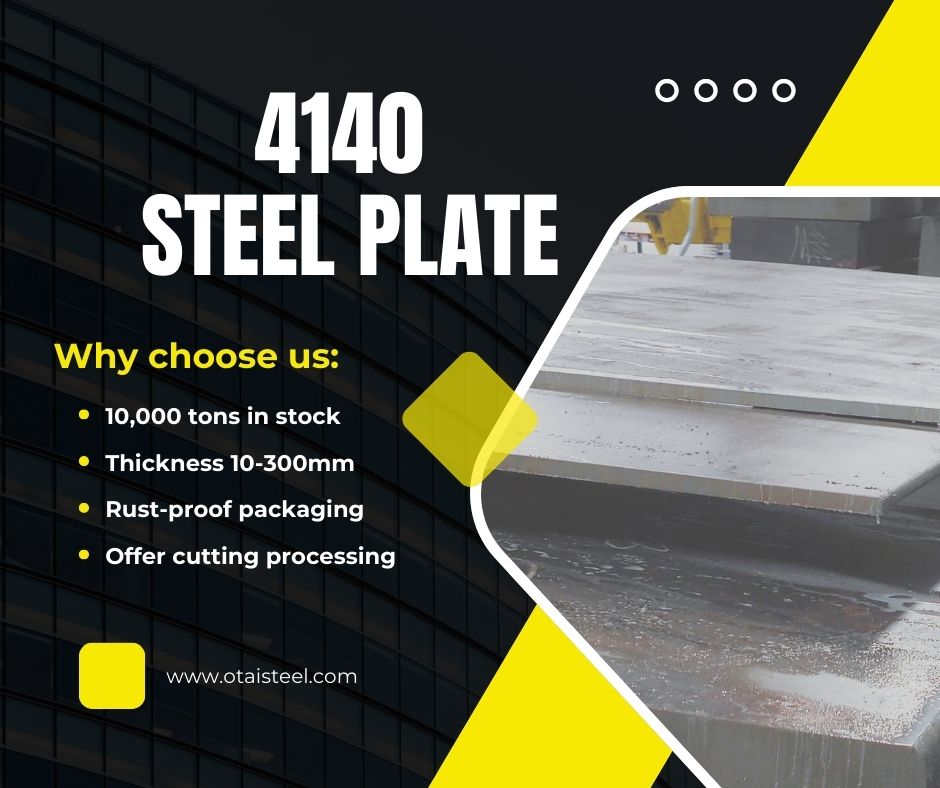
Our inventory is not just substantial but immense, boasting 10,000 tons of 4140 steel plates. These plates are available in thicknesses ranging from 10mm to 300mm, ensuring we meet the specific requirements of your projects.

  • Customized Cutting Services:

Precision is integral to our operations. We provide cutting services that transform bulk steel into exact components tailored to your specifications, ensuring a perfect fit for your design needs.

  • Advanced Packaging Solutions:

We prioritize not only the delivery but also the protection of our products. Our innovative packaging solutions are crafted to ensure that your steel plates reach you in impeccable condition, maintaining their quality from our facility to your location.

Case Study: Setting Global Standards

Our reputation for excellence is supported by our successful collaborations with major industry players:

  • Project Overview:

A leading multinational corporation launched a high-profile project reliant on the quality and timely delivery of 4140 steel plates.

  • Challenges Addressed:

The project demanded adherence to rigorous specifications and a tight schedule.

  • OTAI’s Success:

We not only met the technical and time requirements but also surpassed expectations by delivering ahead of schedule, underscoring our dedication to superior service and reliability.

The Unique Benefits of OTAI

  • Stringent Quality Control:

Our 4140 steel plates undergo comprehensive testing, ensuring that ‘quality’ is a concrete standard rather than a mere promise.

  • Commitment to Customer Satisfaction:

We view satisfied customers as our best advocates. Our unwavering focus on client satisfaction is reflected in our enduring relationships and high referral rates.

  • Adaptable Delivery Options:

Understanding that each project has its own logistical challenges, we offer flexible delivery solutions tailored to meet diverse needs.

Conclusion: OTAI—Where Precision Meets Excellence

Opting for OTAI in your search for “4140 steel plate near me” means more than locating a supplier; it signifies partnering with a company dedicated to precision, quality, and customer focus.

Get in Touch

Are you ready to begin your project with the assurance of top-notch materials and exceptional service? Reach out to OTAI today and discover how our 4140 steel plates can elevate your project. Together, we can shape the future with every steel plate.

0 0 Continue Reading →

4140 Steel Hardening: Key Properties and Uses

4140 Steel Hardening: Key Properties and Uses4140 Steel Hardening: Key Properties and Uses

4140 pre-hardened steel plate is a specialized type of steel that has undergone pre-hardening heat treatment to enhance its mechanical properties. This treatment involves heating the steel to a specific temperature and then cooling it rapidly. The result is a steel plate that possesses a balanced combination of hardness, strength, and toughness.

Composition and Properties

This steel plate is primarily composed of iron, with significant amounts of chromium, molybdenum, and carbon. The addition of chromium and molybdenum contributes to the plate’s excellent strength and wear resistance, while carbon enhances its hardenability. These properties make 4140 steel plate suitable for applications requiring high mechanical performance.

Heat Treatment Process

The heat treatment process for 4140 pre-hardened steel plate involves quenching and tempering. Quenching involves rapidly cooling the heated plate in a specialized medium to achieve the desired hardness. Tempering follows, which reduces the brittleness caused by quenching and enhances toughness and ductility.

Advantages of 4140 Pre-Hardened Steel Plate

  • Superior Strength: The pre-hardening process imparts exceptional strength, allowing the plate to withstand heavy loads and high-stress conditions.
  • Wear Resistance: Thanks to its composition, this steel plate exhibits remarkable resistance to wear, making it ideal for applications involving abrasive environments.
  • Dimensional Stability: 4140 steel plate maintains its shape and dimensions even under extreme temperature fluctuations, ensuring consistent performance.
  • Machinability: Despite its hardness, this steel plate offers good machinability, allowing for efficient shaping and forming processes.

Common Applications

The versatility of 4140 pre-hardened steel plate makes it indispensable across various industries, including:

  • Tool and Die Making: The plate’s exceptional hardness and wear resistance make it a preferred choice for tool and die manufacturing.
  • Automotive Components: Components subjected to high stress, such as gears, shafts, and couplings, benefit from the plate’s strength and durability.
  • Aerospace Industry: 4140 steel plate finds applications in aerospace components due to its ability to withstand extreme conditions.
  • Oil and Gas Sector: Parts used in drilling and exploration equipment require materials like 4140 steel plate for their durability.

Machinability and Weldability

Contrary to what one might expect from a hardened steel, 4140 steel plate offers reasonable machinability. It can be drilled, turned, and milled with appropriate tooling. However, caution is required to prevent excessive tool wear due to its hardness. Welding is possible but requires preheating and post-weld heat treatment to avoid cracking.

Factors to Consider When Using 4140 Pre-Hardened Steel Plate

  • Design Considerations: Proper design is crucial to maximize the benefits of 4140 steel plate. Consider factors such as stress concentration and load distribution.
  • Heat Treatment: While the plate is pre-hardened, additional heat treatment might be necessary based on specific application requirements.
  • Corrosion Protection: Apply appropriate coatings or treatments to prevent corrosion, especially in environments with high moisture or chemical exposure.

How to Source 4140 Pre-Hardened Steel Plate

Sourcing high-quality 4140 steel plate involves identifying reputable suppliers known for their adherence to quality standards. Consider factors such as certifications, material testing, and customer reviews.

Future Innovations and Trends

As technology advances, the steel industry continues to explore innovative ways to enhance the properties of materials like 4140 pre-hardened steel plate. This could lead to even higher-performing variants with improved characteristics.

Comparing 4140 Pre-Hardened Steel Plate with Other Materials

In comparison to other materials like regular steel, aluminum, and titanium, 4140 steel plate offers a unique combination of strength, hardness, and durability, making it a preferred choice for specific applications.

Addressing Misconceptions

There might be misconceptions regarding the difficulty of working with hardened steel. While challenges exist, proper tools and techniques make machining and fabrication achievable.

4140 pre-hardened steel plate stands as a testament to the innovative strides taken in metallurgy. Its unique properties and applications make it an invaluable asset across diverse industries. Whether it’s toolmaking, aerospace, or automotive, this steel plate’s exceptional strength, wear resistance, and machinability continue to shape our world.

0 0 Continue Reading →

Expertise in 4140 Steel Welding: Techniques, Challenges, and Solutions

Expertise in 4140 Steel Welding: Techniques, Challenges, and SolutionsExpertise in 4140 Steel Welding: Techniques, Challenges, and Solutions

In alloy steels, 4140 sets the standard for strength and durability. Its chromium and molybdenum blend makes it ideal for high-performance uses. Welding 4140 is not merely a technique but a sophisticated science that OTAI has mastered.

OTAI’s Commitment to Quality: Stock and Custom Solutions

OTAI demonstrates its dedication through a vast inventory of 4140 steel in various thicknesses, ready for immediate delivery. We provide more than just steel; we offer tailored solutions, including precise cutting and customized packaging to meet your project’s needs.

Understanding 4140 Steel’s Properties

4140 steel’s high carbon content enhances hardness but poses challenges for welding. Our specialists excel in welding this material, ensuring each weld reflects our expertise.

Designing the Ultimate Welding Process for 4140 Steel

OTAI’s welding process for 4140 includes preheating to prevent cold cracking. We use the latest industry insights to choose compatible welding consumables, achieving optimal results.

Advanced Welding Techniques

Our approach blends innovation with tradition, employing Gas Tungsten Arc Welding (GTAW) for precision and Shielded Metal Arc Welding (SMAW) for versatility. These methods are selected to ensure strong and reliable welds.

Addressing Welding Challenges

Welding 4140 involves challenges like distortion and hard zones. Our skilled team uses advanced equipment and strategic methods to address these issues, ensuring high-quality results.

Post-Weld Heat Treatment: Ensuring Excellence

Our post-weld heat treatment addresses residual stresses, enhancing the durability and integrity of the welds.

Quality Assurance: OTAI’s High Standard

We maintain rigorous quality checks and tests to ensure each weld meets our high standards, reflecting our commitment to excellence.

Safety First: A Core Principle

Safety is fundamental at OTAI. We adhere to strict safety protocols to ensure a secure working environment for our team and maintain process integrity.

OTAI: A Trusted Global Partner

Our reputation for quality has been solidified through partnerships with global enterprises, consistently exceeding technical expectations.

Versatility and Consistency

4140 steel’s diverse applications require a versatile welding approach. OTAI guarantees exceptional quality across various projects, from aerospace to heavy machinery.

Stress Relieving: Ensuring Reliability

Our welding process includes stress relieving, essential for the long-term reliability of the welds. This attention to detail sets OTAI apart in 4140 steel welding.

Summary: A Tradition of Excellence

4140 steel weldability: A Commitment to Quality and Craftsmanship: The Legacy of Quality. Our comprehensive approach, from inventory to post-weld treatments, delivers not just a product but a commitment to quality and reliability.

0 0 Continue Reading →

4140 Steel Hardness: Exploring Its Role in High-Performance Engineering

4140 Steel Hardness: Exploring Its Role in High-Performance Engineering4140 Steel Hardness: Exploring Its Role in High-Performance Engineering

In contemporary engineering, 4140 steel shines as a symbol of superior strength and durability. This chromium-molybdenum alloy epitomizes advanced metallurgical innovation. Found in high-performance machinery, from racecars to spacecraft, 4140 is crucial in advancing industrial technology.

**The Genesis of 4140 Steel: An Elemental Journey**

The distinct properties of 4140 steel arise from its composition of carbon, chromium, and molybdenum. Carbon contributes essential hardness, while chromium and molybdenum enhance wear resistance and toughness. This alloying results in a steel that excels in hardness without sacrificing ductility, making it vital for demanding applications.

**Hardness: A Defining Feature**

Hardness is not merely a characteristic but a mark of its reliability. Its hardness can be precisely adjusted through heat treatment, making it ideal for parts subjected to substantial stress and strain. The balance between hardness and ductility in 4140 steel represents a pinnacle of metallurgical success, providing a material that merges toughness with resilience.

**Heat Treatment: The Performance Enhancer**

The transformation of 4140 steel from raw material to high-performance product is largely attributed to heat treatment. This process involves a series of thermal treatments that unlock the steel’s full potential. By quenching to form martensite and tempering to refine its microstructure, heat treatment prepares 4140 material for rigorous applications.

**Machining 4140 alloy: Precision in Practice**

Machining 4140 steel demands skill and precision. Its high hardness requires specialized tools and techniques. Machinists must adeptly handle the material to achieve components of exceptional accuracy and strength, showcasing the steel’s full potential when processed correctly.

**Applications: A Broad Spectrum**

4140 steel exhibits impressive versatility across multiple industries. Its uses include precision components such as gears for high-end watches, durable axles for heavy trucks, intricate parts for aerospace engines, and crucial elements in oil rigs. These varied applications highlight the steel’s ability to meet and surpass stringent performance standards in diverse and demanding environments.

**Market Dynamics: Cost vs. Value**

4140 steel commands a higher market price due to its exceptional properties and the complex production methods required. This cost is often justified by the steel’s outstanding performance and durability. For sectors where failure is not an option, It offers a cost-effective solution over the long term.

**The Future of 4140 Steel: Embracing Progress**

Looking forward, 4140 alloy is poised for further advancements. Ongoing research aims to enhance its properties and broaden its applications. Innovations such as additive manufacturing and integration with smart materials are on the horizon. Additionally, sustainability and circular economy principles are driving advancements in steel production. Ensuring that 4140 continues to be a material of strength and responsibility.

**Conclusion: A Legacy of Excellence**

4140 steel exemplifies the height of human ingenuity and industrial advancement. Its enduring strength, durability, and 4140 steel hardness (hrc) make it a cornerstone of modern engineering. As technology advances, this steel will remain a key material, setting the standard for engineering excellence.

0 0 Continue Reading →

Forging 4140 Steel: Transforming Low-Alloy Steel into Engineering Marvels

Forging 4140 Steel: Transforming Low-Alloy Steel into Engineering MarvelsForging 4140 Steel: Transforming Low-Alloy Steel into Engineering Marvels

4140 steel is a low-alloy steel has outstanding strength, toughness, and wear resistance. Its composition includes iron, chromium, and molybdenum, making it an ideal candidate for a variety of engineering applications.

Heat Treatment Magic

One of the key reasons for 4140 steel’s popularity is its response to heat treatment. The heat treatment process transforms it into a material that can withstand extreme conditions.

The Forging Process

 Hot Forging vs. Cold Forging

Hot forging is the preferred method for shaping 4140 steel. It involves heating the steel to a high temperature and then deforming it using mechanical forces. This process enhances the steel’s ductility and makes it easier to shape.

Steps in Hot Forging

Hot forging of 4140 steel typically involves the following steps:

  1. Heating:  1750°F to 2200°F
  2. Forming: The red-hot steel is placed in dies, and mechanical force is applied to shape it into the desired form.
  3. Cooling: After forging, the steel is slowly cooled to room temperature to relieve stress and improve strength.

Applications in Engineering

Aerospace Engineering

4140 steel is widely used in aerospace components due to its high strength-to-weight ratio. It finds applications in landing gear, structural components, and engine parts.

Automotive Engineering

crankshafts, axles, and suspension parts

Oil and Gas Industry

The oil and gas sector relies on 4140 steel for drilling equipment and downhole tools due to its resistance to wear and corrosion.

Tool and Die Making

Tool and die manufacturers favor 4140 steel for its ability to hold a sharp edge and resist deformation, making it suitable for cutting tools, molds, and dies.

Construction and Heavy Machinery

crane components and gears

4140 steel is a valuable asset. Its ability to withstand high-stress environments, coupled with its versatility in the forging process, makes it an ideal choice for a wide range of applications. Whether in aerospace, automotive, oil and gas, or construction, 4140 steel’s exceptional properties contribute to safer and more efficient engineering solutions.

0 0 Continue Reading →

4140 Steel Elements: Guide to Alloy 4140 Composition

4140 Steel Elements: Guide to Alloy 4140 Composition4140 Steel Elements: Guide to Alloy 4140 Composition

Introduction to Elements Alloy 4140 steel

Alloy 4140, commonly referred to as chromoly steel, is widely used across multiple industries because of its superior mechanical properties. A solid understanding of its chemical composition is essential for engineers and manufacturers who depend on this material to create components that require both strength and durability.

Chemical Composition of Alloy 4140

The composition of Alloy 4140 is finely tuned to deliver excellent performance in demanding applications. Below are the key elements and their typical proportions:

  • Carbon (C): 0.38-0.43%
    Carbon is a crucial component of steel, enhancing the strength and hardness of Alloy 4140.
  • Manganese (Mn): 0.75-1.00%
    Manganese improves the material’s hardenability and strength, increasing its resistance to wear.
  • Chromium (Cr): 0.80-1.10%
    Chromium boosts the steel’s hardenability and resistance to corrosion. It also contributes to a finer grain structure, enhancing the overall toughness.
  • Molybdenum (Mo): 0.15-0.25%
    Molybdenum enhances the strength and toughness of the alloy, particularly at elevated temperatures.
  • Silicon (Si): 0.15-0.35%
    Silicon is used primarily for deoxidizing molten metal and improving overall strength.
  • Phosphorus (P): ≤0.035%
    Phosphorus is minimized to prevent brittleness in the final product.
  • Sulfur (S): ≤0.040%
    Sulfur is controlled to minimize hot shortness and enhance machinability.

How Composition Affects Properties

The careful balance of elements in Alloy 4140 leads to a unique set of characteristics that make it highly versatile for a range of applications:

  • Mechanical Properties
    Alloy 4140 offers a tensile strength of approximately 1020 MPa and a yield strength of around 655 MPa. It also demonstrates good elongation and a reduction in area, which enhances its ductility and suitability for various manufacturing processes.
  • Heat Treatment and Hardening
    Alloy 4140 responds well to heat treatment processes. Techniques like quenching and tempering can significantly improve its hardness, achieving a hardness level of up to 302 HB.

Real-World Case Study

A renowned automotive manufacturer successfully used Alloy 4140 for producing high-strength shafts in their vehicles. The composition of the alloy allowed these shafts to handle heavy loads and stress, which resulted in superior vehicle performance and extended durability.

Advantages of Understanding Alloy 4140 Composition

A thorough understanding of Alloy 4140’s chemical makeup brings several benefits:

  • Enhanced Product Performance
    By recognizing how each element affects the alloy’s properties, manufacturers can optimize the material for specific applications, ensuring better performance.
  • Cost Efficiency
    Properly managing the composition of Alloy 4140 can reduce material waste and enhance overall efficiency, which translates into cost savings.

Case Study: Cost Savings through Composition Optimization

One of our clients achieved considerable cost savings by optimizing the heat treatment process based on a detailed analysis of the alloy’s composition. This adjustment allowed them to meet the desired mechanical properties without incurring extra material costs.

Challenges and Considerations

While Alloy 4140 offers numerous benefits, it is not without challenges:

  • Variability in Composition
    Small variations in the chemical composition can impact the consistency of the final product. It’s crucial to maintain strict control over the alloy’s composition to ensure uniformity.
  • Quality Control and Testing
    Regular testing is essential to verify the composition and mechanical properties, ensuring that the material meets industry standards and performs reliably.

Conclusion

A deep understanding of Alloy 4140’s chemical composition is vital for optimizing its performance in various applications. By leveraging the specific properties of this alloy, manufacturers can create components that offer strength, durability, and resistance to wear, making it an ideal choice for industries such as automotive, aerospace, and oil and gas.

0 0 Continue Reading →