Skip to Content

Category Archives: Blog

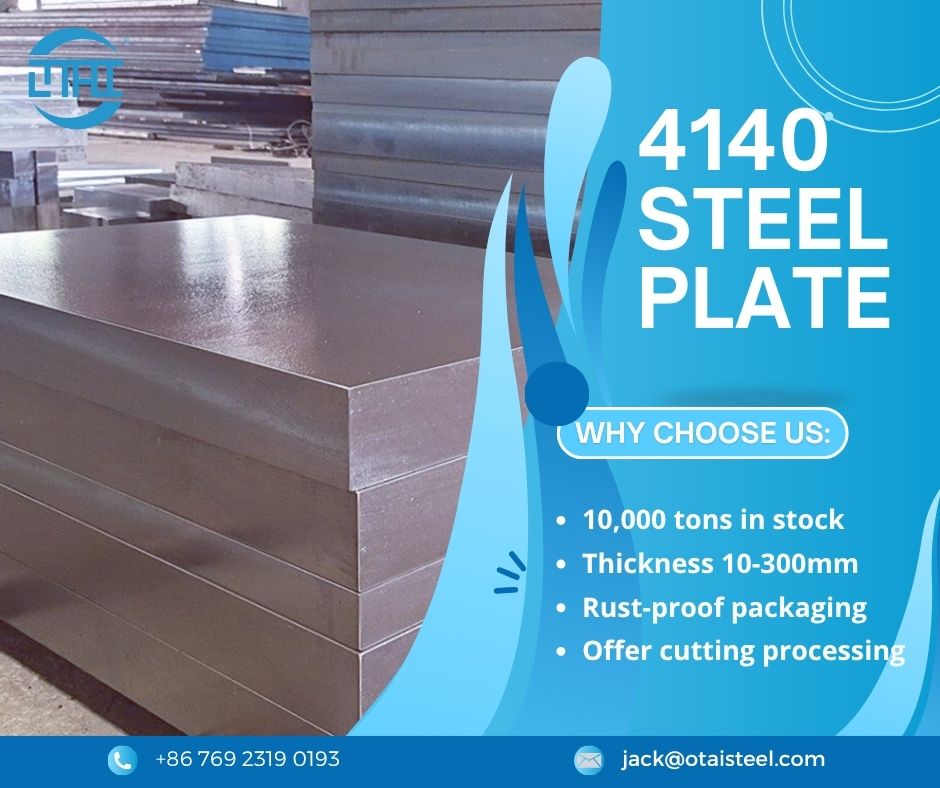
How is 4140 Steel Metal Processed?

How is 4140 Steel Metal Processed?4140 steel is a versatile and highly durable material widely used across various industries for its combination of strength, toughness, and machinability. This alloy steel, containing chromium and molybdenum, is particularly popular in applications requiring high wear resistance and the ability to withstand heavy loads.

In this article, we will explore the properties of 4140 steel sheet metal, its common applications, and how it compares to other materials in terms of performance and cost-effectiveness.


🧪 What is 4140 Steel?

4140 steel is a chromium-molybdenum alloy steel that is available in various forms, including sheet metal. The addition of chromium and molybdenum gives the steel exceptional hardness, tensile strength, and resistance to wear. These characteristics make 4140 steel sheet metal suitable for demanding applications that require the material to resist high mechanical stress and tough environmental conditions.

The carbon content of 4140 steel (0.38% to 0.43%) provides the material with good hardening capabilities, while the chromium and molybdenum enhance its strength and toughness. Heat treatment can further optimize these properties for specific uses.


🧬 Properties of 4140 Steel

When used as sheet metal, 4140 steel maintains many of the desirable properties of the alloy. These properties make it ideal for industries that demand both strength and formability. Here’s a breakdown of its key characteristics:

Property 4140 Steel
Tensile Strength 850 – 1,050 MPa
Yield Strength 655 – 850 MPa
Hardness 28 – 32 HRC
Machinability Good in annealed condition, harder after heat treatment
Impact Toughness Excellent resistance to impact and shock loading
Weldability Fair to good (requires preheating for thick sections)

🏗️ Applications of 4140 Steel

4140 steel sheet metal is used in various industries where high-performance materials are required. The following are some common applications of this material:

1. Automotive Components

In the automotive industry, 4140 sheet metal is used to make automotive parts that require high strength and durability. Components like brake components, gears, and spindles benefit from the toughness and resistance to wear that 4140 steel offers.

2. Machinery Parts

Due to its exceptional strength and wear resistance, 4140 sheet metal is used to manufacture parts for heavy machinery, including hydraulic parts, axles, and shafts. These parts need to withstand heavy loads and continue to perform efficiently under stress.

3. Tooling and Dies

4140 steel sheet metal is also used in tooling and die-making, particularly for cutting tools, molds, and press tools. The material’s resistance to abrasion and its ability to maintain sharpness even under heavy use make it an excellent choice for these applications.

4. Aerospace Industry

In the aerospace sector, 4140 sheet metal finds use in manufacturing aircraft components such as landing gear parts, brackets, and fasteners. The material’s high strength and toughness are critical when components must endure the extreme conditions faced during flight.

5. Oil and Gas Equipment

In the oil and gas industry, 4140 sheet metal is used to make drill rods, pipes, and valves. The material’s ability to resist wear and perform in high-pressure environments makes it ideal for demanding applications in downhole and exploration equipment.


🔧 How is 4140 Steel Metal Processed?

Processing 4140 steel sheet metal requires specific techniques to optimize its properties for different applications. The following processes are commonly used to shape and treat 4140 steel sheet metal:

1. Heat Treatment

4140 steel sheet metal can be heat-treated to achieve higher strength and hardness. Common heat treatments include:

  • Quenching: Rapid cooling in oil or water to harden the material.

  • Tempering: Heating to a lower temperature after quenching to reduce brittleness and increase toughness.

Heat treatment allows manufacturers to customize the material’s properties, making it suitable for various applications with different strength requirements.

2. Cutting and Machining

4140 steel sheet metal is relatively easy to cut and machine when in its annealed state. Laser cutting, shearing, and plasma cutting are commonly used methods. After heat treatment, 4140 steel can become harder to machine, requiring special tooling or more advanced techniques.

3. Welding

Welding 4140 steel sheet metal can be challenging due to its high carbon content. While it is weldable, it requires preheating to reduce the risk of cracking in thicker sections. Post-weld heat treatment may also be necessary to relieve stresses.


🛡️ Advantages of 4140 Steel Metal

1. High Strength and Toughness

One of the biggest advantages of 4140 steel sheet metal is its high tensile strength and impact toughness. This makes it ideal for use in heavy-duty applications where parts experience high mechanical stresses and frequent impacts.

2. Excellent Wear Resistance

The chromium and molybdenum in 4140 steel offer excellent wear resistance, making it perfect for parts exposed to abrasion and friction over extended periods.

3. Customizable Properties

By adjusting the heat treatment, 4140 steel sheet metal can be tailored to meet specific strength and hardness requirements, allowing it to adapt to a wide range of industries.

4. Versatility

4140 steel sheet metal is incredibly versatile, used in various industries from automotive to aerospace. Its ability to handle heavy loads and perform in extreme conditions makes it a reliable choice.


💰 Cost of 4140 Steel Metal

The cost of 4140 steel sheet metal typically falls between carbon steel and stainless steel due to its high-performance properties and alloying elements. While it is more expensive than regular carbon steel, its strength, toughness, and wear resistance often make it a more cost-effective option in the long run, especially for high-stress applications.

For competitive pricing and high-quality 4140 steel sheet metal, Otai Special Steel offers a wide variety of sizes, thicknesses, and custom processing services.


🏅 Why Choose Otai Special Steel for Your 4140 Steel Metal Needs?

At Otai Special Steel, we provide high-quality 4140 steel sheet metal that meets the most stringent industry standards. Our services include cutting, heat treatment, and custom processing to meet your unique requirements.

Here are a few reasons why you should choose us:

Benefit Details
Large Inventory We offer 4140 steel sheet metal in a wide range of sizes and thicknesses.
Custom Solutions We provide custom cutting and processing services to meet your needs.
Global Shipping We offer reliable and fast shipping worldwide.
Quality Assurance Our 4140 steel undergoes rigorous quality control to ensure top-notch products.

FAQ

Q1: Is 4140 steel sheet weldable?
A1: Yes, 4140 steel sheet can be welded, but it requires preheating to avoid cracking, especially in thicker sections.

Q2: How does 4140 steel sheet compare to other materials?
A2: 4140 steel sheet offers higher strength and toughness than many carbon steels, making it more suitable for heavy-duty applications. However, it is more susceptible to corrosion compared to stainless steel.

Q3: What heat treatments are best for 4140 steel sheet?
A3: Quenching and tempering are the most effective heat treatments to enhance the strength and hardness of 4140 steel sheet.
0 0 Continue Reading →

16MnCr5 Specification: Key Properties and Characteristics

16MnCr5 Specification: Key Properties and Characteristics16MnCr5 Specification: Key Properties and Characteristics

When selecting steel for industrial applications, understanding its specification is crucial to ensure optimal performance and longevity. 16MnCr5 steel is a high-performance alloy steel that delivers strength, wear resistance, and toughness. It’s a popular choice for gears, shafts, and various mechanical components. In this article, we will explore the 16MnCr5 specification, including its chemical composition, mechanical properties, heat treatment processes, and applications.


🔍 What is 16MnCr5 Steel?

16MnCr5 steel is a medium-carbon alloy steel that contains manganese and chromium as its primary alloying elements. These additions provide excellent toughness, strength, and wear resistance, making the steel suitable for components subjected to high stress and wear conditions.

  • Manganese (Mn) improves hardness and toughness.

  • Chromium (Cr) increases corrosion resistance and wear resistance, ensuring the steel performs well under demanding environments.

The designation 16MnCr5 breaks down as follows:

  • 16 refers to the approximate carbon content of 0.16%.

  • Mn stands for manganese.

  • Cr stands for chromium.

  • 5 indicates the average chromium content of 0.5%.


🧪 Chemical Composition of 16MnCr5

The chemical composition of 16MnCr5 steel is essential in determining its mechanical properties. Here’s a breakdown of its typical composition:

Element Percentage (%)
Carbon (C) 0.14–0.19
Manganese (Mn) 0.60–0.90
Chromium (Cr) 0.40–0.60
Silicon (Si) 0.10–0.35
Phosphorus (P) ≤0.025
Sulfur (S) ≤0.025
Iron (Fe) Balance

The carbon content in 16MnCr5 steel provides a good balance between strength and ductility, while manganese and chromium enhance wear resistance and corrosion resistance.


🧰 Mechanical Properties of 16MnCr5

The mechanical properties of 16MnCr5 steel are key to its performance in demanding applications. Below are the core properties:

Property Value
Tensile Strength 700–900 MPa
Yield Strength 450–700 MPa
Elongation 12–20%
Hardness 200–250 HB (Annealed)
250–300 HB (Quenched and Tempered)
Impact Toughness 40–60 J (at -20°C)
  • Tensile Strength: 16MnCr5 displays impressive tensile strength, allowing it to withstand stretching and deformation under load.

  • Yield Strength: The steel’s high yield strength ensures it performs well under heavy load without permanent deformation.

  • Hardness: After normalizing, the hardness is between 200–250 HB, and after quenching and tempering, it increases to 250–300 HB.

  • Impact Toughness: Despite its hardness, the steel retains high impact toughness, making it resistant to fracture under impact loads.


🔨 Heat Treatment of 16MnCr5

The heat treatment process significantly enhances the steel’s mechanical properties, such as hardness, strength, and toughness. The most common heat treatments for 16MnCr5 include:

Annealing:

  • Annealing softens the steel, making it easier to machine and reducing internal stresses.

Normalizing:

  • In normalizing, the steel is heated to a high temperature and air-cooled, refining its grain structure and increasing tensile strength.

Quenching and Tempering:

  • During quenching, the steel is heated and rapidly cooled to increase hardness. Then, tempering restores some toughness, resulting in a balance between hardness and strength.


🏗️ Applications of 16MnCr5 Steel

Given its mechanical properties, 16MnCr5 steel excels in applications that require high strength and wear resistance. Typical uses include:

Industry Common Uses
Automotive Gears, shafts, camshafts
Machinery Axles, bearings, machine parts
Tooling and Dies Press dies, punches, molds
  • Automotive: Components like gears and shafts need to withstand high stress. 16MnCr5 is ideal due to its tensile strength and wear resistance.

  • Machinery: 16MnCr5 is used in axles and bearings, where it resists wear and performs under heavy loads.

  • Tooling: The steel’s wear resistance makes it suitable for press dies, punches, and molds in tooling.


⚙️ Why Choose Otai Special Steel for 16MnCr5 Steel?

At Otai Special Steel, we specialize in providing high-quality 16MnCr5 steel that meets the requirements of your industrial applications. With years of experience, we have built a reputation as a trusted supplier in the industry.

Company Advantages:

  • High Quality: Our 16MnCr5 steel undergoes rigorous testing to ensure compliance with global standards.

  • Custom Solutions: We offer services such as cutting, heat treatment, and machining to meet your specific needs.

  • Quick Delivery: We maintain a large stock, ensuring fast shipping and reliable delivery.

  • Competitive Pricing: We provide affordable pricing while maintaining high quality.


FAQ

Q1: What is the hardness of 16MnCr5 steel?

  • A1: 16MnCr5 steel typically achieves 200–250 HB after normalizing and can reach up to 300 HB after quenching and tempering.

Q2: What industries use 16MnCr5 steel?

  • A2: 16MnCr5 steel is commonly used in the automotive, machinery, and tooling industries for components like gears, shafts, and bearings.

Q3: Can the hardness of 16MnCr5 steel be increased?

  • A3: Yes, 16MnCr5 can be hardened through quenching and tempering, resulting in higher hardness.

Q4: Does Otai Special Steel offer customized 16MnCr5 steel?

  • A4: Yes, we provide custom cutting, heat treatment, and machining services for 16MnCr5 steel to meet your specific requirements.

0 0 Continue Reading →

4130 vs 4140 Steel Properties: A Detailed Comparison

4130 vs 4140 Steel Properties: A Detailed Comparison4130 vs 4140 Steel Properties: A Detailed Comparison

When selecting steel for demanding applications, it’s crucial to understand the differences between alloys to ensure you’re choosing the right material. Two popular options in the steel industry are 4130 and 4140, both alloy steels with excellent mechanical properties. However, these two steels have distinct characteristics that can make one more suitable for a specific application than the other. In this article, we’ll compare the properties of 4130 and 4140 steel, looking at their chemical compositions, mechanical properties, heat treatment processes, and typical uses.


🔍 What is 4130 Steel?

4130 steel is a low-alloy steel that contains chromium and molybdenum as its primary alloying elements. It’s widely used in aerospace, automotive, and high-performance engineering applications because of its good balance of strength, ductility, and weldability.

  • Chromium (Cr) increases hardness and corrosion resistance.

  • Molybdenum (Mo) improves strength, hardness, and toughness, especially at high temperatures.

4130 Chemical Composition:

Element Percentage (%)
Carbon (C) 0.28–0.33
Manganese (Mn) 0.40–0.60
Chromium (Cr) 0.80–1.10
Molybdenum (Mo) 0.15–0.25
Silicon (Si) 0.15–0.35
Iron (Fe) Balance

🔍 What is 4140 Steel?

4140 steel is a chromium-molybdenum alloy steel similar to 4130 but with a slightly higher carbon content. This gives 4140 steel higher strength and wear resistance, making it a popular choice for applications involving higher stresses and abrasion resistance. It’s often used in machinery, oil and gas, and automotive applications.

  • Chromium (Cr) improves hardness and wear resistance.

  • Molybdenum (Mo) contributes to high-temperature strength and toughness.

4140 Chemical Composition:

Element Percentage (%)
Carbon (C) 0.38–0.43
Manganese (Mn) 0.60–0.90
Chromium (Cr) 0.80–1.10
Molybdenum (Mo) 0.15–0.25
Silicon (Si) 0.20–0.35
Iron (Fe) Balance

🧪 Mechanical Properties Comparison: 4130 vs 4140

Both 4130 and 4140 steel exhibit excellent mechanical properties, but their differences become clear when we compare their tensile strength, yield strength, and hardness.

Property 4130 Steel 4140 Steel
Tensile Strength 560–700 MPa 660–850 MPa
Yield Strength 460–650 MPa 450–750 MPa
Hardness (HB) 180–250 HB (Annealed) 220–285 HB (Annealed)
Elongation 20% 15%
Impact Toughness Good Very good
  • Tensile Strength: 4140 steel offers higher tensile strength, which makes it suitable for applications that require greater resistance to stretching.

  • Yield Strength: Both alloys perform well under stress, but 4140 has a higher yield strength, making it more suitable for heavy-duty applications.

  • Hardness: 4140 steel generally exhibits a higher hardness after heat treatment, which translates to better wear resistance and strength.

  • Elongation: 4130 steel has slightly higher elongation, meaning it’s more ductile and can absorb more deformation before breaking.

  • Impact Toughness: While both materials perform well in impact tests, 4140 steel has superior toughness, which makes it ideal for parts subjected to heavy impacts and dynamic loads.


🔨 Heat Treatment Comparison: 4130 vs 4140

Heat treatment significantly affects the final properties of both 4130 and 4140 steel. However, the differences in carbon content result in variations in their hardness, strength, and toughness after heat treatment.

4130 Heat Treatment:

  • Annealing: Softens the material, making it easier to machine.

  • Normalizing: Refines grain structure and enhances strength.

  • Quenching and Tempering: Increases tensile strength and hardness, especially at higher temperatures.

4140 Heat Treatment:

  • Annealing: Softens and relieves internal stresses.

  • Normalizing: Refines grain structure and increases tensile strength.

  • Quenching and Tempering: 4140 steel responds well to this heat treatment, improving hardness and wear resistance without losing toughness.

Overall, 4140 steel can achieve higher strength and hardness after heat treatment, making it more suited for high-stress applications.


🏗️ Applications: 4130 vs 4140 Steel

Both 4130 and 4140 steel are used in industries such as automotive, aerospace, and machinery. However, their application scope can differ due to their mechanical properties:

Industry 4130 Steel 4140 Steel
Automotive Chassis, roll cages, frames Axles, suspension components
Aerospace Aircraft components, engine parts Landing gear, turbine shafts
Machinery Structural components, machine tools Gears, shafts, crankshafts
  • 4130 steel is ideal for applications where weldability and ductility are more important than extreme strength.

  • 4140 steel, with its higher tensile strength and hardness, is used in applications where components experience higher stress and abrasion.


⚙️ Why Choose Otai Special Steel for 4130 and 4140 Steel?

At Otai Special Steel, we offer both 4130 and 4140 steel in various forms, including plates, bars, and sheets. With over 20 years of experience, we specialize in delivering high-quality steel products tailored to your needs. Whether you require custom cutting, heat treatment, or supply of high-grade steel, we are your trusted partner.

Company Advantages:

  • High-Quality Steel: We provide 4130 and 4140 steel that meet global standards and pass rigorous quality tests.

  • Custom Services: We offer cutting, machining, and heat treatment services to meet your specific requirements.

  • Quick Delivery: With a large stock of 4130 and 4140, we guarantee fast delivery times.

  • Competitive Pricing: Our strong relationships with steel mills allow us to offer competitive prices.


FAQ

Q1: What is the difference in hardness between 4130 and 4140 steel?

  • A1: 4140 steel is typically harder than 4130 steel, making it more suitable for applications requiring higher wear resistance and strength.

Q2: Can 4130 steel be heat-treated to the same hardness as 4140 steel?

  • A2: While 4130 steel can be heat-treated to improve hardness, it generally does not achieve the same hardness levels as 4140 steel due to its lower carbon content.

Q3: Which steel is better for high-stress applications, 4130 or 4140?

  • A3: 4140 steel is generally better for high-stress applications because of its higher tensile strength and wear resistance.

Q4: Does Otai Special Steel offer both 4130 and 4140 steel?

  • A4: Yes, we offer both 4130 and 4140 steel in various grades and forms, including bars, plates, and sheets, with custom services available.

0 0 Continue Reading →

16MnCr5 Supplier: Your Source for High-Quality Alloy Steel

16MnCr5 Supplier: Your Source for High-Quality Alloy Steel16MnCr5 Supplier: Your Source for High-Quality Alloy Steel

When looking for 16MnCr5 steel, selecting the right supplier is crucial for ensuring top-quality materials for your manufacturing needs. 16MnCr5 steel is a popular medium-carbon alloy steel known for its excellent toughness, strength, and wear resistance, which makes it ideal for use in gears, shafts, and other mechanical components. In this article, we’ll explore the key factors to consider when choosing a 16MnCr5 supplier and how to ensure you receive the best material for your applications.


🔍 What is 16MnCr5 Steel?

16MnCr5 steel is a medium-carbon alloy steel with manganese and chromium as its primary alloying elements. These additions give the steel excellent mechanical properties, including wear resistance, strength, and toughness. It is commonly used in applications that require high load-bearing capacity and resistance to wear, such as in the automotive industry, machinery production, and tooling.

  • Manganese (Mn) enhances the hardness and toughness of the steel.

  • Chromium (Cr) provides corrosion resistance and wear resistance, ensuring the steel can perform well in demanding environments.


🛠️ Applications of 16MnCr5 Steel

Due to its excellent mechanical properties, 16MnCr5 steel is widely used in industries that require materials with high strength and wear resistance. Some of the most common applications include:

Industry Common Applications
Automotive Gears, shafts, camshafts, crankshafts
Machinery Axles, bearings, machine components
Tooling and Dies Press dies, punches, molds

Whether you’re producing gears for vehicles or axles for heavy machinery, 16MnCr5 steel ensures durability and longevity in your products.


📊 Factors to Consider When Choosing a 16MnCr5 Supplier

Choosing the right supplier for 16MnCr5 steel is critical to ensure you’re getting high-quality materials that meet your needs. Here are the key factors to consider when making your decision:

1. Quality and Certification

Ensure that the supplier offers high-quality 16MnCr5 steel with proper certifications. Quality certifications like ISO 9001 or SGS are indicators that the supplier follows strict quality control processes. They should also provide detailed material test reports to verify the chemical composition, mechanical properties, and other critical specifications of the steel.

2. Material Specifications

Before purchasing, confirm that the supplier offers 16MnCr5 steel with the correct chemical composition and mechanical properties. The steel should meet the required hardness, strength, and wear resistance standards for your application. A reputable supplier will provide you with clear specifications and test reports for the material.

3. Customization and Processing

A good 16MnCr5 supplier will offer customization options like cutting, heat treatment, and machining services. If your project requires specific dimensions or special treatments, you need a supplier who can tailor the material to your needs. Services like cutting to size, heat treatment, or precision machining can save you time and cost in your production process.

4. Inventory and Availability

Check if the supplier maintains a large inventory of 16MnCr5 steel. Availability is important to ensure timely delivery and minimize delays in your production. A supplier with a robust inventory system and reliable supply chain will ensure that the material is readily available when you need it.

5. Competitive Pricing

Cost is always a factor when selecting a supplier, but quality should never be compromised for a lower price. 16MnCr5 steel can be priced differently based on factors like supply chain, quality, and services offered. A good supplier will offer competitive pricing while maintaining high standards of quality and service.


🏗️ Why Choose Otai Special Steel as Your 16MnCr5 Supplier?

At Otai Special Steel, we specialize in providing top-quality 16MnCr5 steel with a range of services to meet your specific needs. With years of experience in the industry, we have established ourselves as a trusted supplier of 16MnCr5 steel to clients across various sectors.

Company Advantages:

  • Premium Quality: We ensure that our 16MnCr5 steel meets the highest quality standards, verified through rigorous testing and certifications.

  • Custom Services: We offer custom cutting, heat treatment, and machining services to tailor the material to your specifications.

  • Fast Delivery: With our extensive inventory and reliable supply chain, we guarantee fast delivery to meet your production deadlines.

  • Competitive Pricing: We offer competitive prices without compromising on the quality of the steel, ensuring great value for our customers.


FAQ

Q1: What is the hardness of 16MnCr5 steel?

  • A1: 16MnCr5 steel typically achieves a Brinell hardness between 200–250 HB after normalizing and can reach up to 300 HB after quenching and tempering.

Q2: What are the main uses of 16MnCr5 steel?

  • A2: 16MnCr5 steel is commonly used in the automotive and machinery industries, specifically in gears, shafts, and bearings due to its excellent strength and wear resistance.

Q3: Can the hardness of 16MnCr5 steel be improved?

  • A3: Yes, 16MnCr5 steel can be hardened through processes like quenching and tempering to achieve higher hardness and improved wear resistance.

Q4: Does Otai Special Steel offer custom processing for 16MnCr5?

  • A4: Yes, we provide custom cutting, heat treatment, and machining services to meet your exact specifications for 16MnCr5 steel.

0 0 Continue Reading →

What Type of Steel is 4140?

What Type of Steel is 4140?What Type of Steel is 4140? Exploring Its Properties, Uses, and Benefits

When selecting the right material for demanding applications, understanding the type of steel you’re working with is crucial. Versatile 4140 alloy steel excels under high stress and harsh conditions, making it the go-to choice for demanding applications. But what exactly is 4140 steel, and what makes it a popular choice in various industries? This article explores the composition, mechanical properties, heat treatment, and common applications of 4140 steel.


🔍 What is 4140 Steel?

4140 steel is a chromium-molybdenum alloy steel that belongs to the medium-carbon steel family. This alloy contains a blend of key elements—carbon, chromium, and molybdenum—which provide it with a unique balance of strength, hardness, and toughness. 4140 steel is classified as an alloy steel because it combines these elements to enhance its mechanical properties, making it suitable for various industrial applications.

Chemical Composition of 4140 Steel:

Element Percentage (%)
Carbon (C) 0.38–0.43
Manganese (Mn) 0.75–1.00
Chromium (Cr) 0.80–1.10
Molybdenum (Mo) 0.15–0.25
Silicon (Si) 0.20–0.35
Phosphorus (P) 0.035 max
Sulfur (S) 0.035 max
  • Chromium (Cr) enhances corrosion resistance, hardness, and wear resistance.

  • Molybdenum (Mo) improves hardenability, strength, and toughness.

  • Carbon (C) adds to the steel’s strength and hardness.


🧪 Mechanical Properties of 4140 Steel

The blend of carbon and alloying elements in 4140 steel gives it excellent mechanical properties suitable for demanding environments. It offers a well-rounded mix of tensile strength, yield strength, hardness, and impact resistance, making it one of the most versatile materials in industrial applications.

Property 4140 Steel
Tensile Strength 750–1000 MPa
Yield Strength 430–700 MPa
Hardness (Brinell) 197–235 HB
Impact Toughness High
  • Tensile Strength: 4140 steel can withstand high stress and heavy loads with a tensile strength ranging from 750–1000 MPa.

  • Yield Strength: The yield strength, ranging from 430–700 MPa, makes it resistant to permanent deformation under pressure.

  • Hardness: With a Brinell hardness of 197–235 HB, it balances toughness and machinability.

  • Impact Toughness: The steel exhibits high impact toughness, allowing it to perform well under dynamic loading conditions.


🔨 Heat Treatment of 4140 Steel

Another key feature of 4140 steel is its adaptability to various heat treatments that enhance its properties. Heat treatment can optimize its strength, hardness, toughness, and wear resistance, depending on the desired application.

Common Heat Treatments for 4140 Steel:

  • Annealing: This process softens 4140 steel and improves its machinability by reducing hardness.

  • Quenching and Tempering: To improve tensile strength and impact resistance, 4140 steel is heated to high temperatures, quenched in oil or water, and then tempered.

  • Normalizing: This process refines the steel’s grain structure, improving its strength and toughness.


🧰 Applications of 4140 Steel

Due to its excellent balance of strength, toughness, and wear resistance, 4140 steel is suitable for a wide range of applications, particularly in industries requiring high-performance materials. Below are some of its most common applications:

Application Area Common Uses
Automotive Axles, drive shafts, crankshafts
Aerospace Landing gear, aircraft parts
Construction Heavy machinery, hoist components
Oil & Gas Drill collars, downhole tools
Tooling and Machinery Jigs, fixtures, machine parts
  • Automotive: Components like drive shafts, axles, and crankshafts often use 4140 steel for its high strength and wear resistance.

  • Aerospace: Landing gear and other critical aircraft parts rely on 4140 steel for its toughness and ability to withstand dynamic forces.

  • Oil & Gas: 4140 steel is used for drill collars, downhole tools, and other parts that must endure high-pressure environments.

  • Heavy Machinery: This steel is ideal for components in heavy machinery, such as hoist components and machine tools.


⚙️ Advantages of 4140 Steel

Here are some advantages of 4140 steel that make it a popular choice for industries that require durability and reliability:

  • High Strength and Toughness: The combination of chromium and molybdenum makes 4140 steel highly resistant to wear and able to withstand heavy loads and stressful environments.

  • Good Wear Resistance: 4140 steel provides excellent resistance to wear, which is essential for components like machinery parts and automotive components that frequently experience friction.

  • Versatility: Thanks to its ability to undergo heat treatment for tailored properties, 4140 steel works well in diverse applications in automotive, aerospace, and construction industries.

  • Affordability: Despite its high-performance characteristics, 4140 steel remains affordable compared to other high-strength alloy steels.


🏗️ Why Choose Otai Special Steel for 4140 Steel?

At Otai Special Steel, we provide high-quality 4140 steel that meets the toughest industry standards. Whether you need machinery parts, automotive components, or aerospace parts, we offer customized solutions that fit your specifications.

Company Advantages:

  • Premium Quality: We ensure 4140 steel meets rigorous quality standards, ensuring reliable performance in the most demanding applications.

  • Wide Inventory: With a vast stock of 4140 steel, we guarantee fast delivery times and reduced lead times.

  • Custom Solutions: We provide custom cutting, heat treatment, and machining services to meet your unique requirements.

  • Competitive Pricing: Thanks to strong partnerships with top steel mills, we offer cost-effective pricing without compromising quality.


FAQ

Q1: What type of steel is 4140?

  • A1: 4140 steel is a chromium-molybdenum alloy steel, well-regarded for its strength, toughness, and wear resistance.

Q2: What are the applications of 4140 steel?

  • A2: 4140 steel is widely used in automotive, aerospace, construction, and oil & gas industries for components like drive shafts, landing gear, and machine parts.

Q3: Can 4140 steel be heat-treated?

  • A3: Yes, 4140 steel can be quenched and tempered, annealed, or normalized to improve its mechanical properties.

Q4: Is 4140 steel more expensive than other steels?

  • A4: Despite its high-performance properties, 4140 steel is relatively cost-effective compared to other high-strength alloy steels.

0 0 Continue Reading →

16MnCr5 Hardness: Key Insights into Its Mechanical Properties

16MnCr5 Hardness: Key Insights into Its Mechanical Properties16MnCr5 Hardness: Key Insights into Its Mechanical Properties

When selecting the right material for industrial applications, understanding the hardness of the steel is crucial. 16MnCr5 steel is a high-performance alloy steel often used for gears, shafts, and other mechanical parts. Its hardness significantly impacts its performance, especially in environments subject to high friction or heavy load. In this article, we will explore the hardness of 16MnCr5 steel, including how it is measured, the factors that influence it, and the optimal heat treatments to enhance its hardness.


🔍 What is 16MnCr5 Steel?

16MnCr5 steel is a medium-carbon alloy steel, containing manganese and chromium as the main alloying elements. This steel is well-known for its strength, toughness, and wear resistance, making it ideal for producing mechanical components that need to endure constant stress and wear.

  • Manganese (Mn) improves hardness, toughness, and resilience.

  • Chromium (Cr) enhances corrosion resistance and wear resistance, contributing to the steel’s overall hardness.


🧪 Hardness of 16MnCr5 Steel

The hardness of steel indicates its ability to resist surface indentation, wear, and abrasion. The higher the hardness, the more resistant the steel becomes to these factors. 16MnCr5 steel typically exhibits a range of hardness values depending on heat treatment and process.

We measure hardness using different scales like Brinell hardness and Rockwell hardness. Here’s how these scales measure hardness:

Brinell Hardness (HB):

  • After normalizing, 16MnCr5 steel typically achieves a Brinell hardness of 200–250 HB. After quenching and tempering, the hardness can increase to 250–300 HB, making it suitable for high-stress applications where wear resistance is crucial.

Rockwell Hardness (HRB or HRC):

  • After heat treatment, 16MnCr5 can reach Rockwell hardness values of HRB 80–90 (for softer, annealed steel) or HRC 30–40 (after quenching and tempering). These values show the steel’s ability to withstand heavy loads and abrasion.


🧰 Heat Treatment and Its Effect on Hardness

Heat treatment is crucial to modify the hardness and other mechanical properties of 16MnCr5 steel. By undergoing heat treatment, the steel can achieve higher hardness, making it ideal for components subjected to high stress and wear.

Common Heat Treatments to Increase Hardness:

  • Annealing: Annealing softens 16MnCr5 steel, making it easier to machine. After annealing, the Brinell hardness typically falls between 190–220 HB.

  • Normalizing: This treatment refines the grain structure, improving the tensile strength and hardness of the steel.

  • Quenching and Tempering: This is the most effective method to improve the hardness and strength of 16MnCr5. After heating the steel to a high temperature and rapidly cooling (quenching), the steel undergoes tempering to reduce brittleness and enhance toughness. The result is a hardness range of 250–300 HB and HRC 30–40.


🔨 Applications of 16MnCr5 Steel Based on Hardness

Balanced-hardness 16MnCr5 steel drives automotive, manufacturing, and machinery sectors that demand strength plus toughness. Here are some of its typical uses:

Application Area Common Uses
Automotive Gears, shafts, camshafts
Manufacturing Tooling, dies, punches
Machinery Axles, bearings, machine parts
  • Automotive: The hardness of 16MnCr5 makes it suitable for gears, shafts, and camshafts that endure high friction.

  • Manufacturing: 16MnCr5 is widely used in tooling, dies, and punches that require resistance to wear and abrasion.

  • Machinery: The hardness of 16MnCr5 makes it perfect for parts like axles, bearings, and other machinery components exposed to continuous loads.


⚙️ Advantages of 16MnCr5 Steel Hardness

Here are the main benefits of 16MnCr5 steel’s hardness:

  • Wear Resistance: Its high hardness provides excellent wear resistance, making it perfect for parts like gears and bearings that experience constant friction.

  • Strength and Toughness: The optimal hardness level gives 16MnCr5 superior tensile strength and toughness, making it ideal for components that undergo heavy loads.

  • Longer Lifespan: With its increased hardness, 16MnCr5 parts last longer, reducing the need for frequent replacements in high-stress applications.


🏗️ Why Choose Otai Special Steel for 16MnCr5 Steel?

At Otai Special Steel, we offer high-quality 16MnCr5 steel that meets the most stringent industry standards. Whether you need it for gears, shafts, or other machinery parts, we provide custom solutions tailored to your specifications.

Company Advantages:

  • Premium Quality: We ensure that our 16MnCr5 steel meets rigorous quality standards for top-notch performance.

  • Fast Delivery: With a large inventory of 16MnCr5 steel, we ensure quick shipping and reduced lead times.

  • Custom Solutions: We provide customized cutting, heat treatment, and machining services to meet your specific needs.

  • Competitive Pricing: Our strong relationships with steel mills allow us to offer competitive pricing without compromising on quality.


FAQ

Q1: What is the hardness of 16MnCr5 steel?

  • A1: 16MnCr5 steel typically achieves Brinell hardness of 200–250 HB after normalizing and up to 300 HB after quenching and tempering.

Q2: How can I improve the hardness of 16MnCr5 steel?

  • A2: The hardness of 16MnCr5 can be significantly improved by quenching and tempering, achieving up to 300 HB.

Q3: What are the typical applications for 16MnCr5 steel based on its hardness?

  • A3: 16MnCr5 steel is widely used in gears, shafts, and machine parts that require high hardness and wear resistance.

Q4: Does the hardness of 16MnCr5 steel affect its machinability?

  • A4: Yes, 16MnCr5’s hardness affects machinability, but processes like annealing can improve it by softening the material.

0 0 Continue Reading →

5140 Steel vs 4140 Steel: Key Differences

5140 Steel vs 4140 Steel: Key Differences5140 Steel vs 4140 Steel: Key Differences, Properties, and Applications

When selecting the right material for industrial applications, understanding the specific properties of different types of steel is essential. 5140 steel and 4140 steel are both medium-carbon alloy steels used in a wide range of demanding applications, from automotive to machinery. However, they have distinct differences in terms of composition, mechanical properties, heat treatment, and ideal uses. In this article, we will compare 5140 steel and 4140 steel, exploring their chemical compositions, mechanical properties, heat treatment processes, and applications.


🔍 What is 5140 Steel?

5140 steel is a medium-carbon alloy steel that contains chromium (Cr), manganese (Mn), and carbon (C). It is known for its strength, toughness, and wear resistance, making it ideal for parts subjected to high mechanical stress. It is commonly used in the automotive, machinery, and construction industries for components that need strength and resilience under pressure.

Chemical Composition of 5140 Steel:

Element Percentage (%)
Carbon (C) 0.38–0.43
Manganese (Mn) 0.60–0.90
Chromium (Cr) 0.80–1.10
Silicon (Si) 0.20–0.35
Phosphorus (P) 0.035 max
Sulfur (S) 0.035 max

The presence of chromium in 5140 steel increases its resistance to wear, making it ideal for parts that experience frequent friction, such as gears, shafts, and bearing rings.


🔍 What is 4140 Steel?

4140 steel is another medium-carbon alloy steel that contains chromium (Cr), manganese (Mn), and molibdenum (Mo). It is one of the most versatile steels and is widely used for components requiring high strength, toughness, and wear resistance. 4140 steel is particularly popular in machinery, automotive, and construction applications.

Chemical Composition of 4140 Steel:

Element Percentage (%)
Carbon (C) 0.38–0.43
Manganese (Mn) 0.75–1.00
Chromium (Cr) 0.80–1.10
Molybdenum (Mo) 0.15–0.25
Silicon (Si) 0.20–0.35
Phosphorus (P) 0.035 max
Sulfur (S) 0.035 max

4140 steel offers a balanced mix of strength, toughness, and hardness, thanks to its molybdenum content, which improves hardenability and resistance to wear.


🧪 Mechanical Properties Comparison: 5140 vs 4140 Steel

While both 5140 steel and 4140 steel share similar properties due to their medium-carbon content, there are key differences in their tensile strength, yield strength, hardness, and impact toughness.

Property 5140 Steel 4140 Steel
Tensile Strength 800–1000 MPa 750–1000 MPa
Yield Strength 500–700 MPa 430–700 MPa
Hardness (Brinell) 197–235 HB 197–235 HB
Impact Toughness Moderate to High High
  • Tensile Strength: Both steels offer similar tensile strength but 5140 steel generally provides a bit more resilience under high-load conditions.

  • Yield Strength: Both steels show a similar yield strength, though 4140 steel is more commonly used for machinery and heavy-duty applications.

  • Hardness: Both 5140 and 4140 steel offer good hardness, which is essential for high-wear applications.

  • Impact Toughness: 4140 steel tends to perform better in high-impact situations, making it ideal for more demanding environments.


🔨 Heat Treatment Comparison: 5140 vs 4140 Steel

Both 5140 steel and 4140 steel can undergo various heat treatment processes that improve their mechanical properties, but the specific treatment methods vary slightly due to their different alloy compositions.

  • 5140 Steel: Typically quenched and tempered to improve tensile strength, hardness, and wear resistance.

  • 4140 Steel: Can also be quenched and tempered but is often chosen for high-performance applications due to its improved hardenability thanks to molybdenum.

Both steels can be surface hardened, improving their wear resistance, but 4140 steel generally performs better in terms of high hardness retention during stress and fatigue testing.


🧰 Applications of 5140 vs 4140 Steel

Both steels are versatile and commonly used in industries that require high-strength, tough, and wear-resistant materials. The specific use cases differ slightly due to the variations in their compositions.

Application Area 5140 Steel 4140 Steel
Automotive Drive shafts, gears, crankshafts Drive shafts, axles, brake components
Aerospace Landing gear, shafts Landing gear, aircraft frames
Heavy Machinery Gears, shafts, transmission parts Machine tools, driveshafts, gears

5140 steel is ideal for automotive components that need good wear resistance, such as drive shafts and gears. It is also widely used in heavy machinery for parts that are subject to high stress and wear. In contrast, 4140 steel is preferred for high-performance components, especially in environments where impact resistance and hardness retention are critical.


⚙️ Why Choose Otai Special Steel for 5140 and 4140 Steel?

At Otai Special Steel, we provide premium 5140 steel and 4140 steel products, ensuring they meet the highest industry standards. Our materials undergo rigorous quality control and can be customized to your specific needs. Whether you need shafts, gears, or other components, we offer the right materials to fit your requirements.

Company Advantages:

  • Premium Quality: We offer high-quality 5140 steel and 4140 steel, ensuring excellent mechanical properties and performance.

  • Large Inventory: Our extensive inventory allows us to offer quick delivery and minimal lead times.

  • Customized Solutions: We provide customized cutting, heat treatment, and surface finishing services.

  • Competitive Pricing: Our strong relationships with top mills allow us to offer cost-effective solutions.


FAQ

Q1: What is the main difference between 5140 steel and 4140 steel?

  • A1: The main difference lies in their alloying elements. 5140 steel contains chromium and is more commonly used in automotive applications, while 4140 steel contains molybdenum, which improves its hardenability and impact resistance.

Q2: Which steel is better for high-wear applications?

  • A2: 4140 steel is often preferred for high-wear applications due to its better wear resistance and toughness, especially when exposed to high-impact forces.

Q3: Can both steels be heat-treated?

  • A3: Yes, both 5140 steel and 4140 steel can undergo quenching and tempering processes to improve their mechanical properties.

Q4: Which steel is better for automotive parts?

  • A4: 5140 steel is often chosen for automotive parts like drive shafts and gears due to its good balance of strength and wear resistance, while 4140 steel is ideal for high-stress components in demanding environments.

0 0 Continue Reading →

16MnCr5 Flat Bar: Properties, Applications, and Benefits

16MnCr5 Flat Bar: Properties, Applications, and Benefits16MnCr5 Flat Bar: Properties, Applications, and Benefits

16MnCr5 flat bars are an excellent choice in industries that require durable, high-strength materials for manufacturing components exposed to wear and high stress. Known for its toughness, wear resistance, and strength, 16MnCr5 has a wide range of applications, especially in the automotive, aerospace, and industrial machinery sectors. In this article, we will explore the properties, advantages, and applications of 16MnCr5 flat bars.


🔍 What is 16MnCr5 Steel?

16MnCr5 is a medium-carbon alloy steel that combines manganese (Mn) and chromium (Cr) to improve its mechanical properties. The carbon content in this steel is carefully controlled to achieve a good balance between strength and toughness. The 16MnCr5 flat bar is widely used for manufacturing gears, shafts, and other components that require high wear resistance and strength under stress.

Chemical Composition of 16MnCr5 Steel:

Element Percentage (%)
Carbon (C) 0.14–0.20
Manganese (Mn) 1.00–1.30
Chromium (Cr) 0.80–1.10
Silicon (Si) 0.30–0.50
Phosphorus (P) 0.035 max
Sulfur (S) 0.035 max

🧪 Mechanical Properties of 16MnCr5 Flat Bar

The mechanical properties of 16MnCr5 flat bars are what make them ideal for gears, shafts, and machine tools. These properties depend heavily on the steel’s heat treatment and chemical composition. Here are the typical mechanical properties for 16MnCr5:

Property Value
Tensile Strength 700–900 MPa
Yield Strength 450–650 MPa
Elongation 14–20%
Brinell Hardness 170–230 HB
Impact Toughness 40–50 J (at -20°C)

These values can vary based on the heat treatment process, such as quenching, tempering, or carburizing, which helps improve the hardness and toughness of 16MnCr5 flat bars.


🔨 Heat Treatment for 16MnCr5 Flat Bar

To optimize its mechanical properties, 16MnCr5 flat bar can undergo a variety of heat treatments. These processes are crucial for improving the hardness, wear resistance, and toughness of the material. The main heat treatments used for 16MnCr5 include:

  • Quenching: Heating the flat bar to a high temperature and rapidly cooling it in oil or water to increase its hardness and strength.

  • Tempering: This process follows quenching and involves reheating the steel to a lower temperature to relieve internal stresses while maintaining toughness.

  • Carburizing: A heat treatment that adds carbon to the surface of the steel, enhancing its surface hardness while retaining core toughness.

Heat Treatment Process Effect on Material
Quenching Increases hardness and strength
Tempering Relieves stresses and maintains toughness
Carburizing Enhances surface hardness

🧰 Applications of 16MnCr5 Flat Bar

16MnCr5 flat bars are highly versatile and widely used across multiple industries due to their excellent strength, wear resistance, and toughness. Here are some common applications for 16MnCr5 flat bars:

Industry Application
Automotive Axles, crankshafts, gears, and steering components require high strength and wear resistance.
Aerospace Components like turbine shafts, landing gear, and engine parts benefit from the high toughness and resilience of 16MnCr5.
Industrial Machinery Used in the manufacturing of machine tools, gears, and shafts for high-stress applications.
Heavy Equipment Hydraulic pistons, shafts, and crankshafts in heavy machinery require 16MnCr5 flat bars for long-lasting durability.

Because 16MnCr5 flat bars offer exceptional resistance to wear and high stress, they are used in applications where components are exposed to challenging environments, such as gears and machine shafts that need long-lasting strength and performance.


⚙️ Why Choose 16MnCr5 Flat Bars?

The combination of strength, toughness, and wear resistance makes 16MnCr5 flat bars an ideal choice for industries where high-performance materials are essential. Whether for automotive, aerospace, or industrial applications, 16MnCr5 delivers the reliability required for demanding components.

16MnCr5 flat bars offer the following benefits:

  • High tensile strength and wear resistance for high-demand applications

  • Excellent toughness under impact stress

  • Ability to be heat-treated to enhance surface hardness and core toughness

Choosing 16MnCr5 flat bars means selecting a material that provides long-lasting durability and excellent performance in high-stress environments.


🏆 Why Choose Otai Special Steel for 16MnCr5 Flat Bars?

At Otai Special Steel, we provide high-quality 16MnCr5 flat bars that meet the strictest industry standards. Our materials undergo rigorous testing for mechanical properties like Brinell hardness and impact toughness to ensure their suitability for demanding applications.

Company Advantages:

  • Superior Quality: Our products undergo strict quality control checks, ensuring top-notch material properties.

  • Extensive Inventory: We maintain a large inventory, ensuring quick delivery and minimal lead times.

  • Tailored Solutions: We offer customized services, including cutting, heat treatment, and surface finishing, to meet specific requirements.

  • Competitive Pricing: Thanks to our partnerships with leading mills, we offer competitive pricing without compromising quality.


FAQ

Q1: What is the main use of 16MnCr5 flat bars?

  • A1: 16MnCr5 flat bars are ideal for gears, shafts, and machine tools in automotive, aerospace, and industrial machinery applications.

Q2: How does heat treatment affect 16MnCr5 flat bars?

  • A2: Heat treatment processes like quenching and tempering improve the hardness, strength, and toughness of 16MnCr5 flat bars, making them suitable for high-stress and high-wear applications.

Q3: What is the Brinell hardness of 16MnCr5?

  • A3: The Brinell hardness of 16MnCr5 ranges from 170 HB to 230 HB, depending on the heat treatment process used.

Q4: Can 16MnCr5 flat bars be used in the aerospace industry?

  • A4: Yes, 16MnCr5 flat bars are used in the aerospace industry for components like turbine shafts and landing gear, where high impact toughness and resilience are required.

Q5: How can I order 16MnCr5 flat bars?

  • A5: You can contact Otai Special Steel for premium-quality 16MnCr5 flat bars. We offer competitive pricing, customized services, and fast delivery.

0 0 Continue Reading →

9310 vs 4140 Steel: A Comparison of Properties, Applications, and Performance

9310 vs 4140 Steel: A Comparison of Properties, Applications, and Performance9310 vs 4140 Steel: A Comparison of Properties, Applications, and Performance

When it comes to selecting the right steel for demanding industrial applications, understanding the differences between materials is crucial. 9310 steel and 4140 steel are both widely used alloys in industries such as automotive, aerospace, and heavy machinery. However, they have distinct properties, advantages, and ideal uses. In this article, we will explore the differences between 9310 steel and 4140 steel, comparing their chemical composition, mechanical properties, heat treatment processes, and applications.


🔍 What is 9310 Steel?

9310 steel is a low-alloy steel primarily used in the manufacturing of gears, shafts, and other components that need to withstand high stress and wear. It is often considered a case-hardened material, meaning it can be treated to have a hard outer layer while maintaining toughness in the core.

Chemical Composition of 9310 Steel:

Element Percentage (%)
Carbon (C) 0.08–0.15
Manganese (Mn) 0.60–0.90
Chromium (Cr) 0.80–1.10
Nickel (Ni) 3.50–4.50
Molybdenum (Mo) 0.20–0.30
Silicon (Si) 0.20–0.35
Phosphorus (P) 0.035 max
Sulfur (S) 0.035 max

The nickel (Ni) content is particularly notable, as it imparts toughness and resilience to 9310 steel. The material is often used for gears and shafts that need to perform well under extreme conditions.


🔍 What is 4140 Steel?

4140 steel is a versatile medium-carbon alloy steel that contains chromium (Cr), molybdenum (Mo), and carbon (C). It is known for its excellent combination of strength, toughness, and wear resistance, making it suitable for a wide range of applications, including machinery parts, tools, and shafts.

Chemical Composition of 4140 Steel:

Element Percentage (%)
Carbon (C) 0.38–0.43
Manganese (Mn) 0.75–1.00
Chromium (Cr) 0.80–1.10
Molybdenum (Mo) 0.15–0.25
Silicon (Si) 0.20–0.35
Phosphorus (P) 0.035 max
Sulfur (S) 0.035 max

With 4140 steel, the chromium and molybdenum content helps improve the hardness, wear resistance, and toughness of the material, making it a top choice for heavy-duty applications.


🧪 Mechanical Properties Comparison: 9310 vs 4140 Steel

The mechanical properties of both 9310 steel and 4140 steel vary based on their composition and heat treatment processes. However, we can generally compare their tensile strength, yield strength, hardness, and impact toughness.

Property 9310 Steel 4140 Steel
Tensile Strength 930–1080 MPa 750–1000 MPa
Yield Strength 620–830 MPa 430–700 MPa
Hardness (Brinell) 235–285 HB 197–235 HB
Impact Toughness High (improved by heat treatment) Moderate to High
  • Tensile Strength: 9310 steel generally has a higher tensile strength than 4140 steel, which makes it more suited for applications that require high-load capacity.

  • Yield Strength: Both steels have a good yield strength, but 4140 steel is typically used for applications that require good toughness and resilience.

  • Hardness: 9310 steel has a higher hardness, which is important for case-hardening applications, whereas 4140 steel provides a balanced hardness that makes it useful in a broader range of conditions.

  • Impact Toughness: 9310 steel has better impact toughness due to its nickel content, whereas 4140 steel is still robust but may not perform as well in extremely high-stress scenarios.


🔨 Heat Treatment Comparison: 9310 vs 4140 Steel

Both 9310 and 4140 can undergo various heat treatment processes, which improve their mechanical properties. However, 9310 steel is typically chosen for case-hardening to produce a hard surface while keeping the core tough. 4140 steel, on the other hand, is often quenched and tempered to improve its strength and toughness.

  • 9310 Steel: Commonly case-hardened and tempered to create a hard, wear-resistant surface while maintaining toughness in the core.

  • 4140 Steel: Can be quenched and tempered to improve strength, toughness, and wear resistance, making it ideal for heavy-duty applications.


🧰 Applications of 9310 vs 4140 Steel

While both 9310 steel and 4140 steel are used in heavy-duty applications, they are typically used in different areas based on their mechanical properties.

Application Area 9310 Steel 4140 Steel
Automotive Axles, gears, crankshafts Axles, crankshafts, brake components
Aerospace Turbine shafts, landing gear Landing gear, aircraft frames
Heavy Machinery Gears, shafts, transmission parts Machine tools, driveshafts, gears

9310 steel is often selected for high-performance components that require high tensile strength and impact toughness, such as gears and shafts in aerospace and automotive industries. 4140 steel, on the other hand, is used in applications requiring high wear resistance and toughness without the need for a hardened outer layer.


⚙️ Why Choose Otai Special Steel for 9310 and 4140 Steel?

At Otai Special Steel, we supply high-quality 9310 steel and 4140 steel products. Our materials undergo stringent quality checks, ensuring that they meet the highest standards for durability and performance. Whether you need gears, shafts, or other critical components, we provide the right materials for your industrial needs.

Company Advantages:

  • Premium Quality: We provide top-notch 9310 steel and 4140 steel products, ensuring high mechanical properties and performance.

  • Large Inventory: Our extensive inventory guarantees quick delivery and reduced lead times.

  • Customized Solutions: We offer customized cutting, heat treatment, and surface finishing to meet your specific needs.

  • Competitive Pricing: By optimizing our supply chain and maintaining strong partnerships with leading mills, we provide cost-effective solutions.


FAQ

Q1: What is the main difference between 9310 steel and 4140 steel?

  • A1: The key difference lies in their chemical composition and mechanical properties. 9310 steel has higher nickel content, providing better toughness and impact resistance, whereas 4140 steel offers a more versatile set of properties suitable for a wider range of applications.

Q2: Which steel is better for high-stress components, 9310 or 4140?

  • A2: 9310 steel is generally better for high-stress components like gears and shafts, as it offers higher tensile strength and impact toughness.

Q3: Can both steels be heat-treated?

  • A3: Yes, both 9310 and 4140 steel can undergo heat treatment to improve their mechanical properties. 9310 is often case-hardened, while 4140 is quenched and tempered.

0 0 Continue Reading →

16MnCr5 Round Bar: Properties, Applications, and Benefits

16MnCr5 Round Bar: Properties, Applications, and Benefits16MnCr5 Round Bar: Properties, Applications, and Benefits

16MnCr5 round bars are a popular material choice in various industries due to their excellent strength, toughness, and wear resistance. These properties make them suitable for demanding applications, particularly where high performance and durability are required. This article provides a comprehensive look at 16MnCr5 round bar, including its properties, heat treatment, common applications, and why it is a preferred material in industries like automotive, aerospace, and machinery.


🔍 What is 16MnCr5 Steel?

16MnCr5 is a medium-carbon steel alloyed with manganese (Mn) and chromium (Cr). These alloying elements enhance its mechanical properties, making it well-suited for high-strength components such as gears, shafts, and other heavy-duty parts. Manufacturers use 16MnCr5 round bars in applications where high-strength materials are crucial.

Chemical Composition of 16MnCr5 Steel:

Element Percentage (%)
Carbon (C) 0.14–0.20
Manganese (Mn) 1.00–1.30
Chromium (Cr) 0.80–1.10
Silicon (Si) 0.30–0.50
Phosphorus (P) 0.035 max
Sulfur (S) 0.035 max

The alloying elements in 16MnCr5 give it an excellent balance of strength, toughness, and wear resistance, which makes it ideal for components exposed to high stresses and wear.


🧪 Mechanical Properties of 16MnCr5 Round Bar

The mechanical properties of 16MnCr5 round bars depend on factors such as heat treatment and chemical composition. Here are the typical mechanical properties:

Property Value
Tensile Strength 700–900 MPa
Yield Strength 450–650 MPa
Elongation 14–20%
Brinell Hardness 170–230 HB (depending on treatment)
Impact Toughness 40–50 J (at -20°C)

These values can vary based on the specific heat treatment process used, such as tempering, quenching, or carburizing, which increase hardness and toughness.


🔨 Heat Treatment for 16MnCr5 Round Bar

You can treat 16MnCr5 to enhance its mechanical properties, particularly its hardness and wear resistance. Heat treatment processes like quenching and carburizing significantly improve the material’s performance.

  • Quenching: The process involves heating the 16MnCr5 round bar to a high temperature, then cooling it rapidly, usually in oil or water. This increases the hardness and strength of the material.

  • Tempering: After quenching, you can temper the steel at lower temperatures to relieve internal stresses while retaining hardness.

  • Carburizing: In this heat treatment, the surface layer of the material absorbs carbon, increasing surface hardness while keeping the core tough.

Heat Treatment Process Effect on Material
Quenching Increases hardness and strength
Tempering Relieves stresses, maintains toughness
Carburizing Enhances surface hardness

🧰 Applications of 16MnCr5 Round Bar

Due to its high strength, wear resistance, and toughness, 16MnCr5 round bars find extensive use in the manufacturing of components that require durability and resistance to wear. Here are some common applications:

Industry Application
Automotive Axles, crankshafts, gears, and steering components require high strength and wear resistance.
Aerospace Turbine shafts, landing gear components, and structural parts benefit from 16MnCr5 round bars due to their impact toughness and resilience.
Industrial Machinery Gears, shafts, and machine tools used in high-stress environments.
Heavy Equipment Hydraulic pistons, shafts, and crankshafts in heavy machinery benefit from 16MnCr5 round bars for high durability and wear resistance.

Manufacturers often choose 16MnCr5 round bars for components exposed to high levels of stress and abrasion. The material’s ability to maintain strength under stress and resist wear makes it ideal for gears, shafts, and machine tools.


⚙️ Why Choose 16MnCr5 Round Bars?

The combination of high tensile strength, toughness, and wear resistance makes 16MnCr5 round bars an excellent material for demanding applications in industries such as automotive, aerospace, industrial machinery, and heavy equipment. The material’s ability to improve hardness through heat treatment processes like quenching and carburizing enhances its performance in challenging environments.

By choosing 16MnCr5 round bars, manufacturers benefit from a material that provides:

  • Long-lasting performance in high-stress environments

  • Increased wear resistance, reducing maintenance costs

  • Versatility for various heat treatments to optimize mechanical properties


🏆 Why Choose Otai Special Steel for 16MnCr5?

At Otai Special Steel, we offer premium-quality 16MnCr5 round bars for various applications. Our products undergo rigorous quality control and are tested for Brinell hardness to ensure they meet the highest standards. Whether you need gears, shafts, or industrial machinery parts, our team is dedicated to providing the best materials for your needs.

Company Advantages:

  • High-Quality Standards: We provide only the highest-grade materials, ensuring that every product passes strict quality checks.

  • Extensive Inventory: Our large inventory ensures prompt delivery and minimizes lead times for critical components.

  • Tailored Solutions: We offer customized services, including cutting, heat treatment, and surface finishing, to meet specific customer requirements.

  • Competitive Pricing: Our optimized supply chain and close partnerships with top mills allow us to offer competitive pricing without compromising quality.


FAQ

Q1: What is the ideal application for 16MnCr5 round bars?

  • A1: 16MnCr5 round bars are ideal for automotive, aerospace, and industrial machinery applications, especially for components like gears, shafts, and crankshafts that require high strength, wear resistance, and toughness.

Q2: Can 16MnCr5 be heat treated?

  • A2: Yes, 16MnCr5 responds well to heat treatment processes such as quenching, tempering, and carburizing to improve its hardness and wear resistance.

Q3: What is the Brinell hardness of 16MnCr5?

  • A3: The Brinell hardness of 16MnCr5 typically ranges from 170 HB to 230 HB, depending on the heat treatment and process applied.

Q4: Is 16MnCr5 suitable for high-impact applications?

  • A4: Yes, 16MnCr5 offers excellent impact toughness and is ideal for high-stress applications, such as turbine shafts and landing gear components in the aerospace industry.

Q5: How can I buy 16MnCr5 round bars?

  • A5: You can contact us at Otai Special Steel, where we provide premium-quality 16MnCr5 round bars with customized solutions, competitive pricing, and fast delivery.

0 0 Continue Reading →