34CrNiMo6 is a low alloy steel that is widely used in various industries, such as power generation, automotive, and mechanical engineering. It has high strength, high toughness, and good hardenability, making it suitable for large axles, machine components, tools, and fasteners. However, 34CrNiMo6 is not a corrosion resistant alloy, and it requires protective coating when exposed to corrosive environments. In this blog, we will take a closer look at the corrosion resistance of 34CrNiMo6 steel grade and how to improve it.
Corrosion
It is the deterioration of a material due to chemical or electrochemical reactions with its environment. Corrosion can cause loss of material, reduction of mechanical properties, and failure of components. Corrosion can be classified into different types, such as uniform corrosion, pitting corrosion, crevice corrosion, galvanic corrosion, stress corrosion cracking, and corrosion fatigue.
34CrNiMo6 ‘s content of chromium
34CrNiMo6 steel grade has a relatively low corrosion resistance compared to stainless steels or other corrosion resistant alloys. This is because 34CrNiMo6 has a low content of chromium, which is the main element that forms a passive layer on the surface of the steel to protect it from corrosion. The passive layer is a thin oxide film that acts as a barrier between the steel and the environment, preventing further reactions. However, 34CrNiMo6 has only about 1.5% of chromium, which is not enough to form a stable and continuous passive layer. Therefore, 34CrNiMo6 is susceptible to corrosion in acidic, alkaline, or saline environments, especially when exposed to high temperatures, pressures, or stresses.
Corrosion resistance of 34CrNiMo6
One of the ways to improve the corrosion resistance of 34CrNiMo6 steel grade is to apply a protective coating on its surface. A protective coating is a layer of material that covers the steel and isolates it from the environment, preventing or reducing the corrosion rate. There are different types of protective coatings, such as metallic coatings, organic coatings, and inorganic coatings. Metallic coatings are made of metals or alloys that have a higher corrosion resistance than the base metal, such as zinc, nickel, or chromium. Organic coatings are made of polymers, paints, or resins that form a physical barrier on the steel surface, such as epoxy, polyurethane, or acrylic. Inorganic coatings are made of ceramic or glass materials that have a high chemical and thermal stability, such as alumina, silica, or titania.
Another way to improve the corrosion resistance of 34CrNiMo6 steel grade is to modify its chemical composition or microstructure. By adding more alloying elements, such as chromium, nickel, molybdenum, or copper, the steel can increase its corrosion resistance by forming more stable and protective passive layers, enhancing its resistance to pitting and crevice corrosion, or improving its galvanic compatibility with other metals. By changing the heat treatment or mechanical processing of the steel, the steel can alter its microstructure, such as grain size, phase distribution, or inclusion morphology, to reduce the corrosion susceptibility, increase the corrosion fatigue strength, or improve the stress corrosion cracking resistance.
34CrNiMo6 is a low alloy steel that has excellent mechanical properties, but low corrosion resistance. It requires protective coating or modification of its composition or microstructure to enhance its corrosion resistance in corrosive environments.
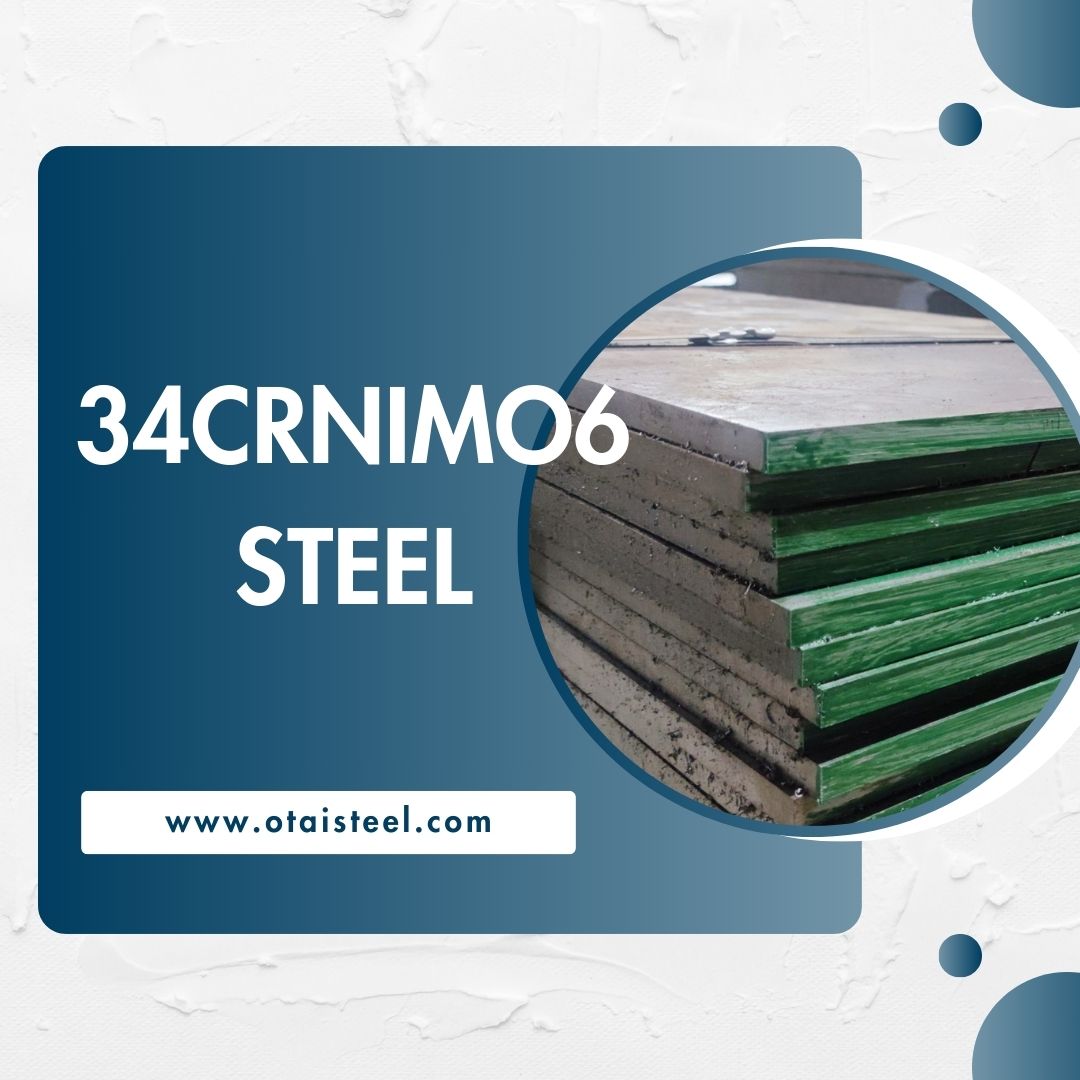 Corrosion resistance is a crucial property in materials used across various industries. Among these materials, 34CrNiMo6, a low-alloy steel, stands out for its impressive corrosion-resistant characteristics. In this comprehensive guide, we will delve into the world of 34CrNiMo6 corrosion resistance, exploring its composition, properties, applications, and more.
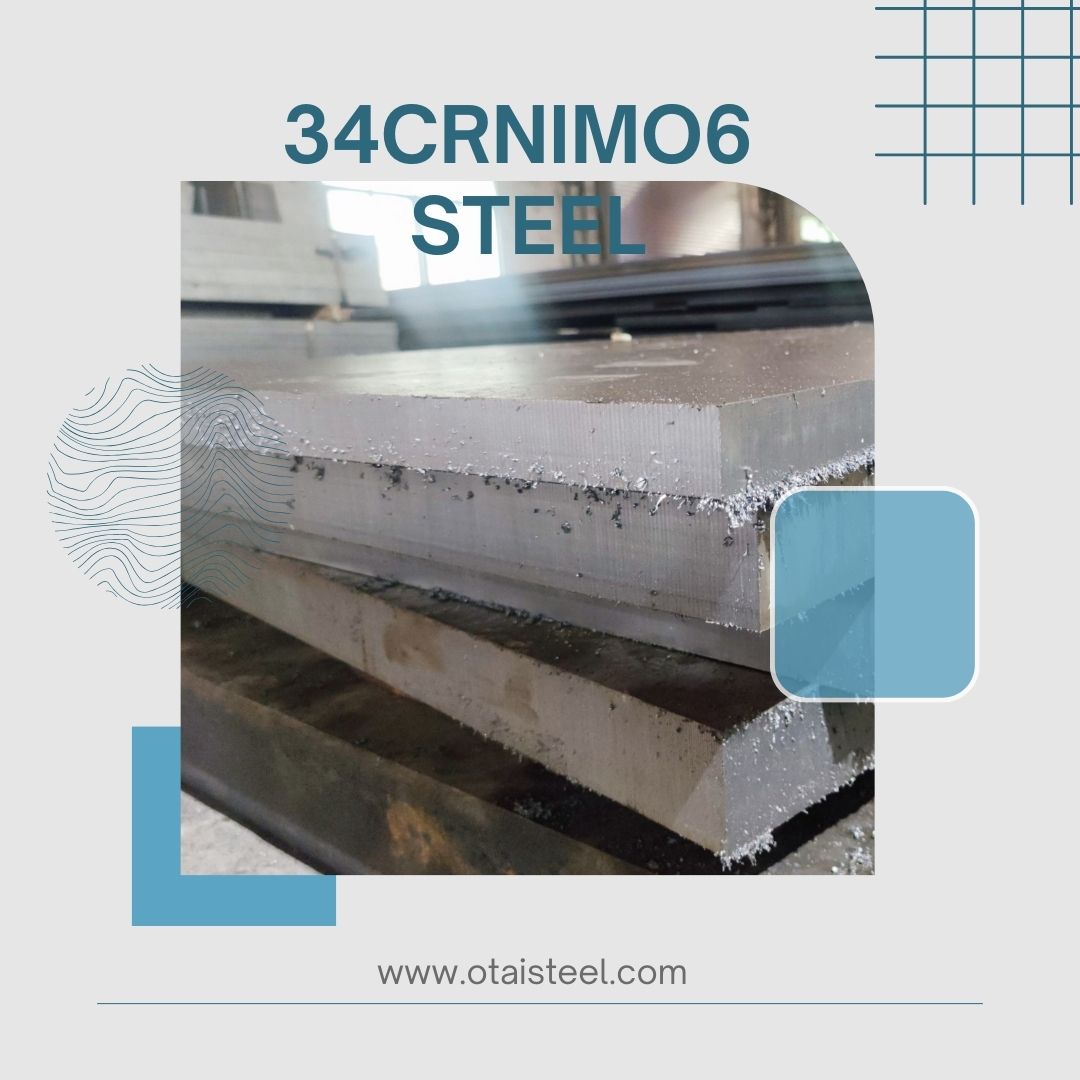 In the world of metallurgy, 34CrNiMo6 Bar stands out as a remarkable steel alloy. This versatile material finds applications in various industries due to its impressive properties. In this comprehensive guide, we will delve into the world of 34CrNiMo6 Bar, exploring its composition, properties, applications, and much more.
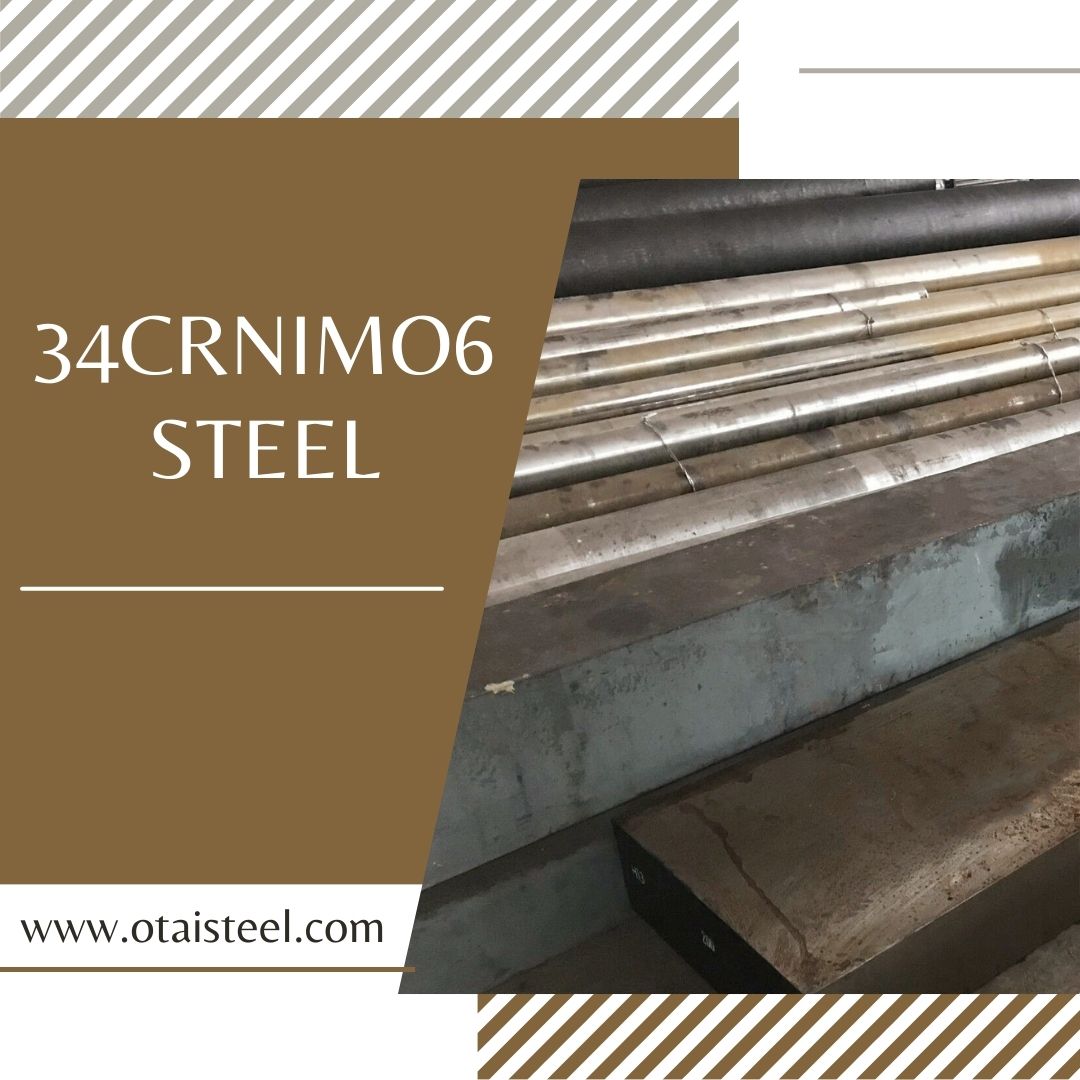 34CrNiMo6 AISI is a low-alloy steel. Its chemical composition consists of 34% carbon (C), 1% chromium (Cr), 1% nickel (Ni), 0.4% molybdenum (Mo), and a balance of iron (Fe). This composition imparts unique characteristics to the steel, making it suitable for a wide range of applications.
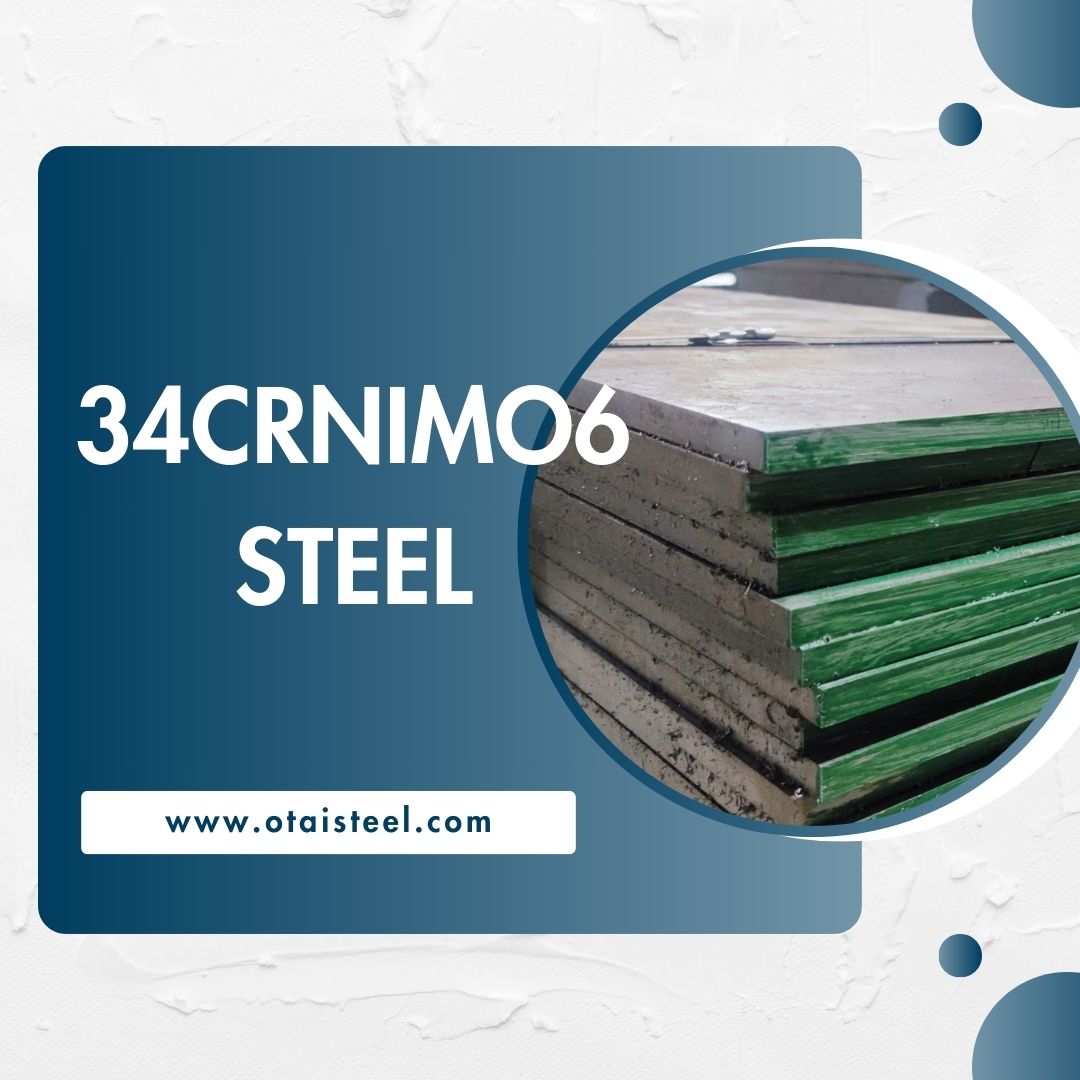 34CrNiMo6, a high-strength alloy steel, has garnered attention for its exceptional properties in various industrial applications. But for those seeking to match its properties with ASTM standards, understanding the equivalency is critical.
 34CrNiMo6 is a high-strength steel alloy renowned for its exceptional properties, making it a preferred choice in various industries. In this article, we will explore the wide range of applications that benefit from the unique characteristics of 34CrNiMo6, highlighting its importance in modern engineering and manufacturing. (34crnimo6 application)
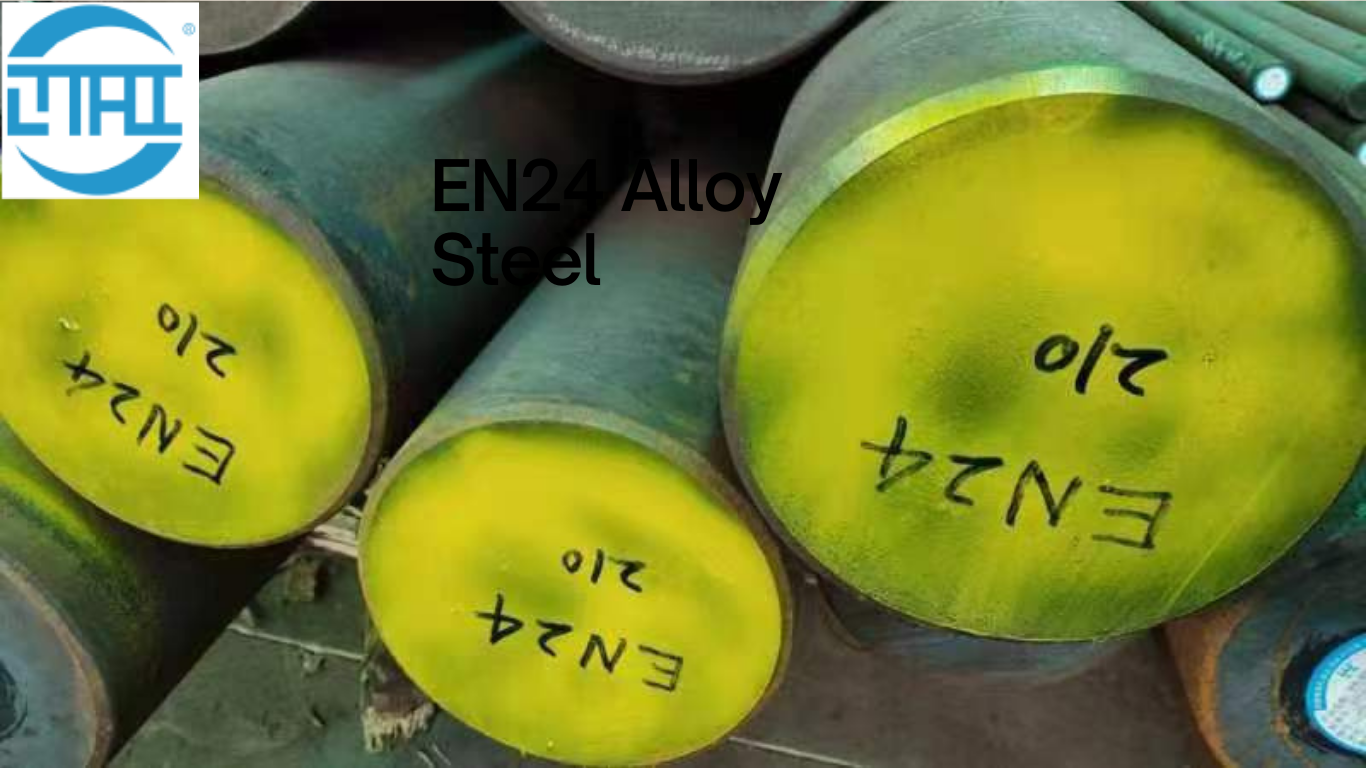
 Unveiling the Enigma: EN24 Steel
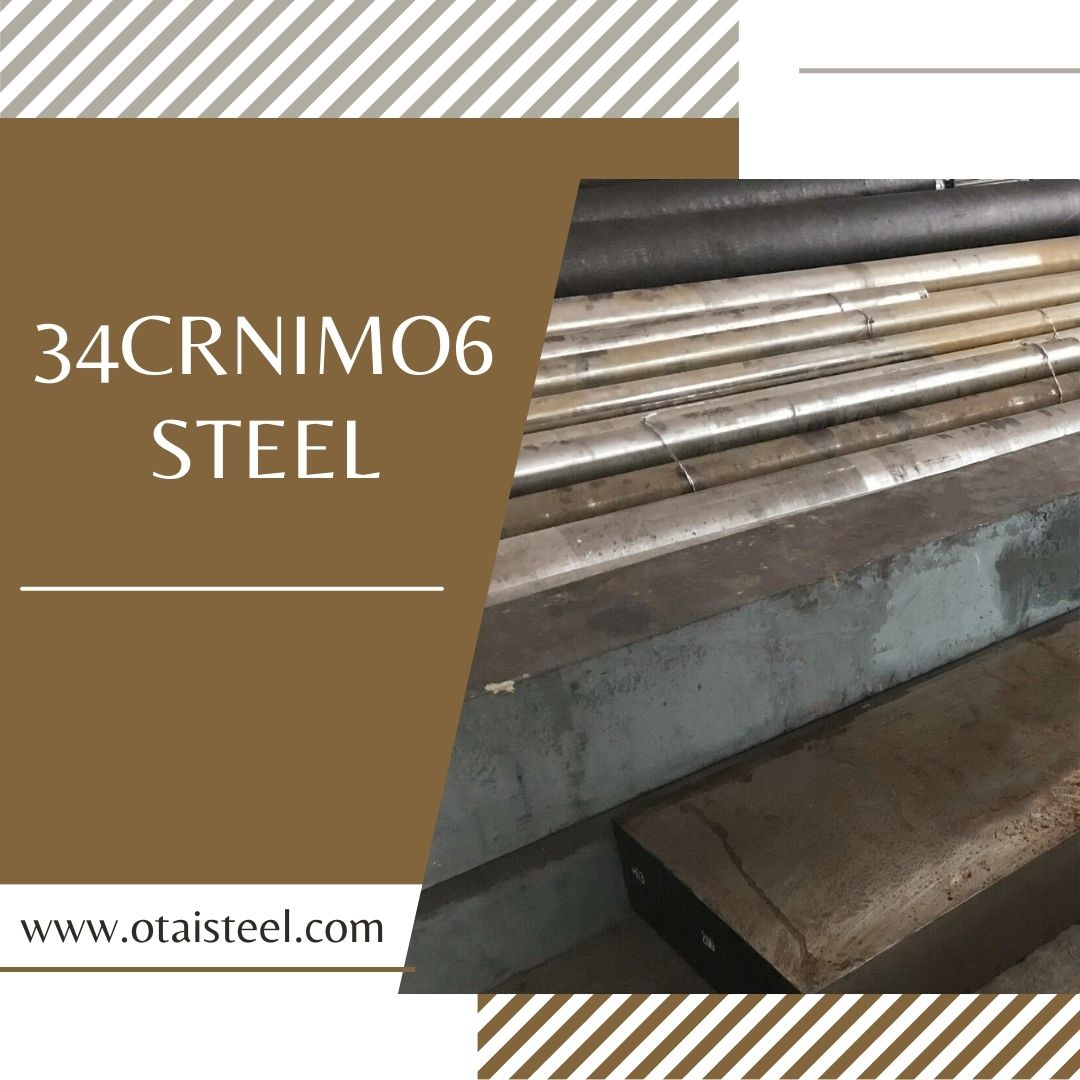 34CrNiMo6 is a high-strength, low-alloy steel known for its excellent mechanical properties. It contains a blend of elements that give it remarkable toughness, strength, and wear resistance.
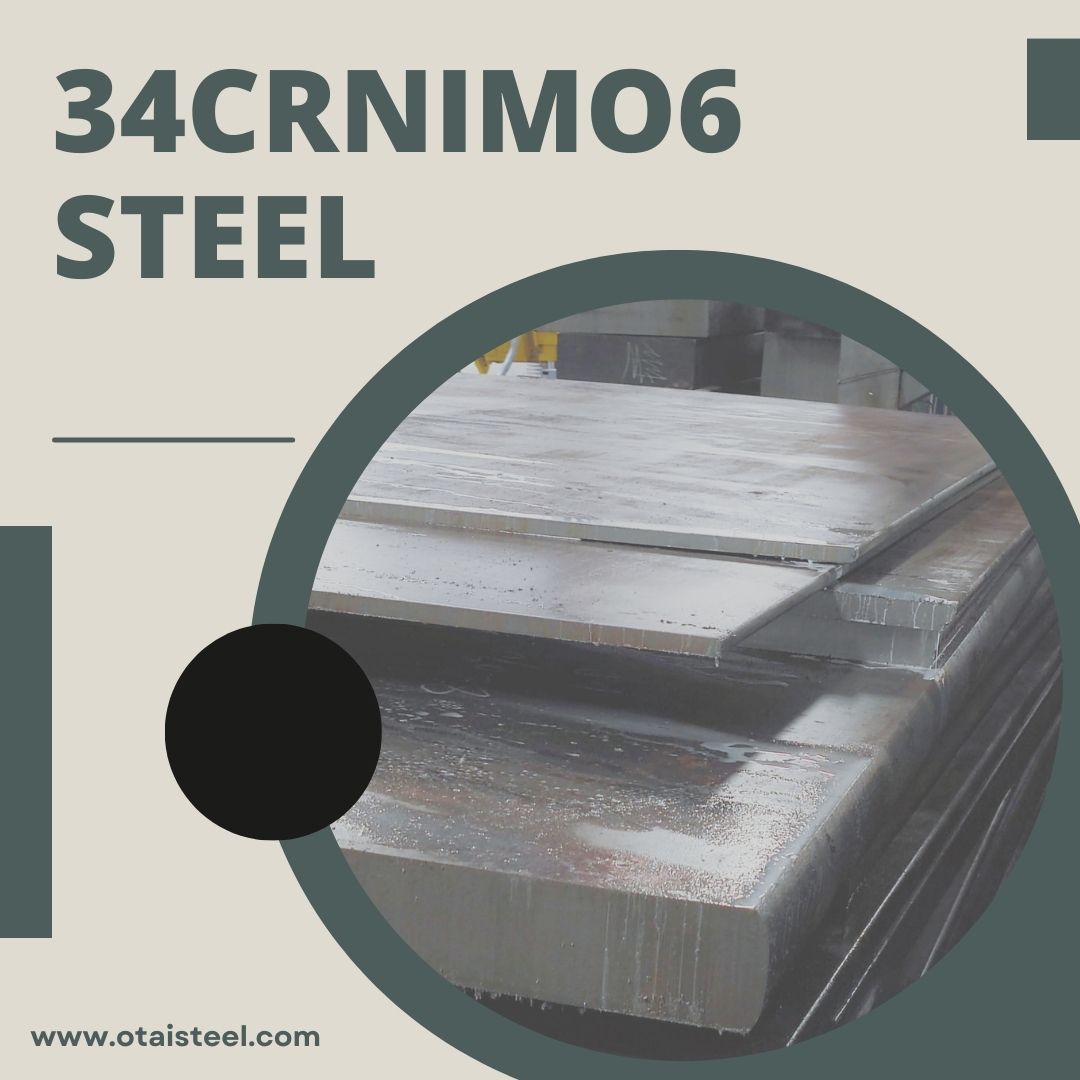 Before delving into its AISI equivalent, let’s briefly understand what 34CrNiMo6 is. 34CrNiMo6 is a high-quality, low-alloy steel known for its exceptional mechanical properties, including high tensile strength, toughness, and good hardenability. It is widely used in industries such as automotive, aerospace, and machinery manufacturing.
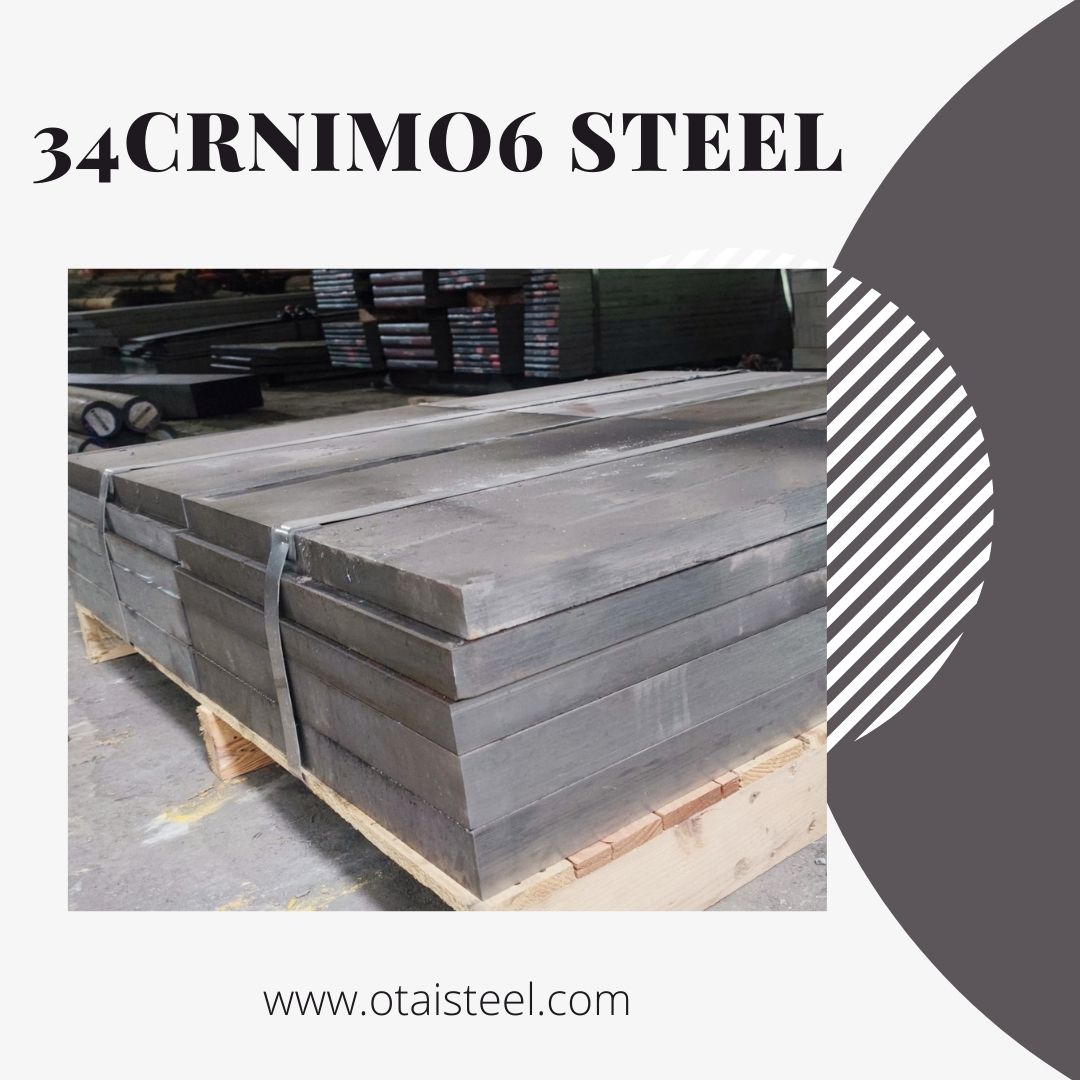 34CrNiMo6 steel is a material that plays a pivotal role in various industries due to its exceptional properties. In this article, we will explore the key features and characteristics of 34CrNiMo6, shedding light on its significance in the world of engineering and manufacturing.