Skip to Content

About: Jack Otai

Recent Posts by Jack Otai

Why Choose Investment Casting for 4140 alloy steel?

Why Choose Investment Casting for 4140 alloy steel?Why Choose Investment Casting for 4140 alloy steel?

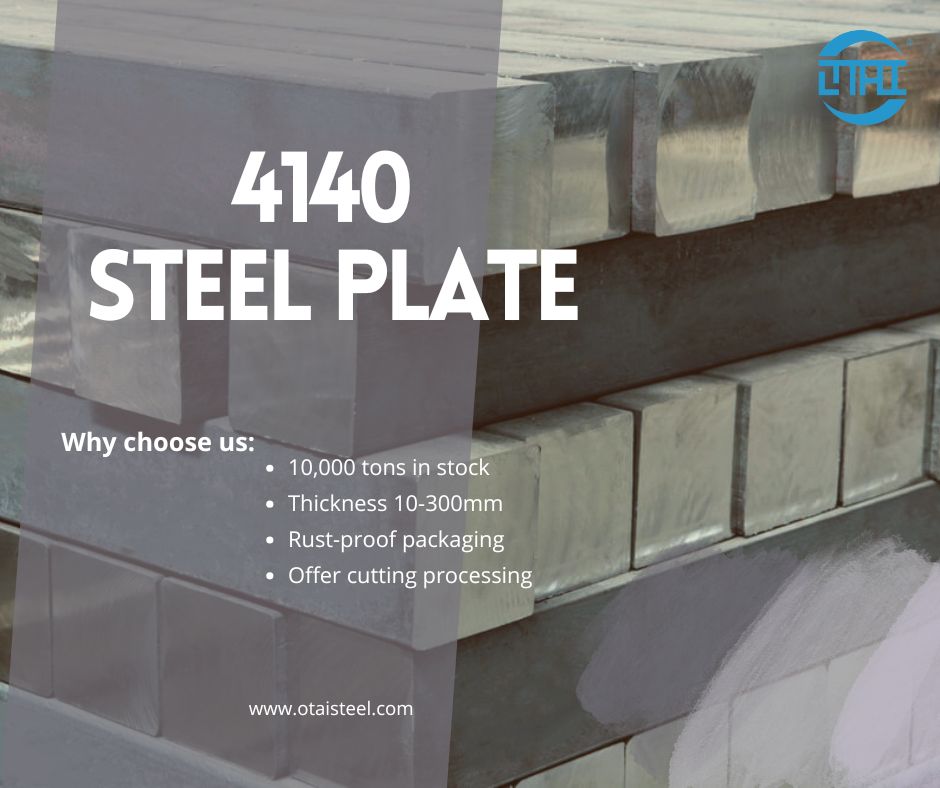
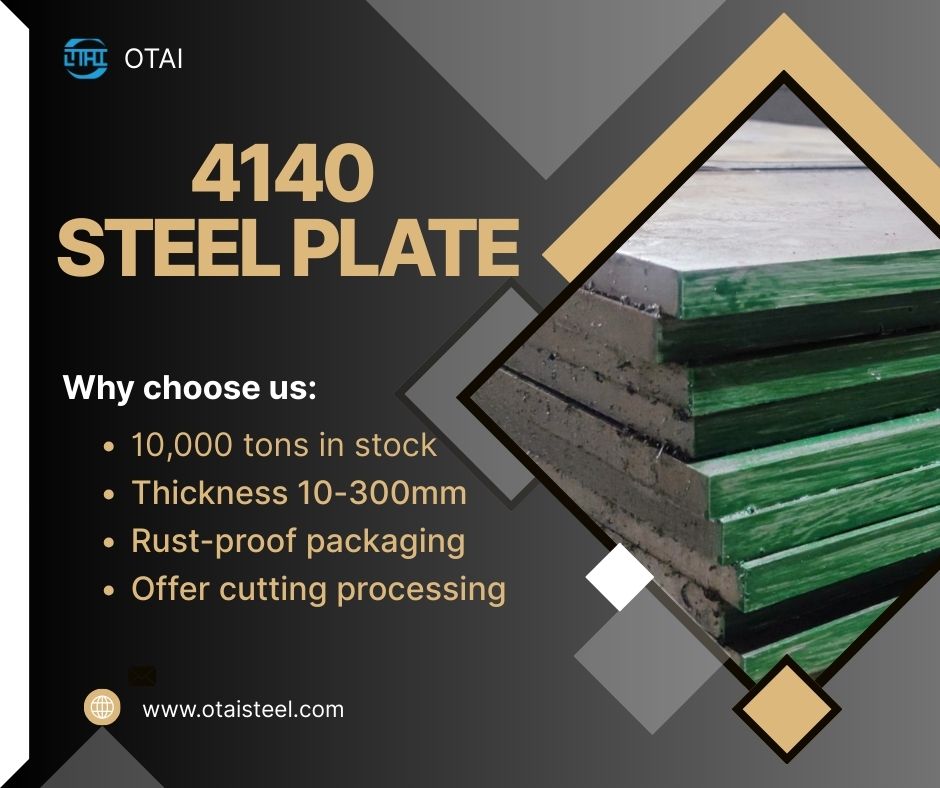
When it comes to producing high-strength, high-precision parts, 4140 steel investment castings offer a remarkable combination of performance and cost-efficiency. Whether you’re manufacturing critical components for mining, automotive, or industrial machinery, 4140 investment castings deliver a winning balance of strength, toughness, and dimensional precision.

Let’s explore why this process is becoming increasingly popular—and how it stacks up against other manufacturing methods.


🏭 What Makes 4140 Steel Ideal for Investment Casting?

4140 steel is a chromium-molybdenum alloy steel known for its toughness, fatigue resistance, and excellent response to heat treatment. When investment cast, it provides even more advantages:

  • Excellent surface finish

  • Near-net shape capability

  • High dimensional accuracy

  • Superior mechanical properties

These benefits make precision casting with 4140 alloy a strong candidate for parts requiring both strength and complexity.


📊 Key Properties of 4140 Investment Cast Steel

Property Value (Typical)
Hardness (As-cast) 28–32 HRC
Tensile Strength (heat treated) 850–1000 MPa
Yield Strength 650–750 MPa
Elongation 15–20%
Impact Toughness (Charpy V) >30 J @ room temperature
Density 7.85 g/cm³
Machinability Good (rated ~65%)
Surface Finish (as cast) 3.2–6.3 Ra µm
Dimensional Tolerance ±0.13 mm per 25 mm (typical)

These numbers highlight the high performance of 4140 cast steel mechanical properties, especially after post-casting heat treatment.


🧰 Comparing 4140 Steel Casting vs Forging

Some engineers ask whether casting or forging is better. Here’s a simple comparison:

Feature Investment Casting Forging
Complexity of Design High (ideal for intricate parts) Medium
Dimensional Accuracy Excellent Good
Surface Finish Smooth (little machining) Rough (requires machining)
Material Usage Efficiency High Moderate
Initial Tooling Cost Higher Lower
Production Volume Suitability Medium to high High

If you’re designing parts with internal cavities, complex geometries, or tight tolerances, 4140 steel casting vs forging favors casting for cost and accuracy.


🔥 Heat Treatment of 4140 Castings

One of the best things about 4140 steel is how well it responds to heat treatment. Most investment cast parts undergo normalization or quenching and tempering to achieve desired mechanical properties.

Common Heat Treatment Processes:

Process Purpose Typical Result
Normalizing Refine grain size & improve ductility Balanced strength & toughness
Quenching & Tempering Increase hardness and strength Up to 35–50 HRC
Stress Relieving Reduce residual stresses Stabilizes part dimensionally

The heat treatment of 4140 castings is essential to unlock its full potential for wear and impact resistance.


🔍 Common Applications of 4140 Steel Investment Castings

Thanks to its toughness and formability, 4140 is widely used in sectors that demand precision and strength:

  • Gears and gear housings

  • Hydraulic parts

  • Couplings and drive shafts

  • 4140 steel cast parts for machinery

  • Agricultural wear components

  • Oil & gas tool components

These are examples of common uses of 4140 steel investment castings, especially in industries where both reliability and tight tolerance are essential.


🎯 Why Choose Investment Casting for 4140?

If your part has complex geometry, internal passageways, or strict dimensional tolerances, 4140 steel investment castings are hard to beat. Here’s why:

  • 💡 Dimensional accuracy of 4140 investment castings reduces machining needs

  • 🔧 Excellent machinability after annealing or tempering

  • 🧱 High wear resistance, especially after nitriding or surface treatment

  • Surface finish of 4140 steel castings typically requires no post-processing

  • 📈 Cost savings for medium-to-large volume production

It’s the go-to solution for those looking to optimize performance without sacrificing efficiency.


🏢 Company Advantages

At Otai Special Steel, we specialize in supplying high-quality 4140 steel investment castings tailored to your exact needs. Our advantages include:

  • 📦 Over 10,000 tons of alloy steel in stock year-round

  • 🛠️ Value-added services: precision cutting, heat treatment, and CNC machining

  • 🔍 Strict QC: UT, chemical analysis, mechanical testing, and third-party inspection

  • 🌐 Trusted by global giants: Thyssenkrupp, Schlumberger, Borealis

  • 🚀 Fast delivery and competitive pricing worldwide

Looking for a reliable supplier for 4140 steel investment castings? Let’s talk!


❓ FAQ

Q1: Can investment casting produce parts with tight tolerances using 4140 alloy steel?
Yes. Typical tolerances are ±0.13 mm per 25 mm, and can be improved with secondary machining.

Q2: Are 4140 castings heat treated after casting?
Absolutely. Heat treatment like quenching and tempering is standard to enhance hardness and tensile strength.

Q3: What’s the main difference between forged and cast 4140 parts?
Forged parts may have slightly better internal strength, but investment castings offer superior complexity and precision.

Q4: Is surface finish good enough without post-processing?
Yes. The surface finish of 4140 steel castings is generally good enough to skip machining unless tight tolerances are required.

Q5: Can I order small batches of custom 4140 investment cast parts?
Yes. We support both small prototype runs and full production volumes.
0 0 Continue Reading →

How to work with threading 4140 alloy Steel?

How to work with threading 4140 alloy Steel?How to work with threading 4140 alloy Steel?

If you’ve ever worked with threading 4140 steel, you already know it’s not your average machining project. This versatile alloy steel is known for its strength, wear resistance, and hardenability—great for critical parts, but tricky when you’re trying to get clean, precise threads.

In this article, we’ll dive into the best ways to successfully machine threads into 4140 steel. Whether you’re working with annealed, pre-hardened, or quenched and tempered material, this guide will walk you through everything you need to know to avoid broken taps, worn dies, or ruined parts.


🔧 What Makes Threading 4140 alloy Steel Challenging?

4140 steel is a chromium-molybdenum alloy with excellent mechanical strength and toughness. But when it comes to threading, those same properties can become obstacles:

  • High strength = more resistance to tool cutting

  • Harder grades increase tool wear

  • Heat-treated surfaces can cause tap breakage if not handled correctly

Especially in cases like threading 4140 pre-hardened steel, tool selection, lubrication, and machining technique all play a major role in the final result.


🧪 4140 Steel Material Overview

Before you begin threading, it’s important to know what condition your 4140 steel is in. Below is a quick snapshot of its key properties across different heat treatment states:

Condition Hardness (HRC) Tensile Strength (MPa) Yield Strength (MPa)
Annealed 15-20 HRC 655-860 ~415
Pre-hardened (Q&T) 28-32 HRC 950–1100 ~850
Fully hardened & tempered 35-44 HRC 1200–1400 1000+

🔎 This matters because machining threads in 4140 alloy steel becomes progressively more difficult as hardness increases.


🛠️ Threading Method: Cutting vs. Forming

There are two main methods: cutting threads or forming threads.

  • Cutting threads uses taps or dies to remove material. Works well on all hardness levels, but tool wear is higher.

  • Forming threads (also called roll threading) is best suited for ductile materials under ~32 HRC. No chips, stronger thread roots.

In the case of 4140 steel, 4140 steel thread forming vs cutting depends on the hardness. For material above 32 HRC, thread cutting is usually the safer and more practical option.


🧰 Best Practices for Threading 4140 Steel

Here are expert-backed tips to help you get clean, accurate threads with minimal tool damage.

🟢 1. Use the Right Tools

Choose best tool for threading 4140 such as:

  • Spiral flute taps for blind holes

  • Spiral point taps for through holes

  • Coated carbide or HSS-E (cobalt) tools for harder materials

Also, use tap recommendations for 4140 steel based on hardness. For example:

Hardness Range Recommended Tap Material
≤ 28 HRC HSS-E (Cobalt)
28–35 HRC TiCN-coated HSS-E or carbide
> 35 HRC Solid carbide or thread milling

🟢 2. Proper Lubrication

4140 needs aggressive lubrication to reduce heat and friction. Use:

  • Chlorinated cutting oils

  • Molybdenum disulfide (MoS2) based lubricants

  • High-pressure oil-based coolants

Avoid dry tapping!

🟢 3. Reduce Cutting Speed

Lower cutting speed = longer tool life. Start with:

  • 6–10 m/min for HSS taps

  • 15–25 m/min for carbide tools

Adjust based on material hardness.


⚙️ Special Cases: Hardened and Internal Threads

Trying to do thread cutting on 4140 steel that’s already hardened? You’ll need advanced tooling and plenty of patience.

For internal threads, here are specific 4140 steel internal threading tips:

  • Always pre-drill with proper hole size (check tap drill charts)

  • Use rigid tool holders to avoid deflection

  • Use peck tapping cycles on CNC machines

If you’re wondering can you thread hardened 4140 steel — the answer is yes, but thread milling is usually preferred over tapping due to chip control and tool stability.


🧲 Is 4140 Steel Good for Threaded Parts?

Absolutely. In fact, is 4140 steel good for threaded parts is a common question from engineers working on:

  • Hydraulic components

  • Automotive rods and fasteners

  • Oilfield downhole tools

  • Tool holders and machine fixtures

The key is proper prep and machining discipline. Done right, threaded 4140 parts are both durable and reliable.


🏭 Why Choose Otai Special Steel?

At Otai Special Steel, we understand the complexities of working with 4140 steel. Here’s why global customers trust us:

  • 🔩 Over 10,000 tons of 4140 and other alloy steels in stock (6mm–300mm thickness)

  • 🛠️ Full service: Cutting, grinding, heat treatment, and ultrasonic testing (UT)

  • 📦 Export-ready packaging and mill certs for every shipment

  • 📞 Fast communication and expert technical support

  • 🌍 Trusted by clients like Thyssenkrupp, Borealis, and Schlumberger

Need pre-hardened 4140 or annealed 4140 steel bars/plates? We ship fast — with quality guaranteed.


❓FAQ | Frequently Asked Questions

Q1: What’s the best tap for threading 4140 alloy steel?

A: For material up to 32 HRC, HSS-E with TiCN coating is great. For harder steels, use carbide or switch to thread milling.

Q2: Can I thread 4140 steel without lubrication?

A: It’s highly discouraged. Proper lubrication is crucial to prevent heat buildup and tool failure.

Q3: Is thread forming suitable for all 4140 steel?

A: No. Thread forming works well only on softer 4140 (<32 HRC). For harder material, thread cutting is preferred.

Q4: What thread pitch works best on 4140?

A: That depends on application, but coarser threads (like UNC) are generally more robust on tougher materials.

Q5: Can you thread 4140 steel by hand?

A: For softer or annealed 4140, yes — but it’s difficult and risky. Always use proper machines for pre-hardened or hardened grades.

0 0 Continue Reading →

What is 4140 alloy Steel Rockwell Hardness?

What is 4140 Steel Rockwell Hardness?What is 4140 alloy Steel Rockwell Hardness?

4140 steel is a go-to material for a wide range of industrial applications, but one property stands out among engineers and manufacturers: Rockwell hardness. If you’re working on components that require a balance between toughness and wear resistance, understanding the 4140 steel Rockwell hardness is essential. Let’s explore what this value really means, how it’s affected by heat treatment, and how it compares with other steels.


🔧 What Is Rockwell Hardness and Why Is It Important?

Rockwell hardness (measured on the C scale for hardened steels) determines a material’s resistance to permanent deformation. For 4140 steel, this property is especially relevant because it directly influences tool life, machinability, and resistance to wear.

4140 steel is a chromium-molybdenum alloy steel known for its excellent hardness-to-toughness ratio, making it suitable for everything from automotive gears to heavy-duty shafts. But hardness is not a fixed value—it changes depending on how the steel is treated.


🧪 Rockwell Hardness of 4140 Steel in Different Conditions

Below is a comparison table showing typical Rockwell hardness values for 4140 steel under various heat treatment conditions:

Condition Hardness (HRC) Description
Annealed 15–22 HRC Soft for machining; not suitable for wear parts
Normalized 30–35 HRC Good balance of machinability and strength
Quenched and Tempered (Q&T) 28–45 HRC Most commonly used condition in industrial parts
Fully Hardened 50–55 HRC High hardness, lower toughness
Surface Nitrided 60–65 HRC (surface) Extremely hard surface with tough core

As you can see, the Rockwell hardness of 4140 alloy steel can vary widely depending on the processing method. This flexibility is part of what makes the material so popular.


🔩 Applications Based on Hardness Levels

Different hardness levels are suitable for different use cases. Let’s break them down:

  • 15–22 HRC (Annealed): Best for rough machining or when subsequent heat treatment is planned. Common in forgings or large stock preparation.

  • 30–35 HRC (Normalized): Ideal for machine components that require a mix of strength and machinability.

  • 38–42 HRC (Q&T): Often used in crankshafts, gears, or spindles—where strength and fatigue resistance matter.

  • 50–55 HRC (Fully Hardened): Suitable for dies or molds, where wear resistance is critical.

  • 60–65 HRC (Nitrided surface): Great for valves, rods, and piston parts with demanding surface wear requirements.

In each of these categories, the heat treatment of 4140 steel plays a defining role.


⚙️ How Does 4140 Steel Hardness Compare with Other Materials?

Here’s a quick comparison of Rockwell hardness ranges among popular engineering steels:

Steel Type Rockwell Hardness (HRC) Notes
4140 Steel 15–55 (core), up to 65 (surface) Excellent versatility
1045 Carbon Steel 10–30 Low hardenability
D2 Tool Steel 55–62 Very high wear resistance
AISI 4340 28–45 Comparable but higher toughness
8620 Alloy Steel 20–32 (core) Often used for case hardening

While D2 tool steel may outperform in surface hardness, 4140 strikes an excellent balance between core toughness and surface hardness, especially after quenching and tempering or nitriding.


🔍 Common Questions: Is Higher Hardness Always Better?

Not necessarily. While higher hardness improves wear resistance, it often reduces toughness and increases brittleness. That’s why engineers often choose medium Rockwell hardness for 4140 steel (around 35–45 HRC) for high-performance mechanical parts.

For example:

  • A drivetrain shaft must be hard enough to resist wear but not so hard that it breaks under stress.

  • A hydraulic piston rod might use nitrided 4140 steel to combine a hard shell with a ductile core.


📦 Choosing the Right 4140 Steel Grade and Hardness Level

If you’re buying or specifying this material, always match the hardness level with your application needs. You might look for:

  • Pre-hardened 4140 plates at ~28–32 HRC

  • Q&T 4140 steel round bars at ~38–44 HRC

  • Nitrided 4140 shafts for ultra-high surface hardness

Whether you’re searching for 4140 steel for machining, for toolmaking, or for fatigue-resistant parts, knowing the hardness range is essential to making the right call.


🏭 Why Choose Otai Special Steel

At Otai Special Steel, we provide a massive inventory of 4140 steel in various forms, including pre-hardened plates, Q&T bars, and custom-cut blanks. Our advantages include:

  • Over 10,000 tons of stock all year round

  • ✅ Customized cutting and heat treatment

  • ✅ UT-tested quality with third-party inspection options (SGS, etc.)

  • ✅ Competitive prices and fast global shipping

  • ✅ Technical support for material selection and machinability consultation

We’re proud to serve global giants like Thyssenkrupp, Borealis, and Schlumberger, providing stable, high-quality supply for every project.


❓FAQ: 4140 Steel Rockwell Hardness

Q1: What’s the typical Rockwell hardness of 4140 steel in Q&T condition?
A1: Usually between 28–45 HRC, depending on tempering temperature.

Q2: Can I surface harden 4140 steel?
A2: Yes, via nitriding or carburizing, reaching up to 60–65 HRC on the surface.

Q3: How do I test Rockwell hardness?
A3: Using a Rockwell hardness tester with a C-scale indenter (typically a diamond cone).

0 0 Continue Reading →

Choosing Reliable 4140 alloy Steel Distributors

Finding the Right 4140 alloy Steel DistributorsChoosing Reliable 4140 alloy Steel Distributors

🔍 What Makes 4140 Steel a Sought-After Material?

4140 steel is a chromium-molybdenum alloy steel known for its exceptional strength, toughness, and wear resistance. It’s widely used in high-stress industrial applications, from gears and crankshafts to dies and molds. But selecting the right 4140 steel distributors is just as crucial as selecting the material itself. Not all steel suppliers offer the same quality, service, or inventory variety.


🧱 Key Properties of 4140 Steel

Before choosing a supplier, you must understand what makes this alloy so versatile. Here’s a quick look at its properties:

Property Typical Value
Tensile Strength (MPa) 655 – 1080
Yield Strength (MPa) 415 – 930
Elongation (%) 20 – 25
Hardness (HB) 197 – 269 (annealed)
Heat Treatment Compatibility Annealing, Normalizing, Q&T, Nitriding
Machinability Good in annealed condition
Weldability Fair to Good (requires preheating)

🏭 Choosing Reliable 4140 Steel Distributors: What to Look For

The global market is full of companies claiming to be trusted 4140 steel distributors, but how do you identify the right one for your needs?

⭐ 1. Inventory Variety

Look for distributors who stock multiple 4140 steel bar sizes, 4140 steel flat bars, and 4140 steel round bar options in both hot rolled and cold finished conditions.

⭐ 2. Quality Assurance

Choose suppliers who provide ultrasonic testing for 4140 steel, third-party certification, and full traceability of mill certificates.

⭐ 3. Processing Capabilities

The best 4140 alloy steel stockists offer value-added services like:

  • Precision sawing and cutting

  • CNC machining for pre-shaped blanks

  • Heat treatment per client specs

⭐ 4. Export & Logistics Experience

If you’re an international buyer, your supplier should be familiar with exporting 4140 steel globally, including custom documentation and secure packaging.


🌍 Applications of 4140 Supplied by Top Distributors

Different industries rely on 4140 steel in various heat-treated states. Here’s how it’s used:

Industry Application Example Recommended Condition
Automotive Crankshafts, Axles Quenched & Tempered (Q&T)
Oil & Gas Drill Collars, Tool Joints Nitrided or Induction Hardened
Construction Structural Bolts, Tie Rods Normalized or As-rolled
Tool & Die Making Plastic Molds, Punches Pre-hardened or Annealed
Agriculture & Mining Rock Crusher Shafts, Wear Components Surface Hardened

💡 Why Local and Global 4140 Steel Distributors Matter

Both regional and international buyers should weigh their priorities. A local 4140 steel supplier can offer faster lead times and onsite consultations, while global distributors of 4140 alloy steel often carry a larger, more diverse inventory.

For large projects requiring consistent batches, bulk 4140 steel procurement through experienced exporters is often more cost-effective.


🏆 Company Advantage: Why Choose Otai Special Steel?

At Otai Special Steel, we’re one of China’s leading 4140 alloy steel distributors, trusted by global companies like Thyssenkrupp and Schlumberger. Here’s why buyers choose us:

  • 📦 Over 10,000 tons in stock, including 4140 steel bars, plates, and blocks.

  • 🔬 In-house ultrasonic testing, spectro analysis, and third-party inspections (SGS available).

  • 🛠️ Custom cutting and machining, including heat treatment to your exact specs.

  • 🌍 Export experience to over 35 countries, with all necessary documentation provided.

  • Fast turnaround time and competitive pricing.

📧 Contact us: jack@otaisteel.com
📱 WhatsApp: +8676923190193


❓FAQ About 4140 alloy Steel Distributors

Q1: What certifications should I expect from a 4140 steel distributor?

You should expect mill certificates (EN10204 3.1 or 3.2), ultrasonic testing reports, and sometimes third-party inspection documents.

Q2: Do all distributors offer heat-treated 4140 steel?

Not necessarily. Some only supply annealed 4140 steel, while others specialize in 4140 Q&T steel. Always check their service offerings.

Q3: Is it better to buy from a manufacturer or a stockist?

Manufacturers offer better pricing on large quantities, while stockists have quicker availability and more size options.

Q4: Can I request specific lengths or shapes?

Yes, reputable 4140 steel distributors provide custom cutting, sometimes even machining to near-net shapes.

Q5: What’s the lead time for international orders?

Typically 2–5 weeks depending on processing, quantity, and destination.

0 0 Continue Reading →

4140 Steel’s Specification: Buying guide


4140 Steel Specification: Comprehensive guide to Buying4140 Steel’s Specification: Buying guide

When it comes to high-performance alloy steels, 4140 steel specification often come up as the gold standard for toughness, wear resistance, and versatility. But what do those specifications really mean? And how do they help engineers, machinists, or buyers make better decisions? 🧐 Let’s break it all down in this comprehensive guide!


🧱 What Is 4140 Steel?

4140 steel is a chromium-molybdenum alloy steel (also known as Cr-Mo steel) widely used in automotive, aerospace, and manufacturing industries. It falls under AISI 4140 in the American standard and 42CrMo4 under DIN/EN standards.

This steel is famous for its excellent combination of strength, toughness, fatigue resistance, and heat treatability.


📐 Detailed 4140 Steel’s Specification

Let’s take a closer look at the most important mechanical, chemical, and physical specifications of 4140 steel:

🔬 Chemical Composition (%)

Element Minimum (%) Maximum (%)
Carbon (C) 0.38 0.43
Manganese (Mn) 0.75 1.00
Chromium (Cr) 0.80 1.10
Molybdenum (Mo) 0.15 0.25
Silicon (Si) 0.15 0.35
Phosphorus (P) 0.035
Sulfur (S) 0.040

This carefully balanced composition gives it excellent hardenability and strength after heat treatment.


⚙️ Mechanical Properties (Typical, Q&T @ 30–32 HRC)

Property Value
Tensile Strength 850–1000 MPa
Yield Strength 650–700 MPa
Elongation 20–25%
Impact Toughness (Charpy V) ≥ 40 J
Hardness (Brinell) 197–235 HB

These numbers make it ideal for demanding applications like high-strength shafts, gears, and bolts.


🔥 Heat Treatment Parameters

Process Temperature (°C) Notes
Normalizing 870–900 Air cooling
Quenching 830–860 Oil quench for best results
Tempering 400–600 Depending on desired hardness
Annealing 800–850 Furnace cool slowly
Stress Relieving 540–680 After machining or welding

🛠️ Key Product Forms & Specifications in Use

When purchasing 4140 steel, you’ll encounter it in various forms and standards:

  • 4140 steel round bar – Common in shafts and spindles

  • 4140 steel plate – Used for dies, base plates

  • 4140 steel square bar – Ideal for precision components

  • 4140 tubing – Common in hydraulic cylinders

  • ASTM A29 / A322 – Governs 4140 bar stock specs

  • ASTM A829 – For 4140 plates

  • EN 10083-3 / DIN 42CrMo4 – European equivalent specs


🧩 How Do These Specs Translate in Real-World Applications?

The robust 4140 steel specifications make it one of the most adaptable materials in manufacturing. Here are some specific long-tail use cases where 4140 really shines:

  • 4140 steel for automotive shafts

  • 4140 steel used in mold bases for injection molding

  • 4140 steel for oil and gas downhole tools

  • 4140 round bar for machine tool spindles

  • 4140 Q&T steel in mining machinery components


⚖️ 4140 vs Other Alloy Steels – A Quick Comparison

Grade Strength Toughness Weldability Price Level
4140 High High Moderate Medium
1045 (Carbon) Moderate Moderate Good Low
4340 Very High Very High Fair High
8620 Moderate High Good Medium

4140 provides a sweet spot of strength, cost, and availability—making it a global favorite.


✅ Why Do Engineers Love 4140 So Much?

Besides its clear mechanical advantages, 4140 steel responds beautifully to:

  • Oil quenching without cracking risks

  • Machining, especially in annealed or normalized state

  • Surface hardening like nitriding, for added wear resistance

  • Welding, when preheat and post-weld stress relieving are applied

Its versatility across heat treatment and forming processes makes it ideal for both forged and machined components.


🏭 Otai Special Steel – Why We’re Your Ideal 4140 Supplier

At Otai, we don’t just stock 4140—we help you get the right spec for your real-world application. Here’s why our customers trust us:

  • 🔩 Inventory Power: Over 10,000 tons of 4140 plates, bars, and tubes ready year-round

  • 🔍 Quality Control: UT testing, MTC, chemical composition checks, and even SGS third-party inspection

  • ✂️ Value-Added Services: Saw cutting, rough machining, heat treatment, custom packaging

  • 🌍 Global Experience: We serve top brands like Schlumberger, Thyssenkrupp, and Borealis

Need a quote for your next project? 📩 Contact us now and get expert advice tailored to your application!


📌 FAQ: 4140 Steel’s Specification

Q1: Are 4140 steel specifications the same globally?
Not exactly. While AISI 4140 and DIN 42CrMo4 are very close, small differences in composition or tolerances exist depending on the standard (ASTM vs EN vs JIS).

Q2: Can I weld 4140 steel?
Yes, but it requires preheating (~200–400°C) and post-weld stress relief to prevent cracking.

Q3: How hard can 4140 steel get?
When quenched and tempered, it can reach up to 60 HRC, depending on the tempering temperature.

Q4: What is the typical lead time for 4140 steel?
From Otai, most stock items ship within 3–7 days; custom orders depend on processing requirements.

Q5: Is 4140 good for tooling or dies?
Absolutely—especially Q&T plates and blocks used in tooling bases, molds, or fixtures.

0 0 Continue Reading →

What annealing does to 4140 alloy steel?

What is annealing 4140 Steel?

If you work with alloy steels in machining, fabrication, or heat treatment, you’ve probably come across annealing 4140 steel. This process is one of the most effective ways to soften the steel, improve machinability, and prepare it for further forming or heat treatment. But to get it right, you need to understand the temperatures, cooling rates, and metallurgical changes that happen during annealing.

In this guide, we’ll break down what annealing does to 4140 steel, why it’s essential for certain projects, and how to perform it step by step—backed with technical data and practical shop tips.


🌟 What Is Annealing 4140 Steel?

4140 steel is a chromium-molybdenum alloy steel known for its high strength, wear resistance, and toughness. In its hardened state, it can be difficult to machine or bend. Annealing is a heat treatment process that reduces hardness, increases ductility, and relieves internal stresses.

When you perform annealing 4140 steel, you heat the material to a specific range (above its critical temperature), hold it to allow transformation, and then cool it slowly—typically in a furnace or insulating medium. This allows the microstructure to convert into a softer, more machinable form called ferrite-pearlite.


🔍 Chemical Composition of 4140 Steel

Before diving into the process, here’s the typical chemical makeup of 4140 alloy steel:

Element Percentage (%)
Carbon (C) 0.38–0.43
Chromium (Cr) 0.80–1.10
Molybdenum (Mo) 0.15–0.25
Manganese (Mn) 0.75–1.00
Silicon (Si) 0.15–0.35
Phosphorus (P) ≤ 0.035
Sulfur (S) ≤ 0.04

This alloy combination gives 4140 pre-annealed steel its balance of strength and hardenability.


🔥 Annealing Process for 4140 Steel – Step by Step

Here’s the typical cycle used by heat treatment shops when annealing 4140 steel:

Step Temperature (°C / °F) Time Cooling Method Purpose
Preheat 400–500°C / 750–930°F Furnace Reduce thermal shock
Full Heat 815–845°C / 1500–1550°F 1 hour per inch thickness Furnace Transform microstructure
Hold Same as full heat As required Furnace Uniform temperature throughout
Controlled Cooling ≤ 28°C/hour to 540°C (≤ 50°F/hour to 1000°F) Furnace or sand bed Prevent hardening during cooling
Final Cool Room temperature Air Complete cycle

📈 Effects of Annealing on Mechanical Properties

Annealing 4140 steel has a significant effect on hardness, tensile strength, and elongation:

Property Before Annealing (Q&T) After Annealing
Hardness (HRC) 28–32 18–22
Tensile Strength (MPa) 850–1100 620–700
Yield Strength (MPa) 650–950 415–500
Elongation (%) 12–18 20–25
Machinability (%) 60 80

💡 The increase in ductility and machinability is why many machinists prefer machining annealed 4140 steel over hardened stock.


🧪 Microstructural Changes During Annealing

When annealing 4140 alloy steel, the structure changes from tempered martensite or bainite to ferrite-pearlite. This transformation:

  • Relieves residual stresses from forging or machining

  • Improves toughness by eliminating brittleness

  • Prepares steel for carburizing or nitriding if needed later

  • Enhances cold forming capability such as bending or rolling


🛠️ When to Anneal 4140 Steel

You should consider annealing 4140 steel in situations like:

  • Before extensive cold forming 4140 steel

  • When high machinability is needed for precision components

  • To remove stresses after heavy welding or forging

  • Before applying surface hardening treatments like nitriding or carburizing


⚠️ Common Mistakes to Avoid

  • Overheating above 870°C (1600°F) – causes grain growth and reduces toughness

  • Cooling too quickly – may result in partial hardening

  • Skipping preheat – can cause thermal shock and cracking in large sections

  • Not holding long enough – results in incomplete transformation


🔍 Annealed 4140 Steel vs Normalized 4140 Steel

Feature Annealed 4140 Normalized 4140
Hardness Lower (softer) Slightly higher
Machinability Higher Lower
Grain Structure Ferrite-pearlite Finer pearlite
Stress Relief Excellent Good
Common Use Machining, cold forming General structural parts

🧠 Pro Tips from the Heat Treatment Floor

  • Always measure core temperature, not just surface, before holding time starts.

  • Use furnace charts to track exact cooling rates.

  • If annealing thick 4140 steel plate, allow extra soak time to avoid uneven properties.

  • Combine annealing with a later quench and temper cycle for optimal strength.


🏭 Company Advantages – Why Choose Otai Special Steel for Annealed 4140

At Otai Special Steel, we specialize in supplying 4140 steel in all heat treatment conditions, including fully annealed stock ready for machining or forming.

Our Advantages:

  • ✅ 10,000+ tons of 4140 steel in stock (6mm–300mm thick)
  • ✅ Available in annealed, normalized, Q&T, and nitrided states
  • ✅ Precision cutting service for your exact sizes
  • ✅ Heat treatment and technical support included
  • ✅ SGS/BV inspection and full material certificates
  • ✅ Global export with on-time delivery
  • ✅ Long-term supply partnerships with Thyssenkrupp, Borealis, Schlumberger

❓ FAQ – Annealing 4140 alloy Steel

Q1: Can I anneal 4140 steel at home?
Yes, small parts can be annealed with a controlled furnace, but precision industrial annealing ensures better results.

Q2: Does annealing reduce strength?
Yes, but it increases ductility and machinability. Strength can be restored with later heat treatments.

Q3: How long should I hold at annealing temperature?
A general rule is 1 hour per inch of thickness after reaching target temperature.

Q4: Can I machine 4140 steel right after annealing?
Yes, in fact, annealed 4140 is much easier to machine.

Q5: What’s the difference between full annealing and subcritical annealing?
Full annealing transforms the entire microstructure; subcritical annealing focuses on stress relief without full softening.

0 0 Continue Reading →

Understanding the best heat treatment for 4140 steel

Heat Treating 4140 alloy Steel: Complete practical tipsUnderstanding the best heat treatment for 4140 steel

When it comes to engineering materials, 4140 steel is a favorite among machinists, engineers, and manufacturers worldwide. But the real magic happens when you heat treat 4140 steel — unlocking its maximum strength, toughness, and wear resistance. If you’re working on gears, shafts, axles, or high-stress components, understanding the best heat treatment for 4140 steel can make the difference between an average part and a high-performance one.

In this guide, we’ll break down Heat Treating 4140 alloy Steel, covering processes, temperatures, benefits, and practical tips.


🌟 What Makes 4140 Steel Special?

4140 steel is a chromium-molybdenum alloy steel with a balance of hardness and ductility. In its annealed condition, it’s machinable, but once heat treated, it becomes incredibly strong.

Chemical Composition of 4140 Steel (Typical %):

Element Percentage (%)
Carbon (C) 0.38 – 0.43
Chromium (Cr) 0.80 – 1.10
Molybdenum (Mo) 0.15 – 0.25
Manganese (Mn) 0.75 – 1.00
Silicon (Si) 0.15 – 0.35
Sulfur (S) ≤ 0.040
Phosphorus (P) ≤ 0.035

🔥 Why Heat Treat 4140 Steel?

Heat treating changes the steel’s internal microstructure, improving properties like:

  • Increased tensile strength

  • Higher fatigue resistance

  • Better wear resistance

  • Improved dimensional stability

For example, 4140 steel quenching and tempering can take hardness from ~20 HRC in the annealed state up to 50+ HRC, depending on the exact process.


⚙️ Main Heat Treatment Methods for 4140 Steel

1️⃣ Annealing (Softening for Machining)

Before hardening, some users anneal 4140 alloy steel to make it easier to machine.

  • Temperature: 800–850°C (1472–1562°F)

  • Slow furnace cooling to 480°C (896°F) then air cool.

  • Results in ~200 Brinell hardness.


2️⃣ Normalizing

Used to refine grain size and prepare for hardening.

  • Temperature: 870–900°C (1598–1652°F)

  • Air cooling.

  • Produces uniform microstructure for consistent hardening.


3️⃣ Quenching & Tempering (Q&T)

The most common heat treatment for 4140 steel when strength and wear resistance are required.

  • Quenching: Heat to 840–875°C (1544–1607°F), then oil quench.

  • Tempering: Reheat to 200–650°C (392–1202°F) depending on hardness requirements.

Tempering Temperature vs. Hardness for 4140 Steel:

Tempering Temp (°C) Approx. Hardness (HRC)
200 50–55
400 38–42
600 28–32

4️⃣ Nitriding (Surface Hardening)

If you need extreme surface wear resistance, nitriding is a great option.

  • Conducted at 500–550°C (932–1022°F) without quenching.

  • Produces a hard surface (~60–65 HRC) while maintaining a tough core.


🛠 Practical Tips for Heat Treating 4140 Steel

  1. Preheat before quenching — reduces thermal shock.

  2. Avoid overheating — grain growth reduces toughness.

  3. Choose oil quench over water quench — reduces risk of cracking.

  4. Always temper after hardening — untempered martensite is brittle.

  5. Consider part geometry — thick sections cool slower, affecting hardness.


📦 Applications That Rely on Heat Treated 4140 Steel

  • Heavy-duty crankshafts and camshafts

  • Gears for mining and construction equipment

  • Tool holders in CNC machining

  • Axles for heavy vehicles

  • Hydraulic cylinder shafts

These applications often require high-strength 4140 steel to handle repeated stress without failure.


🏆 Company Advantages – Why Choose Otai Special Steel?

  • Massive Inventory – Over 10,000 tons of 4140 steel in stock, thickness from 6mm to 300mm.

  • Custom Heat Treatment Services – Quenching, tempering, annealing, nitriding, tailored to your specs.

  • Quality Assurance – Ultrasonic testing, chemical composition analysis, third-party inspections (SGS).

  • Global Reputation – Trusted by industry leaders like Thyssenkrupp, Borealis, Schlumberger.

  • Fast Delivery – Stable supply chain and efficient logistics to meet urgent deadlines.


❓ FAQ

Q1: What’s the maximum hardness after heat treating 4140 steel?
A: With oil quenching and low-temperature tempering (~200°C), it can reach 50–55 HRC.

Q2: Can 4140 steel be water quenched?
A: Technically yes, but it’s risky — water quenching can cause cracking due to rapid cooling.

Q3: Is heat treated 4140 steel still machinable?
A: In high hardness states, machinability is poor; machining is best done in the annealed state before heat treating.

Q4: What’s the difference between 4140 and 42CrMo?
A: They are chemically similar; 42CrMo is the Chinese GB equivalent of 4140.

Q5: Can you weld heat treated 4140 steel?
A: Yes, but it requires preheating and post-weld heat treatment to avoid cracking.

0 0 Continue Reading →

How good is the 4140 steel fatigue strength?

What Affects the Fatigue Strength of 4140 Steel?How good is the 4140 steel fatigue strength?

When it comes to parts subjected to cyclic loading—think axles, crankshafts, gears, or machine tool spindles—fatigue strength is the unsung hero of material selection. And 4140 steel, a versatile chromium-molybdenum alloy, is often chosen precisely because of its excellent performance under repeated stress. But how good is the 4140 steel fatigue strength, and how does it hold up in real-world conditions?

Let’s dive deep into the fatigue resistance of 4140 steel, compare it with other materials, and explore its use in fatigue-sensitive applications. Whether you’re an engineer designing a high-stress part or a buyer looking to select the right steel, this guide has the answers. 💡


🔍 What Is Fatigue Strength?

Fatigue strength refers to the maximum stress a material can endure for a specific number of cycles without failure. It’s typically tested at a million or more cycles and is expressed as a percentage of the tensile strength.

For 4140 alloy steel, the fatigue strength varies depending on heat treatment, surface condition, and loading type.


📊 Fatigue Strength Data for 4140 Steel

Property Condition Value
Ultimate Tensile Strength (UTS) Quenched and Tempered 950–1100 MPa
Yield Strength Quenched and Tempered 655–850 MPa
Fatigue Strength (Rotating Bending) Polished surface (Q&T at 200 HB) ~485 MPa (approx. 50% of UTS)
Fatigue Ratio 0.5–0.6
Cycles Tested 1 million

🧪 Note: Fatigue strength values increase with surface treatments like shot peening or nitriding.


🛠️ What Affects the Fatigue Strength of 4140 Steel?

Several factors can enhance—or reduce—the 4140 steel fatigue strength:

  • Heat Treatment: Normalizing, quenching, and tempering greatly improve fatigue resistance. 4140 Q&T steel shows superior endurance over annealed grades.

  • Surface Finish: A rough machined surface will initiate cracks faster than a polished one. Grinding or polishing can enhance fatigue life.

  • Stress Concentrations: Notches, threads, or sudden changes in section drastically reduce fatigue resistance.

  • Environmental Conditions: Corrosive environments (like salt spray) reduce fatigue performance unless protected by coatings or treatments.


⚙️ Where Is Fatigue Strength of 4140 Steel Critical?

4140 is used in many cyclic load-bearing applications due to its reliable fatigue performance. Here are some real-world use cases:

Application Why 4140 Is Used
Automotive crankshafts Excellent toughness and fatigue strength
Power transmission shafts Withstands repeated torque
Gears and sprockets High wear and stress resistance
Tool holders and spindles Combines strength and endurance
Aerospace landing gear parts Reliable under fluctuating loads

These applications also benefit from 4140 steel’s good machinability and its ability to respond well to nitriding heat treatment.


🔩 Comparison: 4140 Steel vs Other Materials

Material Fatigue Strength (MPa) Heat Treatment
4140 Steel ~485 MPa Q&T (200–300 HB)
1045 Carbon Steel ~300 MPa Normalized
4340 Alloy Steel ~590 MPa Q&T (300–350 HB)
AISI 52100 Bearing Steel ~700 MPa Hardened (60 HRC)

While 4140 isn’t the highest, its cost-to-performance ratio makes it an ideal choice for many industrial uses.


🧠 Design Tip

When designing with 4140 for fatigue applications, consider:

  • Adding fillets at transitions to reduce stress concentrations.

  • Surface treatments like carburizing or shot peening to improve endurance.

  • Use finite element analysis (FEA) to predict and optimize stress distributions.


💼 Otai Special Steel: Why Choose Us?

At Otai Special Steel, we supply 4140 steel with tested fatigue strength, perfect for demanding applications. Here’s what sets us apart:

  • 📦 Massive stock: Over 10,000 tons in stock, including 4140 round bar, 4140 plates, and Q&T material.

  • 🔍 Third-party testing: Fatigue, hardness, UT, and chemical analysis all available.

  • 🔧 Value-added services: Cutting, heat treatment, machining, and more.

  • 🌐 Global expertise: Trusted by clients in aerospace, automotive, and oil & gas sectors worldwide.

  • 💬 Quick response: Quotes and technical support within 24 hours.


❓FAQ: 4140 Steel Fatigue Strength

Q1: Can 4140 steel be used for high-cycle fatigue applications?
Yes, when properly heat treated and surface finished, it performs well for over 1 million cycles.

Q2: How can I improve the fatigue life of 4140 parts?
Use shot peening, nitriding, and avoid sharp transitions in geometry.

Q3: Is there a difference in fatigue strength between annealed and quenched & tempered 4140?
Absolutely. Q&T 4140 offers much higher fatigue strength than annealed grades.

Q4: Does surface finish matter for fatigue?
Yes! A smoother finish can significantly delay crack initiation, thus improving fatigue life.

Q5: Can I request specific fatigue data from Otai?
Of course! Contact us and we’ll provide test reports and certifications as needed.

0 0 Continue Reading →

4140 Sheet: Strength, Durability, and Versatility for Critical Applications

4140 Sheet: Strength, Durability, and Versatility for Critical Applications

4140 sheet steel combines strength, toughness, and wear resistance, making it a top choice for a wide range of industrial applications. Whether you work in automotive manufacturing, aerospace, oil and gas, or heavy machinery, 4140 steel provides the durability and performance required for demanding environments. In this article, we’ll explore the key properties of 4140 steel, its common applications, and why it’s a go-to material for critical projects.


🌟 What is 4140 Steel?

4140 steel belongs to the AISI 4140 family, a low-alloy, medium-carbon steel. It contains chromium, molybdenum, and carbon as its main alloying elements, contributing to its exceptional mechanical properties. Manufacturers often provide 4140 sheet steel in sheets, which simplifies its use for various applications requiring high strength and durability.

One significant benefit of 4140 steel is its ability to undergo heat treatment to achieve the desired balance between strength, hardness, and toughness. As a result, manufacturers offer 4140 steel in forms such as cold-rolled, hot-rolled, and quenched and tempered, allowing flexibility for diverse applications.


🔧 Key Properties of 4140 Steel

The mechanical properties of 4140 sheet steel make it ideal for high-performance applications that demand strength, wear resistance, and toughness. Below are the essential properties that define 4140 sheet steel:

1. Tensile Strength

Tensile strength measures how much stress a material can withstand before breaking. 4140 sheet steel offers high tensile strength, typically ranging from 850 MPa to 1000 MPa when heat-treated. This makes it perfect for applications requiring resistance to stretching or breaking under load.

2. Yield Strength

Yield strength refers to the level of stress at which a material starts to deform permanently. For 4140 sheet steel, yield strength typically ranges from 600 MPa to 900 MPa, depending on heat treatment. Consequently, 4140 sheet steel handles significant stress without permanent deformation, making it ideal for structural components.

3. Hardness

Hardness measures a material’s resistance to indentation, scratching, and wear. 4140 sheet steel is known for its high hardness, which can be modified through heat treatment. After quenching and tempering, 4140 sheet typically reaches a hardness of 28 to 35 HRC, providing outstanding wear resistance.

4. Impact Toughness

Impact toughness gauges how well a material can withstand sudden forces or shocks. 4140 sheet steel retains good impact toughness, even under high-stress conditions. This property is essential for parts exposed to severe impacts, such as gears, shafts, and machine components.

5. Ductility

Despite its strength and hardness, 4140 sheet steel offers moderate ductility, meaning it can deform before fracturing. This makes 4140 sheet steel suitable for forming, machining, and welding without cracking or breaking.


🏗️ Applications of 4140 Steel

Thanks to its strength, toughness, and wear resistance, 4140 sheet steel is widely used across various industries. Below are some typical applications of 4140 steel:

Industry Applications Reason for Use
Automotive Suspension components, gears, crankshafts High strength and wear resistance
Aerospace Aircraft structural components, landing gear Durability and fatigue resistance
Oil and Gas Drill pipes, valves, downhole tools Wear resistance, high strength
Heavy Machinery Gearboxes, machine frames, industrial equipment Durability under high mechanical loads

1. Automotive Industry

In the automotive industry, 4140 sheet steel is commonly used for parts such as gears, crankshafts, and suspension components. These components experience high mechanical stress and require resistance to wear, impact, and fatigue. Therefore, 4140 sheet steel proves ideal for automotive applications due to its high strength and toughness.

2. Aerospace Industry

The aerospace industry demands materials that can withstand extreme stress, temperature fluctuations, and fatigue. 4140 sheet steel is commonly used for critical aircraft structural components and landing gear. Its excellent resistance to impact and high strength make it essential for maintaining the safety and performance of aerospace applications.

3. Oil and Gas Industry

In the oil and gas sector, 4140 sheet steel is ideal for producing durable drill pipes, downhole tools, and valves. These components must endure extreme pressure and temperature variations. Due to its high tensile strength and wear resistance, 4140 sheet steel is perfectly suited for these challenging conditions.

4. Heavy Machinery

For heavy machinery, components like gearboxes, machine frames, and crankshafts must withstand heavy mechanical loads. 4140 sheet steel excels in these environments, offering long-lasting durability and reliability under high stress.


🏆 Why Choose Otai Special Steel for 4140 Steel?

Otai Special Steel provides top-quality 4140 sheet steel, offering several advantages:

  • Large Inventory: With over 10,000 tons of steel in stock, we ensure quick and reliable delivery for all your steel needs.

  • Customization: We offer cutting, heat treatment, and packaging services, allowing you to customize 4140 sheet steel to your specific requirements.

  • Quality Assurance: Every batch of 4140 sheet steel undergoes strict testing, including chemical composition analysis, ultrasonic testing, and hardness testing to meet industry standards.

  • Global Expertise: With years of experience, Otai Special Steel delivers high-quality materials to clients around the world.


FAQ: Common Questions About 4140 Steel

Q1: What is the difference between 4140 sheet steel and other 4140 forms?
A1: 4140 sheet steel is simply 4140 steel in sheet form. It offers the same high strength, toughness, and wear resistance, but in a sheet form that is easier to handle for flat or sheet applications.

Q2: Can 4140 sheet steel be welded?
A2: Yes, it can. However, preheating the material before welding and conducting post-weld heat treatment can help prevent cracking, especially in the quenched and tempered condition.

Q3: How does heat treatment affect 4140 sheet steel?
A3: Heat treatment enhances the mechanical properties of 4140 steel. After quenching and tempering, the steel exhibits higher tensile strength, hardness, and wear resistance, making it perfect for high-stress applications.

0 0 Continue Reading →

ASTM 4140 Steel Properties: Why choose it for Industrial Applications

ASTM 4140 Steel Properties: Why choose it for Industrial ApplicationsASTM 4140 Steel Properties: Why choose it for Industrial Applications

ASTM 4140 steel is a low-alloy steel that offers a versatile balance of strength, toughness, and wear resistance, making it one of the most popular materials in industries such as automotive, aerospace, oil and gas, and heavy machinery. Understanding the properties of ASTM 4140 steel is crucial for selecting the right material for your projects. In this article, we will delve into the key properties of ASTM 4140 steel, how its mechanical characteristics benefit various applications, and why it remains a top choice for demanding industries.


🌟 What is ASTM 4140 Steel?

ASTM 4140 steel is part of the AISI 4140 series, which is a low-alloy steel containing chromium, molybdenum, and carbon as its main alloying elements. This composition provides the steel with excellent toughness, strength, and resistance to wear. ASTM 4140 is often heat-treated to improve its mechanical properties, making it suitable for a wide range of industrial applications.

The ASTM standard refers to the specification for 4140 steel that defines its chemical composition, mechanical properties, and heat treatment processes. ASTM 4140 steel is commonly used in applications that require a combination of strength, toughness, and fatigue resistance.


🔧 Key Properties of ASTM 4140 Steel

Here are the key mechanical properties of ASTM 4140 steel, which make it an ideal material for heavy-duty applications:

1. Tensile Strength

Tensile strength is the maximum stress a material can withstand before breaking. ASTM 4140 steel has a high tensile strength range of 850 MPa to 1000 MPa when heat-treated. This makes it ideal for components that need to resist stretching or breaking under load.

  • Normalized Condition: ASTM 4140 offers tensile strength in the range of 620 MPa to 850 MPa.

  • Quenched and Tempered Condition: In this heat-treated condition, tensile strength can reach up to 1000 MPa, providing superior strength for demanding applications.

2. Yield Strength

The yield strength of ASTM 4140 steel is the stress level at which the material starts to deform plastically. It typically ranges from 600 MPa to 900 MPa, depending on the heat treatment process.

  • Normalized 4140: Yield strength ranges from 450 MPa to 600 MPa.

  • Quenched and Tempered 4140: Yield strength increases to 670 MPa to 900 MPa, offering better performance under high-stress conditions.

3. Hardness

Hardness measures a material’s resistance to indentation and scratching. ASTM 4140 steel has high hardness values, which can be enhanced through heat treatment:

  • Normalized Condition: Hardness typically falls between 22 to 30 HRC (Rockwell C scale).

  • Quenched and Tempered Condition: Hardness can increase to 28 to 35 HRC, providing enhanced wear resistance for parts exposed to friction and abrasion.

4. Impact Toughness

Impact toughness measures a material’s ability to absorb energy before fracturing. ASTM 4140 steel has good impact toughness, which allows it to withstand sudden loads or shocks without failing. This is especially important for parts that experience dynamic stresses, such as gears or shafts.

  • Normalized 4140: It has good impact toughness, typically ranging from 40 to 60 J at room temperature.

  • Quenched and Tempered 4140: The impact toughness can be excellent, offering superior resistance to shocks.

5. Ductility

Ductility refers to a material’s ability to deform before fracture, which is crucial for components subjected to tensile or bending stresses. ASTM 4140 steel has good ductility, which means it can stretch or bend to some extent without breaking.

  • Normalized 4140: Exhibits higher ductility, which makes it easier to machine and form.

  • Quenched and Tempered 4140: Though it becomes harder and stronger, ductility is somewhat reduced compared to the normalized version.


🏗️ Applications of ASTM 4140 Steel

Due to its high strength, toughness, and wear resistance, ASTM 4140 steel is widely used in several demanding industries. Below are some common applications where 4140 steel is essential:

Industry Applications Reason for Use
Automotive Gears, Shafts, Crankshafts, Suspension Components High strength, wear resistance, and fatigue resistance
Aerospace Aircraft Structural Parts, Landing Gear Durability under high stress, impact toughness
Oil and Gas Drill Pipes, Downhole Tools Wear resistance, high strength, resistance to fatigue
Heavy Machinery Gearboxes, Machine Frames, Crankshafts Durability under heavy loads and high mechanical stresses

1. Automotive Industry

In the automotive industry, ASTM 4140 steel is commonly used for components that require high strength and resistance to wear, such as gears, crankshafts, and suspension parts. The material’s excellent fatigue resistance and ability to withstand high impact make it a perfect choice for high-performance vehicles.

2. Aerospace Industry

In aerospace, ASTM 4140 steel is used for critical structural components, including landing gear and other high-stress parts. Its ability to absorb shock and maintain strength under extreme conditions is vital for maintaining the integrity of aircraft during takeoff, landing, and in-flight operations.

3. Oil and Gas Industry

The oil and gas industry relies on ASTM 4140 steel for applications such as drill pipes and downhole tools, where materials are subjected to extreme pressure and wear. 4140 steel’s toughness, resistance to fatigue, and wear resistance make it ideal for these harsh environments.

4. Heavy Machinery

In heavy machinery, parts such as gears, crankshafts, and machine frames benefit from the exceptional strength and durability of ASTM 4140 steel. Its ability to endure heavy mechanical stresses makes it ideal for machinery used in construction, mining, and other heavy-duty industries.


🏆 Why Choose Otai Special Steel for ASTM 4140 Steel?

Otai Special Steel is a leading supplier of ASTM 4140 steel with the following advantages:

  • Extensive Inventory: We maintain a large inventory of over 10,000 tons of steel available year-round, ensuring that we can fulfill orders quickly and reliably.

  • Customization: We offer tailored services including cutting, heat treatment, and packaging, so you get exactly what you need for your specific applications.

  • Quality Assurance: Every batch of ASTM 4140 steel undergoes stringent quality control processes, including chemical composition testing and ultrasonic inspection, ensuring that it meets international standards.

  • Global Supply: With years of experience serving top international clients, we have the capacity to deliver high-quality ASTM 4140 steel to companies around the world.


FAQ: Common Questions About ASTM 4140 Steel

Q1: What is the difference between ASTM 4140 steel and other alloy steels?
A1: ASTM 4140 steel contains chromium and molybdenum, which provide it with excellent wear resistance, hardness, and toughness. Compared to other alloy steels, 4140 steel offers a better combination of these properties, making it suitable for high-stress applications.

Q2: Can ASTM 4140 steel be welded?
A2: Yes, ASTM 4140 steel can be welded, but it is important to preheat the material before welding and to perform post-weld heat treatment to avoid cracking and distortion, especially when using the quenched and tempered version.

Q3: How does heat treatment affect the mechanical properties of ASTM 4140 steel?
A3: Heat treatment significantly improves the strength, hardness, and fatigue resistance of ASTM 4140 steel. In the quenched and tempered condition, it has higher tensile strength, yield strength, and hardness compared to the normalized or annealed versions.

0 0 Continue Reading →


Recent Comments by Jack Otai

    No comments by Jack Otai