 Drilling 4140 Steel: Tips and Techniques for Optimal Results
🔍 Introduction
4140 steel is a versatile alloy steel commonly used in industries like automotive, aerospace, and manufacturing. It is known for its high strength, toughness, and excellent wear resistance, making it ideal for components such as gears, shafts, axles, and crankshafts. However, its hardness and strength can make machining, especially drilling, a bit challenging.
In this article, we’ll explore the best practices and techniques for drilling 4140 steel to ensure smooth, efficient results. Whether you’re using high-speed steel (HSS) drills or carbide-tipped bits, these tips will help you achieve precise and clean holes in this tough material.
🛠️ Why Drilling 4140 Steel Can Be Challenging
4140 steel is known for its high tensile strength and ability to withstand high levels of stress. However, these same properties can make drilling into the material difficult. Here are some challenges you may face when drilling 4140 steel:
1. Hardness
The material hardness of 4140 steel can range from 28 to 32 HRC (on the Rockwell scale), making it tougher than many other materials commonly drilled. As hardness increases, the drill bit wears faster and generates more heat during drilling.
2. Heat Generation
4140 steel tends to generate a significant amount of heat during drilling. This heat can cause tool wear, material distortion, and even drill bit failure if not managed correctly.
3. Chip Removal
The material’s toughness can result in the formation of tough chips that may not easily be removed. If chips accumulate in the hole, they can damage both the material and the drill bit.
⚙️ Drilling Techniques for 4140 Steel
To effectively drill 4140 steel, it’s important to use the right tools and techniques. Here are some steps to help you achieve the best results:
1. Choose the Right Drill Bit
Choosing the correct drill bit is crucial when drilling 4140 steel. For best results, use the following types of drill bits:
- Cobalt Drill Bits: Cobalt drill bits are ideal for drilling into hard materials like 4140 steel. They are more durable and heat-resistant compared to high-speed steel (HSS) bits.
- Carbide-Tipped Drill Bits: Carbide bits are the toughest option for drilling hard steels. They are more wear-resistant and can withstand high temperatures.
- Titanium-Coated Drill Bits: Titanium coatings improve the hardness of the drill bit, extending its lifespan when drilling into tough materials like 4140 steel.
2. Use Appropriate Cutting Speed
When drilling 4140 steel, you should adjust the cutting speed to prevent excessive heat build-up, which can damage the material and the drill bit. Here are some general recommendations:
- For HSS drill bits, use a cutting speed of 50–70 SFM (surface feet per minute).
- For carbide-tipped drill bits, increase the cutting speed to around 90–120 SFM.
Lower cutting speeds are preferable for tougher materials to help control heat and reduce tool wear.
3. Maintain Proper Feed Rate
The feed rate refers to how fast the drill bit moves into the material. For 4140 steel, a moderate feed rate is necessary to avoid excessive heat and ensure chip removal. If the feed rate is too fast, it can lead to tool breakage and poor surface finish.
- For HSS drill bits, aim for a feed rate of 0.003–0.006 inches per revolution (IPR).
- For carbide-tipped drill bits, you can increase the feed rate slightly to 0.006–0.010 IPR.
4. Use Cutting Fluid
Cutting fluid plays a vital role in cooling the drill bit and workpiece, reducing the chance of overheating. It also helps with chip removal. You can use water-soluble cutting fluids, oil-based lubricants, or synthetic fluids depending on the application.
- Apply cutting fluid continuously to maintain a low temperature during the drilling process.
- If you don’t have a cooling system, consider using drilling oil or coolant sprays.
5. Drill in Stages
When drilling deeper holes, don’t attempt to drill in a single pass. Instead, drill in multiple stages to help manage heat and improve chip removal. Here’s the general process:
- Step 1: Drill with a smaller diameter bit to create a pilot hole.
- Step 2: Increase the drill bit size in stages, ensuring you cool and lubricate the bit between steps.
- Step 3: Finish with the final drill size.
This process helps prevent overheating and ensures a cleaner hole.
🏆 Additional Tips for Drilling 4140 Steel
- Avoid Pressure Buildup: Don’t apply excessive pressure on the drill bit while drilling. This can cause the drill bit to wear faster and may result in poor hole quality.
- Keep the Drill Bit Sharp: Dull drill bits will struggle to cut through 4140 steel and can generate more heat. Make sure to sharpen the drill bit regularly for better results.
- Peck Drilling Method: Use the peck drilling method for deep holes. This involves drilling in small increments and withdrawing the drill bit to clear the chips.
📊 Drilling Parameters for 4140 Steel
Below is a quick reference chart for optimal drilling conditions for 4140 steel:
| Drill Bit Type | Cutting Speed (SFM) | Feed Rate (IPR) | Cutting Fluid |
|---|---|---|---|
| HSS Drill Bits | 50–70 | 0.003–0.006 | Water-soluble or oil |
| Cobalt Drill Bits | 60–80 | 0.003–0.006 | Water-soluble or oil |
| Carbide-Tipped Bits | 90–120 | 0.006–0.010 | Synthetic fluid |
| Titanium-Coated Bits | 60–80 | 0.003–0.006 | Oil or coolant |
🏆 Company Advantages
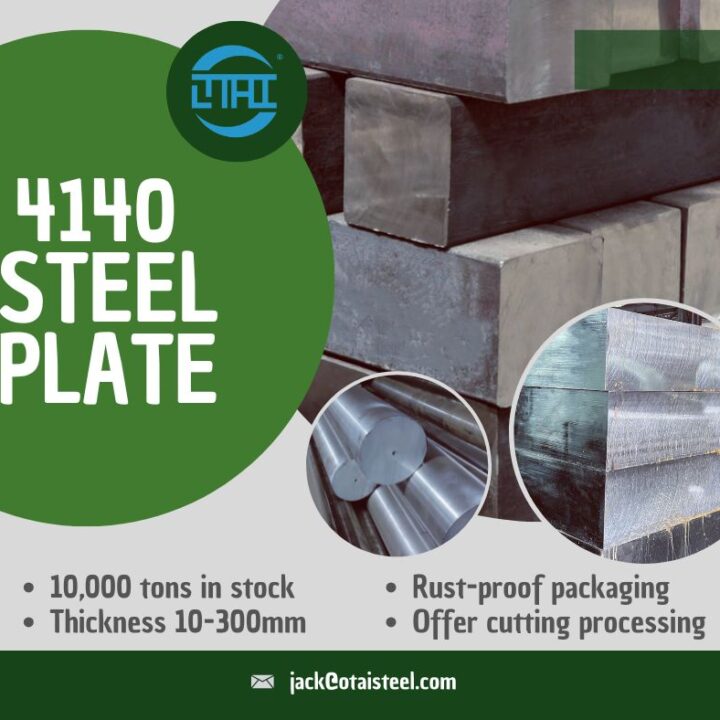
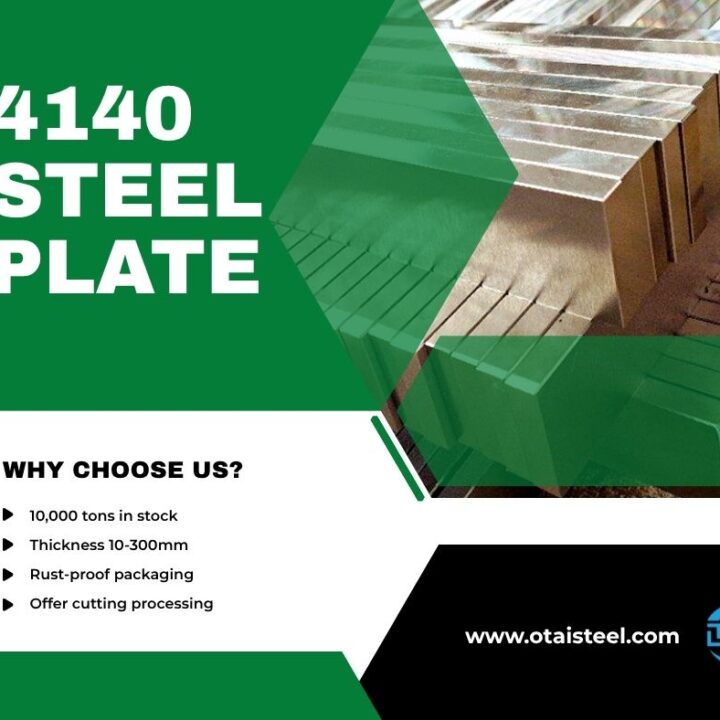
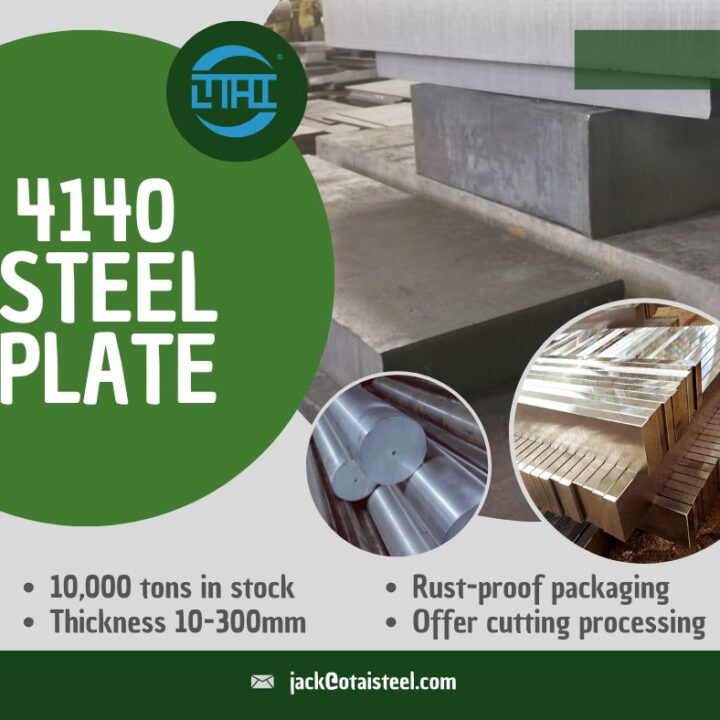
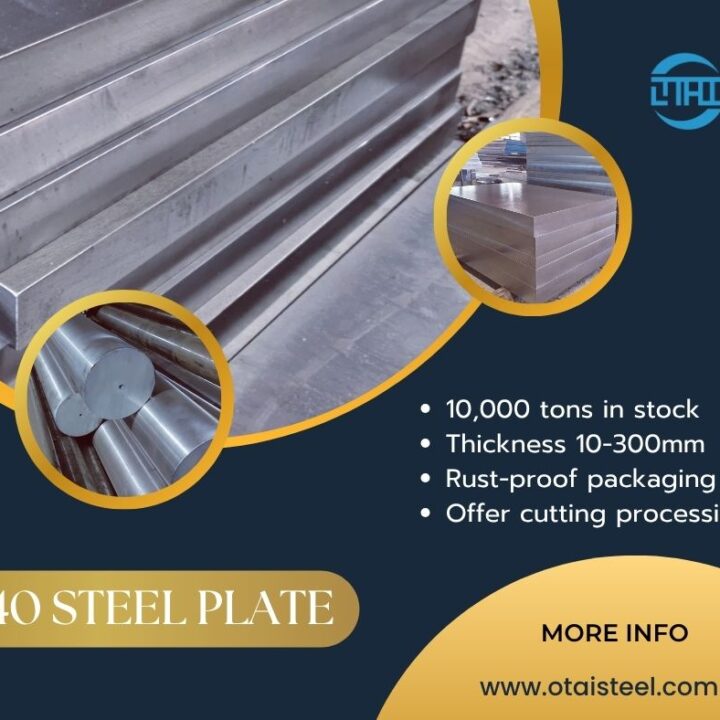
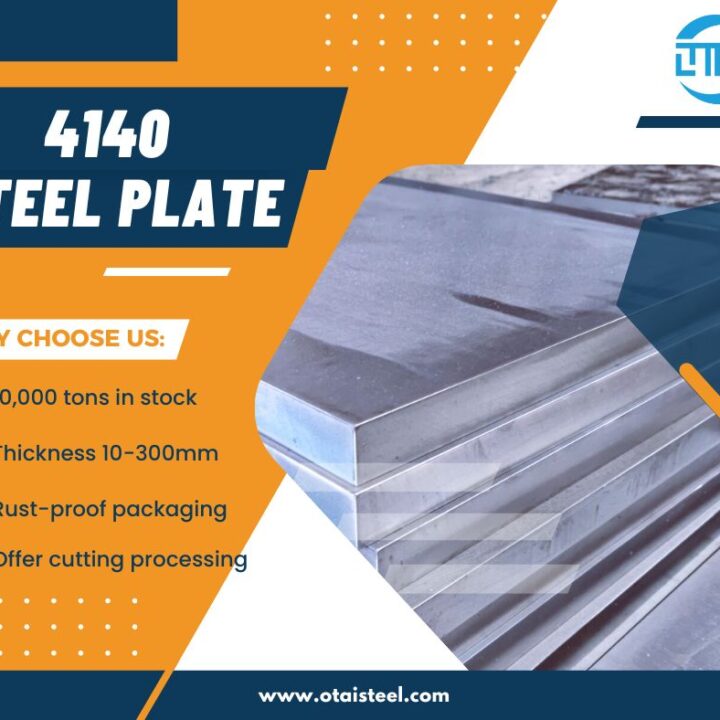
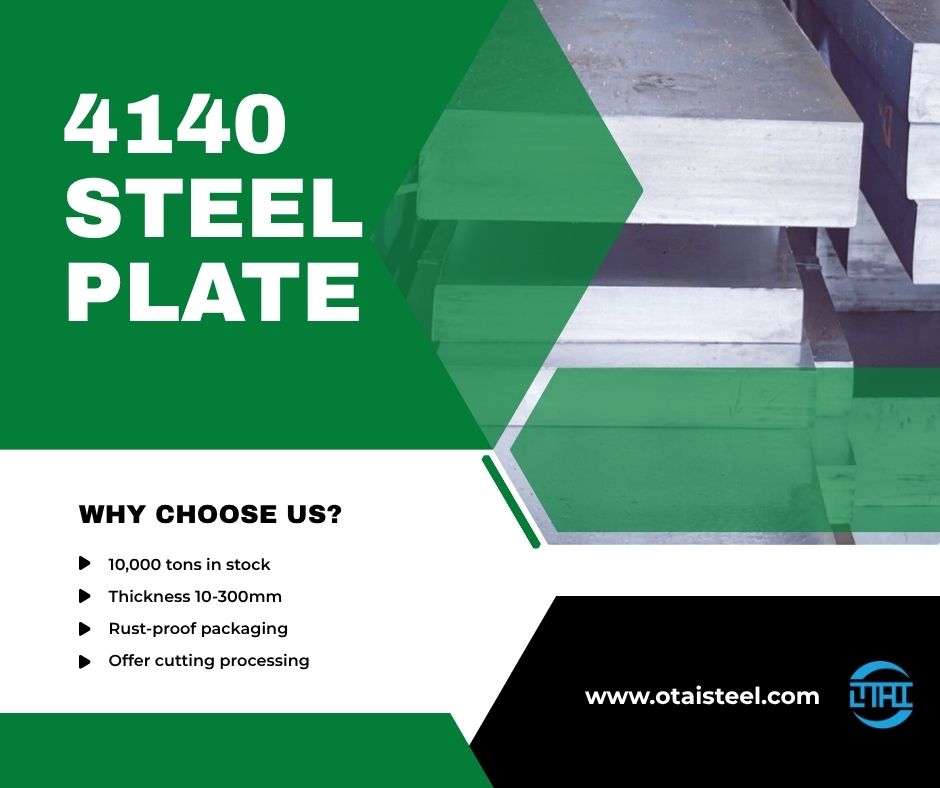
At Otai Special Steel, we provide a wide range of 4140 steel products with various sizes and specifications to meet your machining needs. Here’s why you should choose us for your 4140 steel requirements:
- Large Inventory: We offer over 10,000 tons of 4140 steel, ensuring we have the right material for your project.
- Custom Services: We provide cutting, heat treatment, and machining services tailored to your needs.
- Global Shipping: We offer fast, worldwide shipping for 4140 steel products.
- Quality Assurance: We conduct rigorous quality control tests, including ultrasonic testing (UT) and chemical composition analysis, to ensure the best quality.
❓ FAQ
1. What drill bit is best for drilling 4140 steel?
Cobalt and carbide-tipped drill bits are the best options for drilling 4140 steel due to their strength and heat resistance.
2. What cutting speed should I use for 4140 steel?
For HSS bits, use a cutting speed of 50–70 SFM, and for carbide-tipped bits, you can increase the speed to 90–120 SFM.
3. How deep can I drill into 4140 steel?
You can drill as deep as necessary, but it’s best to use the peck drilling method to avoid excessive heat and ensure proper chip removal.
4. Do I need cutting fluid when drilling 4140 steel?
Yes, cutting fluid is essential to cool the drill bit and workpiece, improve chip removal, and reduce tool wear.