 Stick Welding 4140 Steel: Techniques, Electrodes, and Best Practices
Understanding how to stick weld 4140 steel is essential to ensure weld integrity and maintain mechanical performance.
🔍 Challenges of Stick Welding 4140 Steel
The main challenge in welding 4140 steel is its relatively high carbon content and alloying elements. These factors increase hardenability and can lead to the formation of brittle martensite in the heat-affected zone (HAZ).
Because of this, many welders ask can you stick weld 4140 steel without cracking. The answer is yes—but only with proper preheating, electrode selection, and controlled cooling.
Key challenges include:
- Risk of hydrogen-induced cracking
- Hard and brittle heat-affected zone
- Residual stress after welding
- Sensitivity to rapid cooling
Following a proper stick welding procedure for 4140 alloy steel is critical to overcome these issues.
⚙️ Chemical Composition of 4140 Steel
Understanding the composition helps explain its welding behavior.
| Element | Content (%) |
|---|---|
| Carbon (C) | 0.38 – 0.43 |
| Chromium (Cr) | 0.80 – 1.10 |
| Molybdenum (Mo) | 0.15 – 0.25 |
| Manganese (Mn) | 0.75 – 1.00 |
| Silicon (Si) | 0.15 – 0.35 |
The relatively high carbon content increases hardness but also raises the risk of cracking during welding.
🔧 Best Electrodes for Stick Welding 4140 Steel
Selecting the best electrode for stick welding 4140 steel is essential for achieving a sound weld.
Common electrode choices include:
| Electrode | Type | Application |
|---|---|---|
| E7018 | Low hydrogen | General repair welding |
| E8018-B2 | Alloy electrode | Higher strength welds |
| E9018-B3 | Cr-Mo electrode | Matching alloy properties |
Low-hydrogen electrodes are preferred because they reduce the risk of hydrogen-induced cracking.
For most applications, E7018 is widely used due to its availability and good weld quality, although alloy electrodes provide better strength matching.
🔥 Preheating Requirements
Preheating is one of the most important steps in stick welding 4140 steel.
The preheat temperature for stick welding 4140 steel depends on the thickness of the material:
| Thickness | Preheat Temperature |
|---|---|
| < 25 mm | 150 – 200 °C |
| 25 – 50 mm | 200 – 250 °C |
| > 50 mm | 250 – 300 °C |
Preheating slows down the cooling rate and reduces the formation of brittle structures in the heat-affected zone.
⚙️ Stick Welding Procedure
Following a proper stick welding procedure for 4140 alloy steel ensures strong and reliable welds.
Step-by-step process:
- Clean the base metal to remove oil, rust, and contaminants.
- Preheat the material to the required temperature.
- Use low-hydrogen electrodes and keep them dry.
- Apply moderate heat input to avoid overheating.
- Use multi-pass welding for thicker sections.
- Maintain interpass temperature during welding.
- Allow slow cooling after welding.
These steps significantly reduce the risk of cracking and improve weld performance.
🔩 Post-Weld Heat Treatment
Post-weld heat treatment is often recommended for 4140 steel.
The post weld heat treatment for 4140 steel typically includes stress relieving or tempering.
| Process | Temperature Range |
|---|---|
| Stress relieving | 550 – 650 °C |
| Tempering | 540 – 680 °C |
This process reduces residual stress and improves the toughness of the weld area.
🏭 Applications of Stick Welded 4140 Steel
Because of its strength and durability, 4140 steel is widely used in welded components.
Common applications include:
- Heavy-duty shafts
- Oil and gas equipment
- Hydraulic cylinders
- Industrial machinery components
- Structural repair work
Applying proper 4140 steel welding tips stick welding ensures these components perform reliably under heavy loads.
🌟 Company Advantages
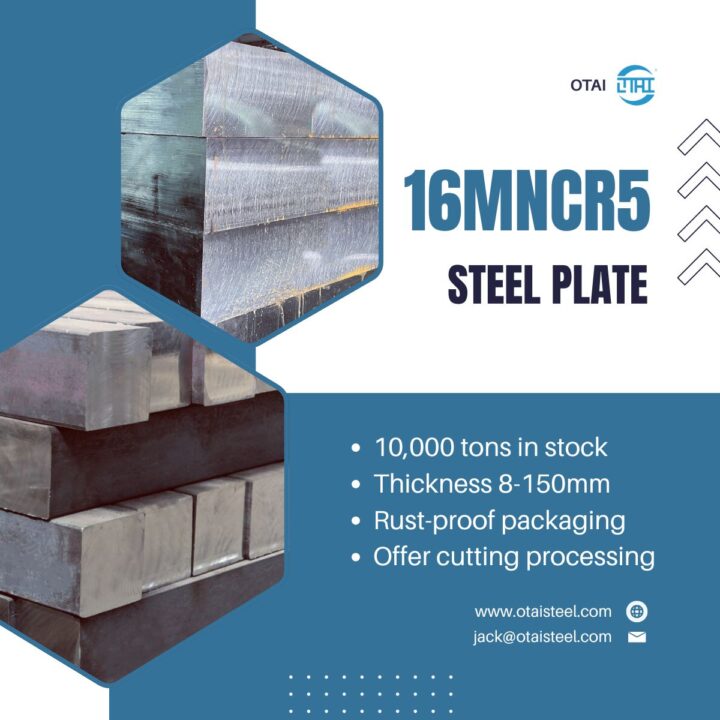
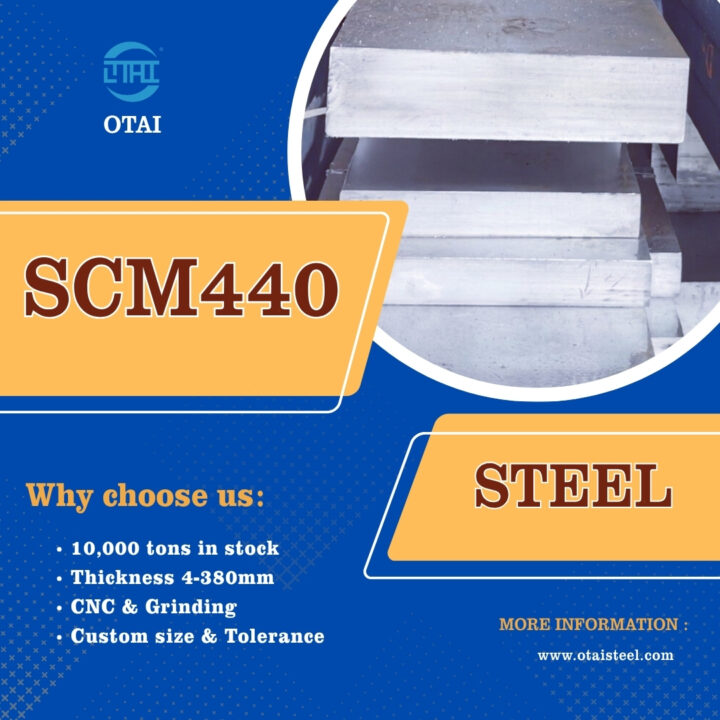
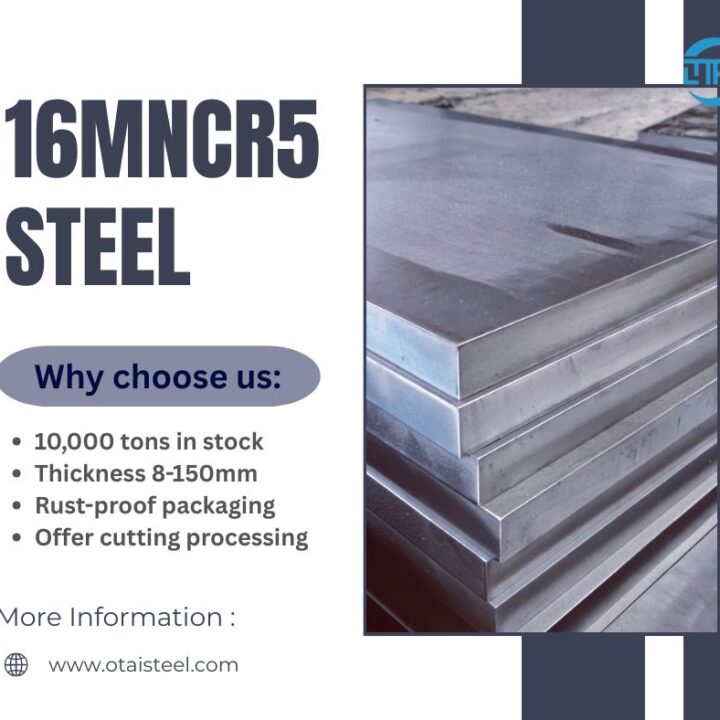
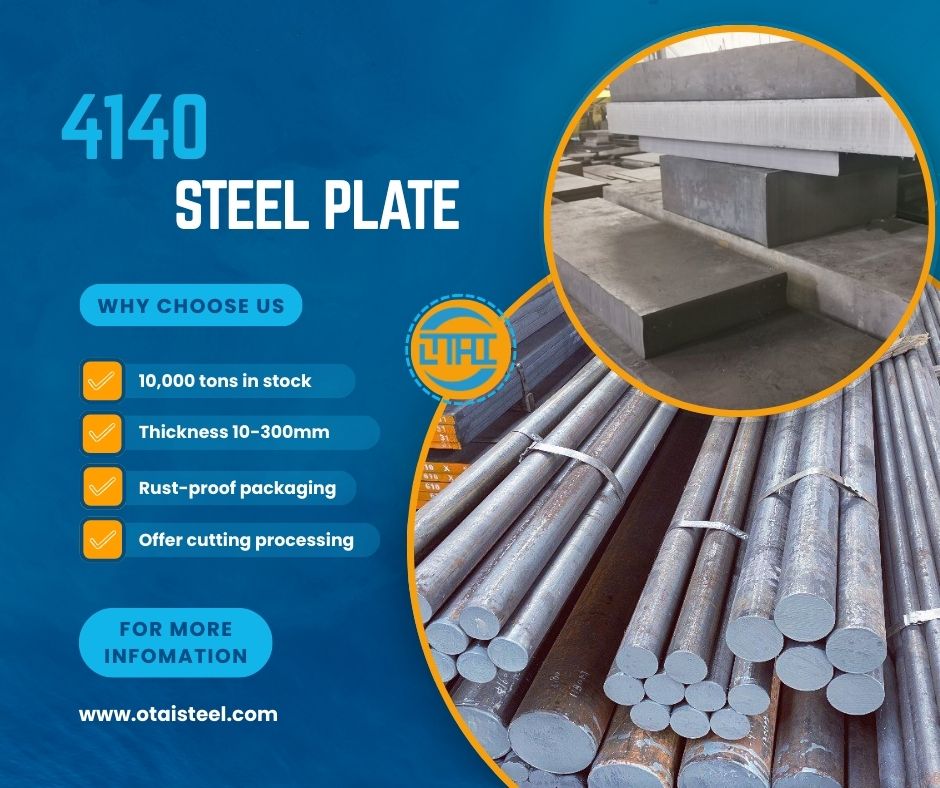
At Otai Special Steel, we supply high-quality AISI 4140 alloy steel for global industrial applications.
Our advantages include:
- Over 10,000 tons of steel inventory available year-round
- Plate thickness range from 6 mm to 300 mm
- Professional custom cutting and processing services
- Strict ultrasonic testing (UT) quality control
- Complete chemical composition testing
- Long-term cooperation with international companies such as Thyssenkrupp, Borealis, and Schlumberger
We help customers achieve reliable performance in demanding engineering projects.
❓ FAQ
1. Can you stick weld 4140 steel?
Yes, 4140 steel can be stick welded successfully with proper preheating, low-hydrogen electrodes, and controlled cooling.
2. What is the best electrode for stick welding 4140 steel?
Common choices include E7018, E8018-B2, and E9018-B3, depending on strength requirements.
3. Why is preheating important when welding 4140 steel?
Preheating reduces cooling rate, prevents brittle microstructure formation, and minimizes cracking risk.
4. Is post-weld heat treatment necessary?
It is often recommended to relieve stress and improve weld toughness, especially for critical applications.