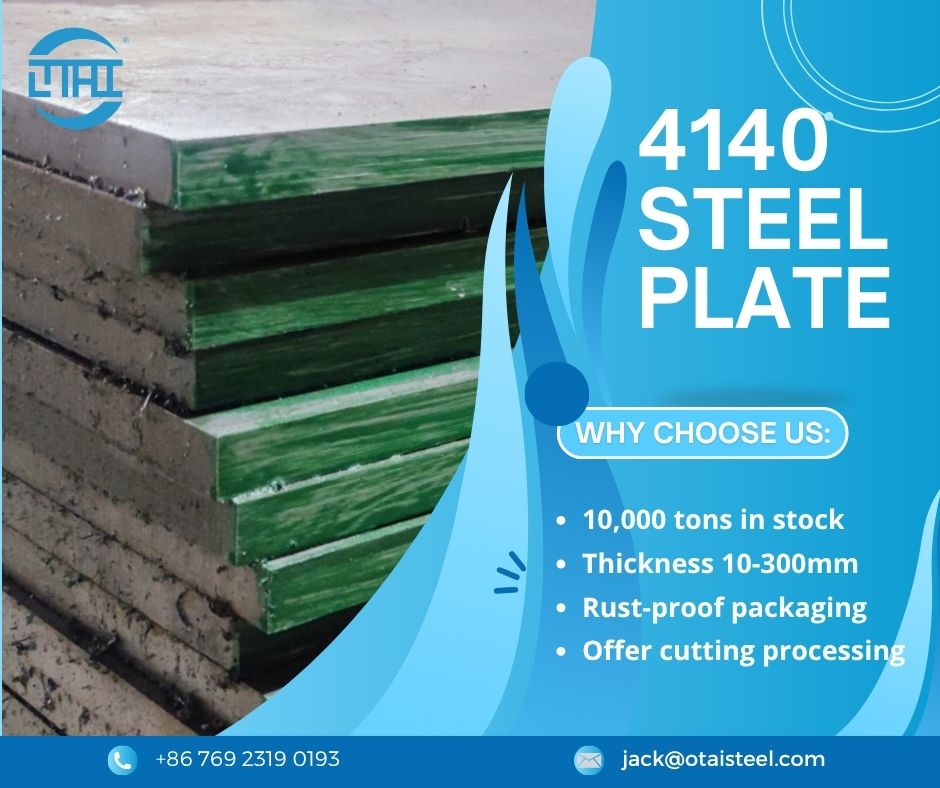
 4140 Steel vs 4142: A Comprehensive Comparison
When it comes to alloy steels, 4140 and 4142 are two popular choices for applications that demand high strength, durability, and wear resistance. Although they share many similarities, subtle differences in their composition and properties make each of them more suitable for specific applications. This article will provide a detailed comparison of 4140 steel and 4142 steel, helping you choose the right material for your project.
🔍 What is 4140 Steel?
4140 steel is a medium-carbon, chromium-molybdenum alloy steel that provides a good balance of strength, toughness, and hardness. It is commonly used in a wide variety of applications, including automotive, aerospace, and oil and gas industries. This alloy offers excellent machinability and is known for its high tensile strength and fatigue resistance.
-
Chemical Composition of 4140 Steel:
-
Carbon (C): 0.38–0.43%
-
Manganese (Mn): 0.60–0.90%
-
Chromium (Cr): 0.80–1.10%
-
Molybdenum (Mo): 0.15–0.25%
-
Silicon (Si): 0.20–0.35%
-
🔍 What is 4142 Steel?
4142 steel is a higher-carbon variant of the 4140 steel, specifically designed for situations that demand improved hardness and wear resistance. This steel grade offers increased strength compared to 4140 due to its higher carbon content and modified alloying elements. It is often used in heavy-duty applications where strength, durability, and wear resistance are paramount.
-
Chemical Composition of 4142 Steel:
-
Carbon (C): 0.38–0.43%
-
Manganese (Mn): 0.70–0.90%
-
Chromium (Cr): 0.80–1.10%
-
Molybdenum (Mo): 0.20–0.30%
-
Silicon (Si): 0.20–0.35%
-
🧪 Mechanical Properties: 4140 vs 4142
While 4140 steel and 4142 steel share a similar composition, their mechanical properties slightly differ due to the variation in carbon content and alloying elements.
Tensile Strength
-
4140 Steel: Has a tensile strength of approximately 1000-1200 MPa after heat treatment, making it ideal for applications that require moderate strength.
-
4142 Steel: The higher carbon content in 4142 increases its tensile strength to about 1100-1300 MPa, offering greater strength than 4140 steel in certain applications.
Yield Strength
-
4140 Steel: The yield strength for 4140 steel is typically around 650-850 MPa, which is sufficient for most applications requiring medium-strength steel.
-
4142 Steel: With its enhanced carbon content, 4142 steel exhibits a higher yield strength of 700-900 MPa, making it a stronger material for heavy-duty tasks.
Hardness
-
4140 Steel: The hardness of 4140 steel can range from 250-300 HB in its normal state, but it can achieve 50-55 HRC after proper heat treatment.
-
4142 Steel: Due to its higher carbon content, 4142 steel typically achieves hardness levels up to 55 HRC after heat treatment, making it more suitable for wear-resistant applications.
Impact Toughness
-
4140 Steel: Known for its good impact toughness, 4140 steel is effective in environments that demand durability and resistance to shock.
-
4142 Steel: 4142 steel maintains a similar impact toughness but slightly improves it due to its higher carbon content, making it more suitable for components exposed to more aggressive environments.
🔧 Applications: 4140 Steel vs 4142 Steel
The 4140 and 4142 steels both have widespread applications in industries such as automotive, aerospace, oil and gas, and manufacturing. However, their specific properties make them more suited to certain tasks.
4140 Steel Applications:
-
Automotive Components: Used in parts like crankshafts, axles, and gears due to its excellent machinability and toughness.
-
Aerospace: Widely used for aircraft landing gear, brackets, and structural components where high tensile strength is essential.
-
Industrial Equipment: Common in shafts, tooling, and hydraulic cylinders that demand high strength and resistance to wear.
-
Oil & Gas: Ideal for drill rods, valves, and pipe fittings due to its good strength-to-weight ratio and high impact toughness.
4142 Steel Applications:
-
Heavy-Duty Automotive Parts: 4142 steel is ideal for parts such as gears, crankshafts, and pistons, where high strength and wear resistance are required.
-
Oil & Gas: 4142 steel is used for drilling tools and downhole equipment, which need superior hardness and fatigue resistance.
-
Mining Equipment: Components like drill bits, hammers, and crusher parts benefit from 4142 steel’s toughness and wear resistance.
-
Aerospace: Used for turbine shafts and other high-strength applications in the aerospace sector.
🏆 Which Steel Should You Choose: 4140 or 4142?
Both 4140 steel and 4142 steel are excellent choices depending on the nature of the application. Here’s a quick guide to help you decide:
-
Choose 4140 Steel if you need a versatile, medium-carbon alloy steel that provides a balance of strength, toughness, and wear resistance. It’s the better option for general-purpose applications where high machinability and cost-effectiveness are key.
-
Choose 4142 Steel if you need a steel that offers higher strength, hardness, and wear resistance. It’s perfect for heavy-duty applications like automotive, mining, and aerospace components that experience extreme loads and wear.
🔧 Why Choose Otai Special Steel?
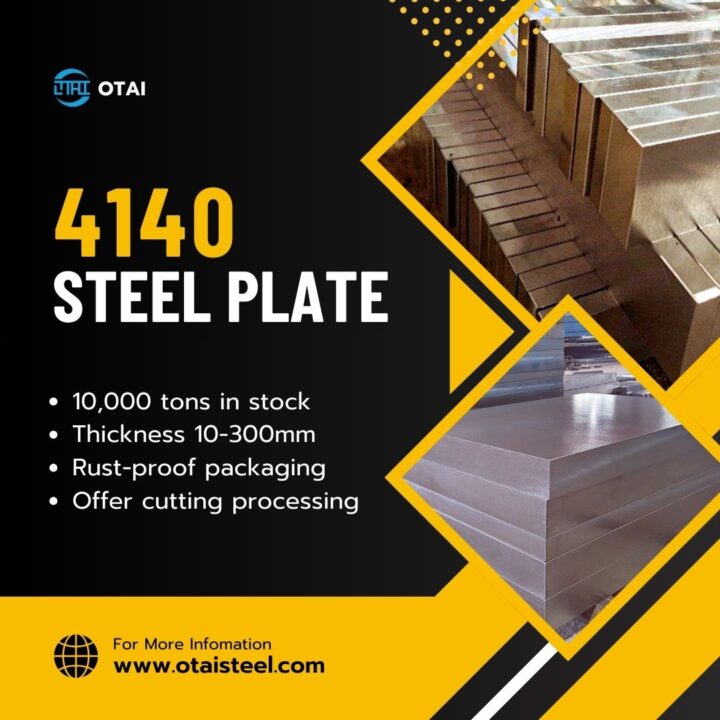
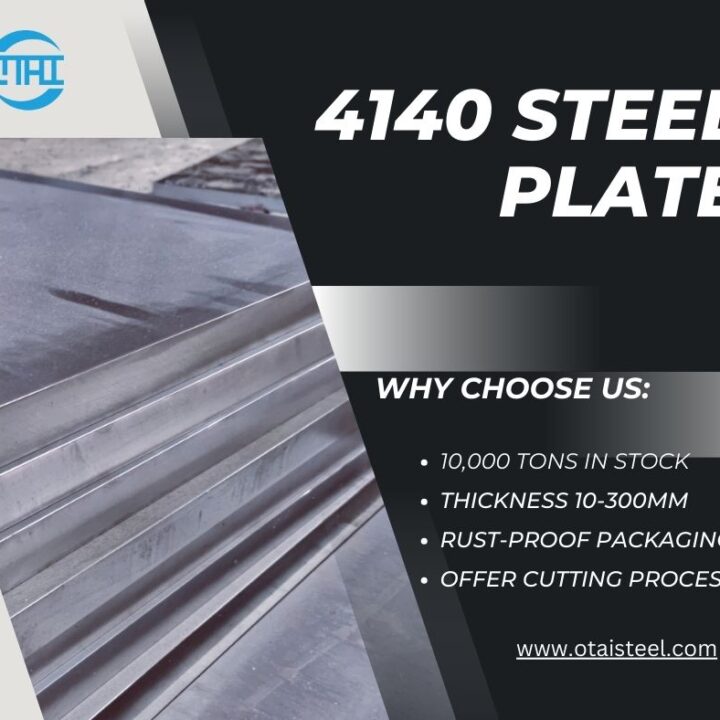
At Otai Special Steel, we supply high-quality 4140 steel and 4142 steel with excellent tensile strength, hardness, and machinability. We offer a wide range of steel products that cater to aerospace, automotive, and oil and gas industries. Our services include custom cutting, heat treatment, and third-party inspections, ensuring top-tier quality for your project.
❓ Frequently Asked Questions (FAQ)
Q1: Can 4140 steel be used in highly demanding environments like mining or aerospace?
A1: Yes, 4140 steel is widely used in aerospace and mining for components that require strength, toughness, and impact resistance. However, 4142 steel may offer higher wear resistance for more aggressive applications.
Q2: Is 4142 steel more expensive than 4140 steel?
A2: Yes, 4142 steel is typically more expensive than 4140 steel due to its higher carbon content, which improves its hardness and wear resistance.
Q3: Can I use 4140 steel for parts that need heat treatment?
A3: Yes, 4140 steel responds well to heat treatment, achieving high strength and hardness, making it suitable for parts like gears, shafts, and tooling.