 4140 Steel vs 316 Stainless Steel: Which One Should You Really Choose?
When it comes to picking between 4140 steel and 316 stainless steel, you might find yourself scratching your head. It’s a decision that pops up all the time, especially when dealing with high-stress parts like gears, shafts, or machinery components. We get plenty of questions from engineers and buyers asking:
-
“Which one offers better performance?”
-
“Can I save money by going with 4140?”
-
“Is 316 stainless worth the extra cost?”
Let’s break it down.
What is 4140 Steel?
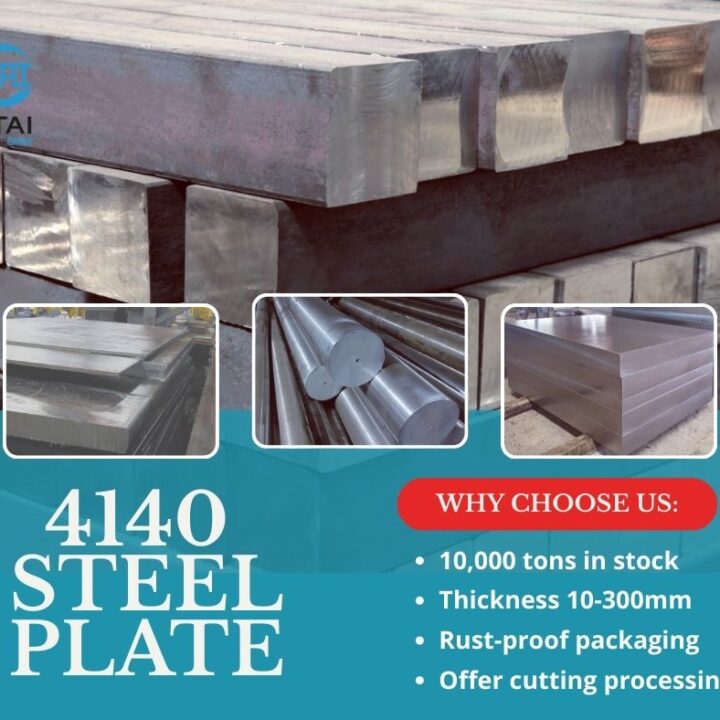
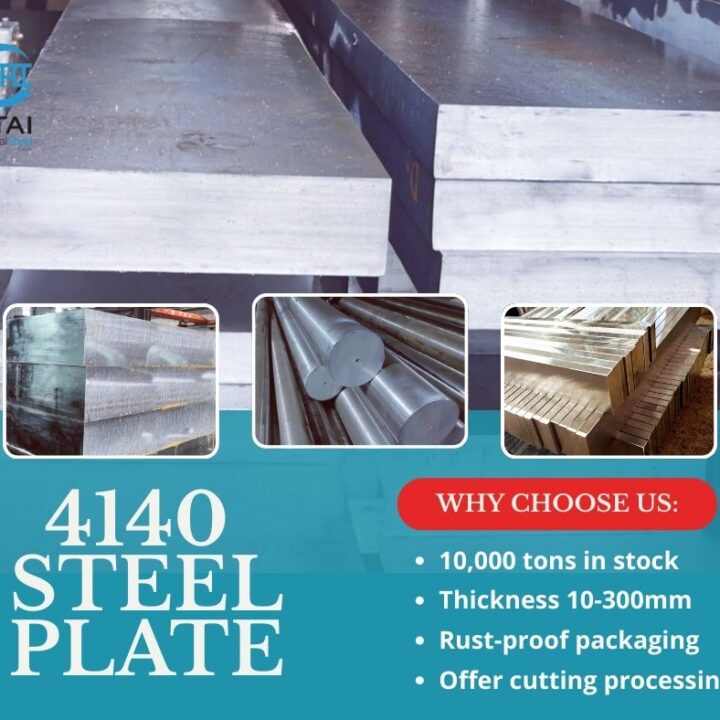
4140 steel is a popular low-alloy steel that’s known for its toughness, strength, and affordability. It’s a solid choice when you need something that can handle tough conditions without breaking the bank. Whether you’re building industrial machinery, automotive parts, or even oil and gas equipment, 4140 steel is often the go-to.
4140 Steel: Key Properties
| Property | 4140 Steel |
|---|---|
| Tensile Strength | 95,000 – 150,000 psi (655 – 1034 MPa) |
| Hardness | Heat treatable for higher hardness |
| Impact Toughness | High toughness, resistant to shock loads |
| Corrosion Resistance | Moderate, rusts with moisture exposure |
| Machinability | Easy to machine, even when hardened |
Why 4140?
If you need a material that can handle pressure and stress, 4140 steel delivers. It’s especially good for automotive, machinery, and oil & gas industries, where strength is a must but cost needs to be kept in check.
What is 316 Stainless Steel?
Now let’s talk about 316 stainless steel. If your project involves exposure to corrosive environments—like saltwater or chemicals—then 316 SS is the material for you. It’s incredibly resistant to corrosion, which makes it perfect for applications in marine, chemical, and medical fields.
316 Stainless Steel: Key Properties
| Property | 316 Stainless Steel |
|---|---|
| Tensile Strength | 75,000 psi (515 MPa) |
| Corrosion Resistance | Excellent, resists rust and corrosion |
| Hardness | Moderate, great for forming and shaping |
| Weldability | Easy to weld, even for complex parts |
| Machinability | Good, but tougher than 4140 to machine |
Why 316 Stainless Steel?
If you’re dealing with harsh environments or need something that won’t rust, 316 stainless steel is the way to go. It’s commonly used in marine equipment, medical devices, and chemical tanks, where corrosion resistance is critical.
4140 Steel vs 316 Stainless Steel: A Quick Comparison
To make things clearer, here’s a quick side-by-side comparison of the two materials:
| Property | 4140 Steel | 316 Stainless Steel |
|---|---|---|
| Tensile Strength | 95,000 – 150,000 psi (655 – 1034 MPa) | 75,000 psi (515 MPa) |
| Corrosion Resistance | Moderate, rusts under moisture exposure | Excellent, resists rust and chemicals |
| Hardness | Heat treatable for higher hardness | Moderate, great for forming and welding |
| Impact Toughness | High, withstands shock and wear | Moderate, not ideal for high impact loads |
| Machinability | Easy to machine | Good, but tougher than 4140 |
| Applications | Automotive, machinery, oil & gas | Marine, medical, chemical, and aerospace |
| Cost | Lower cost | Higher cost due to corrosion resistance |
When to Choose 4140 Steel or 316 Stainless Steel?
So, which one is the right fit for your project? Here’s a quick breakdown:
-
Go for 4140 steel if your focus is on strength and toughness, and you’re working in industries like automotive, machinery, or oil & gas.
-
Choose 316 stainless steel if you need corrosion resistance in harsh environments, like marine or chemical applications, or if you’re working with medical devices.
Real-World Applications
Still not sure which one to choose? Let’s look at some real-world examples:
| Industry | 4140 Steel Applications | 316 Stainless Steel Applications |
|---|---|---|
| Automotive | Gears, axles, shafts | Marine engine parts, exhaust systems |
| Marine | Industrial machinery, structural components | Boat parts, marine equipment |
| Chemical | Drilling equipment, valves | Chemical tanks, piping, and valves |
| Medical | Machinery, tooling | Surgical instruments, implants |
In most cases, 4140 steel does the job for general mechanical parts, while 316 SS is the best choice for environments that demand top-notch corrosion resistance.
Can 4140 Replace 316 Stainless Steel? Or Vice Versa?
Now, here’s the million-dollar question—can 4140 replace 316 SS, or the other way around?
In some cases, yes. For instance, 4140 steel might work well for general mechanical parts where corrosion isn’t an issue. However, if you need corrosion resistance or the material will be exposed to saltwater or harsh chemicals, then 316 stainless steel is irreplaceable.
But don’t try swapping them if corrosion resistance or high environmental exposure is key. For example, don’t use 4140 for marine components where 316 SS is required.
Why Choose Otai Special Steel for 4140 or 316 Stainless Steel?
Here’s why so many global companies trust us with their steel sourcing needs:
-
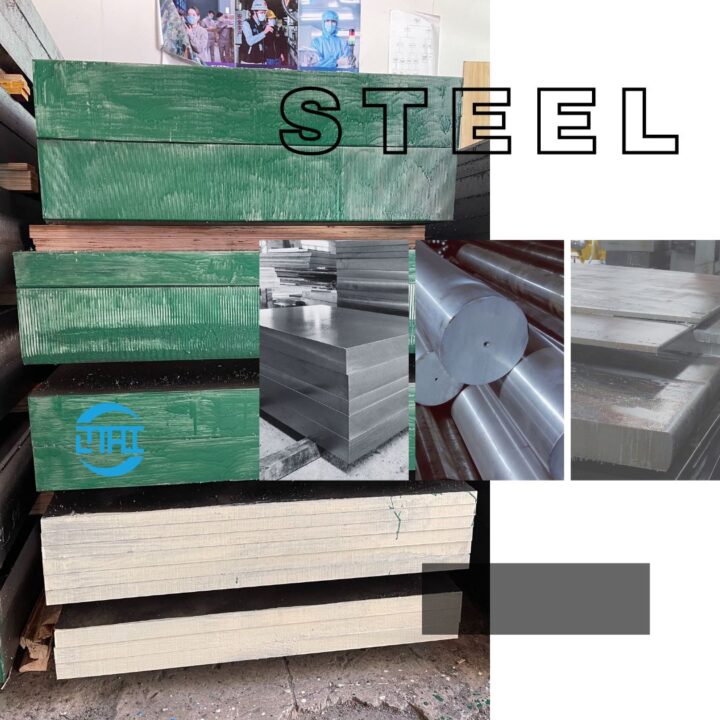
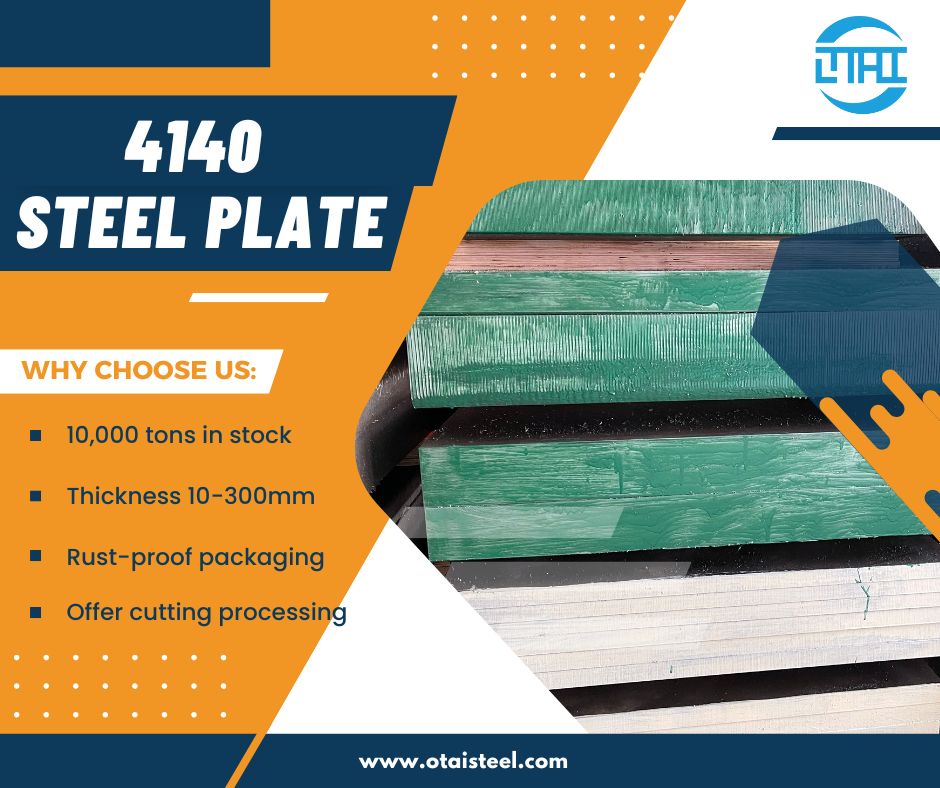
Over 10,000 tons of stock in various sizes (6mm – 300mm)
-
100% quality assurance, including ultrasonic testing and chemical analysis
-
Custom services: Heat treatment, cutting, packaging, and more
-
Reliable delivery: On-time, no matter the size of your order
FAQs: 4140 Steel vs 316 Stainless Steel
1. Which material is stronger, 4140 steel or 316 SS?
4140 steel is stronger and handles higher stress, making it ideal for heavy-duty applications.
2. Can 4140 steel replace 316 stainless steel?
Not in all cases. 4140 can work for general mechanical parts, but 316 SS is necessary for corrosion resistance.
3. Which is easier to machine, 4140 or 316 SS?
4140 steel is easier to cut and machine. 316 SS requires more precise equipment and slower speeds.
4. Can you supply both 4140 and 316 SS in custom sizes?
Yes, we provide cut-to-size services to meet your exact requirements.
5. How fast can I receive my order?
We can ship in-stock materials within 3-5 days globally. Just send us your specs, and we’ll take care of the rest.
Conclusion: Ready to Choose the Right Steel?
If you’re stuck choosing between 4140 steel and 316 stainless steel, the answer is simple: it depends on your project needs. 4140 is perfect for strength and toughness, while 316 SS is unbeatable for corrosion resistance.
Need expert help? Contact us today for a quick consultation and a custom quote.
📧 jack@otaisteel.com
📱 +8676923190193 (WhatsApp)
We’re here to help you make the right choice—whether it’s for heat treatment, cutting, or material advice.