 4140 Steel vs 1040: Strength, Composition, and Application Differences
When comparing 4140 steel vs 1040, engineers often focus on strength, hardenability, and overall performance. While both steels belong to the carbon and alloy steel family, they differ significantly in composition and application suitability.
Understanding the differences between 4140 steel vs 1040 helps you choose the right material for your project.
🛠️ Overview of 4140 Steel vs 1040
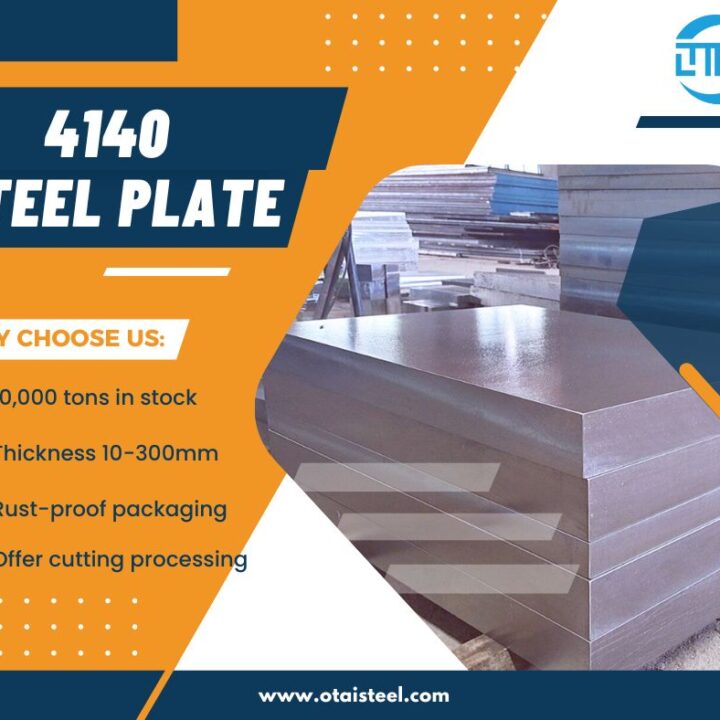
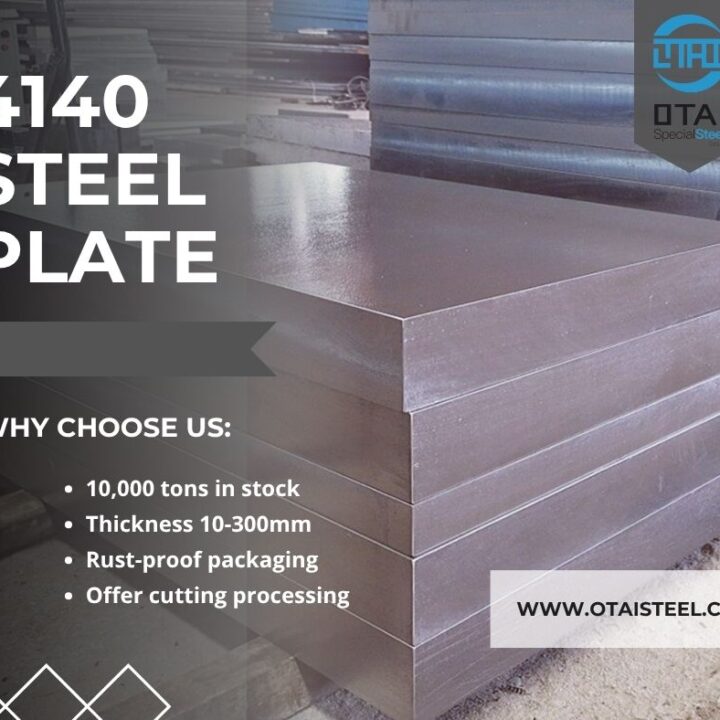
4140 steel is a chromium-molybdenum alloy steel known for high strength, toughness, and fatigue resistance. It performs well in heat-treated conditions.
1040 steel is a medium carbon steel with simpler composition. It offers moderate strength and good machinability but lacks the alloying elements found in 4140 steel.
⚙️ Chemical Composition Comparison
The main difference between 4140 steel vs 1040 lies in alloying elements.
| Element | 4140 Steel (%) | 1040 Steel (%) |
|---|---|---|
| Carbon (C) | 0.38 – 0.43 | 0.37 – 0.44 |
| Manganese (Mn) | 0.75 – 1.00 | 0.60 – 0.90 |
| Chromium (Cr) | 0.80 – 1.10 | — |
| Molybdenum (Mo) | 0.15 – 0.25 | — |
| Silicon (Si) | 0.15 – 0.35 | 0.15 – 0.35 |
The presence of chromium and molybdenum gives 4140 steel superior hardenability and strength compared to 1040 steel.
🔧 Mechanical Properties Comparison
The mechanical differences between 4140 steel vs 1040 become clear after heat treatment:
| Property | 4140 Steel | 1040 Steel |
|---|---|---|
| Tensile Strength | 850 – 1000 MPa | 600 – 800 MPa |
| Yield Strength | 650 – 850 MPa | 350 – 550 MPa |
| Hardness (HRC) | 28 – 32 (Q&T) | 15 – 22 (normalized) |
| Hardenability | High | Low |
| Toughness | Excellent | Moderate |
4140 steel clearly provides better performance in demanding environments.
🧰 Heat Treatment Capability
Heat treatment capability is a key factor in 4140 steel vs 1040 selection.
| Parameter | 4140 Steel | 1040 Steel |
|---|---|---|
| Hardenability | Deep hardening | Shallow hardening |
| Quenching Response | Excellent | Limited |
| Tempering Range | Wide | Narrow |
| Distortion Control | Good | Moderate |
4140 steel offers greater flexibility in achieving desired mechanical properties.
🔩 Application Comparison
The choice between 4140 steel vs 1040 depends on application requirements:
| Application | 4140 Steel | 1040 Steel |
|---|---|---|
| Shafts | High-load applications | Medium-load applications |
| Gears | Heavy-duty and high wear | Light-duty gears |
| Fasteners | High-strength bolts | Standard bolts |
| Machinery Parts | Critical components | General-purpose components |
You should choose 4140 steel for high-stress environments and 1040 steel for cost-sensitive applications.
💡 Key Differences Between 4140 Steel vs 1040
- 4140 steel contains chromium and molybdenum, while 1040 steel does not
- 4140 steel offers higher strength and fatigue resistance
- 1040 steel provides better machinability in some conditions
- 4140 steel supports deeper hardening and better heat treatment response
- 1040 steel is more economical for simple applications
These differences directly affect performance and cost.
🌍 Advantages of Each Material
Both 4140 steel vs 1040 offer distinct advantages:
- 4140 steel: High strength, excellent toughness, superior wear resistance
- 1040 steel: Lower cost, simple processing, good machinability
Selecting the right material depends on performance requirements and budget.
🏆 Company Advantages
At Otai Special Steel, we supply both 4140 steel and 1040 steel with consistent quality and fast delivery. Our advantages include:
- Large Inventory: Over 10,000 tons of alloy and carbon steel available.
- Custom Processing Services: Cutting, heat treatment, and machining.
- Strict Quality Control: UT testing and chemical composition verification.
- Global Export Experience: Reliable supply for international clients.
- Competitive Pricing: Cost-effective solutions for all applications.
🤔 FAQ
Q1: Which is stronger, 4140 or 1040 steel?
A1: 4140 steel is significantly stronger due to its alloying elements and heat treatment capability.
Q2: Is 1040 steel cheaper than 4140?
A2: Yes, 1040 steel is generally more cost-effective because of its simpler composition.
Q3: When should I choose 4140 steel over 1040?
A3: Choose 4140 steel for high-load, high-stress, or wear-resistant applications.