 4140 Steel for Knives: Durability and Performance in Cutting Tools
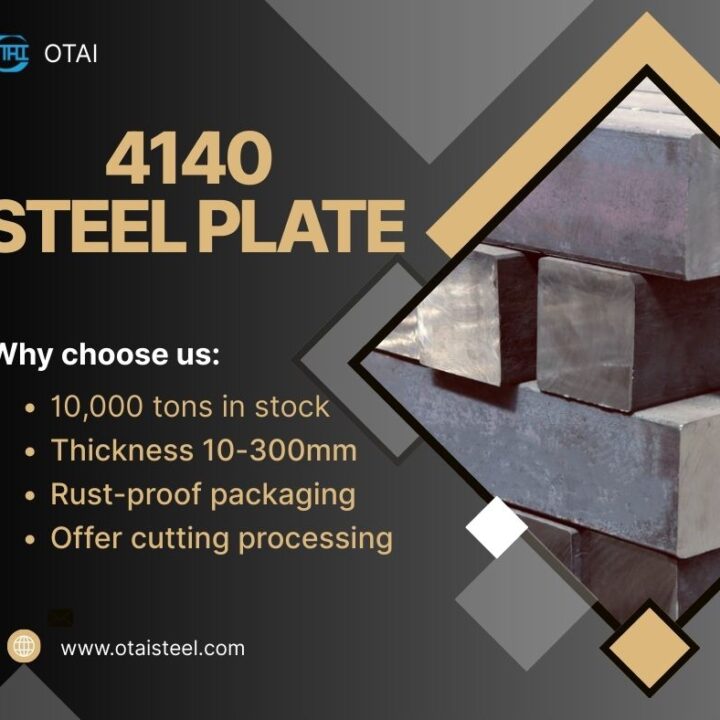
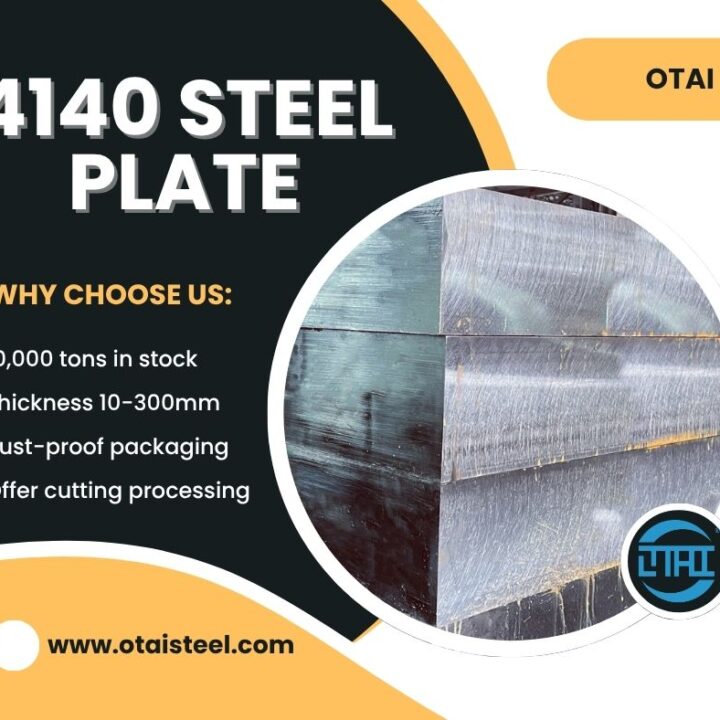
4140 steel offers an excellent balance of toughness, strength, and wear resistance. These features make it a practical option for manufacturing knives. Whether you produce custom blades or evaluate materials for industrial cutting tools, you can rely on this alloy for consistent performance. Its hardness creates challenges during processing, but proper heat treatment and design solve most issues.
🛠️ What is 4140 Steel?
4140 steel is a chromium-molybdenum alloy steel that contains carbon, chromium, and molybdenum. These elements give the material high toughness, solid hardness, and reliable wear resistance. With about 0.40% carbon content, it falls into the medium-carbon category and balances strength with machinability. Engineers often choose it for shafts, gears, and structural components that face repeated stress.
⚙️ Why Choose 4140 Steel for Knives?
Many manufacturers select 4140 steel for knife-making because it delivers durability and stability under load. It may not compete with high-carbon tool steels in edge retention, but it performs well in demanding environments where toughness matters more than extreme sharpness.
| Property | 4140 Steel Performance |
|---|---|
| Toughness | High resistance to impact and cracking |
| Edge Retention | Moderate, suitable for general-purpose cutting |
| Hardness | Typically reaches 28–32 HRC after heat treatment |
| Wear Resistance | Good, supported by chromium and molybdenum content |
You can use 4140 steel for knives when you need durability instead of razor-level edge retention. This makes it ideal for heavy-duty or survival applications.
🧰 How to Heat Treat 4140 Steel for Knives?
Heat treatment plays a critical role in improving the performance of 4140 steel for knives. You must control both temperature and cooling rate to achieve the right balance between hardness and toughness.
| Heat Treatment Step | Temperature Range | Result |
|---|---|---|
| Austenitizing + Quenching | 850–900°C (1560–1650°F) | Increases hardness and forms martensite |
| Tempering | 200–320°C (390–610°F) | Reduces brittleness and improves toughness |
Start by heating the steel to the austenitizing range. Then quench it in oil to lock in hardness. After that, temper the material to reduce internal stress. This process gives the blade a tough core and usable hardness.
🔧 Applications of 4140 Steel Knives
Manufacturers use 4140 steel for knives in situations that demand strength and impact resistance. It performs well when the blade faces shock, bending, or rough handling.
| Knife Type | Key Benefit |
|---|---|
| Tactical Knives | Resists chipping and survives heavy-duty use |
| Survival Knives | Handles impact, prying, and outdoor stress |
| Utility Knives | Balances durability with acceptable cutting ability |
You can depend on 4140 steel for knives in field conditions where failure is not an option.
🏆 Company Advantages
At Otai Special Steel, we supply high-quality 4140 steel for knife manufacturing and other demanding industries. Our strengths include:
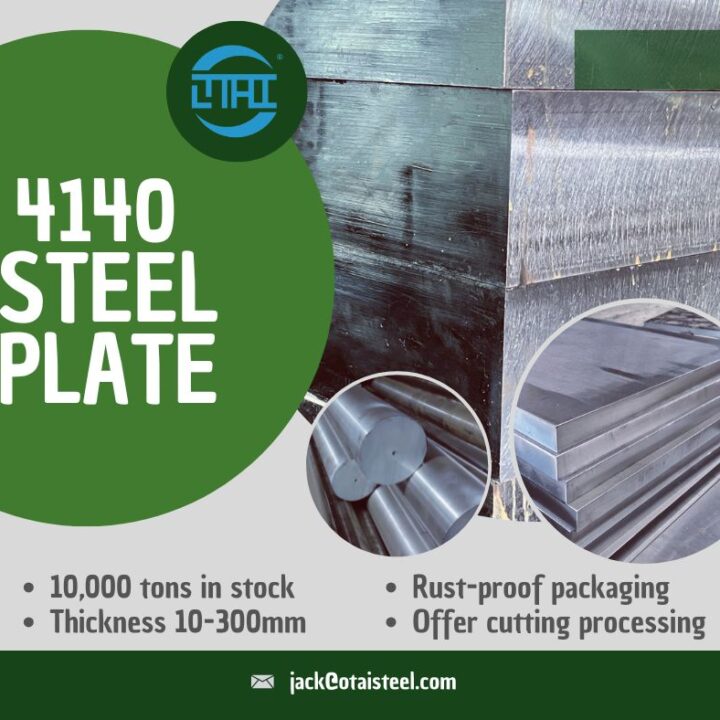
- Large Inventory: We maintain over 10,000 tons of 4140 steel, ensuring fast delivery and stable supply.
- Custom Processing: We provide cutting, heat treatment, and machining services based on your specifications.
- Strict Quality Control: We perform ultrasonic testing (UT) and chemical analysis to guarantee material reliability.
- Global Experience: We serve international clients and understand export standards and logistics.
- Competitive Pricing: We offer cost-effective solutions without compromising product quality.
🤔 FAQ: 4140 Steel for Knives
Q1: Is 4140 steel suitable for knife making?
A1: Yes, 4140 steel for knives works well when you need toughness and durability. It performs better in impact conditions than many high-hardness steels.
Q2: How hard can 4140 steel get for knives?
A2: You can typically achieve 28–32 HRC after proper heat treatment. This range offers a good balance between strength and toughness.
Q3: What are the limitations of 4140 steel for knives?
A3: 4140 steel for knives does not provide top-level edge retention. You may need more frequent sharpening compared to high-carbon or tool steels.