 4140 Steel Drilling Feeds and Speeds: Optimizing Drilling Performance
Drilling 4140 steel requires careful attention to feeds and speeds to achieve optimal performance, extend tool life, and maintain part quality. 4140 steel is a popular alloy known for its high strength, toughness, and versatility, making it a choice material for various industrial applications. However, its hardness can make drilling challenging if you don’t adjust the parameters correctly.
🛠️ What is 4140 Steel?
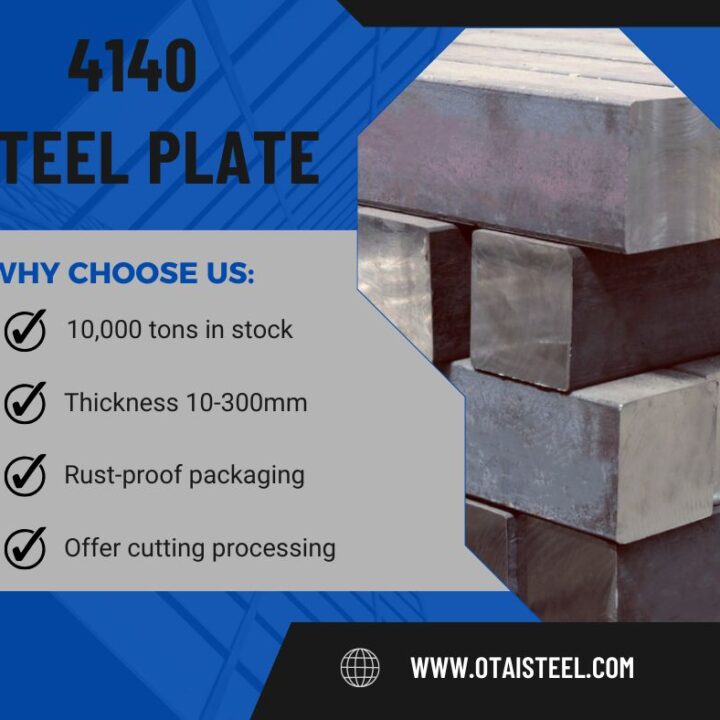
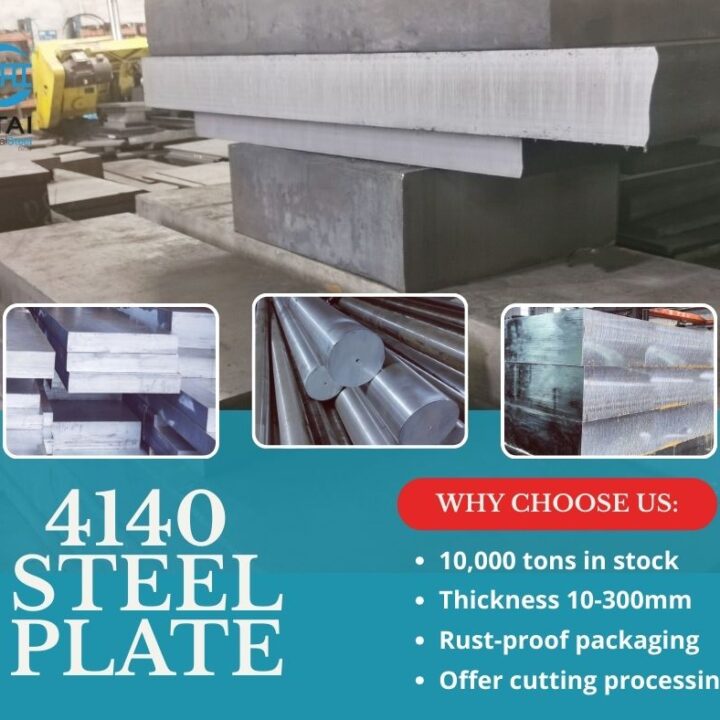
4140 steel is an alloy steel that includes carbon, chromium, and molybdenum. These elements provide 4140 with excellent toughness, high fatigue strength, and wear resistance. You often find this material in shafts, gears, and crankshafts. Because of its hardness, you need to use correct feeds and speeds when drilling.
⚙️ Optimal Feeds and Speeds for Drilling 4140 Steel
You can improve the drilling process by selecting the correct feeds and speeds. Several factors determine the ideal cutting parameters, including the type of drill bit and material hardness. Here’s a general guideline:
- Cutting Speed (SFM): For 4140 steel, the recommended cutting speed ranges from 60 to 100 feet per minute (SFM) when using high-speed steel (HSS) drill bits. If you use carbide drill bits, increase the speed to 150 SFM.
- Feed Rate (IPM): The typical feed rate for HSS drill bits is between 0.005 and 0.015 inches per revolution (IPR). You can use carbide bits at higher feed rates, ranging from 0.010 to 0.030 IPR, because carbide handles increased heat and wear better than HSS.
🔧 Factors Influencing Feeds and Speeds
Several factors affect the drilling process. Consider these when selecting your feeds and speeds:
- Tool Material: The material of your tool affects cutting speed and feed rate. Carbide tools work better with higher speeds and feed rates than HSS tools.
- Hole Diameter: Large holes need slower feed rates to avoid excessive heat buildup. Smaller holes can typically handle faster speeds and feeds.
- Drilling Depth: When drilling deeper holes, reduce the feed rate to avoid binding the drill bit. It also helps with chip removal.
- Coolant: Always use proper coolant or lubrication to reduce friction and heat. This improves drilling efficiency and extends tool life.
- Workpiece Condition: The condition of the 4140 steel also affects the drilling parameters. For example, hardened 4140 steel requires slower feeds and speeds to prevent excessive tool wear.
🧰 Tool Selection for Drilling 4140 Steel
To drill 4140 steel successfully, choose the right drill bit:
- High-Speed Steel (HSS) Drill Bits: These bits are commonly used for general-purpose drilling. However, 4140 steel may wear out HSS bits quickly. Adjust your feeds and speeds to get the most out of these tools.
- Carbide Drill Bits: Carbide tools are best for drilling 4140 steel, especially when you need higher cutting speeds. Carbide bits are more durable and last longer than HSS bits.
- Cobalt Drill Bits: Cobalt is an alloy of HSS and offers better heat resistance. Use these for tougher applications like drilling 4140 steel.
🛠️ Common Drilling Challenges and Solutions
Drilling 4140 steel can present challenges like heat buildup, tool wear, and chip removal. Here’s how to overcome them:
- Excessive Tool Wear: Reduce feeds and speeds when drilling hardened 4140 steel. Keep the drill bit lubricated to minimize wear.
- Heat Buildup: Heat is a major issue when drilling 4140 steel. Use coolant to dissipate heat and protect the tool.
- Poor Chip Removal: In deeper holes, chips can accumulate, which causes clogging and poor surface finish. To prevent this, reduce the feed rate and ensure good chip clearance through coolant use.
🌍 Applications of Drilled 4140 Steel
Drilled 4140 steel is used in many industries. Common applications include:
- Automotive: You can find drilled 4140 steel in automotive components like gears, shafts, and axles, where high strength and wear resistance are crucial.
- Aerospace: In aerospace, parts like aircraft landing gear, turbine shafts, and structural components are made from drilled 4140 steel due to its toughness.
- Heavy Machinery: 4140 steel is used to make heavy machinery parts like crankshafts and pressure vessels, where durability and toughness are key.
🏆 Company Advantages
At Otai Special Steel, we offer high-quality 4140 steel and other alloy steels for diverse applications. Our strengths include:
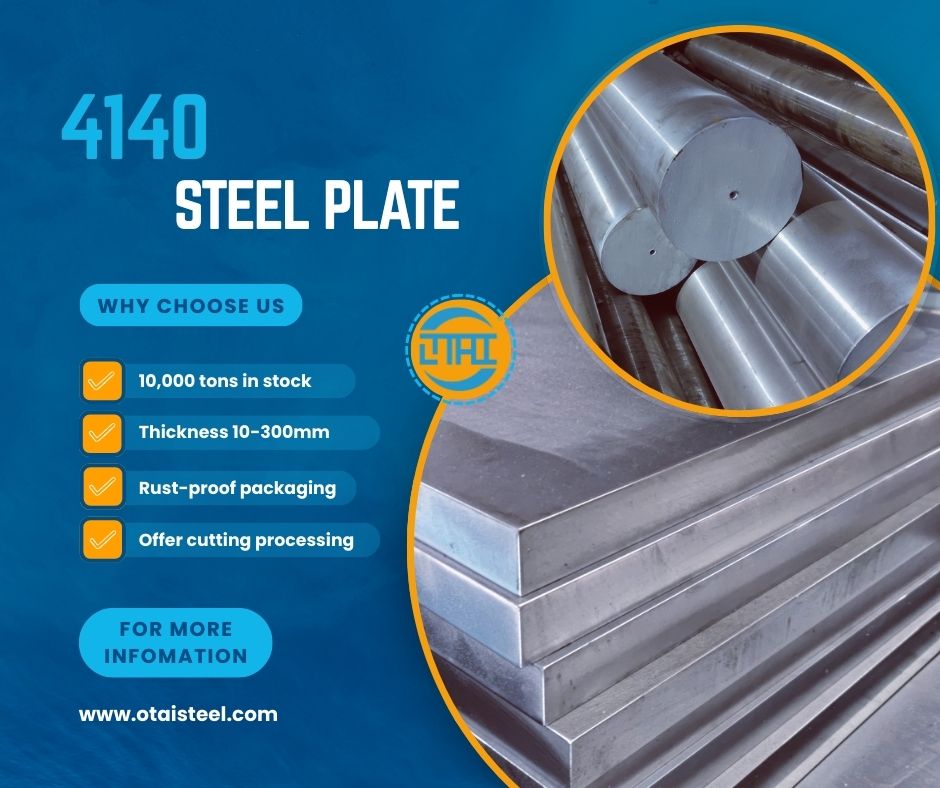
- Extensive Inventory: We keep over 10,000 tons of 4140 steel in stock, ensuring a steady supply for clients worldwide.
- Custom Solutions: We provide services like precision cutting, heat treatment, and custom packaging tailored to your needs.
- Global Reach: Our experience with international clients guarantees reliable delivery and excellent customer service.
- Quality Assurance: We conduct rigorous quality control, including ultrasonic testing (UT) and chemical composition analysis, to meet global standards.
- Competitive Pricing: We offer cost-effective solutions without sacrificing quality, making us a reliable partner for steel sourcing.
🤔 FAQ: 4140 Steel Drilling Feeds and Speeds
Q1: What is the optimal cutting speed for drilling 4140 steel?
A1: The recommended cutting speed for 4140 steel is 60 to 100 SFM with HSS drill bits. If using carbide, you can increase the speed up to 150 SFM.
Q2: How do I reduce tool wear when drilling 4140 steel?
A2: To minimize tool wear, use lower feeds and speeds and lubricate the drill bit properly.
Q3: Is coolant necessary for drilling 4140 steel?
A3: While it’s possible to drill 4140 steel without coolant, using it helps manage heat buildup, extends tool life, and improves drilling performance.