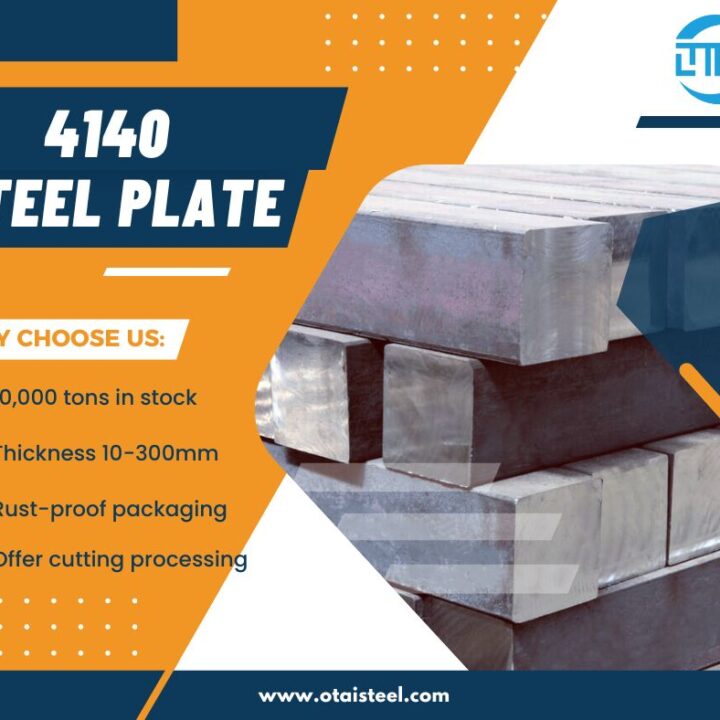
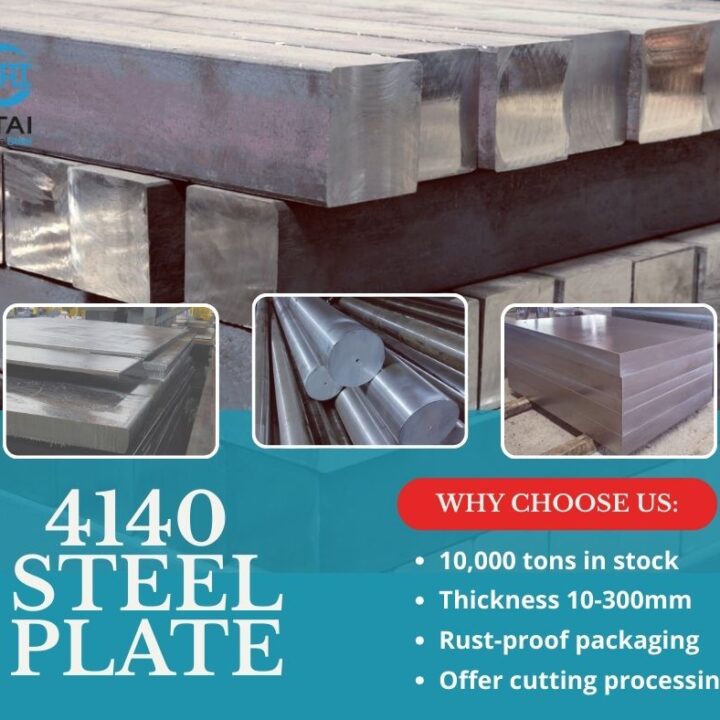
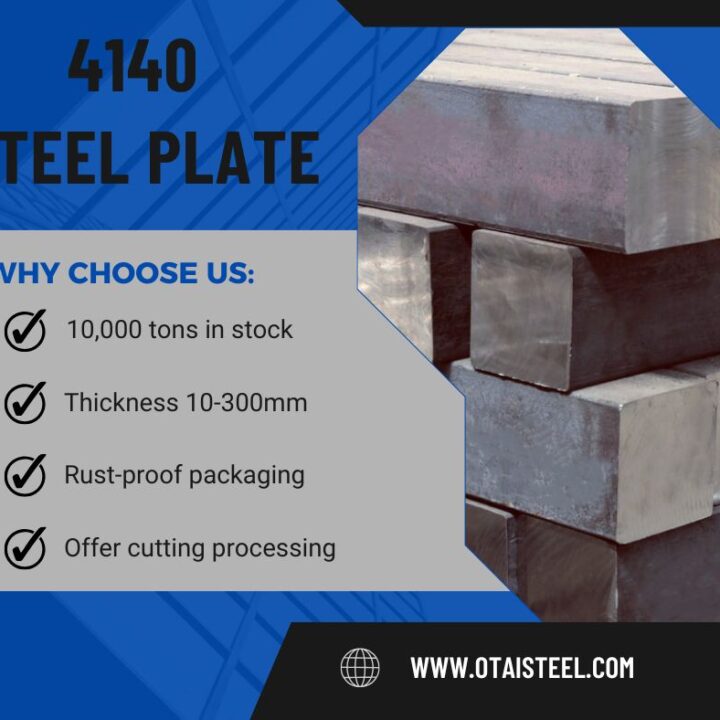
 4140 Steel Condition: Understanding the Impact on Performance
4140 steel, an alloy steel that’s widely used in a range of industries, is known for its versatility and durability. However, the 4140 steel condition plays a significant role in determining its strength, toughness, and overall performance. Whether you’re in the automotive, aerospace, or manufacturing sector, understanding how different conditions of 4140 steel affect its properties can help you make the best material choice for your projects.
Let’s break it down and explore the different conditions of 4140 steel and how they impact its functionality in various applications.
🌟 What is 4140 Steel?
4140 steel contains chromium, molybdenum, and carbon, which give it remarkable strength and toughness. These characteristics make it ideal for applications that require materials to withstand high-stress environments, such as in shafts, gears, and heavy-duty machinery components.
The alloy’s chemical composition contributes to its high hardenability, wear resistance, and excellent fatigue strength. However, these traits can be enhanced or modified by altering the steel’s condition through processes like heat treatment.
🔥 Heat Treatment and Its Effect on 4140 Steel Condition
One of the primary ways to alter the 4140 steel condition is through heat treatment. By controlling the temperature and cooling rate during processes like quenching and tempering, you can significantly change the steel’s properties.
Different Heat Treatment Processes for 4140 Steel
| Heat Treatment Process | Effect on Steel | Typical Applications |
|---|---|---|
| Normalized 4140 Steel | Refines grain structure for improved uniformity and toughness. | General machining and fabrication |
| Quenched and Tempered 4140 Steel | Increases strength and hardness through rapid cooling, then tempered for stability. | High-stress components like gears, crankshafts, and shafts |
| Annealed 4140 Steel | Softens steel to make it more ductile and easier to machine. | Precision machining of complex parts |
Each heat treatment process enhances specific properties of the steel, allowing it to be tailored to the requirements of different applications.
🛠️ Mechanical Properties Across Different 4140 Steel Conditions
To better understand how 4140 steel condition affects its performance, let’s take a look at its mechanical properties in different states. Below is a comparison table highlighting the key properties:
| Condition | Tensile Strength (MPa) | Yield Strength (MPa) | Hardness (HRC) | Machinability |
|---|---|---|---|---|
| Normalized 4140 Steel | 620-850 | 450-600 | 22-30 | Good |
| Quenched and Tempered 4140 Steel | 830-1000 | 670-900 | 28-35 | Moderate |
| Annealed 4140 Steel | 415-620 | 275-450 | 15-20 | Excellent |
As you can see, the tensile strength, yield strength, and hardness vary depending on the condition of the steel, with the quenched and tempered version offering the highest strength and hardness. However, this comes at the cost of machinability, which is easier in the annealed condition.
💡 Choosing the Right 4140 Steel Condition for Your Application
Selecting the appropriate 4140 steel condition depends largely on the specific demands of your project. Here are a few guidelines to help you make the best decision:
| Application Type | Recommended 4140 Steel Condition | Reason |
|---|---|---|
| High-stress environments | Quenched and Tempered 4140 Steel | Provides maximum strength and hardness, ideal for heavy-duty use. |
| Ease of machining required | Annealed 4140 Steel | Soft and ductile, easier to machine into complex parts. |
| General-purpose use | Normalized 4140 Steel | Good balance of strength, toughness, and machinability. |
The table helps simplify which condition is suitable for specific needs, ensuring that your selection aligns with performance requirements.
🏗️ Real-World Applications of 4140 Steel in Different Conditions
Here’s a quick look at how the 4140 steel condition plays out in real-world applications:
| Industry | Common 4140 Steel Condition | Application |
|---|---|---|
| Aerospace | Quenched and Tempered 4140 Steel | Aircraft landing gear components, which require high strength and fatigue resistance. |
| Automotive | Normalized 4140 Steel | Axle shafts, suspension components needing a balance of strength and machinability. |
| Oil & Gas | Annealed 4140 Steel | Oilfield tools, where ease of machining is crucial for producing precise components. |
These examples show how selecting the right steel condition ensures that parts meet the specific needs of each industry.
🏆 Why Choose Otai Special Steel for Your 4140 Steel Needs?
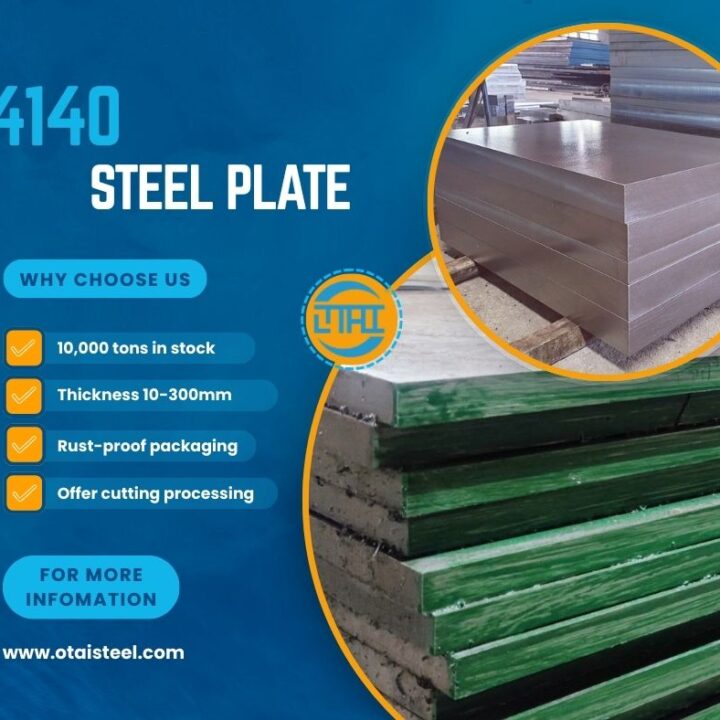
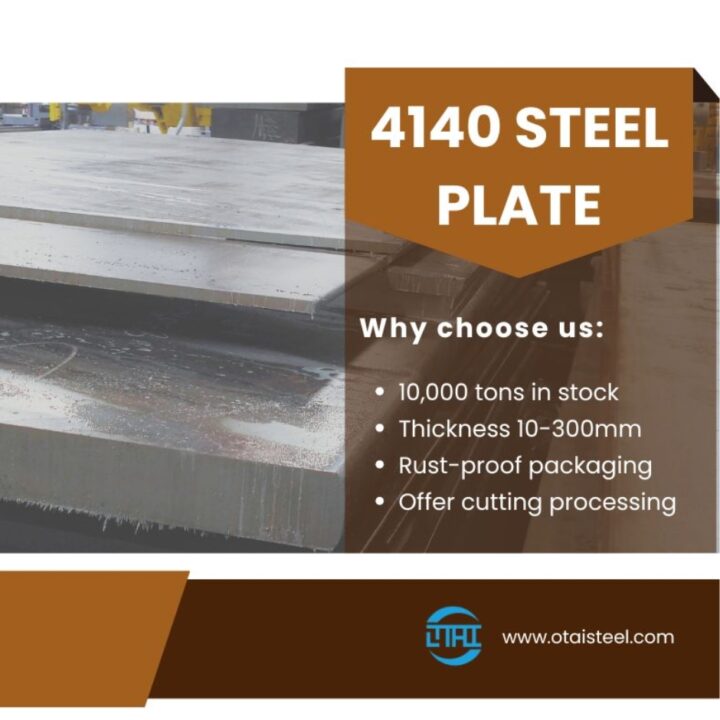
At Otai Special Steel, we pride ourselves on offering high-quality 4140 steel in various conditions to meet your specific needs. Here are a few reasons why you should choose us for your 4140 steel procurement:
-
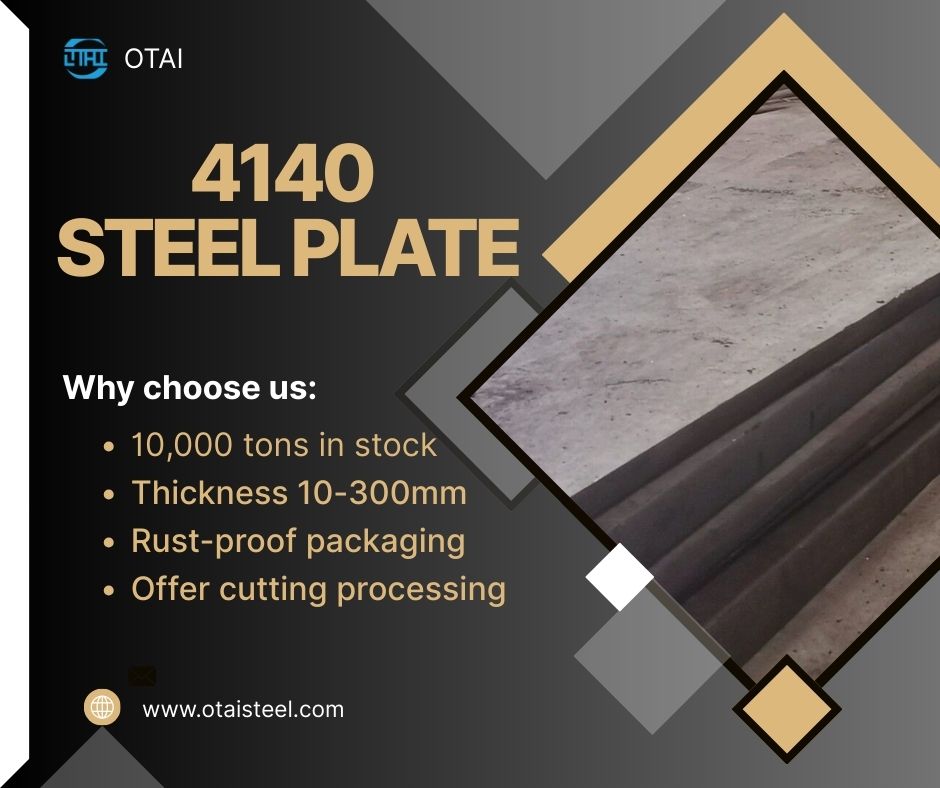
Extensive Inventory: We maintain an inventory of over 10,000 tons of steel, ensuring we can meet your demand year-round.
-
Customization: We offer value-added services like cutting, heat treatment, and packaging to tailor the steel to your exact specifications.
-
Quality Assurance: Our strict quality control measures, including ultrasonic testing and chemical composition analysis, ensure that our 4140 steel meets the highest standards of performance and reliability.
-
International Experience: We have successfully supplied 4140 steel to top-tier companies worldwide, including Thyssenkrupp, Borealis, and Schlumberger.
❓ FAQ: Common Questions About 4140 Steel Condition
Q1: Can I use annealed 4140 steel for high-strength applications?
A1: Annealed 4140 steel is not ideal for high-strength applications, as it lacks the hardness and strength that quenched and tempered or normalized 4140 offers. However, it’s a great choice for parts that need extensive machining before further treatment.
Q2: How does heat treatment affect the machinability of 4140 steel?
A2: Heat treatment can affect the machinability of 4140 steel. Annealed 4140 steel has excellent machinability, while quenched and tempered 4140 steel can be more challenging to machine due to its higher hardness.
Q3: What’s the difference between normalized and quenched & tempered 4140 steel?
A3: Normalized 4140 steel is air-cooled and offers a balance of strength and machinability, while quenched and tempered 4140 steel is heat-treated for maximum strength and hardness, making it ideal for heavy-duty applications.